Saint-Jean-de-Luz, France

Port of call

Saint-Jean-de-Luz, France

Description — Saint-Jean-de-Luz, France

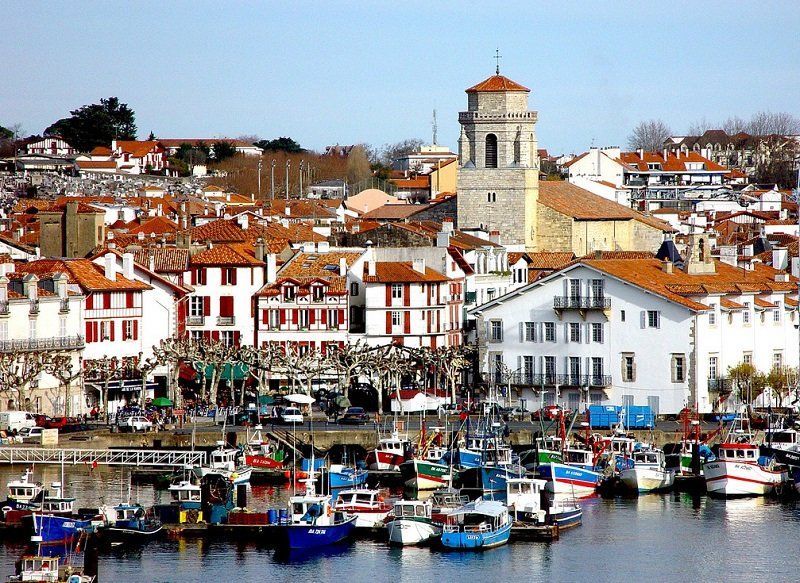
Saint-Jean-de-Luz is a town and commune in the southwest of France, the administrative center of the eponymous canton in the Pyrénées-Atlantiques department. The town is part of the Bayonne arrondissement and lies on the Atlantic Ocean coast in the Bay of Biscay on the right bank of the Nivelle River. Like many port cities in the Northern Basque Country, Saint-Jean-de-Luz previously played an active role in transatlantic trade with French colonies in the West Indies.

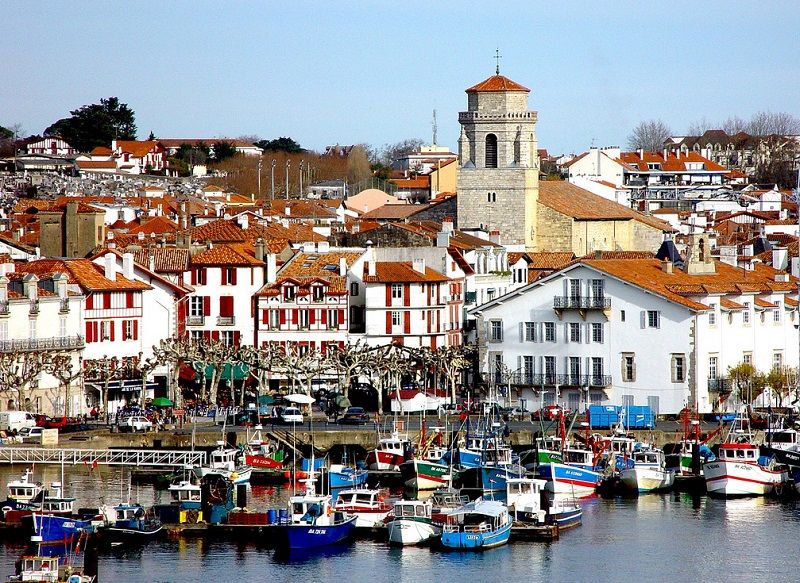
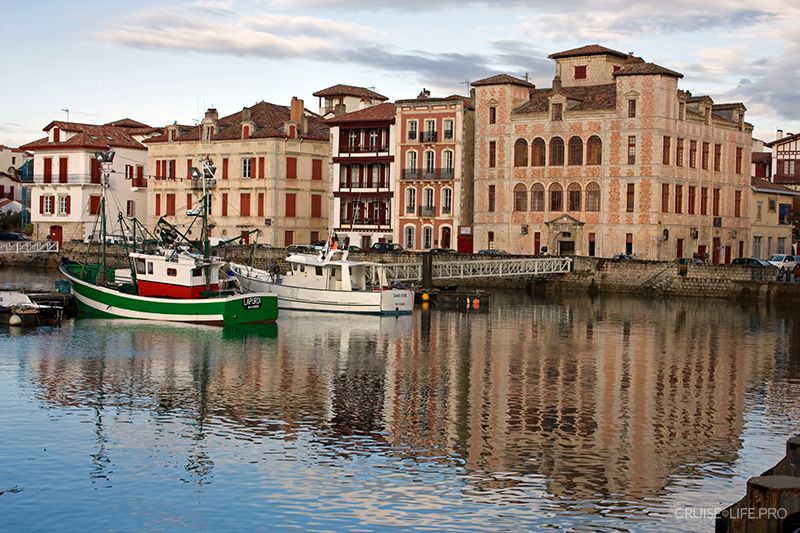
As the only natural harbor between Arcachon and Spain, Saint-Jean-de-Luz was the main port on the southwest coast for many centuries and a major whaling center. Even now, it remains one of France’s most active fishing ports, supplying the market with first-class anchovies and tuna.

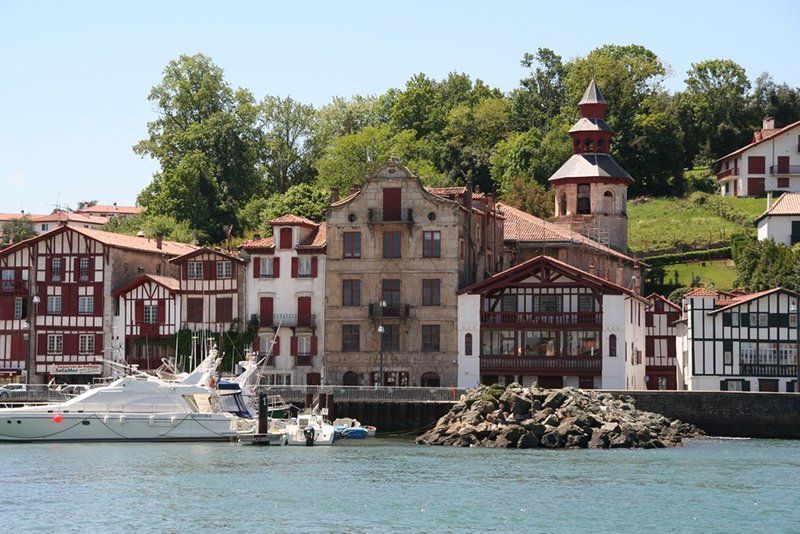
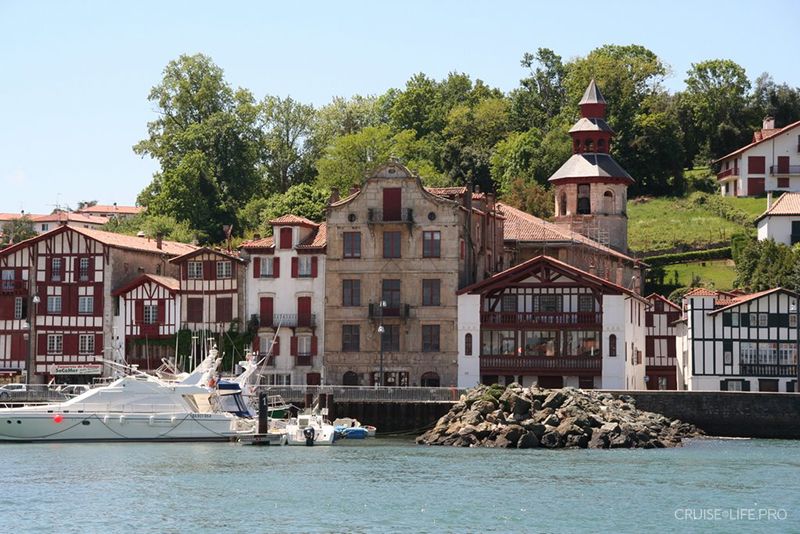
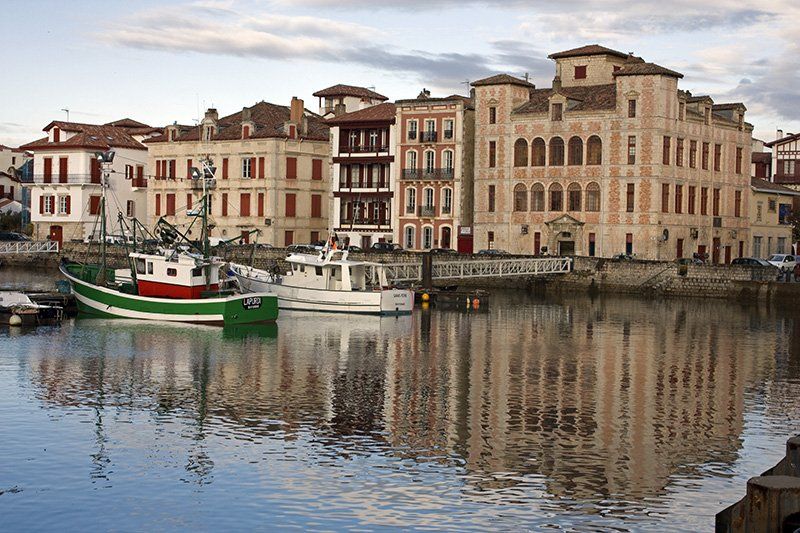
The town features typically Basque architecture, especially along the waterfront: houses with tiled roofs and narrow streets. Notable for its built-up area and the Place Louis XIV.

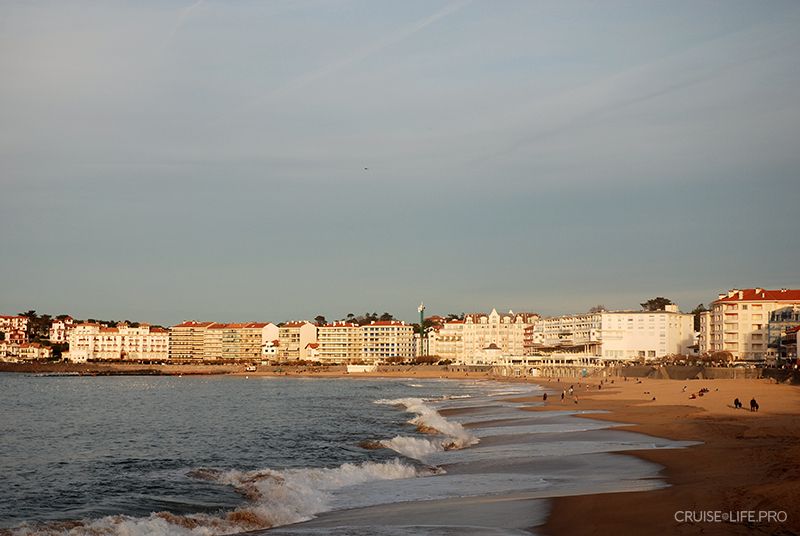
Thanks to its magnificent beaches, Saint-Jean-de-Luz has earned a reputation as one of the best resorts on the Atlantic coast of France. Here, excellent seafood cuisine reigns. The Hélianthal thalassotherapy center is located in Saint-Jean-de-Luz. The town lies south of the resort of Biarritz. On the other bank of the Nivelle River is the seaside resort of Ciboure; to the east is the spa town of Cambo-les-Bains.

Throughout the year, Saint-Jean-de-Luz hosts cultural and sporting events that attract people of all ages: classical music concerts organized by the Académie Ravel, a film festival for young filmmakers, a press week, a surfing films festival, pelote championships, and much more. One of the main holidays falls in early July and is devoted to tuna-an activity whose catch still contributes to the town’s prosperity.

Climate

Saint-Jean-de-Luz is located at the foot of the picturesque Pyrenees, which form a natural barrier against strong winds. The climate on the coast is maritime.

Winter is very mild: the average temperature in January is about 6.6 °C. Summer is warm: the average temperature in July is about 20.6 °C. Precipitation is about 770 mm per year. Water temperatures in summer are 20-22° C.

The mountain ranges of the Pyrenees are covered with pine forests, so it is easy and pleasant to breathe in the town and along the coast. Sunlight, calm waters of the Bay of Biscay with valuable salts and minerals, plus clean and oxygen-enriched air create a unique microclimate of the resort, which is especially recommended for people with immune system disorders.

Location on the map

Sights

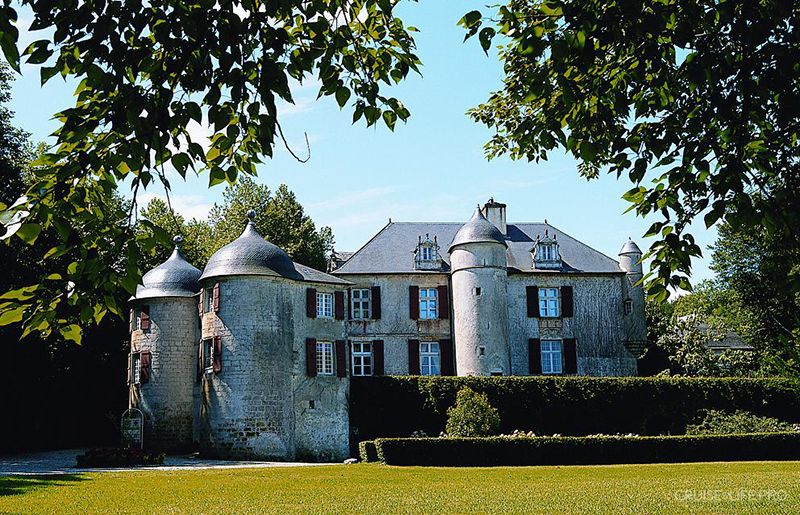
Château d’Urthubie Castle Hotel

Château d’Urthubie Castle Hotel

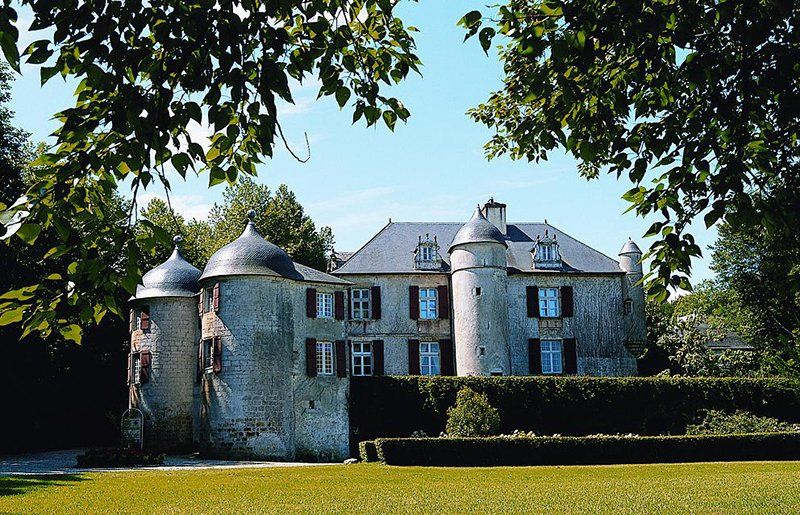
The history of the chateau dates back to 1341, when a modest fortress was built on this site. Over the next 300 years, the owners of the castle added to it and improved it, turning it into the chateau. One day, King Louis XIV made the lords of Urtyubye into viscounts. Since then, up to the present day, the chateau has been owned by the same family of counts, the Urtyubyes. Inside the chateau there is a hotel with 10 rooms, the prices of which depend on the size of the premises. The chateau is surrounded by a cozy garden with a greenhouse, a chapel, and many different kinds of flowers. Guests are free to stroll around the garden on their own, while access to the castle is allowed only with a guide. Tours are conducted in French, but visitors are provided with a small leaflet containing explanations in Russian.
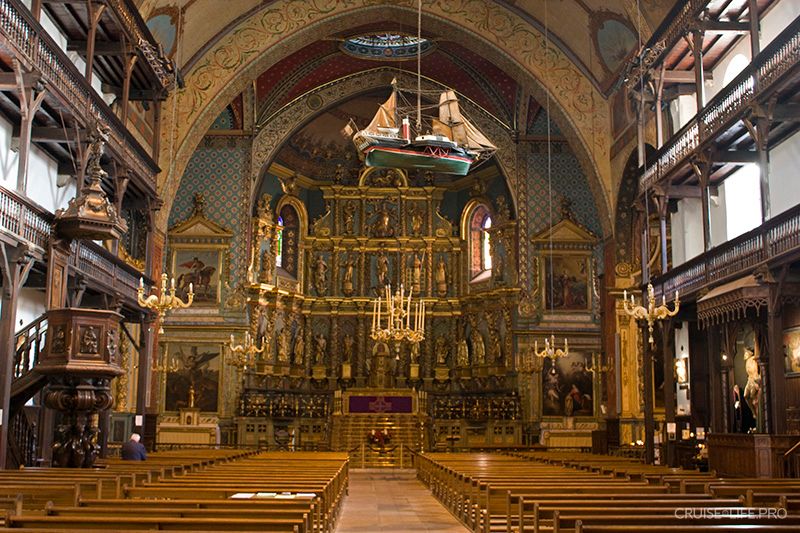
Church of St. John the Baptist

Church of St. John the Baptist

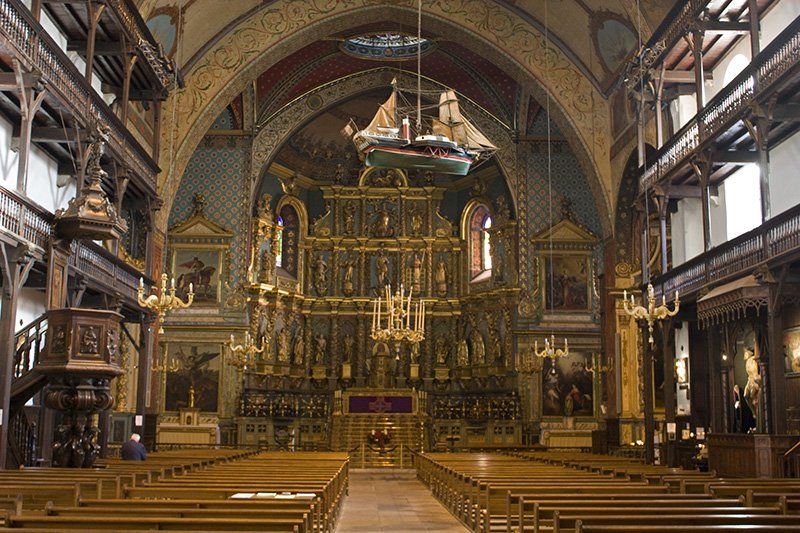
The Church of St. John the Baptist is famous for its 17th-century altar made of intricately carved, gilded wood. It was crafted by the carpenter Martin de Bydache. It is known that in 1669 it took five wagons to transport all the altar elements from Bayonne, where the master worked on it, to Saint-Jean-de-Luz. Eighteen statues of saints, two allegories, columns adorned with branches of vine, flowers, leaves, birds, and laughing children-everything is arranged according to classical canons and decorated with antique motifs in the grand style characteristic of the Sun King’s era, when the Palace of Versailles was being built. On June 9, 1660, the wedding ceremony of Louis XIV and the Spanish Infanta Maria Theresa took place in this very church.
What to see

Infanta Promenade

Infanta Promenade

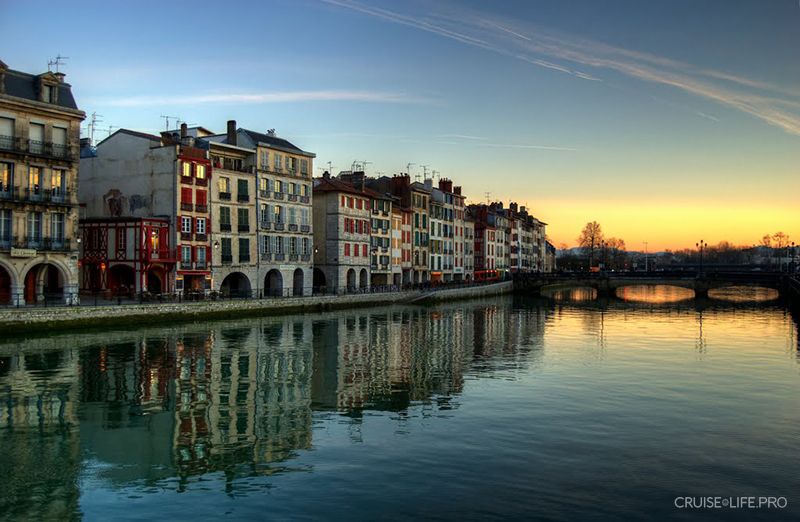
The most beautiful urban development is along the Infanta Promenade, on the Mazarini Street, and on Gambetta Street. Here you can see many mansions from the 17th and 18th centuries. The House of the Spanish Infanta is another interesting city building, constructed on the same promenade around 1640. Here, the queen mother, Anne of Austria, stayed before the wedding. Today, it is a museum and a popular tourist attraction.

Beaches

Beaches

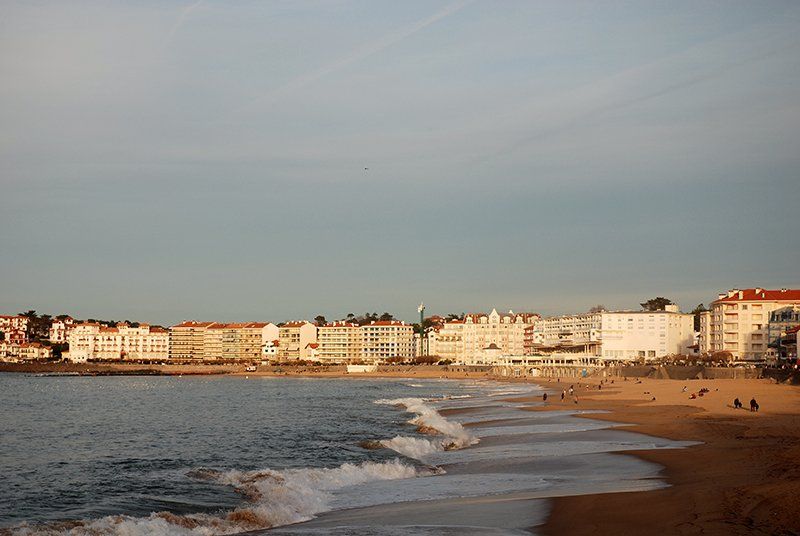
When talking about Saint-Jean-de-Luz, one cannot help but mention its delightful beaches. The main city beach is protected from waves by three breakwaters and is ideal for children; it has excellent facilities and several beach clubs. Further away is the wilder sand-and-pebble beach of Erromardie, and near Ahetze there is a sandy beach of the same name. The main attraction for surfers is the Lafiténia beach, also not far from Ahetze: here, to the left of the rocks, fairly large waves rise, drawing quite experienced athletes. At the Seniz beach riding is easier, and it is a great place to start learning.

Abbadia Castle

Abbadia Castle

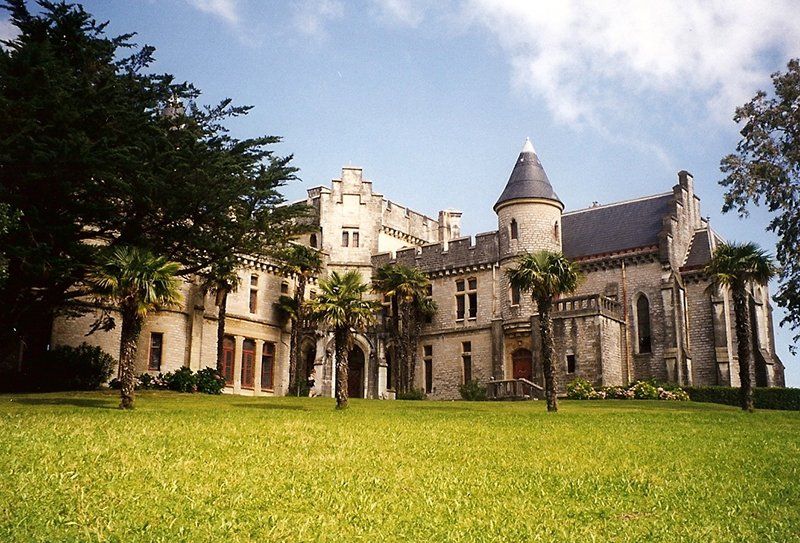
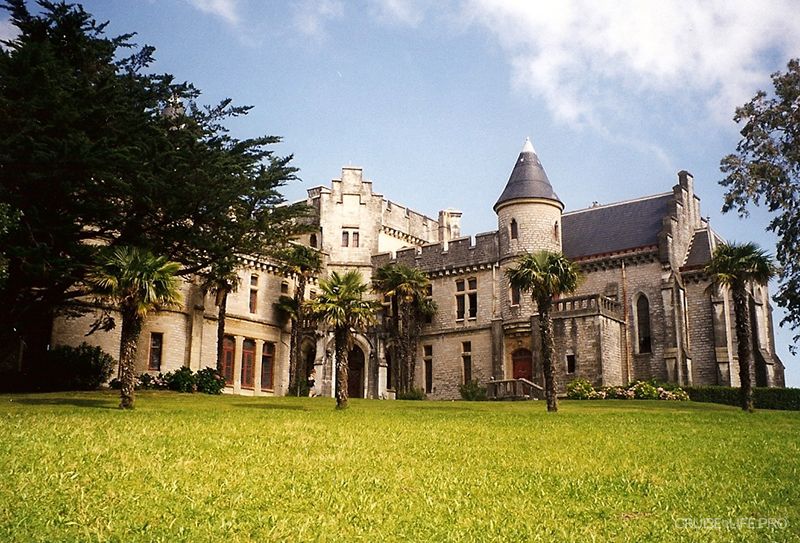
Abbadia Castle was built between 1864 and 1878 according to a design by Viollet-le-Duc. The estate’s owner was Antoine Thomson d’Abbadi-an astronomer, scholar, and researcher of the Ethiopian Highlands. He compiled the first map of Ethiopia, and he was also an expert in the Basque language. He actively contributed to the arrangement of the castle’s interiors. In some rooms, you can see an intricate interweaving of letters-these are inscriptions in the Ethiopian language. The dining room is enlivened by unusual green velvet chairs, with all the letters of the Ethiopian alphabet placed on the backrests. The owner decided to decorate the guest bedroom with a text in Old French. The castle building is adorned with a variety of sculptures: a crocodile, a cat, a mouse… The estate is located on a hill above the ocean. The views here are simply magnificent.

Sibur City

Sibur City

On the other side of the River Nivelle, you can see the city of Ciboure, where the famous composer Maurice Ravel was born, writing “Boléro” in a “Dutch-style” house on the waterfront. The two cities-Saint-Jean-de-Luz and Ciboure-are connected by the Charles de Gaulle bridge; if you don’t look at a map, you wouldn’t guess that on the opposite side of the waterfront there is another city.

Helianthal Thalassotherapy Centre

Helianthal Thalassotherapy Centre

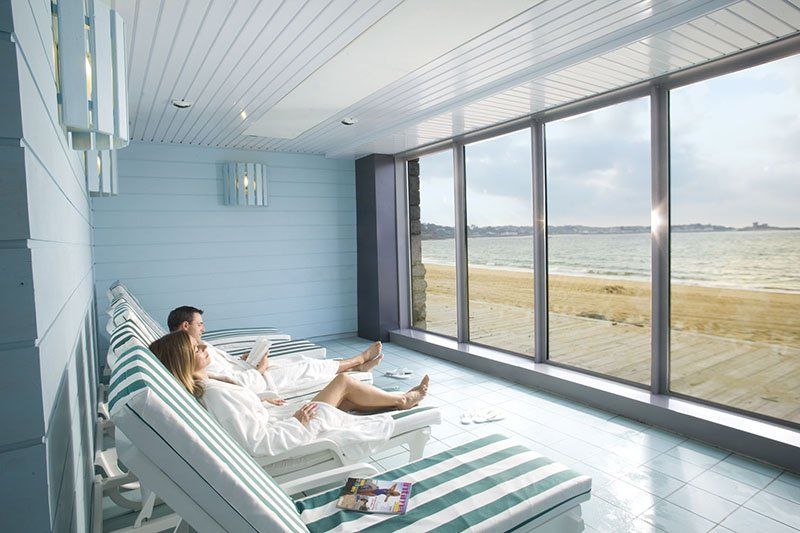
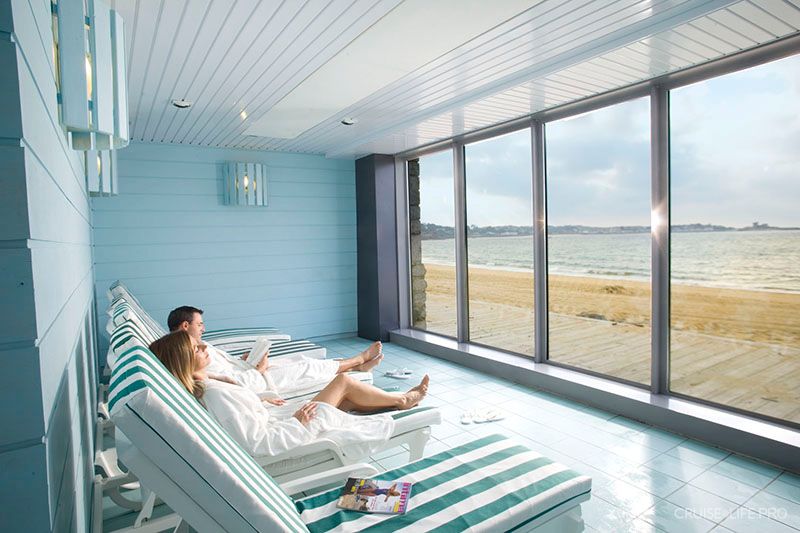
Saint-Jean-de-Luz is considered the most tranquil balneological resort on the Atlantic coast of France. So you can treat yourself to pleasure and enjoy a beneficial, pleasant effect from cosmetic and wellness spa and thalassotherapy treatments practically in any beauty salon. When you feel like fully relaxing and immersing yourself in a space of strong, enjoyable sensations, then be sure to head to the Helianthal thalassotherapy center.

Recommended excursions

Excursion to Bayonne

Excursion to Bayonne

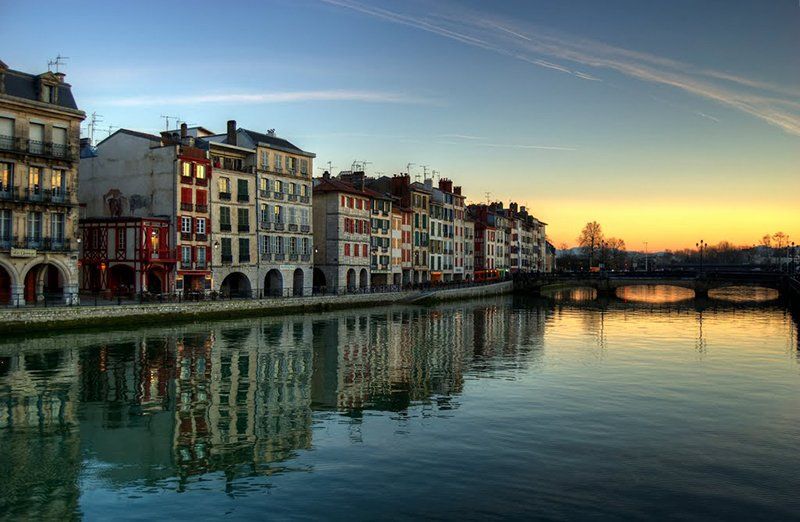
Enchanting Bayonne is located 20 minutes by car from Saint-Jean-de-Luz. Bayonne will be of interest to travelers who want to see the life of a non-touristy Basque town that has managed to preserve its style. Bright sunlight hardly reaches the narrow streets of the old quarters-houses are so close together. You won’t find many flashy souvenir shops here; the temples are quiet. In short, this is a place for those who don’t like crowds and hustle, and who prefer to stroll leisurely through the streets, stopping by delicatessen shops with cured meats and boutiques with clothing, and admiring the city landscapes that bring to life the calm waters of the Adour and Nive rivers. As for the historic atmosphere, you can feel it at the cathedral and at the Leon Bonnat Museum-a famous French portrait artist who was born here, and where Toulouse-Lautrec studied.

For a more detailed list of excursions and their prices, you can check after booking the cruise in your “Client Personal Account”.