Saint George, Grenada

Port of call

Saint George, Grenada

Description — Saint George, Grenada

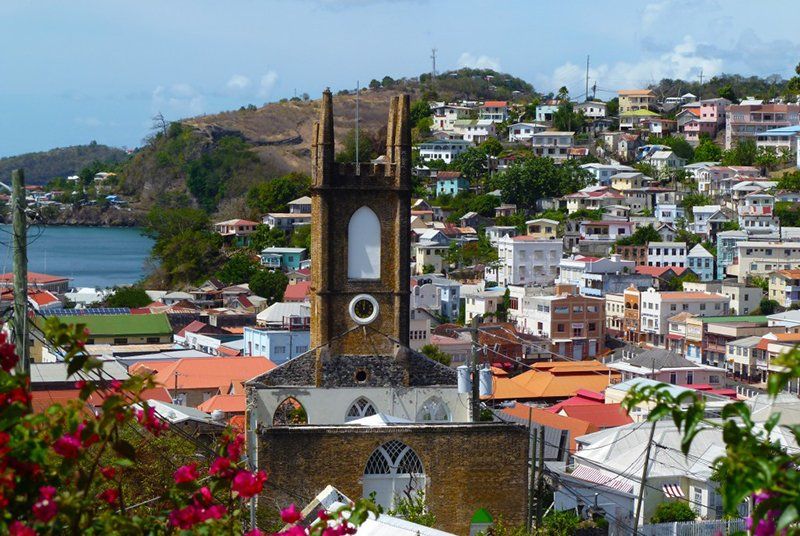
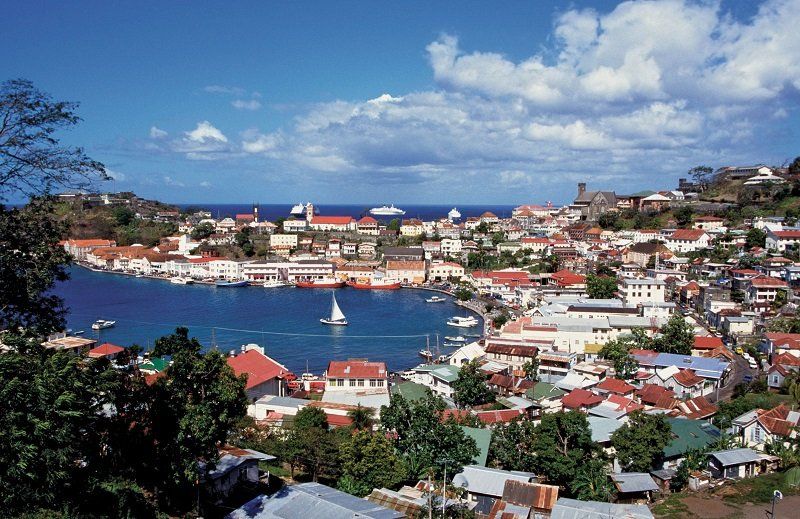
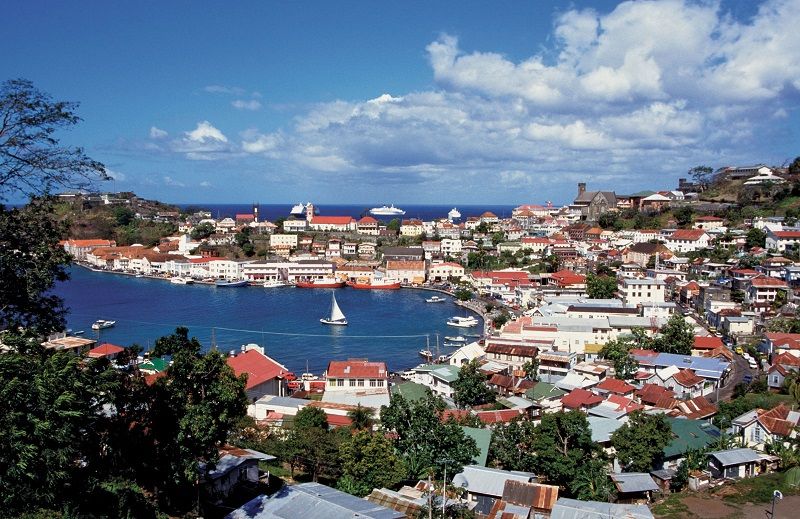
St. George's is the capital of Grenada, its political and economic center, located on the west coast of the island of Grenada, which belongs to the group of the Lesser Antilles in the Caribbean Sea. The city lies on the shore of a picturesque bay, at an elevation of 188 meters above sea level. St. George's is situated in the zone of humid tropical forests. The capital's population together with the agglomeration exceeds 40 thousand people.

St. George's was founded by French colonists in 1650. Initially it was a small settlement; later, the French built a fortress in the area of St. George's harbor, intended to protect the city from an invasion by British troops. From the 1760s to the 1780s, the island passed from England to France several times. Grenada became independent in 1974, and the city was granted the status of the capital of the new state.

The city survived three major fires and the onslaught of a destructive hurricane, but it always rose again, and it attracts tourists with a romantic atmosphere, scenic tropical nature, luxurious beaches, clear water in the bay, and the friendly attitude of the islanders.

Grenada is an island of volcanic origin. The coastal part is low-lying. The interior of the island is occupied by mountains and highlands. The maximum height of the volcanic peaks reaches 840 m (Mount St. Catherine). There are few rivers on the island, but many streams and springs. The island state of Grenada occupies the island of Grenada itself and the southern part of the Grenadines islands within the group of the Lesser Antilles.

Climate

The weather conditions of the capital are shaped by the influence of a tropical passive climate. The average annual air temperature is +26 degrees. The average annual precipitation level reaches 1960 mm. The rainy season lasts from May to October. During the period from July to October, hurricanes often rage in the city.

Location on the map

Sights

Fort George

Fort George

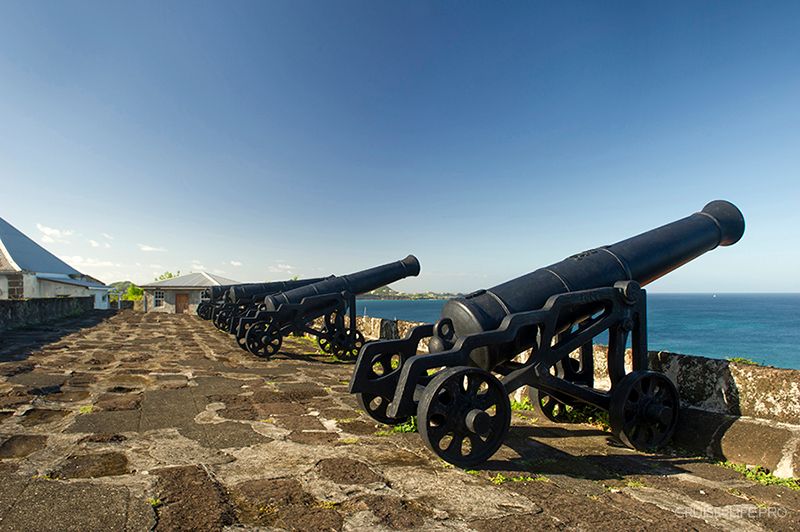
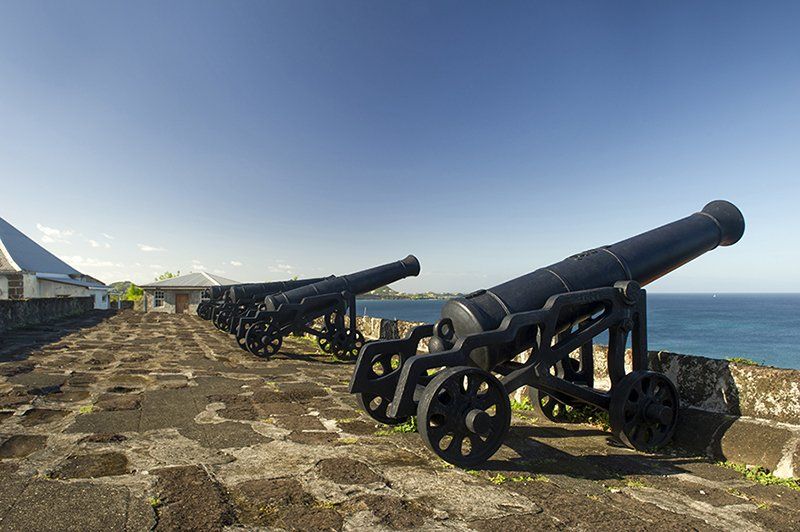
Fort George was built from 1706 to 1710 and was originally called Fort Royal. In 1763, when the British took control of the island, the fort was renamed in honor of King George III. Cannon still stand on the fort’s walls-once used to defend the city by sea. Today, the Royal Police of Grenada is located here, but part of the Fort is open for free guided visits. The Fort is constantly guarded by military personnel dressed in the uniforms of those days, ready to show how the old guns work. Whole shows are often held-demonstration performances by the military using the cannons. From the walls of Fort George, there is a breathtaking view over the city center and the port.
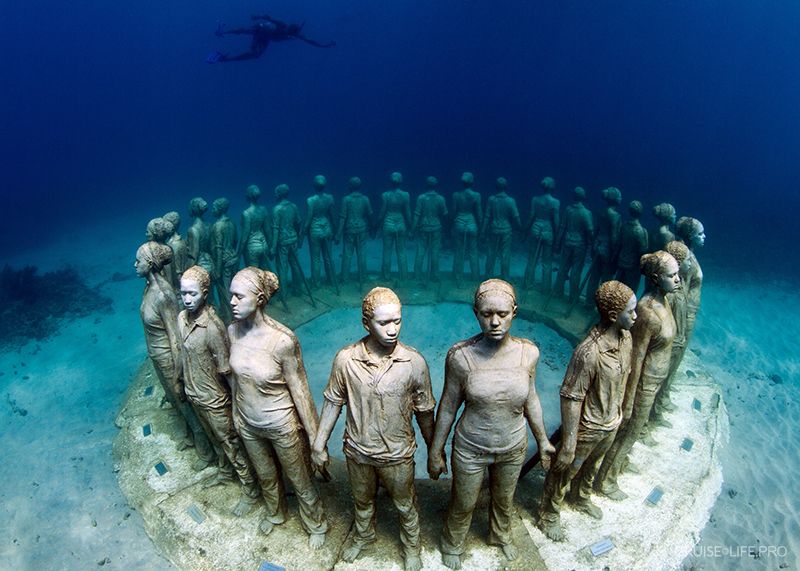
Underwater Sculpture Park

Underwater Sculpture Park

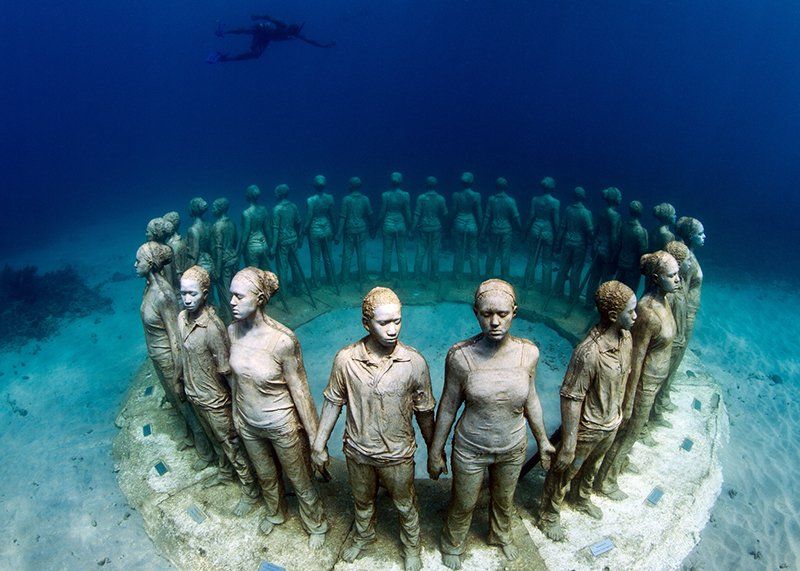
The underwater park was created by sculptor, diver and nature enthusiast Jason Taylor. The first sculptures were lowered to the bottom of the bay in 2006, and today their number reaches several hundred. Full-length human figures are arranged in a specific order, depicting different stories and situations. In addition to the impressive spectacle offered by the underwater installations, they are home to many corals and underwater inhabitants whose activities are harmed by tourists. You can explore the amazing compositions and rare marine residents that live there both while scuba diving and from a boat with a transparent bottom.
What to see

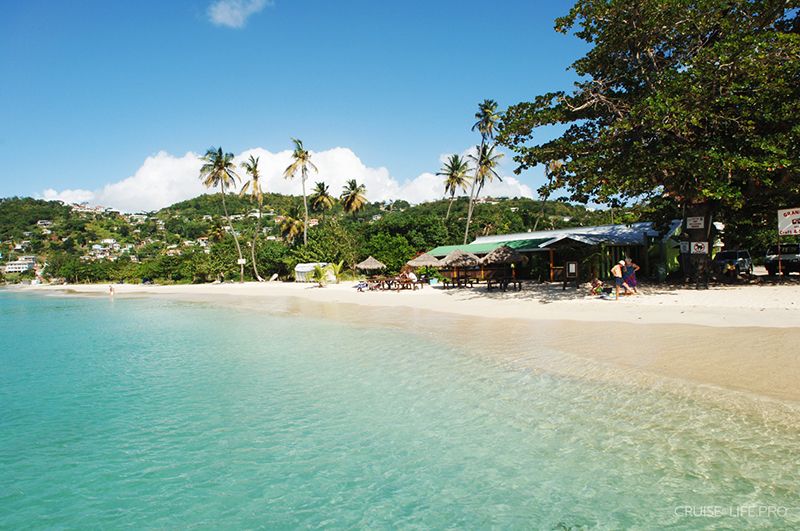
Beaches of Grenada

Beaches of Grenada

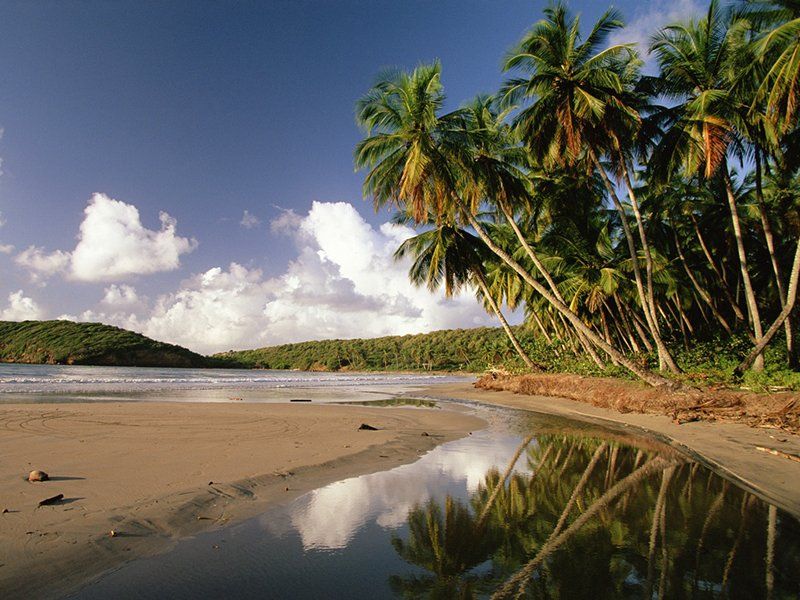
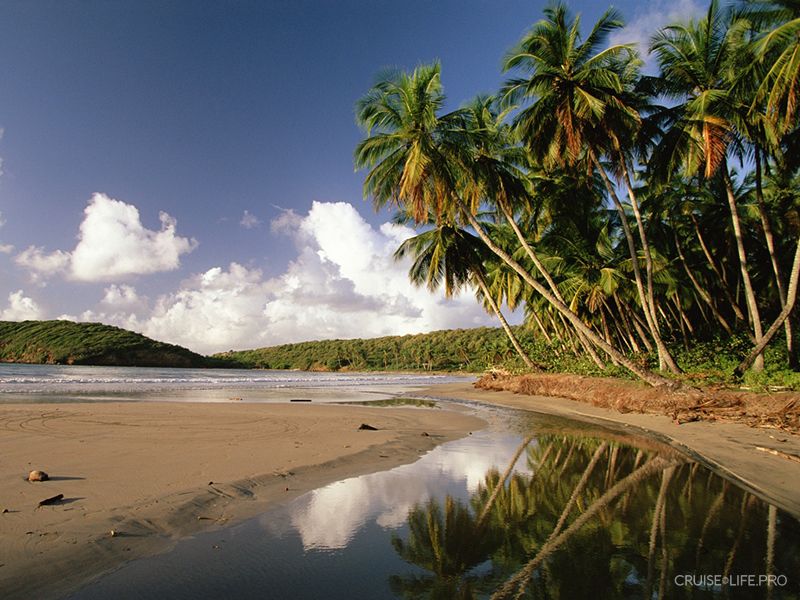
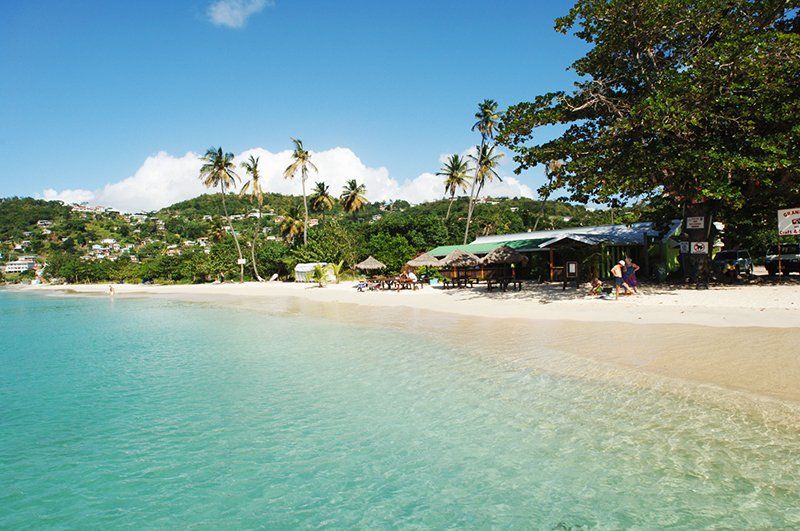
Beaches on the island with fine white sand, though they are fairly narrow. Near some hotels, the beaches are artificially expanded using added sand. The sea is very calm, as the coastline is reliably protected by coral reefs. The island’s south-western part is famous for its beaches. Just 4 km from Saint George’s is the island’s most beautiful beach - Grand Anse Beach. In the northern part of the beach, there is a small market offering fruits, spices, and handmade crafts. Grand Anse and Morne-Rouge are the island’s main resort areas. Here, the coastline is a long stretch of beaches with numerous hotels, bars, and restaurants.

Bay Gardens

Bay Gardens

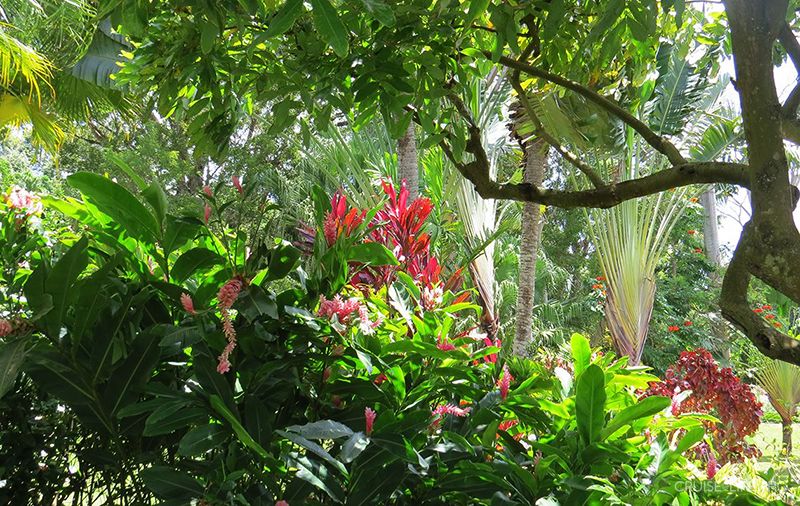
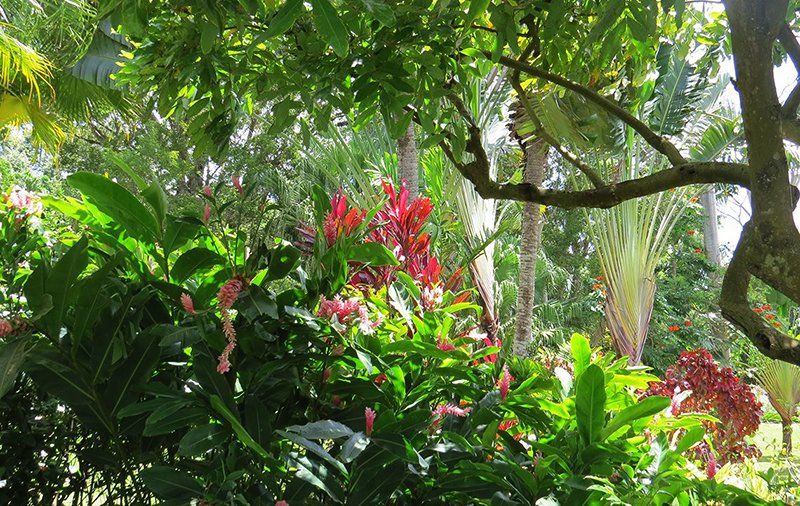
A visit to the capital of the “island of spices,” as Grenada is sometimes called, will be incomplete if you don’t go to Bay Gardens, located just 10 minutes by car from St. George’s. This garden is truly a little paradise, where well-kept flowerbeds blend beautifully with the wild landscape, meadows of wildflowers, sections of tropical forest, and ponds teeming with exotic fish. The Gardens’ grounds are crisscrossed by trails strewn with nutmeg. Here, you’ll find an amazing variety of plants-spices, local fruit trees, flowering plants, and many different types of trees.

La-Sagès Reserve

La-Sagès Reserve

La Sagesse Nature Reserve is considered one of the best places in Grenada to observe birds in their natural habitat. Located in the southeast of Grenada, it protects bird nesting sites, several rivers, mangrove forests, and saltwater lakes. Here you can enjoy three beautiful palm-fringed beaches and a very popular reef among snorkeling enthusiasts. An ancient dry forest and the many cacti around the saltwater pools are of particular interest. This heavenly corner deserves attention, and visitors will be delighted by the wonderful atmosphere of the nature reserve.

Recommended excursions

St. George’s Sightseeing Tour

St. George’s Sightseeing Tour

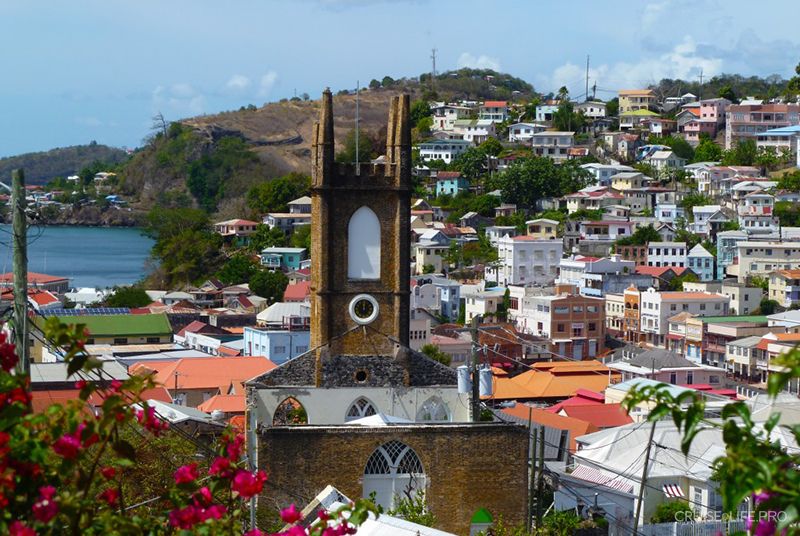
Although after the bombardments in 1983 the town had to be rebuilt almost from scratch, its historical character was recreated, and today St. George is fabulously beautiful. Along the slopes of the sea harbor of Carenage, which is shaped like a horseshoe, there are houses built in the Creole style (19th century), as well as many beautiful gardens. Over the town, like a crown, rises the famous Fort George (1705); on the east side of the harbor stands the equally well-known Fort Frederick (17th century). Tourists will also find the York House Parliament building (18th century) interesting, as well as the branch of the University of the West Indies, the Anglican Church of St. George, which was partly destroyed by a hurricane, the National Museum housed in the former French barracks, the Catholic Cathedral of St. George, and other noteworthy buildings and places in the city.

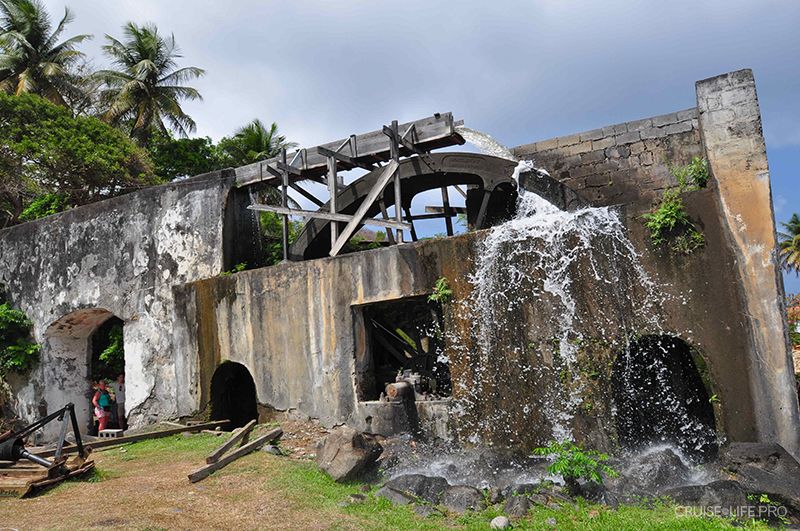
River Antoine Rum Distillery

River Antoine Rum Distillery

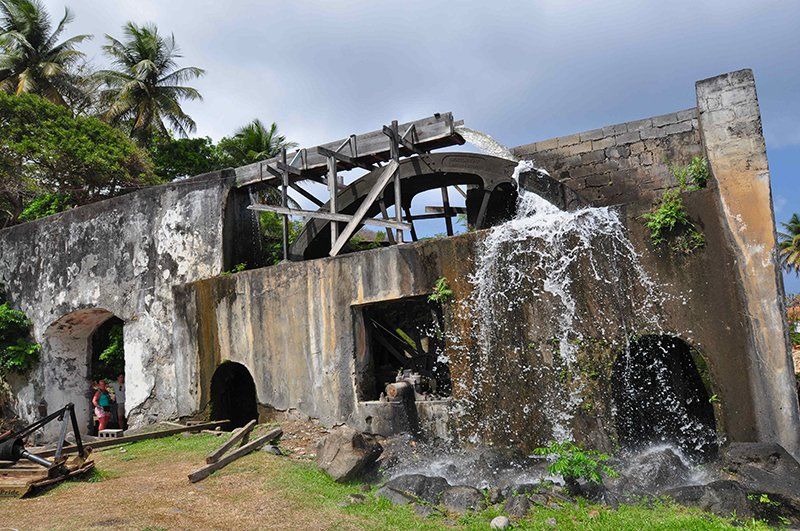
River Antoine Ron Distillery is the oldest distillery in the Caribbean for making rum. The distillery was built in 1785 and is located on the north-eastern coast of Grenada, near Lake Antoine. Around the distillery there are vast sugarcane plantations, which are used in production. You can also see a wheel powered by river water, which drives the sugarcane press. The distillery operates year-round. A visit to the distillery is especially interesting because the rum-making production process has not changed over generations. Here you can see the full production cycle. Also, at the distillery, those who wish can taste the made products.

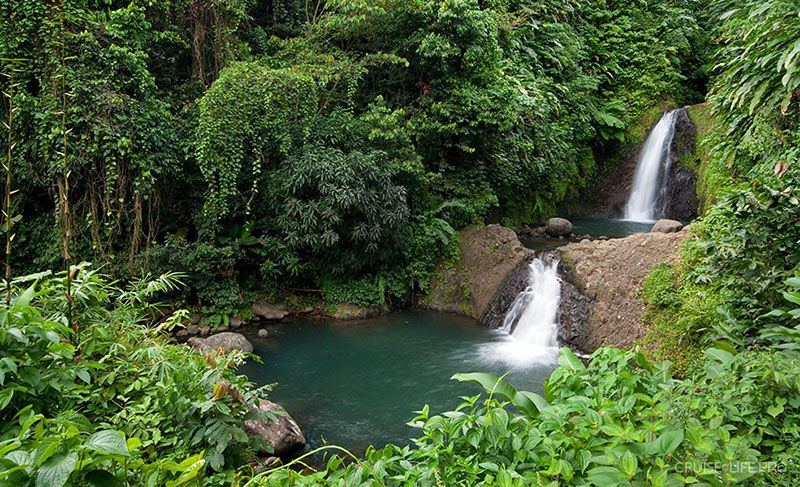
Grand Étan National Park

Grand Étan National Park

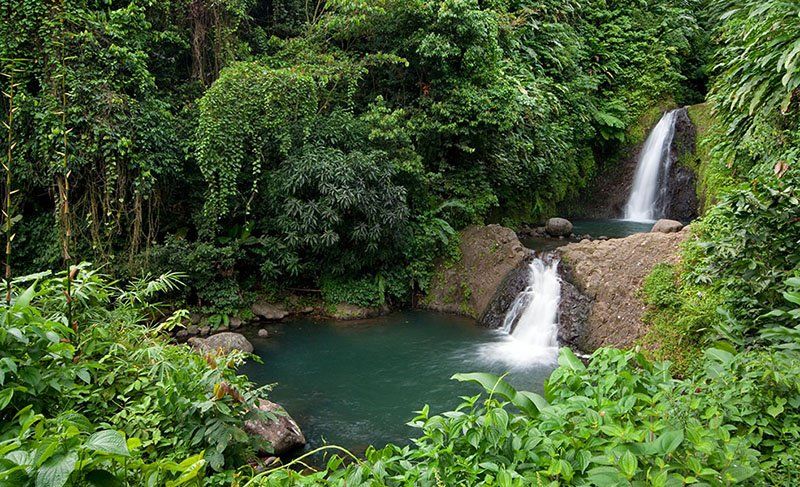
Grand Etang National Park is famous for its waterfalls and crater lakes, as well as for many scenic hiking trails that invite tourists to take a short walk through the heart of a picturesque forest to the top of the mountain range, with wonderful views over the surrounding area. The park features a cascade of waterfalls with an interesting name, “Seven Sisters” - a true gem of the island. The tour to the waterfalls is not as difficult as it may seem, especially since along the way you will have a unique opportunity to see cocoa, nutmeg, and banana trees. The tour takes approximately 45 minutes, but if it has rained, the time doubles, as the path becomes slippery and not entirely comfortable to walk on; but after the rain, the waterfalls become fuller and breathtakingly beautiful.

For a more detailed list of excursions and their prices, you can get acquainted after booking your cruise in your “Client Personal Account”.