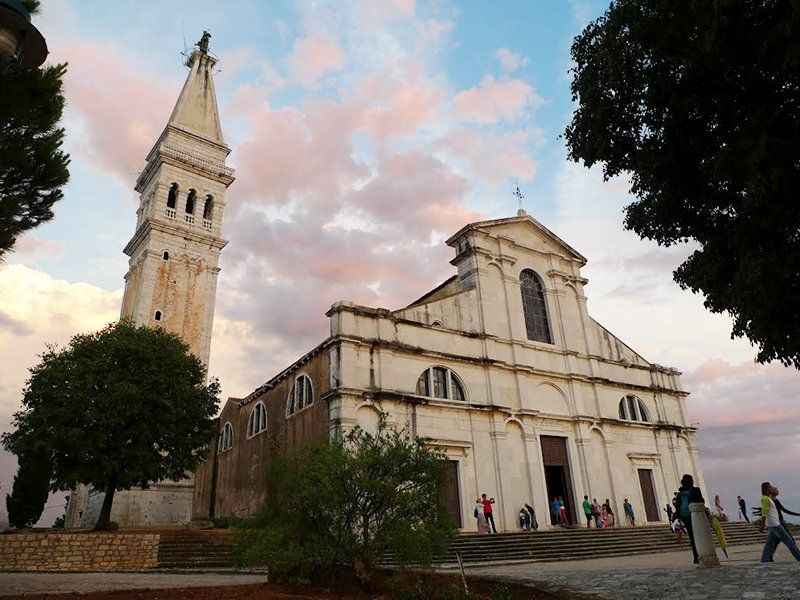
St. Euphimius Cathedral
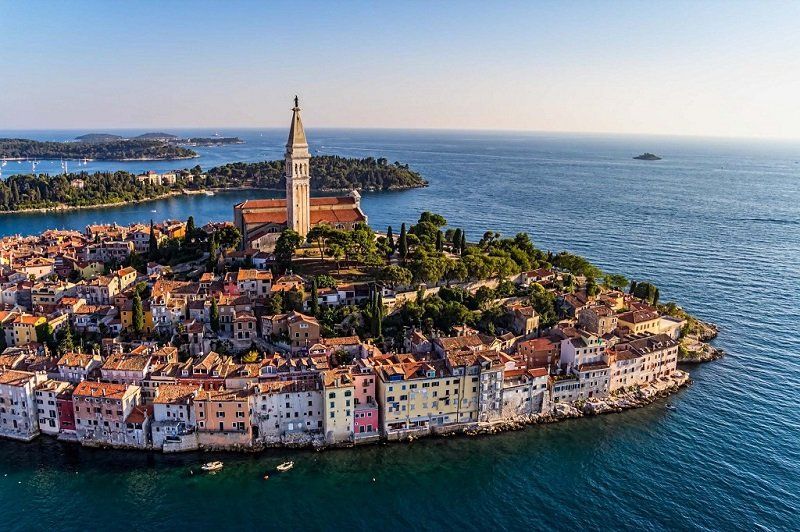
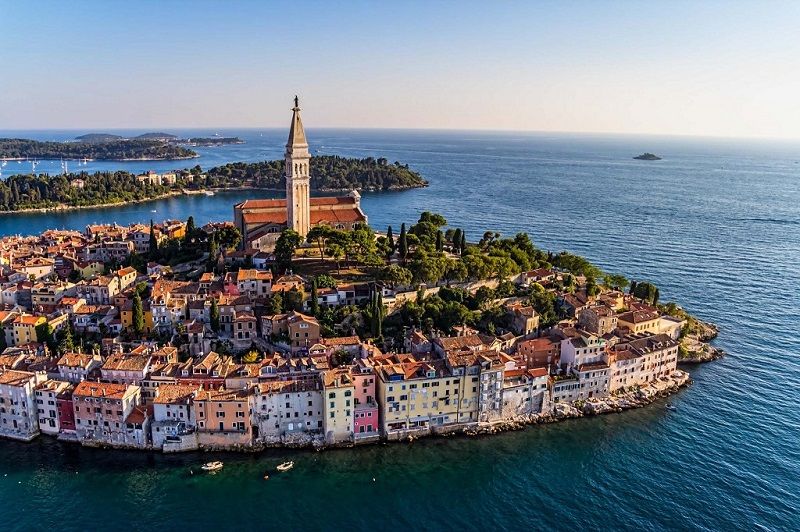
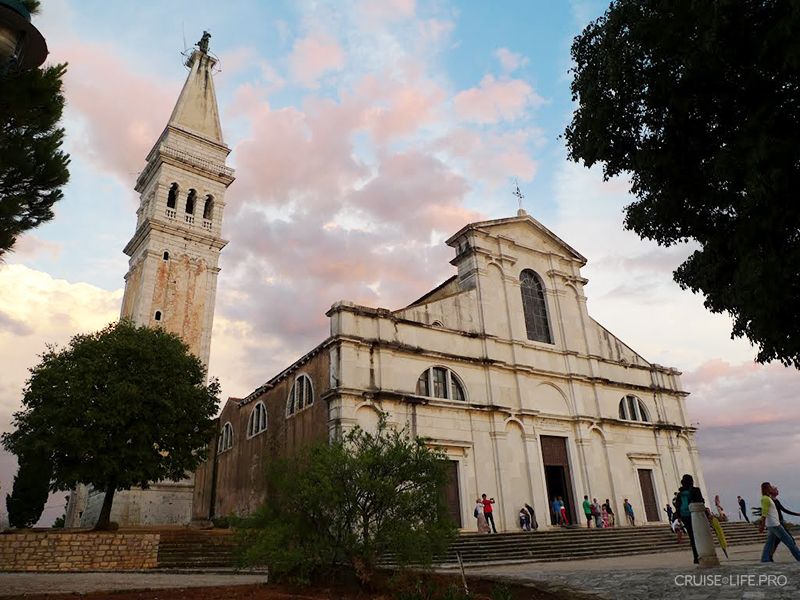
The main church of the city stands on its highest point. The three-aisled cathedral was built in the middle of the 18th century and was named after the patroness of Rovinj, Saint Euphemia the Great Martyr. A statue of the saint, which serves as a weather vane, is mounted on the belfry spire, which copies the belfry of St. Mark’s Basilica in Venice. The saint’s relics are kept in a Roman sarcophagus behind the altar. On Saint Euphemia’s Day, September 16, crowds of pilgrims gather at the sarcophagus to worship the saint’s remains. The building is constructed in the Baroque style and looks modest; inside, there are Gothic statues of saints and old paintings depicting biblical scenes.
Franciscan Monastery
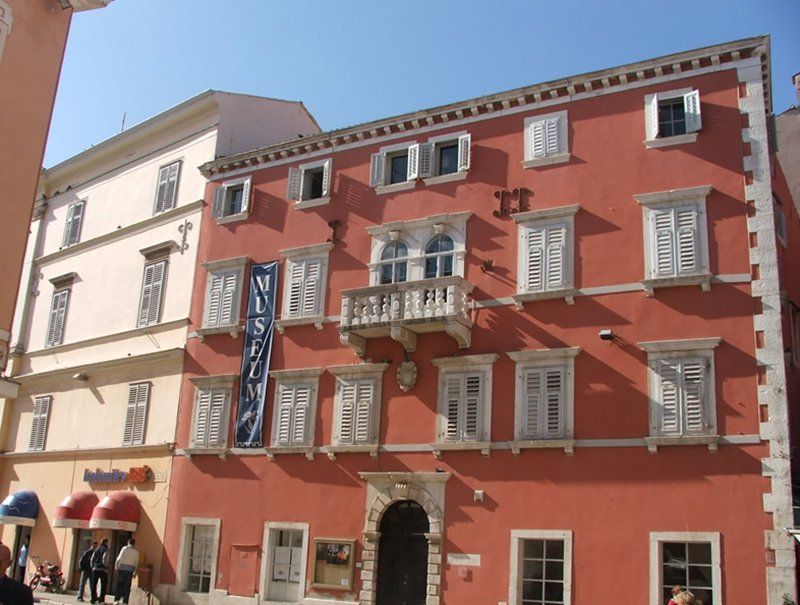
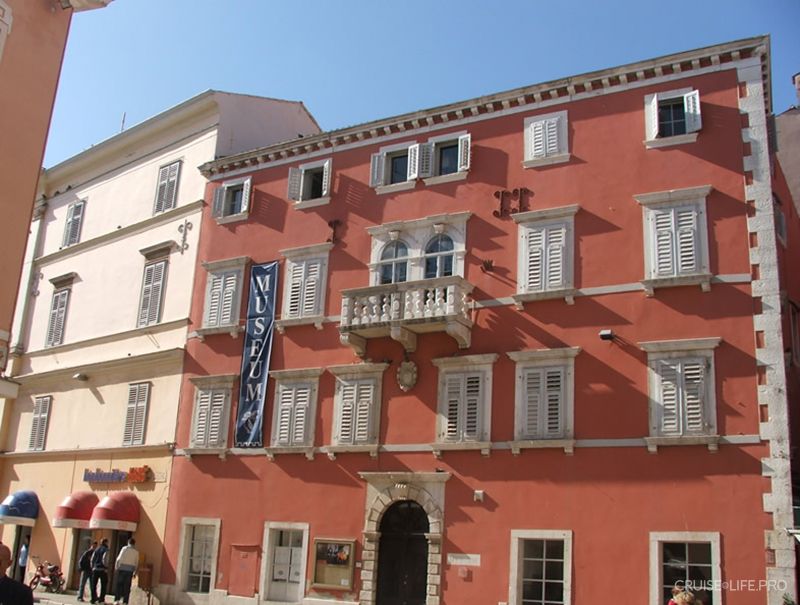
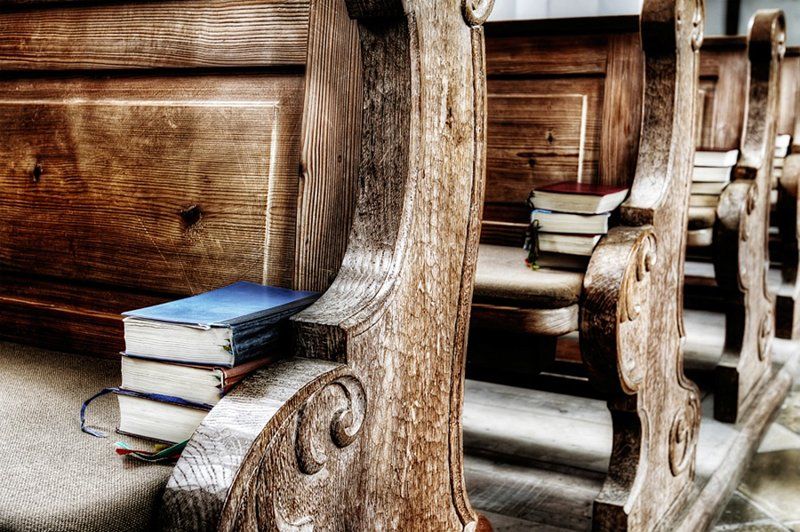
Innovative for its time technologies were used in the construction of this 18th-century monastery. The monastery was built on a rocky hill, and in order to carve out a cistern for collecting rainwater right there, the builders used explosives. Like most of Rovinj’s historic buildings, the Franciscan monastery has been turned into a museum. Among the priceless exhibits are about 8,000 books from the monastery’s library dating back to the 16th-18th centuries, as well as paintings on religious themes and statues of saints. The monastery building is also used as a concert hall-organ music evenings are held here.
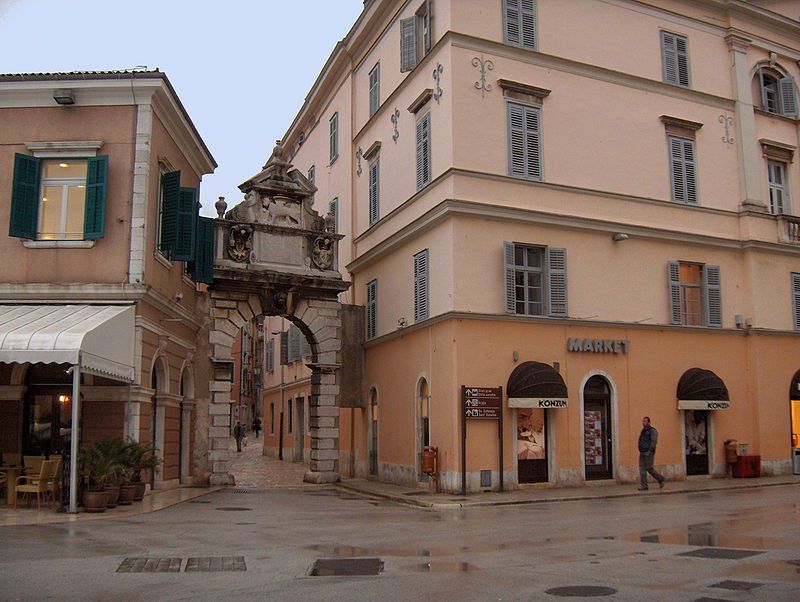
Balbi Arch
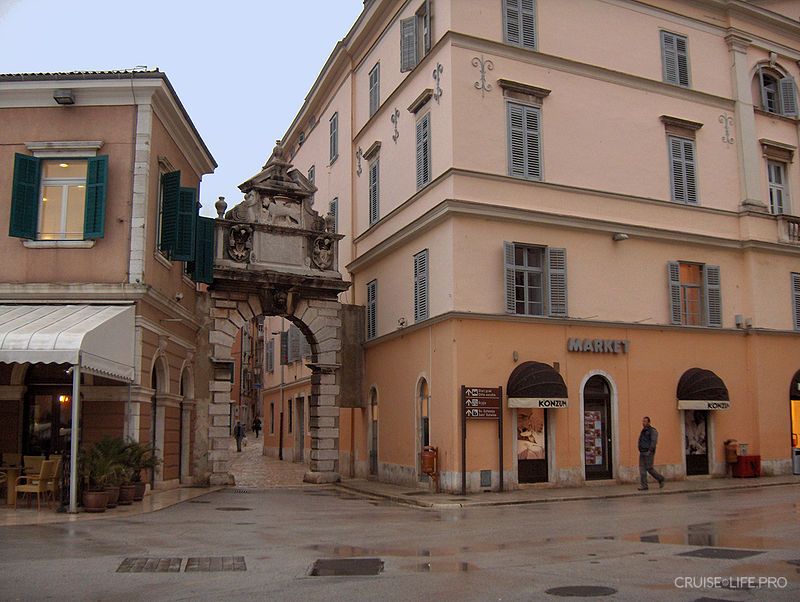
Bau Babi - a significant landmark of the old Rovinj, built in the 17th century on the site of the former city gates. It rises at the entrance to the Venetian quarter, located near Tito Square. The structure draws attention with its skillful decoration. On its outer side, there is a stone sculpture of a Turk’s head, and on the inner wall - the head of a Venetian. The arch is topped with the coat of arms of the Babi family and a sculpted relief image of the winged lion, which is a symbol of Venice. It fits perfectly into the architectural ensemble of the surrounding buildings, reflecting a combination of Gothic, Renaissance, Baroque, and Neoclassicism.
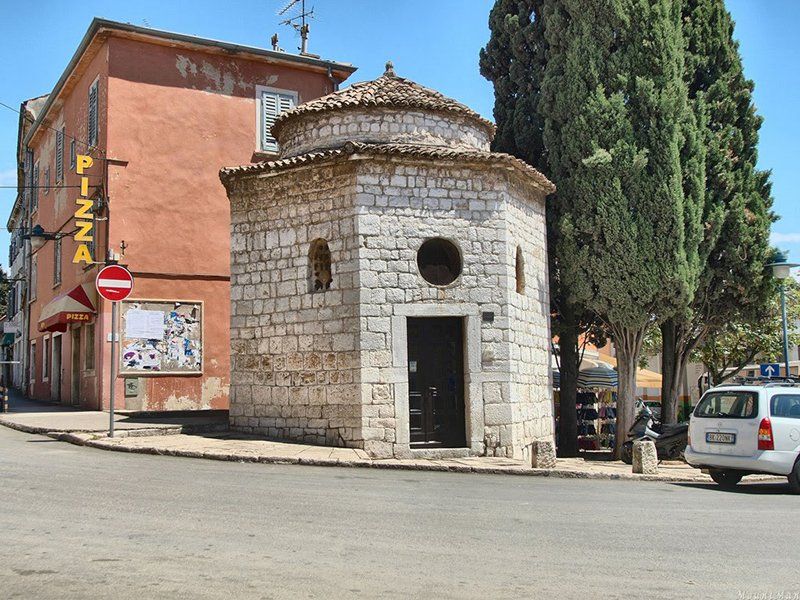
Chapel of the Holy Trinity
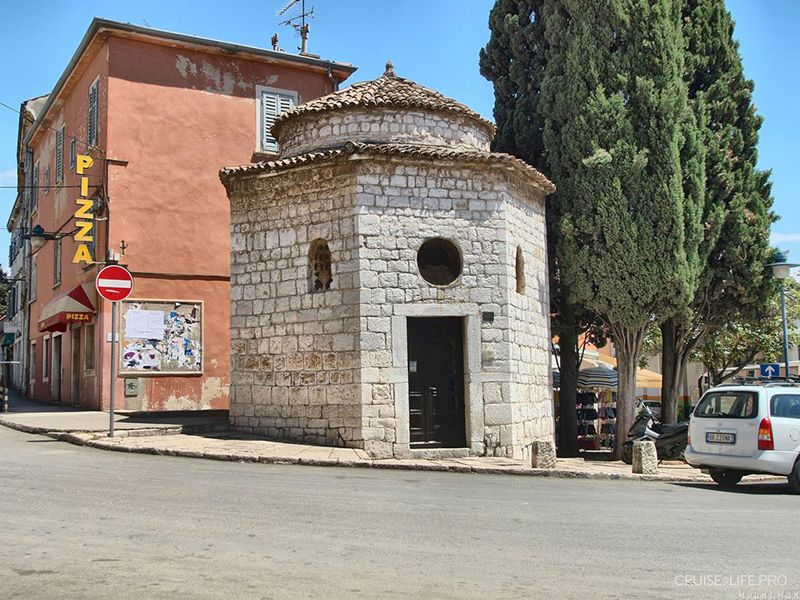
The Chapel of the Holy Trinity is considered the main historic building in Rovinje in the Romanesque architectural style. It is a small seven-sided building that has survived in almost its original form. Today, the chapel houses an art gallery. Here you can see works by local artists. The Chapel of the Holy Trinity is a popular place among both locals and tourists.
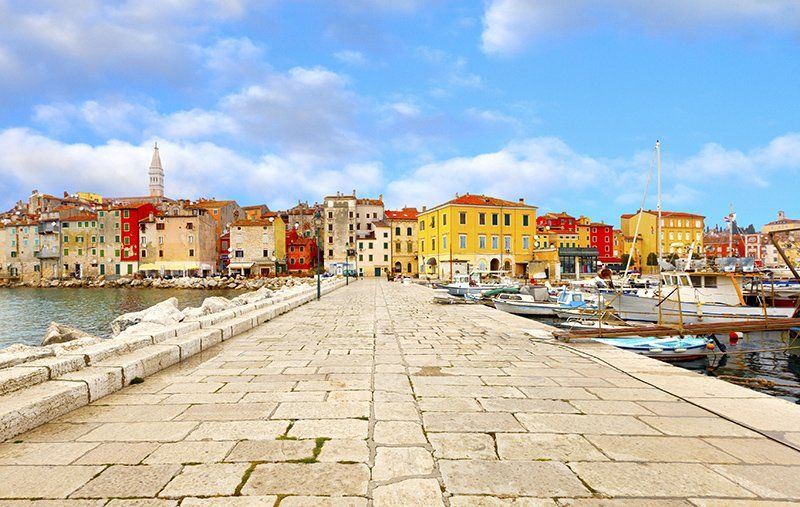
Rovinj Promenade
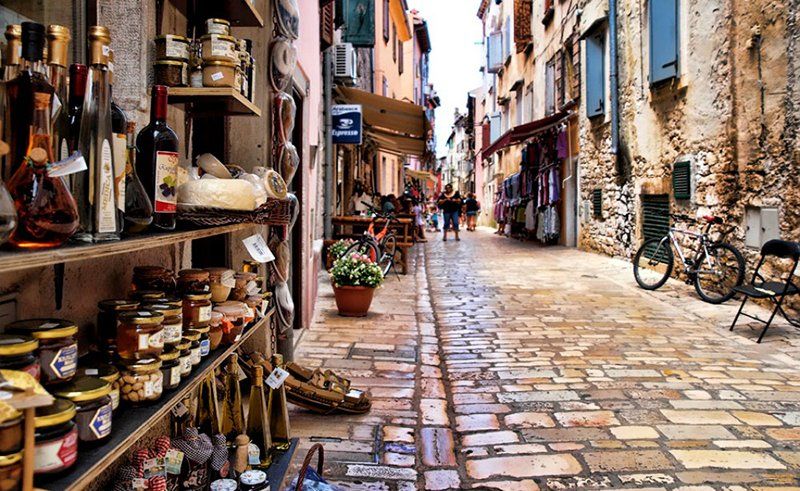
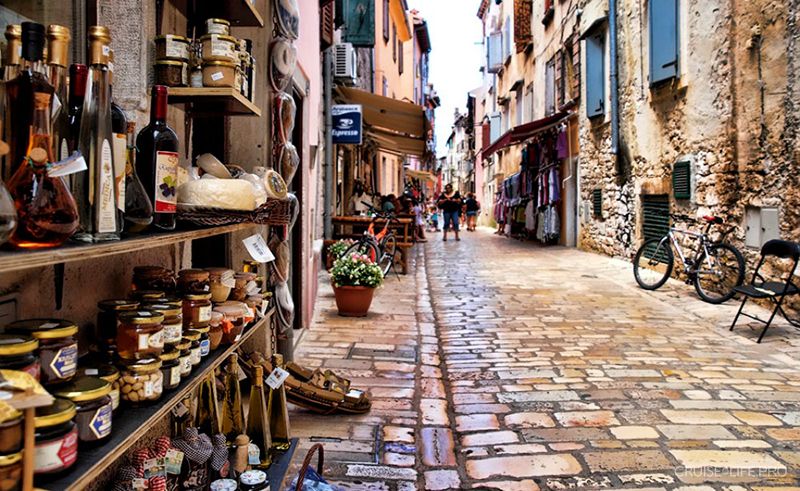
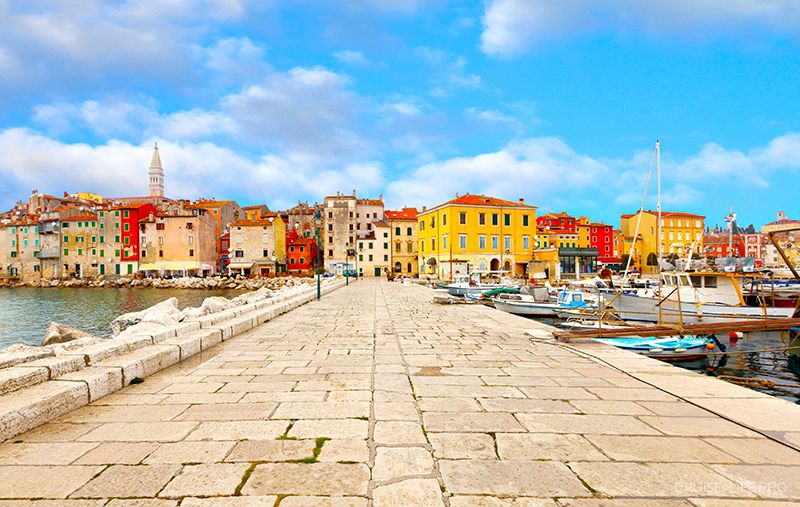
The Rovinij Waterfront is one of the local attractions. It is lined with beautiful historic buildings that combine features of classicism, the Renaissance, Baroque, and the Middle Ages. The waterfront is crowded with little shops and souvenir stalls, which are extremely popular with tourists. By stopping by one of the cozy restaurants, you can sample exquisite traditional dishes made with fresh seafood. Particularly noteworthy is the floating market located along the shore-here you can buy anything you like. For this reason, Rovinj is also called “Croatian Venice.” From the waterfront, you can enjoy a magnificent panoramic view of the Adriatic Sea, which serves as an ideal backdrop for taking photos.