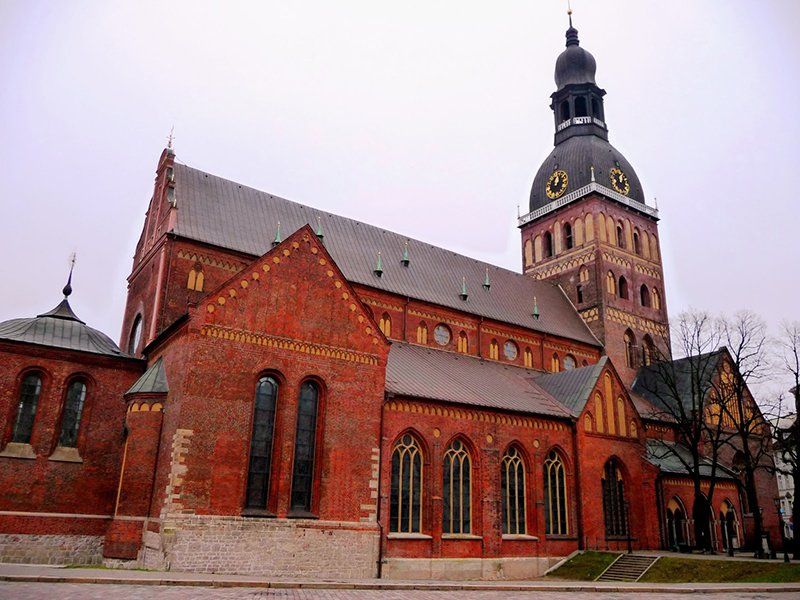
St. Dominic’s Cathedral
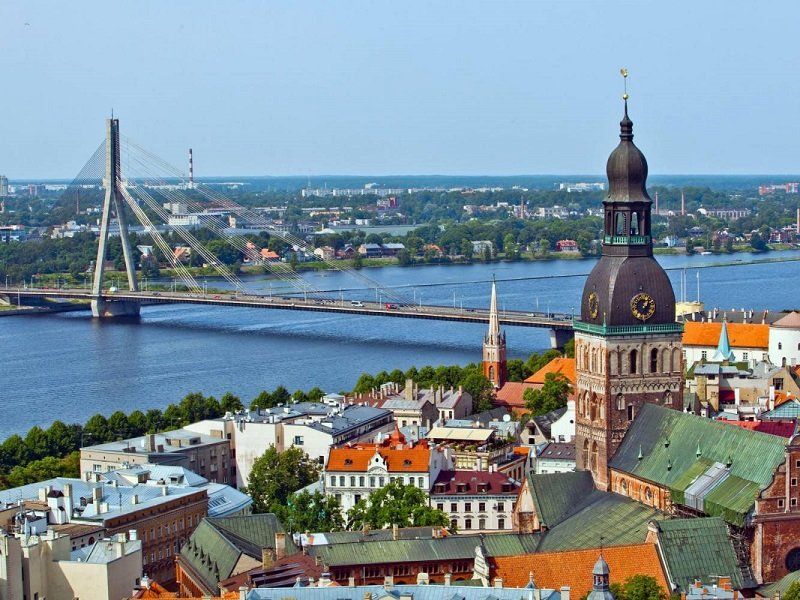
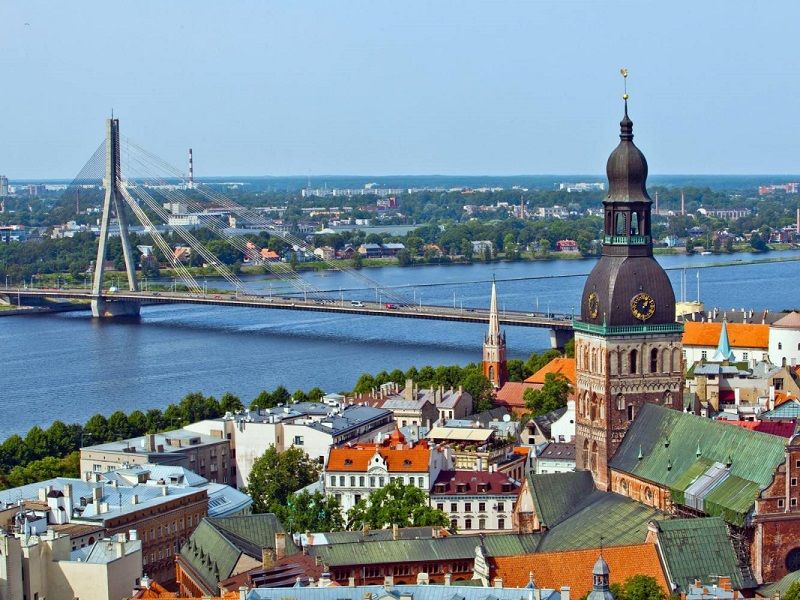
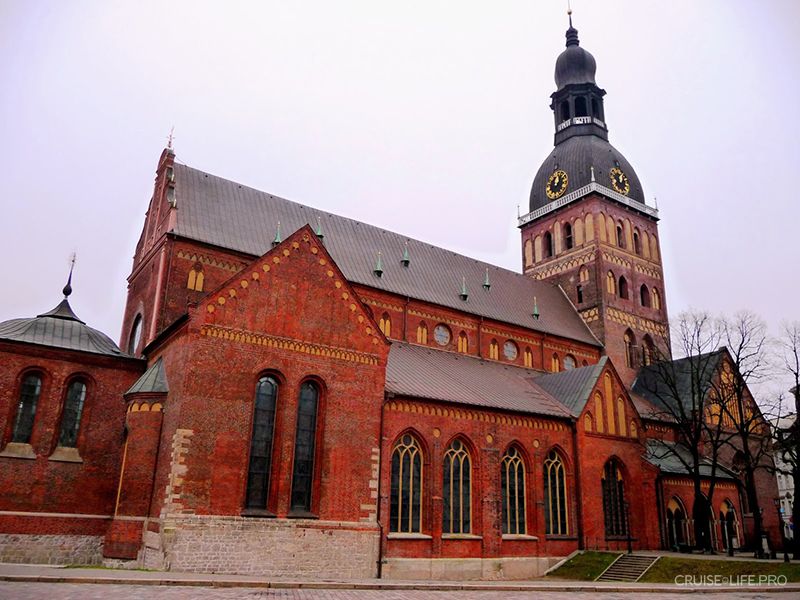
The largest medieval cathedral in the Baltics. The St. Mary’s Cathedral, or the Riga Dome Cathedral and the monastery of the Cathedral Chapter, was founded in 1211 as a church of the Archbishop of Riga Albert (the founder of the city), and for many centuries it was extended and changed. As a result, it acquired a unique architectural appearance-a blend of Romanesque, Gothic, Baroque, and Classicism. The Dome Cathedral is one of the main symbols of Riga. It is famous for an incredibly resonant organ 25 meters high, consisting of nearly seven thousand pipes made from six types of wood and metal structures. The current organ, created by German masters in 1884 (to replace the previous one from the late 16th century), was at the time the largest in the world. The cathedral hosts magnificent organ-music concerts.
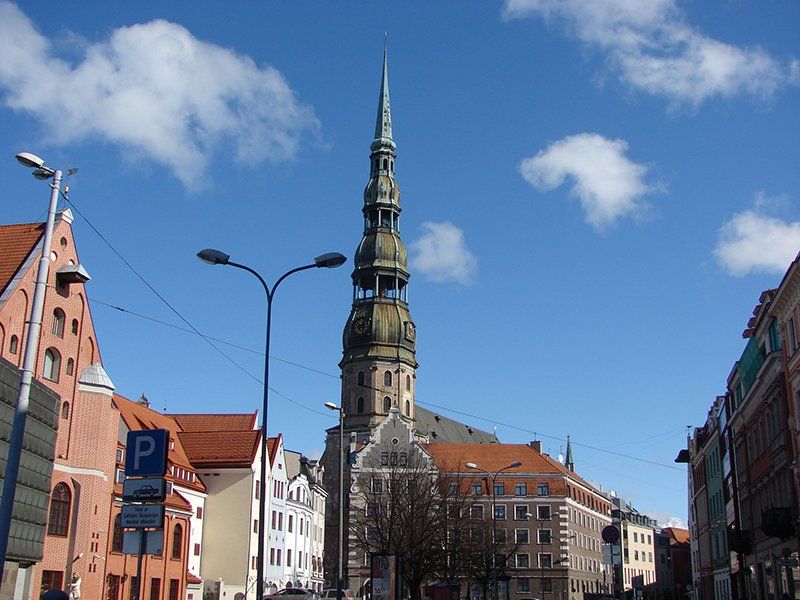
St. Peter’s Church
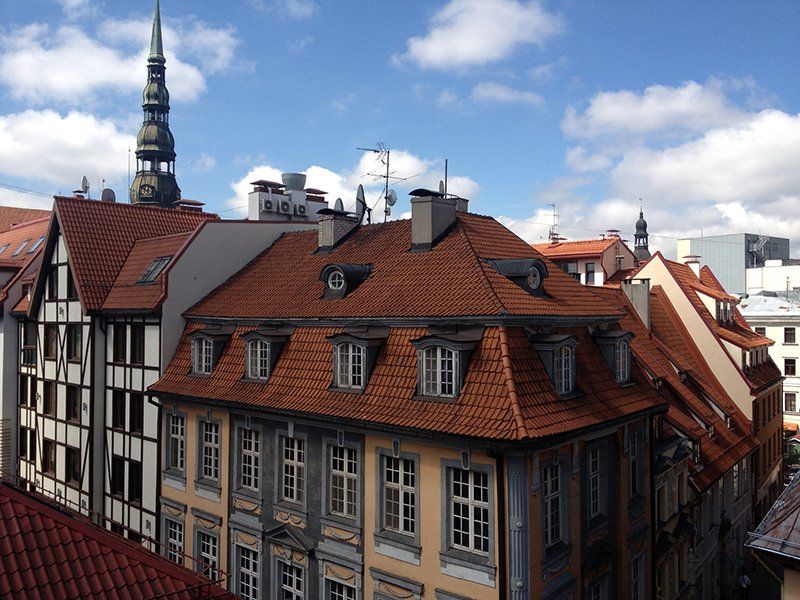
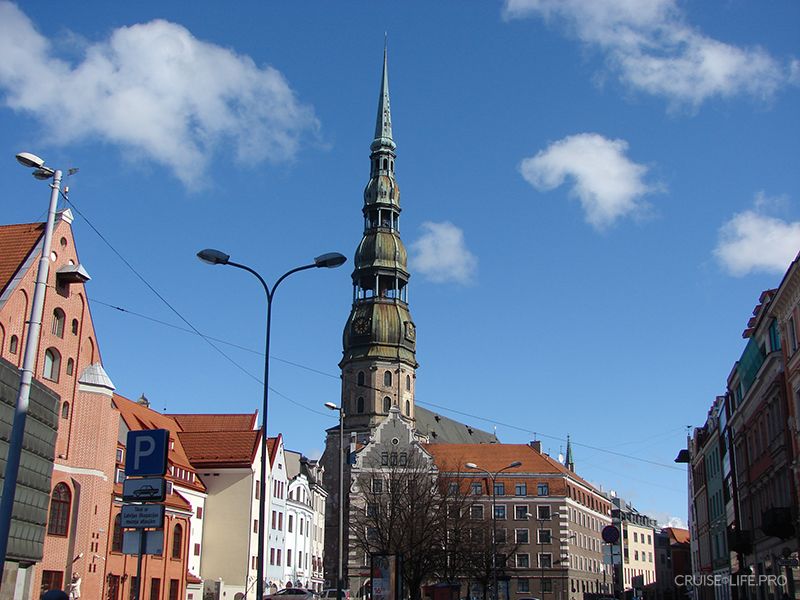
St. Peter’s Church has a unique viewpoint that is easy to reach - a lift quickly takes you up to 72 meters. St. Peter’s Church is several years older than the Dome Church and has always belonged to the townspeople. The building features remarkably clear, well-proportioned architectural lines and a spire reaching up to the sky. For its 123 meters, the spire has paid the price more than once - lightning struck the Peter’s tower six times. City legends say that Peter I himself took part in putting out a fire in 1721 and issued a special decree ordering the tower’s prompt restoration. And the last time the Peter’s tower burned was right on St. Peter’s Day, June 29, 1941. Its restoration took many years and was completed only in the early 1970s.
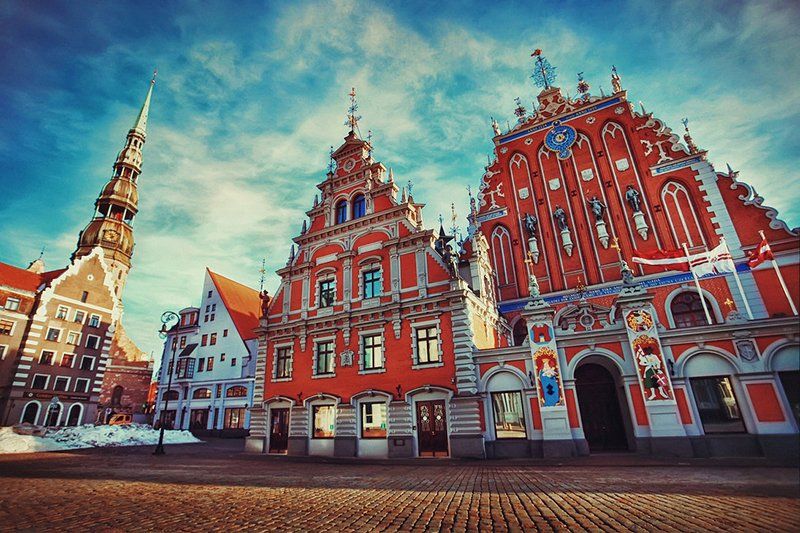
House of the Blackheads
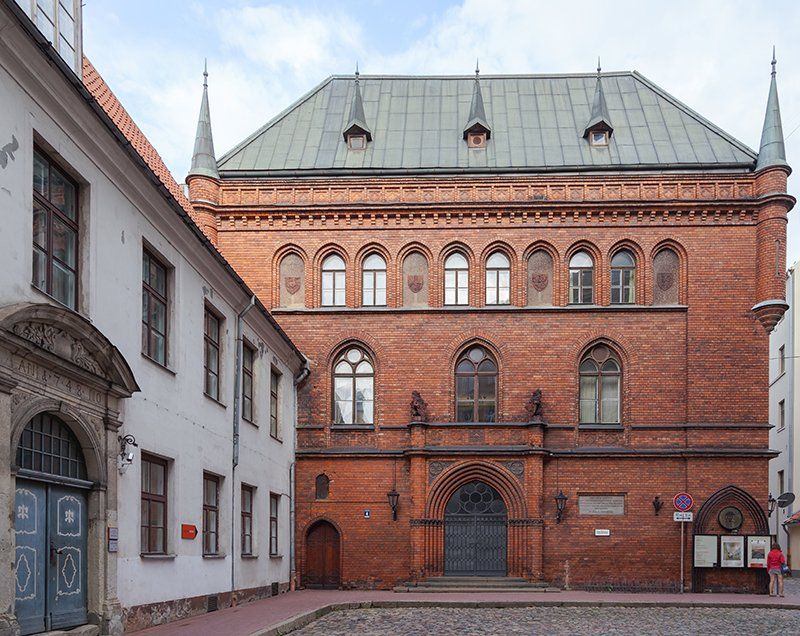
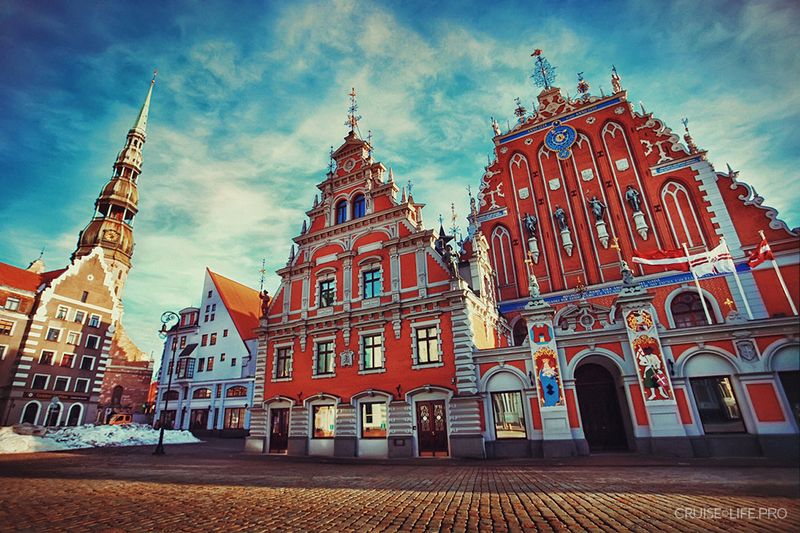
The House of the Blackheads is a 14th-century architectural monument located right in the heart of Riga. The House of the Blackheads was rebuilt on its original site in 1996-2000 in celebration of the 800th anniversary of Riga. This magnificent building is the venue for official events, receptions, a museum, and simply a must-see attraction.
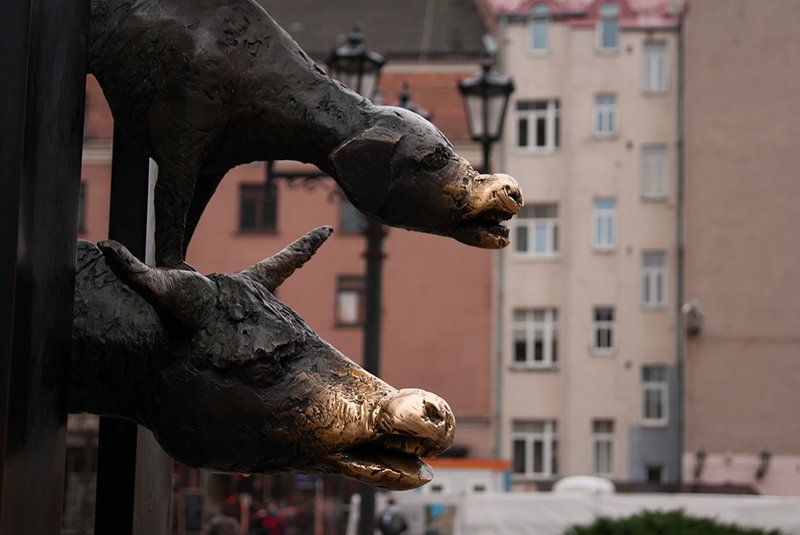
Monument to the Bremen Town Musicians
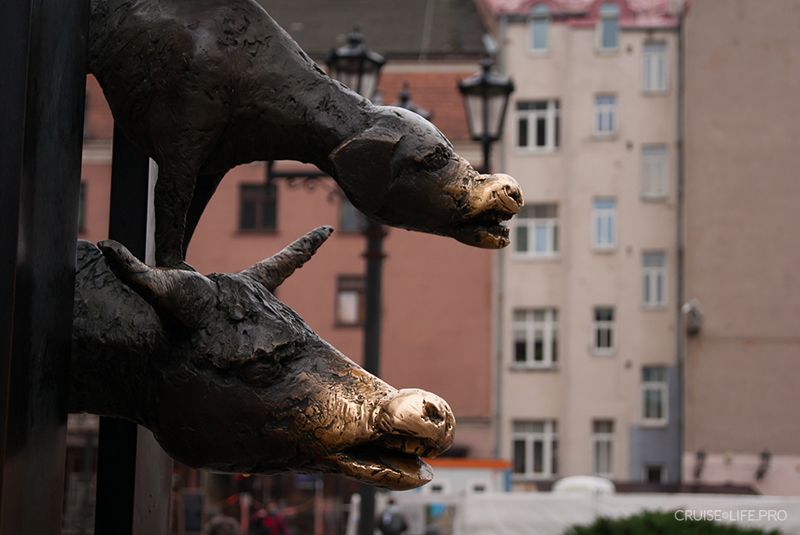
The Bremen Town Musicians Monument is a sculptural composition depicting the world-famous: a donkey, a dog, a cat, and a rooster. The group is located by St. Peter’s Cathedral and is visited by tourists every day, who lovingly touch the animals. Since the animals are positioned one on top of another, the donkey receives the most attention. However, it is believed that a wish is more likely to come true if you rub the nose of whoever is positioned higher. “Quietly, the donkey placed its front legs on the windowsill, the dog climbed onto the donkey’s back, the cat jumped onto the dog’s back, and the rooster flew up to the cat’s head.” Still, try to reach the leader of the order of the gallinaceous birds. The Bremen Town Musicians are shown at the moment of the plot when they are peering through the window at the forest robbers.
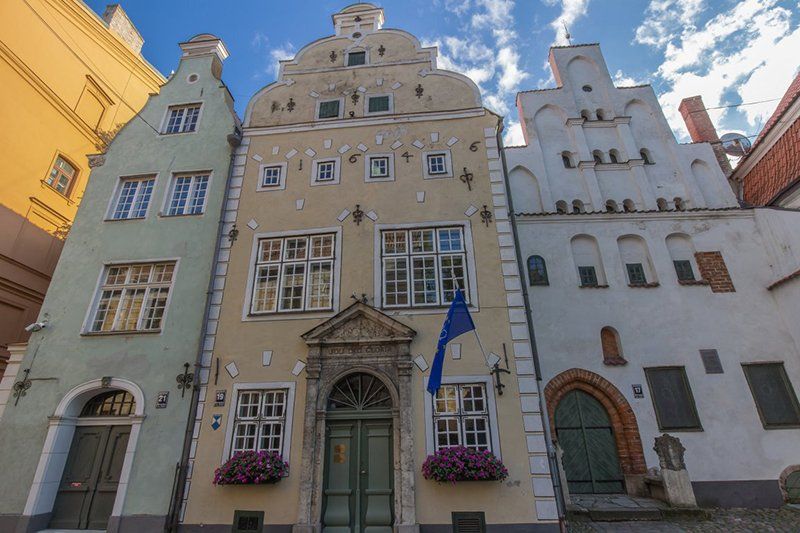
Architectural Complex “Three Brothers”
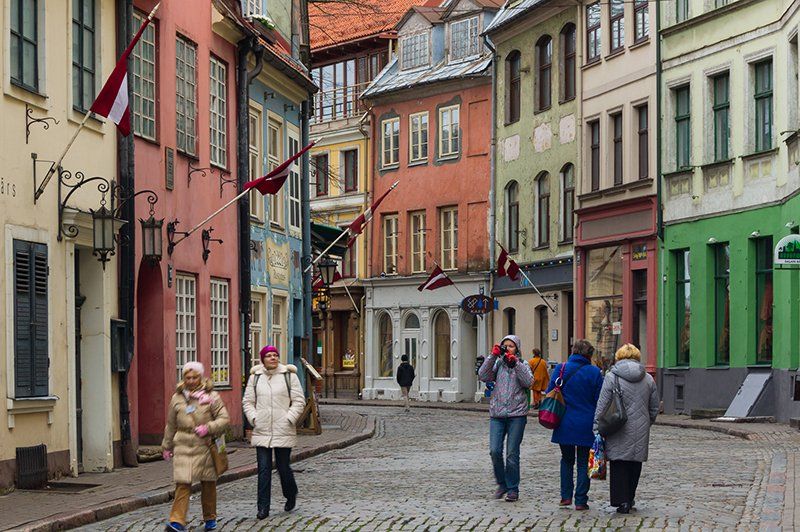
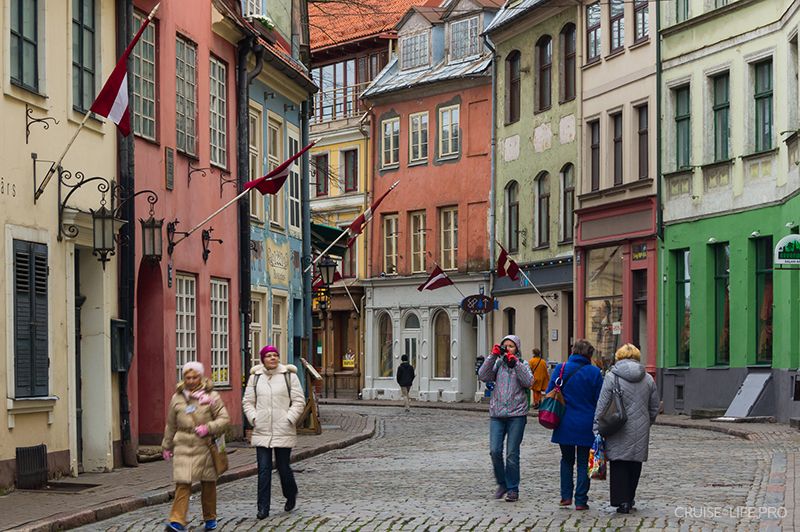
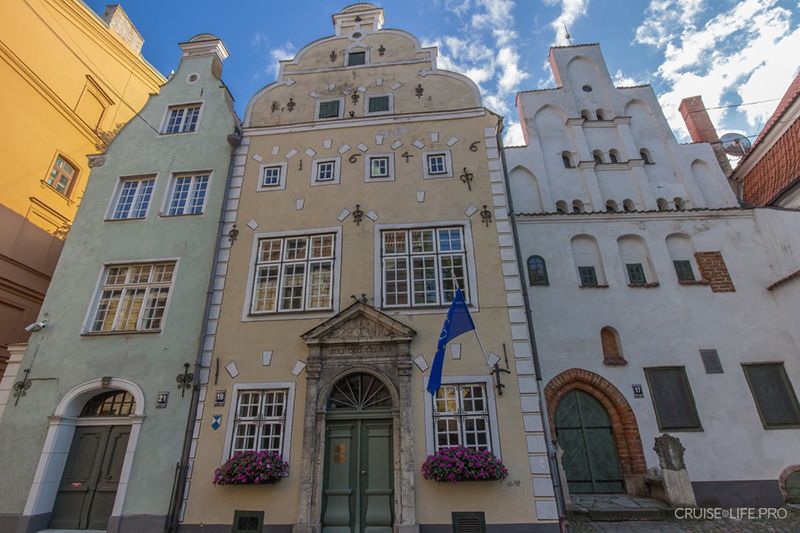
Not far from Dome Square, on Maza Pils Street (Small Castle Street), three historic houses nestle close together, known to locals as the “Three Brothers.” All the buildings are made of stone, because in progressive Riga, as early as 1293, construction regulations had been introduced prohibiting the erection of wooden residential houses within the walled fortress city. In miniature, the “Three Brothers” complex offers a glimpse of a typical Riga neighborhood of merchants and craftsmen.