Reggio Calabria, Italy

Port of call

Reggio Calabria, Italy

Description — Reggio Calabria, Italy

Reggio di Calabria is a city in Italy, in the Calabria region, the administrative center of the eponymous province. It is located at the very “tip” of Italy’s “boot,” opposite the city of Messina in Sicily (a ferry runs between them). The population is 186.8 thousand (2006). Nearly the entire peninsula is covered by mountains and hills; the highest point is Mount Pollino, 2267 meters high.

Reggio di Calabria is one of the oldest Greek colonies, founded in the 8th century BC. At the time, Reggio was a very significant Greek city, home to one of the most important philosophical schools-the Pythagorean school. In 387 BC the city was attacked by the tyrant of Syracuse, Dionysius I; Reggio was destroyed, and its inhabitants were forcibly relocated to Syracuse. Later, the city came under Roman rule and was called Rhegium Julium, but it did not lose its importance-in fact, it became the center of one of the southern municipalities of Rome.

Because the city had a favorable strategic location, it often became the cause of disputes among the Saracens, Byzantines, Lombards, and Normans. However, constant raids, epidemics, and earthquakes led the city to decline. On December 28, 1908, one of the most severe earthquakes occurred (7 on the Richter scale), which seriously destroyed the city, claimed about five thousand lives, and lowered the coastline by 53.3 centimeters.

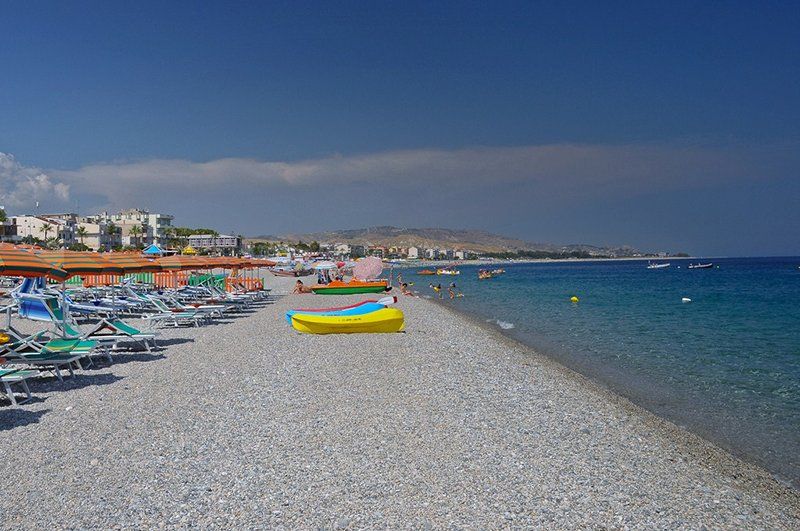
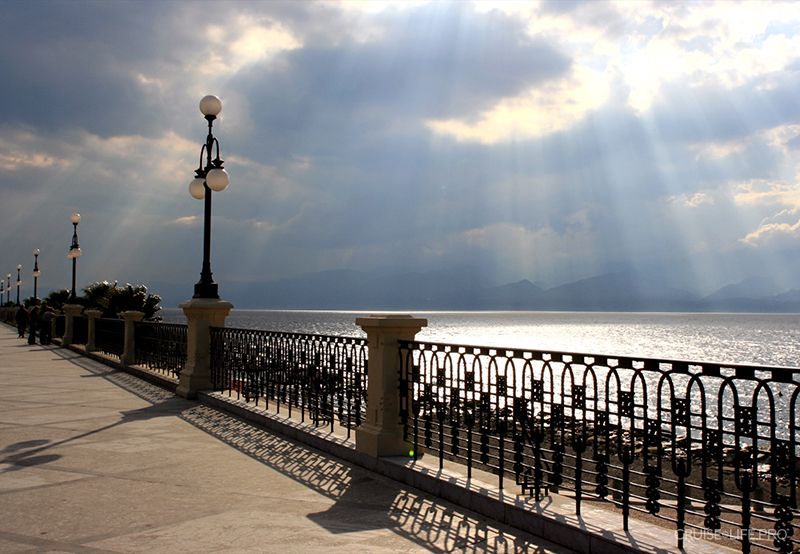
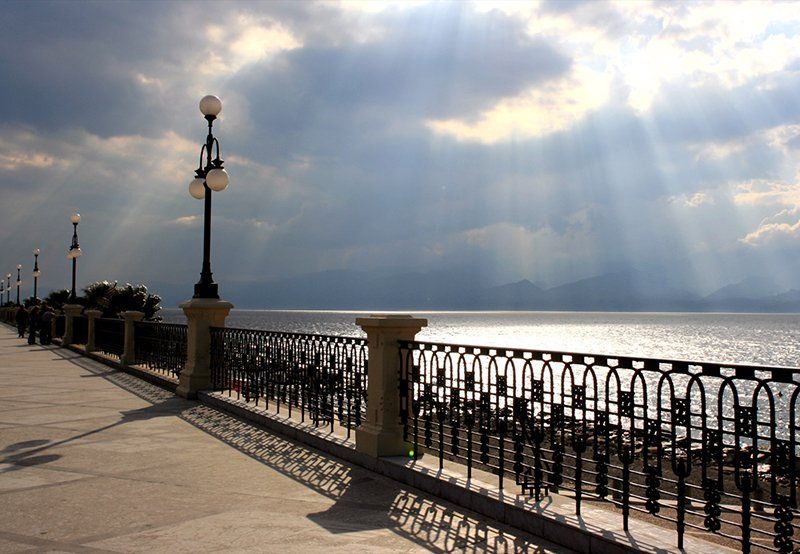
Restored after the 1908 natural disaster, Reggio took on a completely different appearance. The new center is located along the sea, between the Calo Pinacello and Annunziata rivers. Today, the residence of the Calabrian bishopric is located here, and the city port is considered one of the largest in the south of the country. Modern Reggio has a rectangular layout-straight streets, spacious squares; all of this is so untypical for Italian cities. On one side there is a beautiful sandy beach; along the seafront runs a wonderful promenade lined with palms and shrubs-the promenade that the poet Gabriele d’Annunzio called “the most beautiful kilometer in Italy.”

Climate

In Reggio di Calabria, there are three climate zones-Ionian marine, Tyrrhenian marine, and mountainous. In the coastal zone, the climate is mild, warm, and Mediterranean; however, the Tyrrhenian coast is quite different from the Ionian-its coastline is rocky and rugged, and the weather is also mostly windy and not very hot. But on the Ionian coast it’s quite different: it is hot enough, and only sometimes a sea breeze brings relief.

In the mountainous part, the climate is quite cold and harsh.

Tourists come to Reggio to sunbathe on the Ionian coast and swim in the sea, so the best time for a vacation is summer. There is very little rainfall on the coast-mainly in spring and autumn; in summer the temperature reaches 35 degrees. In winter, the temperature does not fall below +5; there is no snow.

Location on the map

Sights

Cathedral

Cathedral

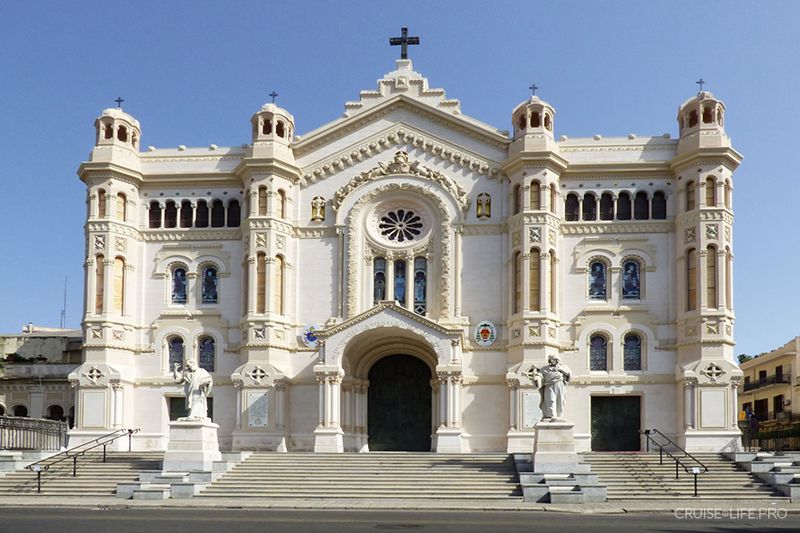
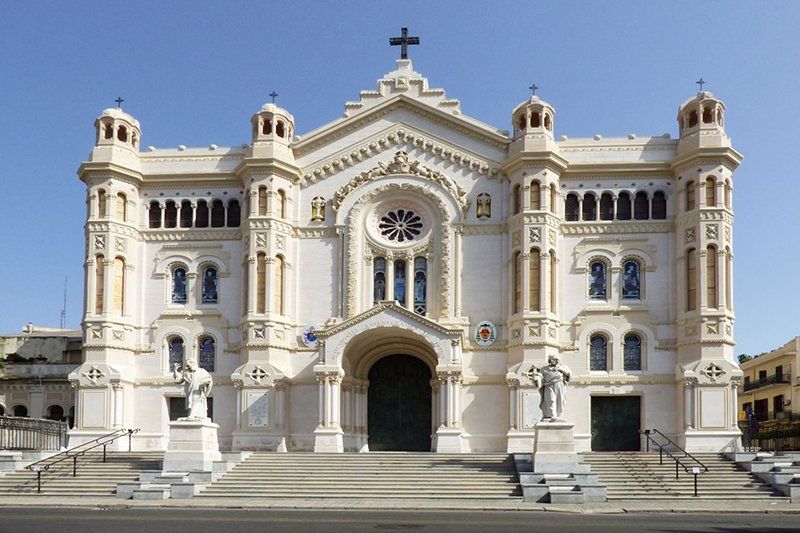
In the very heart of Reggio di Calabria, you can see the Cathedral of the Assumption of the Virgin Mary- the main church of the city and the entire Calabria region. It is also the largest, most representative, and tallest (21 meters high) religious institution in the city. The first cathedral was built here as early as the 11th century, during the Byzantine period. And only in the 18th century was it rebuilt-this time in the style of Sicilian Baroque, quite grand and ornamental. Here you can find various works of art: two baptismal fonts, a marble altar with bronze bas-reliefs, and many other decorative elements. Inside, the setting is very lavish and solemn-just as befits a Southern Italian temple, one of the most important in this part of the country.
Aljafería Palace

Aljafería Palace

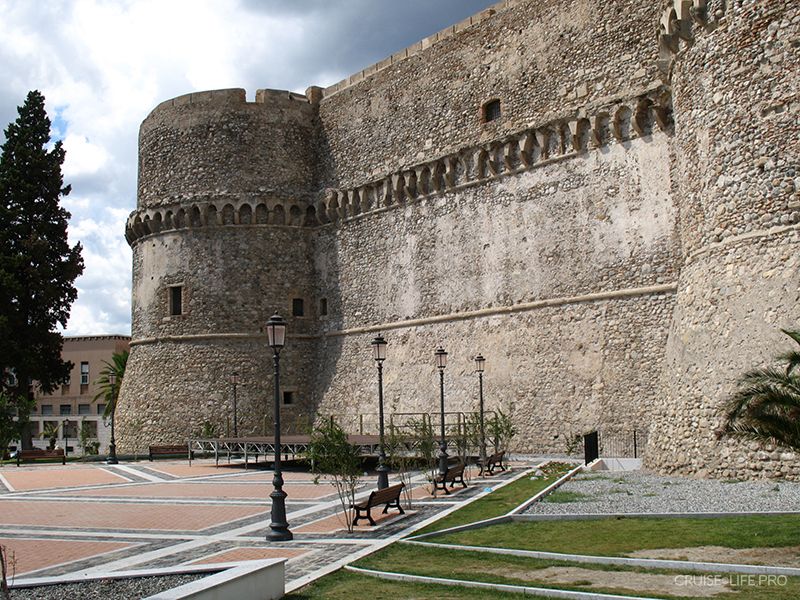
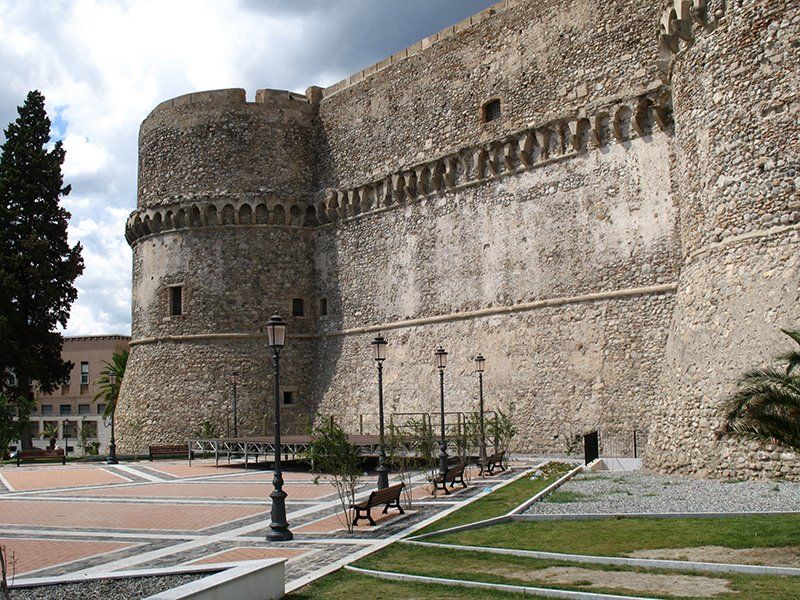
The majestic Aragon Castle is rightfully considered one of the main attractions of Reggio di Calabria. Fortifications on this site existed even before our era. The current castle appeared in the Norman period-in 1027. Between 1327 and 1381, during the reign of the House of Anjou, the castle underwent many changes. And a major renovation took place under Ferdinando I of Aragon, after whom the castle was later named. In the Middle Ages, a grim prison was housed here. In general, throughout its entire history, Aragon Castle has repeatedly been subjected to enemy attacks and has survived devastating earthquakes, not uncommon in these areas. However, neither armies nor natural disasters were able to destroy it.
Roman Baths

Roman Baths

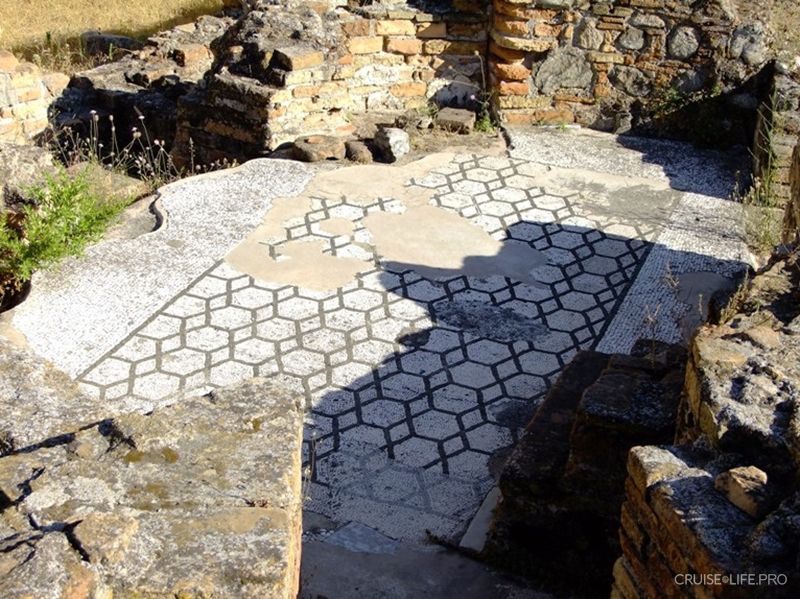
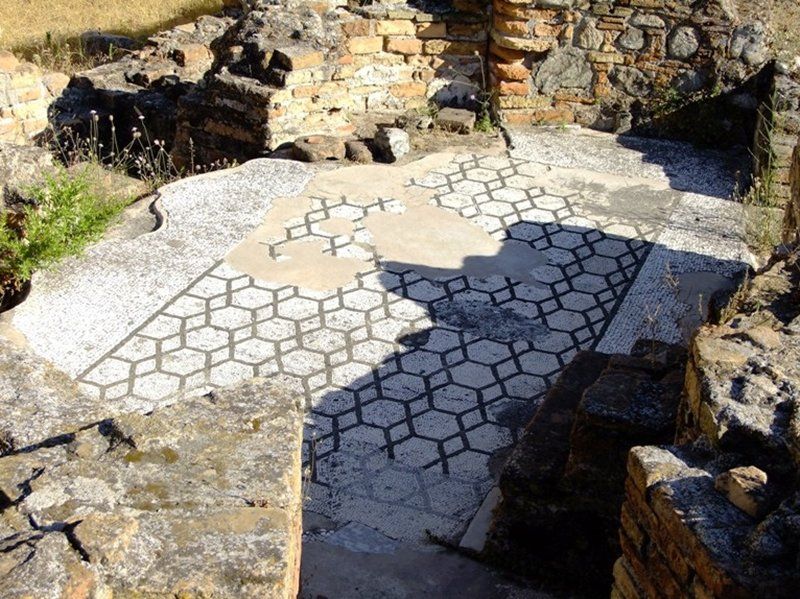
Reggio di Calabria is rightly famous for its picturesque seafront, offering a magnificent view of the remains of the old city walls and the bay. Also near the seafront, you can find ancient ruins of Roman baths. Even to this day, the Roman Baths have miraculously preserved a beautiful mosaic. That’s why so many tourists come here-to truly see this beauty for themselves.
What to see

Falkomata Embankment

Falkomata Embankment

In Reggio di Calabria there is the beautiful sea promenade of Falcomata. The promenade runs all the way around the perimeter and is lined with palm trees; along it there are the town’s most beautiful villas in the Liberty style (Art Nouveau) and mansions, including the Villa Genoese Zerbì, Palazzo Zani, and Spinelli. The promenade is famous for the fact that you can sometimes see a rare optical phenomenon here, called Fata Morgana-several mirages overlapping one another. Below Falcomata, by the sea, there is a small city beach where you can sunbathe in good weather. There is also a unique amphitheater-style venue on the promenade-the Arena dello Stretto-where concerts and performances are held with views of the sea.

National Museum of Great Greece

National Museum of Great Greece

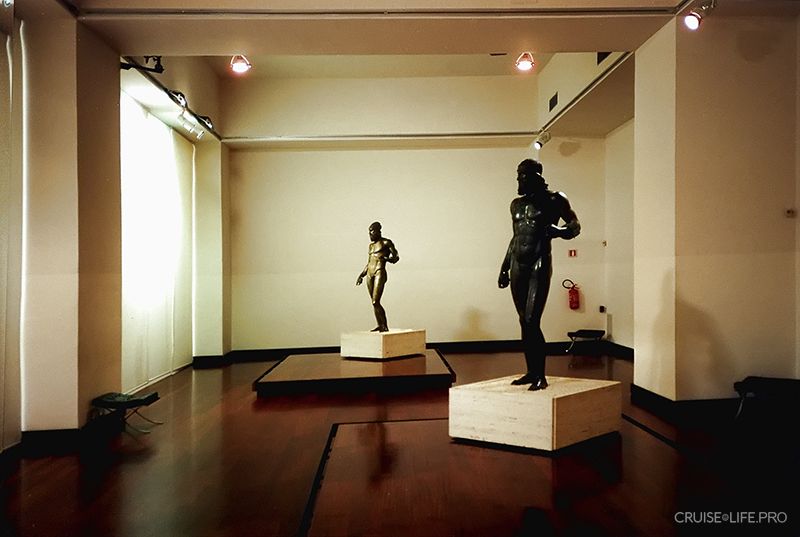
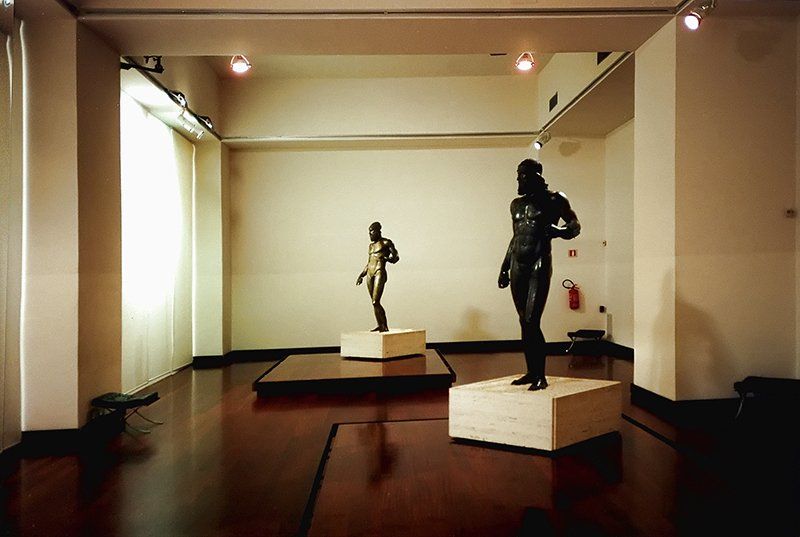
The National Museum of Greater Greece in Reggio di Calabria is one of the most famous archaeological museums not only in Calabria, but even in all of Italy. Here, valuable artifacts from a wide range of eras are on display-from prehistoric times to Ancient Greece, Ancient Rome, and the Byzantine Empire. The museum’s top collection highlights-the ones that are truly worth coming for first of all-are two bronze warrior figures from the 5th century BC, one of which is even attributed to the work of the great Phidias (a fact that is not entirely proven). They are also known as the “Bronzes of Riace” -named after the village where a fisherman accidentally hauled them in during 1972. These statues are among the most valuable finds from those distant times; sculptures that are completely preserved are virtually unique.

Beaches

Beaches

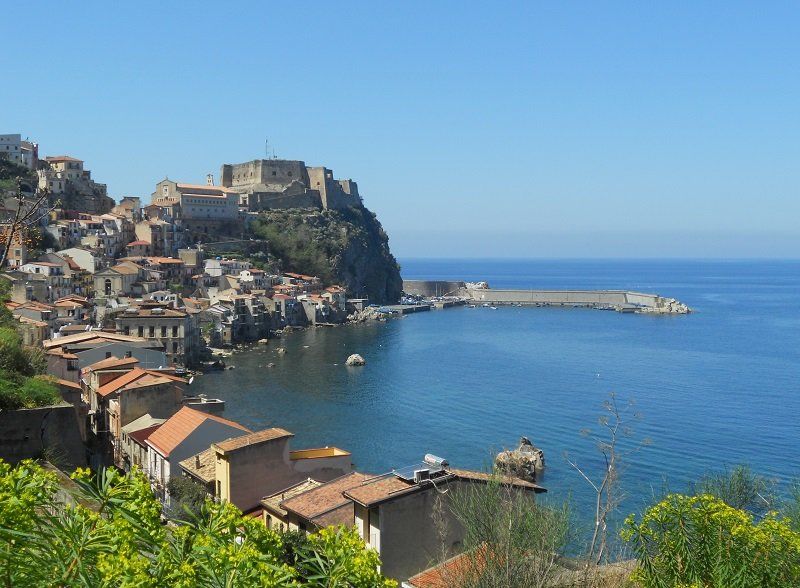
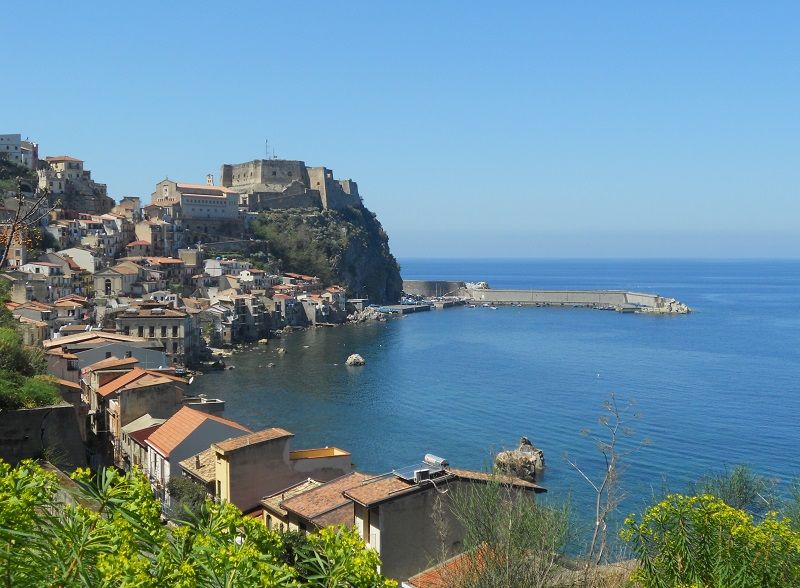
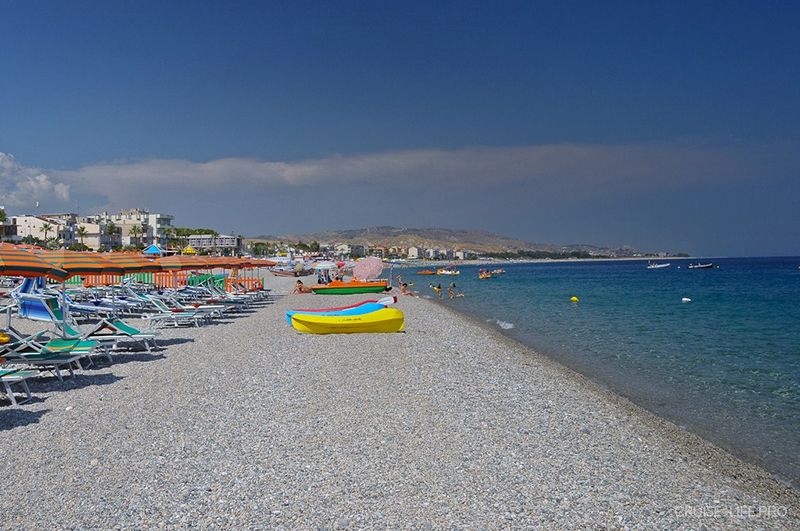
About 700 km of coastline in Calabria, with roughly half of it can be called beaches, but they are very different. Long, several-kilometer stretches of sandy shores alternate with rugged, jagged outcrops and small, cozy coves. In Reggio di Calabria itself there is an excellent urban beach; you can also sunbathe and swim in almost all of the nearby towns and villages. One of the most interesting beaches is in the town of Scilla, where an ancient RUFFO castle towers directly above the beach on a massive rock.

Recommended excursions

Between Scylla and Charybdis

Between Scylla and Charybdis

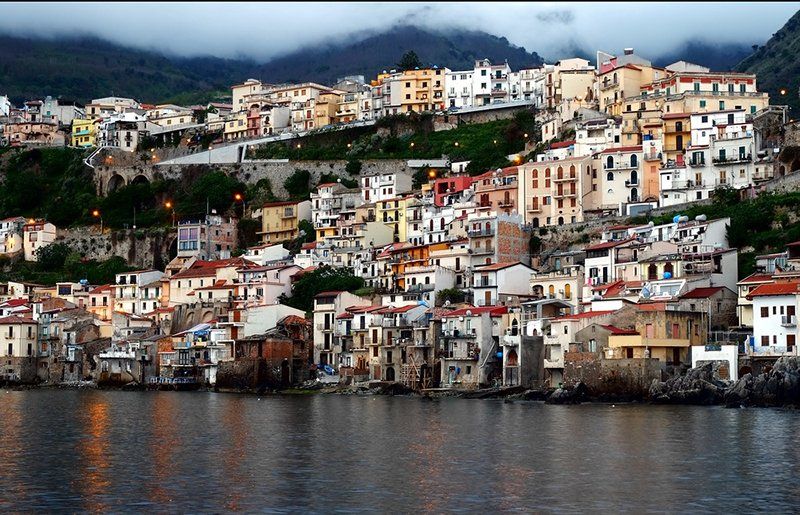
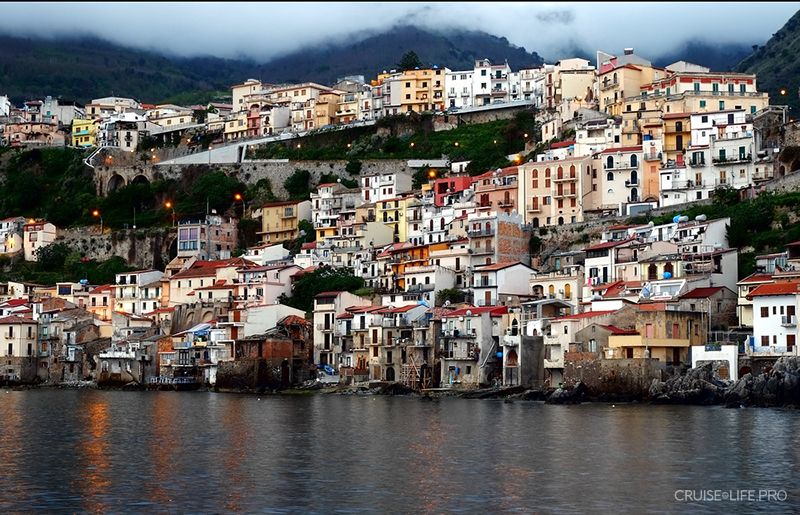
Visit the National Museum of Great Greece, stroll along the pedestrian promenade Corso Garibaldi, where the main Cathedral is located, the squares of Italy and the waterfront named after the famous Italian poet Gabriele D'Annunzio “the most beautiful kilometer in Italy”. Transfer to Scilla (Shilla) - one of the most beautiful and distinctive towns in Italy, a favorite place for artists of all ages and nationalities. From the panoramic viewpoint at Piazza San Rocco you can admire one of the most beautiful views of the Strait of Messina and nearby Sicily, visit the Ruffo di Calabria castle, take a walk through the fishing village of Chianalea, called “Southern Venice”, where houses rise right up to the water’s edge and the waves knock right at their doors. Here you can taste the signature dishes of the Calabria region, fresh seafood served with a glass of good local wine.

Taormina - a pearl of Sicily

Taormina - a pearl of Sicily

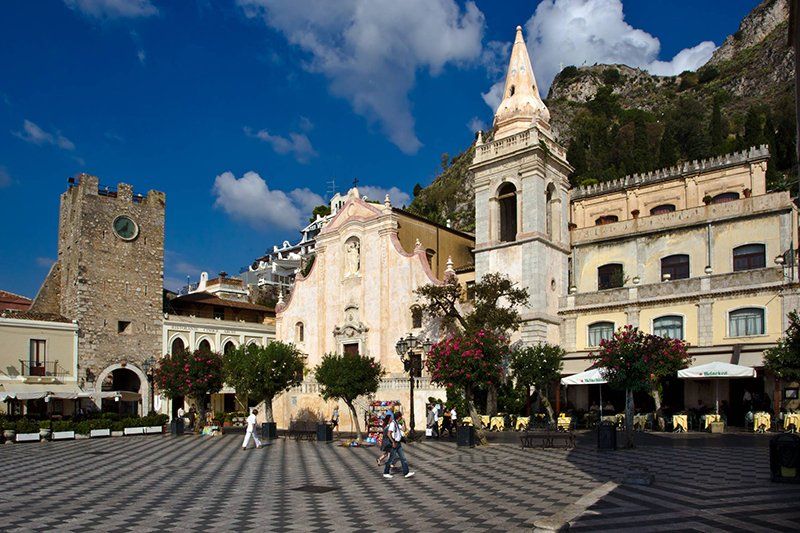
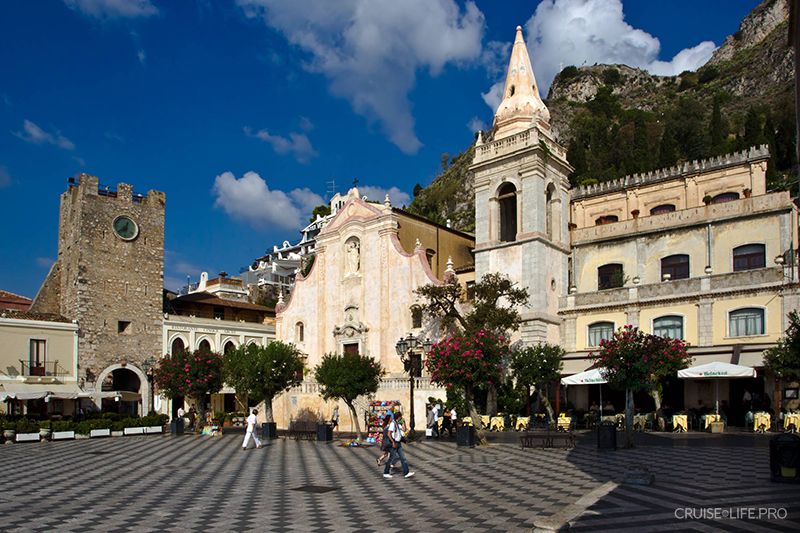
Excursion to Taormina - a city located on the Monte Tauro plateau and preserving unique evidence of the Greek, Roman, and medieval eras. You enter the old town through the Porta Messina and almost immediately find yourself at the façade of Palazzo Corvaja - the city’s main attraction, built in three different periods. By going deeper into the heart of the old town, you can visit the magnificent Greek Theatre, the city’s symbol and one of the world’s most famous monuments in Sicily, or take a stroll along the pedestrian street Corso Umberto to see the remaining attractions of Taormina, with a tasting of typical local products and a visit to the city square.

For a more detailed list of excursions and their prices, you can view it after booking your cruise in your “Client Personal Account”.