

Port of call
Puerto Quetzal, Guatemala
Description — Puerto Quetzal, Guatemala
Puerto Quetzal is the largest port in Guatemala on the Pacific Ocean. It is both an important cargo port and one of the main terminals in the region for cruise liners. Puerto Quetzal is located near Puerto San José, which lost its significance as a seaport in the 20th century.
Puerto Quetzal is located in the Escuintla department. The administrative center of the department is the city of Escuintla. The department covers an area of 4384 km², and lies in low-lying coastal areas in the south of the country. To the west, it borders the Suchitepéquez department; to the north, the departments of Chimaltenango, Sacatepéquez and Guatemala; to the east, the Santa Rosa department.
Guatemala is the most populous of the Central American republics. It is washed by the Caribbean Sea to the east and the Pacific Ocean to the south-west. More than half of Guatemala’s territory belongs to the mountainous Cordillera range, represented by the Sierra Madre volcanic highlands, with the highest peak in Central America - the Tajumulco volcano. There are 33 volcanoes in the country, 3 of which still pose a threat. It borders El Salvador to the south, Honduras to the south-east, Belize to the north-east, and Mexico to the north-west.
ClimateThe climate in the region is tropical. The average annual temperature on the coast and on the lowlands is +23... +27°, and on the highlands +15... +20°. Summer (November-April) and winter (from May to October) differ only in the amount of precipitation and nighttime temperatures, which in December-January in the mountains drop to −10° and in the highlands to 0°.
The concepts of “summer” and “winter” in this case are conditional and refer, respectively, to the dry season and the rainy season. The hottest months are February-May. During the winter period (May-October), hurricanes and floods occur due to heavy rainfall. The most significant ones happened in 1998 (Hurricane Mitch) and in 2005 (Stan), in which a large part of the country was affected by flooding and winds. On average, 1300 mm of precipitation falls.
-
-
-
-
-
-
-
-
-
Location on the map
Sights
What to see
Tikal National Park
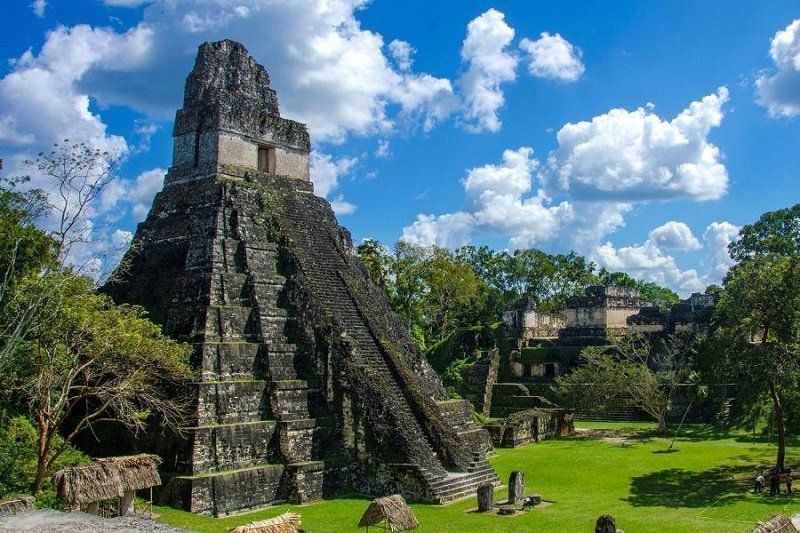
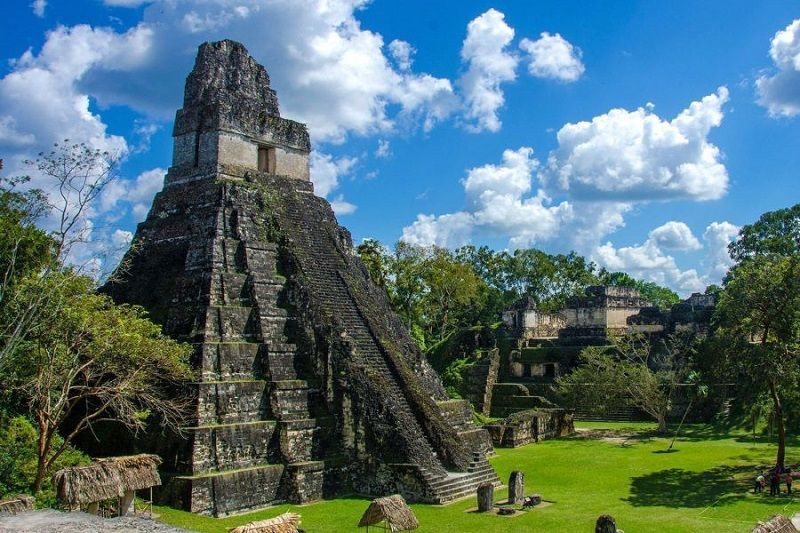
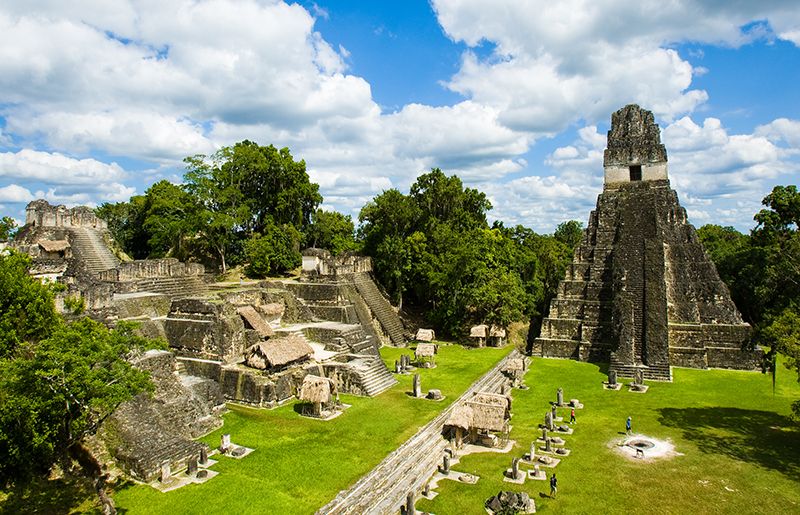
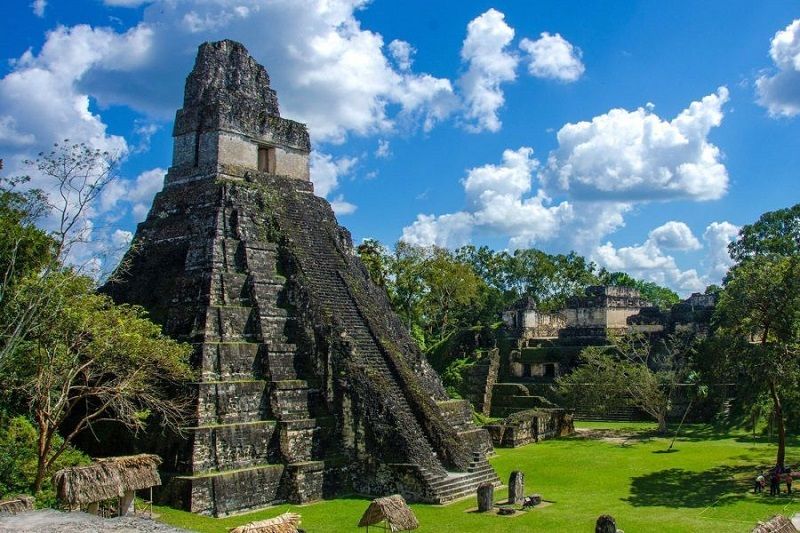
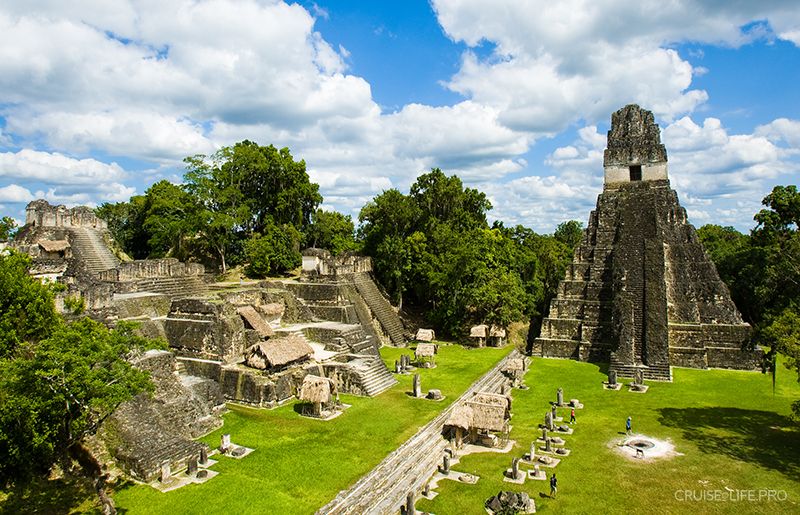
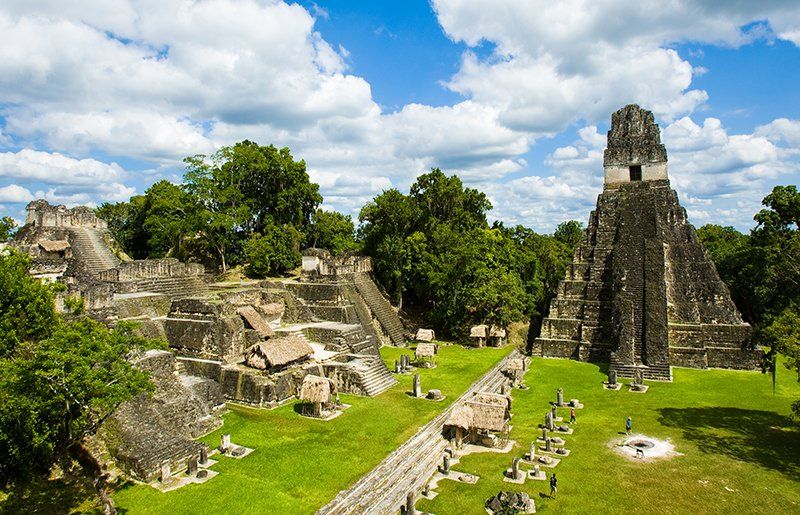
One of the most significant Maya architectural monuments to have survived to our day is the ancient city of Tikal. The city was the capital of the Mutul kingdom, one of the most powerful Maya realms. Within the city’s territory there are thousands of archaeological sites. To date, about three thousand objects have been discovered and described, and more than ten thousand still need to be studied. The greatest interest lies in six large pyramids with temples at their summits, dating back to the 7th-8th centuries. In addition to the traditional markings with Roman numerals, these temples were given romantic names-the Temple of the Jaguar and the Temple of the Mask, the Temple of the Two-Headed Serpent, and the Temple of Inscriptions. Tikal is also known for its carved inscriptions and ornaments, as well as its multicolored pottery. The park also carries out extensive work to preserve rare and endangered wild animal species, such as ocelots, peccaries, and, of course, jaguars.
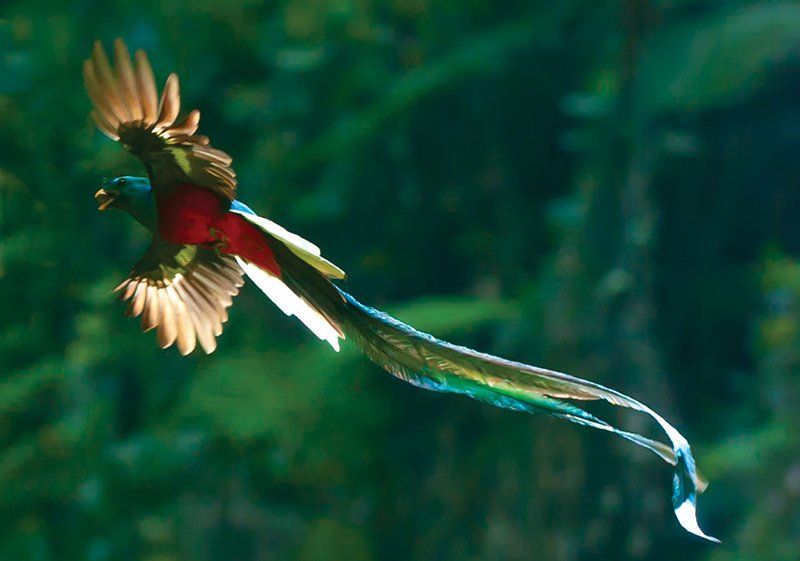
Quetzal Biosphere Park
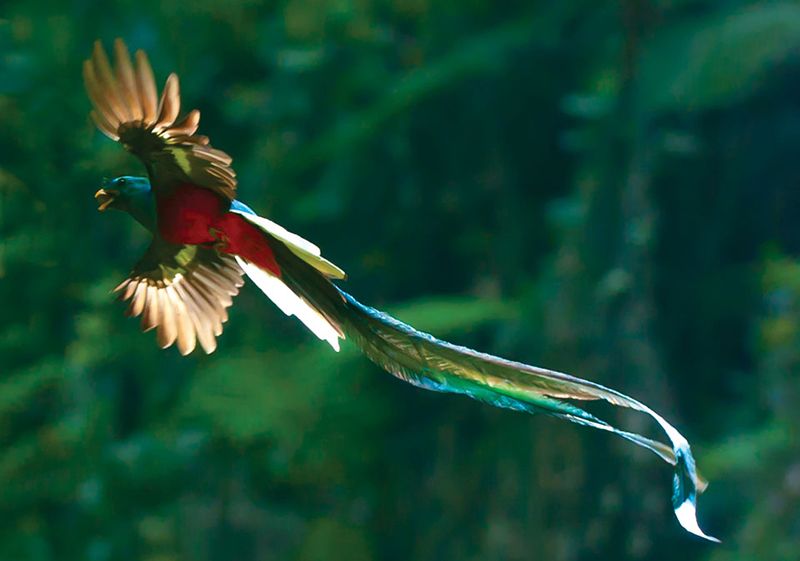
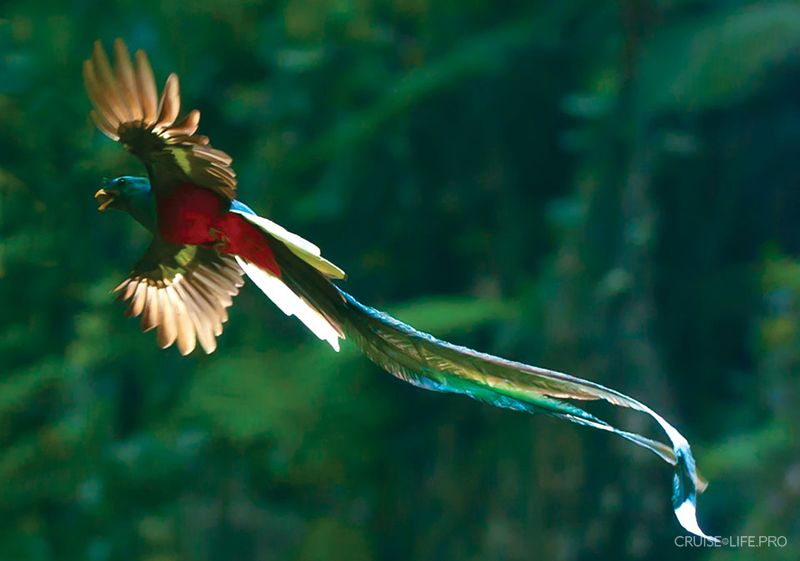
Quetzal is a sacred bird of the ancient Maya and one of the symbols of modern Guatemala. With the aim of preserving the quetzal, a special biosphere park was created on a thousand-hectare expanse of tropical forest. The first thing to pay attention to when visiting the park is a small orchid nursery, which features more than 70 species of orchids growing in Guatemala. In the information center, you can pick up a brochure with a map of the park and a list of 87 bird species found here. Besides birds, you may also come across spider monkeys and ocelots. There are two walking trails through the park-the Fern Path (about 2 km) and the Moss Path (about 4 km). Along both trails, you can see many small picturesque waterfalls, and if you’re lucky, you may also spot the quetzal itself.
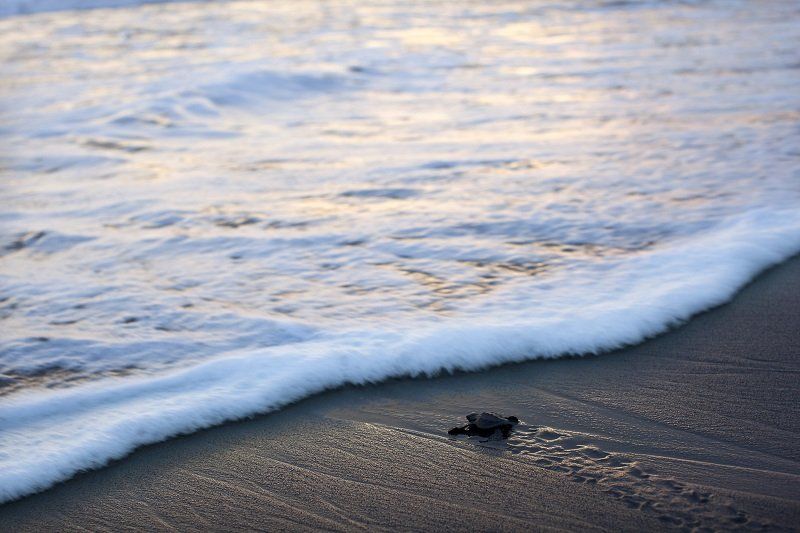
Monterrico Beach
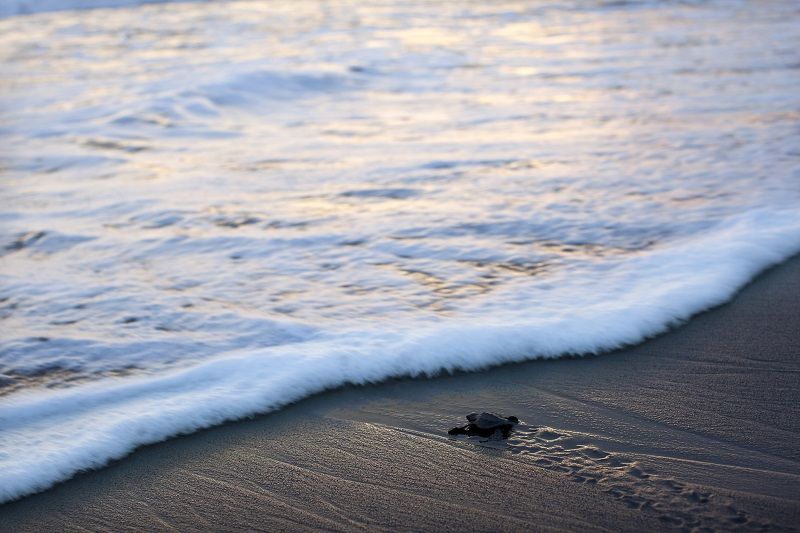
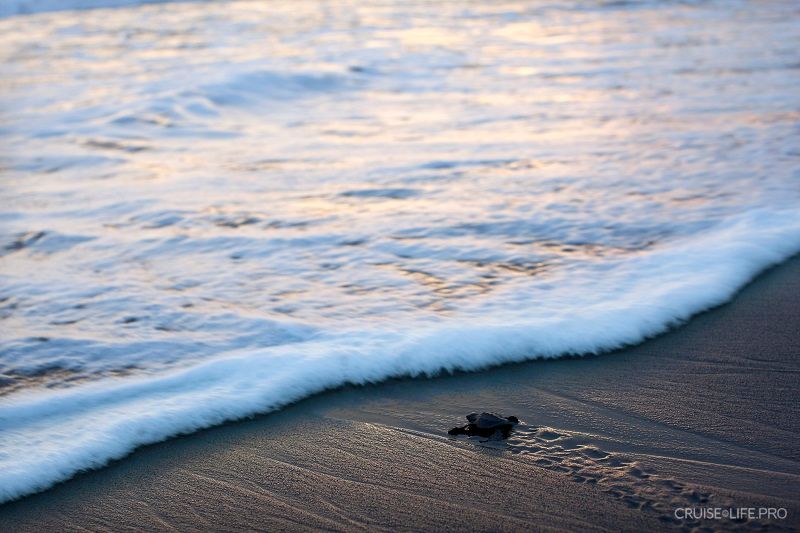
Monterrico is one of the wonderful places in Guatemala. It’s a calm, cozy and beautiful beach. But Monterrico attracts tourists not only for that. Enormous sea turtles come ashore here to lay their eggs. The most interesting part begins when these eggs start hatching into tiny baby turtles. It’s fun to watch hundreds of little creatures scurrying through the sand, overcoming the huge obstacles in their world in order to reach their natural habitat. Everything would be fine, but poaching thrives in Monterrico: fishermen collect the eggs and catch the baby turtles, which are then sold at the market like curious little toys. That’s why in Monterrico there is a wonderful tradition: volunteers from all over the world come here in August and September to help the small sea turtles reach the water.
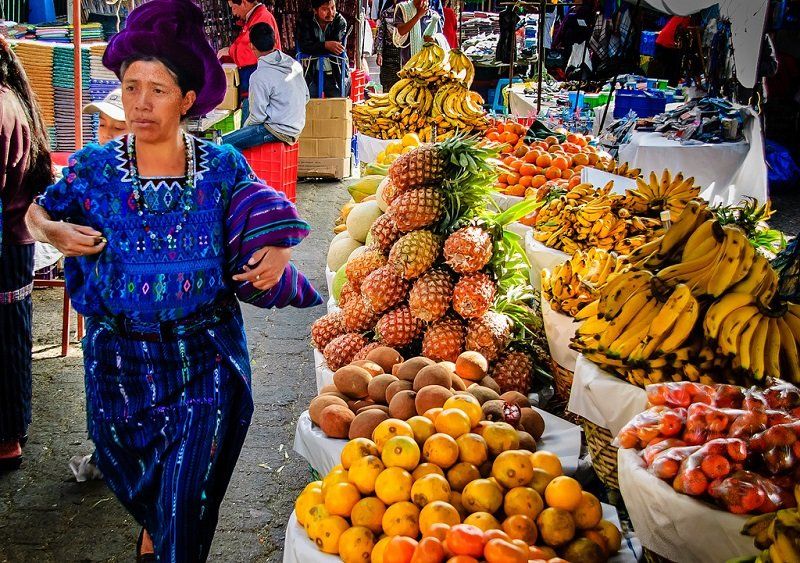
Solola City
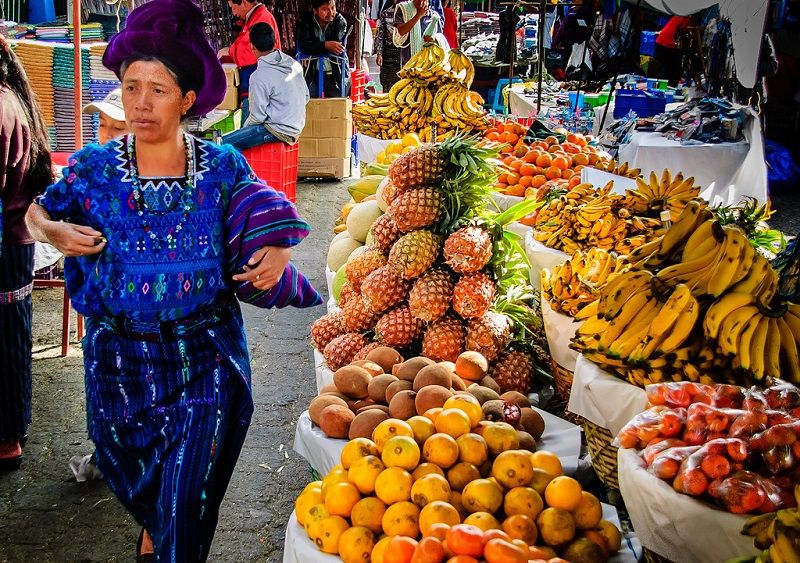
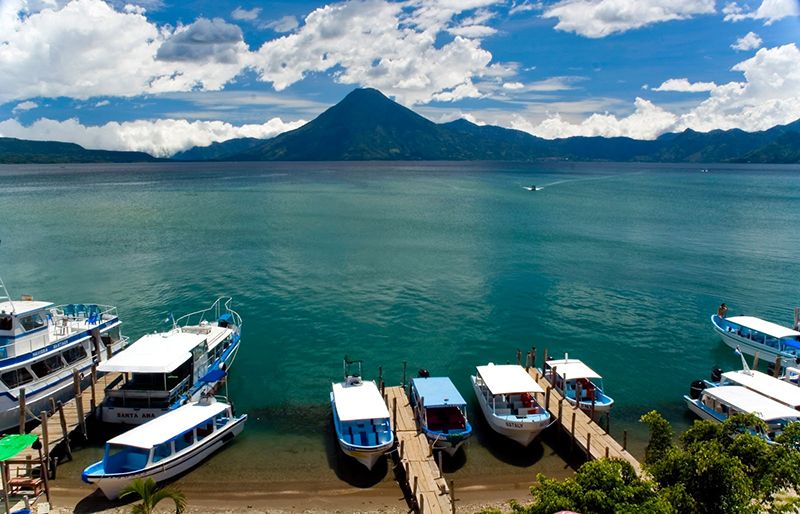
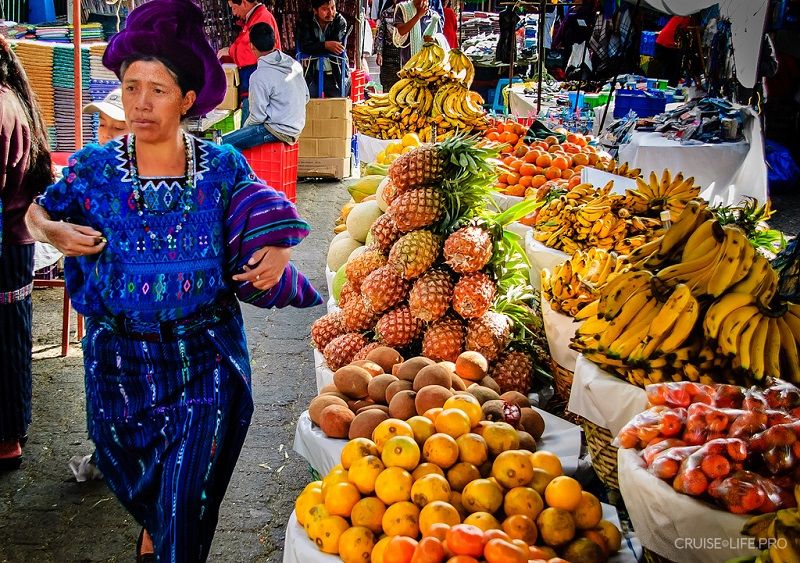
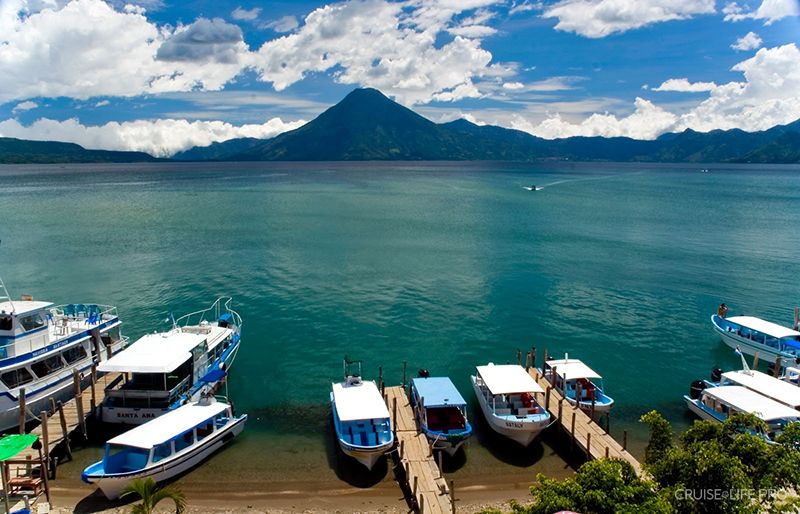
Sololá is located on the shore of the volcanic Lake Atitlán. This is a small yet very interesting town. When you come here, you will be able not only to admire the wonderful beauty of the lake itself, but also to experience historic Guatemala: in Sololá, people still wear national costumes as everyday clothing. Once in the city, you should definitely visit the historic museum located in the municipal building. It tells the story of Guatemala’s formation in an engaging and interesting way. And the last thing you simply must see with your own eyes is the Sololá market. On a specially designated day of the week, people from nearby villages gather there. Everyone is dressed in bright national outfits. You won’t see such an explosion of colors anywhere else.
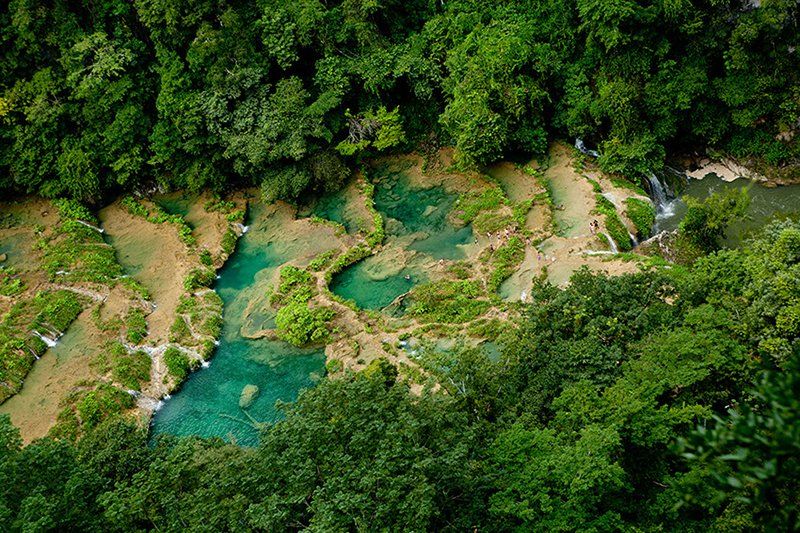
Semuc Champey Waterfalls
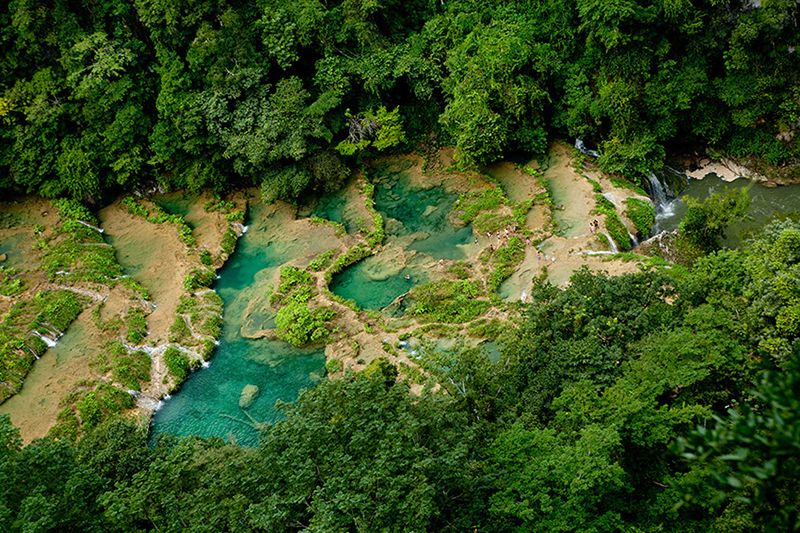
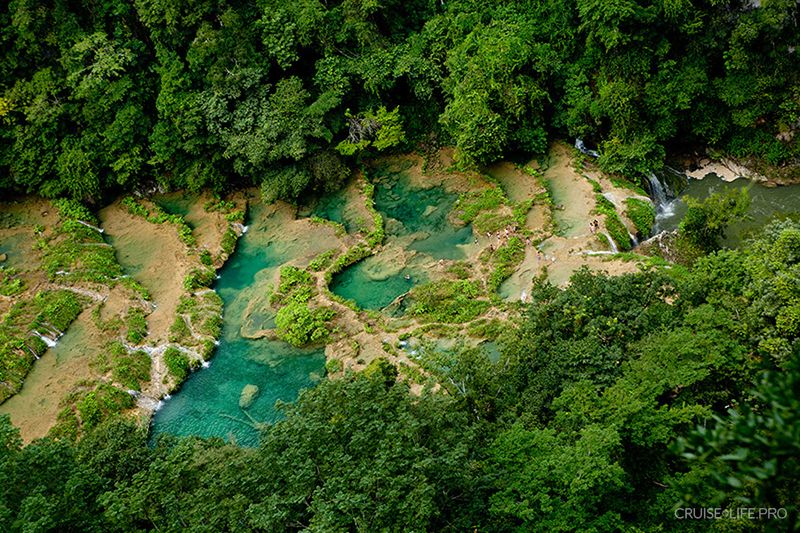
Semuc Champey is often called one of the most beautiful places in Guatemala. The name Semuc Champey was given to this place by the Kekchi Indians; it means “a place where the river goes underground.” Here the fast-flowing Cahabón River has carved through a soft layer of limestone located beneath harder rock. It runs beneath this natural bridge, leaving on the surface a unhurried turquoise stream that flows from pool to pool over countless low cascades. There are three tourist routes leading to Semuc Champey. The hardest, but also the most beautiful, is called El Mirador. After a stroll along these wonderful natural pools and a swim in their clear water, you will see a large waterfall at the point where the Cahabón River returns to the earth’s surface.
Recommended excursions
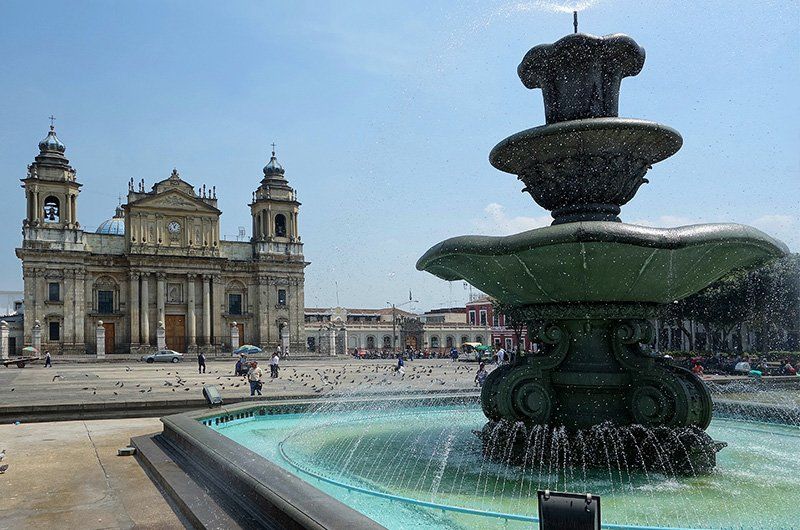
Excursion in Guatemala City
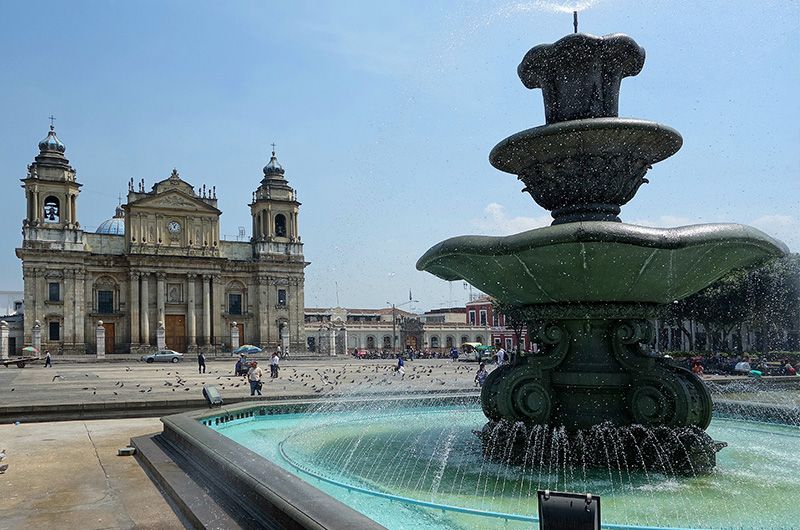
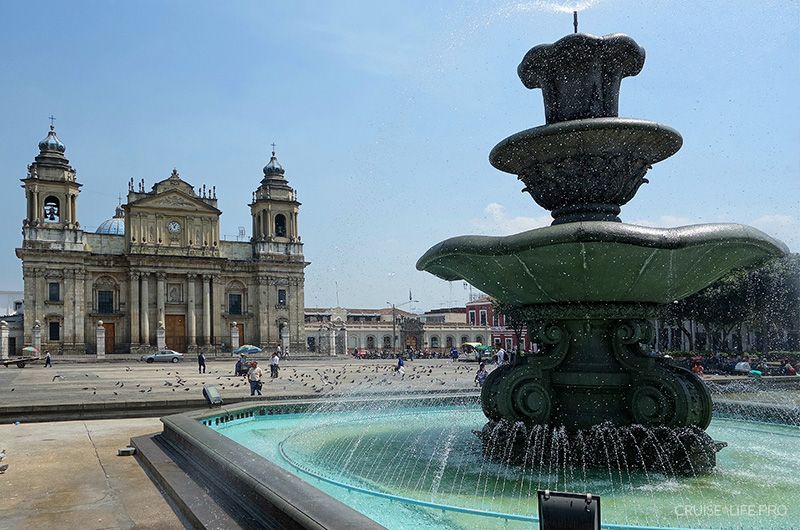
A stroll through Guatemala City - the commercial and cultural center where colonial culture blends with modern buildings. The tour includes: a visit to the central park and the main square, where the city’s main landmarks are located: the National Palace, the Cathedral, and the main shopping center, where you can buy souvenirs and local artisans’ works.
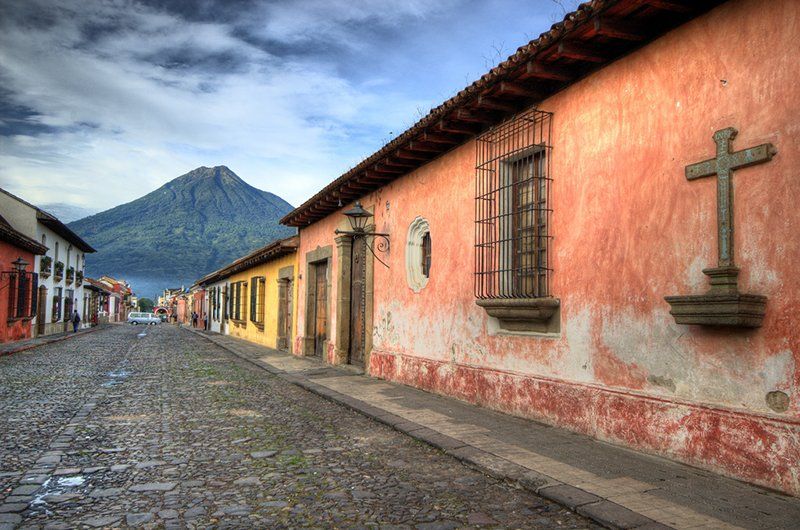
Excursion in Antigua
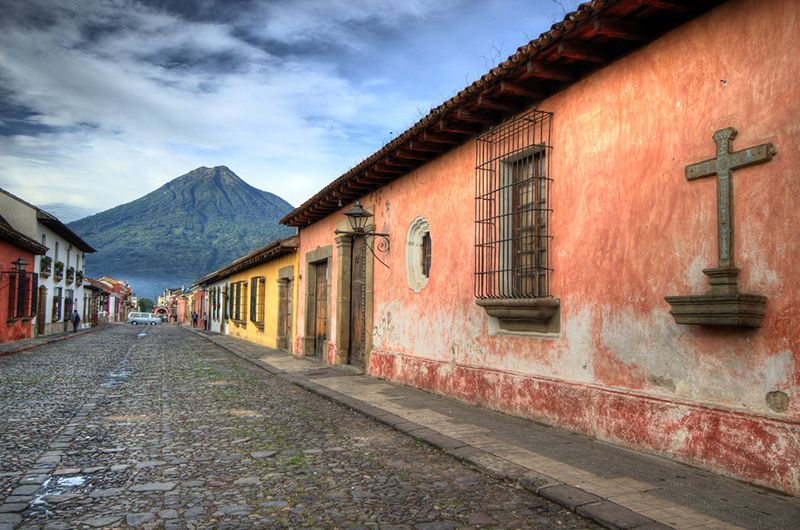
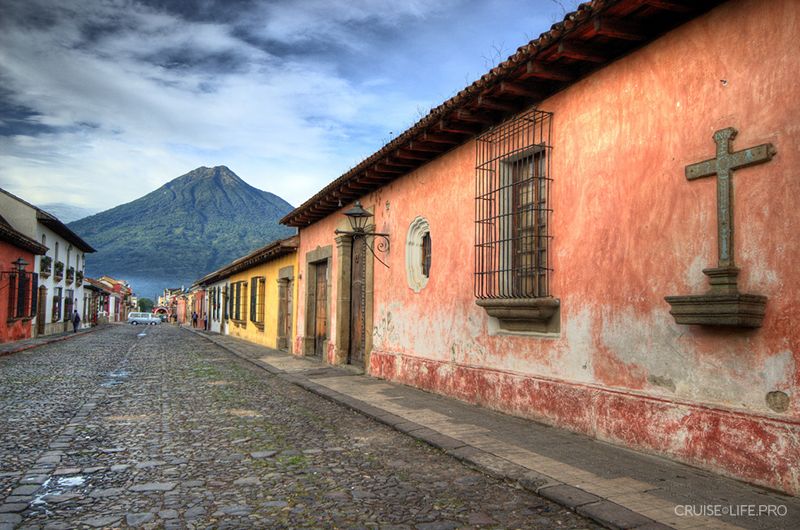
A trip to Antigua - the colonial-period capital of Guatemala, and today a museum city - will let you immerse yourself in the past thanks to numerous landmarks of colonial architecture, such as the Palacio de los Capitanes Generales palace, the City Hall, the Museum of the Old Book, and the Museo Santiago. Excursions include visits to the Central Square, the Metropolitan Cathedral, the Church of Nuestra Señora de la Merced, the Church of St. Francis, a jade factory, and a coffee plantation.
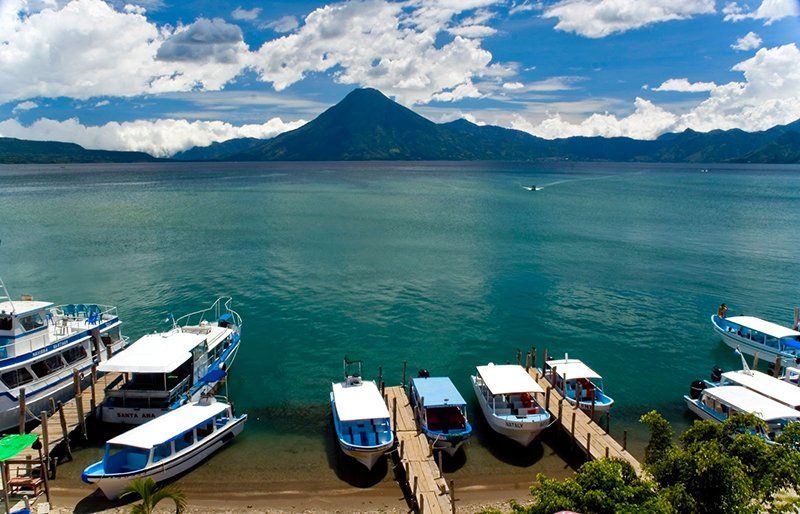
Lake Atitlán
The lake, located at an altitude of more than 3000 m above sea level, was formed around 100,000 years ago during a volcanic eruption that destroyed all life in the territory of present-day Guatemala. The culture of the lake dwellers, who had inhabited the shores of the lake since time immemorial, differed from the traditions and customs of the other indigenous peoples of the country. Traders came to Lake Atitlán from the surrounding lands, the Kaqchikels and the Tzutujils. For sale were displayed gold and precious stones, honey and pepper, ropes made from agave fiber, rubber and leather, the sacred copal tree. Local residents were known for their warlike temperament. The people of Atitlán especially revered Kabrakán-the goddess of earthquakes, who could uproot forests, lift cities into the air, and spark fire to set the earth ablaze.
You can view a more detailed list of excursions and their prices after booking your cruise in your «Client Personal Area».