Puerto del Rosario, Spain

Port of call

Puerto del Rosario, Spain

Canary Islands Cruises

Description — Puerto del Rosario, Spain

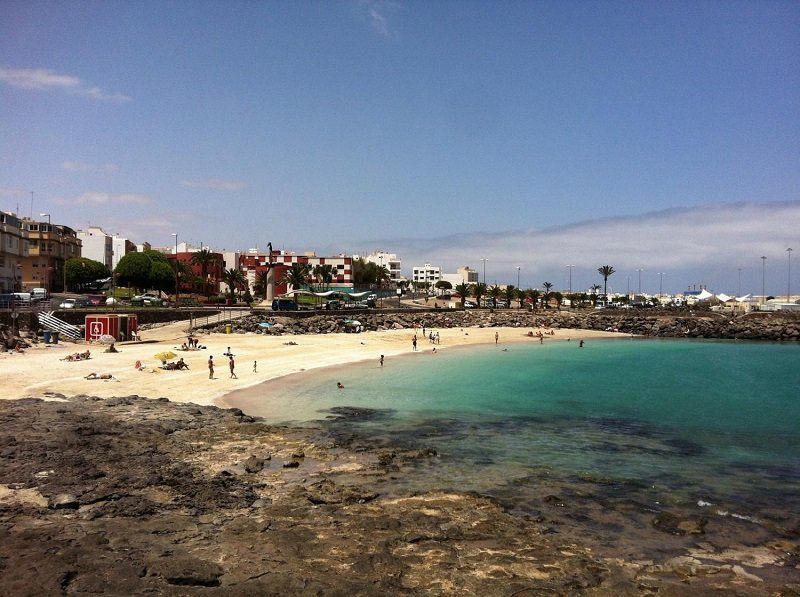
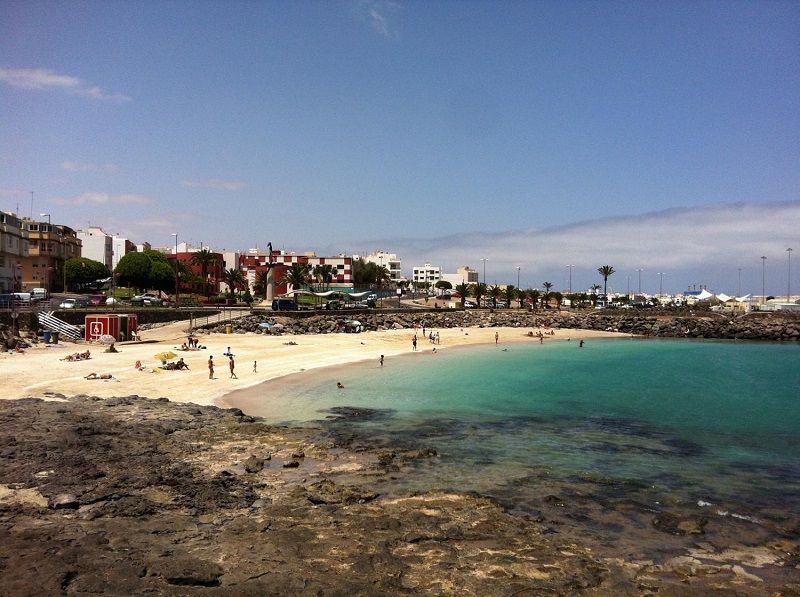
Puerto del Rosario is a city and municipality in Spain and is part of the province of Las Palmas within the Autonomous Community of the Canary Islands. It is located on the island of Fuerteventura. It covers an area of 289.95 km². It is the largest city on Fuerteventura and the island’s capital. Population: 35,702 (as of 2010). Founded in 1713. Until 16 March 1956, it was named Puerto de Cabras (Puerto de Cabras, “goat port”).

Fuerteventura is the second largest island in the Canary Archipelago after Tenerife, the island of the sun and calm. Like the surrounding islands, it has volcanic origins. It is believed that Fuerteventura is the oldest island in the Canary Archipelago, formed as a result of volcanic eruptions that occurred many thousands of years ago.

Fuerteventura gets its name from the local wind that hardly ever dies down throughout the year: in Spanish, “el viento” means wind, and “fuerte” means strong. Long ago, Fuerteventura was covered with dense forests, but the intense naval-military history of the Canary Archipelago led to active deforestation, with the timber being used to build ships of the Spanish fleet. Pirates and war fleets of medieval maritime powers were repelled, but the island is still barren today.

Unlike Tenerife or Lanzarote, some of Fuerteventura’s beaches are covered not with volcanic black sand, but with the more familiar golden sand. Fuerteventura is a favorite island for surfers from all over Europe, as well as a wonderful place for peaceful family holidays. There are no many clubs and discos on Fuerteventura, which makes it an alternative to the nearby youth and party resorts. The main resorts are Costa Calma, Morro del Jable and Playa Matorrales, located on the Jandía Peninsula, as well as Caleta del Fuste and Playa de Corralejo.

Climate

The beach season on the island lasts all year round. The average temperature in July is +27 °C, and in January it is about +20 °C. The ocean water temperature is +20 °C all year round. A special feature of Fuerteventura is the constant wind, which makes the island’s climate much milder than the nearby African coast.

Location on the map

Sights

La-Oliva Village

La-Oliva Village

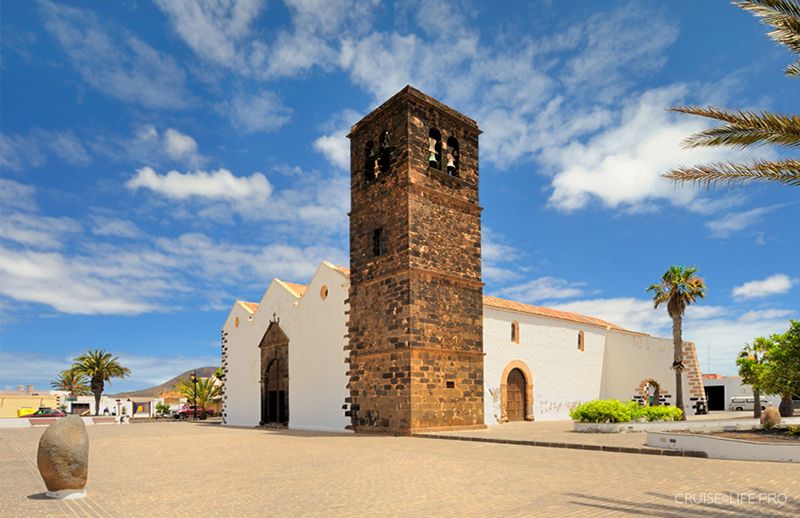
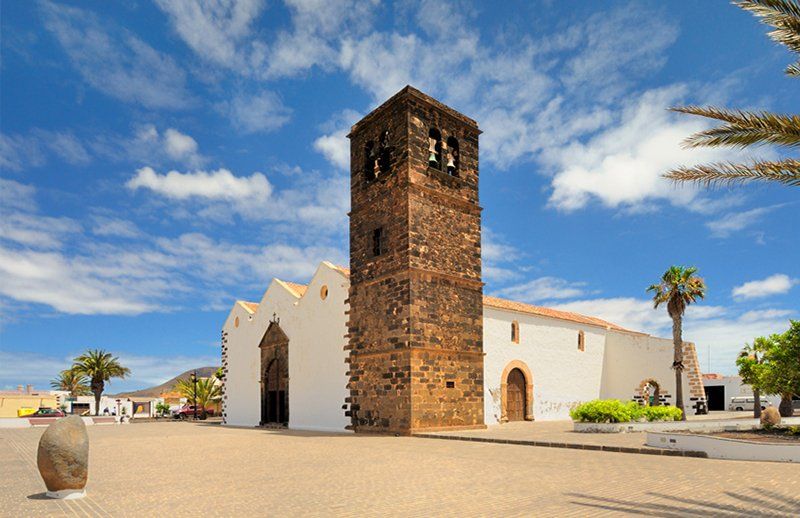
La Oliva Village is notable for its architecture: once, military governors of the island lived here-today, the Governor’s Mansion has been restored and is open for visits. The church of Nuestra Señora de Candelaria is no less interesting, with a square bell tower and a very beautiful carved wooden door. Inside, you will find a painting depicting the Last Judgment, Baroque murals on the altar, and artworks created using the trompe-l’oeil technique. The village also has an art center featuring works by Canarian artists.
Antique Windmills

Antique Windmills

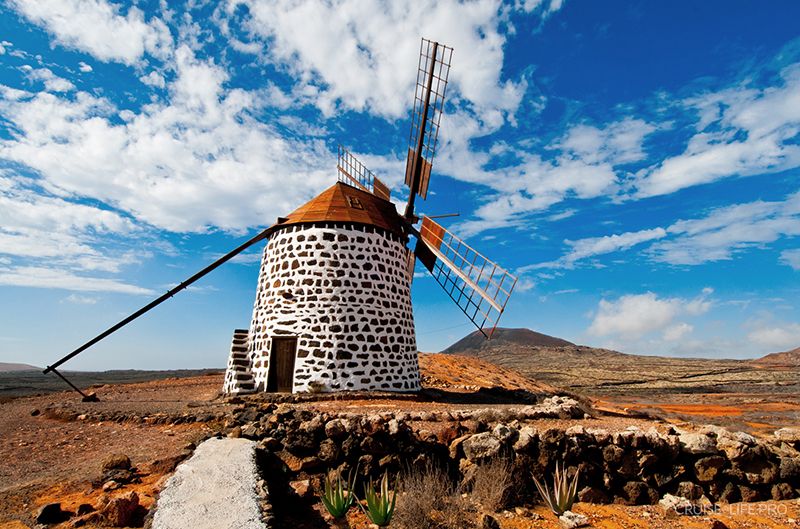
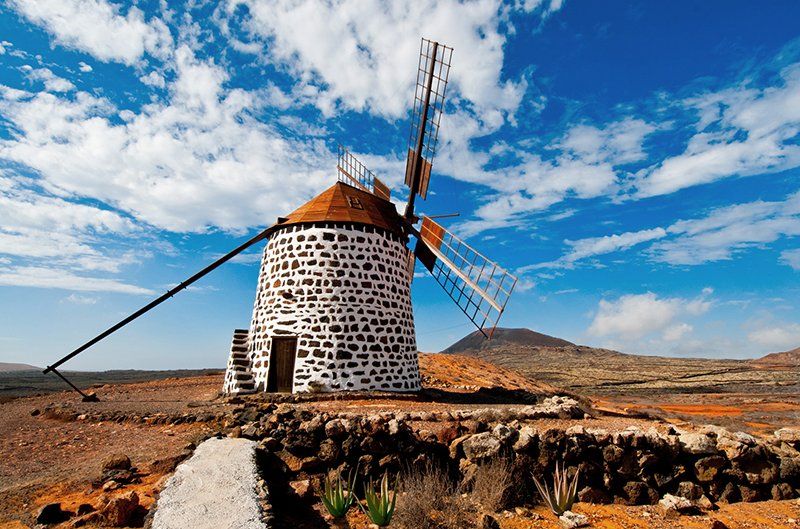
Windmills are a symbol of Fuerteventura: they come in both female and male “genders” - the former have a cylindrical base, while the latter have a square base and are more angular. The windmills symbolize the island’s prosperity and wealth.
What to see

Betancuria

Betancuria

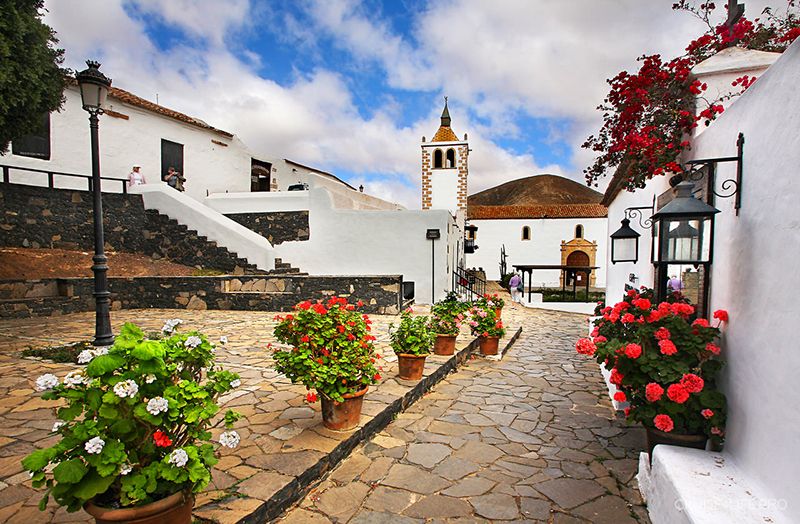
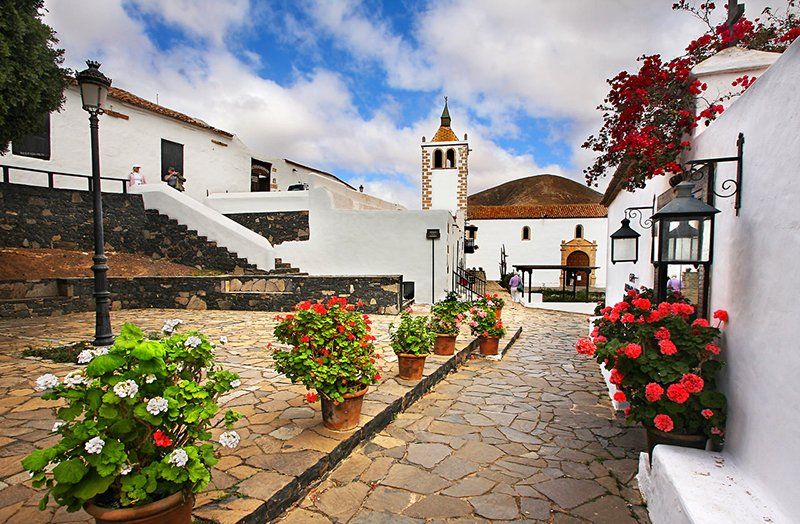
The small village of Betancuria is one of the first settlements established on the island-its first buildings appeared here as early as 1404. Until 1834, the capital of Fuerteventura was located here. Today, Betancuria is one of the most picturesque and authentic villages on the island. Notably, it lies in the crater of an extinct volcano. In its center you can see one of the oldest churches on the island-the Iglesia de Santa María church, built in 1620. On the northern edge of the village, you can admire the scenic ruins of the oldest Franciscan monastery on the island, the Monastery of Saint Bonaventure. There are also two museums here: the Museum of Religious Art and an Archaeological Museum filled with fascinating finds.

Corral(e)jo National Park

Corral(e)jo National Park

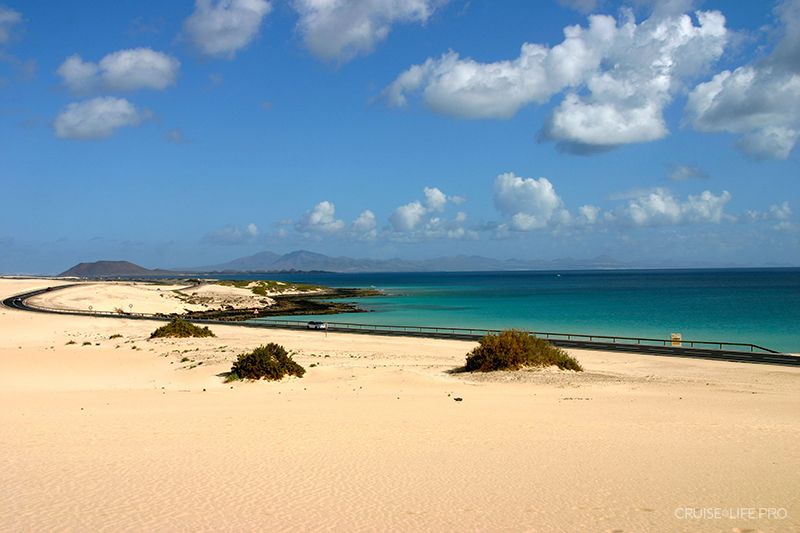
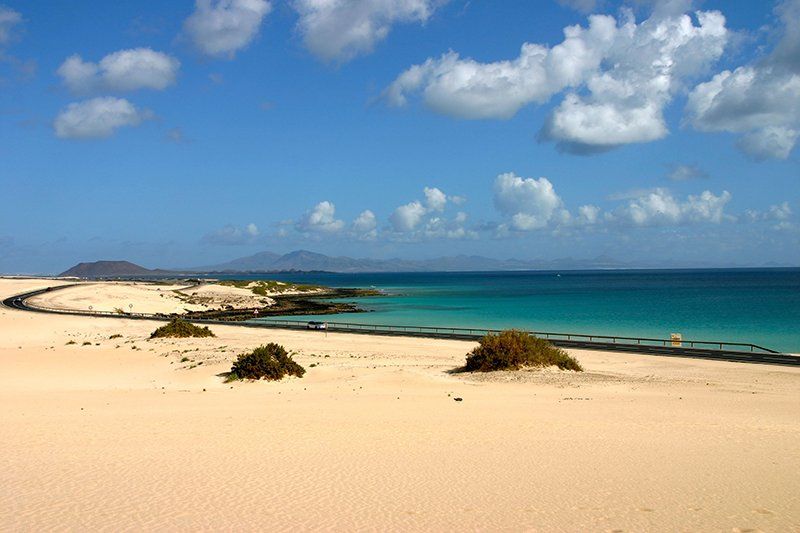
The beaches located in the resort of Corralejo serve as one of its main attractions. Magnificent sandy beaches, with a length of about 11 km, draw an increasing number of connoisseurs of untouched natural beauty. The resort’s urban beaches are separated from one another and framed by stones of volcanic origin. The amazing natural sand-dune reserve located on the territory of Corralejo is undoubtedly one of the resort’s highlights. A one-hour stroll along this seaside patch of desert, ending at La Charca lagoon, will allow you to admire the flora and fauna of two completely different ecosystems and see the unique moving dunes of El Habble.

Baku Water Park

Baku Water Park

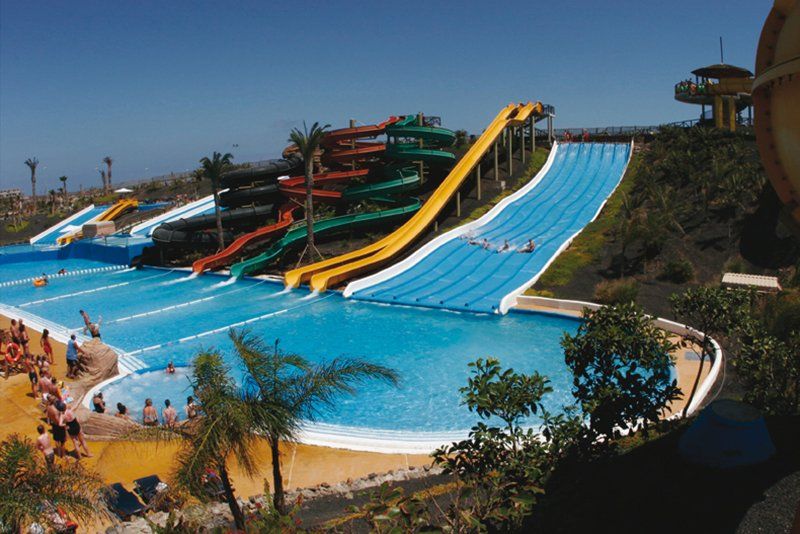
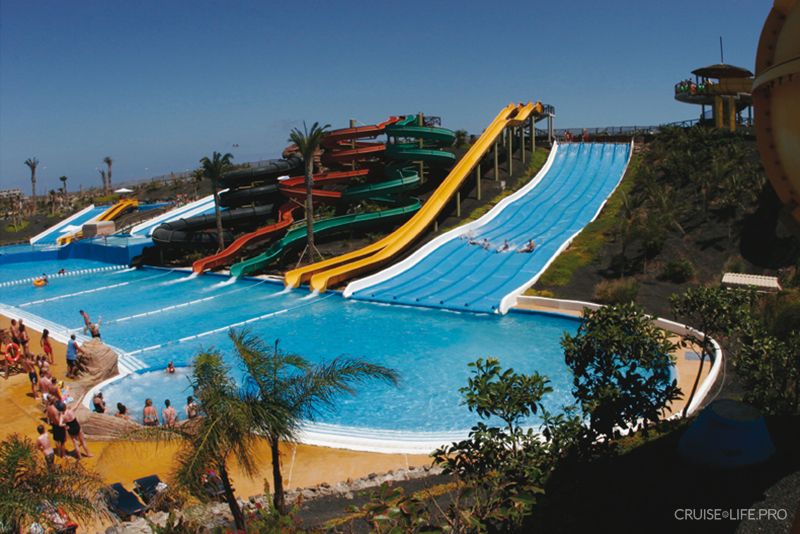
The “Baku” Water Park is an open-air, impressive themed entertainment complex with an area of 160 thousand square meters! Visitors here can enjoy numerous slides, pools, a sandy sunbathing area, jacuzzis, children’s play areas, and more. You can even ride a boat down a small waterfall, and swim in a pool with real sea lions, stingrays, and sharks. Restaurants, cafes, a bowling center, and a small golf course are also included in the water park complex.

Oasis Park

Oasis Park

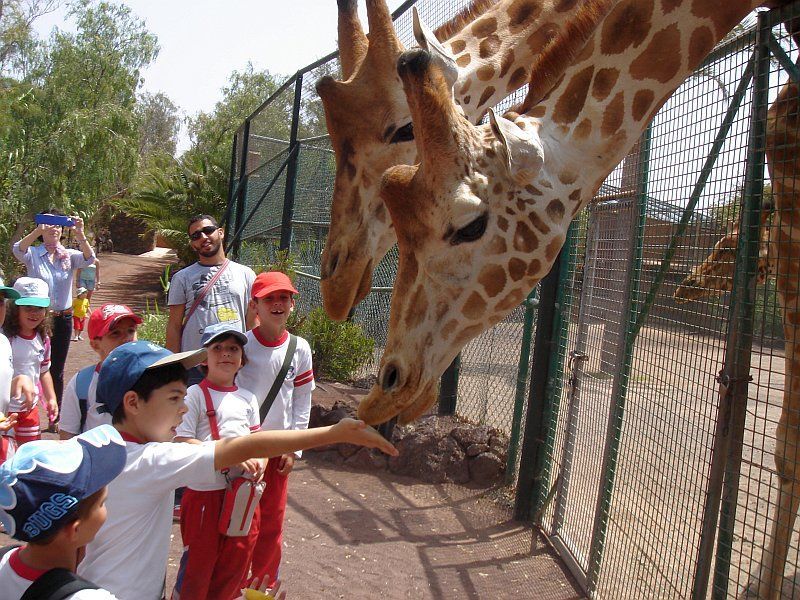
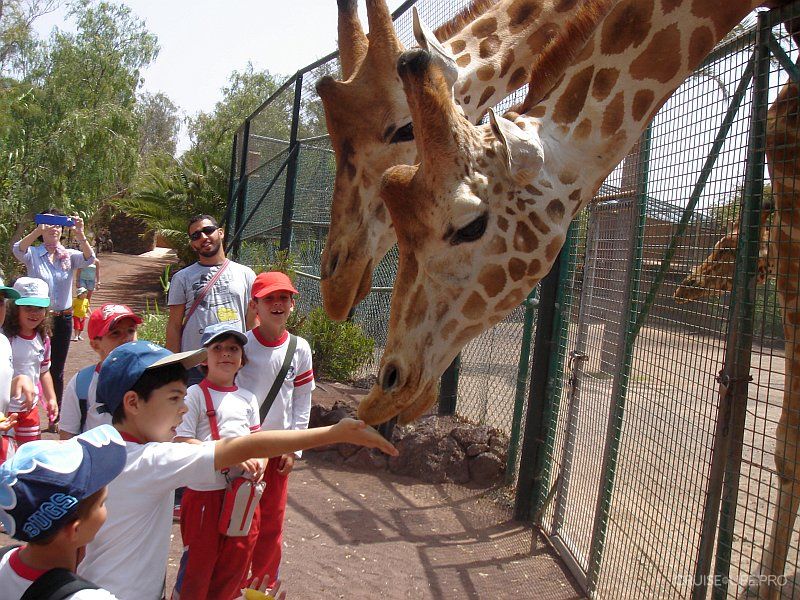
Oasis Park is a whole city of entertainment. It features a zoo, a circus, a botanical garden, a safari center, restaurants, walking areas and relaxation zones, exhibition pavilions, lakes, etc. It is located not far from the small town of Lajita, on the isthmus of the Jandia peninsula. The botanical garden is an amazing creation amid the desert landscapes of Fuerteventura, where you can see more than 1500 species of plants, including a huge number of practically unique cacti. The zoo is home to 250 species of different animals: turtles, camels, crocodiles, hippos, giraffes, lemurs, monkeys, and many, many others. Some of the animals can even be touched or you can take part in feeding them. There is also a small dolphinarium, where you can watch sea lion shows.

Beaches

Beaches

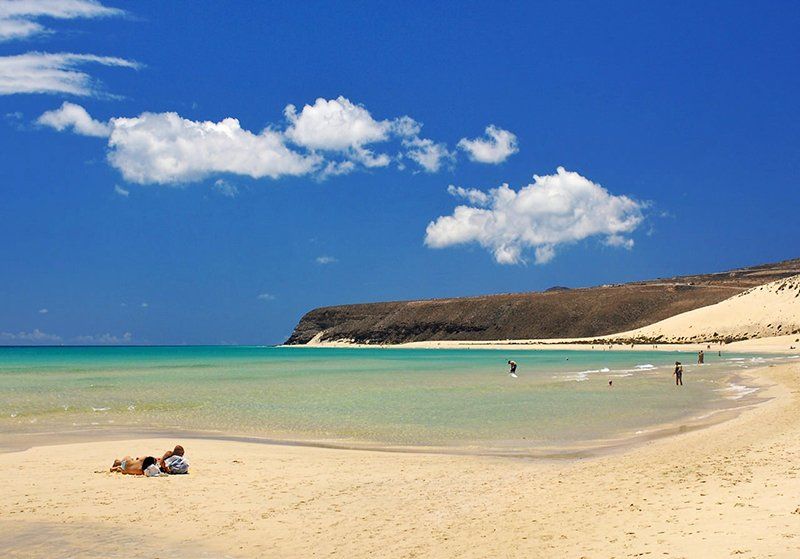
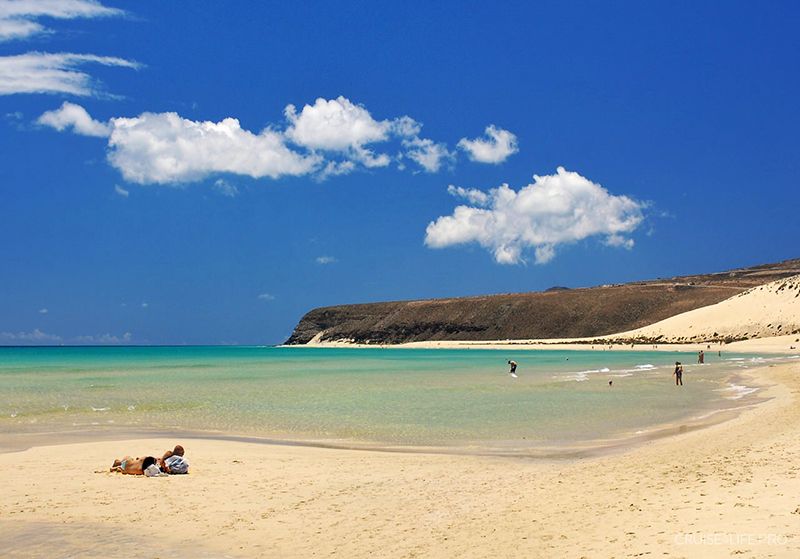
Beaches are the main treasure of Fuerteventura: many-kilometer stretches, wide in the African style and mostly deserted-they are considered the best in the Canary Islands archipelago. Thanks to the area’s special shelf, the sea is not particularly deep, but the water here is exceptionally clean and clear. The best beach coastline is the 30-kilometer-long Sotavento on the Jandía peninsula. On the west, opposite, lies the most “wild” coastline, where there are no hotels and almost no settlements, and the waves are so strong that they can easily knock an adult person off their feet. To the east, sandy beaches stretch for 20 km, and in some places their width exceeds 1 km. There are two tourist centers here: Costa Calma and Morro Jable.

Recommended excursions

Fuerteventura Island Sightseeing Tour

Fuerteventura Island Sightseeing Tour

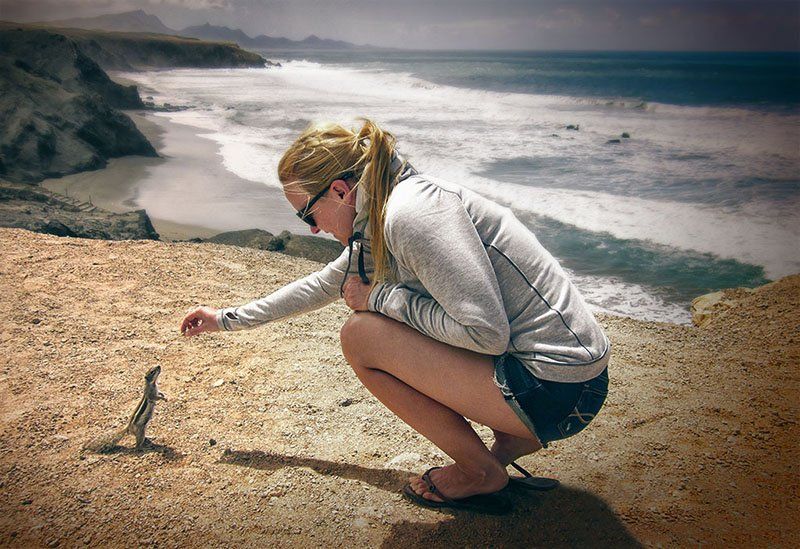
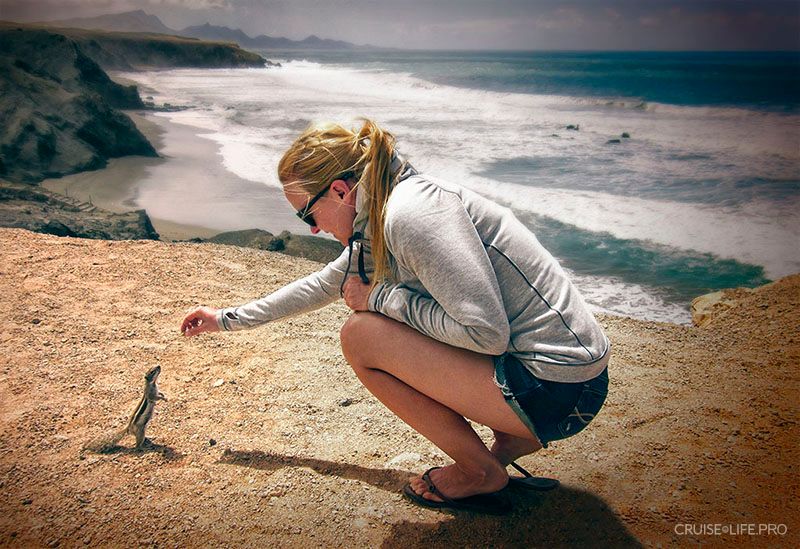
You will not only get to know the island, but also come closer to its beauty, traditions, and culture. You will see sand dunes of extraordinary beauty on the grounds of the unique natural reserve of Corralejo. In the town of La Oliva, visit an important historic site - the “House of the Colonels”, the residence of the military administration in the XVIII-XIX centuries. Stop by the island’s former capital - the village of Betancuria, founded in 1404 by the island’s conqueror, Baron Jean de Betancourt. Visit the island’s best viewpoints, see the island’s symbol - ancient windmills, and sample the famous goat cheeses at a goat farm. And, of course, you will be able to feed the famous cheeky chipmunks, of which there are simply countless on the island - another symbol of Fuerteventura.

For a more detailed list of excursions and their prices, you can review them after booking your cruise in your “Client Personal Account”.