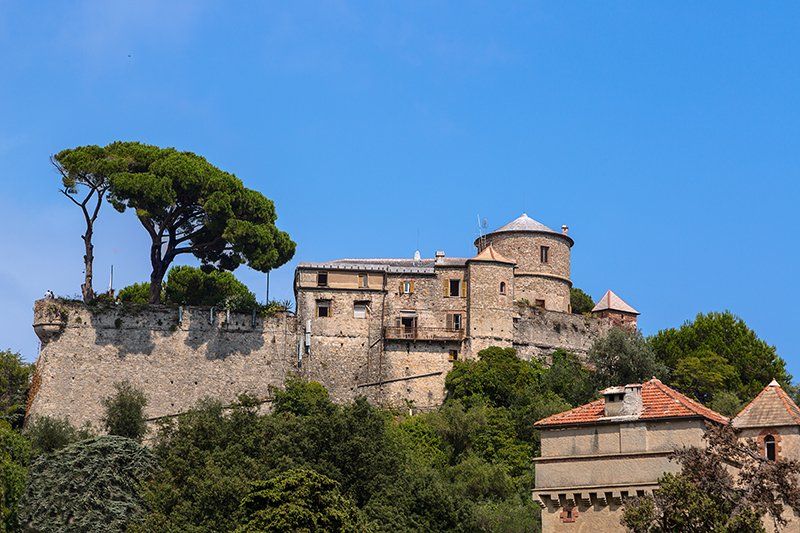
Brown Castle
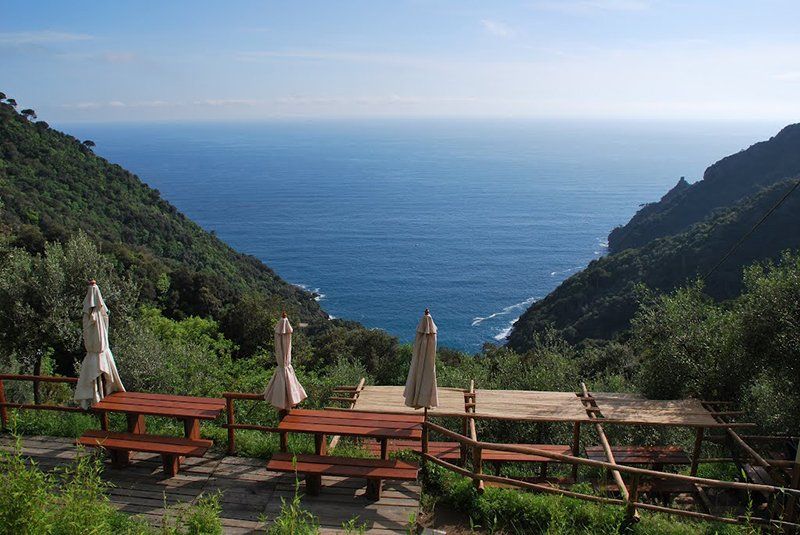
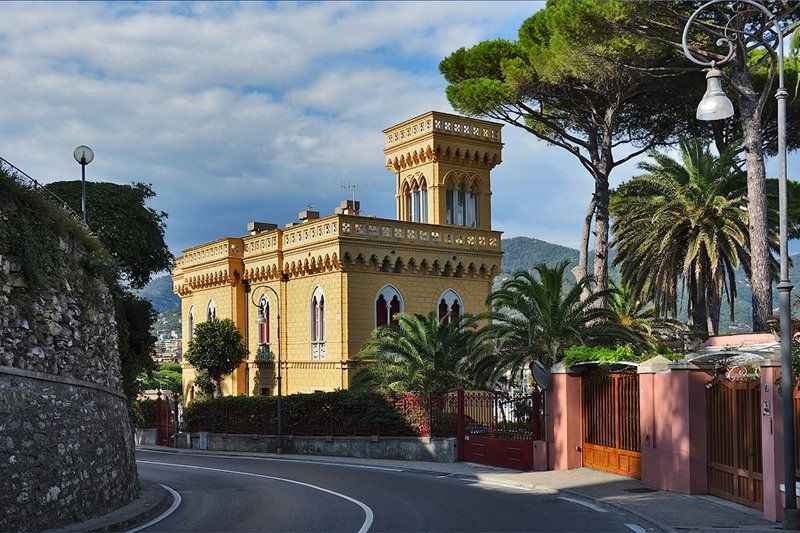
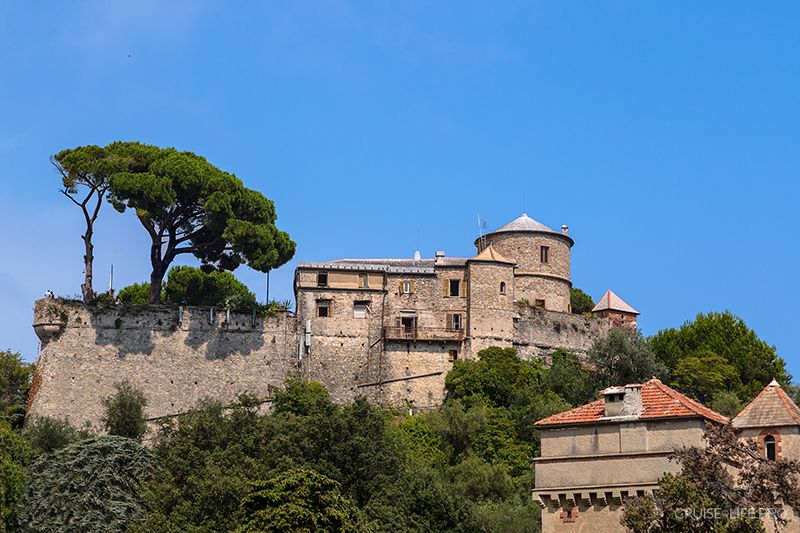
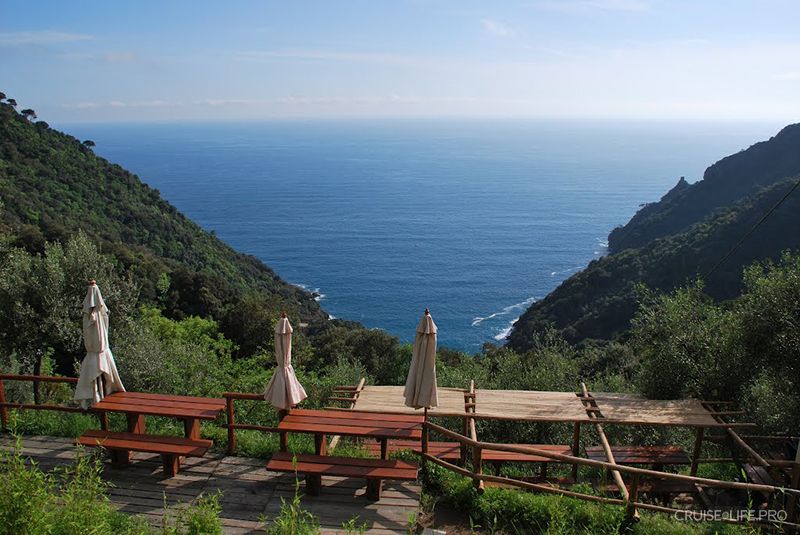
The first fortress (made of wood!) on this spot was built by the ancient Romans even back then-so good and important was the view from here. In the 15th century, the “morally outdated” wooden structure was finally replaced with a stone one. In 1870, the fortress was acquired by the British consul in Genoa, Montague Yates Brown, who gradually converted it into a villa. In 1961, the castle was handed over to the Municipality of Portofino, which showcased works by local artists and sculptors here. In addition to getting to know the art, visitors can spend a long time admiring the castle’s bas-reliefs, floor tiles, and carved commodes. Around the castle there is a garden with beautiful tree-lined avenues that attract lovers of panoramic views over the bay. This is the perfect place to admire the sunset of extraordinary beauty.
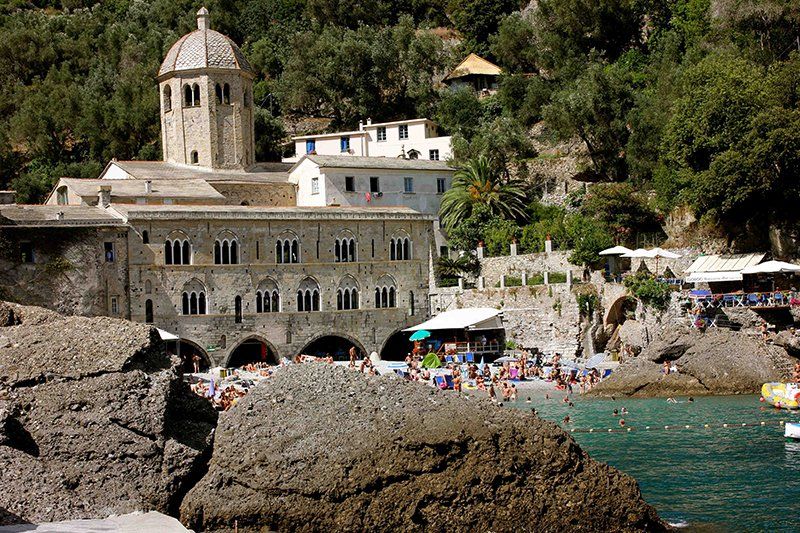
San Fruttuoso Abbey of Capodimonte
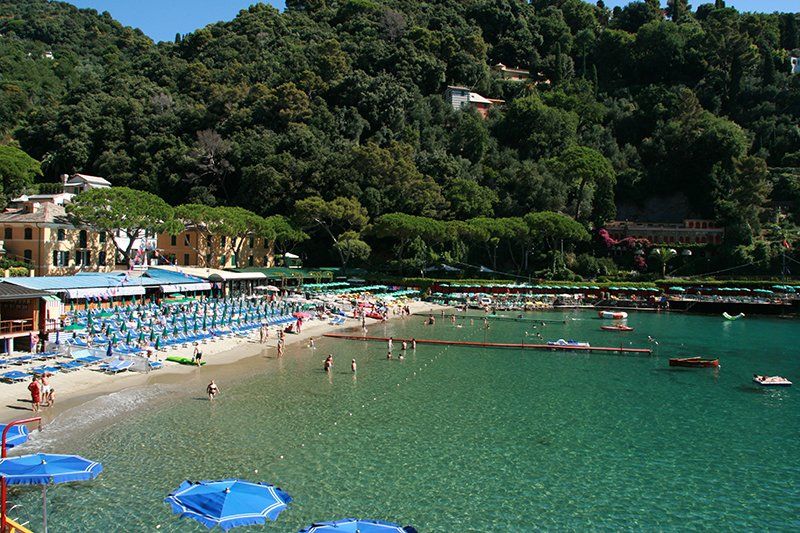
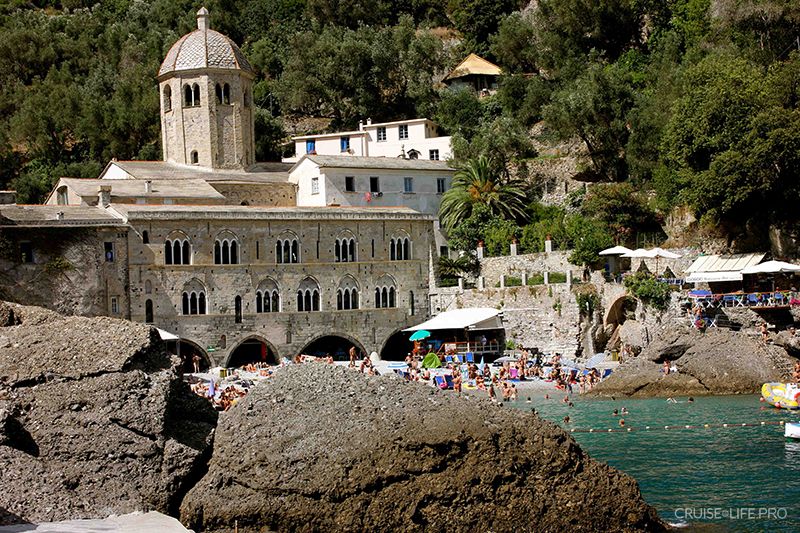
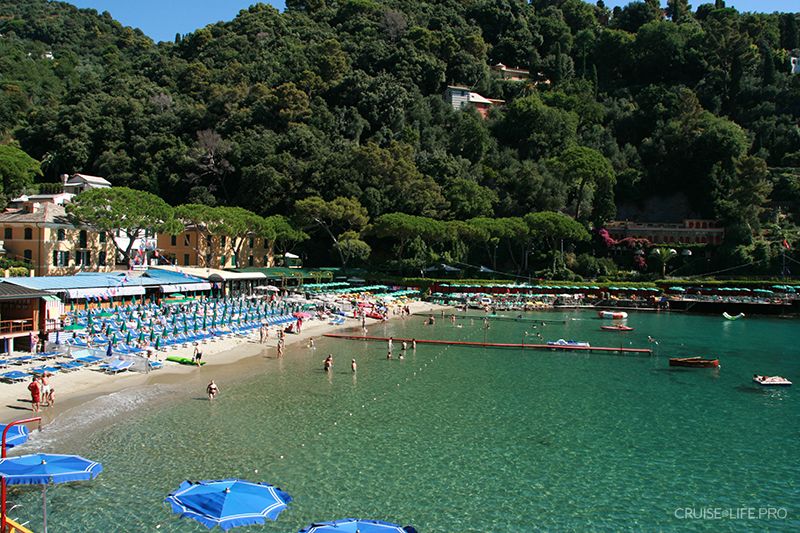
Scientists still argue to this day about the exact date the abbey was built. Apparently, the first settlement here existed back in the Roman era. The monastery itself, however, was built, presumably, in the X-XI centuries. The complex includes the Benedictine abbey itself with a courtyard, a church, and even a watchtower to protect against pirates. The abbey’s name is not accidental: it comes from the name of Saint Fruttuoso, who lived in the 3rd century. There is a legend that claims that his followers were shipwrecked in this very bay. Today, Saint Fruttuoso is the patron of sailors, and his relics are kept in the abbey. In 1915, due to flooding, the abbey collapsed, and afterward restoration work was carried out. But there’s no bad without some good: after that, a picturesque beach formed at its foot.
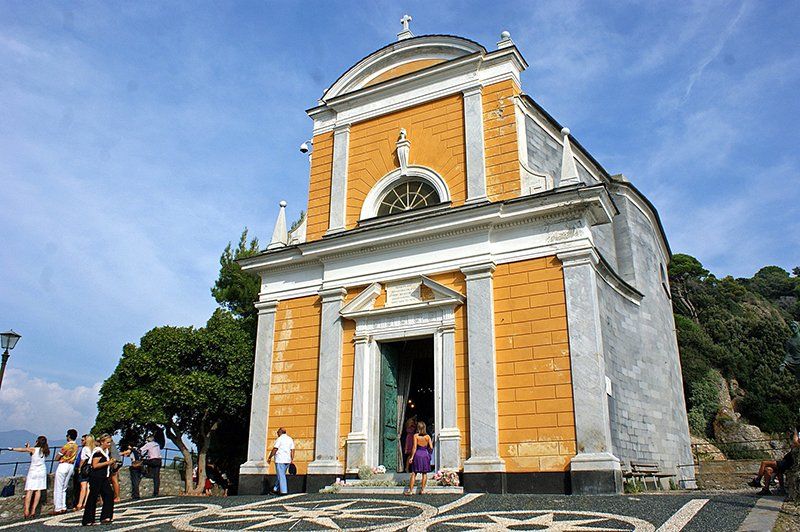
St. George’s Church
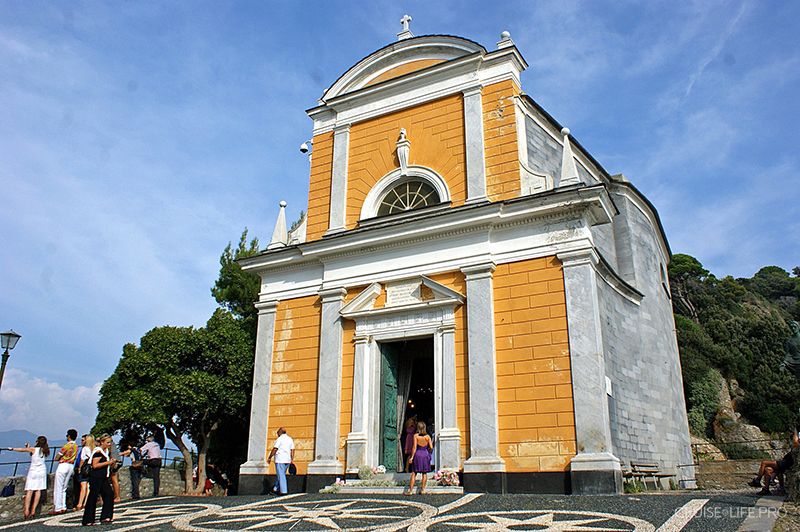
This church traces its history back to the 12th century and is revered by Catholics around the world as the place where the relics of Saint George are kept, which were brought by the Crusaders from a campaign in the Holy Land. It was they who made George the patron saint of Portofino. In 1154, a temple was built in his honor. For the church of San Giorgio, an outstanding location was chosen at the top of a hill-so it rises so picturesquely above the town. Local clergy strongly recommend taking a walk to the church on foot-there has never been a time when someone, seeing for the first time the enchanting views revealed from the road, could hold back an exclamation of admiration. The temple was reconstructed twice-in 1691, when the road to the church was expanded, and in the 1760s. During World War II, alas, the church was completely destroyed. In 1950, it was restored.