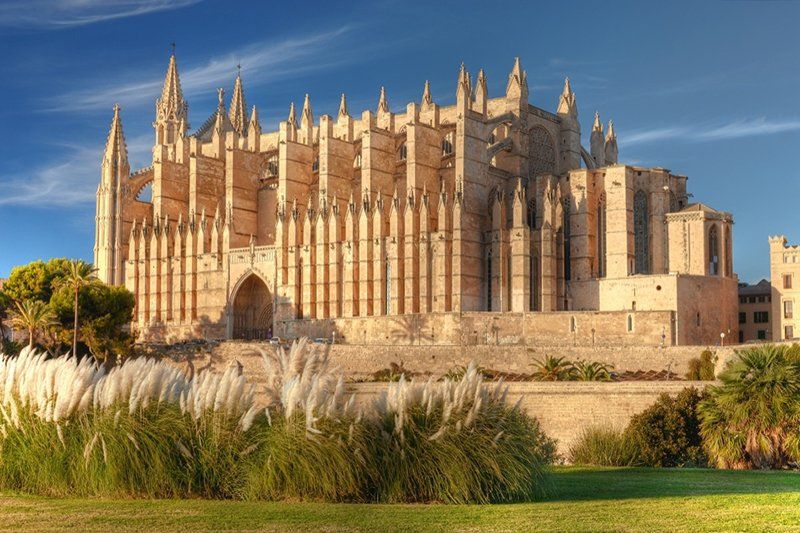
La Seu Cathedral
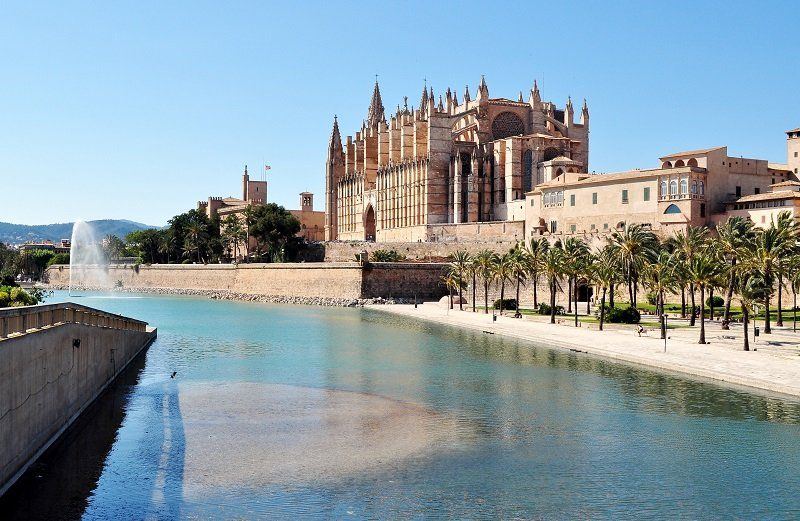
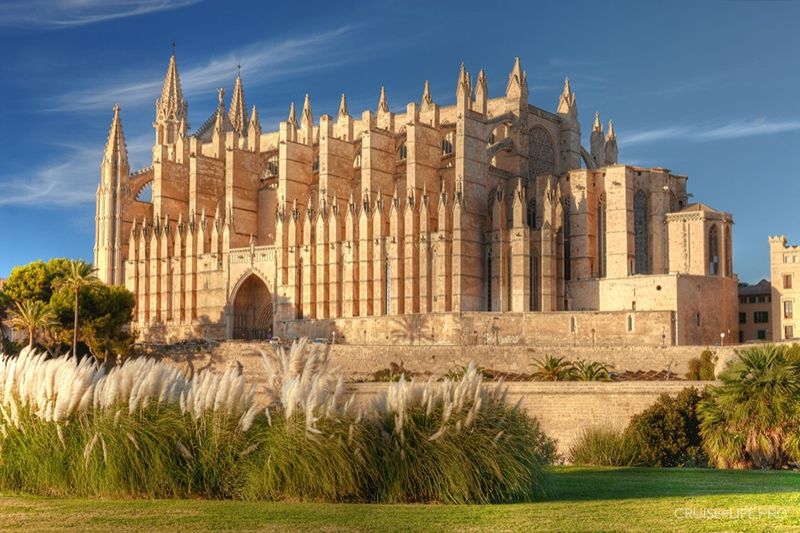
La Seu Cathedral of Palma de Mallorca, or the Cathedral of Santa Maria de Palma, best known by its third name-“La Seu”-is the architectural gem of the entire Balearic archipelago. It is one of the most famous Gothic buildings in Europe and one of the largest built in the Middle Ages. Its height is 121 meters, and its width is 55. Designed in the Catalan style, it was laid on the site of a destroyed mosque as a symbol of Christianity’s victory on the island, as early as the 13th century. But since it was only completed in the 17th century, it absorbed virtually all artistic styles. Even the great Gaudí made additions to the design in his time.
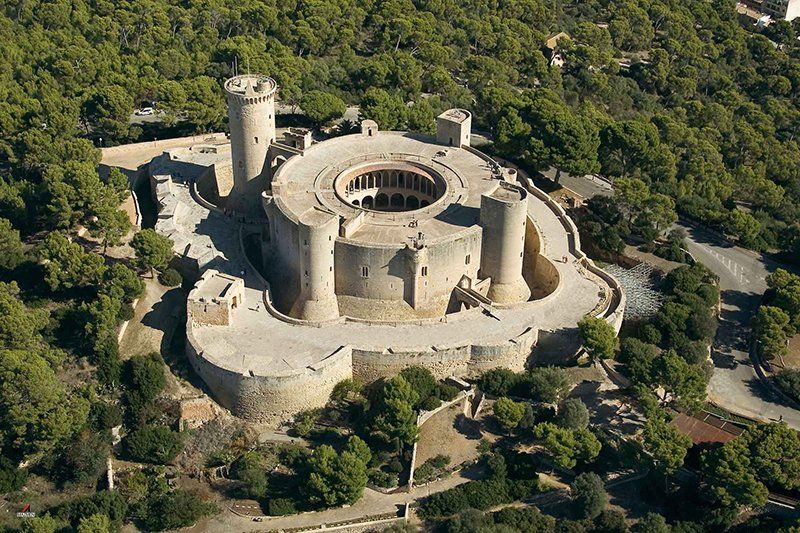
Bellver Castle
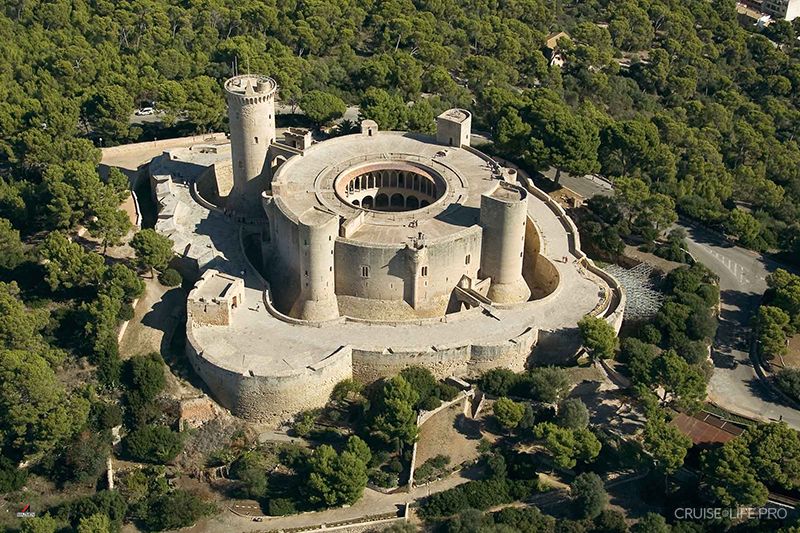
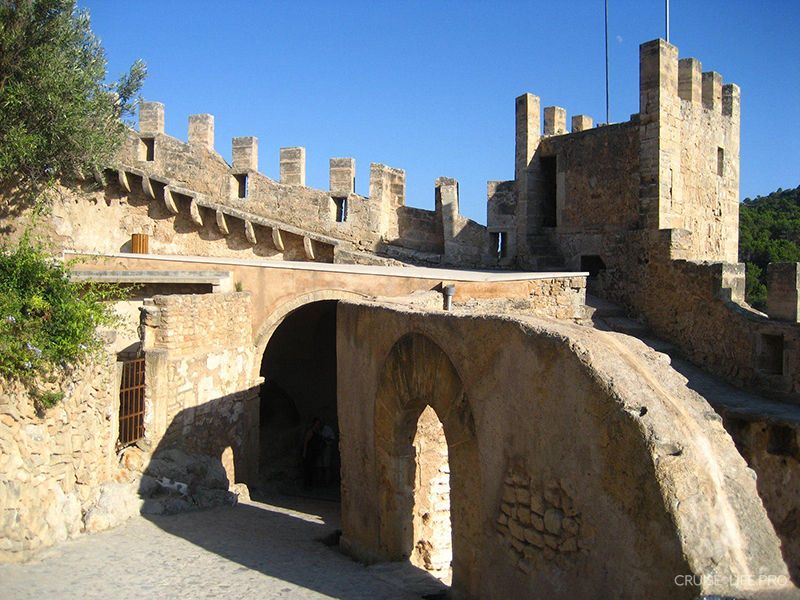
A Gothic castle on a hill near Palma was built in the 14th century for King Jaume II. The unique round shape of the structure and a reliable system of defense allowed the castle to “transform” into a fortress and be used as a stronghold. In the Middle Ages, Bellver successfully withstood several sieges and was taken by the enemy only once. Later, it was turned into a military prison (from the early 18th century to the mid-20th century). Today, the building houses the City History Museum.
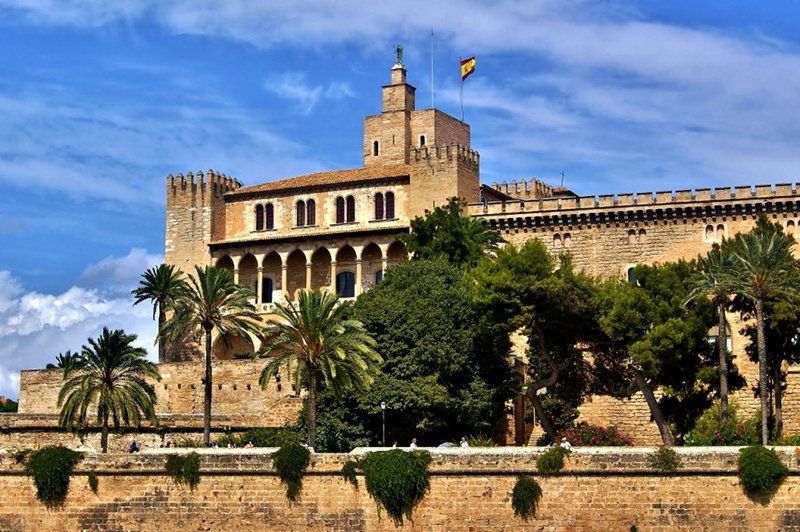
Almudaina Palace
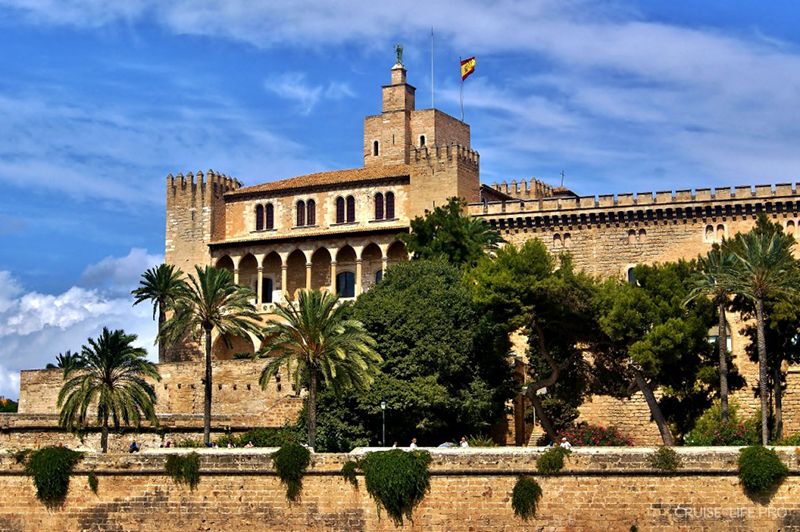
Throughout its history, the Almudaina Palace has been a “residence” for rulers. First, it housed the Arab rulers when the Caliphate of Cordoba took control of the island. Later, the monarchs of the independent state of Majorca moved in. Today, the castle serves as the official summer residence of the Spanish royal family. Even today, the legacy of the Muslim fortress is still visible: clear rectangular shapes, distinctive arches, and stained-glass windows. The building consists of the King’s Palace, the Queen’s Palace, the Royal Chapel, and numerous inner courtyards. The interior furnishings-tapestries and furniture-also belong to different eras and reflect its rich history.
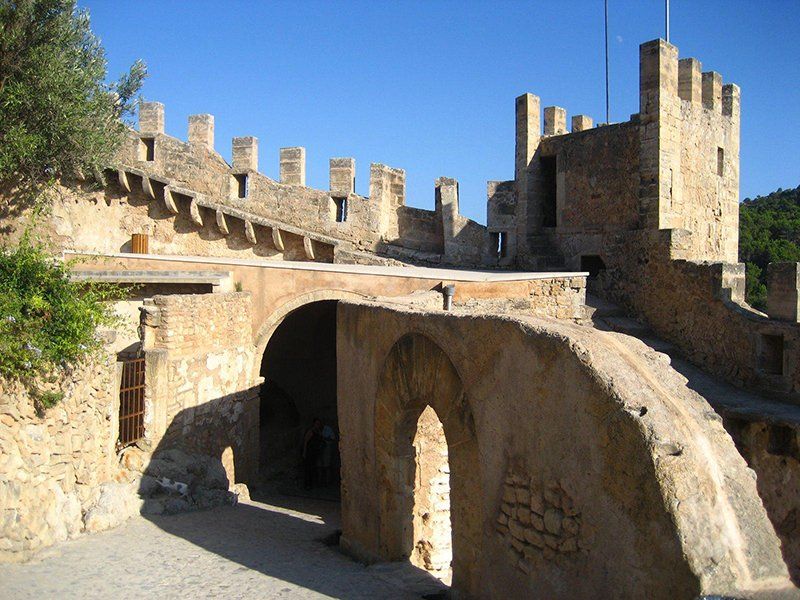
San Carles Castle
San Carles Fortress is an ancient defensive structure built on a causeway. It provided reliable protection for the city, both from the sea and from the land, and for its 400 years has been preserved quite well. Today, a naval museum is located inside the building: a collection of 18th-century cannons, exhibits from the War of Independence, various types of small arms, military uniforms of the Civil Guard and the Military Police, as well as maps and flags from different eras. From the fortress’s viewing platform, you can enjoy a breathtaking view of Palma.
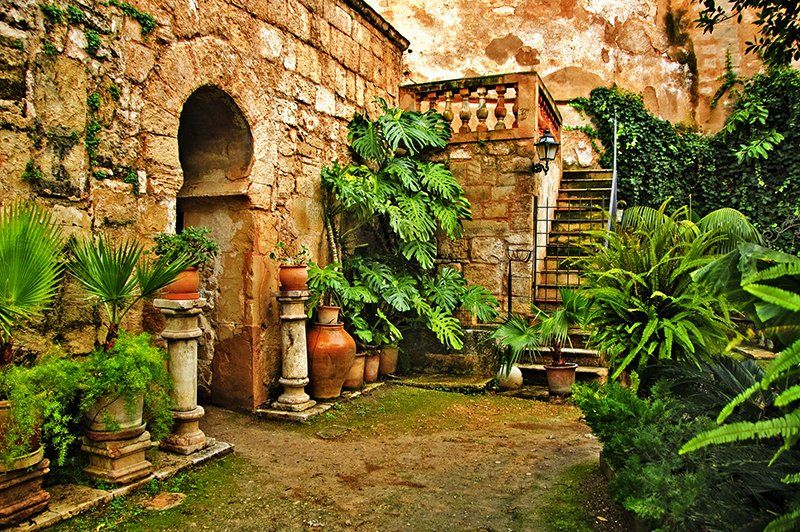
Arabian Baths
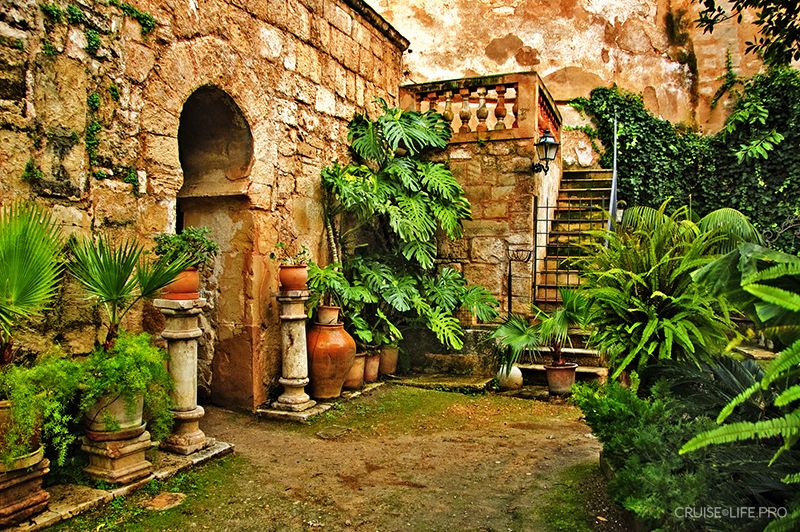
Arab baths are a building from the times when Majorca was the Arab Madina-Maiurka (11th century). The baths are located in the gardens of the Fontirrocha house. To this day, the central hall in the shape of a square has been preserved. The structure is a building with 12 columns that support the roof dome. In the dome there are dormer windows. The floor in the baths is double, with openings through which hot water and steam passed. A narrow corridor leads to a changing room, which in turn leads to a cool antechamber. In the hall, you can see remnants of the water supply and a chimney. The last hall, intended for cold baths, has not survived. There are suppositions that the baths were part of a palace of a wealthy Muslim.