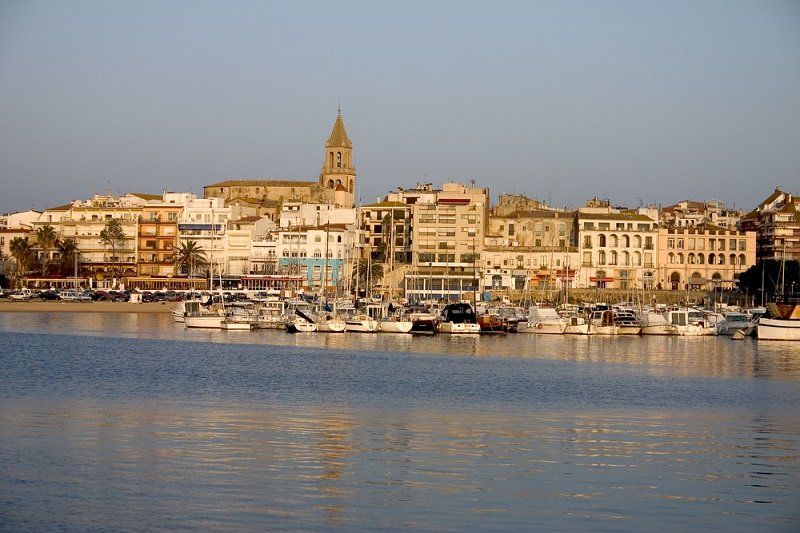
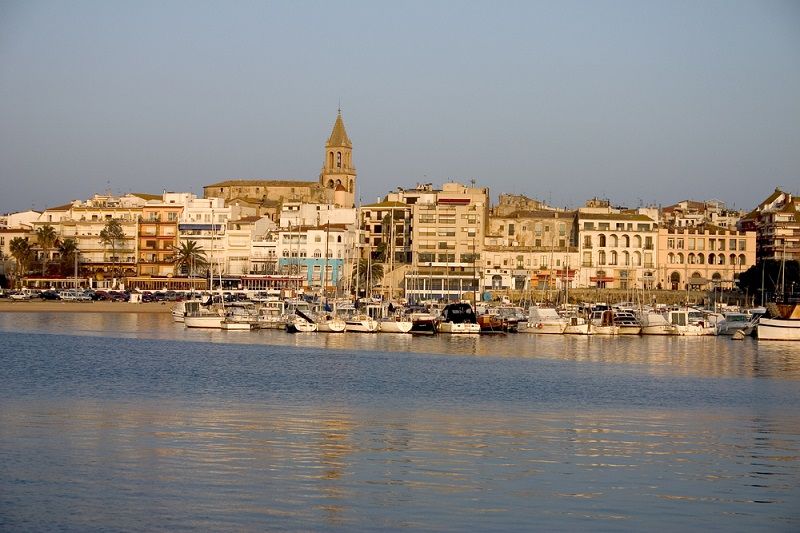
Palamós is one of the resorts in the northern part of the Costa Brava coastline (Spain).
It is located in the province of Girona in the Baix Empordà region. It is one of Spain’s easternmost cities, situated on the shores of the Mediterranean Sea, very close to the French border. It has just over 16,000 residents and is the result of the merger of the city of Palamós and the village of Sant Joan de Palamós in 1942.
The settlement on the site where Palamós is now located appeared between 2500 and 1500 BCE. It is assumed that the settlement’s founders were Greeks, based on the earlier name Palaiopolis, but no documentary evidence has been found yet.
Since the 13th century, there has been a port here. By the way, today it is considered the second most important among the leisure and fishing ports of Catalonia. For many decades, Palamós existed as a small village whose residents made their living from fishing and trading in cork tree bark; only in the middle of the last century, when the tourist infrastructure here began to develop rapidly, did it gain the status of a resort city.
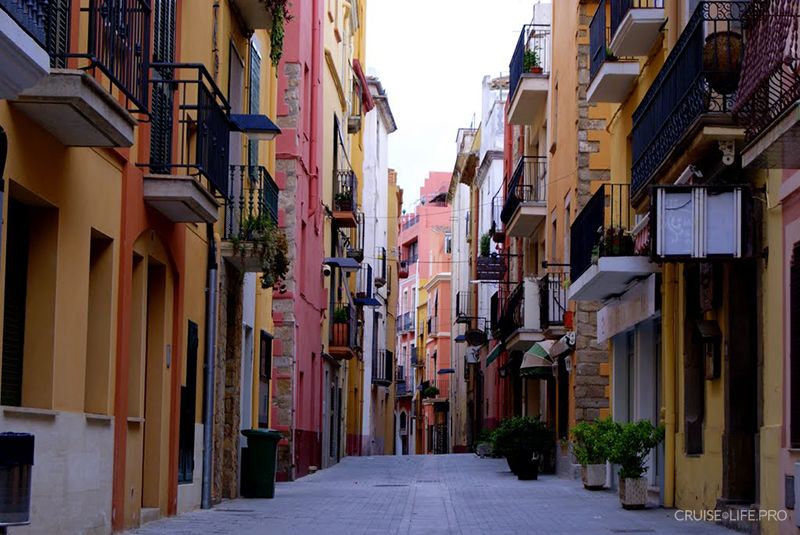
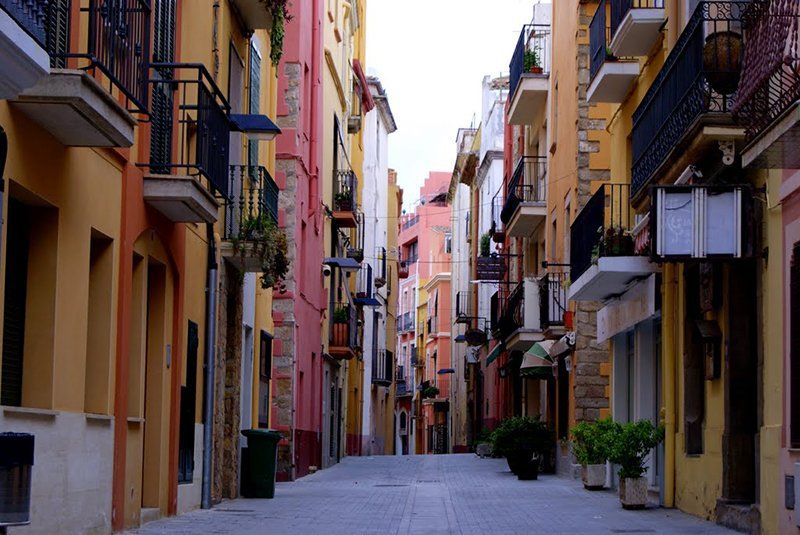
The city’s architecture has remained practically unchanged, but there has been rapid growth of urban districts to the south and a gradual merging with the resort of Sant Antoni de Calonge.
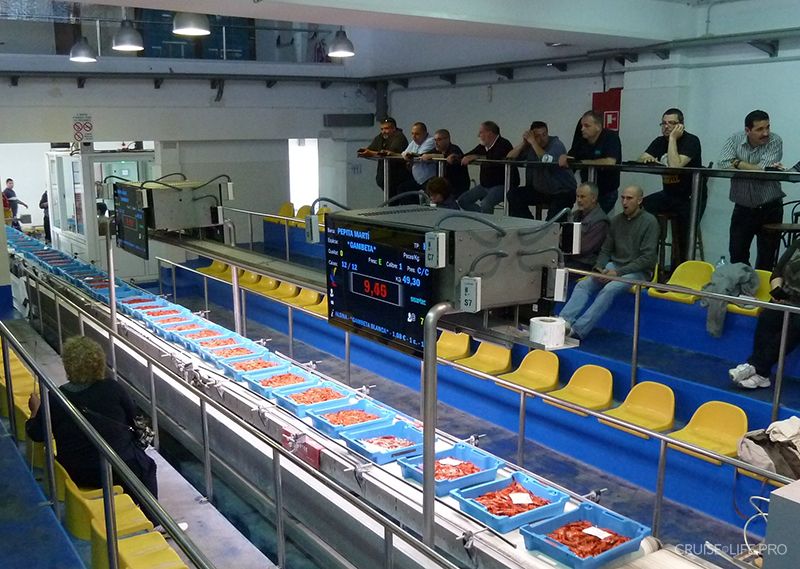
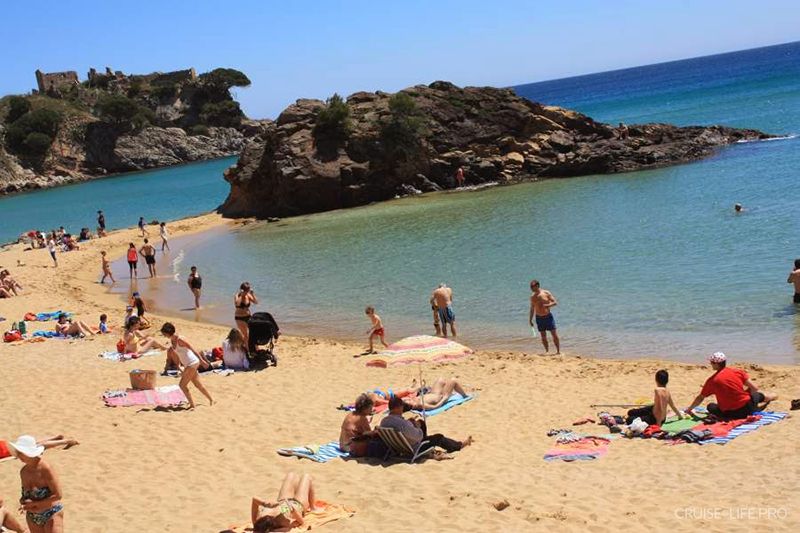
This resort is chosen for a quiet, secluded getaway. On picturesque Palamós beaches it is rarely crowded, except at the peak of the season, when all the hotels in Palamós are full. But even during the most popular summer period in Palamós, it’s easy to find hidden coves and wild beaches out of the sight of outsiders. The noisiest area of the Palamós resort is La Fosca. It is here that the largest number of shops, bars and restaurants are located. Palamós restaurants deserve special mention. Local cuisine is famous for its seafood dishes, which always receive enthusiastic reviews from tourists. Guests here are served the freshest seafood caught the same day by local Palamós fishermen.
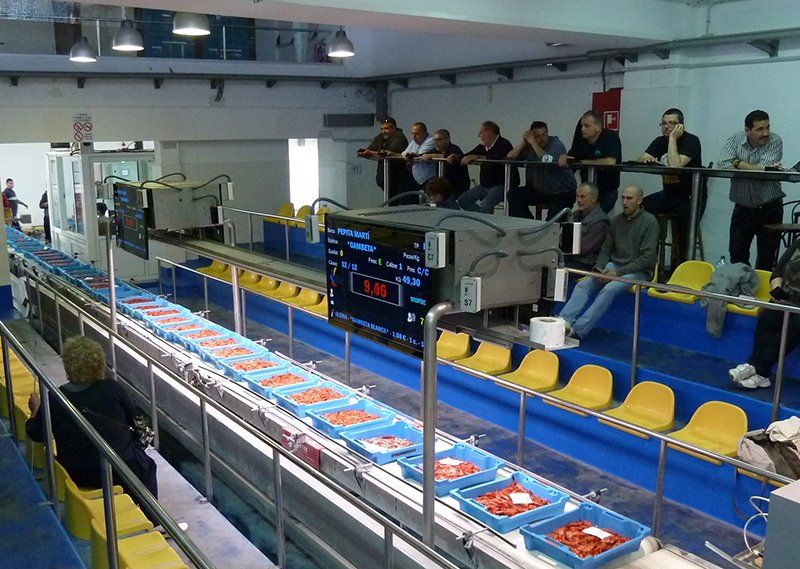
Today, Palamós is a major port (with the closure of the port of Palamós, this is the only commercial port in the province of Girona) and home to one of the last remaining fishing fleets in this part of the Mediterranean coast. It is known for large, sometimes gigantic, prawns that can be enjoyed in any seaside restaurant. The large bay along whose coastline Palamós is located is especially attractive to sailing, watersports and windsurfing enthusiasts.
An amazingly clean and clear sea, beautiful sandy beaches, lovely coves and romantic bays hidden behind steep sea cliffs attract nature lovers who prefer a calm kind of holiday.
ClimateThe climate in the Costa Brava throughout the year is mild. Rain here is not uncommon in both winter and summer, which helps explain the abundance of greenery. The greatest amount of rainfall occurs in September and October. The bathing season begins at the very end of May; by October, people no longer swim at this resort. In winter, snow is a frequent occurrence.
The best months for a holiday in the region are from May to mid-September. Average daytime air temperature: April +18°C, May +21°C, June +25°C, July, August +28°C, September +25°C, October +21°C. Average daytime water temperature: April +14°C, May +17°C, June +20°C, July, August, September +23°C, October +20°C.