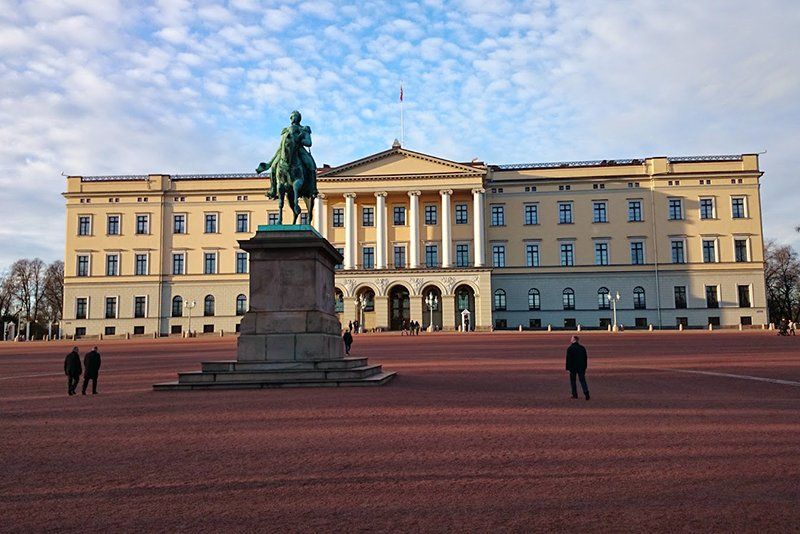
Royal Palace
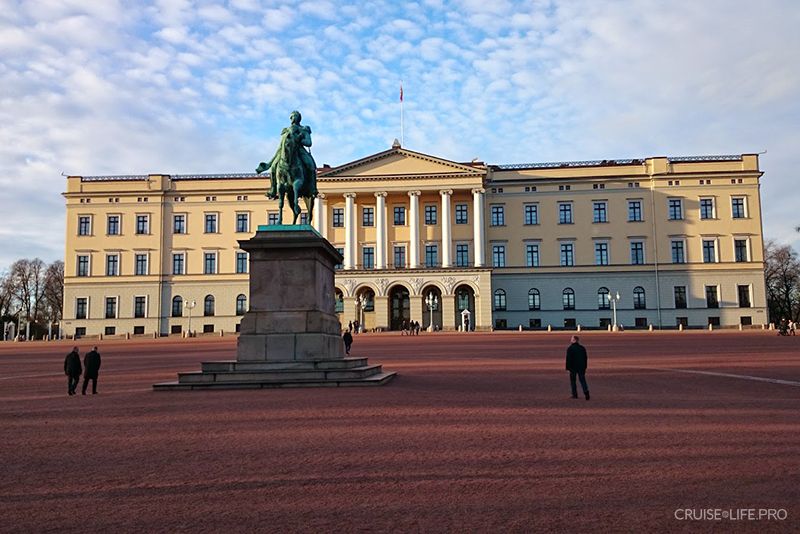
The palace was built in the mid-19th century in the neoclassical style by a Danish architect. The building has 173 rooms; however, until 1905, no one lived there permanently. For a long time, Norway belonged to Sweden, and Swedish kings preferred to live in their native Stockholm, while they only visited Oslo on rare occasions. And it was only King Haakon VII who made this modest palace his permanent home. Today, the palace is the residence of the current king, Harald V. The palace is open to visits and guided tours only during the summer. Guided tours last about an hour. At other times, you can witness the ceremony of the changing of the guard, which takes place every day at 13.30.
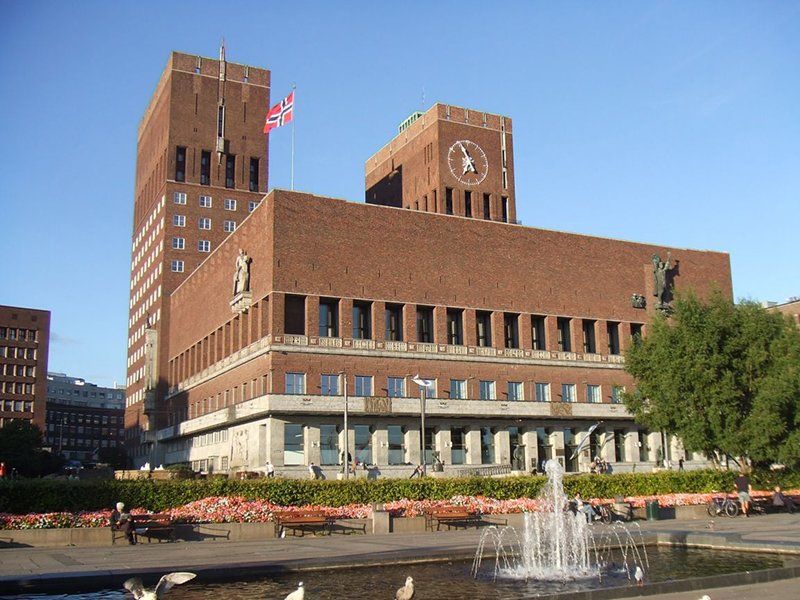
Oslo City Hall
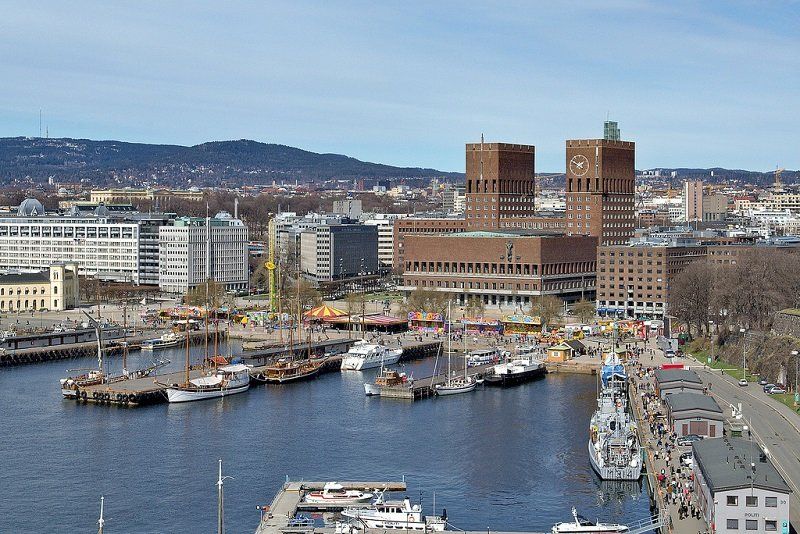
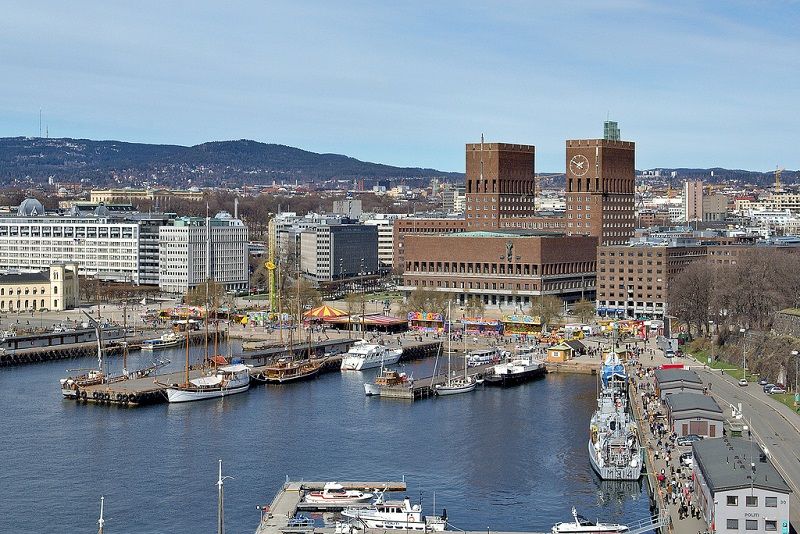
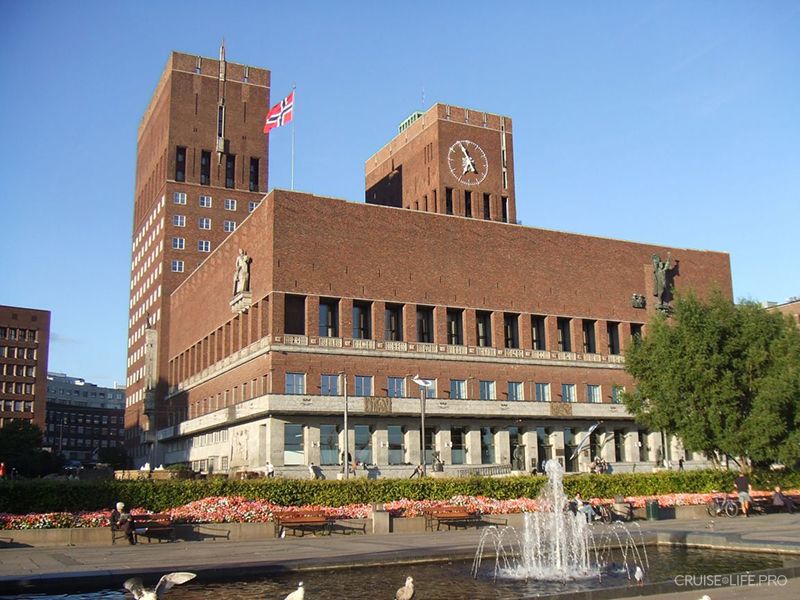
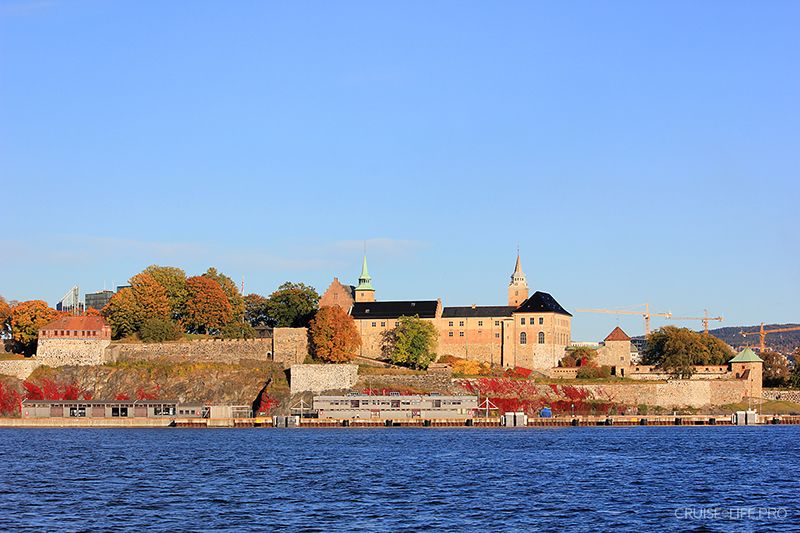
Oslo City Hall, made of dark brick with two towers housing the offices of city administration employees, and a central building in the shape of a cube-whose grand hall is where the Nobel Peace Prize is awarded every year-dominates the central part of the city. The idea to build it for the city council officials arose in 1905. But the start of the work was delayed for a long time. As a result, the City Hall was completed only in 1950, when Norway’s capital was celebrating its 900th anniversary. From the City Hall, you can enjoy a wonderful view of the water and the ancient fortress walls of Akershus nearby. In 2000, a group of bronze bells was installed on the City Hall-49 in total. Every hour, you can hear the melody they play.
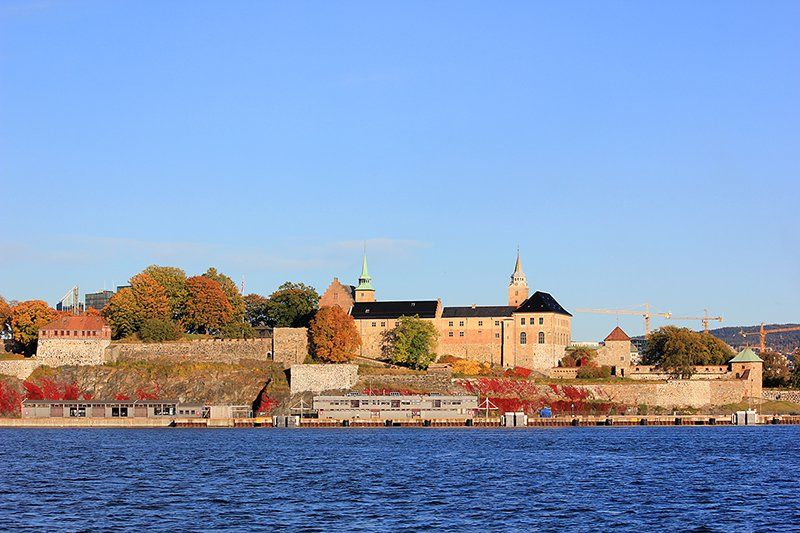
Akershus Fortress
Construction of Akershus Fortress began in 1299 under Haakon V. However, in 1527 it burned down completely. To build new defensive walls, they used stones from a Cistercian abbey located on the neighboring island. After 1814, the castle was used as a prison. Interestingly, a wide variety of criminals served their sentences here, and the residents of Oslo could pay a certain amount into the city budget and use prisoners as a labor force. This right was especially often used by the city itself, assigning the offenders one job and then another. In 1899, the fortress was restored. During the Second World War, the premises housed the Gestapo. Akershus is open to the public daily.
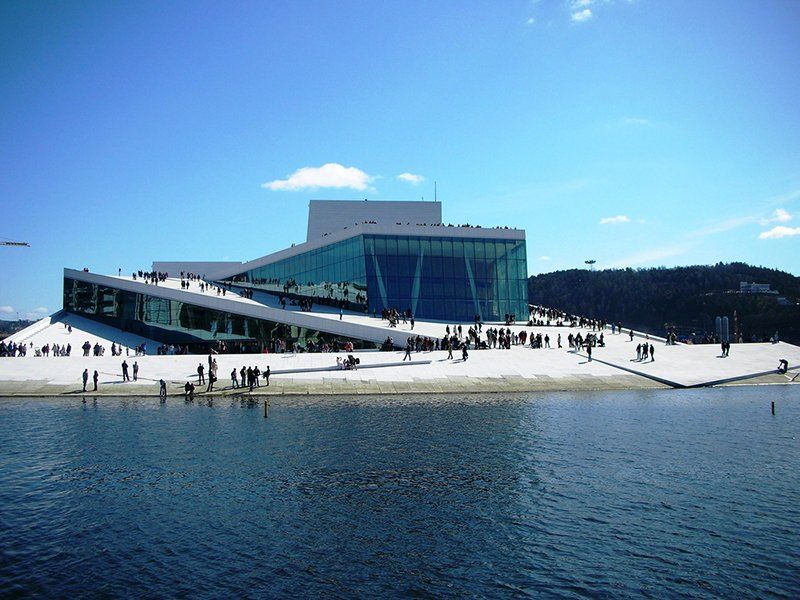
New Opera
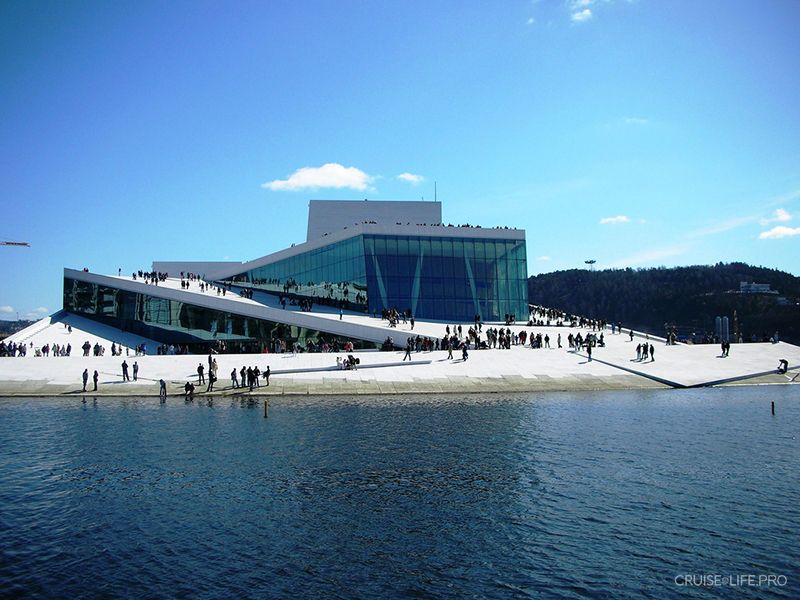
The New Opera House building boasts a unique architecture and massive size (38 000 sq. m.). The main stage, shaped like a horseshoe, is designed for classical music concerts. This hall is one of the most modern in the world, with various transformation options and stunning acoustics. The building project was developed by a Norwegian architectural firm; the Norwegian craftsmen themselves also worked on the decoration of the main hall. Skilled boatbuilders from the north-west coast of the country carved Baltic oak, decorating the balconies, while the glassblowers created the largest glass chandelier in Norway, made up of almost six thousand elements-each one handcrafted. There is an observation deck on the theatre’s roof.
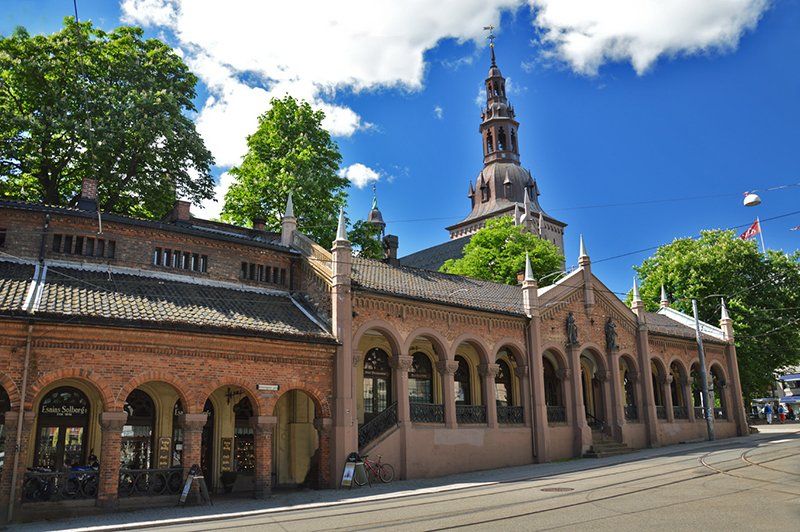
Cathedral (Cathedral Church)
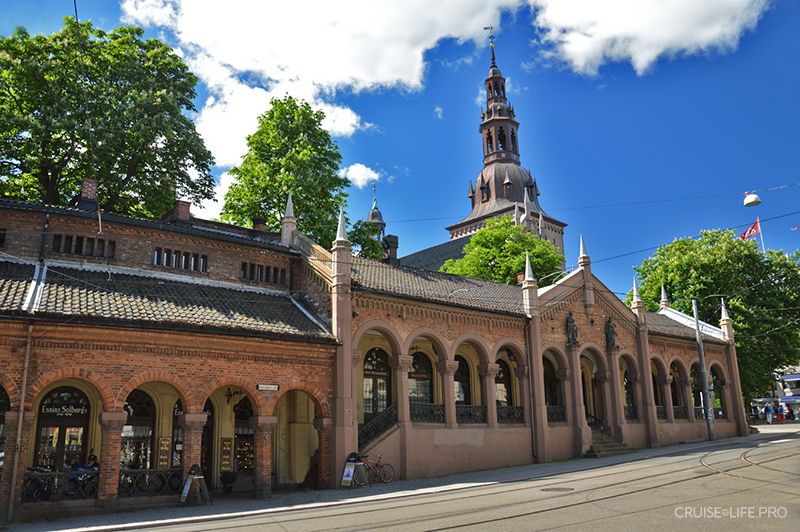
The main church of Norway’s capital, Oslo Cathedral, was built in 1697. Today, it’s one of the city’s hidden gems-travelers first rush to the Opera or to the Nobel Peace Center, leaving the cathedral unnoticed. And that’s completely in vain: inside, you can see wonderful stained-glass windows, a magnificent historic altar, and painted ceilings. Oslo Cathedral has very recently undergone a major restoration and today gleams with beautifully restored interiors. Among the most interesting details of the interior are the exquisitely crafted stained-glass windows by artist Emanuel Vigeland (the brother of the famous architect). From time to time, organ music concerts are held at Oslo Cathedral.