Olbia, Sardinia

Port of call

Olbia, Sardinia

Cruise on the cruise ship Europe

Description — Olbia, Sardinia

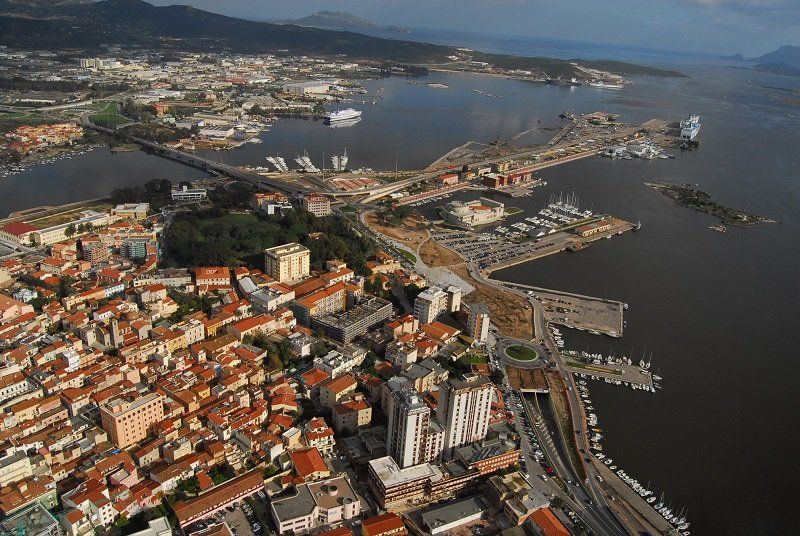
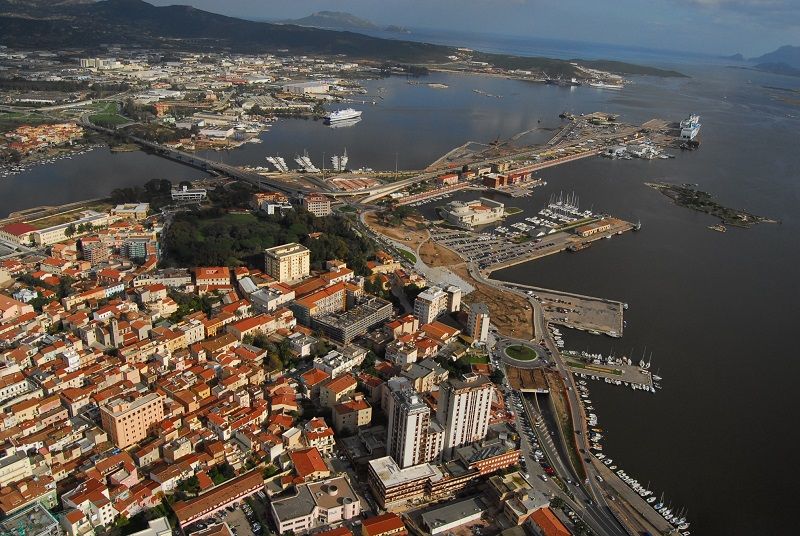
Olbia is a city in the Italian region of Sardinia, the administrative center of the eponymous province. Geographically, the city is located in the north-eastern part of the island.

The history of this settlement dates back not just thousands of years. Before our era, the area was inhabited by the Nuraghi people. Then the territory was conquered by the Phoenicians. They also founded the first port in Olbia. Romans, Punic peoples, Carthaginians, and even Greeks visited here. The city’s name comes precisely from the Greek word Olbiòs - “happy.” However, the Sardinians themselves call it Terranova - “new land.” Thanks to its convenient geographic location, Olbia has always attracted many travelers and has been one of the wealthiest cities in Sardinia. This is evidenced by the ruins of ancient necropolises, aqueducts, Roman baths, and other public buildings.

Today Olbia is especially attractive to tourists due to its close proximity to the resorts of Porto Cervo and Porto Rotondo, which are part of the Emerald Coast of Costa Smeralda. This coastline is the most elite and glamorous part of Sardinia. You can get there from Olbia in just 20–25 minutes by car. Other interesting places for tourists are located 30 km from the city in San Teodoro and Budoni. These places are known for picturesque beaches and the purity of nature.

Sardinia is an Italian island in the Mediterranean Sea, located to the west of the Apennine Peninsula between Sicily and Corsica; it is the second-largest island in the Mediterranean.

Climate

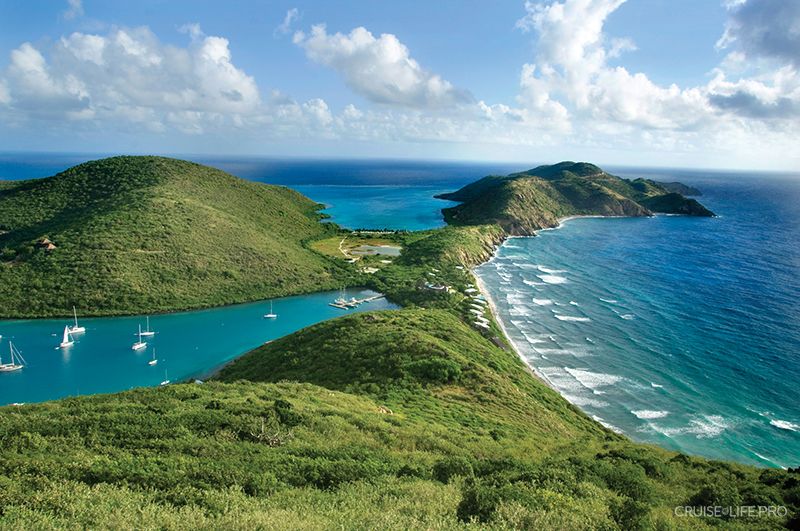
The climate in Sardinia is subtropical. Average air/water temperature: May +25/+17 °C, June +26/+20 °C, July +30/+23 °C, August +34/+25 °C, September +27/+23 °C, October +22/+20 °C. The swimming season runs from May until mid-November.

Location on the map

Sights

Pedres Castle

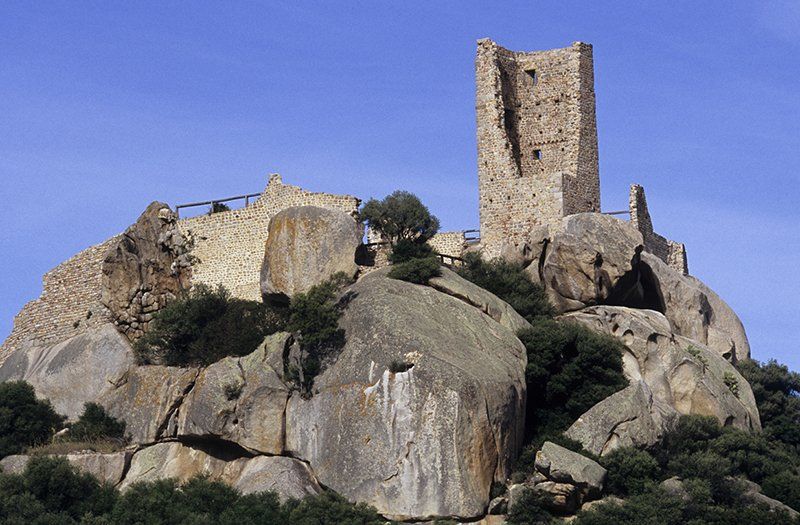
Pedres Castle

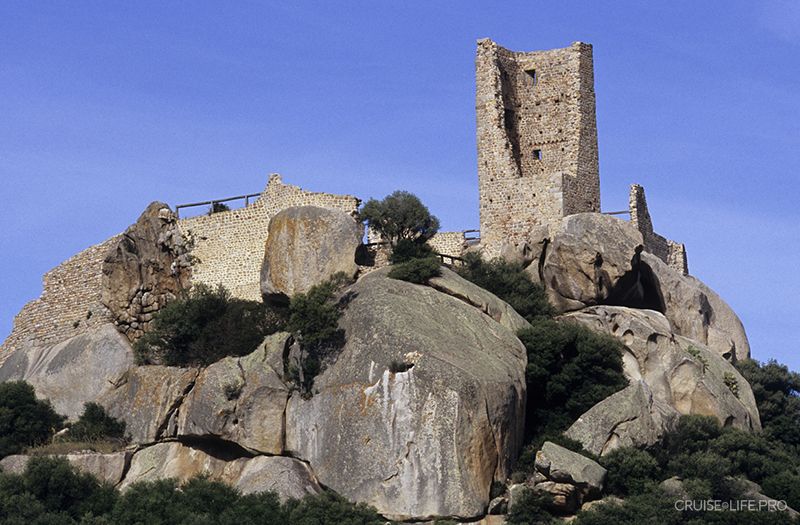
The Castle of Pedres, or rather its ruins, is located on a hill 89 meters high, not far from Olbia. Two rows of walls are relatively well preserved. The first wall, very large and square in shape, runs down the slope; the second wall encloses an area of 1,000 square meters. Most likely, it protected the residential quarters. The castle itself was built from granite blocks, some of which were taken from nearby megalithic structures-nuraghes (towers) and dolmens (megalithic tombs). Most scholars believe the castle was constructed between 1296 and 1322, during the period of Pisan-Aragonese rule on the island, and served military purposes. The castle was finally abandoned in the mid-15th century, along with the town’s decline and the population leaving the city.
Roman aqueduct

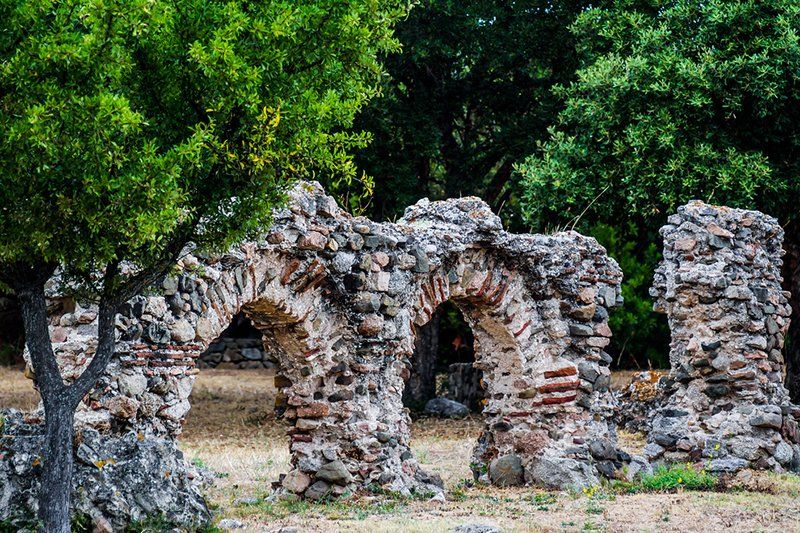
Roman aqueduct

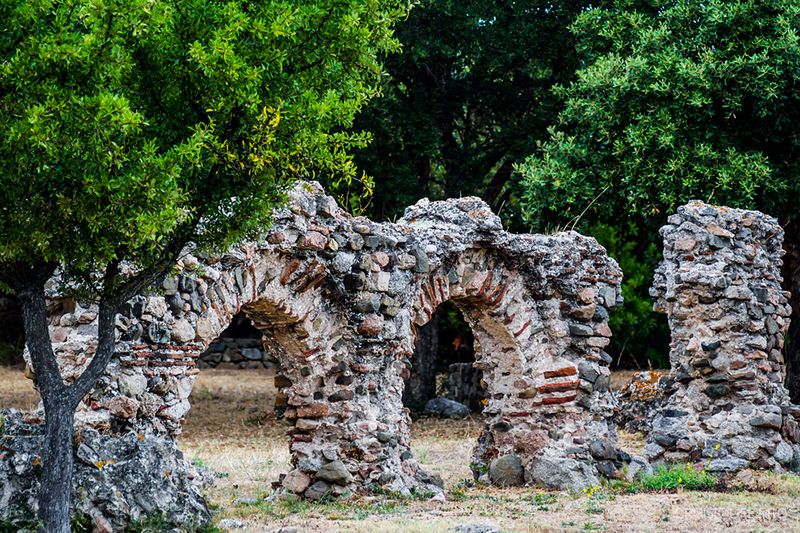
The Romans took Sardinia in 238 BC, after which Olbia became an important strategic point and seaport connecting the mainland and the island. In Olbia, they even built Sardinia's only aqueduct, stretching 7 kilometers, which collected water from springs on Mount Cabu Abbas and pumped it into the city center. In the Sa Rugittu area, the aqueduct widens-here a large stone reservoir was installed with six openings for air circulation and containers for drawing water. Remains of the aqueduct have survived to this day- it was restored in 1989-1990. As a result, the underground sections were uncovered, including the large reservoir.
What to see

Maddalena Archipelago

Maddalena Archipelago

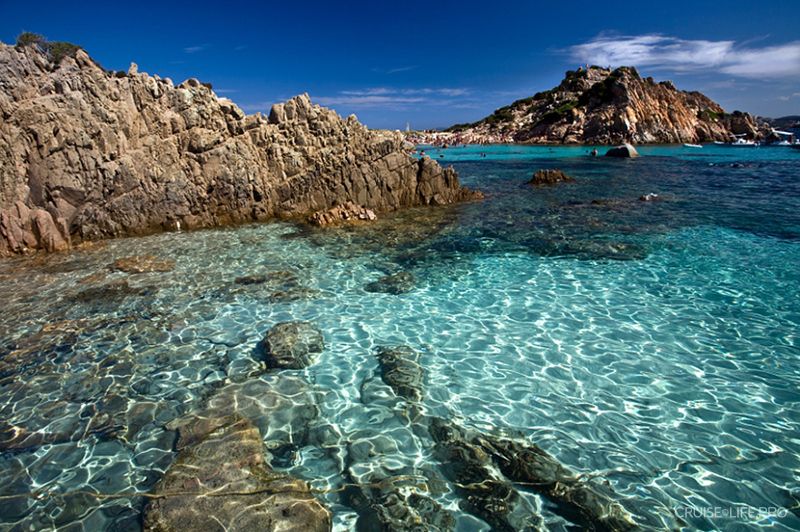
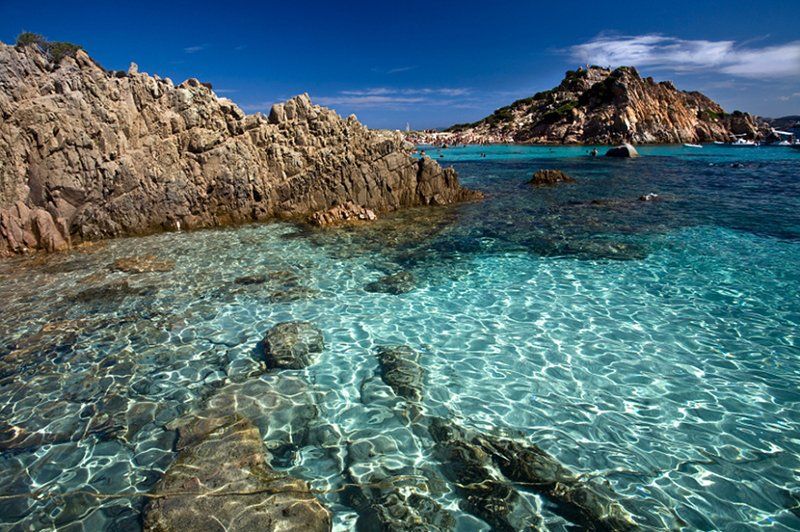
This is a large national park off the coast of Sardinia, protected by the state, and consisting of 27 islands, mostly uninhabited. Almost the entire area of the park is made up of granite rocks of all shapes and sizes, rising straight from the sea and considered to be among the most beautiful landscapes on the planet. Another reason to visit this wonderful park is the dolphins living in these waters and the enormous whales. To help preserve their population, Italy, France, and Monaco joined forces and created an international whale sanctuary in the archipelago.

National Archaeological Museum

National Archaeological Museum

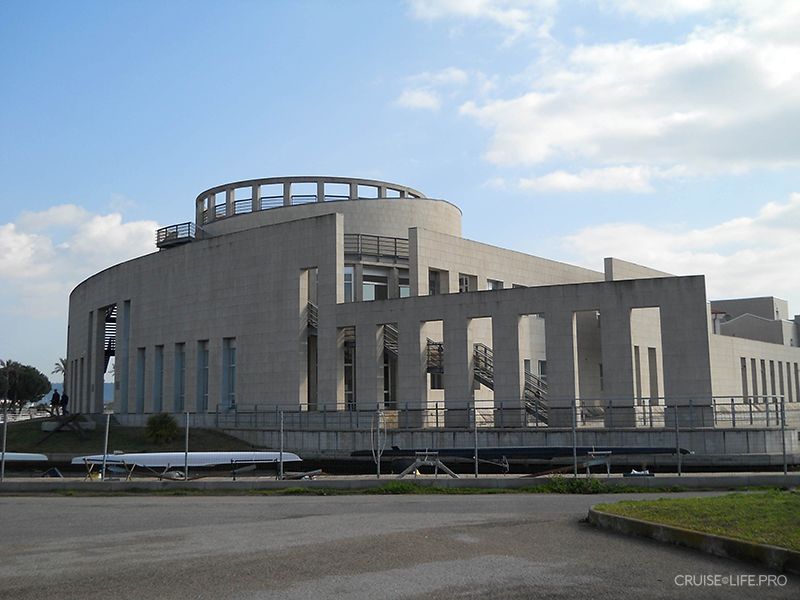
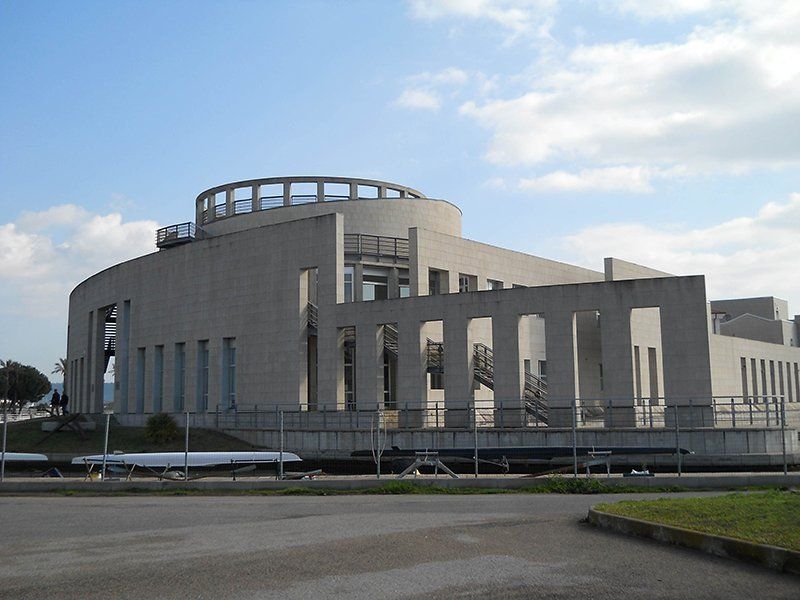
The National Archaeological Museum of Olbia is located on a small island of Peddona, directly opposite the old harbor. The museum building, with its silhouette, resembles a ship-so as to highlight Olbia’s role in Sardinia’s history as a port city. Of particular interest are the remains of cargo vessels that were burned during the Vandals’ attack around the year 450. This assault brought an end to Roman Olbia. They were discovered during excavations of the old harbor’s seabed. Other sections of the museum feature full-scale reconstructions of Roman ships with original details, a small sunken vessel from the Middle Ages, a panorama depicting the Vandals’ attack in 450, and many artifacts from the prehistoric period.

Bay of Sardinia

Bay of Sardinia

This is one of the most prestigious resorts of Costa Smeralda and, perhaps, the most lively-largely thanks to Aquadream, the oldest water park on Sardinia, where you can spend days on end. Another advantage of Baja Sardinia is its proximity to the marine reserve of the Maddalena Archipelago. Baja’s beaches are among the most beautiful and convenient on Sardinia: they are shallow and gently sloping, with soft sand-an ideal option for young children-yet they also make it possible to enjoy all kinds of water sports, including surfing, windsurfing, diving, snorkeling, and rowing. The best beach is considered to be Cala Battistoni on the outskirts of the town. Nearby are the famous Battistoni Hills, where you can see numerous granite formations in bizarre shapes.

Porto Rotondo

Porto Rotondo

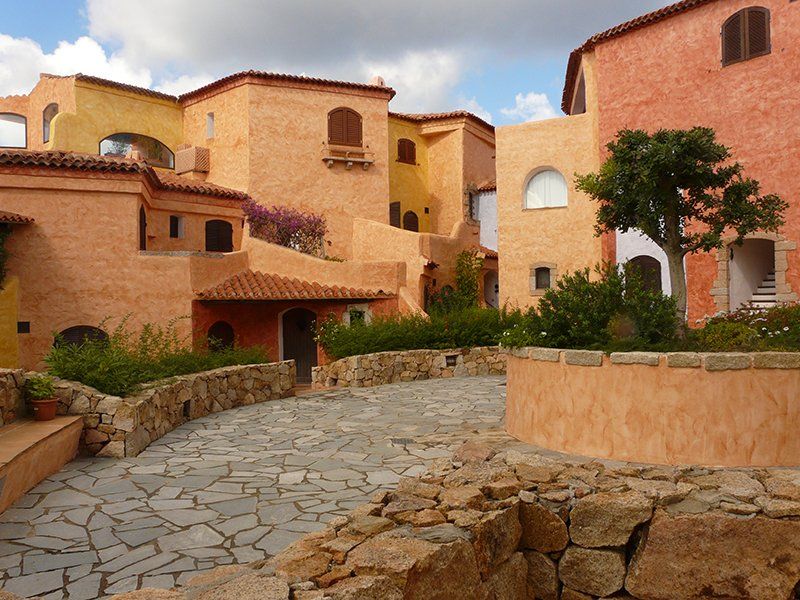
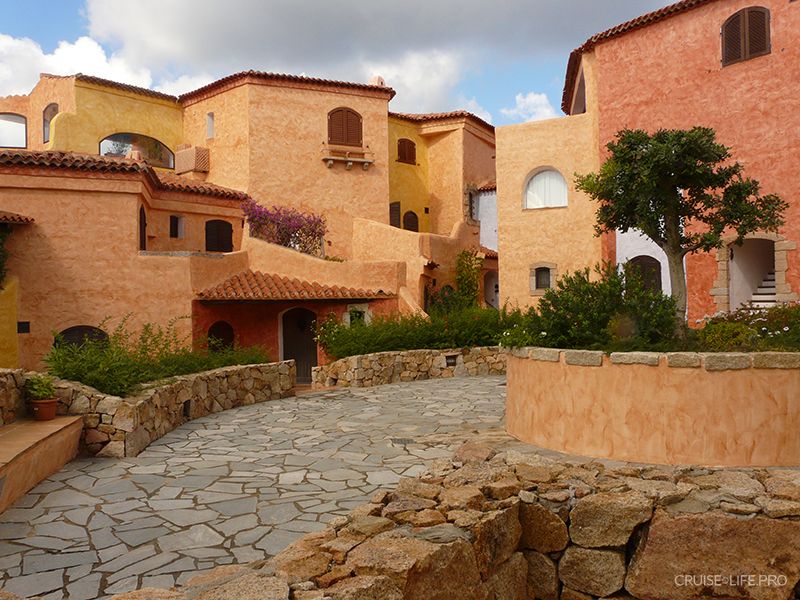
A lovely little town in Sardinia where, for some reason, everything is pink: the walls of the houses, the pavements, flowers on balconies, café tables. And yet the natural landscapes here are harsh-sheer cliffs all along, and granite boulders protruding from the water. On one of these crags, Italian Prime Minister Silvio Berlusconi built himself a luxurious villa with a sea view. The beaches in Porto Rotondo are wonderful: fine, silky, white sand, the cleanest water, smooth, comfortable descents-especially for families with little kids. The most beautiful swimming spots are Ira, Marinella, Capo Figan, Punta Asfodela. There are also plenty of things to do along the shore in Porto Rotondo: you can visit the ancient church of San Lorenzo, where two hundreds of wooden saints stand, or the ancient amphitheater.

Beaches of Porto Cervo

Beaches of Porto Cervo

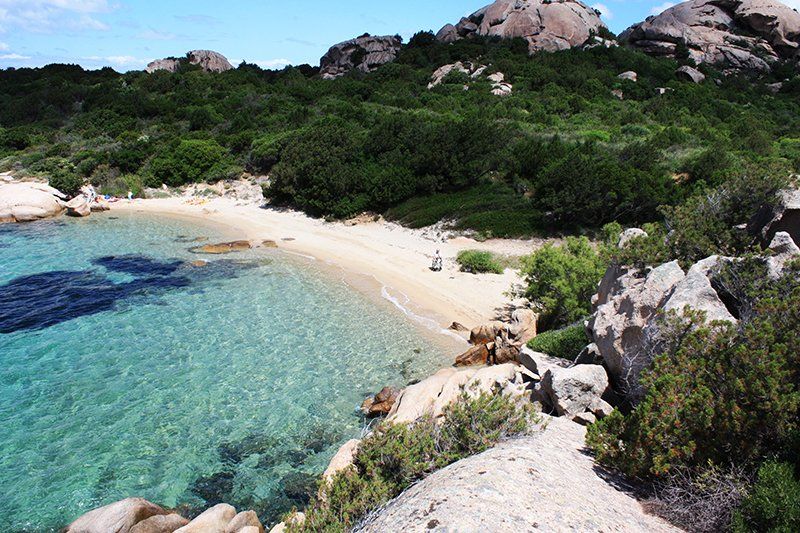
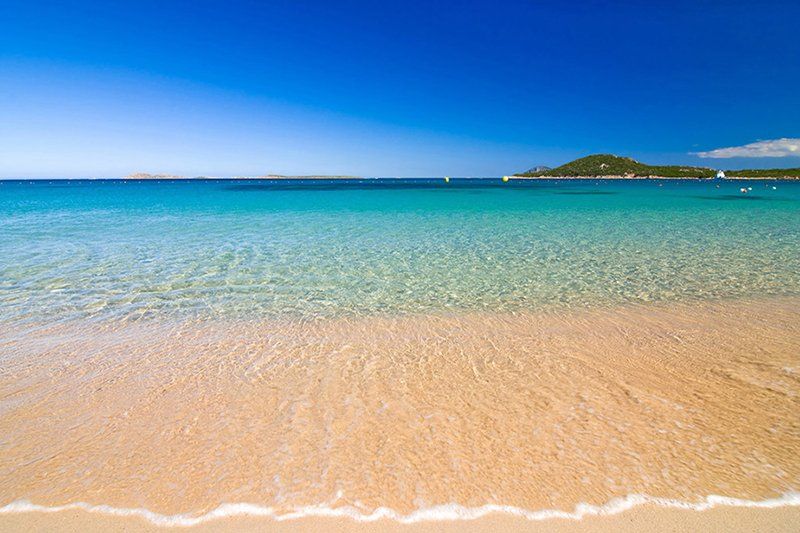
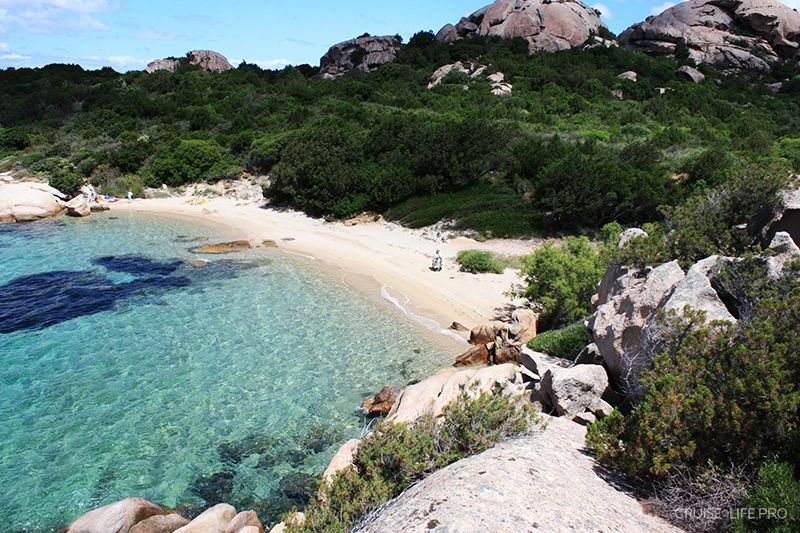
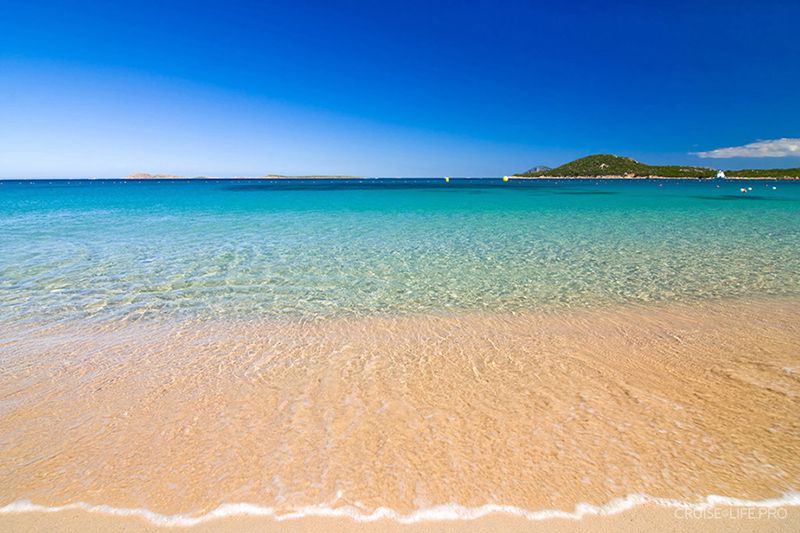
Liscia Ruja Beach is considered one of the most beautiful beaches along the entire Costa Smeralda coast. A semicircular shallow bay with clear greenish water frames a strip of white and pinkish sand. The beach itself is surrounded by citrus and strawberry trees and by juniper. The beach is an excellent choice for families with children and for lovers of snorkeling. Pevero Beach is known for its picturesque scenery-off the turquoise water, rocky ridges and reefs rise, and the sea here has a simply extraordinary shade. The beach opens out onto shallow waters, making it especially convenient for small swimmers. Rena Bianca Beach-one of the smallest and most charming beaches in the region. It is especially popular with windsurfing enthusiasts, canoe strolls, and other water sports.

Recommended excursions

Overview Excursion on Costa Smeralda

Overview Excursion on Costa Smeralda

Costa Smeralda, in translation - Emerald Coast,- the most famous coastline of Sardinia. In the 1960s, Prince Karim Aga-Khan saw the rugged rocky coastline of northern Sardinia and made it the object of his capital investments and speculations. As a result, after million-dollar investments, luxurious hotels, a yacht marina, cottage settlements, country houses and a golf course were built here, so the new name “Emerald Coast″ became associated with the jet set and a life of luxury. The excursion includes a visit to the city of Porto Cervo and Porto Rotondo, viewing the beautiful little church “Star of the Sea”, a stroll through the typical Sardinian village of San Pantaleo, famous for its craft shops of local artists, and the resort town of Baia Sardinia, located on the coast of the Gulf of Arzachena.

With a more detailed list of excursions and their prices, you can get acquainted after booking your cruise in your “Client Personal Account”.