Odesa, Ukraine

Port of call

Odesa, Ukraine

Description — Odesa, Ukraine

Odessa is a city in the south of Ukraine. Administrative center of Odesa Oblast and the main naval base of the Ukrainian Navy. A Hero City. The city’s population as of May 1, 2015 was 996 526 permanent residents and 1 014 189 people of the resident population. The country’s third-largest city. More than 1.2 million people live within the agglomeration. Located on the shore of the Odesa Bay of the Black Sea. Most of the city, including the historic center, lies on a plain rising above the sea by about 50 m. The minimum elevation of Odessa is 4.2 m below sea level (Kuyalnytskyi Estuary), and the maximum elevation is 65 m. The city’s area is 236.9 km². Ukraine’s largest seaport. The historic center has been included in UNESCO’s tentative list of World Heritage.

From the 5th century BC onwards, there was a group of ancient settlements. The modern city, established as a military sea port on the Black Sea by the Russian Empire in 1794 on the site of the Tatar-Turkish settlement of Khadzhibey (known since the 15th century and ceded to Russia in 1791); renamed Odessa (presumably from the ancient city of Odessos) in 1795. By the end of the 19th century, Odessa had become the fourth-largest city and the second-busiest port by cargo turnover in the Russian Empire.

Odessa’s resort area stretches for dozens of kilometers along the Black Sea coast. One of the most popular resort and entertainment districts of Odessa is Arkadia. In Odessa and nearby, as well as to the west of the Dniester along the Black Sea coast, there is a group of balneological-mud, balneoclimatic, and climatic seaside resorts. Treatments include therapeutic peloid muds, brine from estuaries, sea and artificial mineral baths in seawater (carbonic, hydrogen sulfide, radon, oxygen, nitrogen), sea bathing, sun and air baths (thalassotherapy), grape therapy.

Climate

The climate of Odessa is moderately continental, with a mild winter, a relatively long spring, and a warm, long, often very hot summer and a long and warm autumn. The average annual temperature is +10,7 °C, and the average annual precipitation is 456 mm.

Location on the map

Sights

Potemkin Stairs

Potemkin Stairs

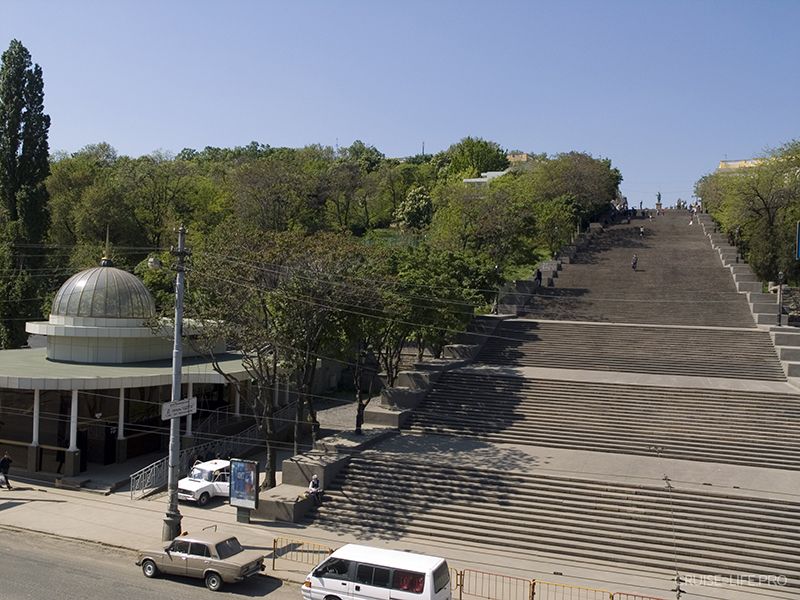
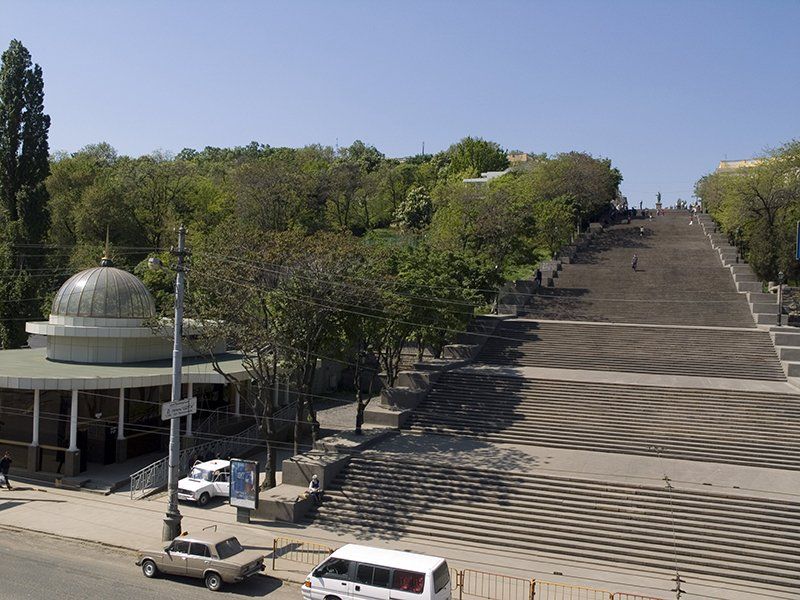
The famous staircase was built in 1837-1841 so that people could descend to the port located by the sea. The staircase gained worldwide fame thanks to the film "Battleship Potemkin", in the key scene of which a baby carriage rolls down its endless steps. Today, the Potemkin Stairs, 142 meters long, consist of 192 steps and a dozen flights. Each year, competitions are held in Odesa, with participants racing up to the top of the Potemkin Stairs. But this event is not the only thing that draws sports interest to the landmark. People have already gone down the staircase on skis, a bicycle, a motorcycle, and even a “Zaporizhzhia” car. It remains only to guess what will happen next.
Vorontsov Columnade

Vorontsov Columnade

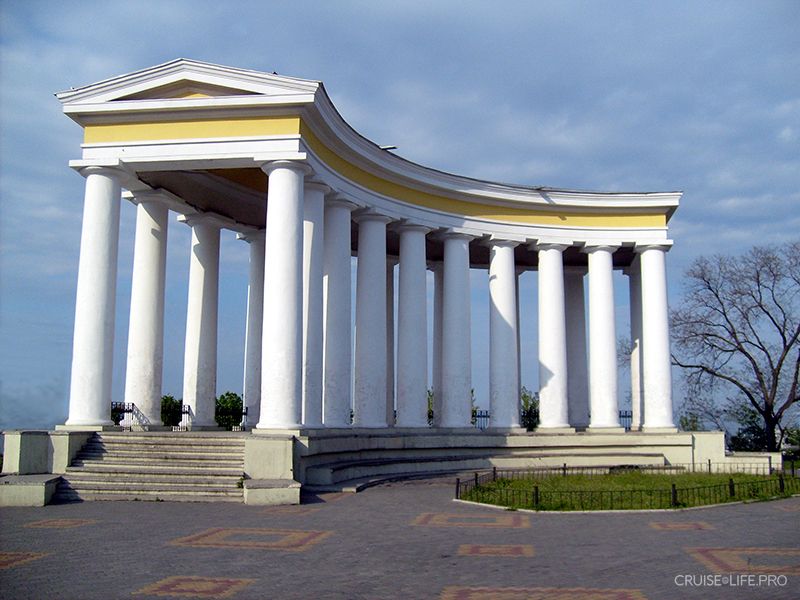
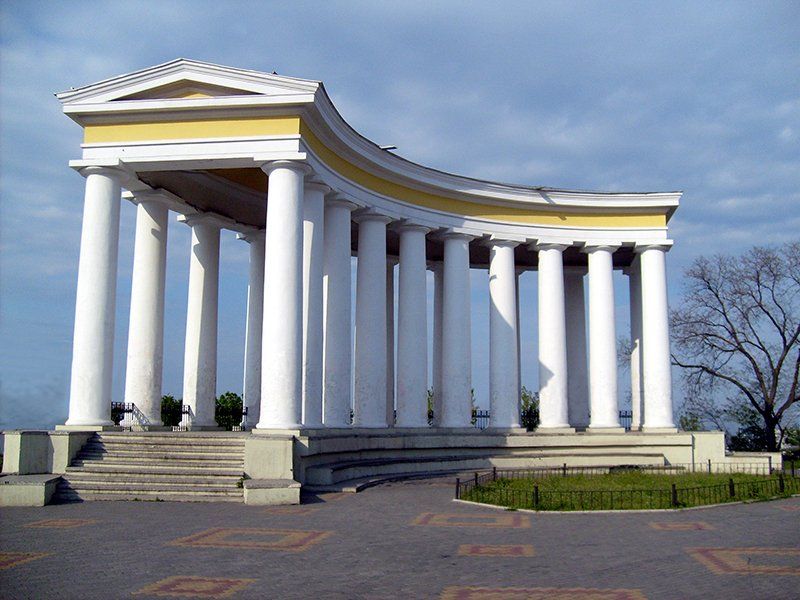
Colonnade, also known as the rotunda and belvedere, is one of the symbols of Odesa and a cultural heritage site. It is an extension of the Vorontsov palace estate, part of it, and stands right on the very edge of the hill. The project author is the architect F.K. Boffo. This architectural monument is the city’s best panoramic viewpoint. From here, you can enjoy a wonderful view of the seafront. The winding gallery originally surrounded a greenhouse where various exotic plants and fruits were grown and, as eyewitnesses of that time said, it was “one of the most beautiful places in the palace.” Today, all kinds of festive and entertainment events are held here: song-and-music marathons, concerts, and light graffiti show.
Courtyard of Arts

Courtyard of Arts

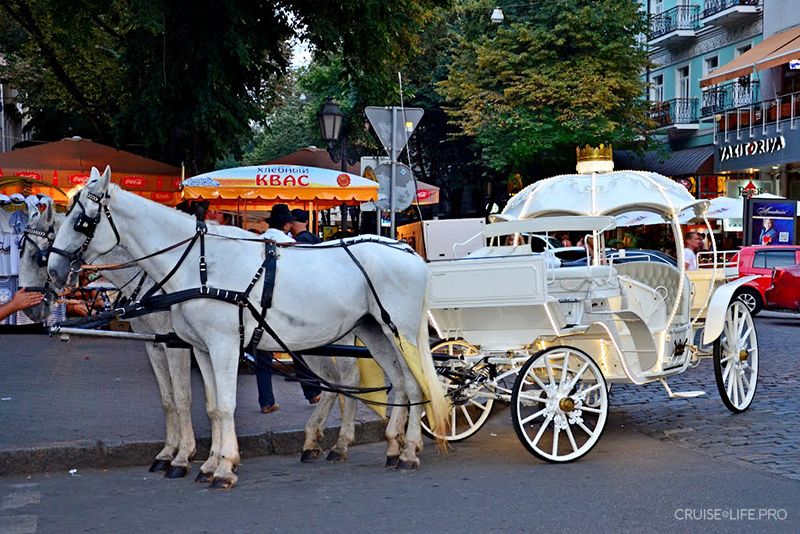
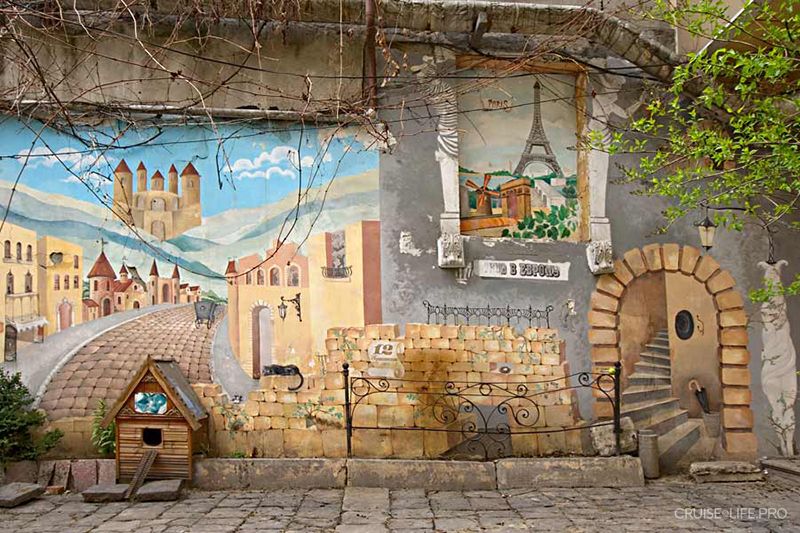
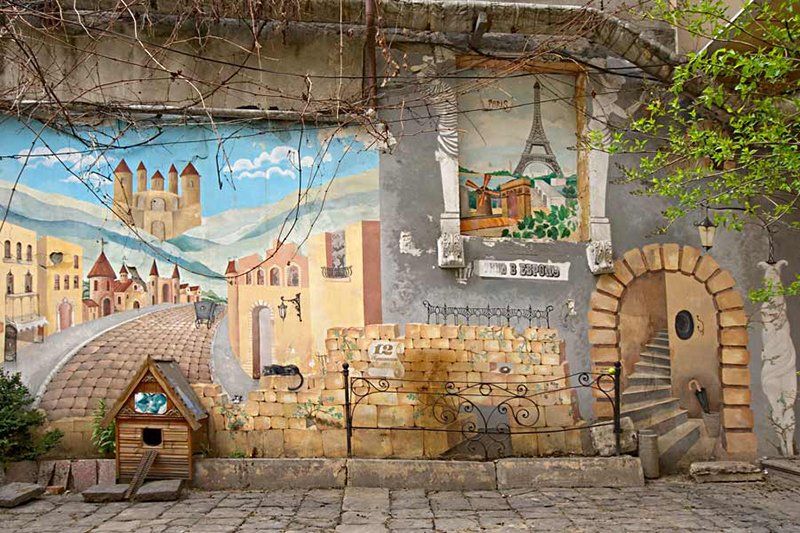
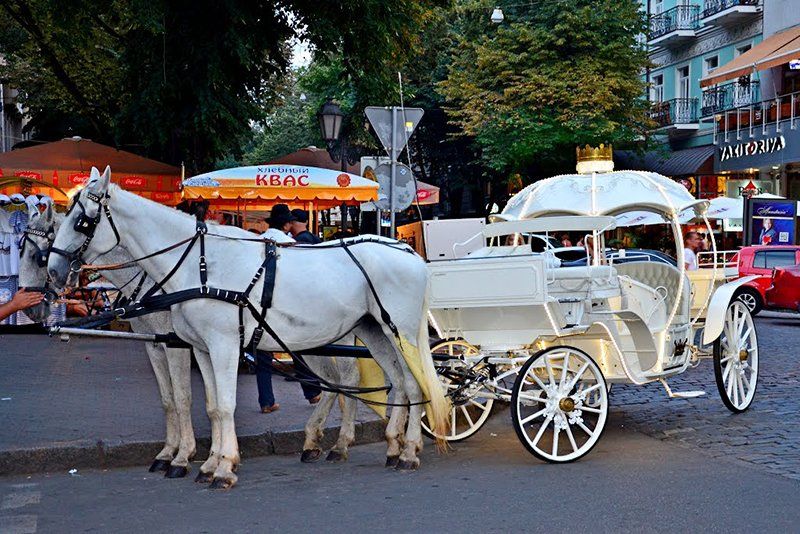
The tenant of the house on Pushkinskaya Street, 12 soon got bored living in his own “grey little courtyard.” Without thinking for long, he asked artists to paint this modest home. Hour by hour, on the old peeling walls, a fairy-tale world began to take shape-colorful, mischievous, cheerful, and funny. And it’s also dimensional, multi-layered, grand in scale. Here you’ll find the legendary fisherwoman Sonya, playfully looking out into the distance. And a black cat-so there’s no need to be afraid of it. Here’s a real “window into Europe.” The beautiful Eiffel Tower. The Atlases supporting the niche are none other than the fun artists themselves. If you’ve already had your fill of strolling through the sunny southern city, the crew is ready! An elegant old-fashioned stagecoach will deliver everyone home-more precisely, into cozy courtyards of Odessa-with the breeze blowing.
One-wall house

One-wall house

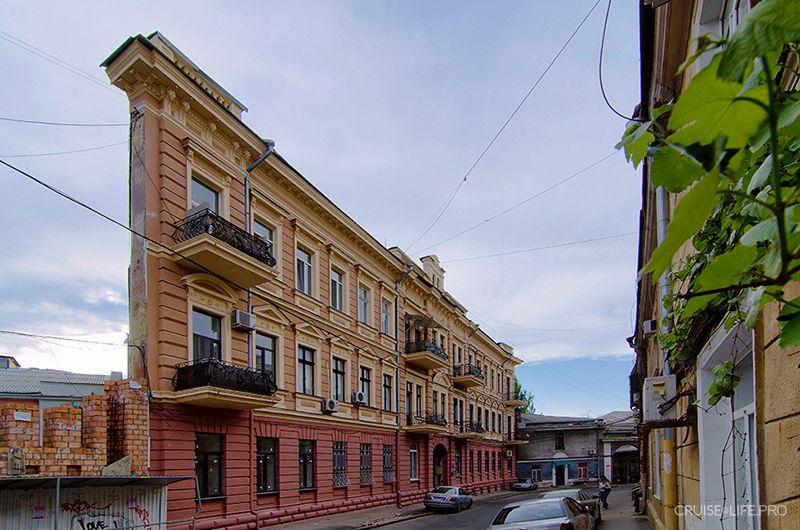
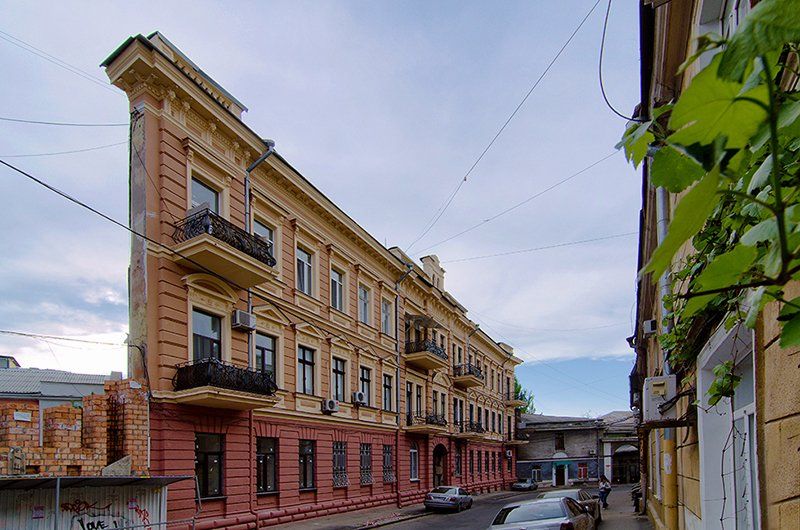
One-Wall House is one of the most famous sights in touristy Odesa. It is located not far from Primorsky Boulevard, right behind the palace of Count Vorontsov. The most important thing is to choose the right angle-and then you’ll have “One-Wall House”. Friends will be surprised and ask: “How do people live in this house?” But you, of course, already know the secret. Simply put, at the end of the building, two walls meet, forming a triangle, so it seems that there’s no continuation behind the façade wall. Choosing a viewpoint is easy-caring locals placed a bold cross on the opposite sidewalk. That’s exactly where the best visual effect is achieved.
What to see

Beaches of Odesa

Beaches of Odesa

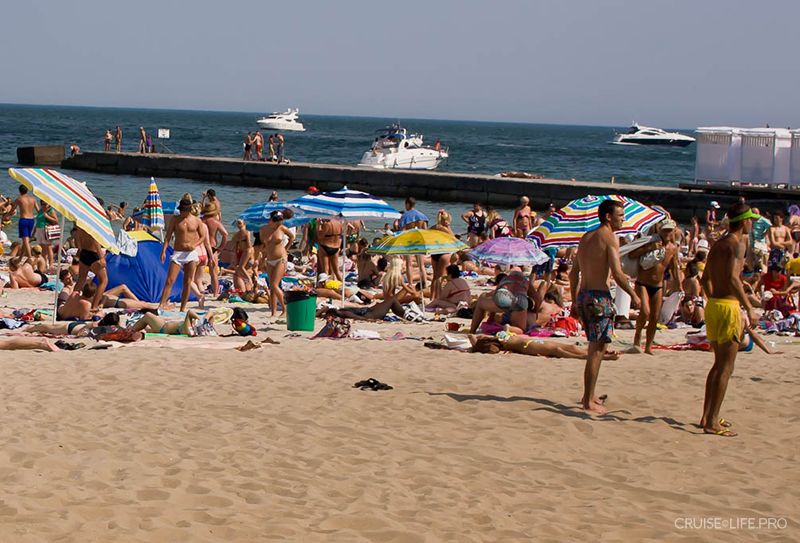
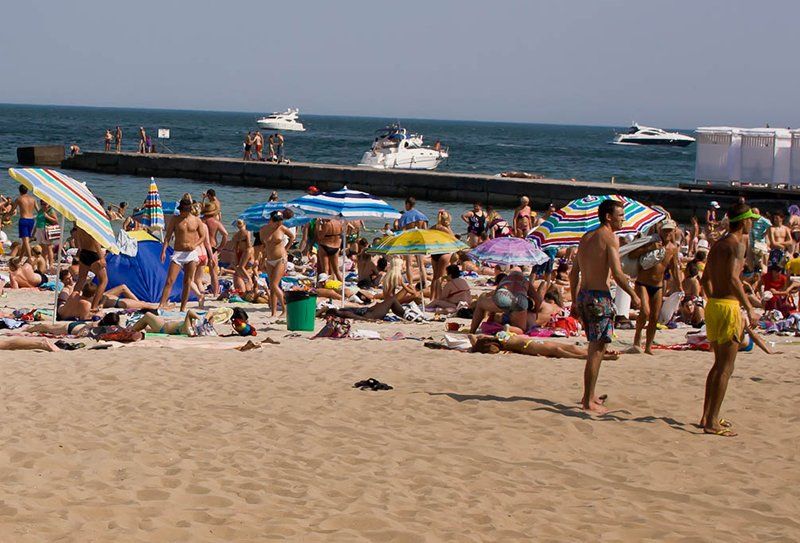
Odessa’s beaches stretch for dozens of kilometers. Most beaches are sandy, with sand brought in. Beaches within the city limits, with the exception of Luzanovka and Chornomorka, are reinforced with coastal protection structures. Among the beaches, the following can be highlighted: Luzanovka in the residential area named after Kotovsky, Lanzheron in the area of T. G. Shevchenko Park, Otrada in the area of Pyrohova Street, Delfin in the area of the Shampansky Lane, Arcadia is one of the city’s calling cards (unlike most other beaches, a gentle and convenient slope leads to Arcadia), beaches stretching from the 8th to the 16th station of the Great Fontana- from Chayka Beach to Zolotoy Bereg Beach, and Chornomorka Beach, located in the eponymous settlement.

Deribasovskaya Street

Deribasovskaya Street

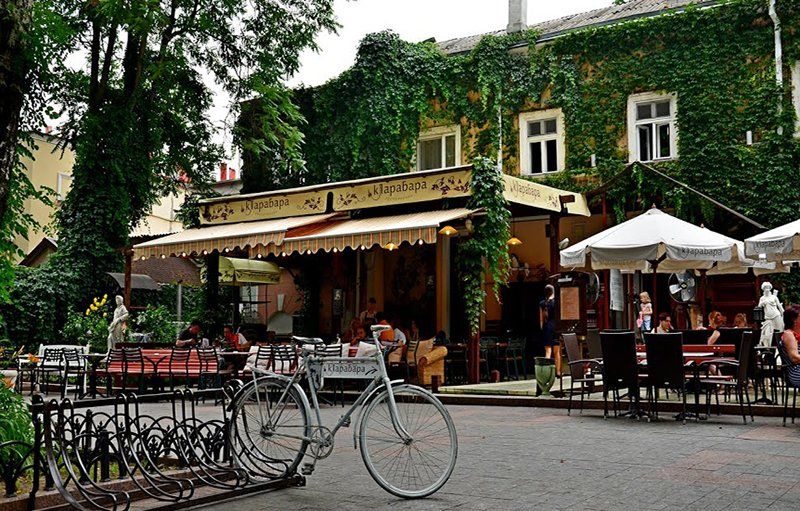
Famous all over the world for its Deribasovskaya Street-the very heart of Odesa. Everyone has their own reason to fall in love with this street: it’s not very large in length or width, but there’s something about it that’s captivating and calm, carefree and cozy-in its architecture, in the many cafés, and in the absence of cars... Deribasovskaya is the most popular and fun street in Odesa. Here you’ll find shopping centers and stores, as well as many entertainment venues, restaurants and cafés, and much more. The famous chair from Odesa history by Ilf and Petrov stands on a small square. Anyone who wishes can take a photo with it and sit on the legendary chair. You can also meet street musicians and performers here.

City Garden

City Garden

The City Garden, the first park of Odesa, was laid out in 1803 by the brothers José and Félix de Ribas practically immediately after the city was founded. It features many sculptures and monuments that have truly become symbols of Odesa: the sculpture of a lion and lioness with their cubs, the monument “The Twelve Chairs,” erected in honor of the book by Ilf and Petrov, the monument to Leonid Utyosov, whom Odesa holds in high esteem, as well as the monument to the early 20th-century pilot and sportsman Sergey Utochkin. Today, in the newly restored new park, there is a singing fountain and a round covered stage where concerts are held.

Catacombs of Odesa

Catacombs of Odesa

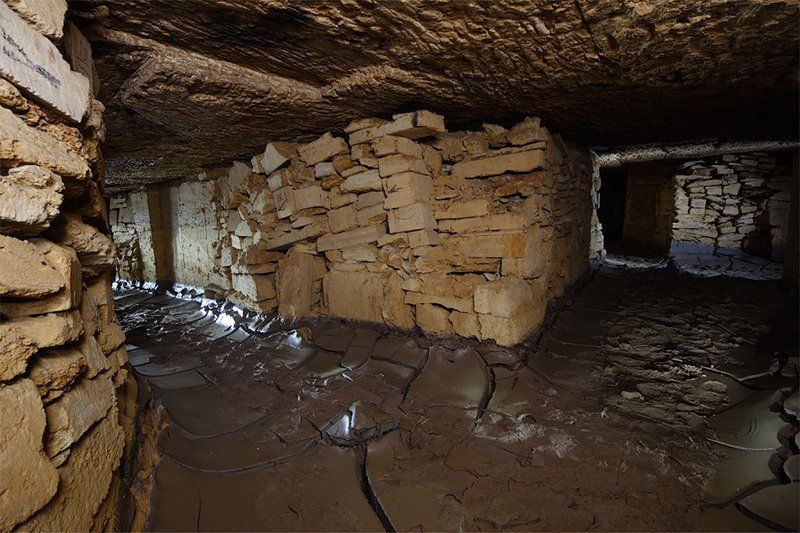
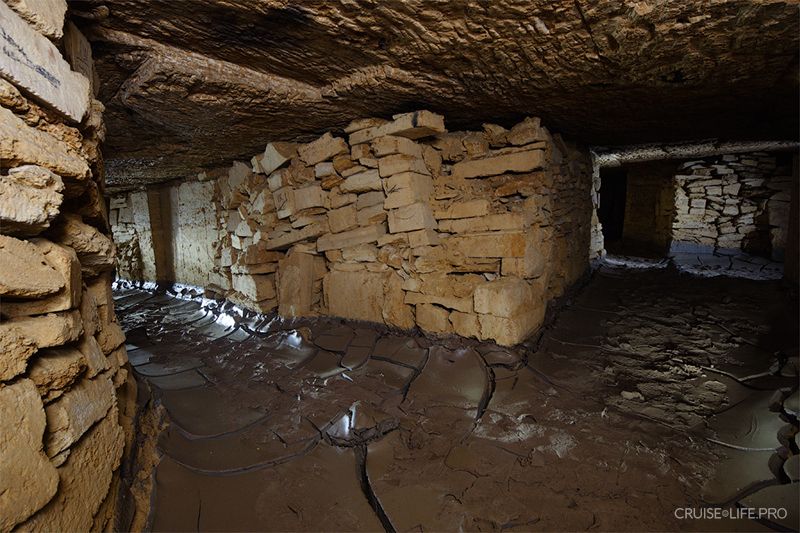
Odessa Catacombs - perhaps one of the most mysterious places in the Ukrainian city. This is a branching network of tunnels and labyrinths beneath the city that formed after stone mining operations. Although researchers claim that some of the catacombs may be much older than Odessa itself. The Odessa Catacombs surpass many of their European counterparts in many respects. Their length reaches almost three thousand kilometers. For comparison: the Roman ones extend only 300 kilometers, the Parisian ones - 500. The first labyrinth inhabited by people dates back to the beginning of the 19th century. Determining the exact date is very difficult - at that time, there were slums here where the city’s residents hid from the plague epidemic. During the Great Patriotic War, partisans took refuge in the catacombs.

Museum of Cinema

Museum of Cinema

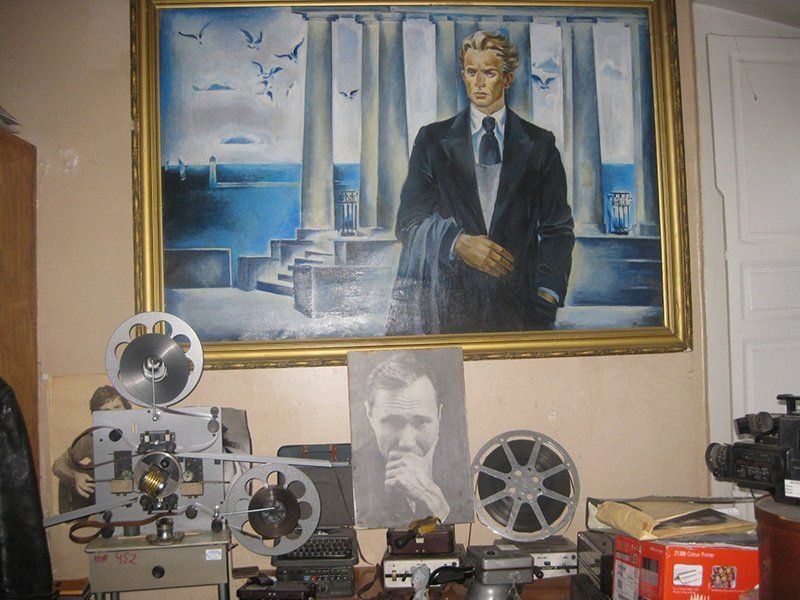
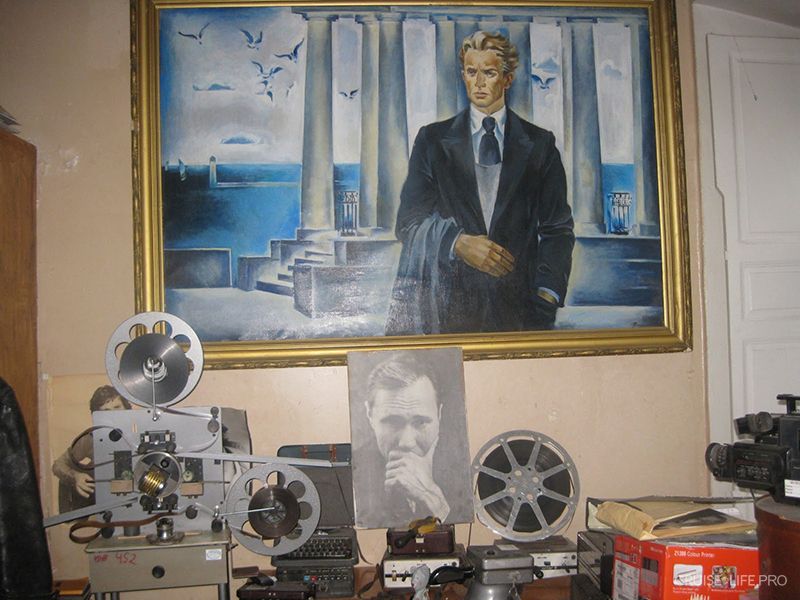
The Museum of Cinema is the history not only of the most important of the arts, but also of the city itself. For the people of Odessa, these exhibits play a very important role. The museum houses Vera Kholodnaya’s glove, as well as Vladimir Vysotsky’s hat and coat, in which he played in the TV series “The Place Cannot Be Changed,” and a collection of film cameras by Oleksandr Dovzhenko. A unique photo album with screen tests will tell you which actors were vying for the roles we came to love. For example, you can see Oleksandr Abdullov as d’Artagnan. You can visit the museum for free, but you need to check the tour times in advance.

Odessa Zoo

Odessa Zoo

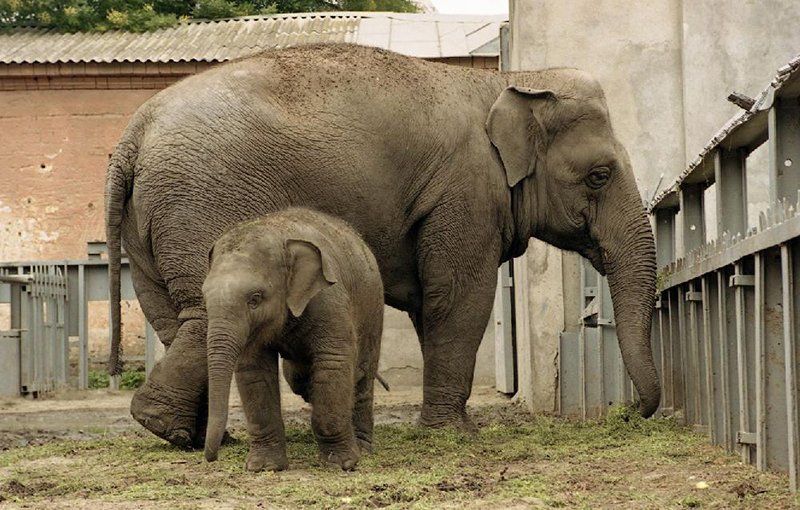
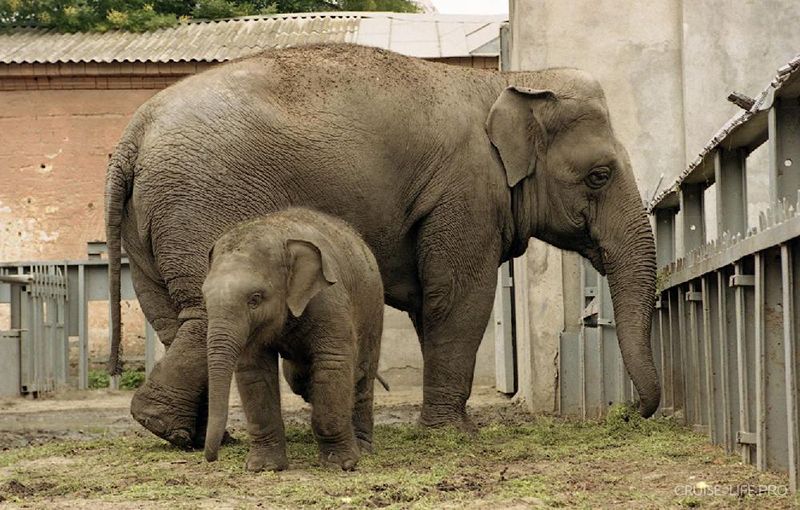
In Odesa there is one of the oldest Ukrainian zoos-its age is 90 years. The Odessa Zoo has a complicated history: its construction was postponed and moved several times. The zoo’s collection includes more than one and a half thousand animals of 252 species. Among them are unique animals listed in the Red Book: the Indian elephant, the pink flamingo, the Far Eastern leopard, and the mute swan. In the zoo’s aqua terrarium, you can see tropical fish, rare amphibians, and reptiles. It is the only zoo in Ukraine where Indian elephants breed. For zoo visitors, guided and themed tours are held, there are celebrations for young guests, and there is a children’s playground with attractions; rides on ponies, llamas, and camels are organized.

Recommended excursions

Odessa City Sightseeing Tour

Odessa City Sightseeing Tour

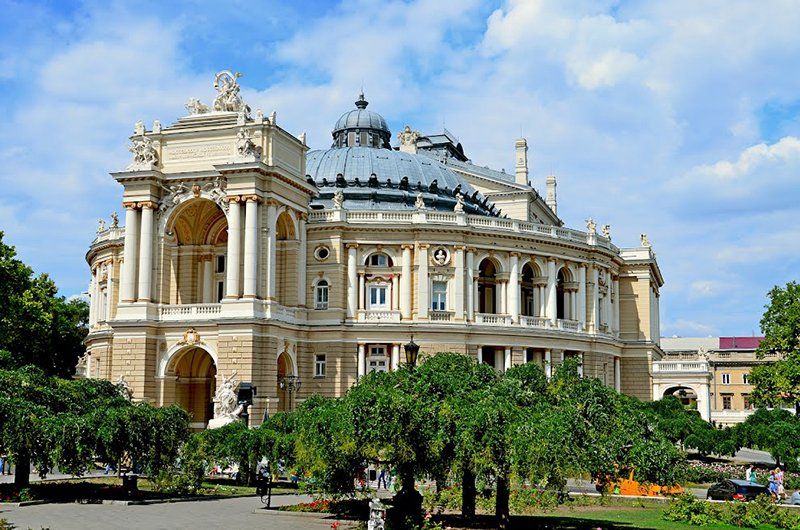
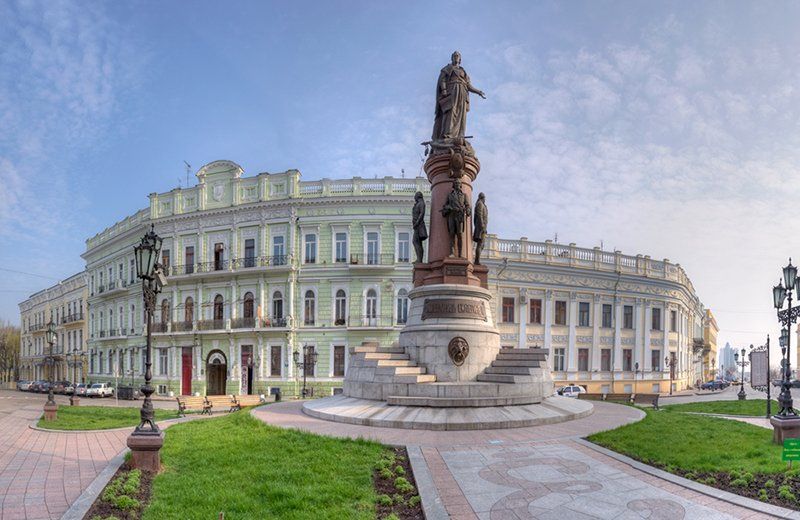
Odessa is a city with a vivid and bold biography, warmed by the gentle southern sun and permeated by fresh sea breezes-a city whose architecture is truly extraordinary. No wonder Europeans say that each of Odessa’s buildings could bring glory to any city in the world. During the excursion, you will see Arcadia (Gates of Paradise), French Boulevard, Reno’s dacha, the Odessa Film Studio, Alley of Glory, the Shah’s Palace, the House with Atlants, the Teschin (Mother-in-Law’s) Bridge, the Vorontsov Palace, the house-wall, the Potemkin Stairs, Deribasivska Street, monuments to Utesov, Utochkin, the 12th Chair, the Tree of Love, the Transfiguration Cathedral, a monument to Mickiewicz, Deribasivska Street and much more.

Yards of Odesa

Yards of Odesa

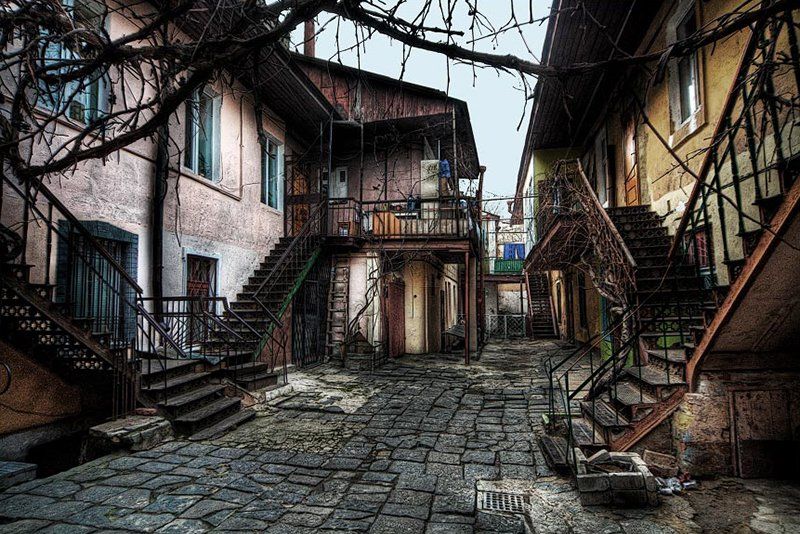
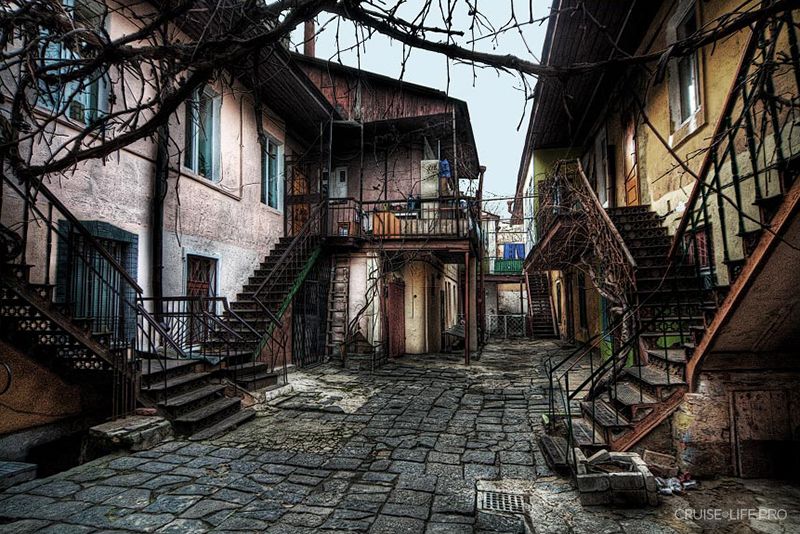
During the excursion, you will be able to peek into the most unusual courtyards of Odesa: these include the courtyards of the famous Odesa Moldavanka, with its many wooden galleries (think of the film "Liquidation"), as well as through-courtyards where Odesa criminals slipped away from detectives, courtyards marked with elements of Odesa’s “courtyard sculpture,” where residents installed monuments to famous personalities-well, where else would you find a monument to the inventor of Esperanto? You will also visit Odesa’s chic little courtyards: Palais-Royal (Odesa is a little Paris), the Italian courtyard of the Odesa Philharmonic, the arts courtyard, and of course the Literary Museum courtyard-the Sculpture Garden, where monuments-gifts from well-known Odesa sculptors-are displayed.

For a more detailed list of excursions and their prices, you can review them after booking the cruise in your “Client Personal Account.”