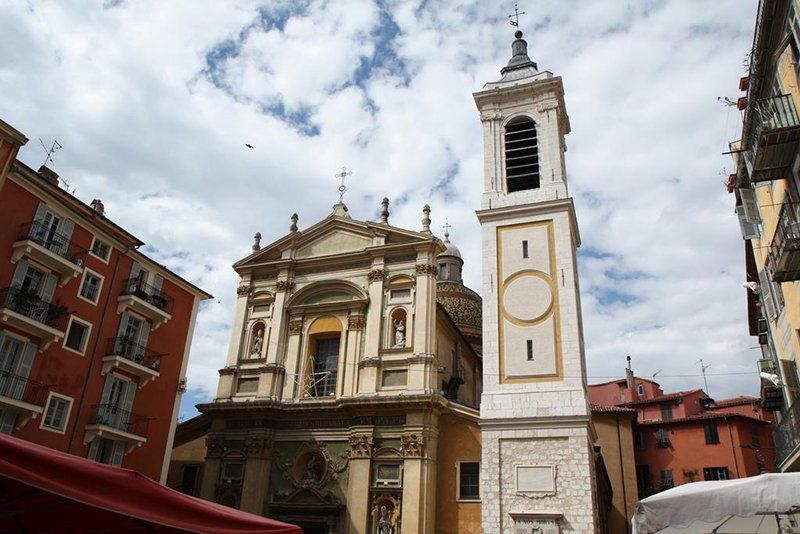
Cathedral of Saint Reparata
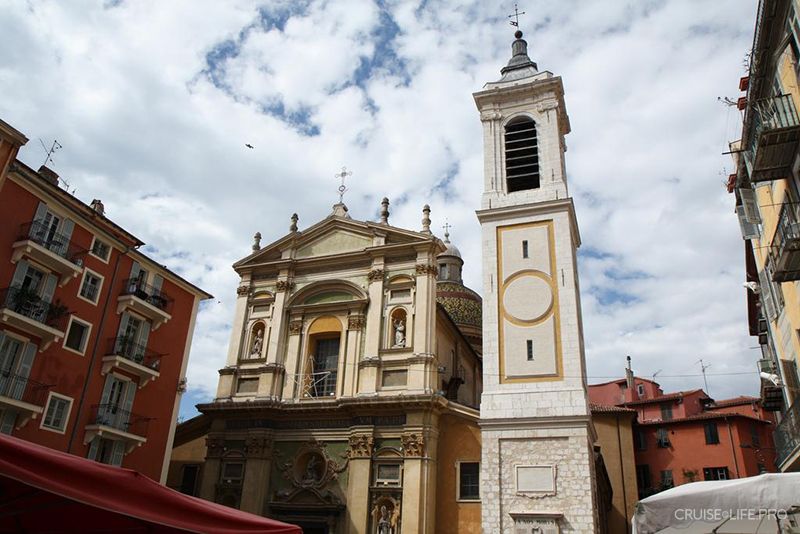
The Cathedral of Nice was begun in 1649 and consecrated in honor of Saint Reparata in 1699. It is believed to have been built based on the church of Saint Susanna in Rome-in the form of a Latin cross, oriented to the east, with colorful tiles inside. But over the years, the appearance of the temple changed. As for the Saint after whom the church is named, it is known that Reparata was from Caesarea in Palestine and died at the age of 15, tortured by the Romans for her Christian faith. Saint Reparata’s popularity in Nice began around the 11th century. It was her that the city’s residents turned to at the time, asking her to protect them from the plague and cholera. But officially, Saint Reparata became the patroness of the city in the 17th century, when a real church was built on the site of the chapel dedicated to her.
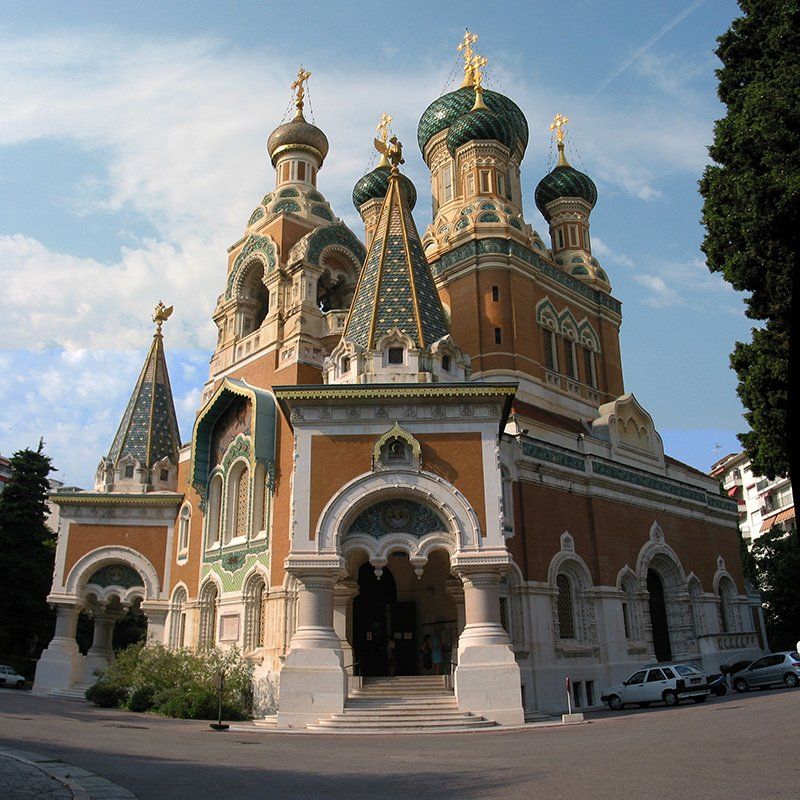
St. Nicholas the Wonderworker Cathedral
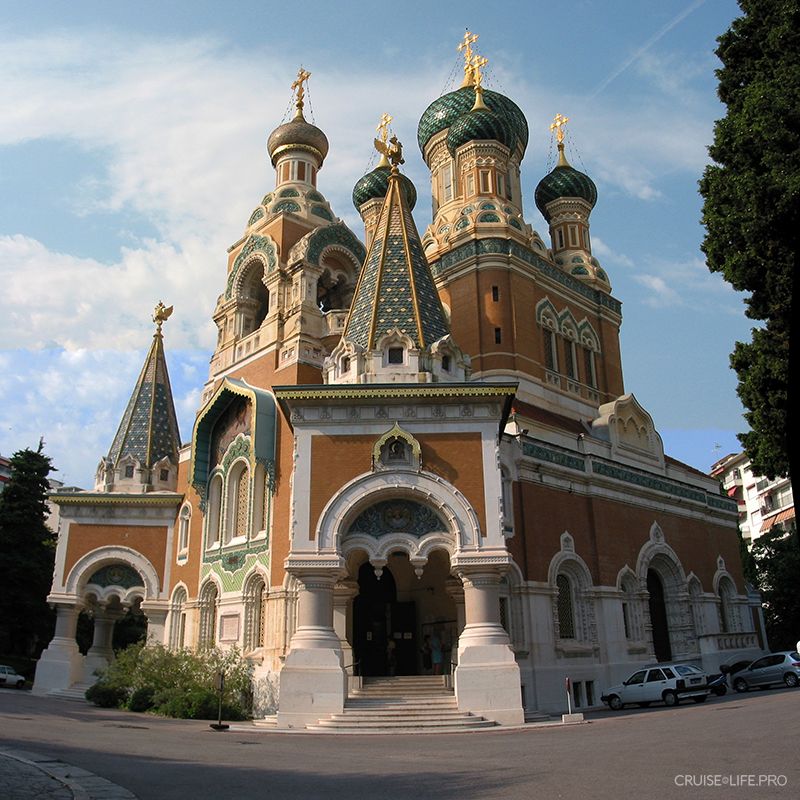
The largest Orthodox cathedral outside Russia, incredibly similar to the Moscow Cathedral of Vasily the Blessed, became a symbol of sorrow for the Russian Empire. The church was laid at the site where the heir to the Russian throne, the Tsarevich Nicholas-the son of Emperor Alexander II-met his death. The Cathedral itself can be admired for hours. After all, masters from all over the world worked on its decoration: frescoes were painted by Italians, crosses were cast by the French, and the iconostasis was carved by Russians. The temple also has a local relic-the icon of Saint Nicholas the Wonderworker, once belonging to the Russian Tsarevich.
Phoenix Flower Park
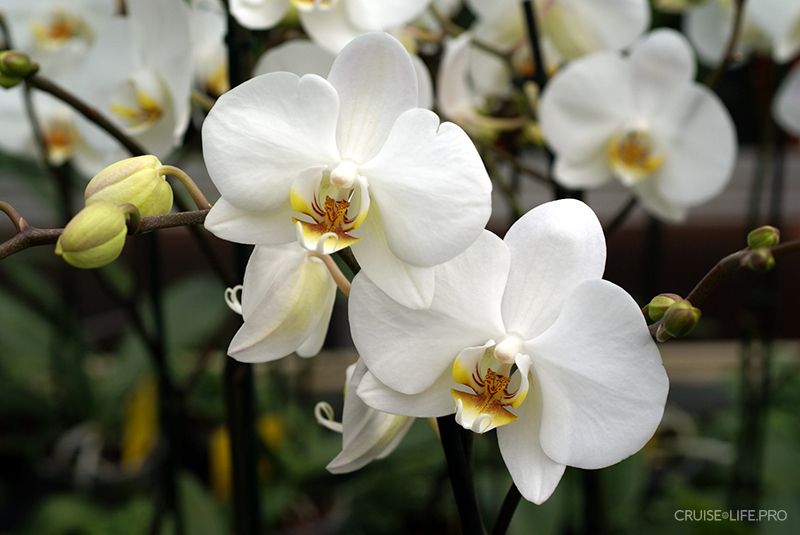
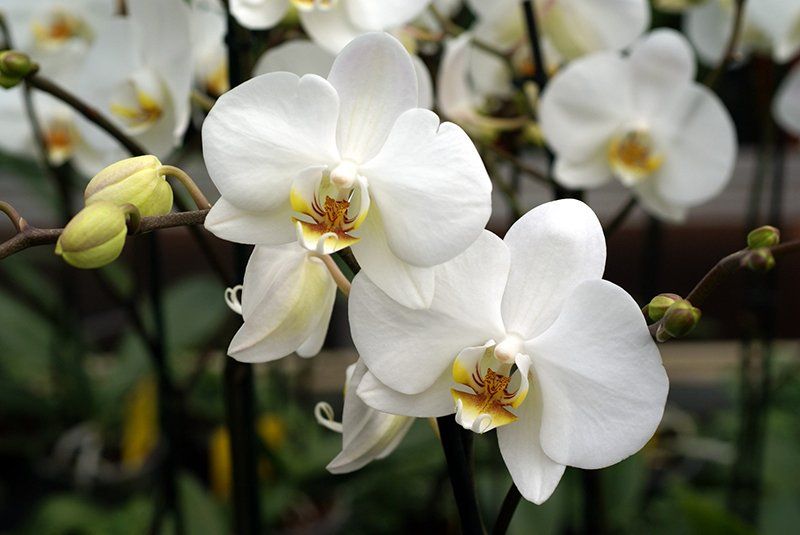
The park’s territory is huge, covering an area equal to 65 football fields. Phoenix can boast Europe’s largest greenhouse with a glass dome. It’s a kind of miniature planet, because having visited each of the 7 zones where tropical climate conditions are maintained, you can confidently say that you’ve been to Mexico, South Africa, Australia, Spain, Greece, the Middle East, the Canary Islands and so on. One of the most popular attractions in the greenhouse is the Butterfly Jungle. Spontaneous “competitions” often take place here-who will have more insects land on them. Children squeal with delight, while adults are moved with affection.
Chateau Cemetery
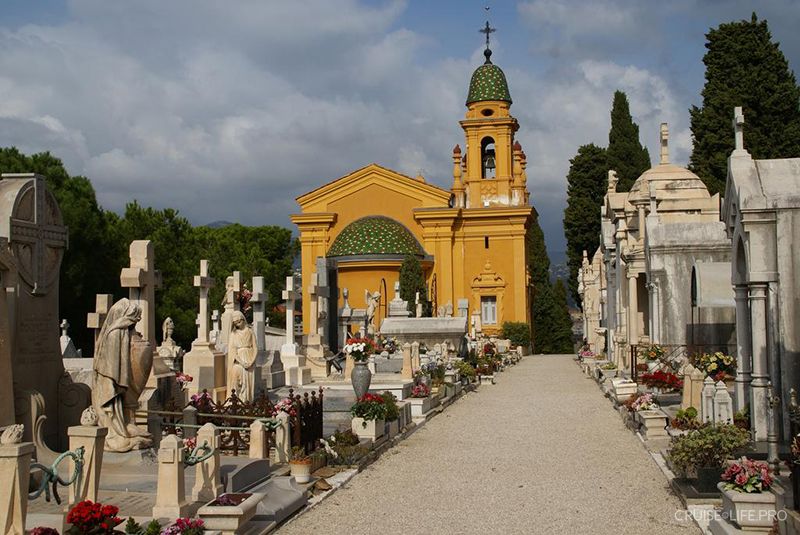
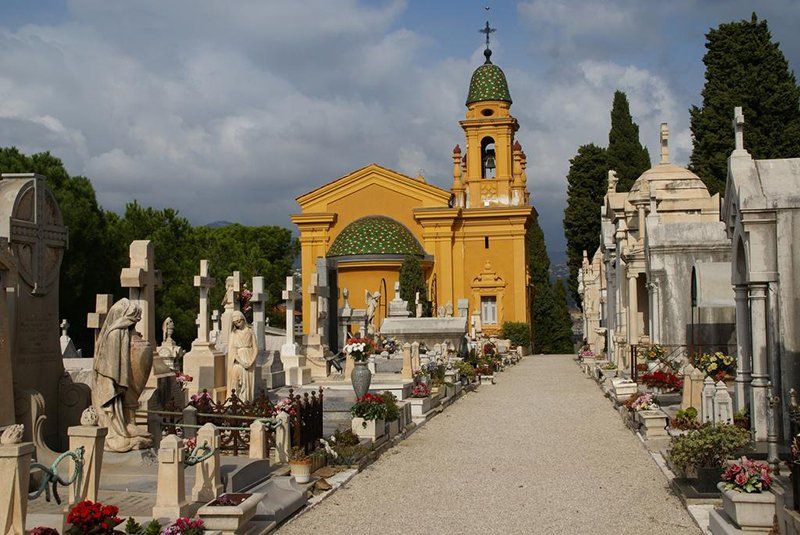
Chateau Cemetery is a famous necropolis where celebrities and representatives of Russian, English and French nobility are buried. For example, it has the graves of Gaston Leroux, the author of The Phantom of the Opera, as well as the founder of the Mercedes car brand, Emil Jellinek, and his daughter. Among all the others, the grave of the Russian publicist and philosopher Alexander Herzen stands out; in 1850 he settled in Nice.
Marc Chagall Museum
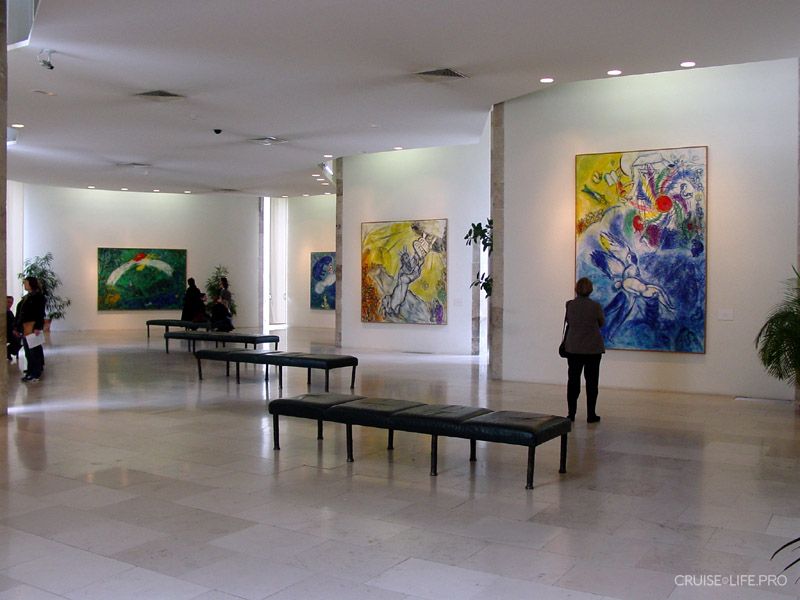
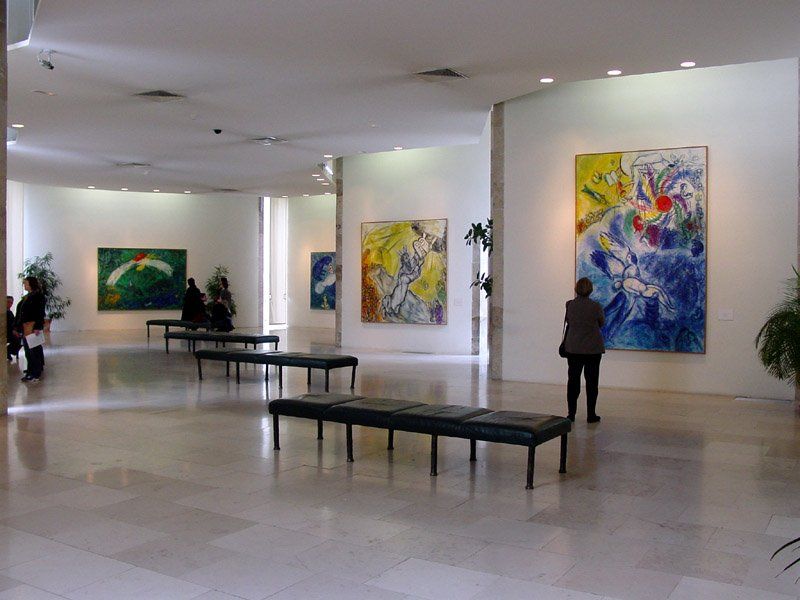
The exhibit here is quite extensive; it includes paintings, stained glass, mosaics, gouache, engravings, and sketches. All of the works by the famous artist in this museum are united by biblical themes. Perhaps that is why the full name of the exhibit sounds like “The Biblical Message of Marc Chagall.” Fans of the master’s work try to discover Chagall’s works specifically in this museum.
Matisse Museum
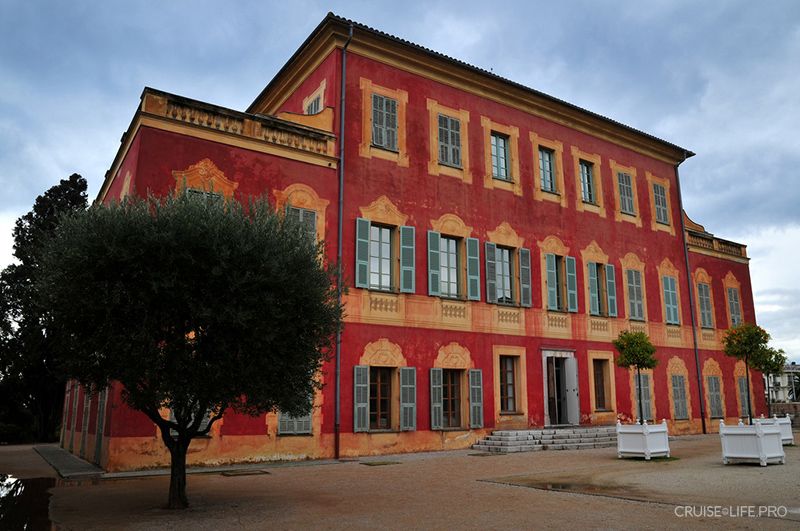
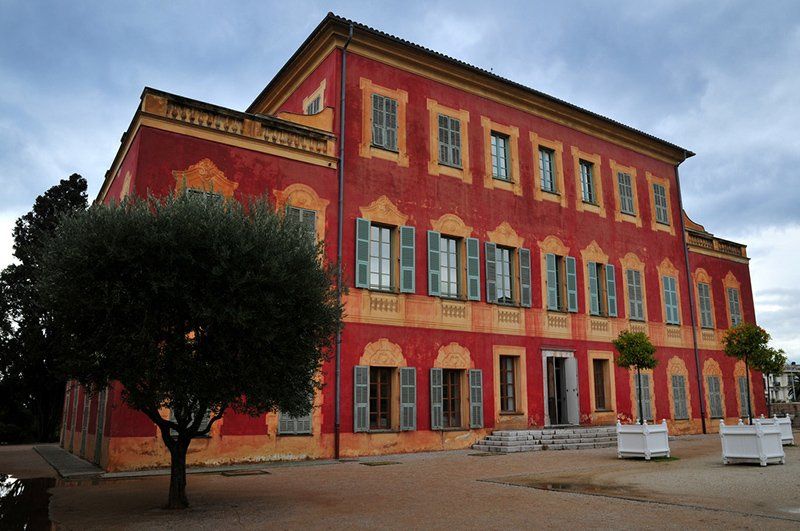
The museum of the French artist Henri Matisse deserves special attention. The exhibition features not only his paintings, but also the master’s personal belongings. For example, marble side tables and Venetian rocking chairs. In total, the museum displays 236 drawings, 70 sculptures, and an enormous number of paintings that “tell” the story of the journey of the greatest genius. The museum building itself is nothing less than a Genoese 17th-century villa.