Plebiscite Square
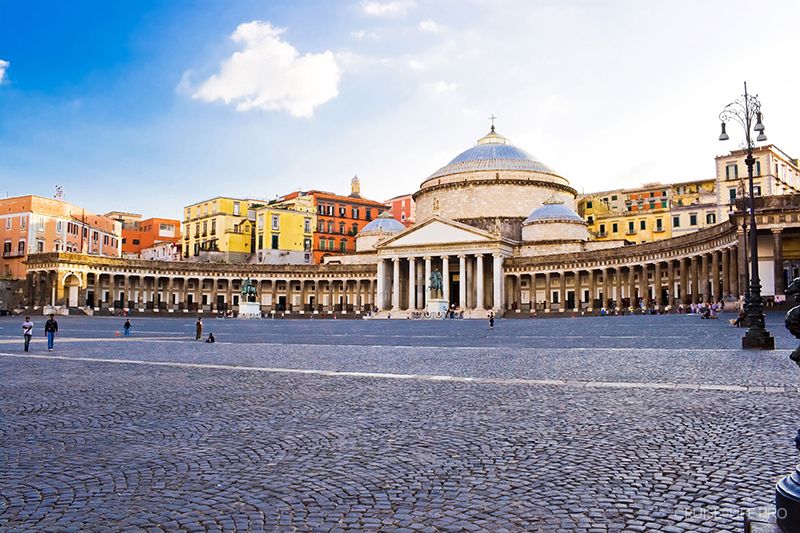
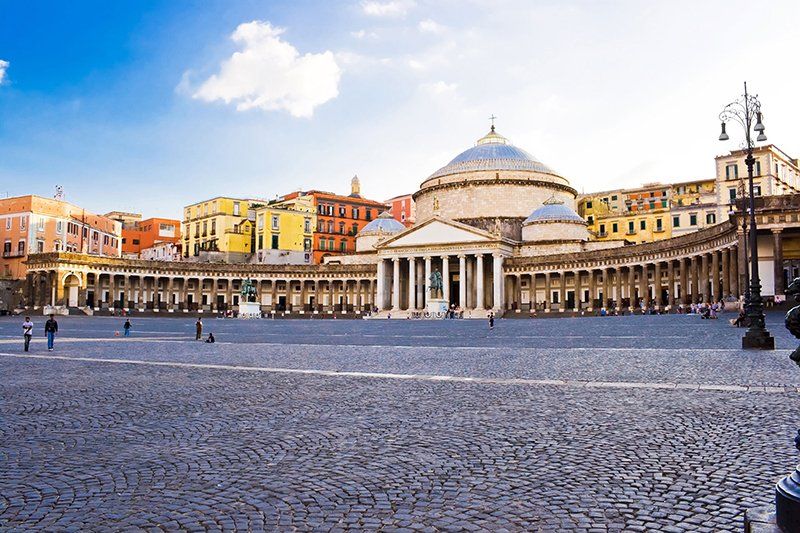
Piazza del Plebiscito is the heart of Naples-its past, present, and, most likely, its future. Piazza del Plebiscito got its name in honor of the referendum of October 2, 1860, as a result of which the Kingdom of the Two Sicilies became part of unified Italy. A favorite local pastime is to offer tourists a challenge: walk between two equestrian statues of Charles III and Ferdinand IV with your eyes covered. The task seems simple. Yet few manage it. The secret to its difficulty lies in the slight slope of the square, which makes the distance hard to cover for unprepared visitors. Various events take place here-from the music festival “Festivalbar” to concerts by well-known artists and contemporary art installations.
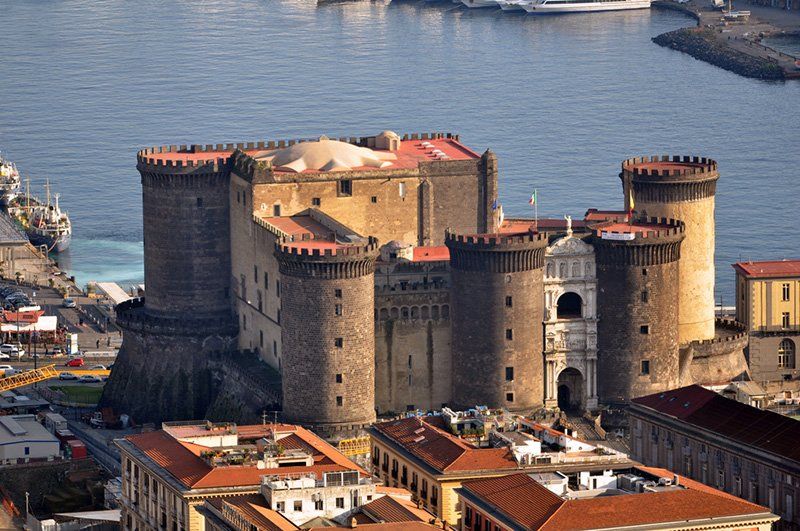
Castel Nuovo Castle
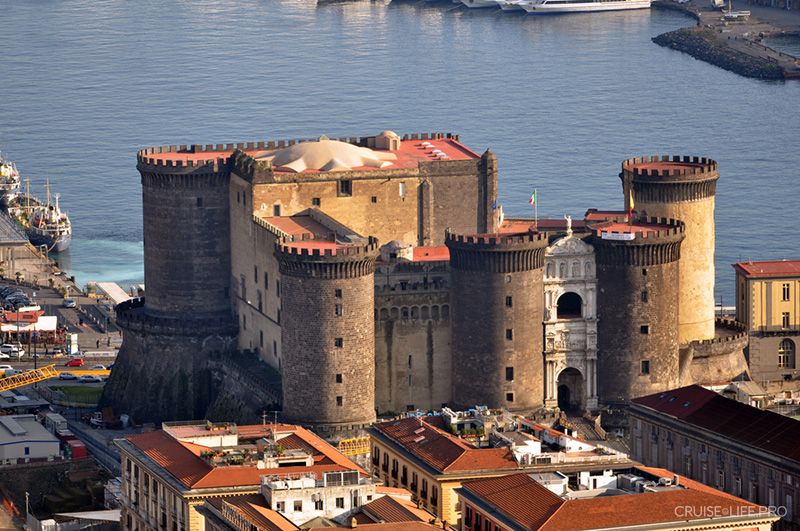
Castel Nuovo Castle (the Angevin castle) was built as a residence for the king of the Two Sicilies, Charles I of Anjou, after the capital was moved from Palermo to Naples. The imposing castle, designed by architect Pierre de Choli, was built over 3 years. Castel Nuovo, like most castles, had a difficult fate: over the centuries, it was besieged, looted, and attempts were made to destroy it. But it held its ground and remained unharmed even after a terrible earthquake that destroyed almost the entire city. In the 19th century, after restoration work, Castel Nuovo became an artillery arsenal. Today, a Municipal Museum operates on the castle grounds, where you can trace the glorious history of Naples, from deep antiquity to modern times, and where exhibitions are also held.
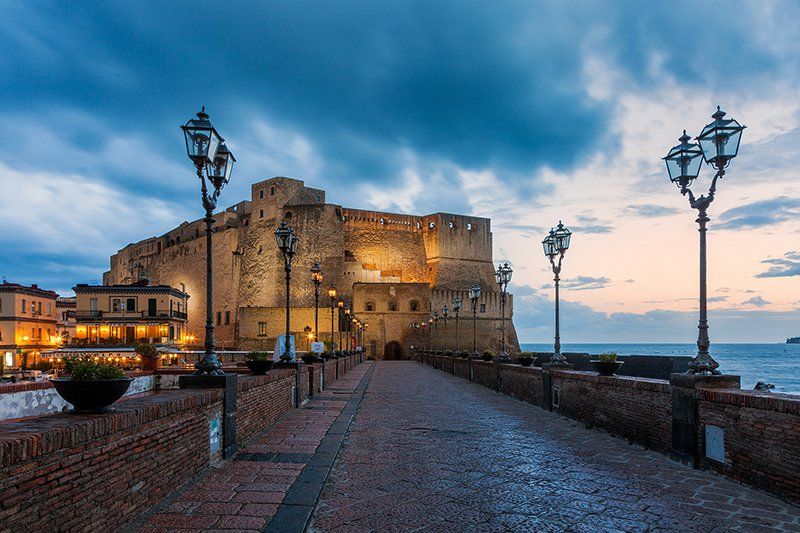
Castel dell’Ovo Castle
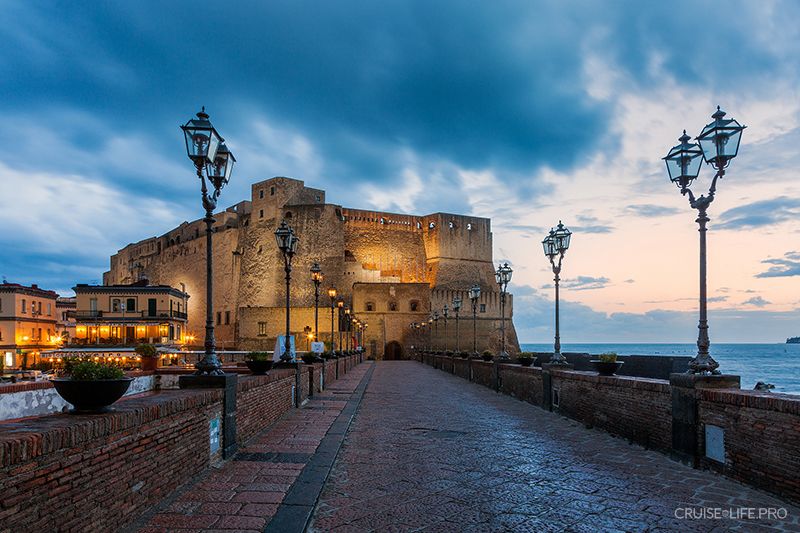
Castel dell’Ovo Castle (translated from Italian as “castle-egg”) got its name thanks to its unusual shape. However, there is an even more interesting version of how the name originated. According to it, the great poet Virgil buried an egg on the site of the castle and said that once it cracked, Castel dell’Ovo would fall. In the 12th century AD, the Normans settled here. They built Castel dell’Ovo. The location was ideal for keeping watch over the bay and sheltering behind thick fortress walls in case of danger. There are many viewing platforms on the castle grounds offering excellent views of the bay. The castle also has an aquarium with 30 pools, where dozens of inhabitants of the underwater world live.
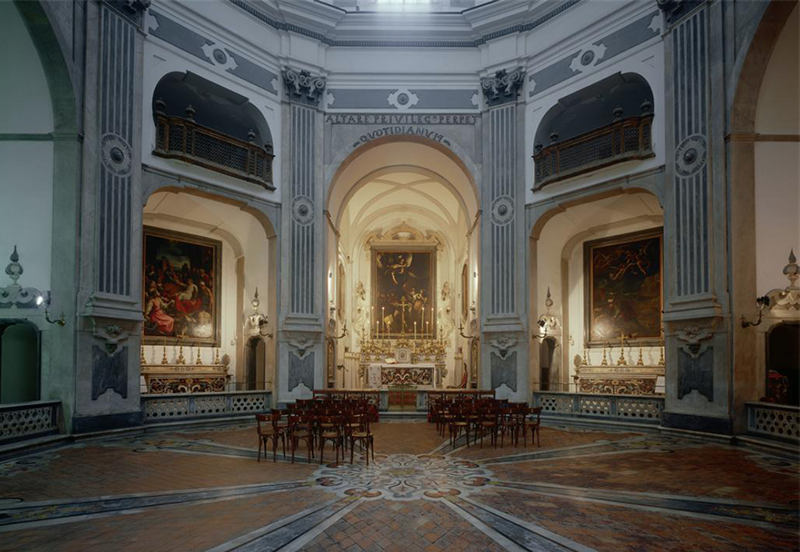
Pio Monte della Misericordia
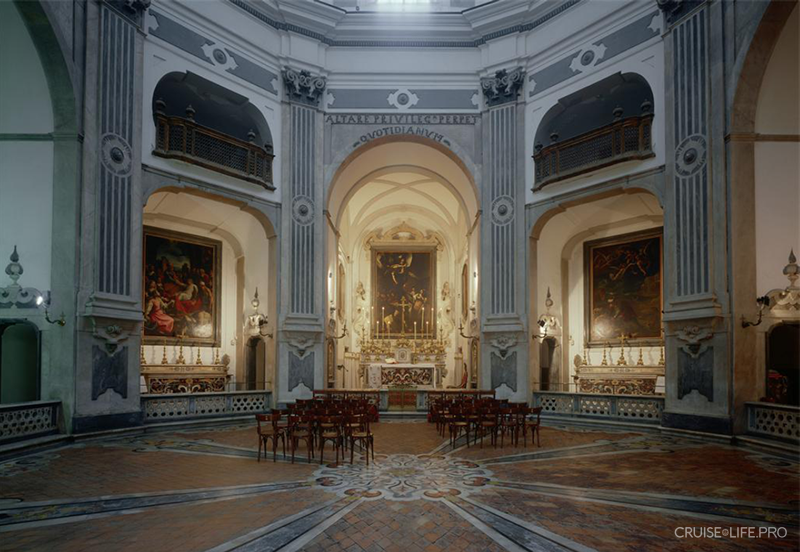
The Neapolitan church of Pio Monte della Misericordia gained worldwide fame thanks to the immortal work of the great Caravaggio - the altarpiece depicting the Seven Works of Mercy. The painting was created to commission by the charitable society Pio Monte della Misericordia, which, right at the beginning of the 17th century, set out to build a church celebrating the noble deeds of humankind (including this foundation). First, a modest church was built. Then it was expanded by adding 7 chapels - in honor of the six Gospel commandments, to which they added one more - the burial of the dead. Later, the society purchased the nearby buildings and incorporated them into the church. This is how an entire complex was formed.