Moscow Kremlin
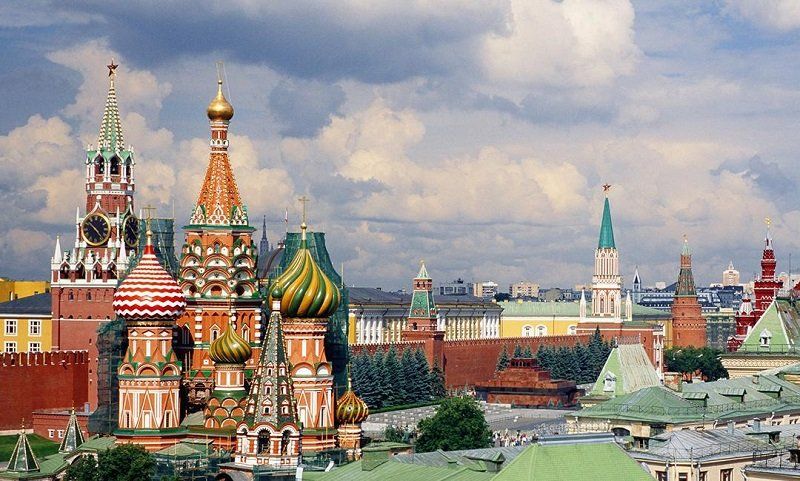
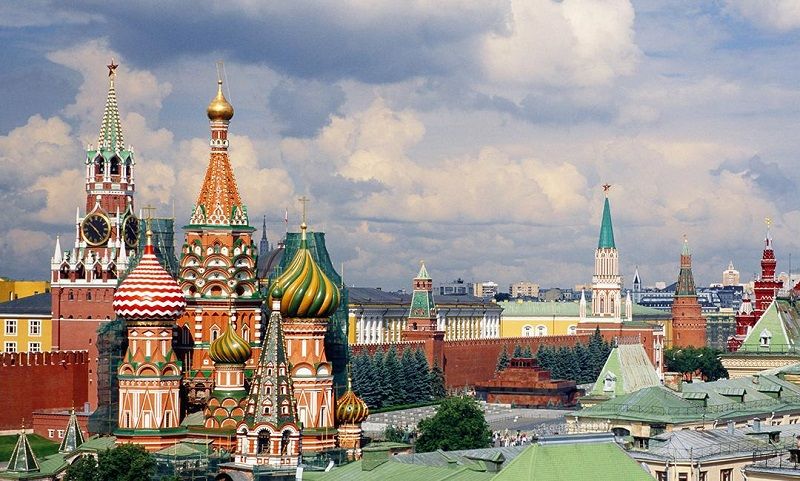
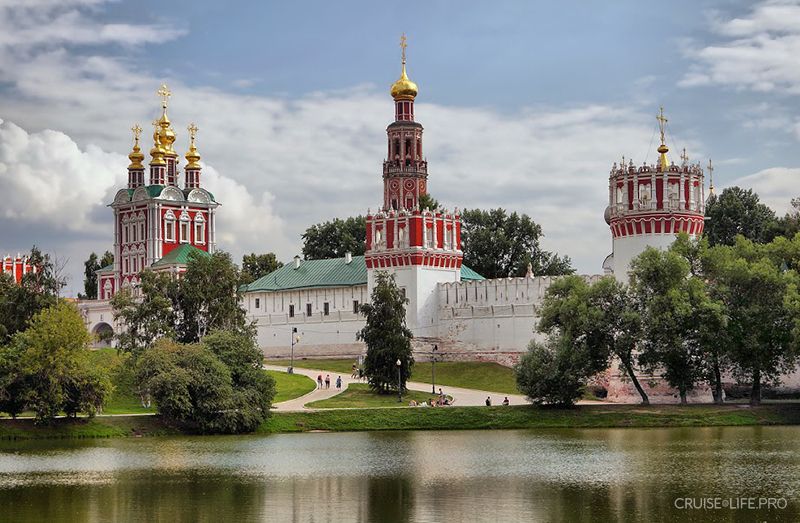
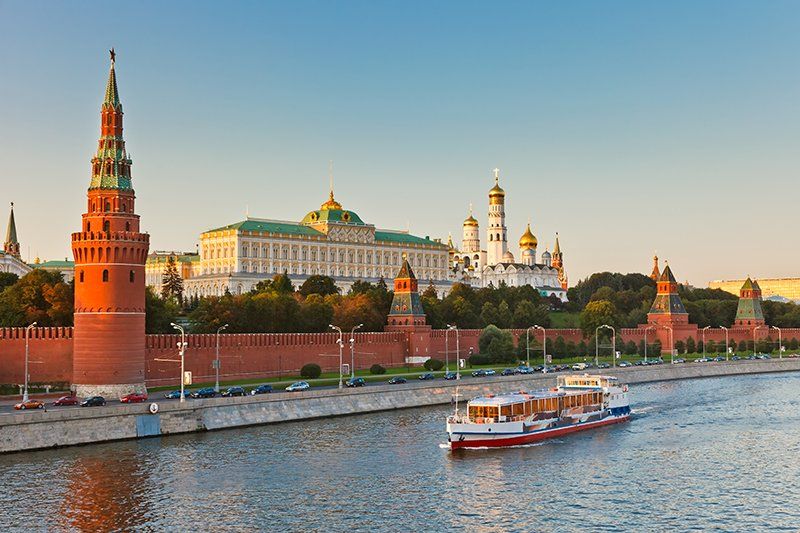
The historic center of Moscow - the Moscow Kremlin. Its present-day look of the walls and towers dates back to the 17th century. Today, the Kremlin serves as the residence of the President of Russia; numerous churches and museums are located on its territory. The ensemble of the Moscow Kremlin is included in the UNESCO World Heritage List. On the eastern side, the Kremlin adjoins the city’s most famous square - Red Square. It is surrounded by St. Basil’s Cathedral, the Middle Trading Rows, the GUM building, the Cathedral of the Kazan Icon of the Mother of God, the Resurrection (Voskresensky) Gates leading to Manezhnaya Square, and the State Historical Museum. Adjacent to the square are Nikolskaya, Senatskaya, and the most famous of all - the Spasskaya Tower with its clock chimes. Along the Kremlin wall there are built a necropolis (memorial cemetery) and the Lenin Mausoleum.
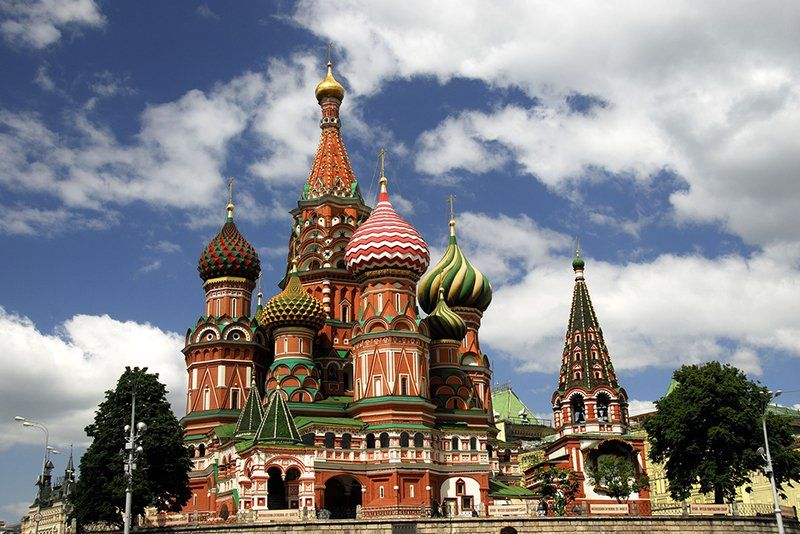
St. Basil’s Cathedral
“Official” name of the church is the Cathedral of the Intercession of the Most Holy Theotokos, on the Moat. It was built in 1561 by order of Ivan the Terrible to commemorate a victory in the war with the Kazan Khanate. There are still ongoing, heated debates about the authorship of such an unusual Orthodox church in terms of its architecture. According to the most widely accepted version, the church was built by two Pskov craftsmen-Barma and Postnik. Other researchers claim it was the same person, simply known as Yakovlev Postnik, while Barma was his nickname. A third hypothesis holds that the builder was, in fact, some Italian master from the Renaissance era. However, all three versions agree on one thing: having seen such a magnificent temple, Ivan the Terrible ordered that the builders be blinded so that they would not be able to repeat their masterpiece.
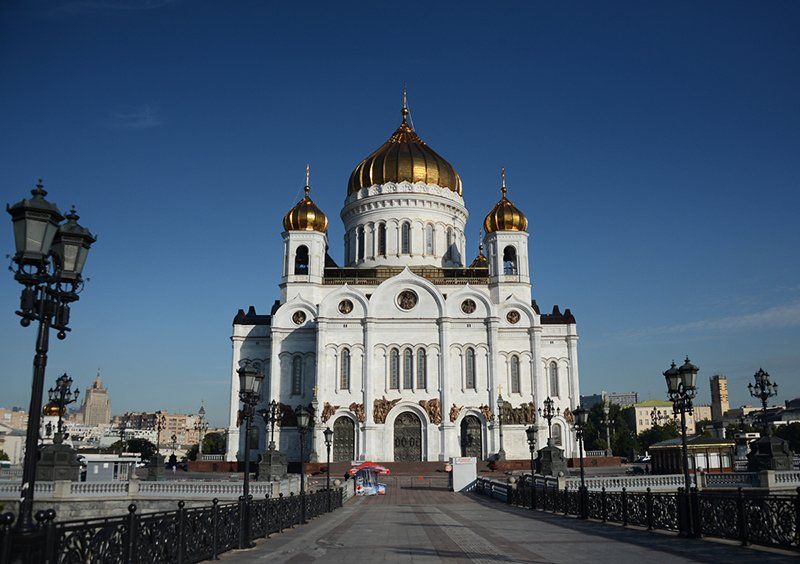
Cathedral of Christ the Saviour
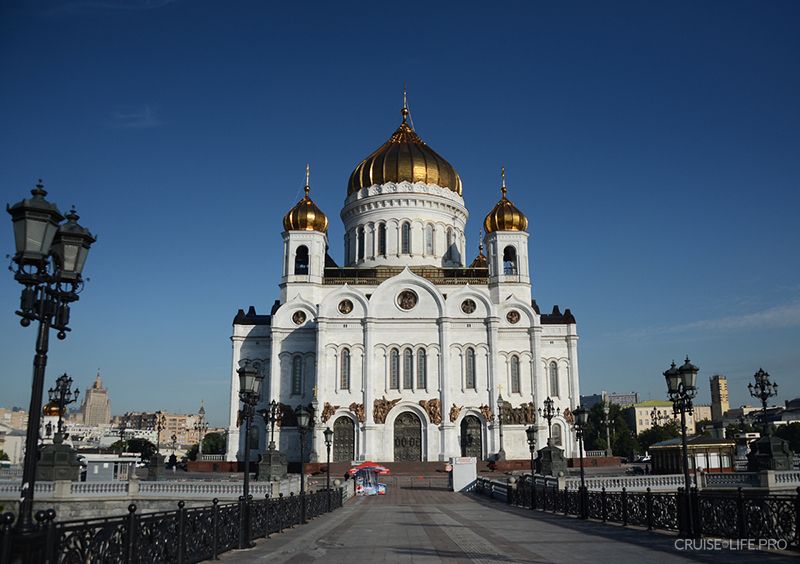
This is the largest cathedral of the Russian Orthodox Church: its height is more than one hundred meters, its total area is almost 4,000 square meters, and it can hold up to 10,000 believers. The church has a long and complicated history. After the war of 1812, Emperor Alexander I ordered the construction of a grand cathedral in memory of the courage and strength of spirit of the Russian people. More than 40 years of construction took place under the guidance of the best architects and icon painters, and in 1883 the white-and-gold cathedral was consecrated. During the Soviet era, the cathedral was blown up to build the Palace of Soviets on its site (construction was hindered by the Second World War). After the war, the resulting gigantic pit was filled with water and an open-air pool was arranged on the sacred site. And only in the late 1980s did they decide to remove the pool and return the city its great cathedral.
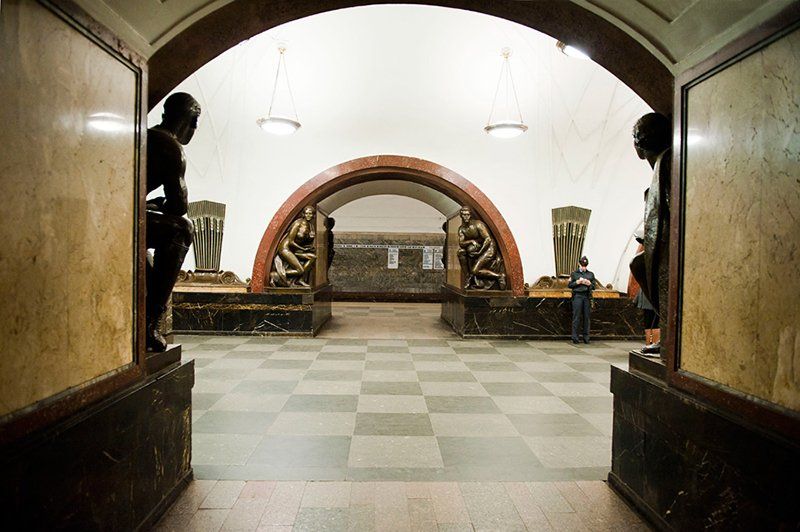
Revolution Square Metro Station
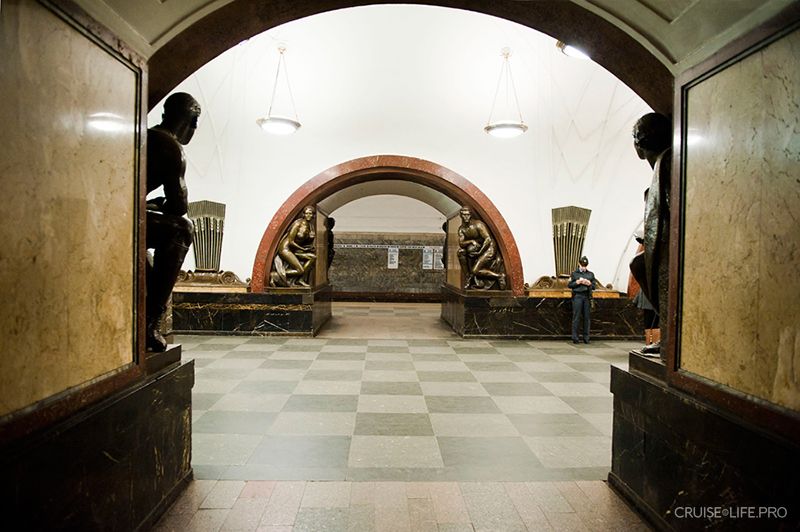
Moscow students come here before their exams to touch the border guard’s dog’s nose (a 100-percent guarantee against failing), so all four dogs have faces polished to a shine; and, they say, touching a student’s graceful leg cures one of miserable love. At first, the station was supposed to be “entertaining,” but during the course of the work, the team came up with the idea of creating a gallery of images of revolution heroes here. The authors were horrified, but they did it: 80 bronze sculptures were cast on time. Behind the statues stood real people. For example, for the figure of a sailor-signalman, Olympic Rudakov, a cadet from a naval academy, served as the model. In 1953, when he was a captain first rank, he danced a waltz with Queen Elizabeth II of the United Kingdom on the day of her coronation.
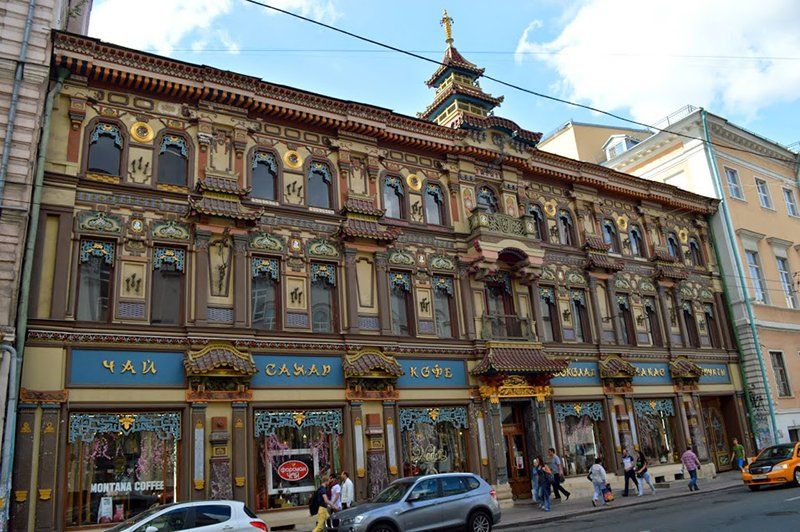
Pagoda House (Tea House)
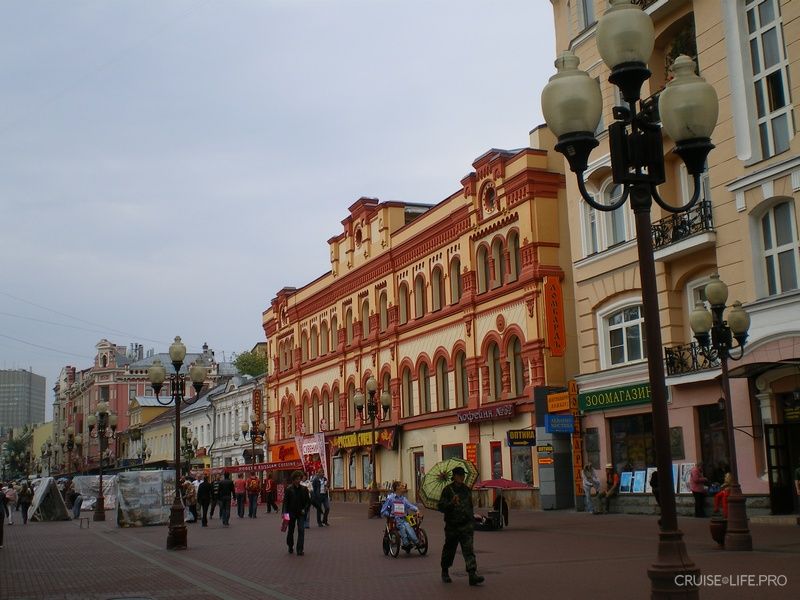
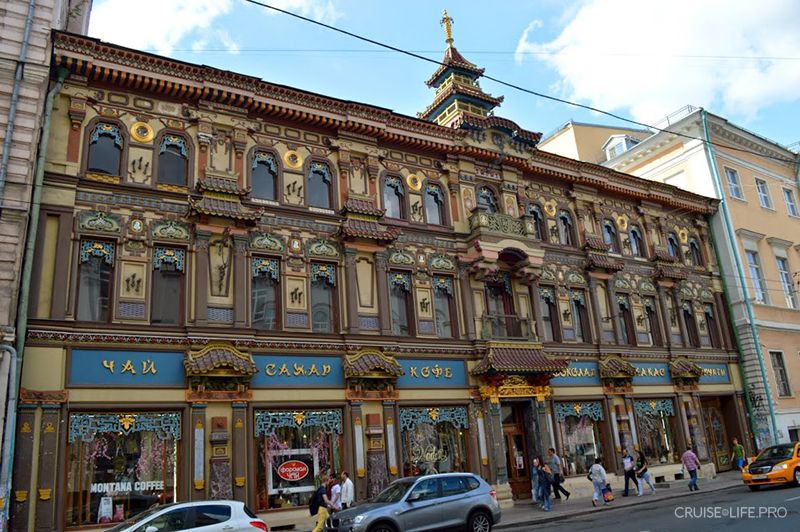
A pagoda house in Moscow or the Tea House was built for the founders of the Perlov Tea Company. The building is an architectural monument created in the late 19th century in the late Renaissance style. The pagoda house is one of the most beautiful structures in Moscow; it is often called a Chinese box and an architectural marvel. The work of architect Karl Gippius delighted all the residents of the capital. The use of colored plaster and numerous decorative ceramic details in the form of Chinese ornaments on all the walls gave the building a vibrant polychrome look. On the façade, the Perlov family coat of arms is installed-a tea bush on an azure shield with six natural pearls-pearls, not without reason: the surname of the tea-trading dynasty, the Perlovs!