Mormugao, Goa, India

Port of call

Mormugao, Goa, India

Cruises in Asia (Southeast Asia)

Description — Mormugao, Goa, India

Mormugao is the largest port in the state of Goa (India), located near the city of Vasco da Gama. Goa is situated in the southwest of India. It is the smallest state by area and one of the least densely populated. But its tourist popularity is simply incredible. Population - 1 457 723 people. The capital is Panaji. The largest city is Vasco da Gama. Vasco da Gama was the first European to set foot on Indian soil, reaching it by sea in 1498, and he died in Goa.

The area of Goa is just 3702 sq km; the north-to-south length is 105 km, and the maximum east-to-west width is 65 km. The coastline is 101 km long. A narrow coastal strip separates the sea from a mountainous plateau, which in the east transitions into the foothills of the Western Ghats. Goa’s coastline is indented by river estuaries, most of which originate in the Western Ghats.

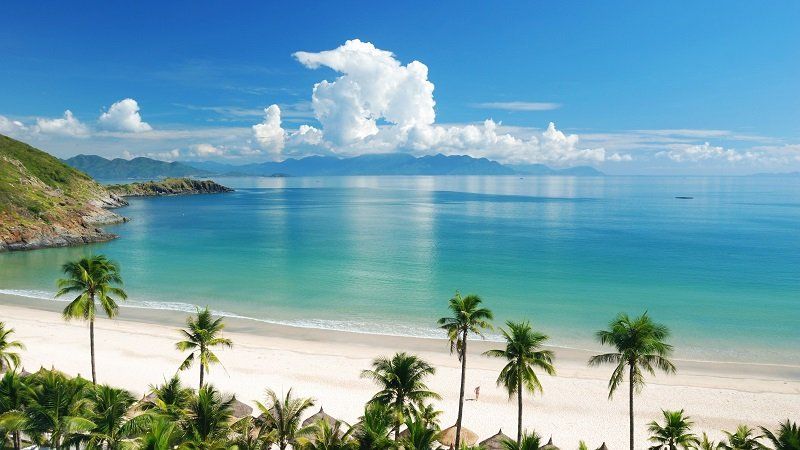
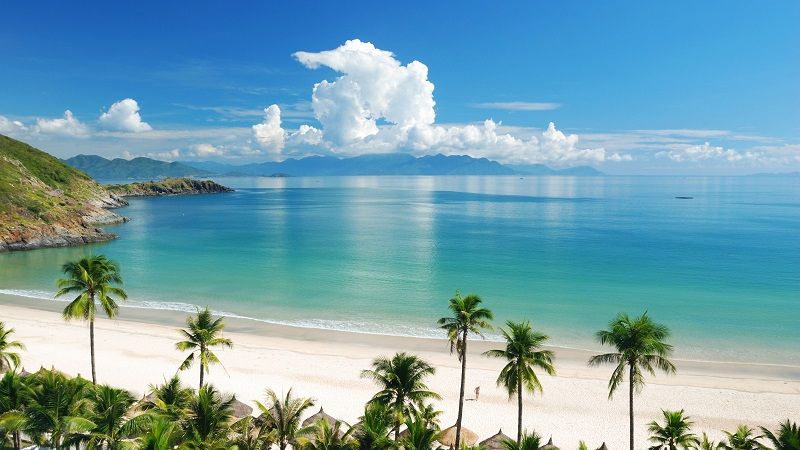
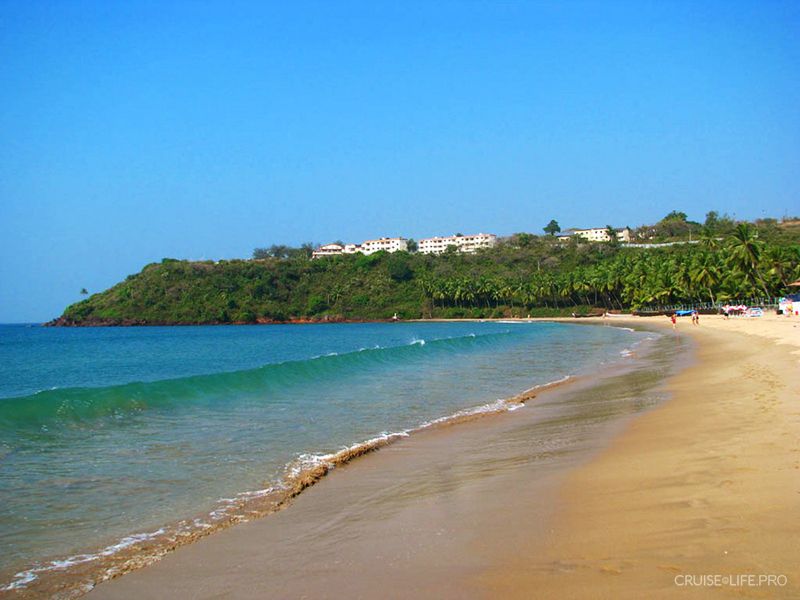
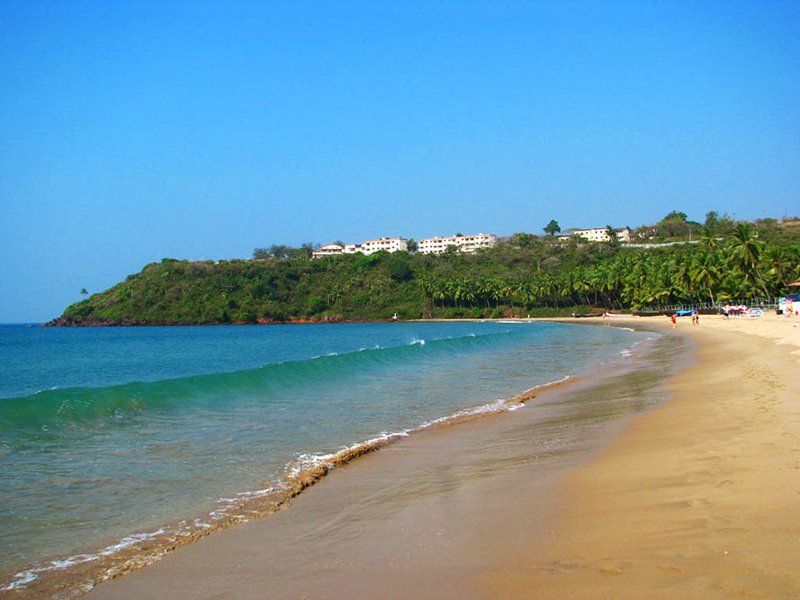
South Goa, where the sand on the beaches takes on hues from golden to snow-white, is respectable and relatively not cheap. The tourist infrastructure here is excellent: there are many restaurants and entertainment centers. Goa is famous not only for its beaches. The nature of the foothills of this amazing place is impressive in its variety: lakes, waterfalls, islands, palm groves, and mangrove thickets teeming with an enormous amount of exotic wildlife, and, of course, unique spice plantations. All of this is not the least reason why a vacation in Goa becomes a golden dream for tourists from different countries.

Mormugao Bay has no private beach of its own; instead, it offers stunning views of the large seaport and draws photographers and lovers of the past from all around with the old Portuguese fort and several Catholic temples.

Climate

Goa has a typical subtropical climate with a clearly defined dry and wet season. For half the year in the region (from May to October), hot and humid weather prevails. The highest temperatures are recorded in May; the average maximum is 33 °C, and even at that time the air humidity remains high (in March - 73 %).

The monsoon period starts in June and ends in September. During this time it gets cooler, with temperatures around 25-30 °C. The monsoon season is also characterized by the highest rainfall (in July - about 1000 mm; for comparison, in Moscow an average of 700 mm falls per year). The dry season in Goa lasts from mid-December to February. Day-to-night temperature fluctuations increase and amount to 10-15 °C. At night it is about 20 °C, during the day - about 31 °C. Precipitation during this period is extremely rare.

Location on the map

Sights

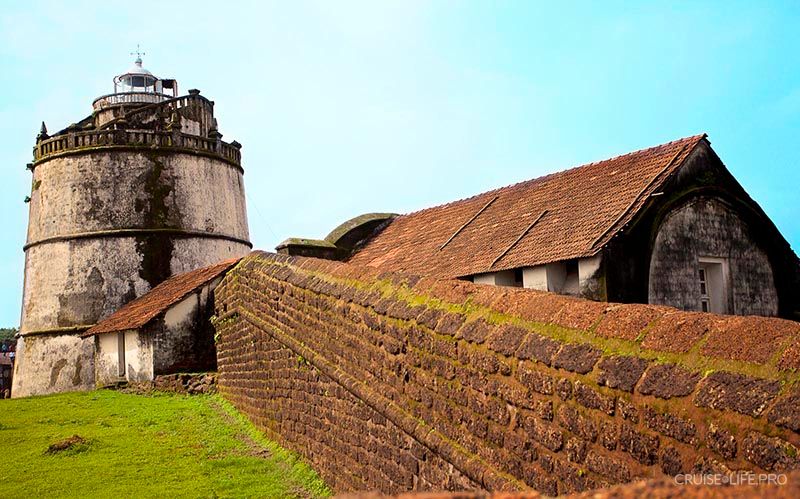
Fort Aguada

Fort Aguada

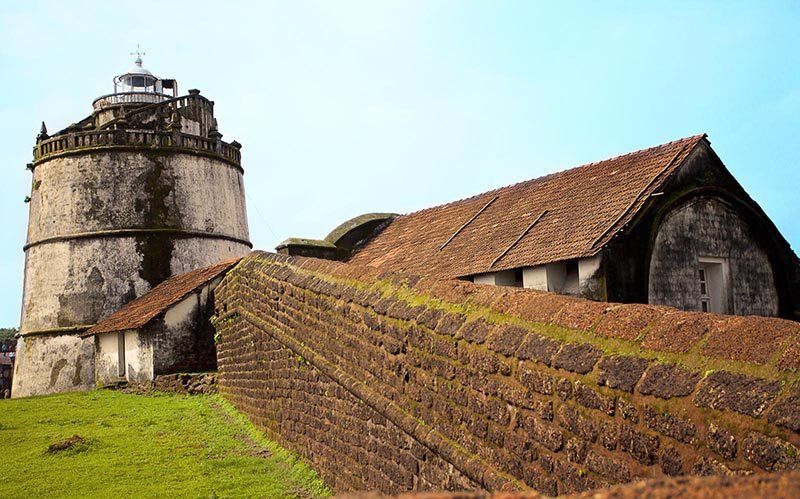
Fort Aguada, located on the outskirts of Candolim, is one of the best-preserved among Goa’s many Portuguese forts. Its red-stone ramparts plunge sheer into the sea, creating an impenetrable barrier at the entrance to the Mondovi River delta. Throughout its many centuries of history, Fort Aguada has never surrendered to an enemy, and today a significant part of its grounds is occupied by an operating prison. The rest is open to visitors. Nearby is Sinquerim Beach.
Basilica of Bom Jesus

Basilica of Bom Jesus

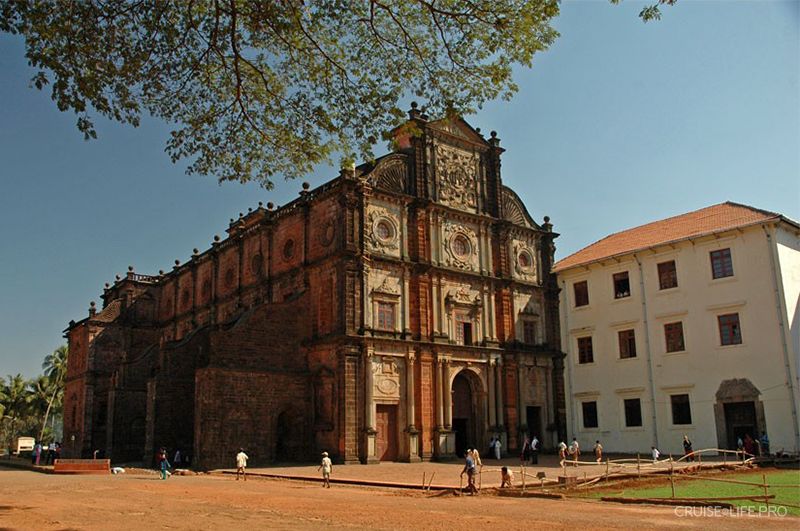
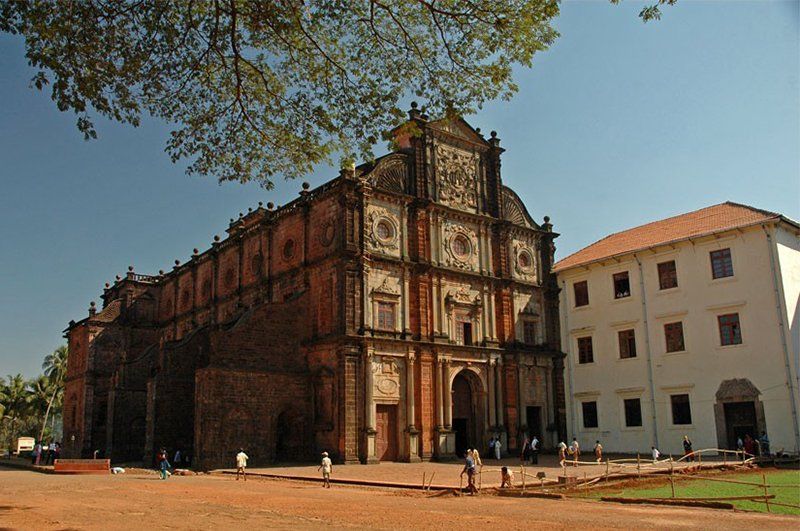
One of the most visited tourist attractions in Goa, the Basilica of Bom Jesus truly deserves its status as a UNESCO World Heritage Site. Here, the remains of Saint Francis Xavier, the Portuguese missionary, are kept. “Bom Jesus” is a term most often used in reference to the Infant Jesus. It can be translated as “good, holy Jesus.” The church was consecrated and opened in 1605. The building’s architecture is a wonderful example of the Baroque style. The Basilica of Bom Jesus is one of the most richly decorated churches in Goa. The church interior is both beautiful and refined. The floor of white marble is inlaid with semi-precious stones. The basilica’s altar is adorned with intricate carvings and gold plating. In a silver reliquary, the body of Saint Francis is kept.
What to see

Beaches of South Goa

Beaches of South Goa

Bogmalo Beach - very touristic. Excellent sandy shoreline surrounded by palm groves, complete infrastructure with a recently reopened diving school, and new beach equipment. Seafood in local little restaurants is arguably the best along the entire Goan coastline. The sand at Majorda is not snow-white, but the surroundings are so picturesque that they more than make up for this drawback. During low tide, the ocean leaves crabs, sea stars, sea urchins, trepangs, and many other sea dwellers on the sandy shore of Majorda Beach. Colva Beach - the heart of the touristic south of Goa. Today, Colva offers hotels and restaurants to suit every taste and budget. Colva’s busyness is deceptive-just move a little away from the center of the beach and you can come across completely secluded spots.

Kotiagao Nature Reserve

Kotiagao Nature Reserve

Cotigao is the second-largest wildlife sanctuary in Goa and the most accessible in terms of location. A visit to Cotigao is recommended for those who want to see multi-tiered jungles and rare plants. You can stroll through the sanctuary grounds along eight well-kept trails ranging from 500 to 5000 meters. There are two forest lookout towers in the sanctuary, located 6 and 9 kilometers from the entrance. On one of the trees, there is a small cottage that can be reached via a very steep staircase 20 meters high. From there, you can enjoy a view of the watering hole, and this is one of the ways to see wild animals in their natural habitat. Of course, there have long been no tigers or leopards here, but you may well spot buffalo, bears, gazelles, panthers, porcupines, and hyenas.

Market in Mapusa

Market in Mapusa

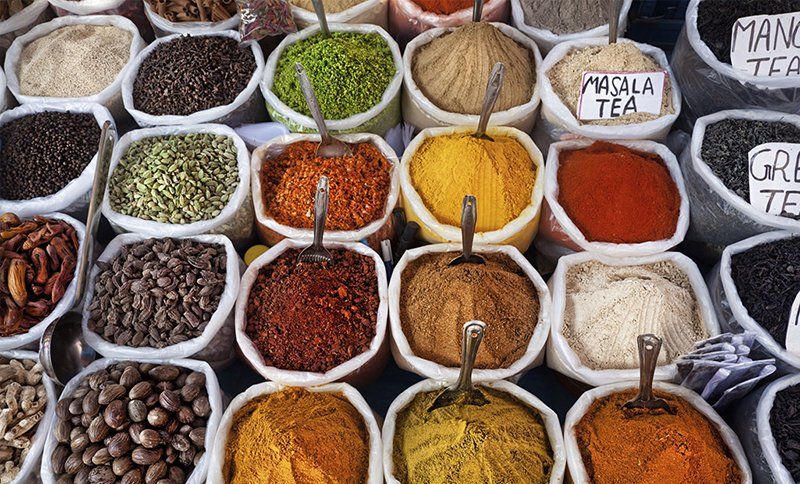
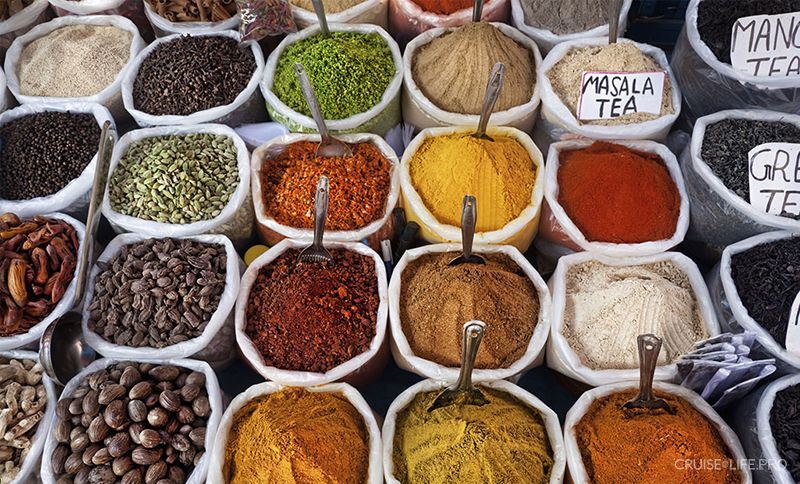
In Mapusa, tourists and locals traditionally come in real crowds. It’s all because of the Friday market, which covers the whole city, turning every lane into a colorful shopping area where you can buy practically anything. A trip to the market is an unforgettable event. This incredibly colorful spectacle is not only due to the huge variety of goods, but also because of the well-dressed women wearing bright, multicolored saris in honor of the fair. Here you can buy all kinds of fruits and the famous giant Moira bananas, spices with aromas that can make your head spin if you’re not used to them, elegant painted ceramic pottery, bright vibrant fabrics, and much, much more.

The Abandoned City of Hampi

The Abandoned City of Hampi

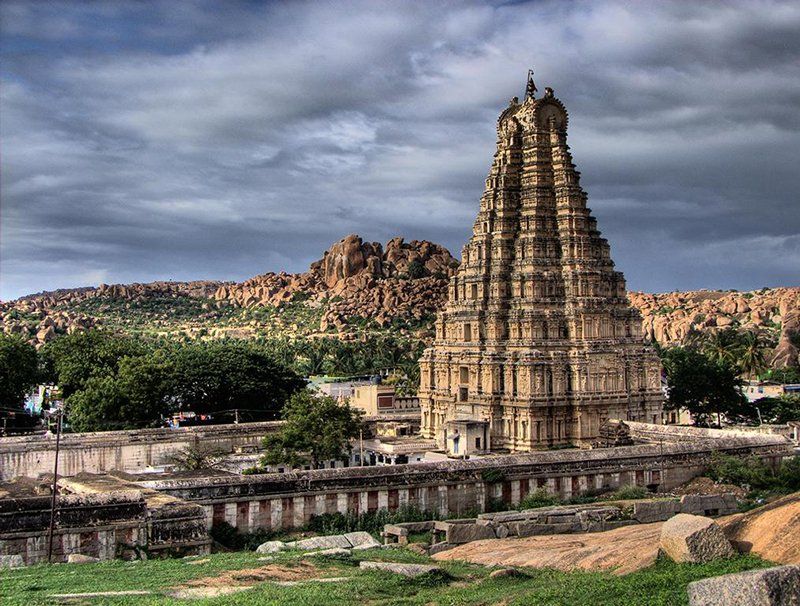
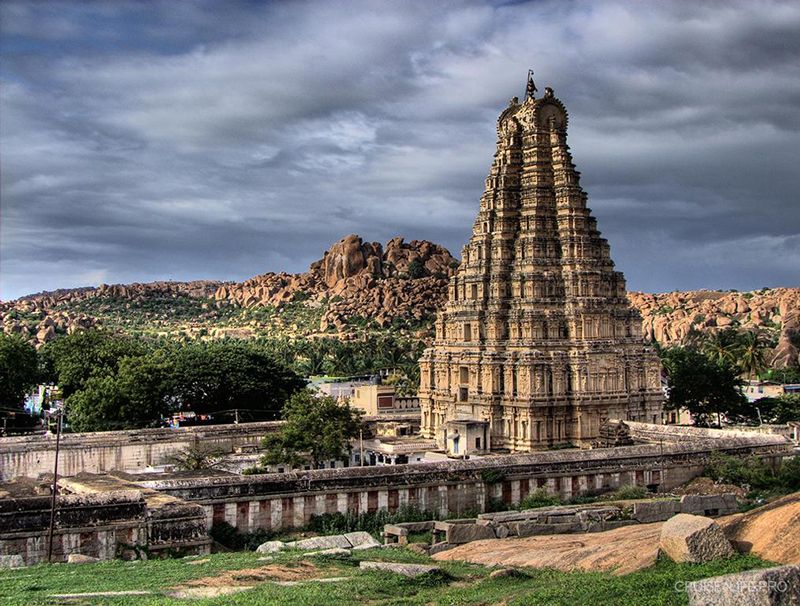
The architectural complex “Monuments of Hampi” is listed as a UNESCO World Heritage Site. These ruins are all that remains of Vijayanagara, the former capital of the Vijayanagara Empire. Hampi village is recognized among Hindus as a religious center thanks to the Virupaksha temple, which is still in operation today. The architectural and sculptural forms of Hampi are mentioned in the “Ramayana.” Many of the events described in the epic took place in these very places. Most of the buildings of Hampi were built by Krishnadeva Raya during the period from 1509 to 1529. The temples, colonnades, gopuras, and giant sculptures of Hampi will surely amaze your imagination.

Recommended excursions

The Charm of Old Goa

The Charm of Old Goa

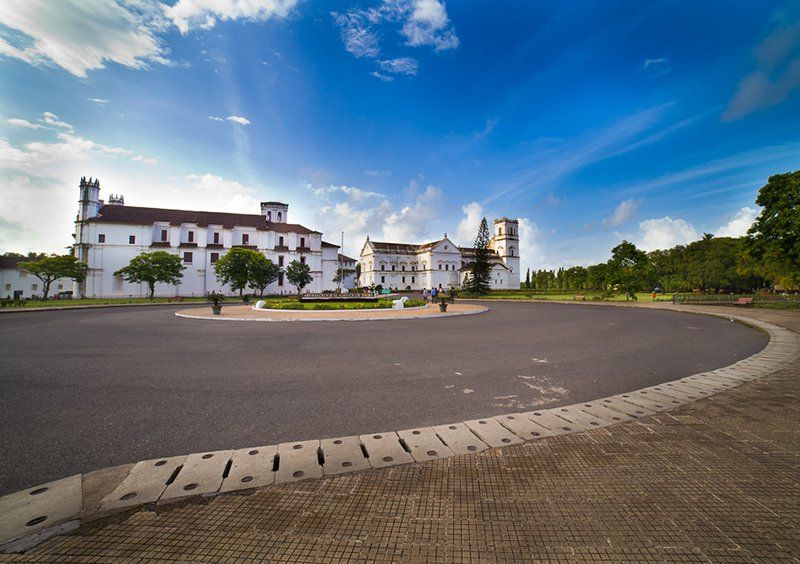
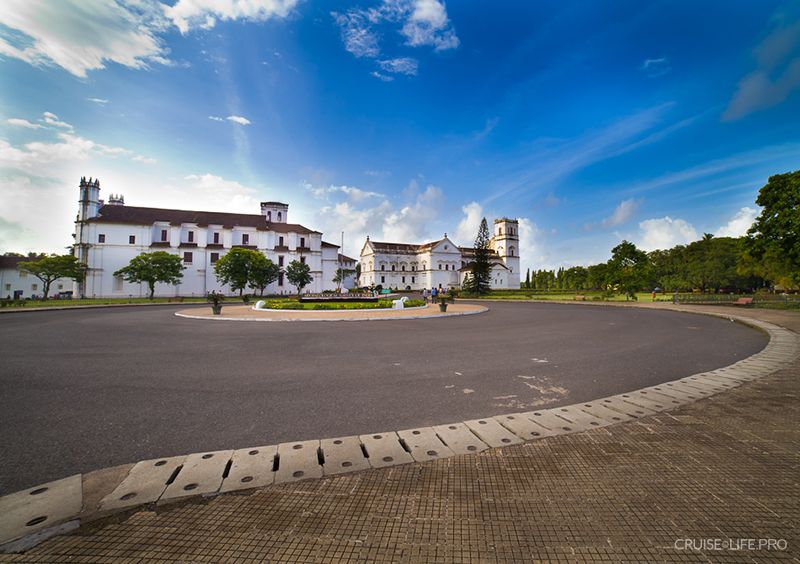
The beauty of Goa lies not only in its sand, sunshine and waves, but also in magnificent churches and unusual temples. North of the city of Ponda, near the village of Priol, there is the Shiva Mangeshi Temple, one of the largest and most visited temples in Goa. Behind the temple, beyond a wall of dense forest, stands another well-known temple - the Shri Shantadurga Temple. After visiting the Indian temples, you will travel to Old Goa to visit the Basilica of Bom Jesus. This is where, in a silver reliquary, the remains of Saint Francis Xavier are kept. Next, you will visit the Se Cathedral, which is one of the largest churches in Goa. The vaulted interior impresses visitors with its grandeur. The cathedral has 5 domes, among which is the famous Golden Dome.

Dudhsagar Waterfall

Dudhsagar Waterfall

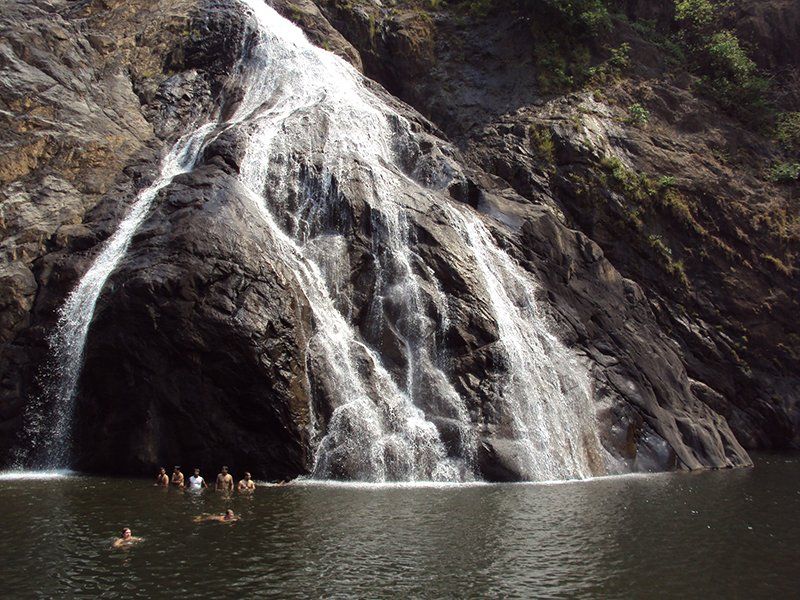
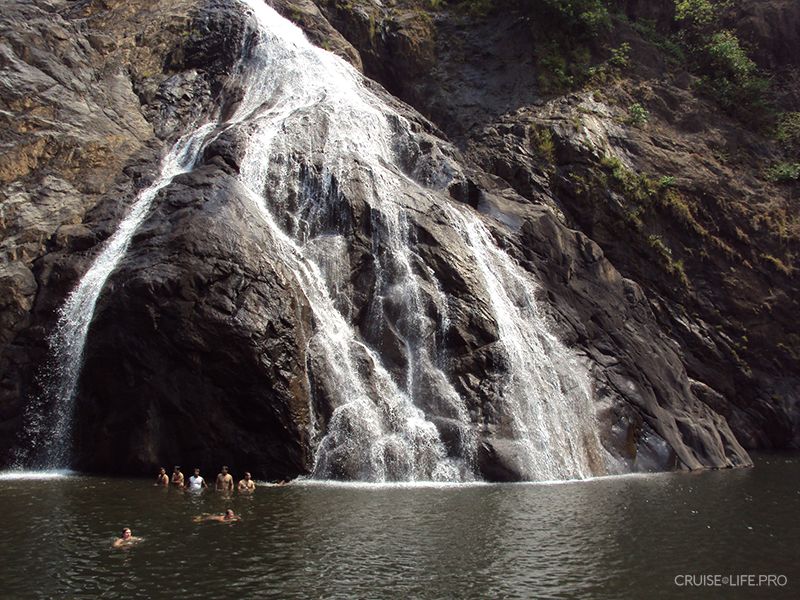
You will visit the highest waterfall in the Indian jungles. The route to the waterfall leads through remote villages of Goa, past rice fields and swaying palms to the foothills of the Western Ghats. At the reserve, you will go on a jeep safari through the jungle to the waterfalls. Here you’ll be treated to fantastic scenery, boulders and bridges made from stacked logs. At the waterfall, you will be able to swim, sunbathe on the rocks, or relax in the shade of the trees. The program will continue with a visit to a spice plantation, where you will be welcomed in an Indian traditional manner, be told about the plants grown here and have a delicious lunch served on a banana leaf.

For a more detailed list of excursions and their prices, you can check it after booking the cruise in your “Client Personal Account”.