MIYAZAKI, KYUSHU (ISLAND), Japan

Port of call

MIYAZAKI, KYUSHU (ISLAND), Japan

Description — MIYAZAKI, KYUSHU (ISLAND), Japan

Miyazaki is a central city in Japan and the administrative center of the eponymous prefecture. The city covers an area of 644.61 sq. km and has a population of 402 494 people (2014). The city was founded in 1924, formed by merging Miyazaki town, Oyodo town, and Omaiyamura village into one city.

The administrative center of Miyazaki is not only the largest city in the south of Kyushu, but also an important religious center. There are many temples here connected with the myth of Japan’s birth.

Miyazaki Prefecture is located in the southeastern part of Kyushu, facing the Hyuga Sea in the east toward the Pacific Ocean, and surrounded by mountains on the other sides. In the northwestern part, which borders Oita and Kumamoto prefectures, the mountains of Kyushu are located, while in the southern part, bordering Kagoshima Prefecture, the Kirishima and Vanitsuka mountains stretch out.

With one of the warmest climates among Japan’s main islands, Miyazaki attracts guests all year round. In addition to architectural attractions, the region is known for its amazing nature. The beautiful Nitinan coastline, which faces the Pacific Ocean, is famous for its pockets of untouched nature-for example, Aoshima and Toi Cape.

Climate

Mountain ranges protect the prefecture from winter winds, and the climate in Miyazaki remains very mild thanks to the additional influence of the warm Pacific Current. Average January temperature is +10 °C, and the average July temperature is +26 °C. In winter, during the monsoons, sharp temperature fluctuations are not uncommon; typhoons are frequent.

Location on the map

Sights

Miyadzak i Shrine

Miyadzak i Shrine

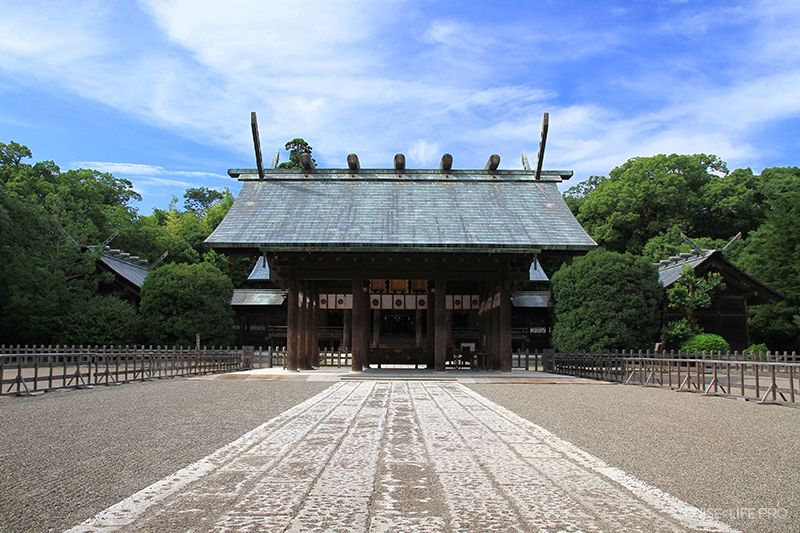
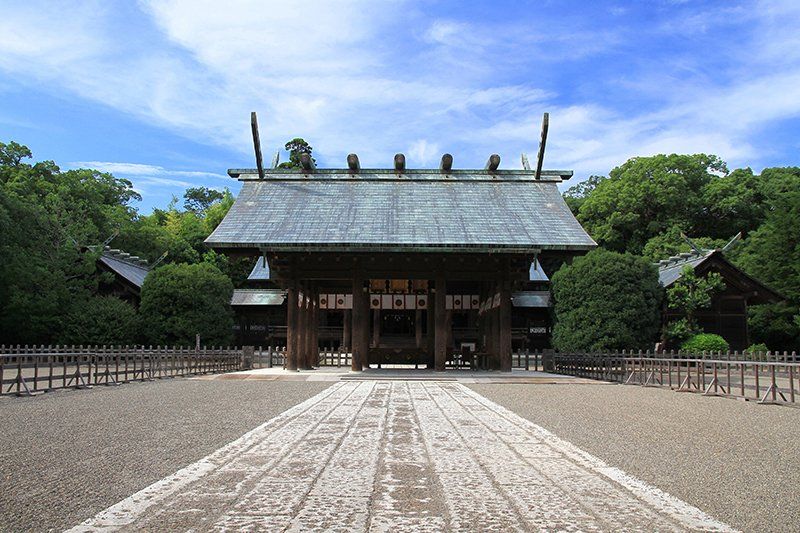
The Miyajaki-jingu Shrine is dedicated to the memory of the legendary Jimmu, the founder of Japan’s imperial dynasty and a direct descendant of the Sun Goddess, as well as to his parents-his father, Ugayafuki-aezu-no Mikoto, and his mother, Tamayorihime-no Mikoto. Of course, this temple is under the direct patronage of the Imperial House, as evidenced by the imperial crests-images of chrysanthemums with 16 petals-applied to the gates, walls, and fences. According to legends, the site chosen for the shrine was where, at one time, Emperor Jimmu’s palace stood. However, what’s of interest to tourists is not only the shrine’s mythology, but also the museum located on its grounds, devoted to the history of World War II.
SADDHANIVA

SADDHANIVA

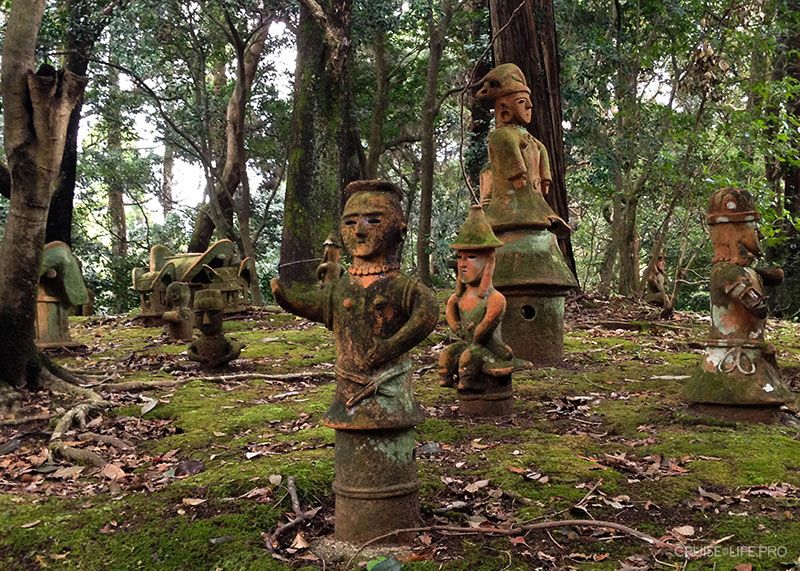
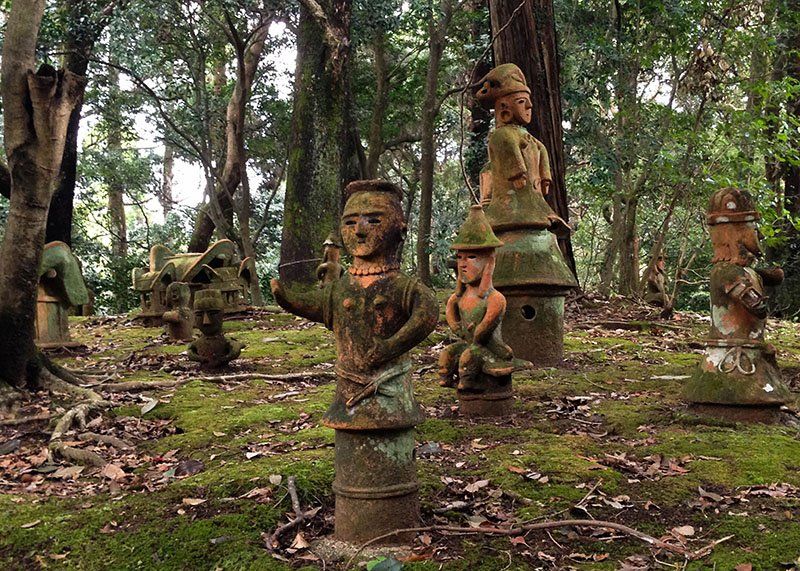
There are many relics in Miyazaki connected with the history of the country. For example, a park of haniwa figurines. During the Kofun period (300-710), these terracotta figures were often used to decorate the tombs of emperors and important statesmen. But besides the aesthetic purpose, they also played an important symbolic role. In ancient times, when Japanese leaders died, they were often buried together with their wives, closest associates, and servants. Later, this barbaric custom was abandoned, and the task of serving those who had gone to the other world was entrusted to haniwa-small clay-crafted images of warriors, women, livestock, etc.
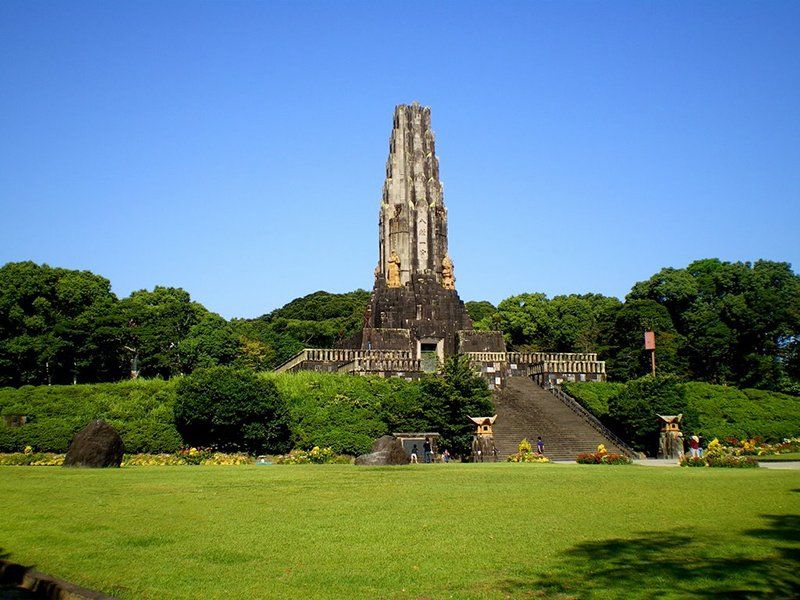
Tower of the World

Tower of the World

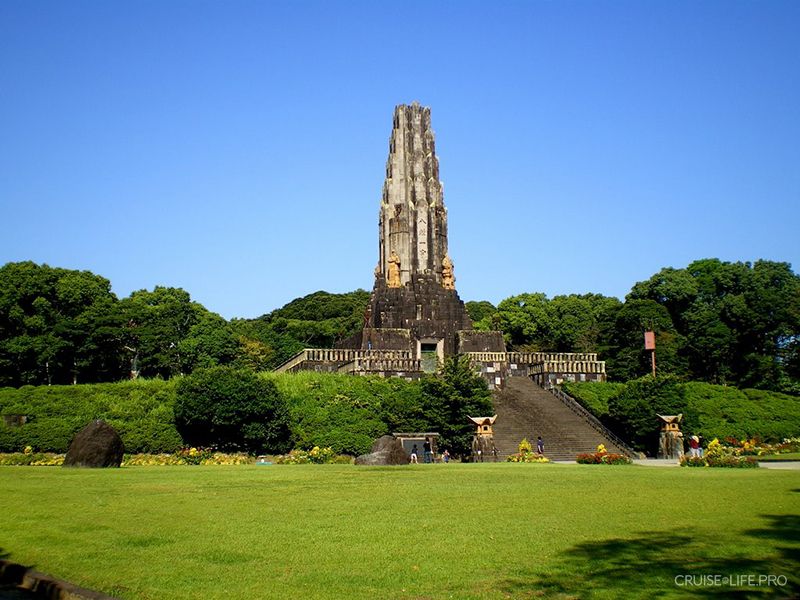
Heiwa-dai Park (Tower of Peace Park) was built in 1940 to commemorate the 2600th anniversary of Emperor Jimmu. The 37-meter Peace Tower (Heiwa-dai-no-to), made from stones sent by Japanese living in other Asian countries, is the most recognizable landmark of Miyazaki. The tower was erected on the site where, allegedly, the palace of the mythical emperor once stood. The original idea of Heiwa-dai-no-to Hakkō ichi-u (“eight cords of a crown under one roof”) had nothing to do with the symbol of peace. This is a Japanese political slogan from the Shōwa period, attributed to a saying of Emperor Jimmu, and expressed in Prime Minister Fumimaro Konoe’s speech on 8 January 1940; it helped popularize Japan’s imperial ambitions and its claims to dominance in the Asian world.
What to see

Aoshima Island

Aoshima Island

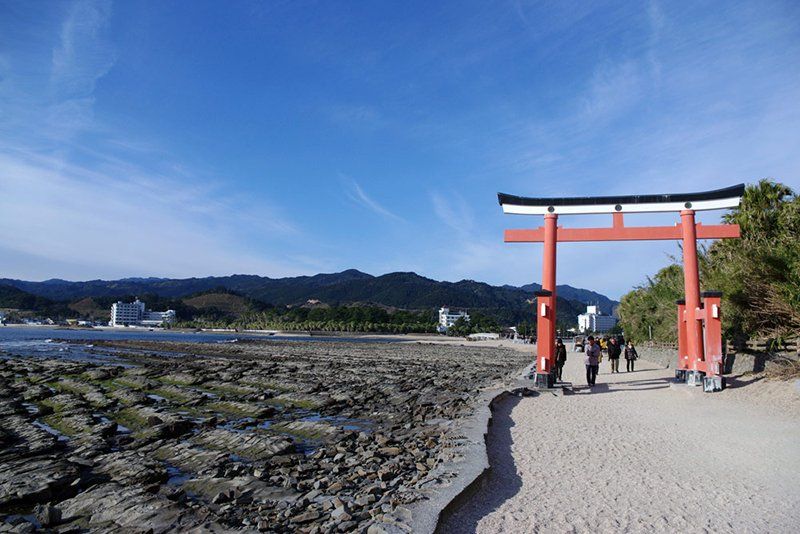
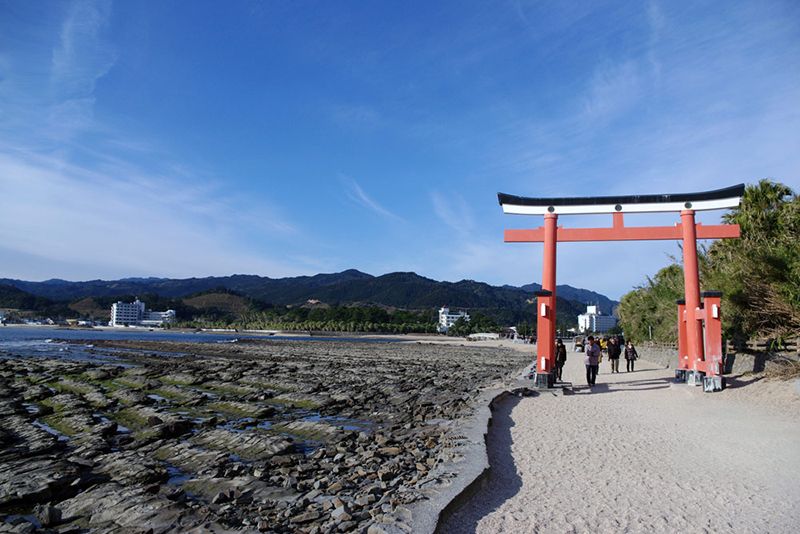
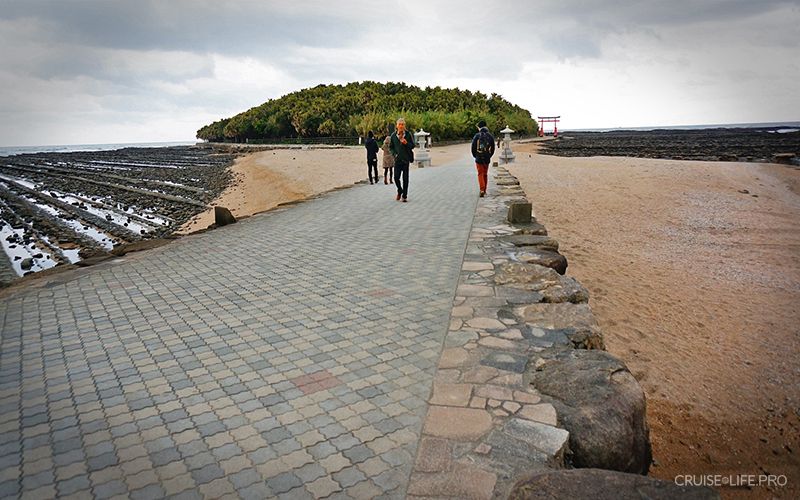
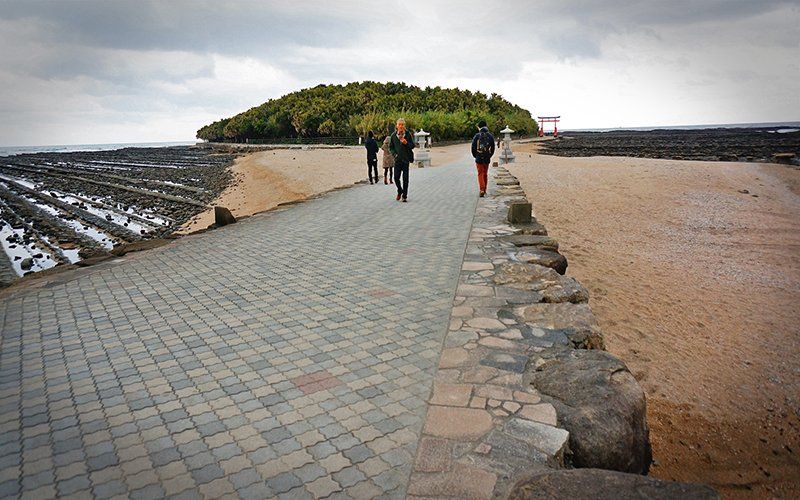
Aošima Island - a small, beautiful island on the coast south of the city of Miyazaki. In the middle of the island lie subtropical jungles, while along the coastline there are white beaches. On the island there is a colorful shrine of Aošima, which, according to legend, brings good luck to married couples. The shallows around the island are a geological phenomenon and are called “the Devil’s Washboard” - amazing natural basalt formations are sure to impress. This island should not be confused with another island of the same name in Ehime Prefecture, famous for its cats!

Udo Jingu Shrine

Udo Jingu Shrine

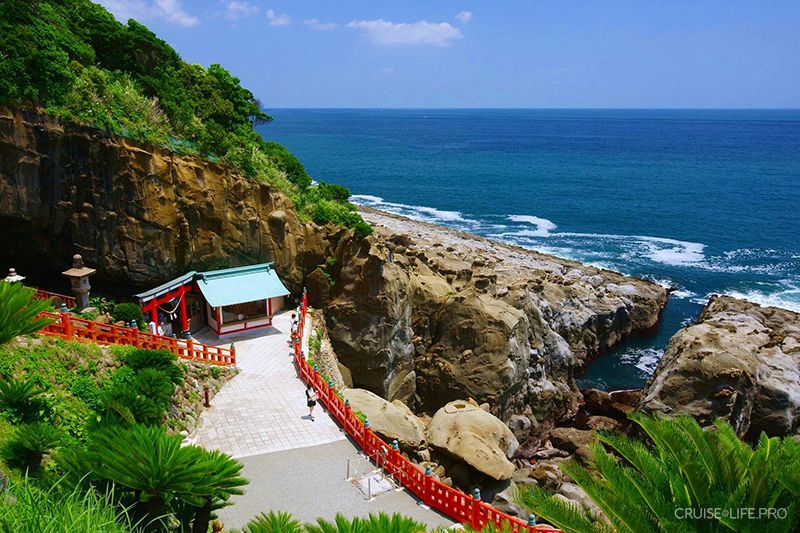
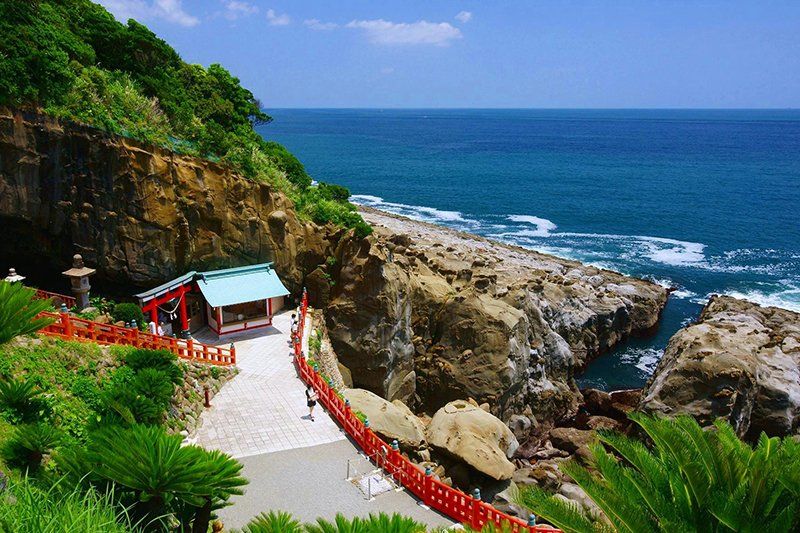
The main sanctuary is located inside a large cave, which you need to reach first by walking along a path that runs along the shore, and then by descending a staircase. At the foot of the cliff, in front of the entrance to the sanctuary, there is a large stone shaped like a turtle. Try throwing five ceramic “lucky balls” one at a time, aiming to land them in the opening in this stone, which is also known as the “Turtle Stone,” and make a wish. They say that if you hit the opening, your wish will come true. Men should throw the balls with their left hand, and women-with their right. It is believed that the Udo Shrine brings good luck in marriage, pregnancy, and childbirth. Deep inside the sanctuary pavilion, there is the Otiti-iwa stone, which you touch to receive a blessing.

Takachiho Caves

Takachiho Caves

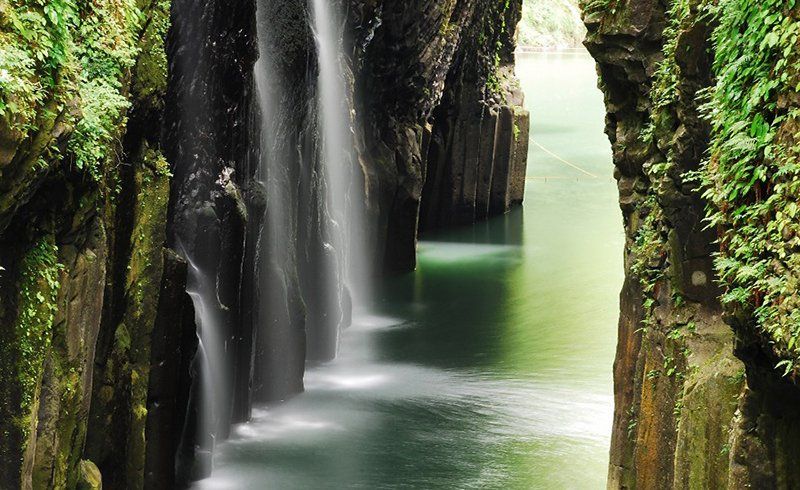
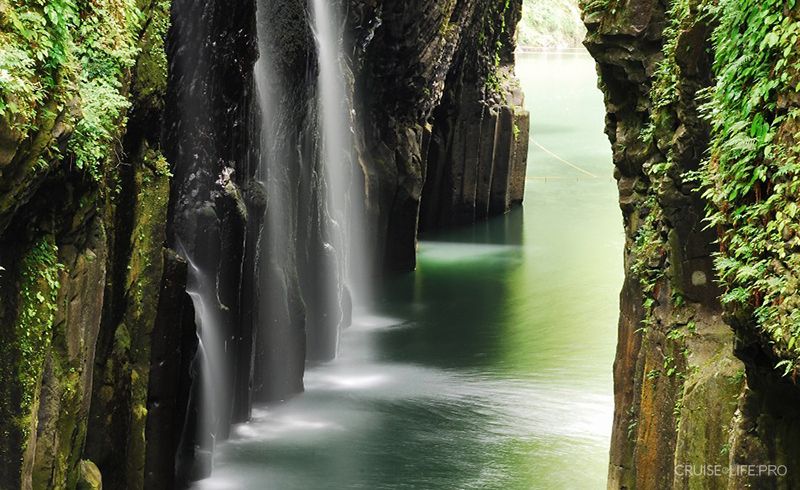
Takachiho Caves are located in the Takachiho Gorge, which lies in the central part of Kyushu Island’s mountain range. The gorge stretches for five kilometers and runs along the Gokasegawa River. The most famous cave is Amano Yasugawara. According to a Japanese legend, the gods gathered near it to find a way to lure the sun goddess Amaterasu out of the cave where she had taken refuge, plunging everyone into darkness. The site is considered sacred to every Japanese person who worships the ancient Japanese pantheon of gods: numerous pilgrimages are made here. In the gorge area, breathtaking views open up, and the fairy-tale nature captivates you at first sight. Notably, in ancient times these places were called “the Land That Faces the Sun.”

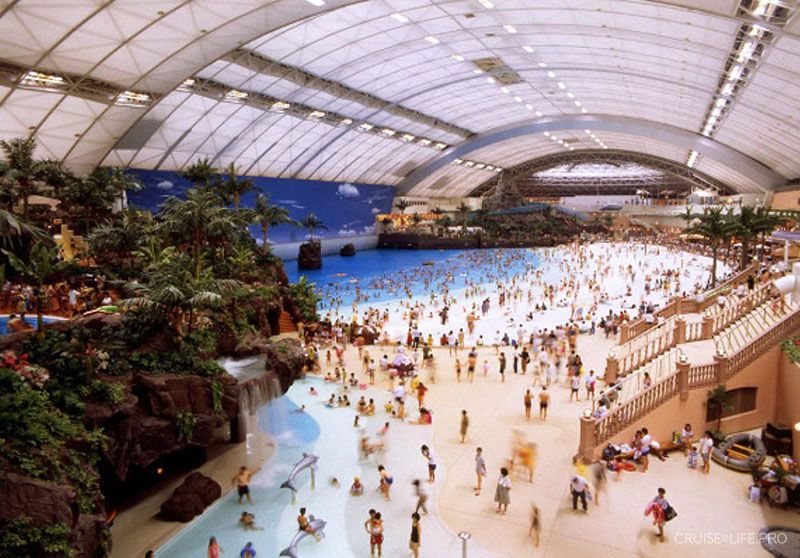
Artificial Beach in Shigaya

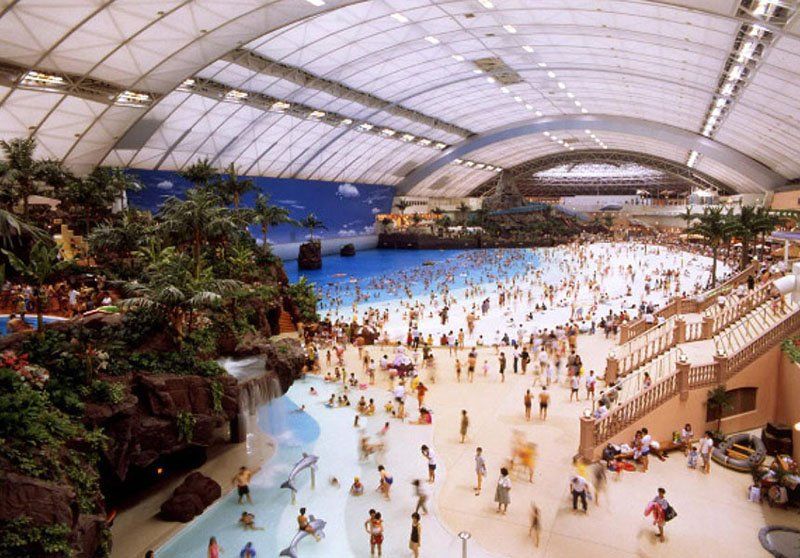
Artificial Beach in Shigaya

Recommended excursions

City sightseeing tour

City sightseeing tour

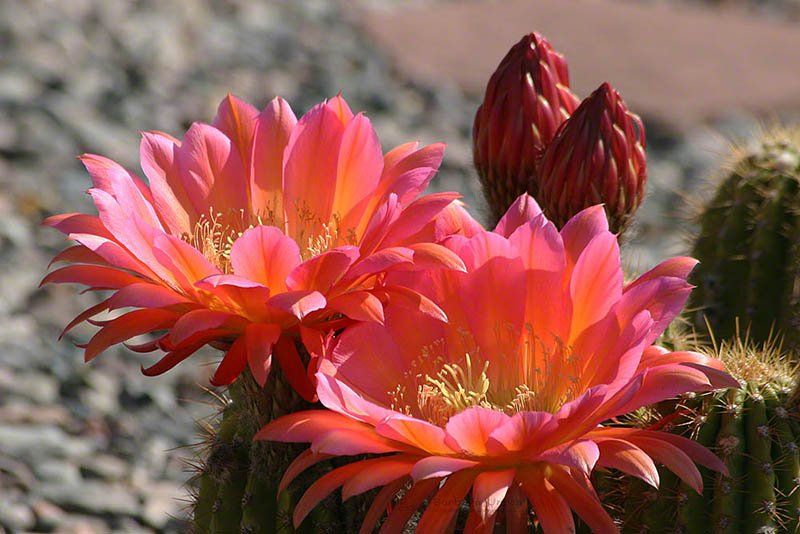
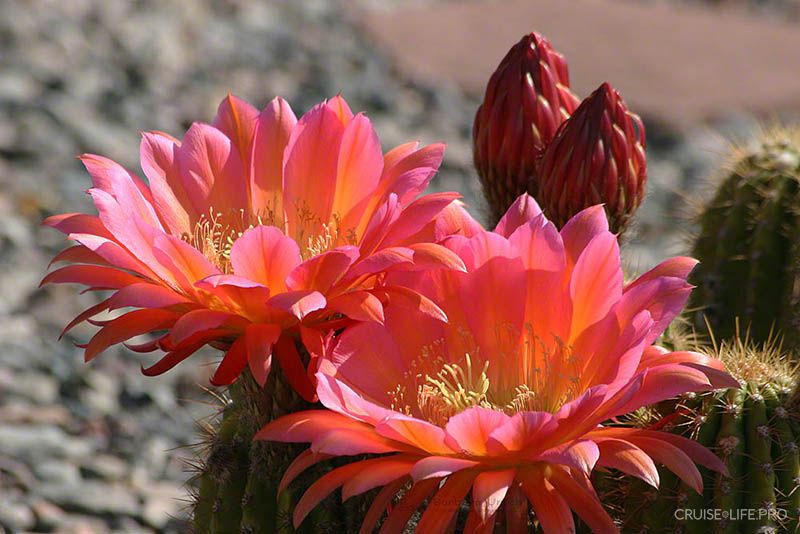
The tour will begin at the main sanctuary of Miyazaki Jingu. Next, you will head to the park of haniva clay figures-unique miniature sculptures discovered in ancient burial mounds. You will see the Tower of the World, a 37-meter-tall structure built from stones gathered from all over the world, learn about the tower’s strange acoustic effect, and even be able to hear it. Finally, the last stop on the tour will be natural attractions-Aoshima Island, famous for its unique geological formations-the “devil’s washboard”-and a cactus garden featuring more than one million plants. Here you can try cactus ice cream and other equally exotic dishes made with this plant. The tour will end in the city center, which attracts tourists with wide boulevards, colorful shopping centers, and a lively entertainment district.

You can find a more detailed list of excursions and their prices after booking your cruise in your “Client Personal Account”.

Cruises calling at this port

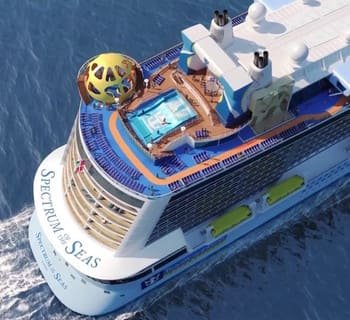
Spectrum of the Seas
Royal Caribbean International
Spectrum of the Seas
Asia
11.01.2027 · 8 nights Port of departure: Tokyo, Japan ALL (NO DRINKS)

Tokyo, Japan, Kyoto (Osaka), Japan, Kyoto (Osaka), Japan, Aburatsu, Miyazaki, Japan, Kagoshima, Japan, At Sea, Taipei (Keelung), Taiwan, China, At Sea, Hong Kong, China

Press "Details" button to see an actual price. Price per cabin.

Details