Melaka, Malaysia

Port of call

Melaka, Malaysia

Cruises in Asia (Southeast Asia)

Description — Melaka, Malaysia

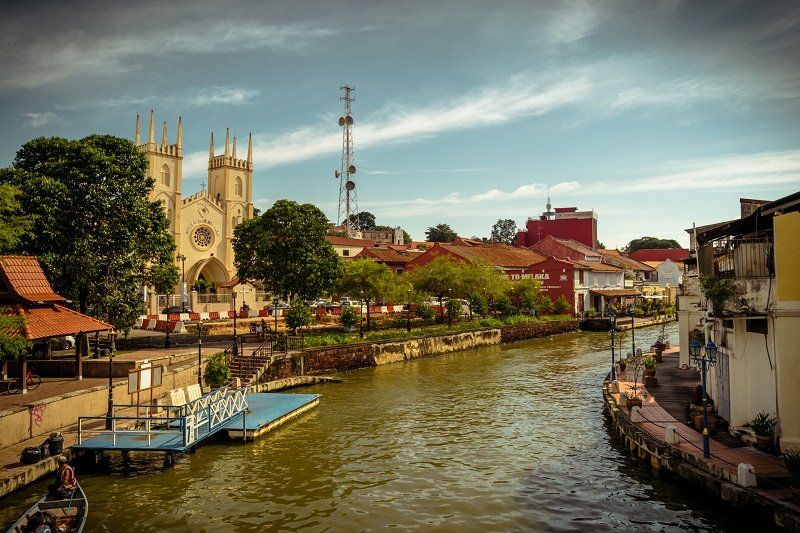
Malacca is a city in Malaysia in the south of the Malay Peninsula. It is the capital of the state of Malacca. It is located on the coast of the Strait of Malacca, at the mouth of the eponymous river.

Malacca was founded by Parameswara, a prince who fled from the island of Sumatra, around the year 1400. A well-sheltered, navigable harbor and a favorable location in the middle of the Strait of Malacca between China and India contributed to the active development of maritime trade. The city grew rapidly, and after 50 years it became a rich and influential center of international trade with a population of over 50,000 people. The adoption by the Sultans of Malacca of Islam as the official religion attracted Arab traders and further promoted trade. In the first decade of the 16th century, Malacca’s harbor was full of sails and masts of ships from all over the world. The city became a trading hub for silk and porcelain from China, textiles from India, nutmeg and spices from the Maluku Islands, gold and pepper from the island of Sumatra, camphor wood from Borneo, sandalwood from Timor, and tin from Western Malaysia. This was the city’s Golden Age. In the 19th century, due to siltation of the mouth of the Malacca River, the city’s former trading importance was overtaken by Singapore.

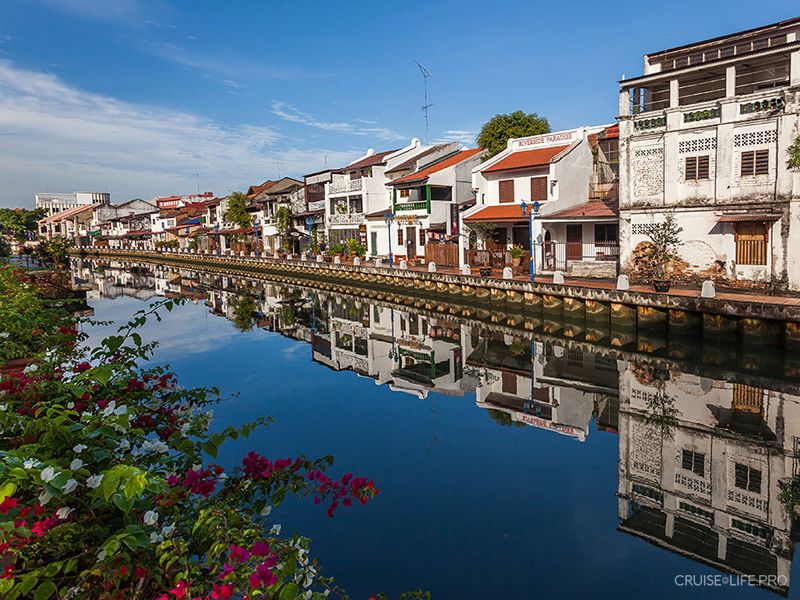
The city’s main attraction lies in its rich historical and cultural heritage inherited from the Portuguese, the Dutch, and the British. In July 2008, it was added to the UNESCO World Heritage List.

Climate

Equatorial climate prevails in Malacca, characterized by fairly high temperatures and no clearly defined seasons. Thanks to this, it seems that summer is always in the city. During the day, the air temperature is usually +30...+34 °C, and at night around +28 °C. Rainfall here is typically a little lower than in other parts of Malaysia. Short, frequent showers most often occur in the evenings, after the hottest and most humid days, although heavy downpours are sometimes possible. In general, you can visit Malacca at any time.

Location on the map

Sights

Temple of the Green Cloud

Temple of the Green Cloud

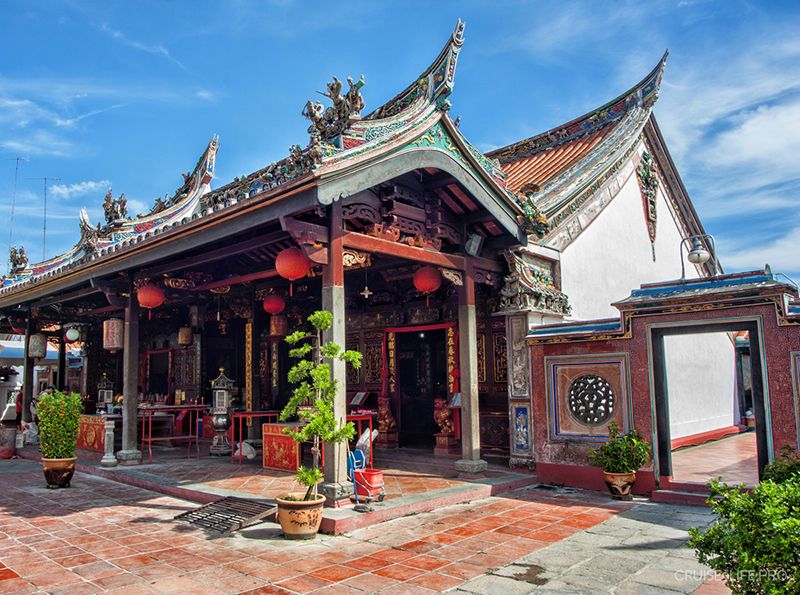
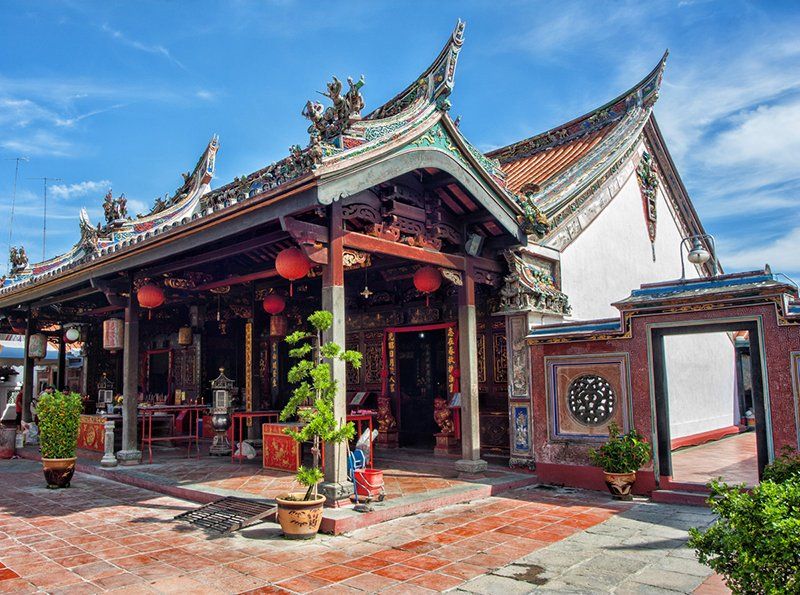
Cheng Hoon Teng temple («Temple of the Green Cloud») is the oldest functioning temple in Malaysia. It is among the most significant architectural landmarks of Southeast Asia. Built by Chinese immigrants in 1645, over time it was expanded, and today it consists of a complex of prayer halls. The temple was restored in 2005, and today this magnificent example of South Chinese architecture, with its beautiful curved roof, intriguing design of the gable triangles, engraved beams, magnificent gilded furnishings, and figures of deities, continues to amaze visitors.
St. Paul’s Church

St. Paul’s Church

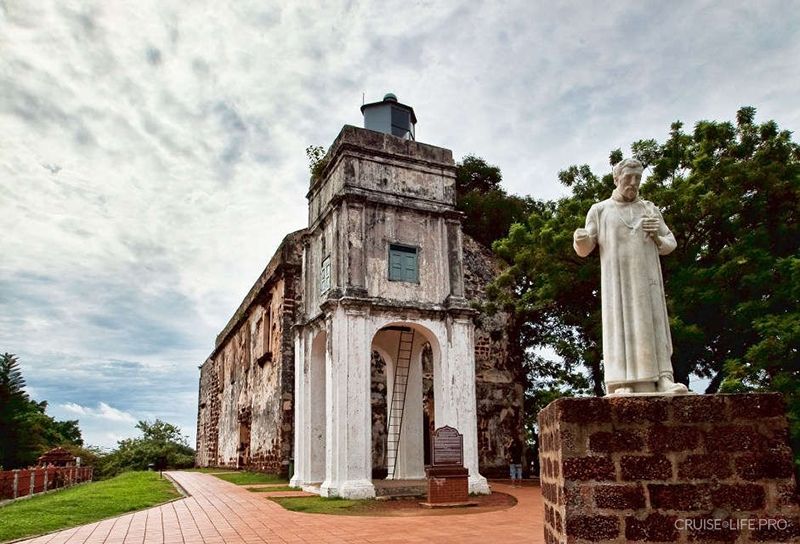
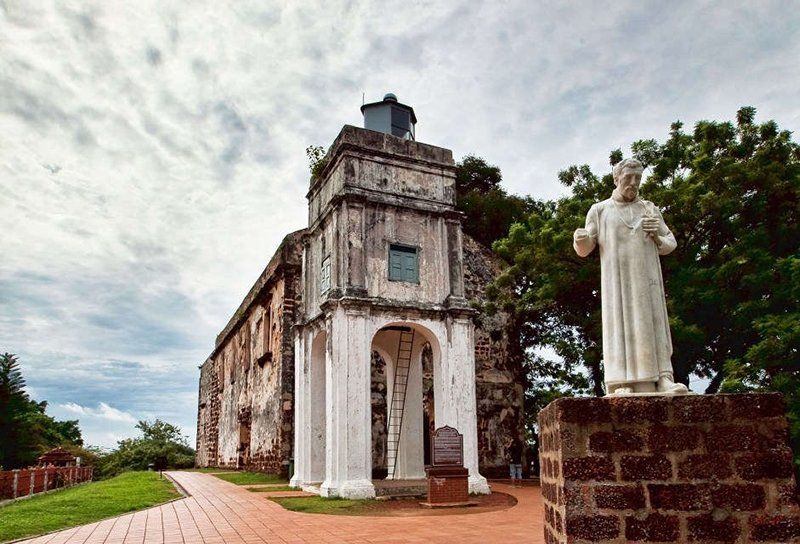
St. Paul’s Church was built by the Portuguese in 1521 on the hilltop of St. Paul, with the subsequent completion of a second floor and the bell tower. The activities of one of the most successful Christian missionaries, St. Francis Xavier, are closely connected with this church. In 1548, he established the St. Paul’s College in the church building. This was perhaps the first school in the modern sense of the word, created on the Malay Peninsula. In 1952, a statue of St. Francis Xavier was installed in front of the ruins of the church. Interestingly, the day after the statue was consecrated, a large tree fell and broke off its right arm: the right arm, with which Xavier blessed and baptized the faithful, was severed in 1614 and is kept today in the Roman Jesuit church of Gesu.
Fort Famosa

Fort Famosa

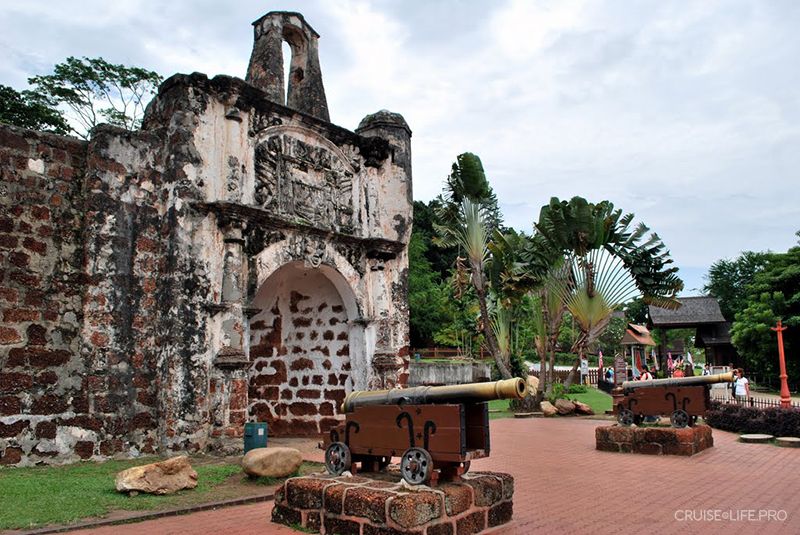
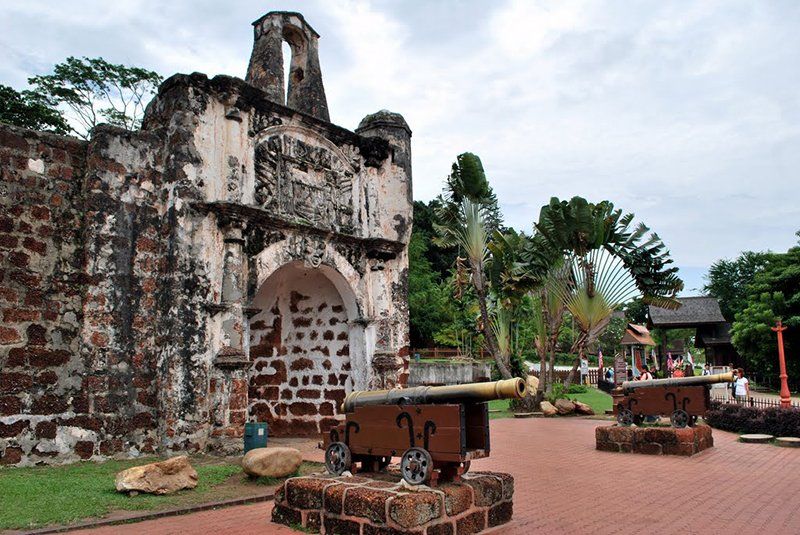
After capturing Malacca in 1511, the Portuguese immediately began construction of «A'Famosa Fort» (translated from Portuguese as «the famous fort»). For 130 years, the fort successfully defended Portuguese possessions on the Malay Peninsula. Within the fort’s walls were residential buildings, food stores and warehouses, a castle, an assembly square, and churches. A six-month siege by the Dutch almost destroyed the entire fort, but the Dutch later rebuilt it. Later, Malacca passed to the British, and after the Napoleonic Wars-before Malacca returned back under Dutch control-they decided to demolish the fort. Thomas Stamford Raffles, who was keenly interested in history, stepped in and managed to prevent the destruction of a part of the fort.
Selat Melaka Mosque

Selat Melaka Mosque

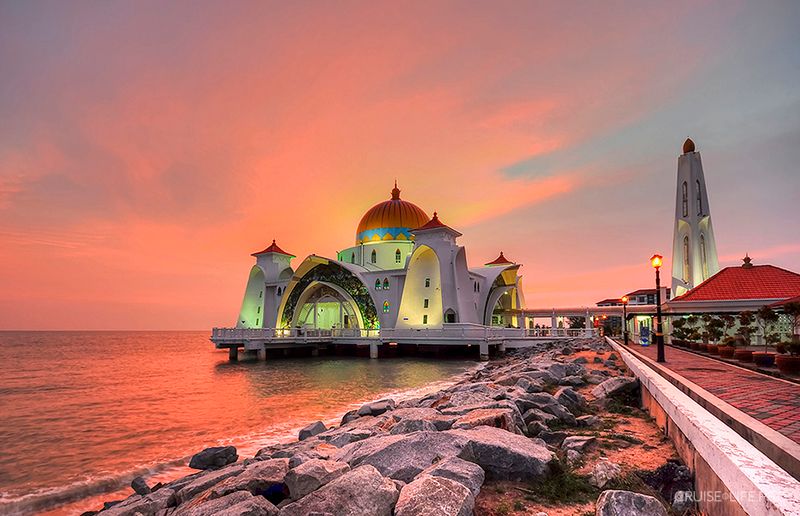
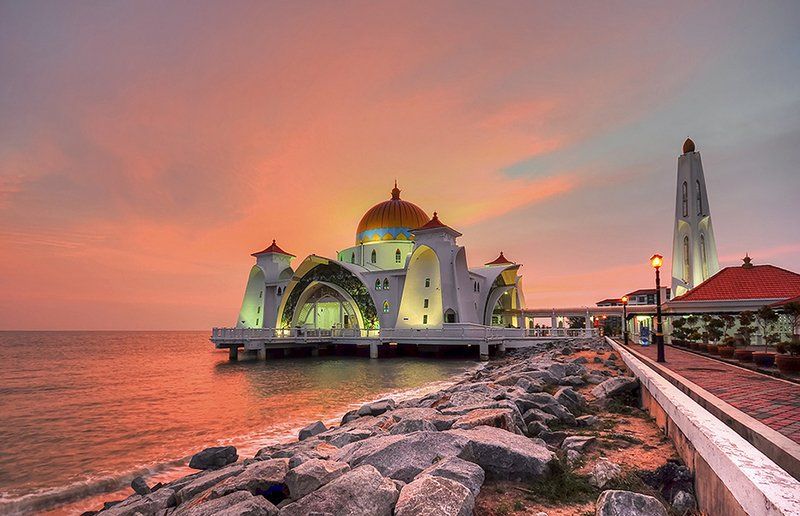
Selat Melaka Mosque is a modern mosque in the city of Malacca, Malaysia. The mosque’s architecture combines national artistic motifs of the Malays with the peoples of the Middle East. The structure stands on an artificially created island of Pulau Melaka and occupies about 2 hectares of area. During high tides, the water level rises to the building’s foundation, creating the impression that the mosque stands right on the water. In addition to its religious purpose, the mosque has already been granted the status of one of the main attractions in the city of Malacca.
What to see

Chinatown

Chinatown

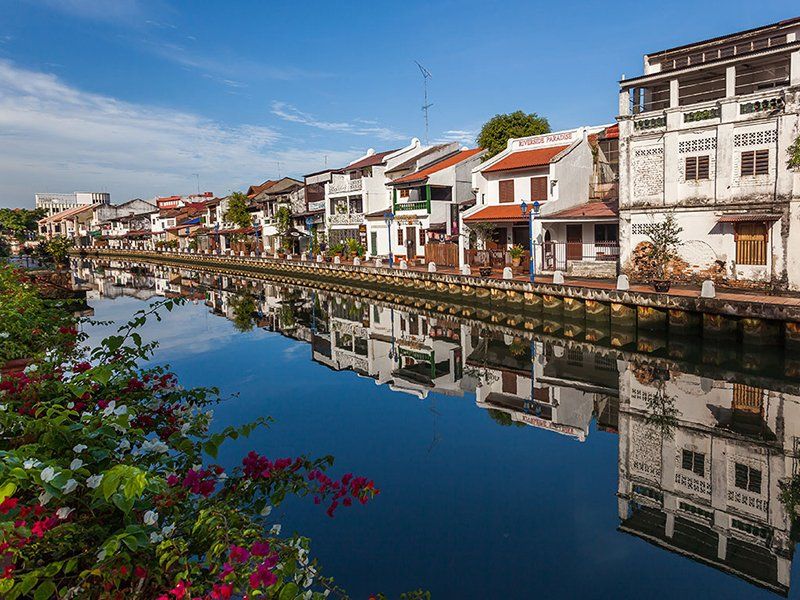
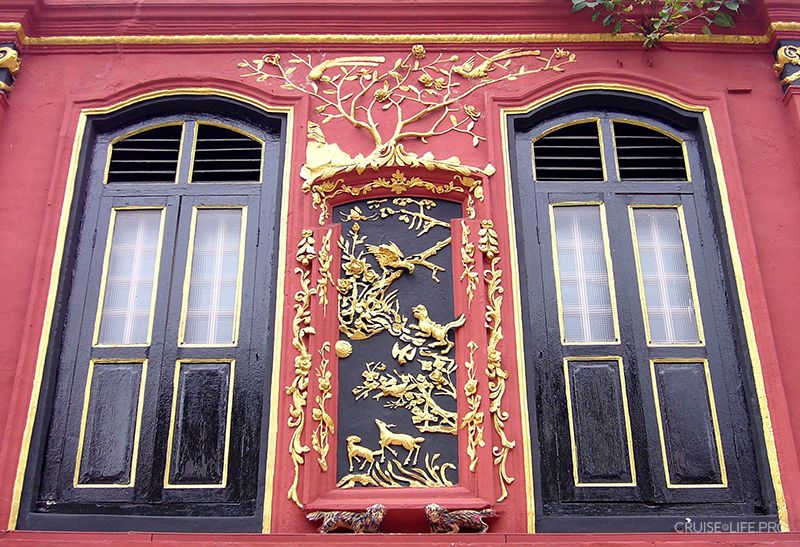
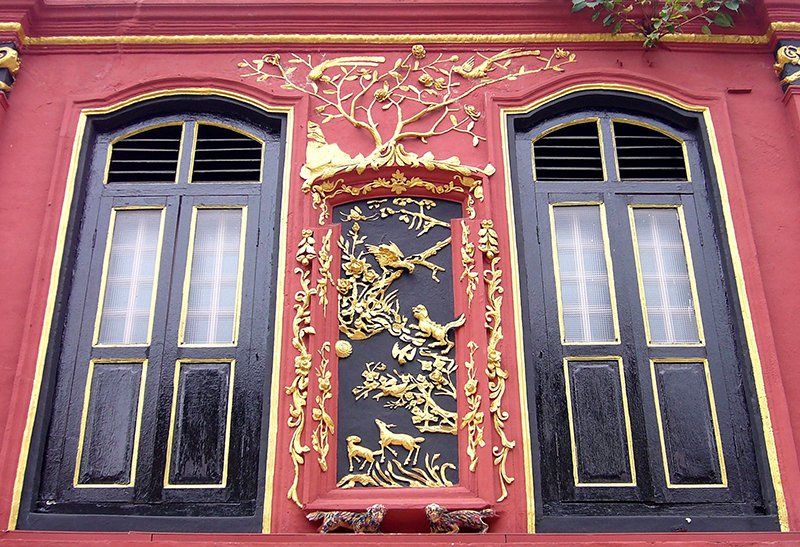
Chinatown is the heart of Malacca, a very beautiful district where the Chinese faithfully preserve traditions from their long-abandoned homeland. Narrow lanes, antique shops, small cafés and deserted temples. Here lies Jonker Street-the best place to experience the vibrant Eastern culture. Spanning 500 m in length, the street is surrounded by old 17th-century houses, retaining the charm of old Malacca. Due to the many antique stores, it is often called Antique Street. If you plan to spend about an hour here and then go somewhere else, it probably won’t happen. While wandering through the shops, visiting cafés and restaurants, tourists spend much more time here.

Holland Square

Holland Square

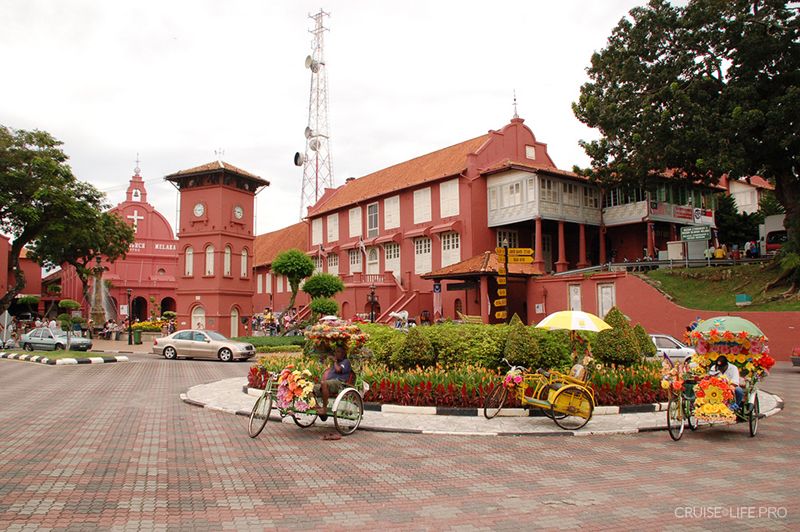
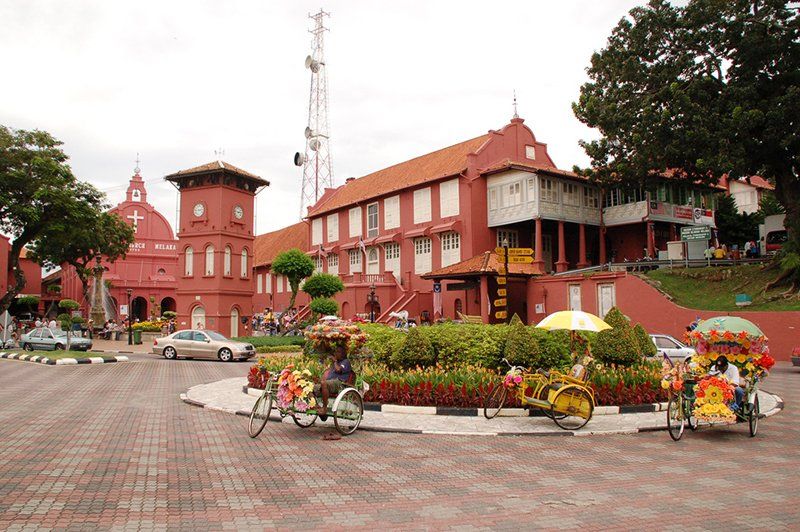
Dutch Square is one of the city’s most recognizable symbols. It is often called Red Square because all the surrounding buildings are painted red. Originally, all the buildings were painted white, but in 1911, by order of the British governor, they were repainted red. Dutch Square is a great starting point for exploring the Old Town. It is surrounded by iconic historic landmarks: the City Hall, the Church of Christ, the Clock Tower, Queen Victoria’s fountain, and a windmill. Nearby you’ll find St. Paul’s Hill and Chinatown. Most rickshaw rides around the city begin from this square.

Sultan Malacca’s Palace

Sultan Malacca’s Palace

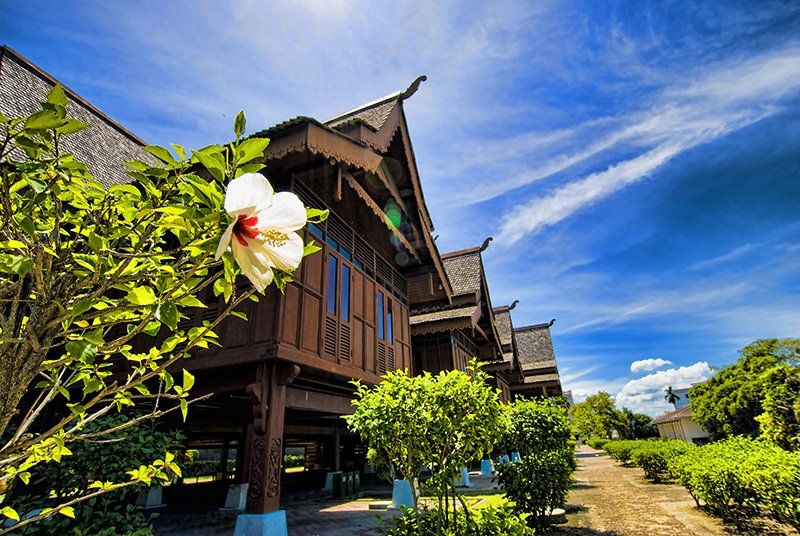
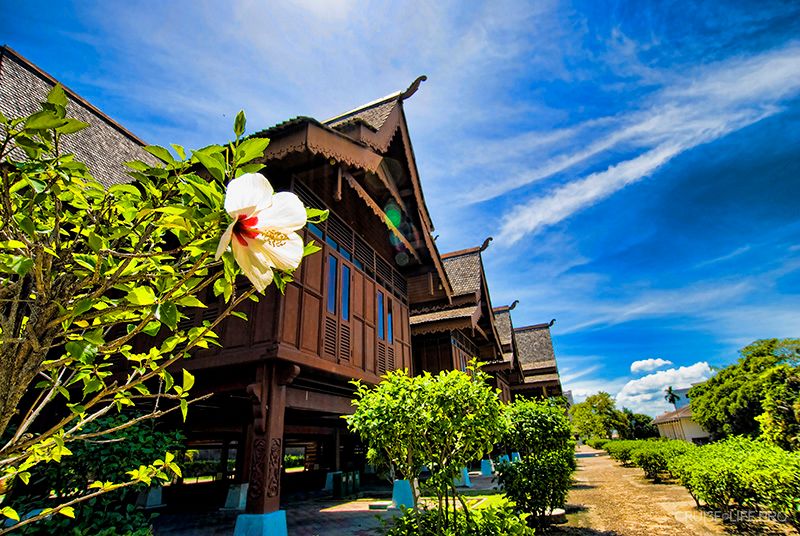
This palace is an exact replica of the palaces of the sultans who ruled in Malacca in the 15th - early 16th century. Restored based on surviving descriptions from that time. The original palace stood on the other side of St. Paul’s Hill in the area where the city square is located today, and was demolished by the Portuguese when they took control of Malacca. Today, the palace is used as a museum illustrating the Malay version of Malacca’s history. In the museum halls, more than 1300 historical exhibits are on display: photographs, weapons, drawings, musical instruments, and gifts from foreign ambassadors.

Recommended excursions

Historic City of Malacca

Historic City of Malacca

You will be able to immerse yourself in the atmosphere of a cozy town that was added to the UNESCO World Heritage List in 2008. Historical monuments you will visit: the Portuguese fort A’Famosa, the Church of Saint Paul, the Town Hall, the Anglican Church of Christ, the Chinese Temple, the Baba-Nyonya Museum. At the end of the excursion, you can buy souvenirs in the town’s best souvenir shops.

For a more detailed list of excursions and their prices, you can view them after booking the cruise in your “Client Personal Account”.