
Manila, Philippines

Port of call

Manila, Philippines

Cruises in Asia (Southeast Asia)

Description — Manila, Philippines

Manila is the capital of the Philippines, one of the 16 cities that make up the country’s National Capital Region (Metro Manila). To the west, it is washed by the waters of Manila Bay. With a population of 1,660,714 people according to the 2007 census, Manila is the second-largest city in the country after Quezon City. With an area of just 38.55 sq. km, Manila is considered the most densely populated city in the world.

The city is located on the island of Luzon, where the Pasig River flows into Manila Bay in the South China Sea. The city was founded on June 24, 1571 by López de Legazpi. The oldest district of the city is Intramuros (literally “surrounded by walls”); it was built by the Spanish administration in the late 16th century. Within its walls lived mostly Spanish-speaking families. During World War II it was destroyed, but was later rebuilt. Its current population is about 5,000 people.

Throughout its history, Manila has witnessed many wars, as a result of which many architectural, historical, and cultural monuments have been destroyed. Today, Manila is a major cultural center, home to several universities. Being the center of the Archdiocese of Manila, the oldest in the country, the city is home to numerous churches. Modern Manila looks very much like cities such as Moscow or Los Angeles: it combines affluent business districts, a cultural and historical center, upscale residential areas, and an entire district of poverty (Tondo).

As one of the most affordable megacities in Asia, Manila offers so many shopping opportunities for both budget and luxury options that it is impossible to list them all. In large malls, as a rule, it is better to buy inexpensive and reasonably priced items, while in boutiques you can find expensive branded goods.

With a convenient harbor, Manila is the country’s main port and one of the busiest ports in the world.

Climate

Manila’s climate is subequatorial, with a sharply defined boundary between the dry and wet seasons. The dry season lasts from the second half of December to May, and the wet season lasts for the rest of the year, peaking in August, when about 350 mm of precipitation falls in a month. The average annual temperature ranges from 27 °C in December-January to 30 °C in April-May.

Location on the map

Sights

Fort Santiago

Fort Santiago

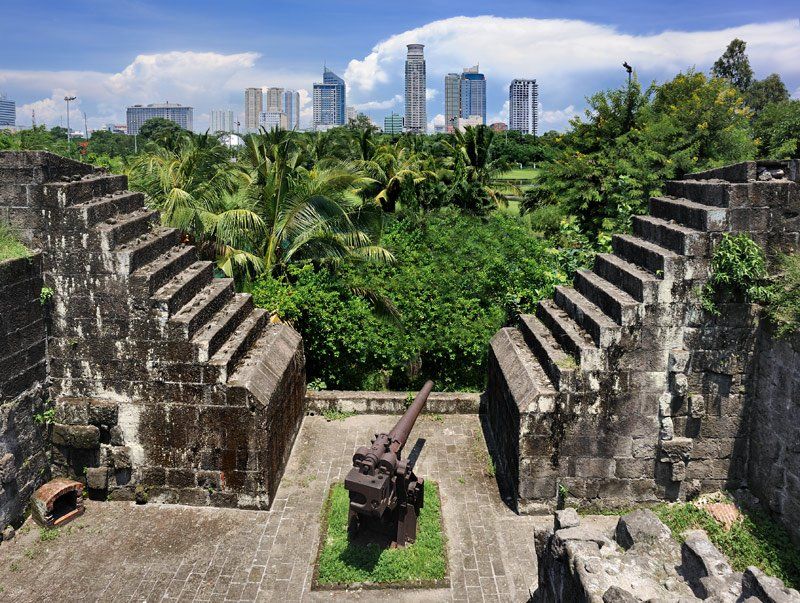
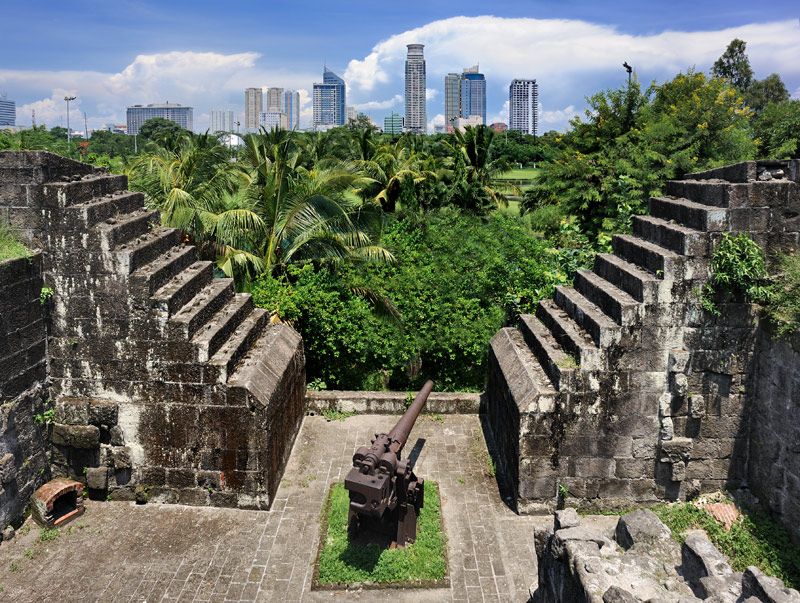
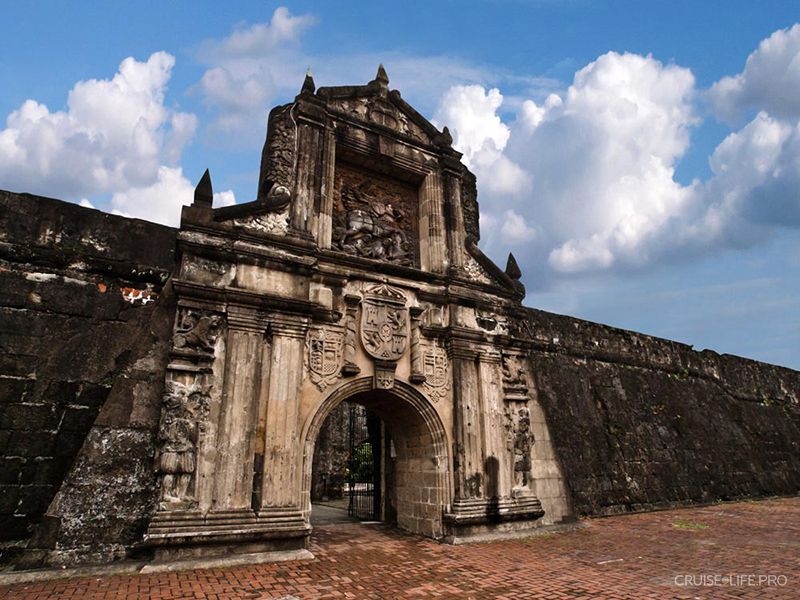
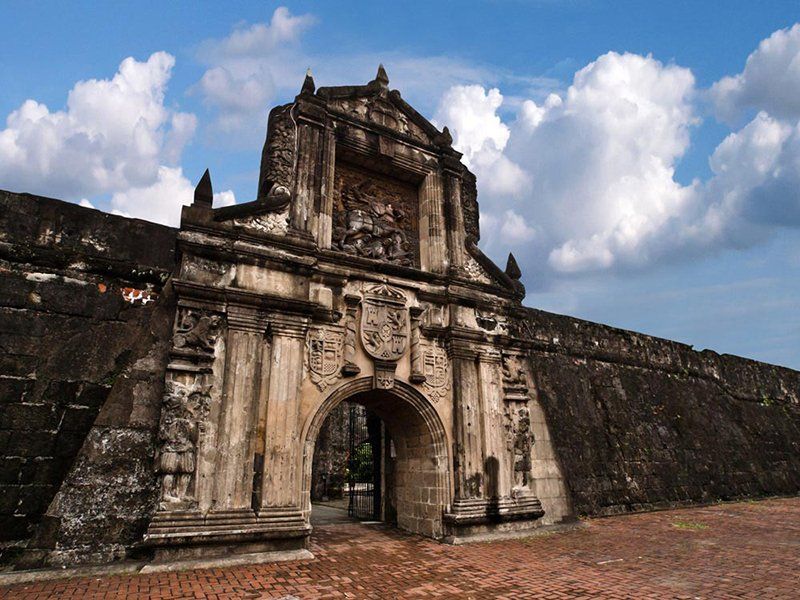
Fort Santiago was begun by Spanish conquistadors at the same time as the fortress of Intramuros. It served as its keep and its main strategic component. This is a classic medieval fortress with barracks for soldiers, powder stores, and damp dungeons. In modern times, Fort Santiago became known mainly for the movement to liberate the Philippines from colonial rule. It was in the local dungeons that Jose Rizal-the famous Philippine independence advocate-was held, and later executed. During World War II, the fort was partially destroyed. From the walls of Santiago, there is an excellent view of the well-kept park and the sea.
Manila Cathedral

Manila Cathedral

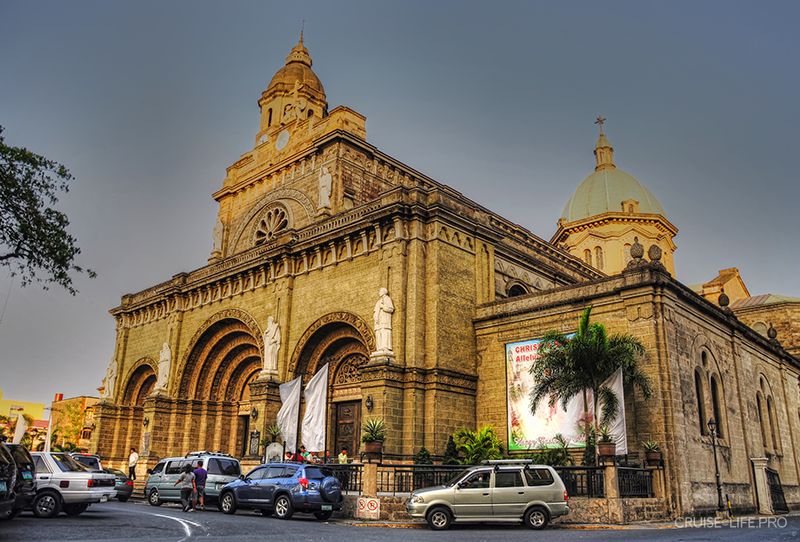
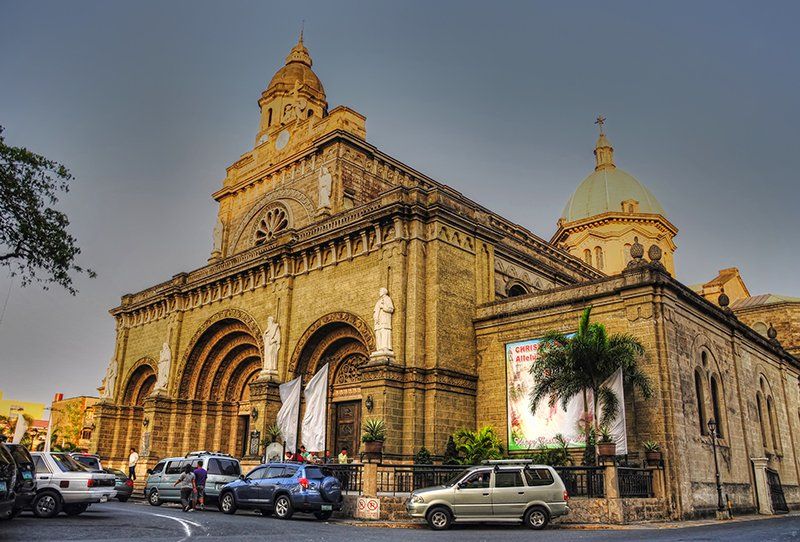
The cathedral you can visit right now is already the sixth one built on this site. The first was erected in 1581 using the most accessible materials at the time-bamboo and palm wood. In 1582, the islands were hit by a typhoon, and a year later, a fire broke out. The temple was completely destroyed. All subsequent structures were also not spared by the elements. The last, sixth building began to be constructed in the 1950s. The temple is richly decorated; its façade is adorned with sculptures of saints made from Italian limestone. Inside are the tombs of two Presidents of the country-Carlos Garcia and Corazon Aquino. She was very popular in the country and around the world, so her body was displayed in the cathedral for people to pay their respects. She became the first woman to be granted such an honor.
St. Augustine Church

St. Augustine Church

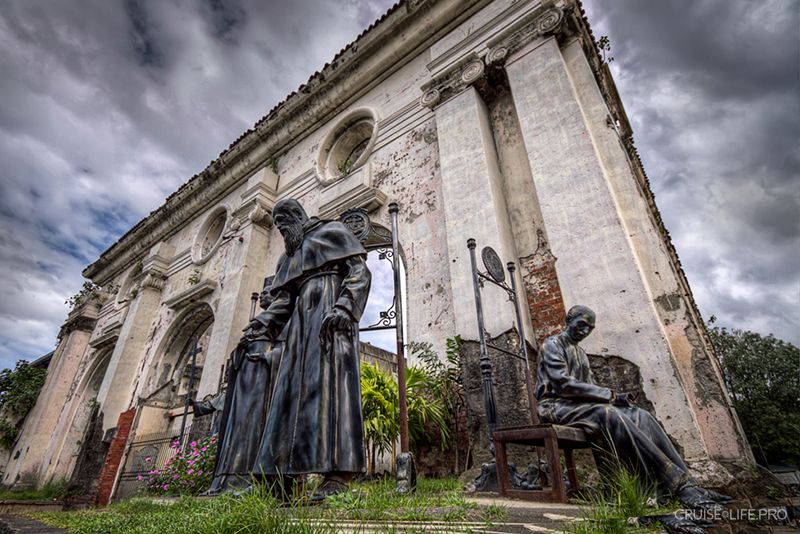
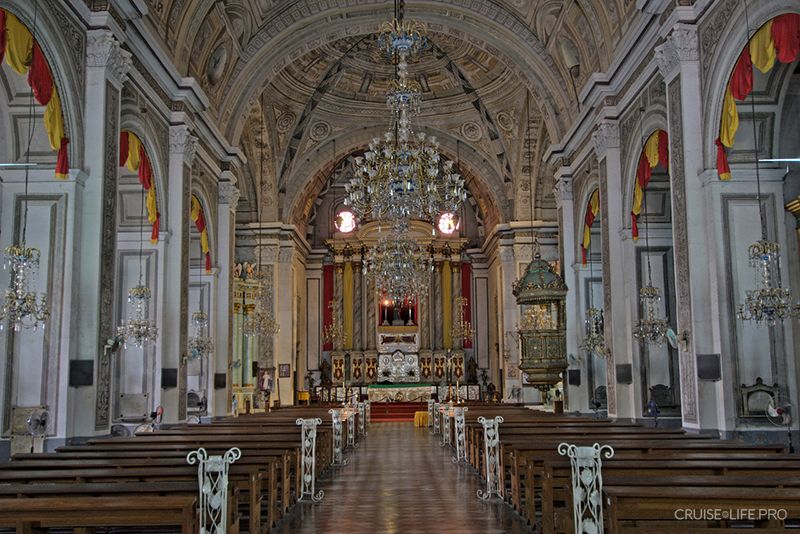
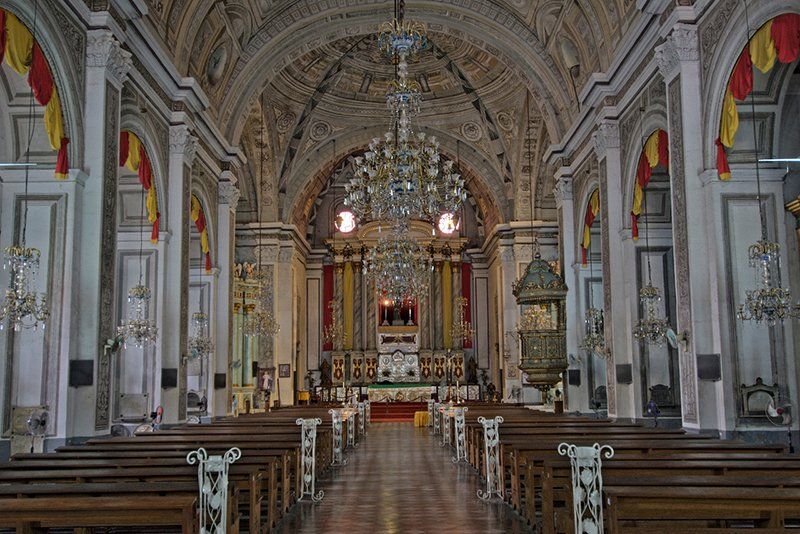
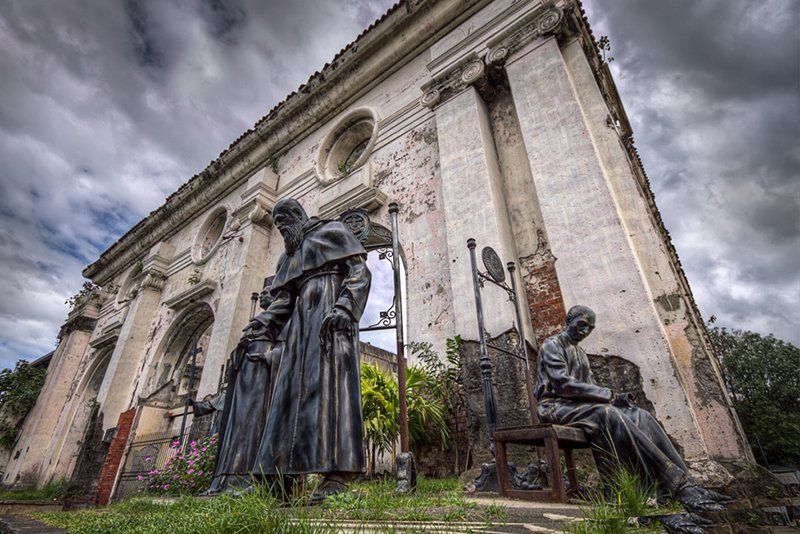
Saint Augustine’s Church is the oldest of the existing churches in the Philippines to this day. The temple was built between 1586 and 1607 by monks of the Augustinian order, and in 1993, together with three other Philippine churches, it was designated a UNESCO World Heritage Site under the name “Churches of the Philippines in the Baroque Style.” Undoubtedly, this church is one of Manila’s main architectural landmarks. The church’s interior is truly luxurious, with a large number of richly decorated shrines, while the ceilings were painted by Italian artists in the 19th century. The church’s ancient icons on its walls have miraculously preserved their vivid colors, and their scenes are depicted as three-dimensional images, as if the icon painters had mastered 3D technology.
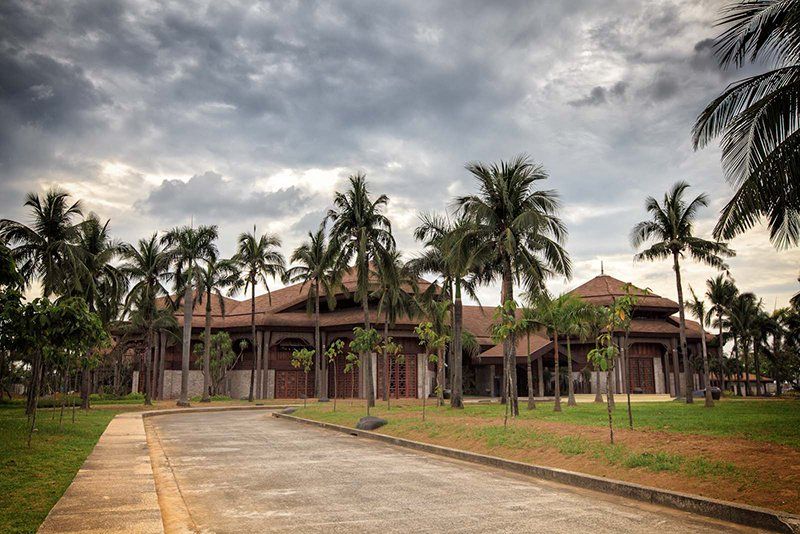
Coconut Palace

Coconut Palace

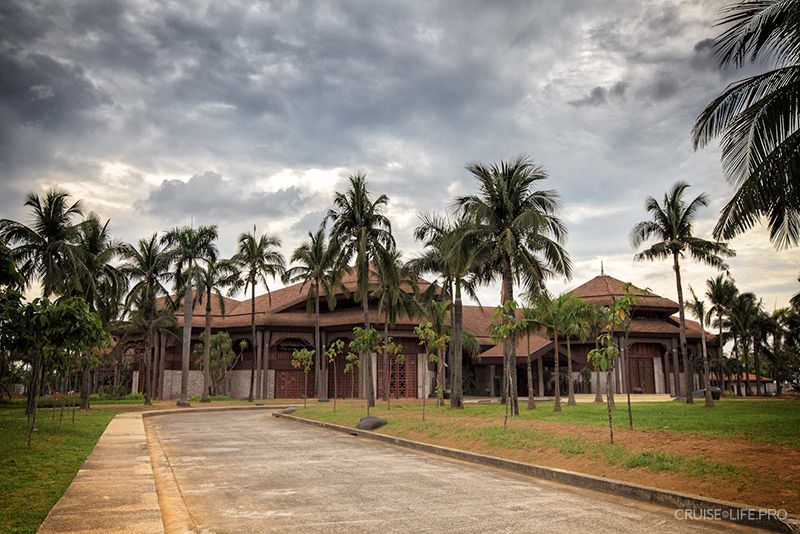
This structure was built for Pope John Paul II in 1981. But history remembers it for a very different reason - as one of the examples of the “unheard-of generosity” of the wife of the then Philippine dictator, Imelda Marcos. The first lady was known as the country’s main spendthrift (her luggage during overseas trips consisted of 200-300 suitcases, and her taste for diamonds became the stuff of legend). The Coconut Palace is one of her notorious expenses. The residence cost the treasury an astronomical sum, for the Philippines of that time - $10 million. In addition to the building itself, here you should also see a beautiful garden, a butterfly park, and orchids.
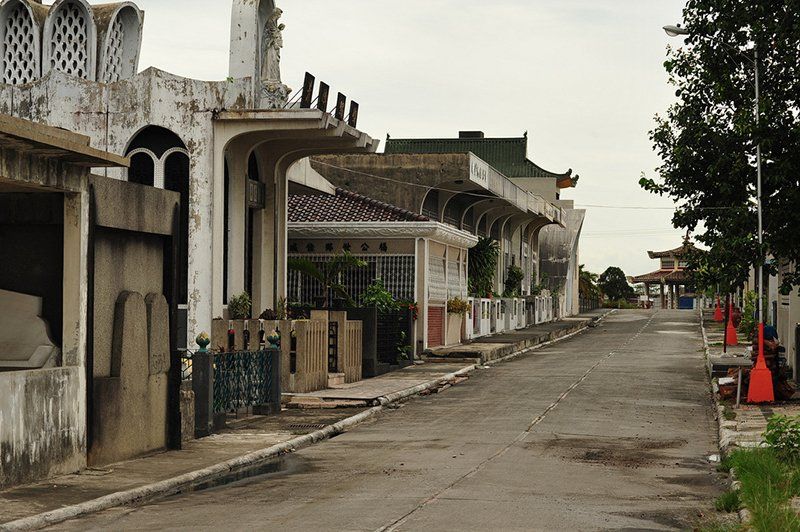
Chinese Cemetery

Chinese Cemetery

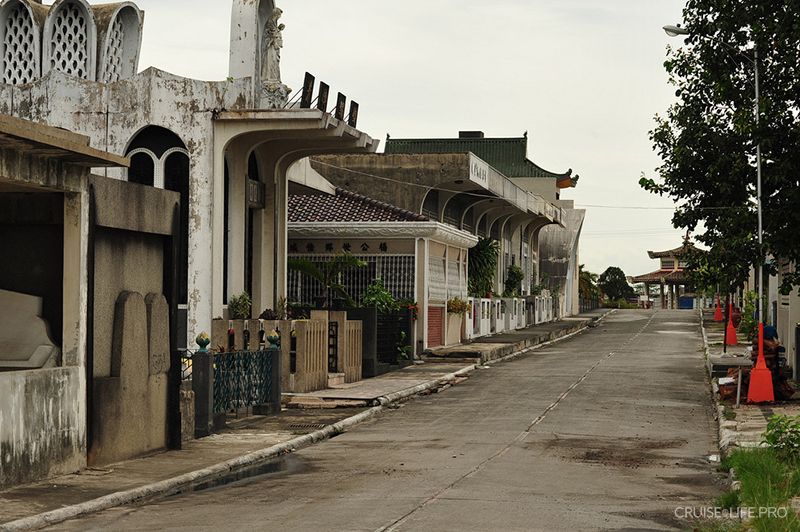
One of the oldest cemeteries in Manila has long become a popular tourist attraction, not least because it is one of the few places in the city where it is quiet and there is plenty of greenery. It is not scary at all here-and it is very educational. Many mausoleums here look better than some residential houses in Manila. By the way, these mausoleums do, in fact, sometimes become “living quarters” when relatives come to visit the deceased. Some mausoleums have two floors, air conditioning, toilets, and even a shower. There are guides at the Chinese cemetery-do not neglect their services. In just 1-2 hours, they can tell you a lot of interesting things about the bustling life of the cemetery.
What to see

Intramuros

Intramuros

A district of Manila, preserved in the state of the 18th-19th centuries, within and around the old Spanish fortress (its walls are still standing today). Within a few dozen meters, the key architectural treasures of the Philippine capital are packed together: forts, cathedrals and churches, monasteries, museums, and universities. You can stroll along the old lanes on foot, but for the full experience it’s better to ride around them in a caleche, an ancient horse-drawn carriage decorated with all kinds of ribbons like a wedding carriage.

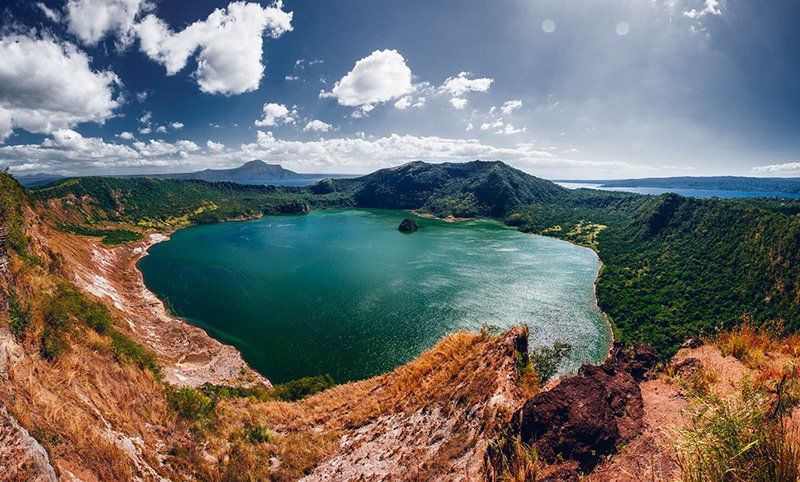
Taal Volcano

Taal Volcano

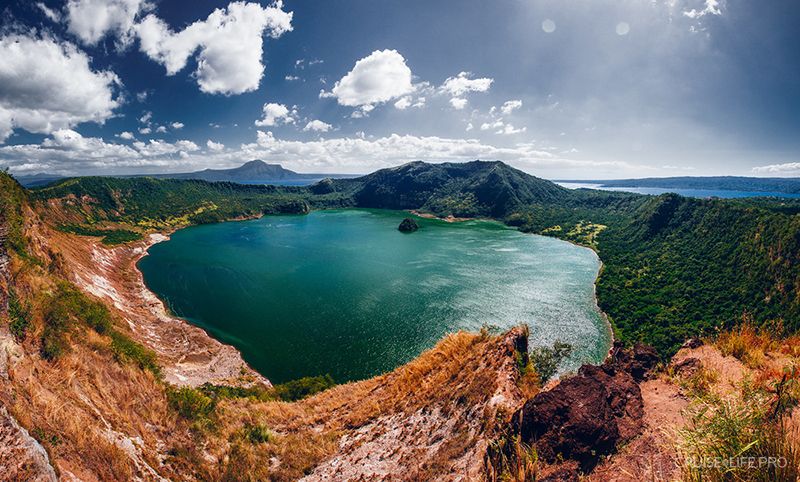
Taal is a small volcano with a lake in its crater, located in the middle of a larger lake. This lake, in turn, is an ancient crater formed as a result of past eruptions of the “Great Taal.” Taal is considered the smallest active volcano in the world. In addition, the island in the crater lake of Taal is called the largest volcanic island in a lake located on a volcanic island in a volcanic lake. Despite its modest size, Taal is a rather formidable volcano. Since 1572, Taal has erupted a total of 33 times, and only during the eruption on January 30, 1911, more than 1,000 people died. Taal last erupted in 1965, but in the spring of 2011 it became active again.

Avilon Zoo

Avilon Zoo

Around the capital there is also such a wonderful place as Avilon Zoo. This is a zoo complex created and maintained by the Wildlife Protection Foundation. It occupies a very large area, divided into themed zones. Here you can see more than 3000 rare and exotic animals, living in complete comfort-among the greenery of tropical trees, in the shade of water bodies. At Avilon Zoo you can also see-and even feed-such as the rare fish called Arapaimas. It is one of the largest freshwater fish; in natural conditions it can reach a length of up to 2.2 meters and a weight of about 100 kilograms.

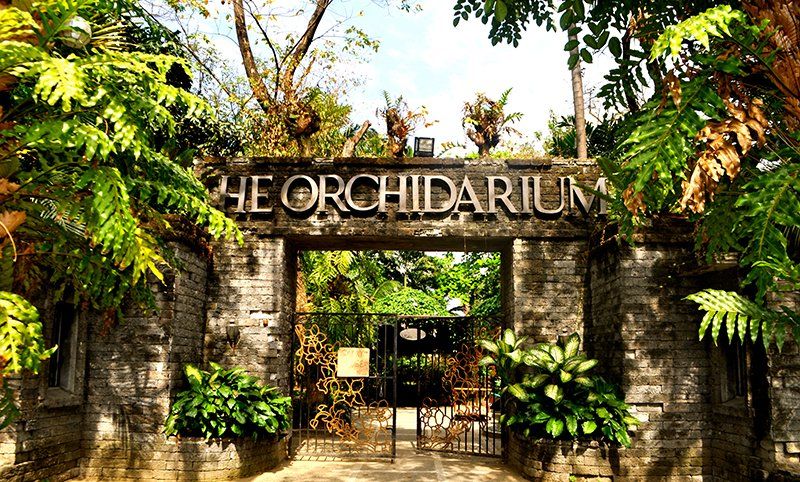
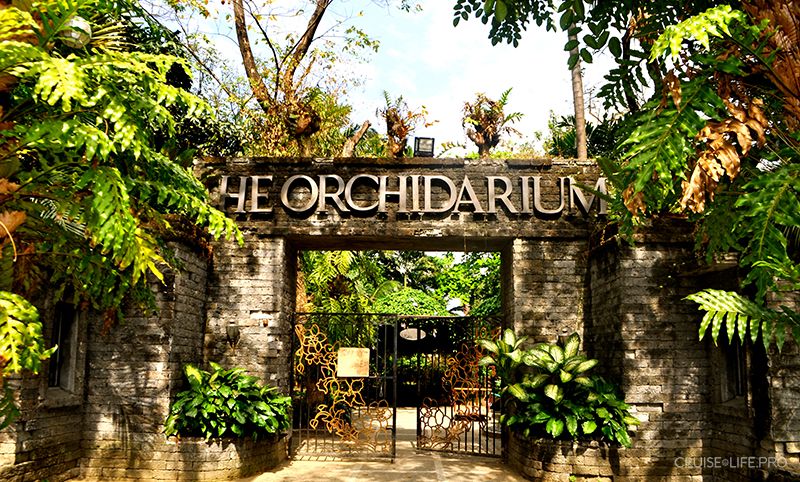
Manila Orchidarium

Manila Orchidarium

The Orchid Gallery is located in Rizal Park and is a very cozy blend of winding paths, small streams, lawns and ponds. Everything is covered in orchids that bloom all year round, as well as many other tropical flowers. The park has a small pavilion with butterflies, as well as a decent restaurant.

Aquarium

Aquarium

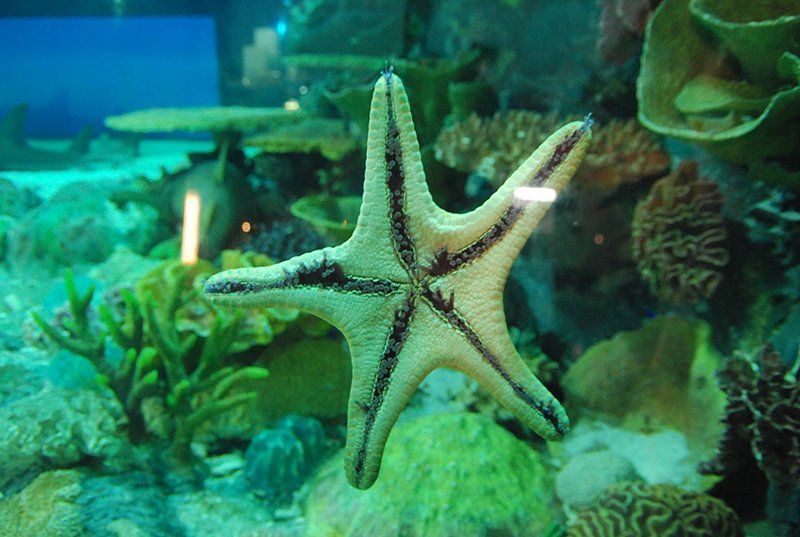
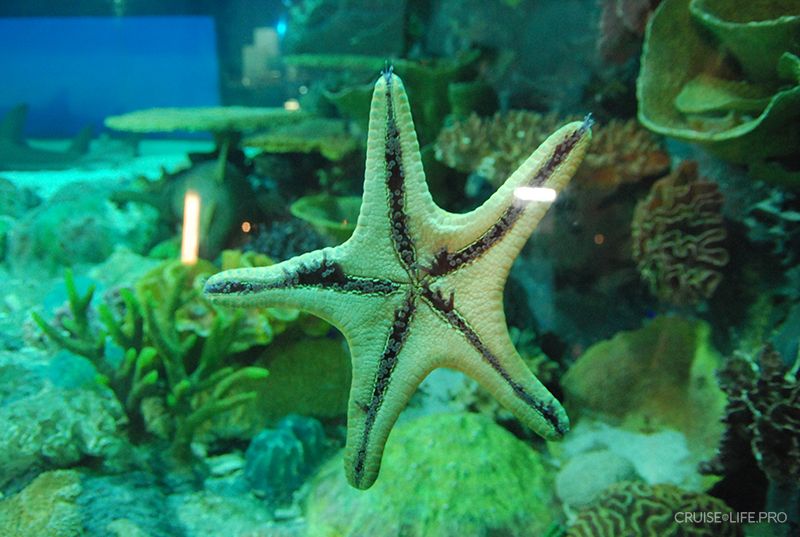
On the waterfront, directly across from Rizal Park, there is the most popular attraction among children. The oceanarium features about 10,000 inhabitants of the tropical seas surrounding the Philippine islands and neighboring countries. Although the range of species is not as wide as in some other oceanariums, the chance to see seahorses, sharks, and rays draws children and their parents here. You can also watch a show with South American sea lions (150 peso), a show of singing fountains (Wed-Sun, 300 peso), an exhibition of jellyfish (150 peso), and even descend to the bottom of the main aquarium to swim together with the fish (1000 peso). On the second floor of the complex, there is a “fish spa”: for just 120 peso, small fish will carefully clean the hardened skin from your feet.

Recommended excursions

Manila City Tour

Manila City Tour

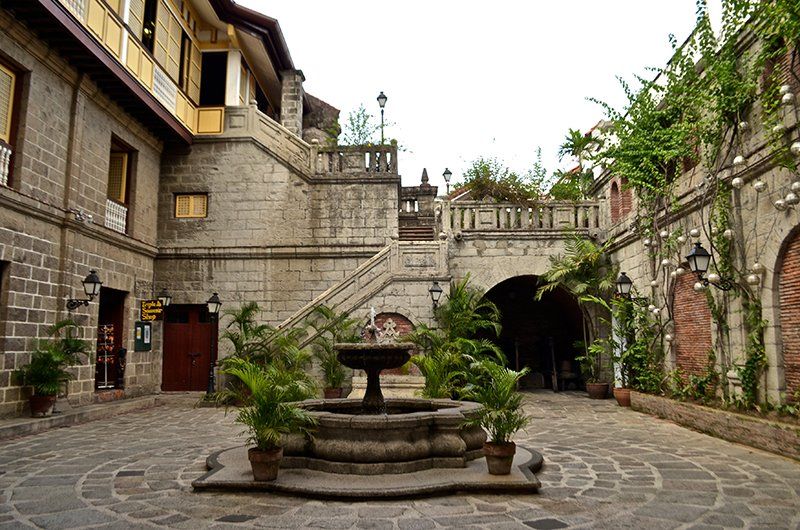
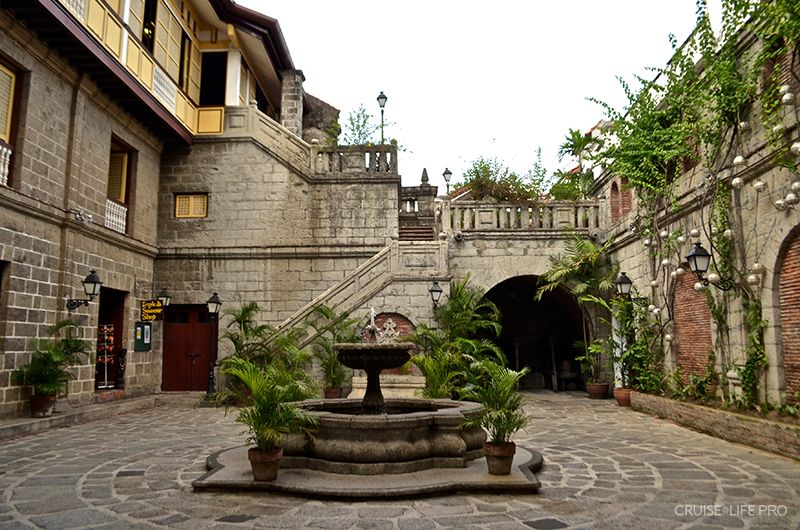
During a 4-hour excursion to Manila’s historical sites, you will visit: Intramuros (literally “within the walls”) - the oldest district of modern Manila. Several parks, the oldest cathedrals and many monuments of culture and architecture are located, both within and beyond Intramuros, and with the walls surrounding the city you can enjoy a wonderful view of Manila. The Church of St. Augustine - the oldest church in the Philippines, built in 1607, which is located in Intramuros, a UNESCO World Heritage Site. Casa Manila - the former residence of an aristocratic family that lived here in the 19th century. At Casa Manila, the entire setting of the colonial courtyard has been preserved. Fort Santiago - the oldest structure built by the Spanish in Manila. Rizal Park is the most famous park in the Philippines and one of the largest parks in Asia.

Hidden Valley

Hidden Valley

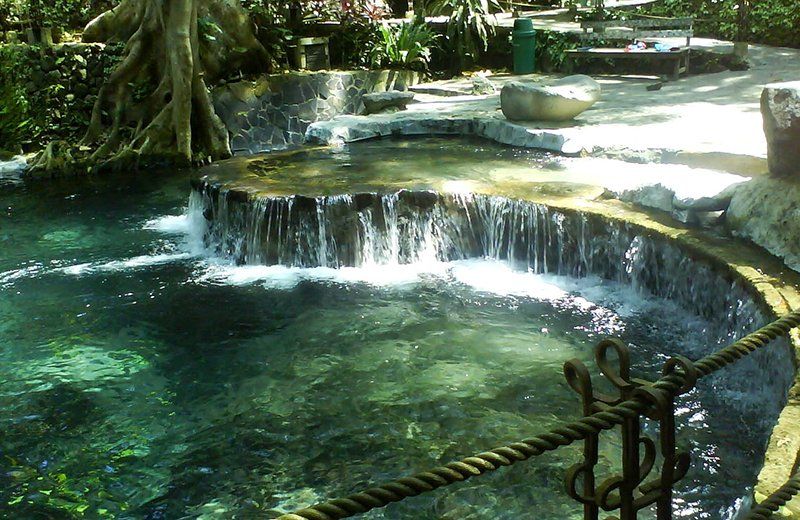
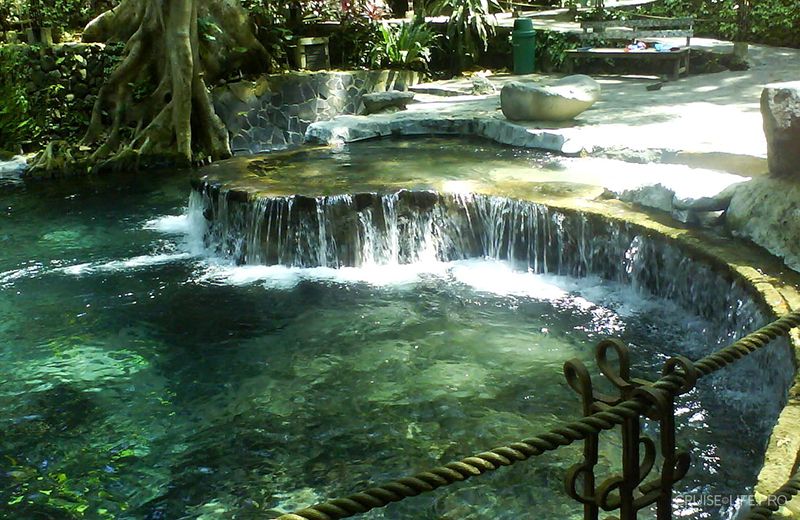
Many thousands of years ago, as a result of a volcanic eruption, this area was formed with its own inimitable nature, a unique ecosystem, and wonderful flora. Secluded and enclosed, Hidden Valley Springs creates the impression of a magical lost world. There are no streams of cars, quarries, smog, or imposed values. Here, time loses its pace. Only you, face to face with the unique nature, mineral springs, and your inner self, whose voice here regains full strength. And the whole world will wait. After all, Hidden Valley Springs is unique-very beautiful places of which, in the world, there are very few left.

For a more detailed list of excursions and their prices, you can view them after booking your cruise in your “Client Personal Account”.