Great Mosque
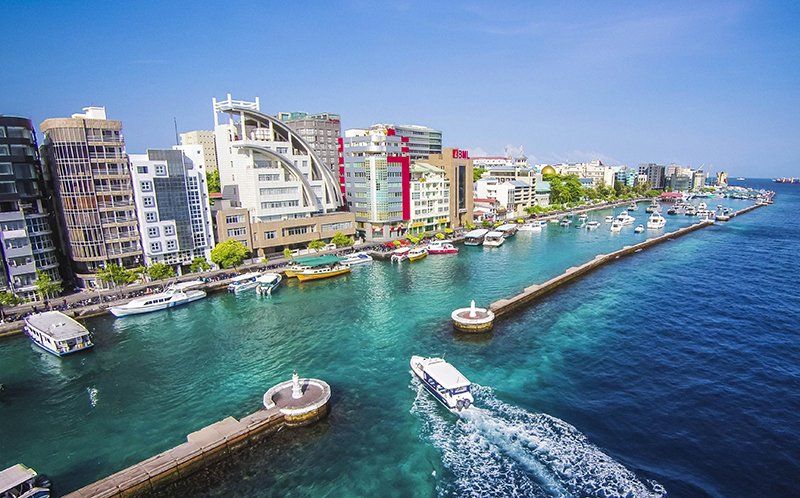
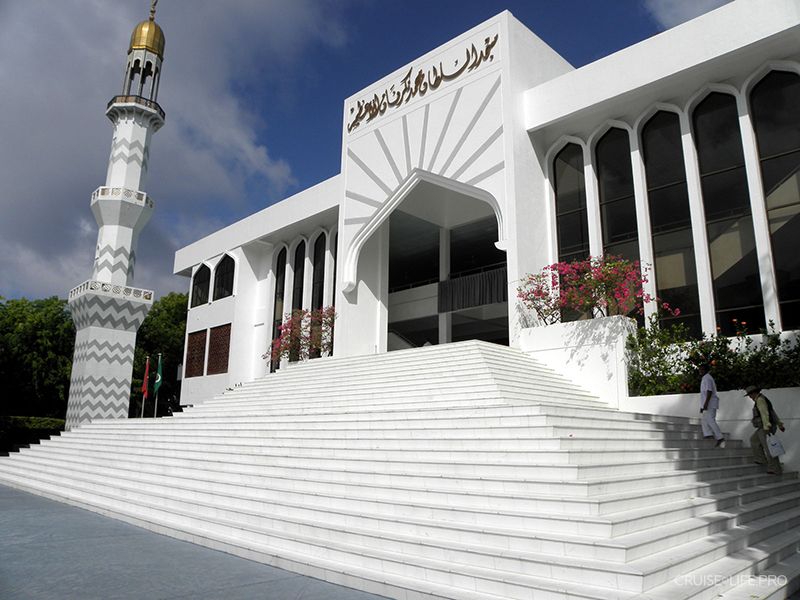
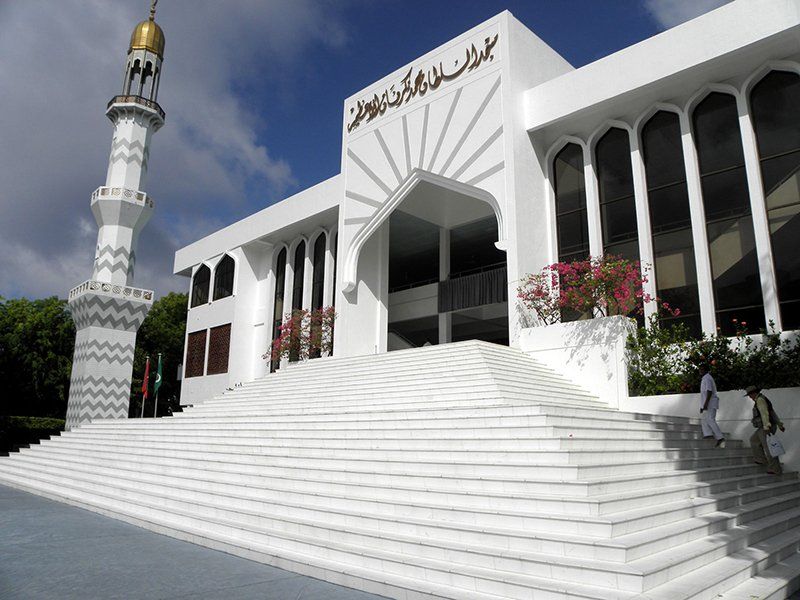
Right in front of the Official Pier there is an Islamic center. Its main building is the Grand Mosque, built with funds from Pakistan, Brunei, Malaysia and Saudi Arabia. Its golden (in fact, aluminum) domes gleam so brightly that they can be seen even as you approach the capital. The mosque is truly large: 5,000 people can fit comfortably under its vaults. The temple is beautiful both outside and inside: the walls feature wooden carvings and Arabic inscriptions, and the floor is covered with a luxurious carpet, specially woven for this mosque. On Fridays, men in their best clothes gather here for prayer (hukuru naamaad). But women are not allowed into the Grand Mosque-they worship God at home or in separate temples.
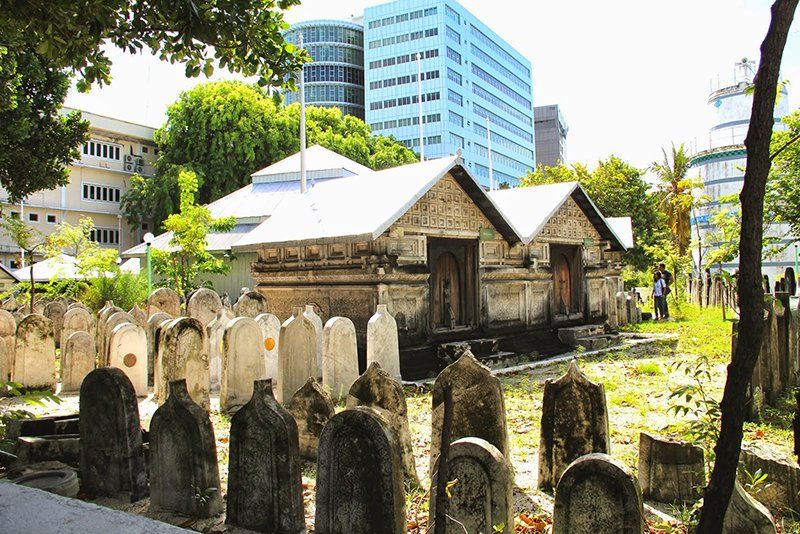
Great Friday Mosque
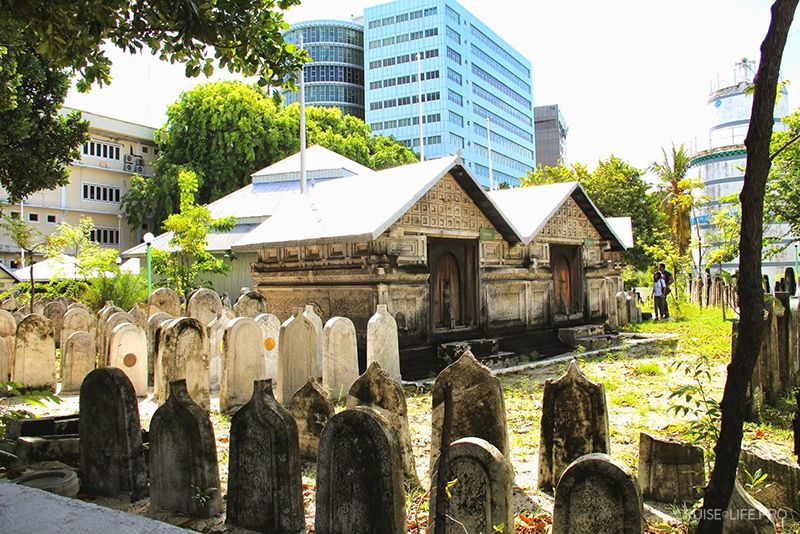
The Great Friday Mosque, or Hukuru Miski - an unrivaled example of the skill of Maldivian craftsmen, built in 1856 by order of Sultan Ibrahim Iskandar I, and to this day adorning Meduziyari-Magu Street. On the coral walls of the mosque it is impossible to spot where the blocks are joined, and the interior delights the eye with carved panels in teak and sandalwood featuring quotes from the Quran, as well as mysterious ornamental designs. The mosque was erected on the site of a pagan temple of the Sun god, and the prayer hall is oriented to the east; to observe sacred tenets, the faithful turn their faces toward the corner of the hall.
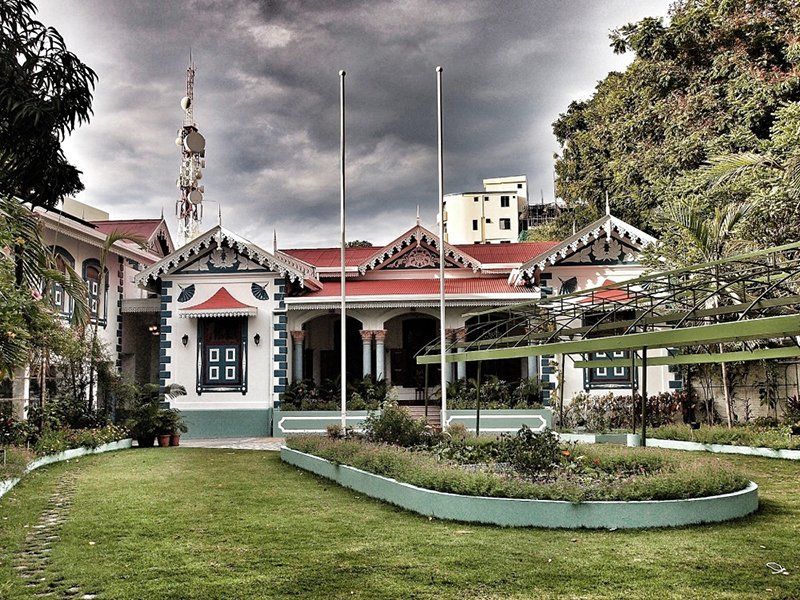
Sultan’s House
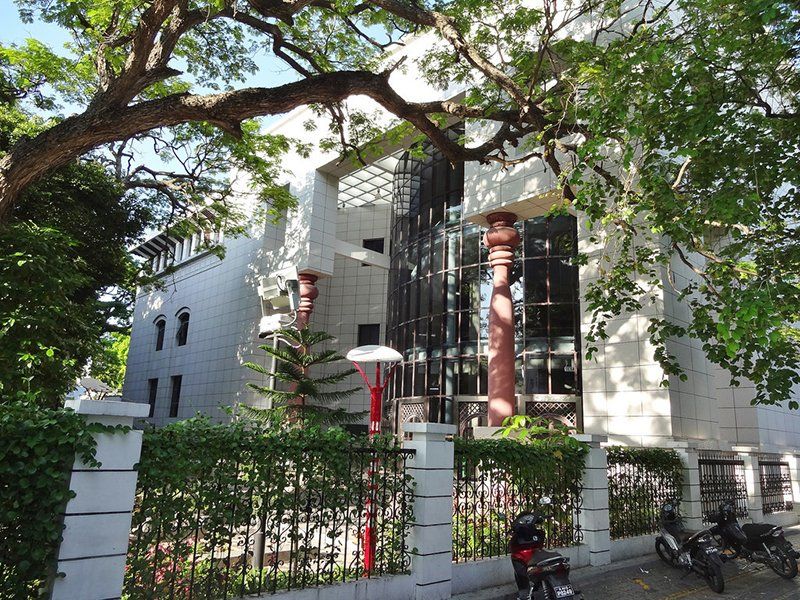
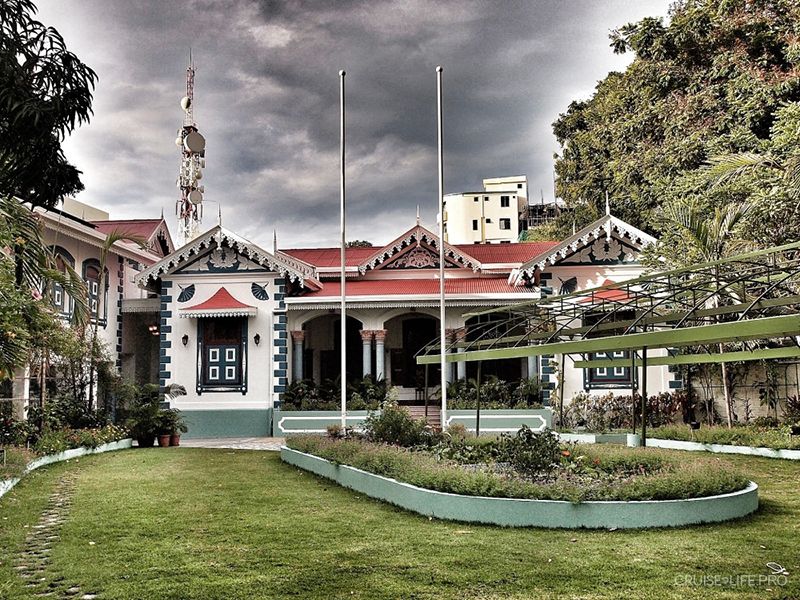
Mule-aazh - a blue-and-white building in a colonial style built in 1913 opposite the Hukuru Mosque, according to the architect’s plan from Sri Lanka. The palace is immersed in lush greenery of a beautiful garden; once it was built for the son of Sultan Shamsuddin III, but after the ruler’s death his heir was not destined to ascend to the throne. In 1953, a republican form of government was proclaimed in the Maldives, and the palace became the residence of the president. However, in 1994 the head of state Gayoum left its walls, settling in a new residence-in the Temuge Palace.