Alcazaba
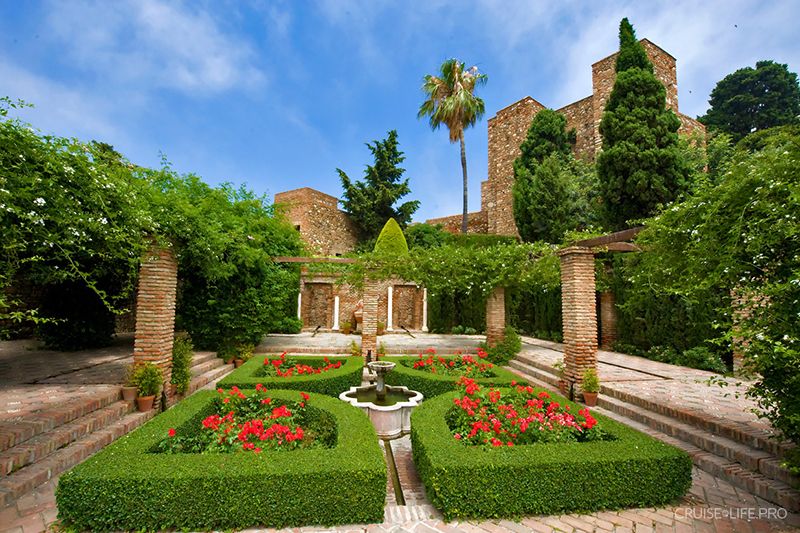
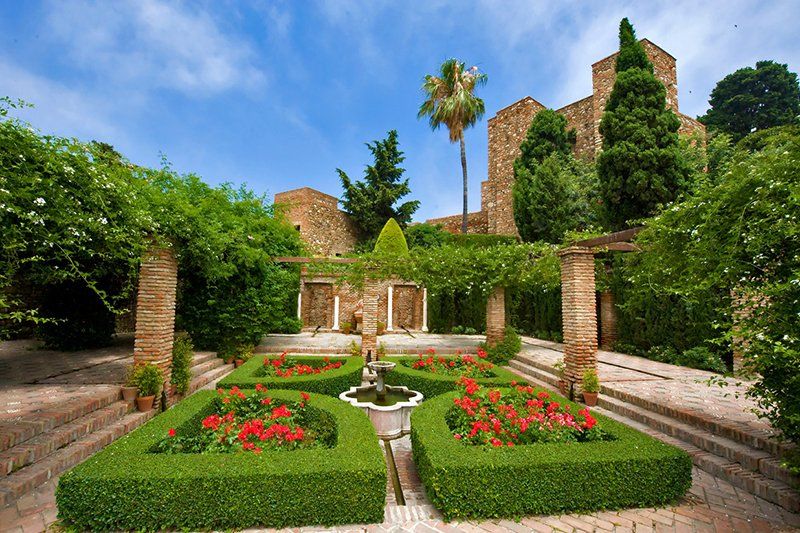
These tall and sturdy fortress walls were built in the 11th century, but they still adorn the city today and are one of the most interesting architectural landmarks not only in Málaga, but throughout Spain. Alcazaba stands on the seaside hills and even from afar attracts the eye with its grandeur and picturesque setting, while from its ramparts you can enjoy wonderful views of the entire Málaga bay-with hotels and beaches-and the large port. Inside the fortress there are labyrinths of stone paths through lush greenery, bright colors, and beautiful fountains, romantic palace courtyards-patios with palms, orange trees, and small mini-pools, as well as charming towers and arch gates.
Cathedral of the Holy Cathedral
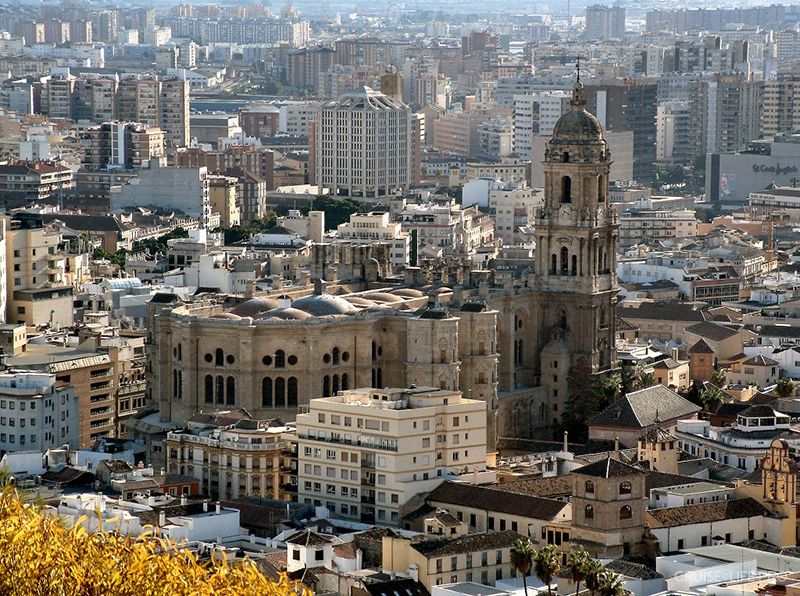
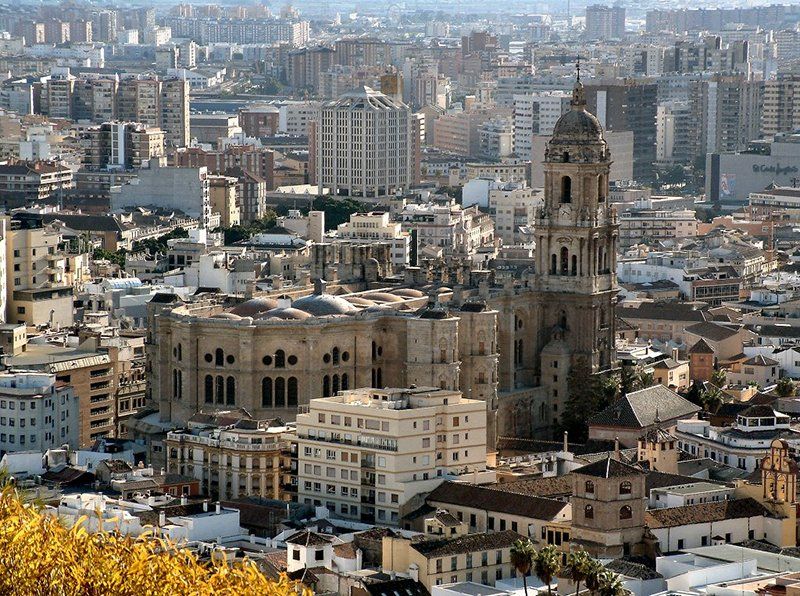
The Cathedral of Malaga was built over several centuries, which is why its current appearance features an interesting blend of architectural styles from different eras. The original project called for two symmetrically located towers, but the funds allocated to complete the construction were, as people say, diverted “to the left.” Now the cathedral is jokingly called “La Manquita” (La Manquita translated from Spanish as “one-armed”) because it has only one tower. Fortunately, the lack of funding did not affect the church’s interior furnishings. While admiring the stucco patterns on the church’s towering vaults, your head may spin.
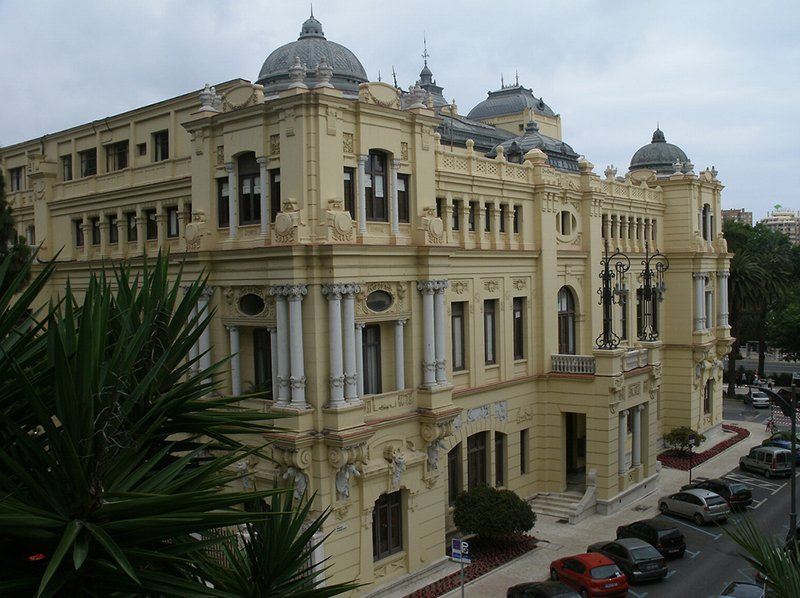
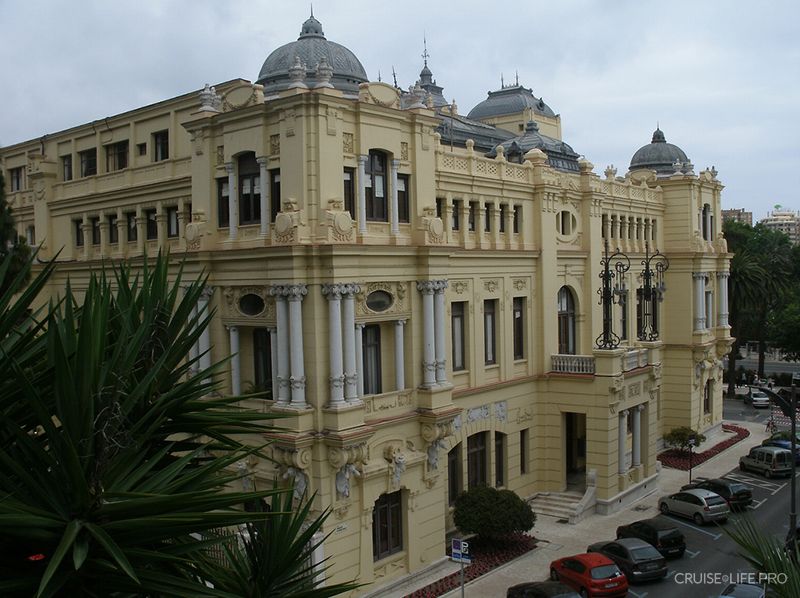
Malaga Town Hall
The City Hall is a work of art by Spanish architects. On the building’s walls, sculptures of sailors, merchants, and fishermen have been carved. The spacious halls of the town hall are filled with collections of paintings by contemporary postmodern artists, as well as painters from the past century. The City Hall is the starting point for getting to know Malaga’s culture and history. Here you can learn in detail about upcoming events. The town hall is open for free visits.
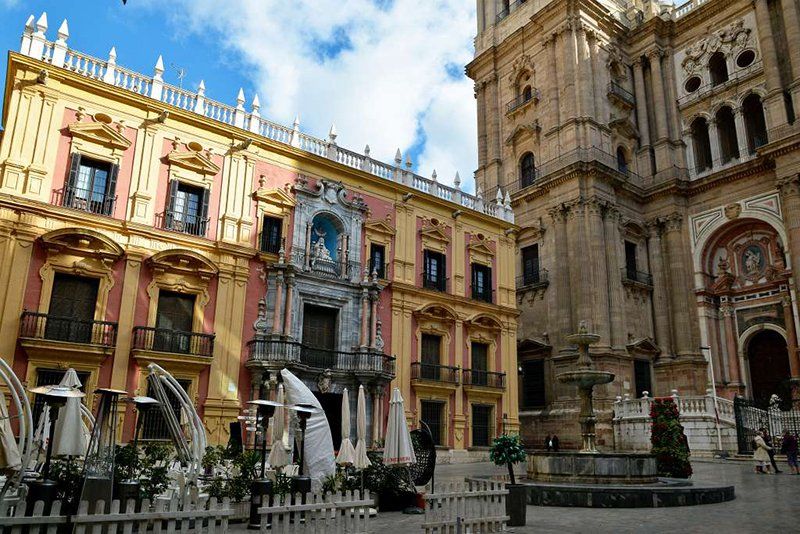
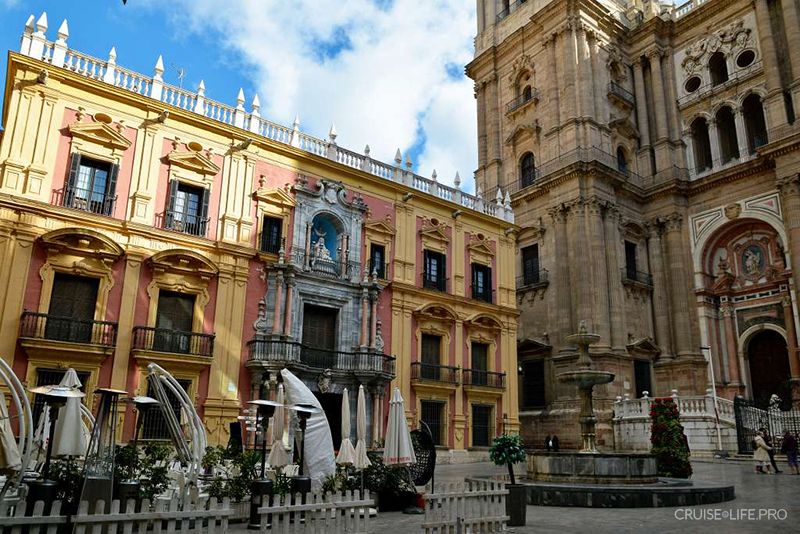
Episcopal Palace
The Episcopal Palace in Malaga was built in the Baroque style in the 18th century. The building consists of all kinds of passages, endless staircases, and balconies. A special interest in visiting the palace will be for fans of the history of religion, since today it houses the diocesan museum of spiritual art.