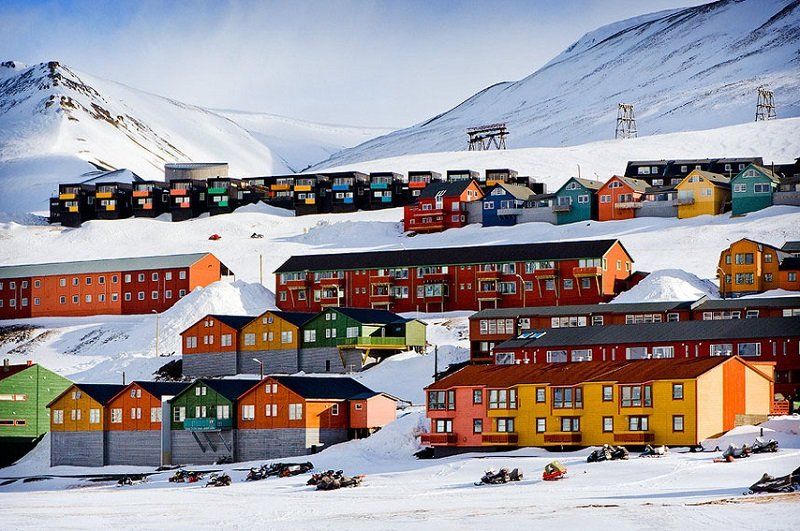
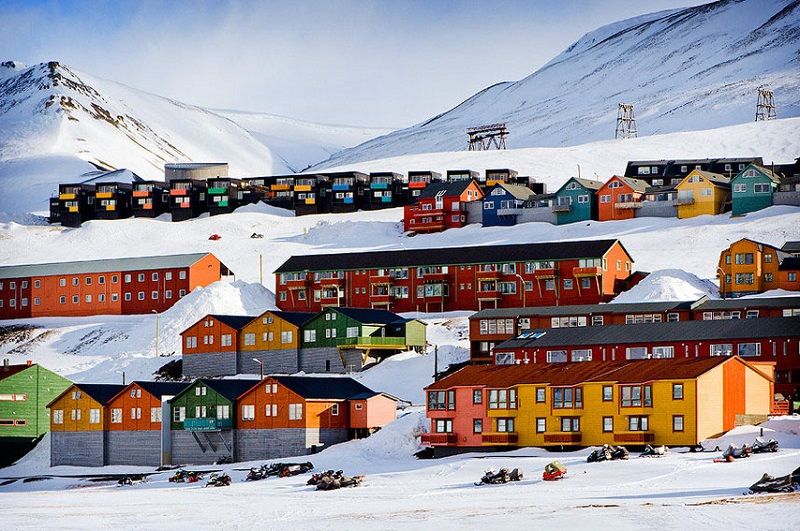
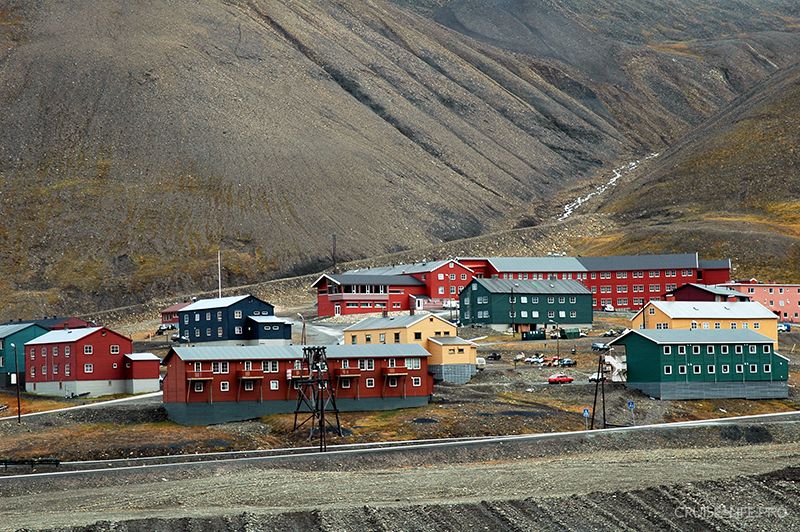
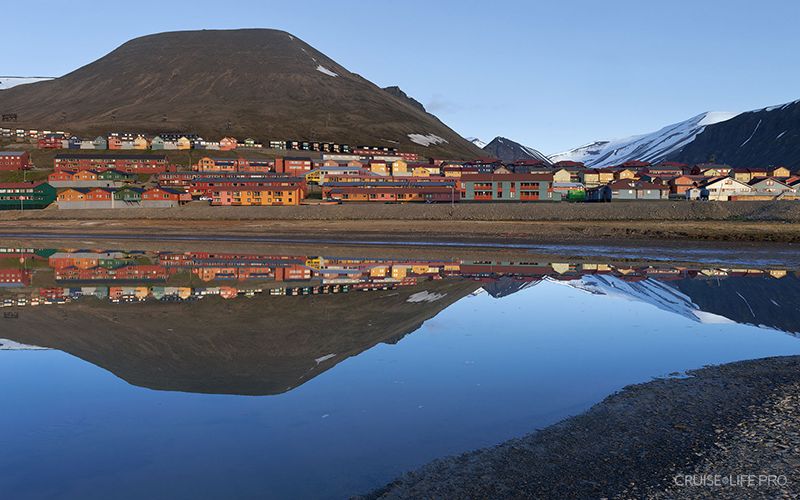
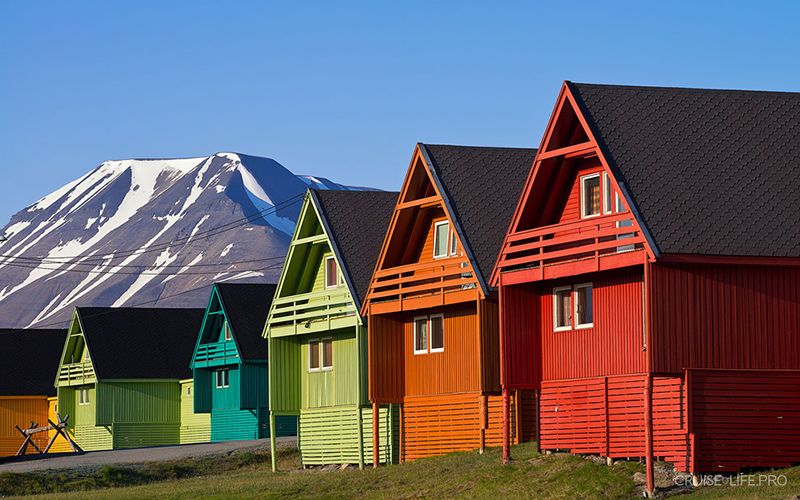
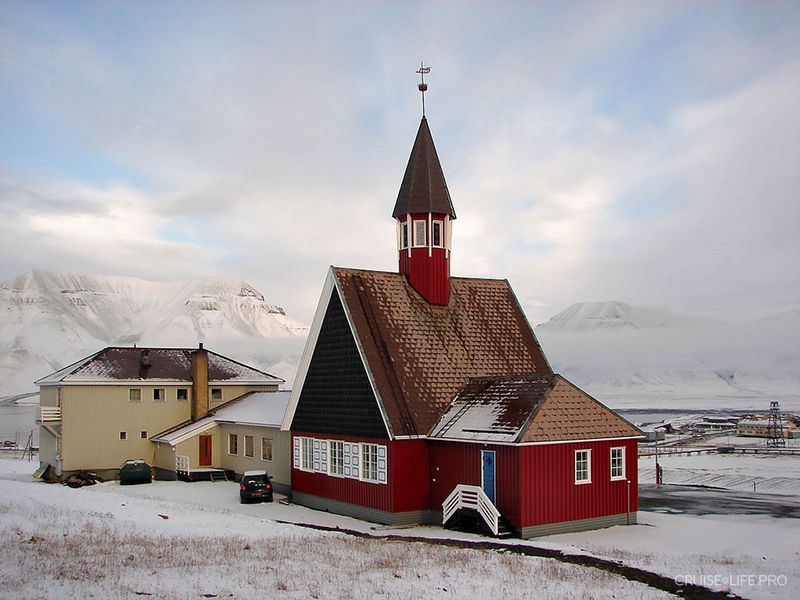
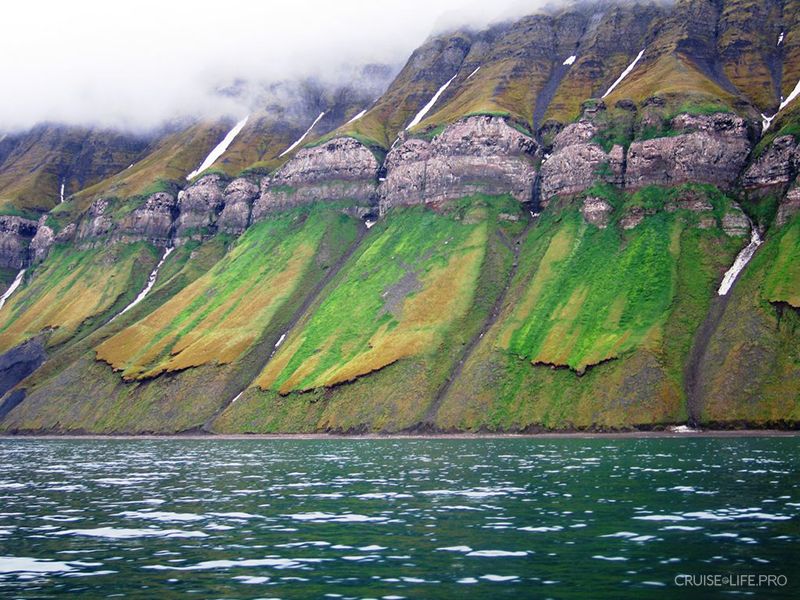
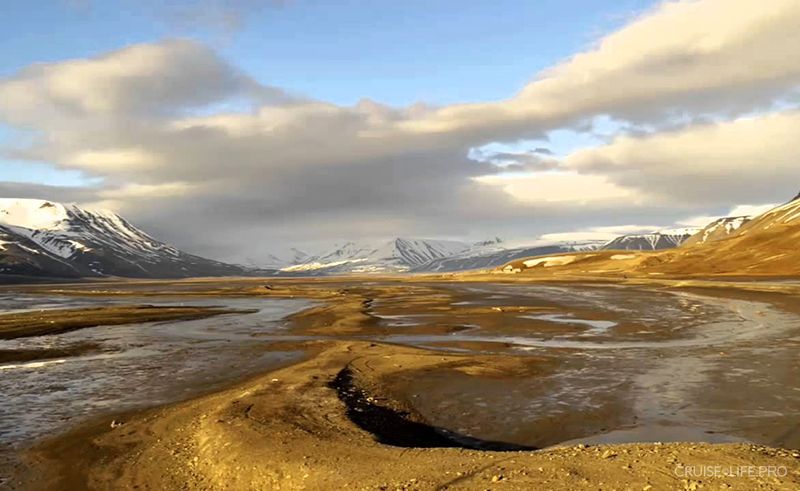
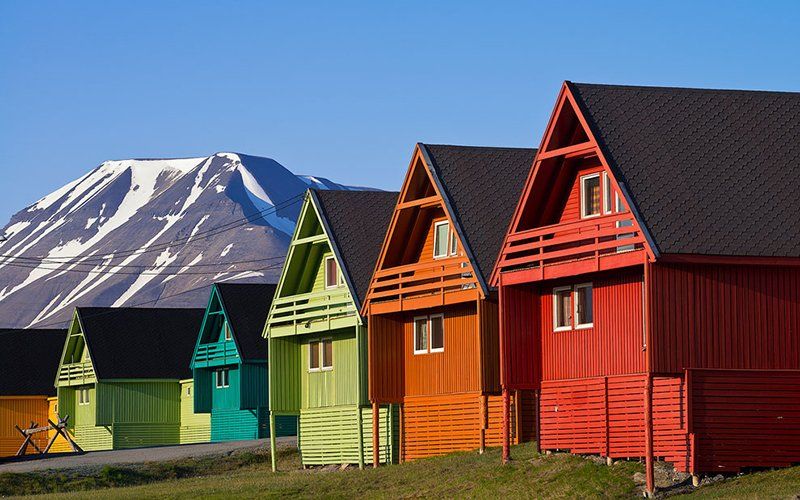
Longyear (Longyearbyen) - the largest settlement and administrative center of the Norwegian province of Svalbard (the Spitzbergen archipelago). It is located on West Spitzbergen Island, on the shores of Adventfjorden, along both banks of the river that dries up in winter. It is the northernmost settlement in the world with a population of over one thousand people. Next to the town is Svalbard Airport - the northernmost airport in the world with regular flights. The Svalbard International University is located in the town. Under the aegis of the United Nations, a subterranean World Seed Vault has been built in the settlement in case of a global catastrophe.
The city was founded in 1906 by the American engineer-entrepreneur John Munro Longyear, who established a coal mine here. The city and many of the mines were destroyed on 8 September 1943 by shelling from the German battleship “Scharnhorst” and two destroyers, but after the war they were quickly rebuilt. Coal mining in the city and its surroundings nearly came to a halt by the early 1990s. In those same years, significant development of tourism and research activities began.
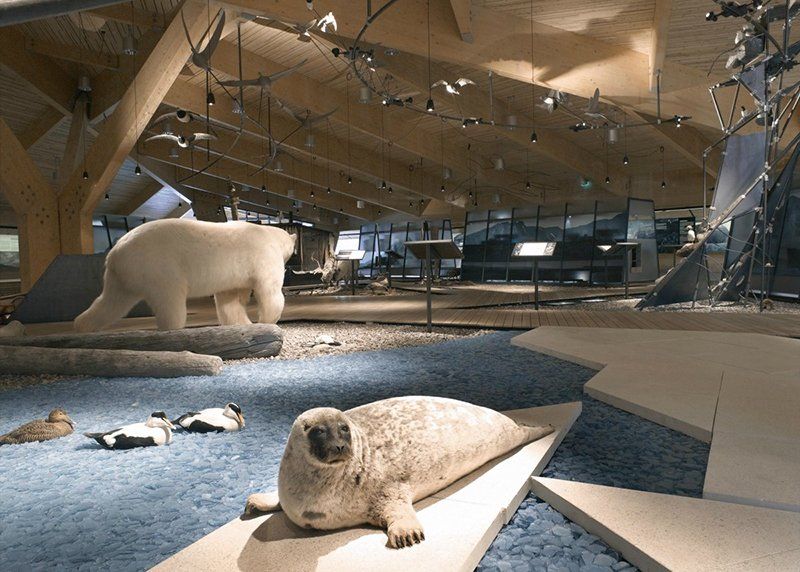
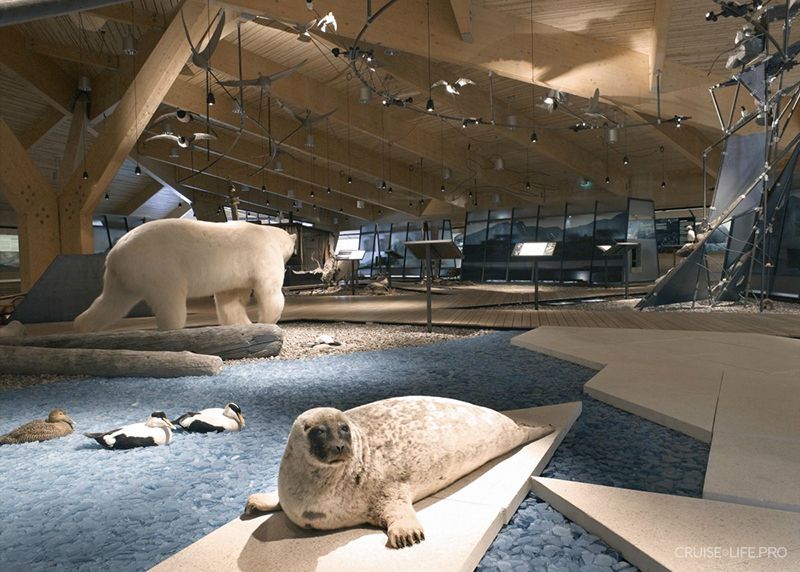
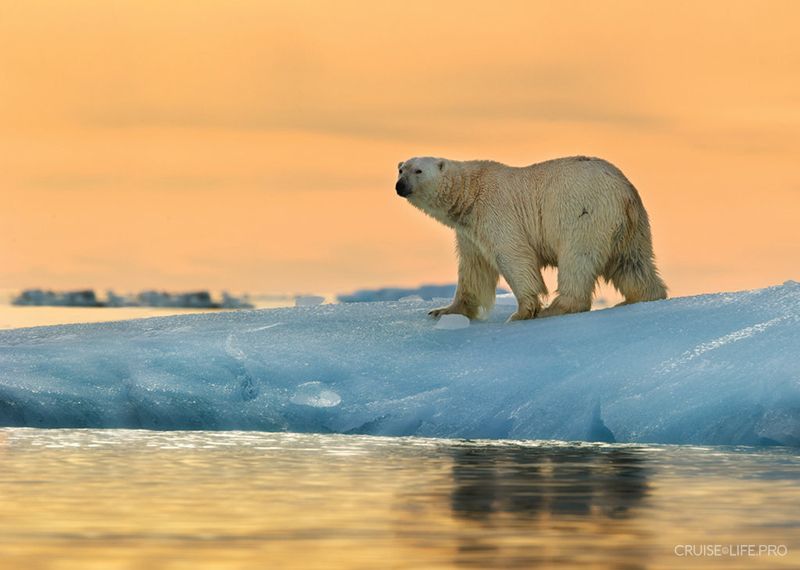
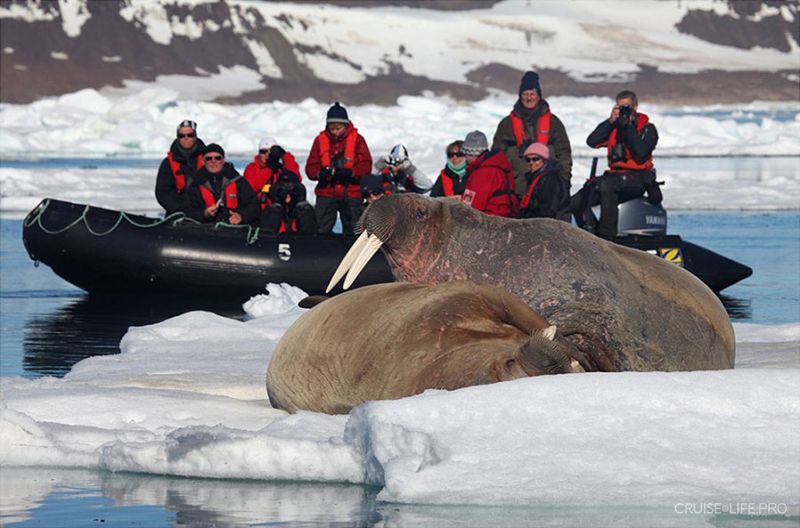
Spitzbergen is a vast polar archipelago located in the Arctic Ocean. The archipelago consists of three large islands - West Spitzbergen, Nordøstlandet, and Edge Island; seven smaller islands - Barents Island, White Island, Prince Charles Land, Kongøya (King’s Island), Bear Island, Svenskøya (Swedish Island), and Wilhelm Island; as well as groups of islands, small islets and skerries (total area 621 km²). Here live polar bears, reindeer of Spitzbergen (the smallest of the reindeer species) and arctic foxes. About half of the territory is taken up by protected areas: 3 national parks and 3 nature reserves. Spitzbergen is of enormous importance from the viewpoint of paleontology: its unique feature is the large number of rock formations containing fossilized remains of plants and animals.
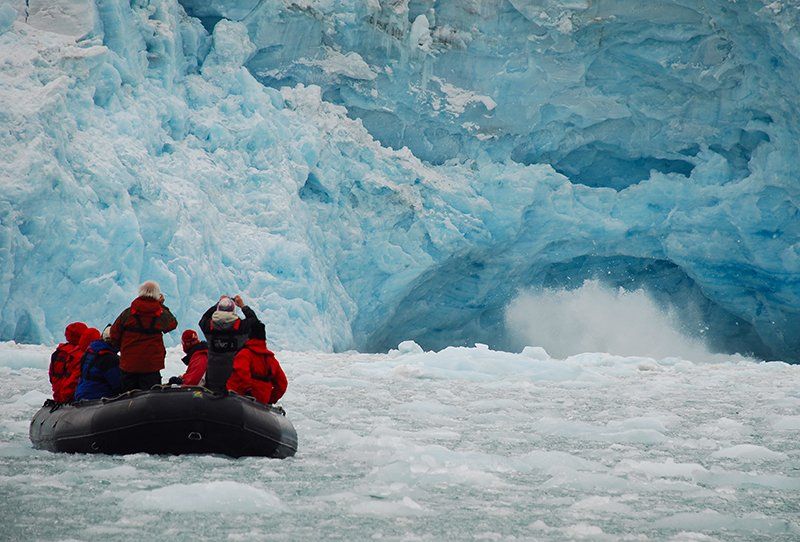
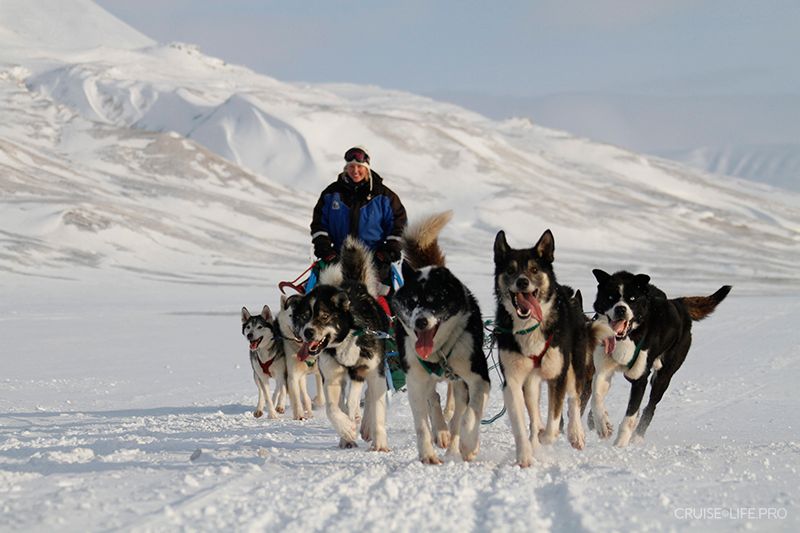
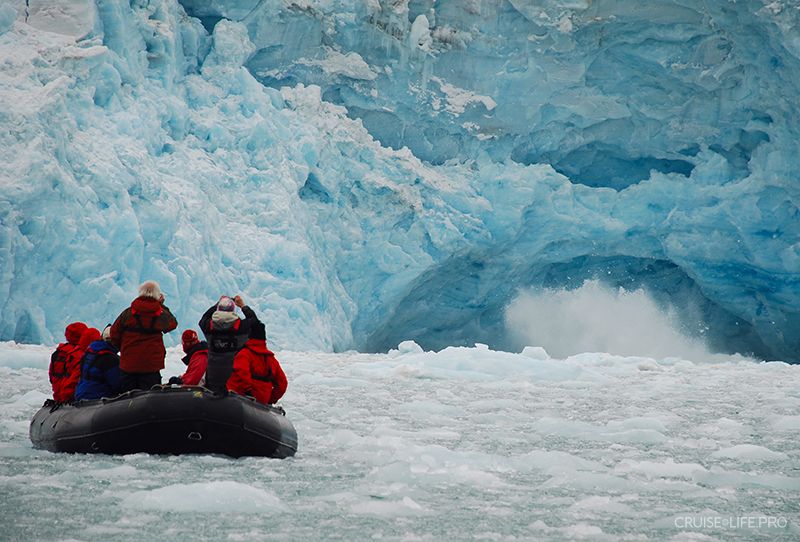
Today, Spitzbergen is one of the centers of polar and subpolar tourism.
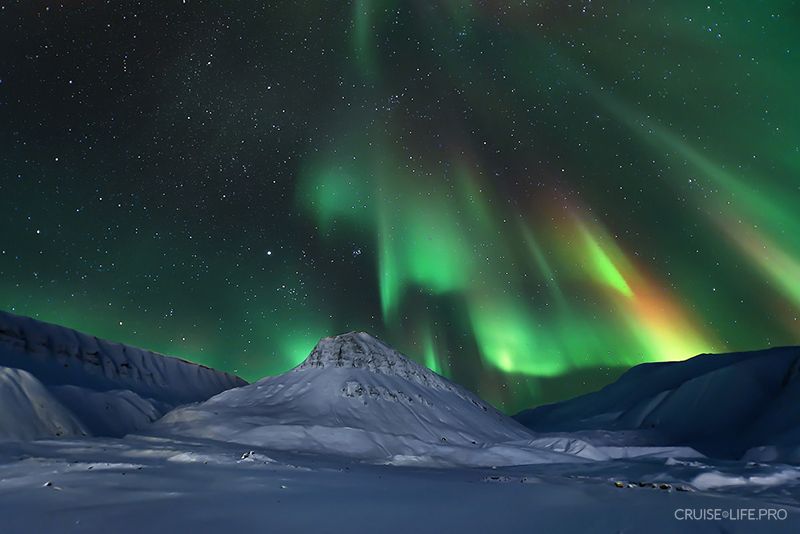
ClimateThe climate in Longyear is arctic; for most of the year the temperature stays below zero. The average annual air temperature is −6 °C, the average temperature in January is −14.6 °C, and in July it is 6.5 °C. The highest temperature of 21.3 °C was recorded in July 1979, and the lowest −46.3 °C - in March 1986. The average annual precipitation is only 210 mm. The polar night lasts about four months, from late October to mid-February, and the polar day - from mid-April to mid-August.