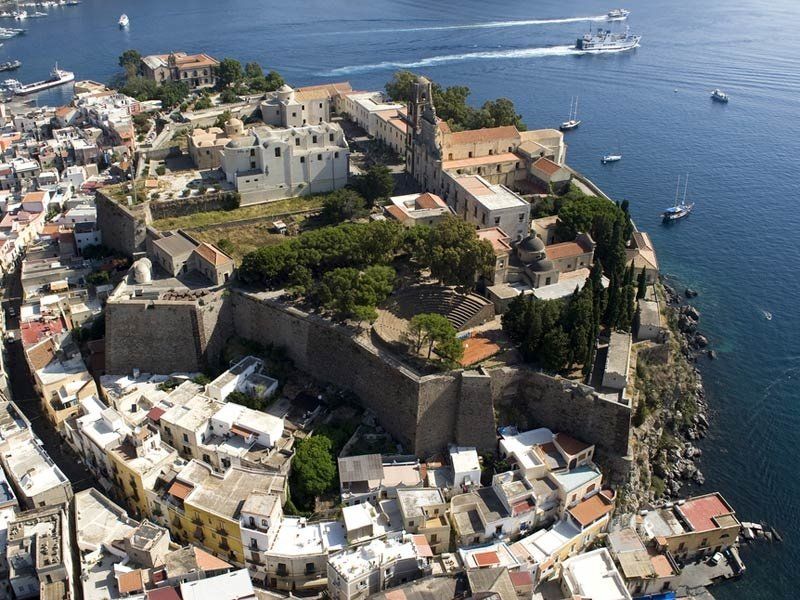
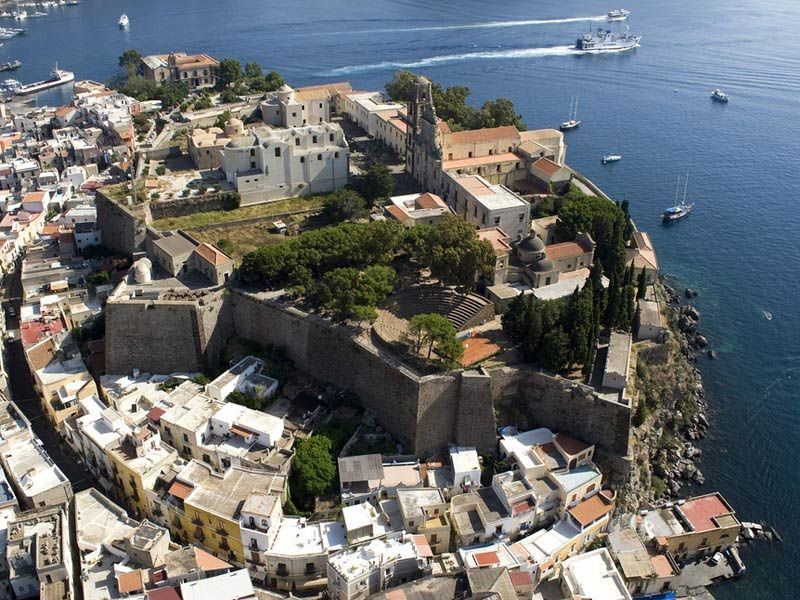
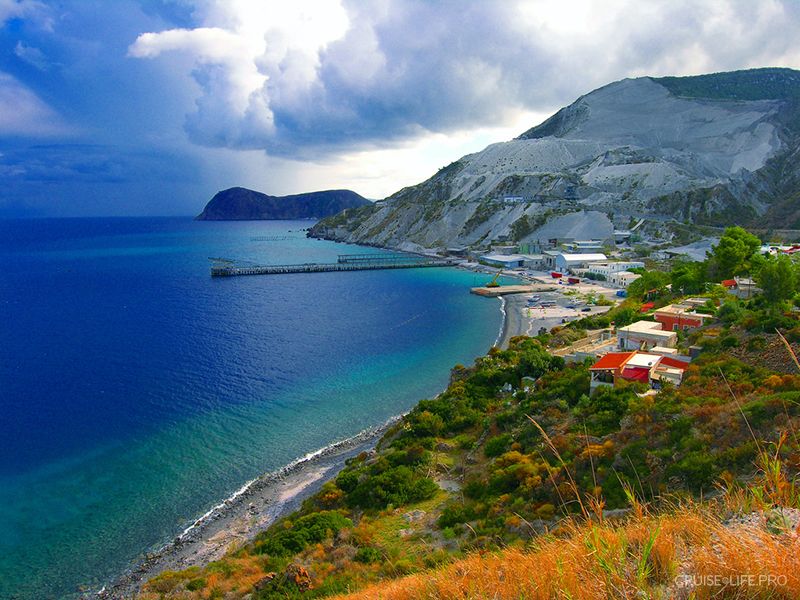
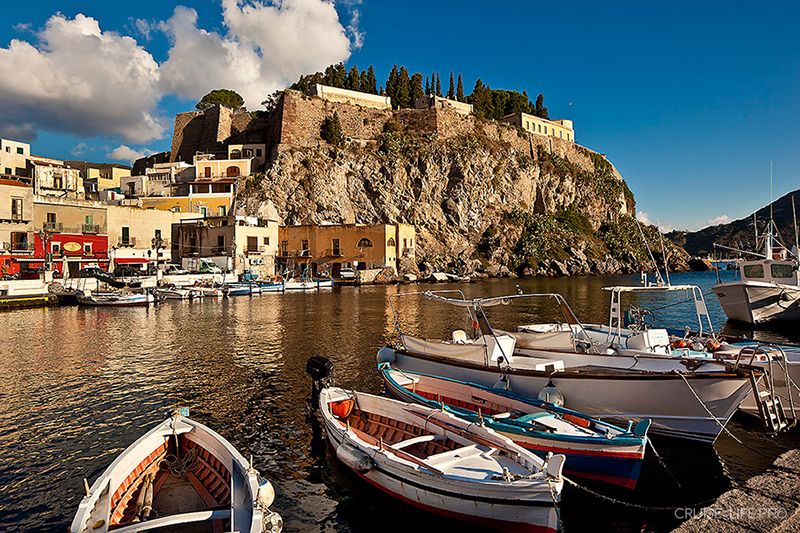
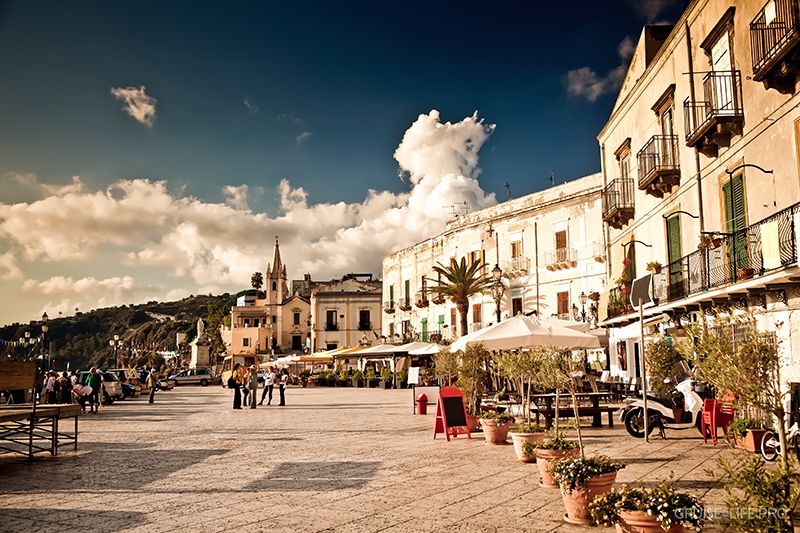
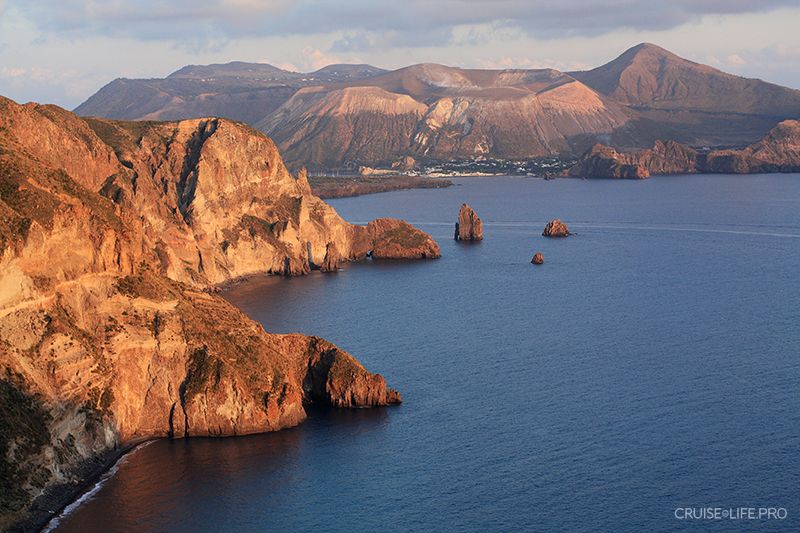
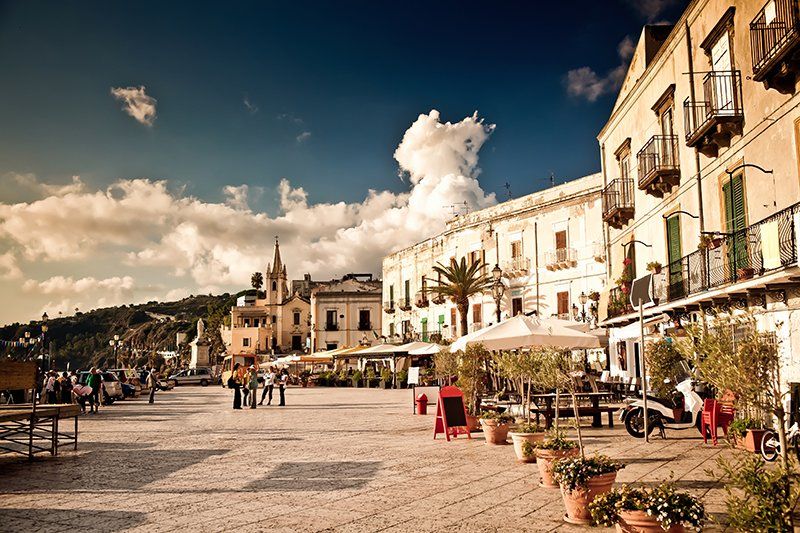
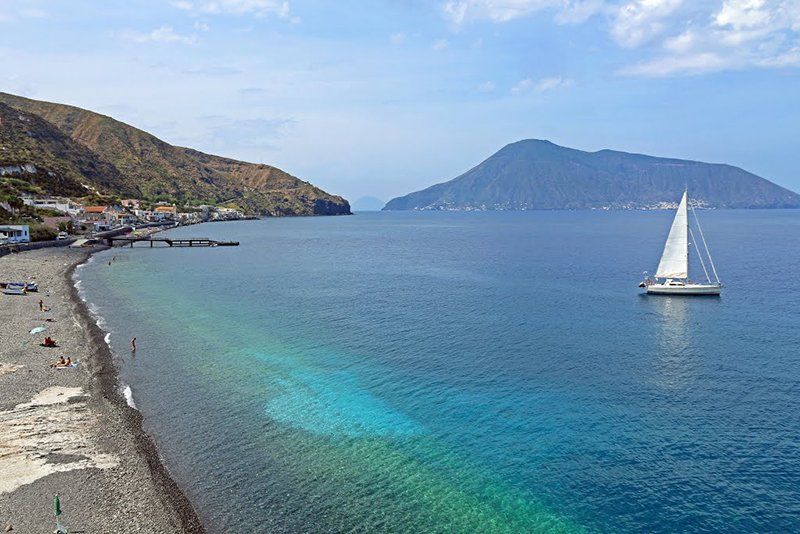
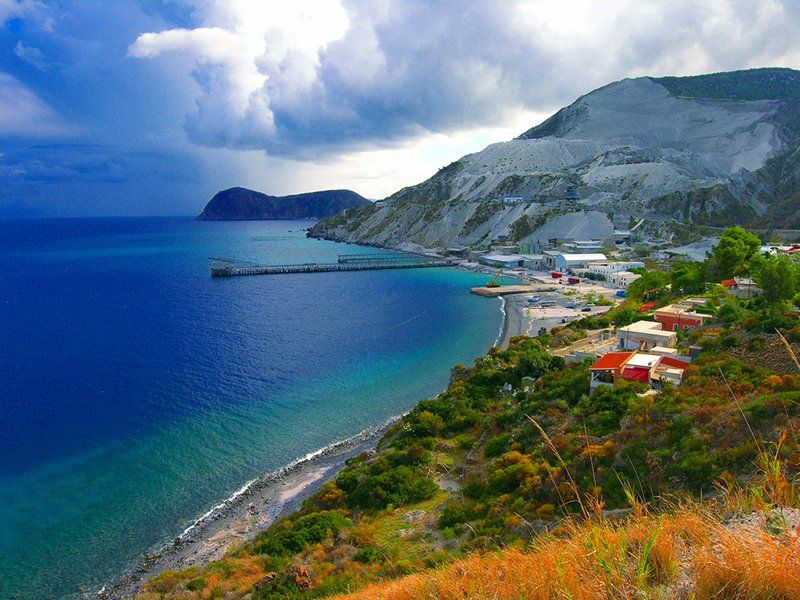
Lipari is the capital of the island of the same name, located on its eastern coast. The island of Lipari is a volcanic island in the Tyrrhenian Sea, belonging to the Lipari (Aeolian) Islands archipelago. The island is situated 44 kilometers north of Sicily and belongs to Italy. The island has a permanent population of 10,763 people (2005); during the summer tourist season, the population increases to 20 thousand. There are several volcanoes on the island. The most recent eruptions were 230,000 years ago.
Lipari is the largest of the 7 volcanic islands located between Vesuvius and Etna. Most of the island’s residents live in the capital and in four large villages-Pianoconte in the west, Quattropani in the northwest, Assoacalda on the north coast, and Canneto on the eastern shore (it adjoins the city of Lipari from the north).
The name of the island traces its roots back to ancient times. At that period, the island was known as Lipara, derived from the Ancient Greek word “liparos”-“fat” or “rich.” When naming the island, the ancient Greeks meant its abundant and fertile soils. The area of the island of Lipari is approximately 37 sq. km.
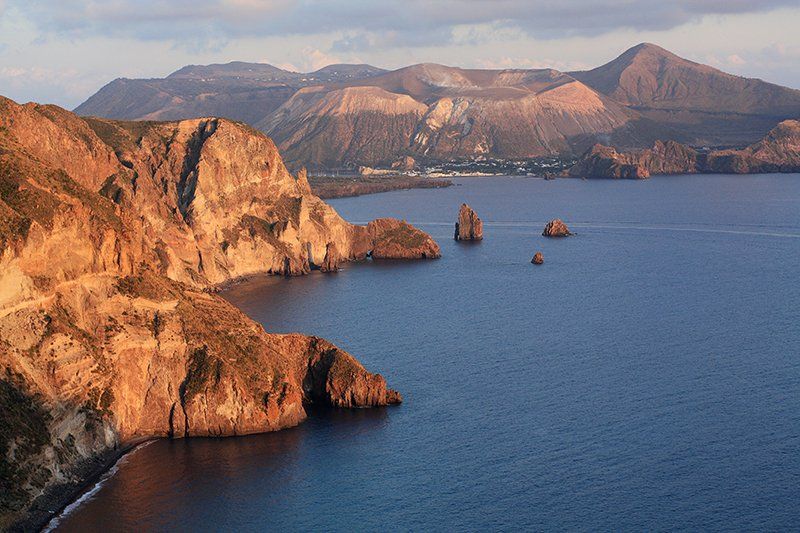
The Lipari Islands are of volcanic origin. On the eponymous island, the volcano Stromboli remains constantly active to this day. On the Lipari and Vulcano islands, fumaroles are found-cracks and openings located in the craters, on the slopes, and at the foot of the volcanoes, serving as sources of hot gases.
The Lipari Islands are a UNESCO World Heritage Site.
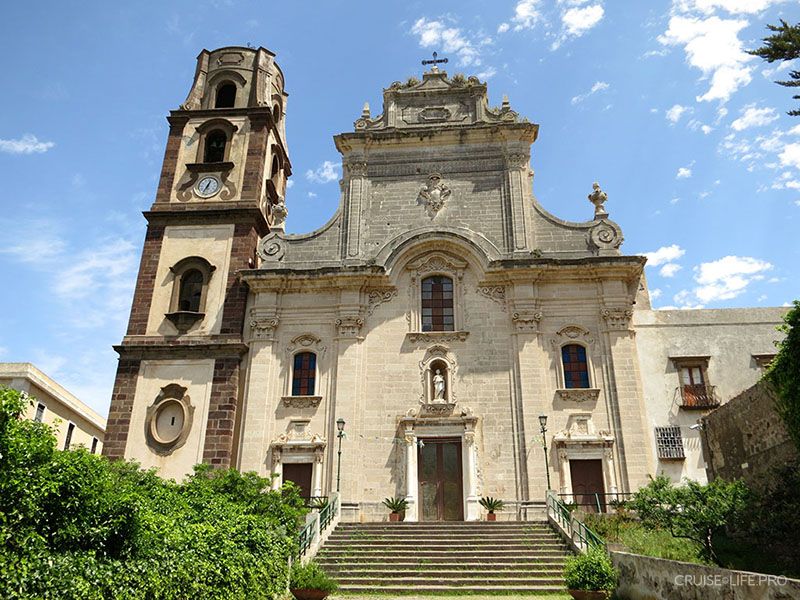
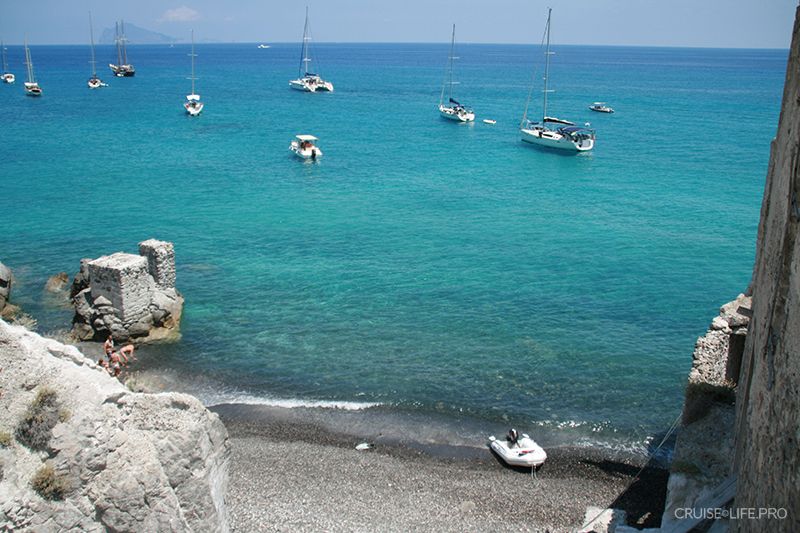
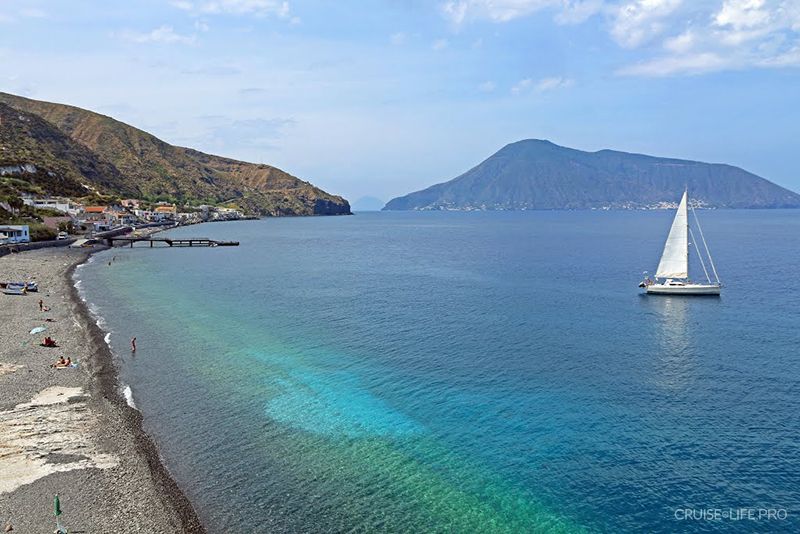
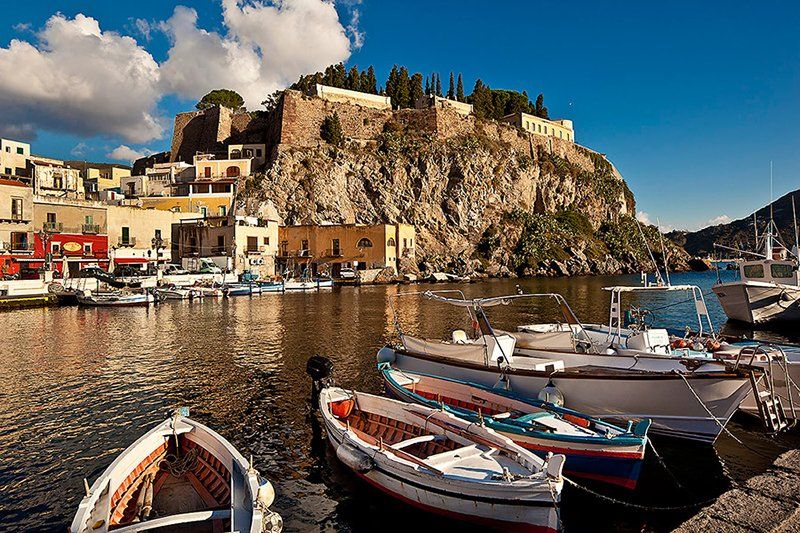
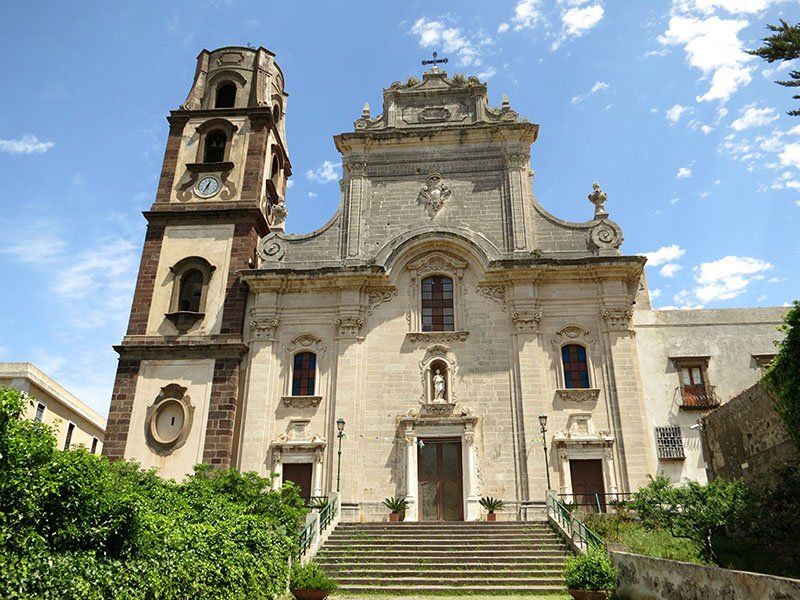
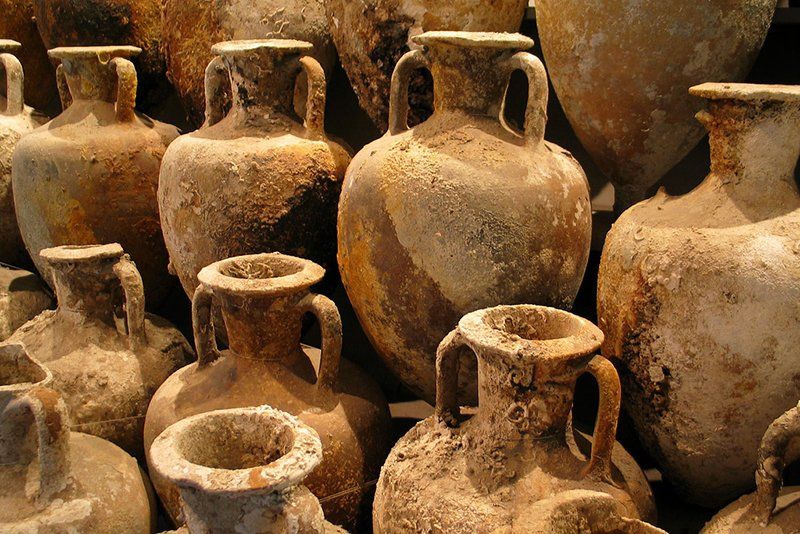
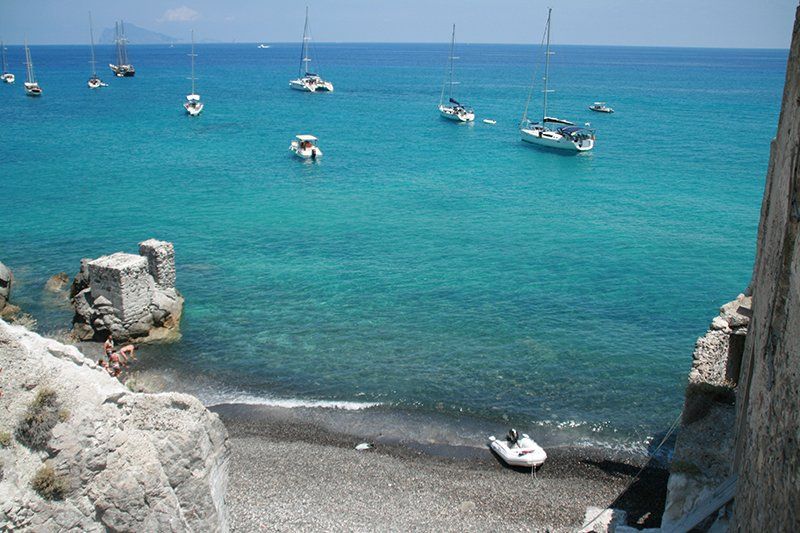
Tourism is the main source of income for the local budget of the island of Lipari. Most of the tourists arriving on the island are eager to visit the famous local beaches. The most well-known among them in Europe are the beaches of Ponente and Marina Lunga (Marina Lunga). And in the town of Lipari itself, quite a number of distinctive sights have been preserved from the island’s former owners-the ancient Greeks, Carthaginians, Romans, as well as the Normans.
ClimateThe climate of the island of Lipari, as on the neighboring islands of the Lipari archipelago, should be classified as a mild Mediterranean climate. Winters on the island are relatively mild, with an excessive amount of humidity and large amounts of rainfall in the form of rain. The average temperature on Lipari during the winter period is about +14-15 degrees. In summer, the air temperature can reach +30-35 degrees. In the summer months, the heat on the island is softened by light but constant sea breezes that bring a refreshing coolness. It is also worth noting that summer is the driest period on Lipari, since at that time, rain is a rarity.