Lerwick, Shetland Islands, Scotland

Port of call

Lerwick, Shetland Islands, Scotland

Cruises to Northern Europe

Description — Lerwick, Shetland Islands, Scotland

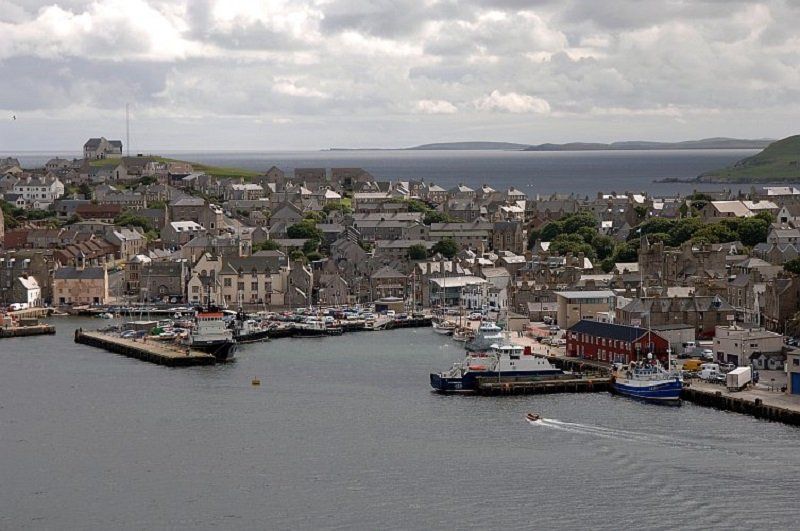
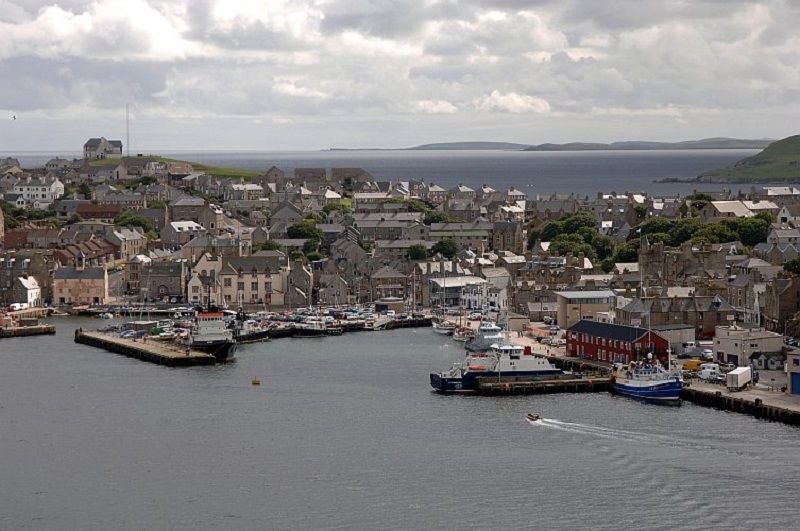
Lerwick - the northernmost city in Scotland, the only populated place with city status and the administrative center of the Shetland Islands. The name of the town may possibly come from the merging of the Norwegian words leir and vik, which translates to - dirty bay. The population of the town is about 7,500 people. The first settlement arose on the site of modern Lerwick in the 17th century - as a fishing village consisting of wooden huts.

It is located on the east coast of the Mainland island at the base of the peninsula forming the island’s southern part, on the shore of a bay that opens to the North Sea, 160 km from the northern coast of the main part of Scotland, 340 km north of Aberdeen, and 370 kilometers west of Bergen. Today, the city includes small suburbs such as Grimesth in the northern part, Sound in the south-western part, and others.

In Lerwick, more than one hundred buildings are included in the architectural monuments lists of categories «A», «B», «C».

The Shetland Islands are an archipelago in the north-east of Scotland. Total area - 1471 km², of which 967 km² belong to the «Main Island», Mainland. It is home to the main city - Lerwick and the second largest settlement by population, Scalloway. The islands form one of the 32 areas of Scotland, Shetland, and also the «Shetland» electoral district for elections to the Scottish Parliament.

Climate

The climate in the Shetlands is a maritime subarctic climate, temperate due to the influence of warm waters of the Atlantic. Water temperature ranges from 5 °C in March to 13-14 °C in late August. However, summer is cool, and temperatures rarely exceed 21 °C. The record for the average monthly temperature was set in August 1947 - 17.2 °C.

Overall, the climate is cloudy and damp with precipitation (more than 1 mm) for 200 days a year. In Lerwick, average annual precipitation is 1238 mm, with a peak in November and December, when up to a quarter of the annual total falls. The minimum precipitation occurs from April to August, although monthly precipitation is never less than 50 mm. Snowfall is possible at any time from July to early June, though usually snow does not lie for more than a day. Fog is possible in summer over most of the islands due to cooling by the sea of southern winds.

The islands’ northern position leads to a large variation in day length throughout the year - from 3 hours 45 min. during the winter solstice to 23 hours during the summer, with twilight during the rest of the day. However, the climate’s humidity ensures persistent cloudy weather, so the number of daylight hours reaches only 1065, i.e. 25% of the total daytime.

Location on the map

Sights

Lodberry

Lodberry

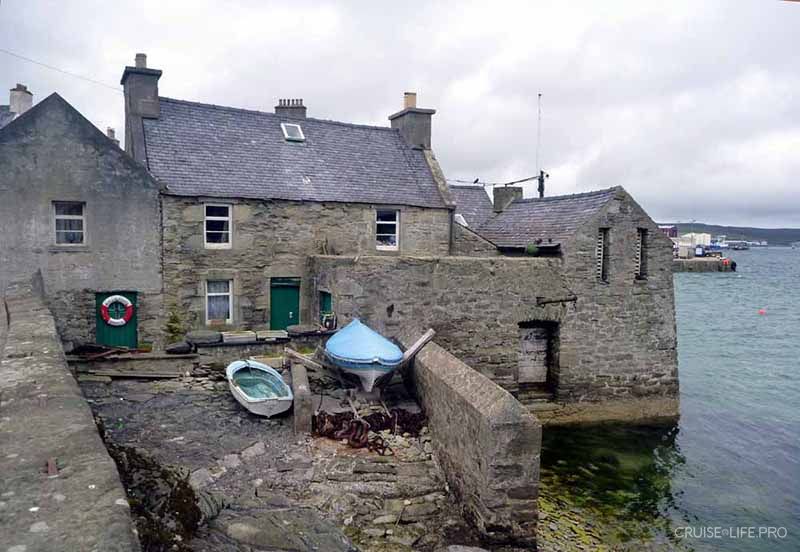
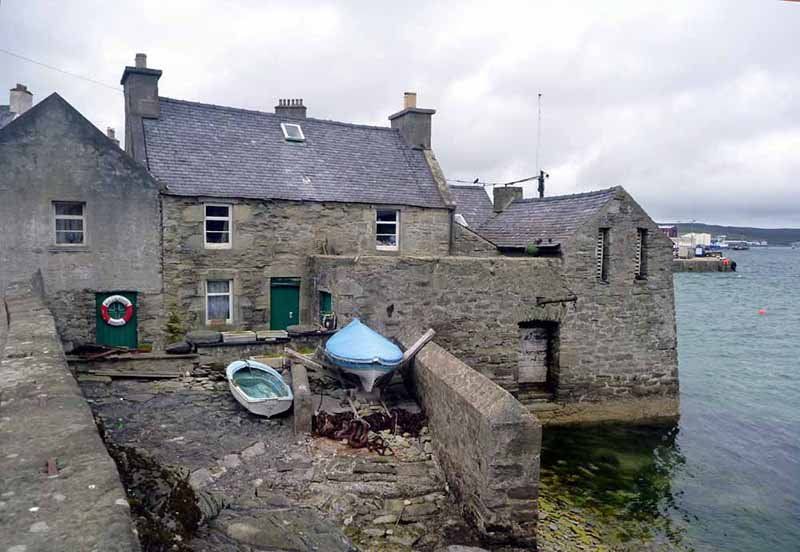
Lerwick of the 17th-18th centuries slowly grew along the waterfront, where merchants built their house-warehouses. These were buildings on stilts, constructed in such a way that goods could be loaded and unloaded directly onto boats. Today, this is an authentic group of buildings-houses and former warehouses on Commercial Street. It is the only surviving piece of truly old Lerwick. Local folklore has preserved a number of legends about smuggling connected with Lodberri. Numerous barrels of Dutch gin, which was brought to Scotland via Norway, would disappear in the underground passages beneath the warehouses in the harbor, bypassing customs. And indeed, modern excavations and the restoration of the area have shown the existence of such underground galleries under certain buildings.
Fort Charlotte

Fort Charlotte

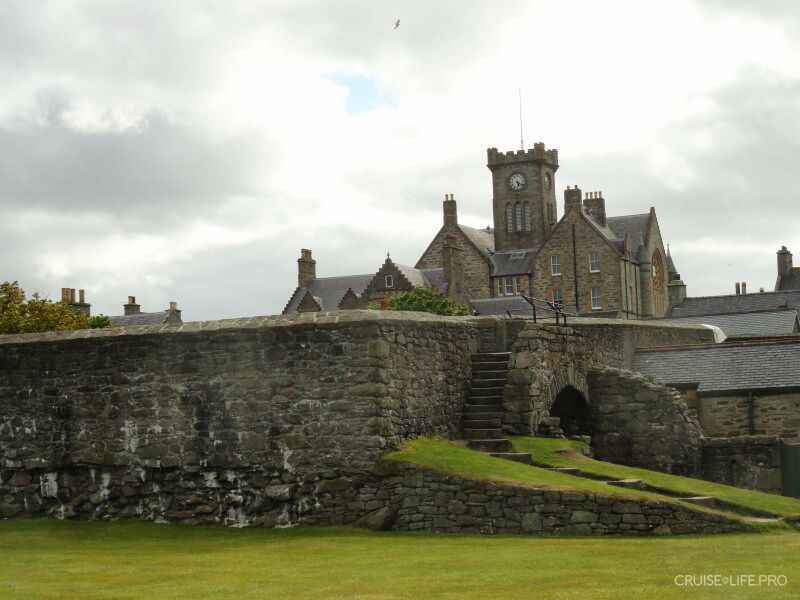
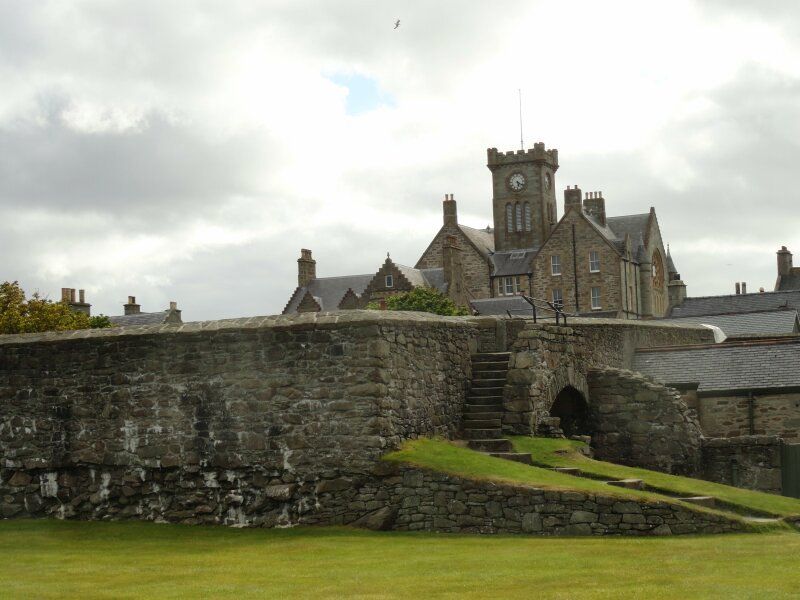
Fort-Charlotte is a five-sided defensive structure with bastions at the corners. Construction began in 1652 by order of Charles II, by the architect John Mylne (1611-1667); it was rebuilt in 1781. In 1971, it was added to the list of architectural monuments of the “A” category. The fort successfully defended the city during the Second Anglo-Dutch War in 1667, but in 1667 it was burned down by the Dutch fleet. In its present-day form, the fort was restored in 1781. Throughout its existence, it served as a base for the Royal Navy, a prison, a ship, customs, and a coast guard station. Today, the fort offers an incredibly beautiful view over the harbor and Lerwick.
Brokh-of-Klikimin

Brokh-of-Klikimin

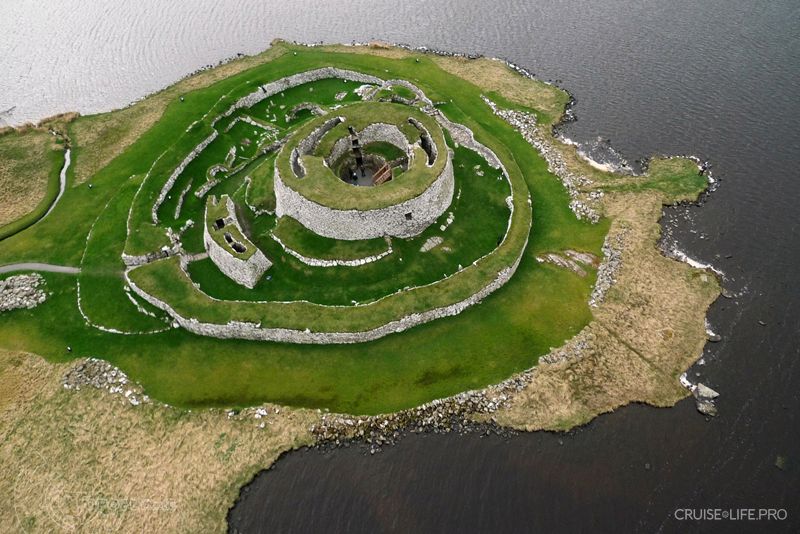
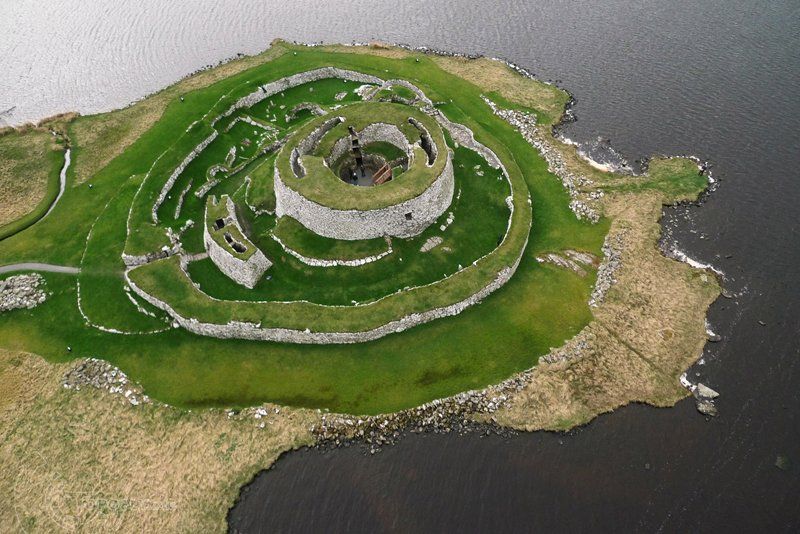
Broch-of-Klikimkin - a stone structure from the Iron Age on an island that is now connected to the mainland on Lake Klikimin-Lough. A broch is a type of round fortified structure built using dry-stone construction (i.e., without using a binding mortar). Brochs are characteristic only of Scotland, where there are more than 100. The word broch comes from Ancient Norse and means “fortress.” The purpose of brochs and their cultural affiliation are a matter of debate. In essence, a broch is a tower communal dwelling. In the hollow walls-individual compartments where people and domestic animals lived side by side. And at the center, under a shared roof, all public and tribal life took place.
What to see

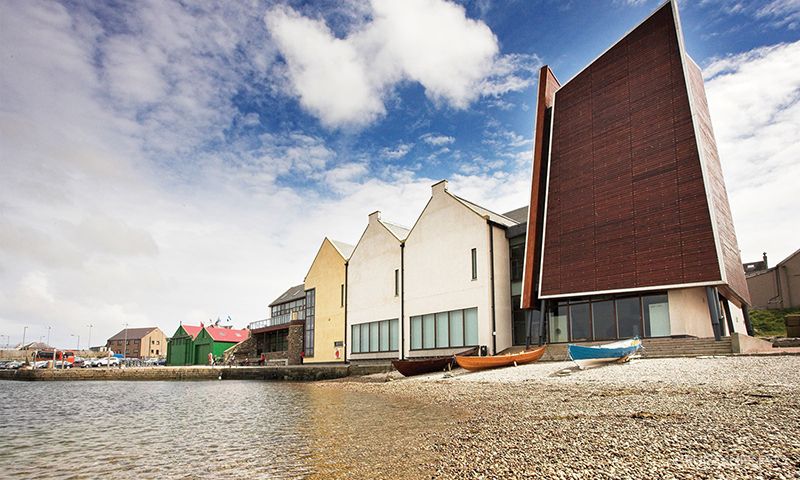
Shetland Islands Museum

Shetland Islands Museum

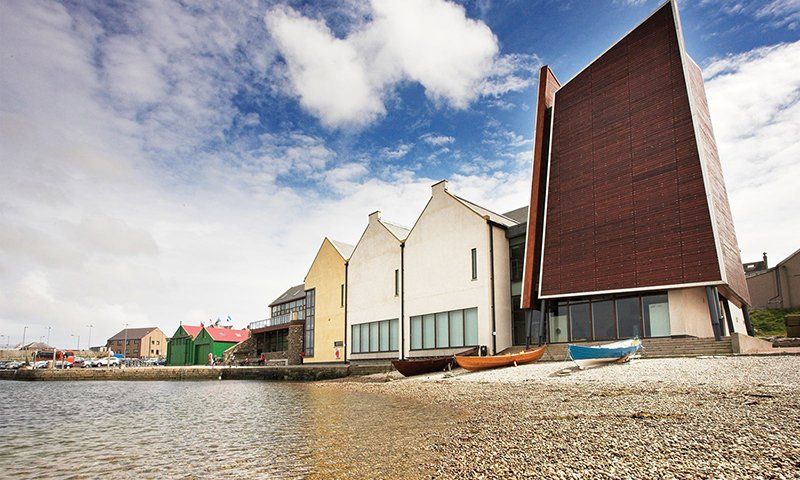
The museum collection covers all aspects of the history of the Shetland Islands. Here you will find items that are exclusively associated with this area. These are things that belonged to local residents, and, as a rule, were made right here. The exhibit also includes items that were owned by people who lived elsewhere, but all of them were emigrants from the Shetland Islands. Some of the local items are truly unique. Others are mass-produced-you can find them almost anywhere-but they also have their value because they are closely connected to the region’s past.

Yarlshoff

Yarlshoff

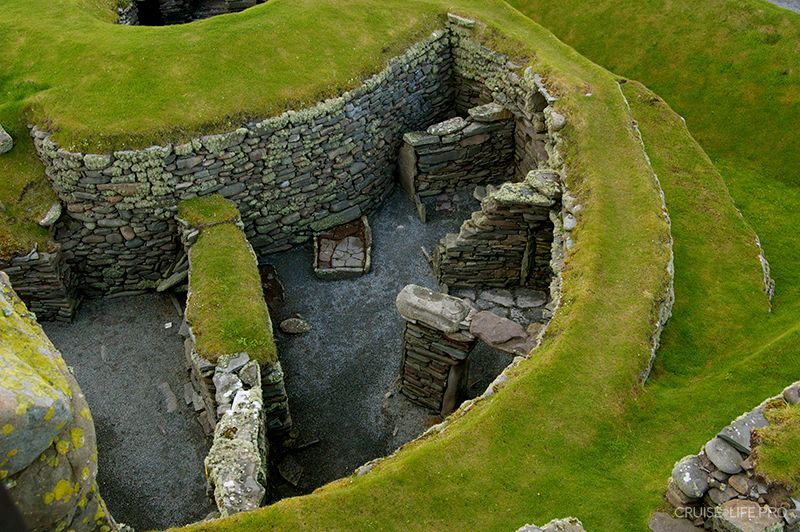
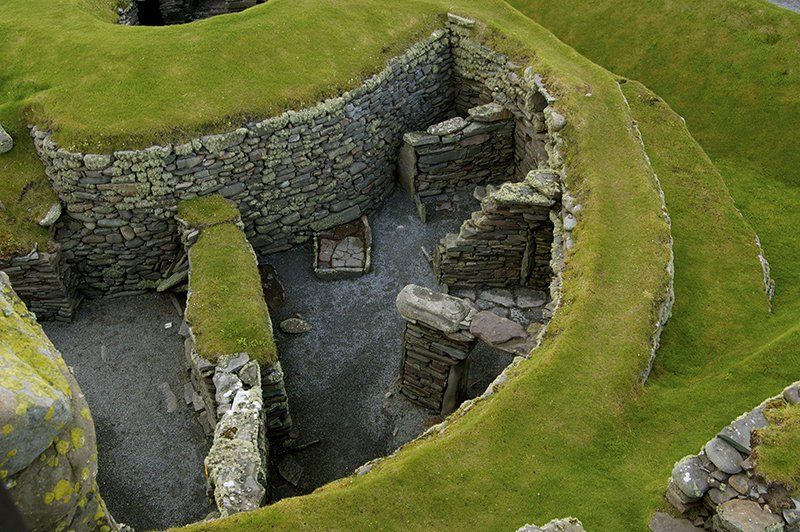
This is the most studied prehistoric monument in the Shetland Islands. It is considered “one of the most important archaeological sites in Britain”. The name “Jarlshof” is not historical-it was invented and used in the novel “Pirate” by Sir Walter Scott in reference to a castle from the Scottish period -the latest and best-preserved of the monument’s structures. From the Bronze Age settlers, traces of small oval-planned houses with thick stone walls remain, as well as various artifacts. Among the Iron Age ruins there are several different types of structures. The Pictish period includes various works of art, including painted pebbles and a symbolic stone. The Viking Age ruins are the largest in Britain and include a longhouse.

Ska lloway Castle

Ska lloway Castle

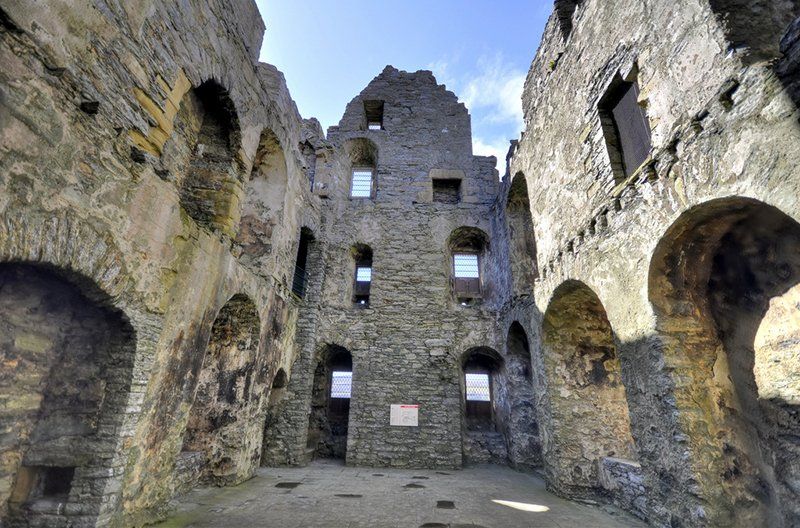
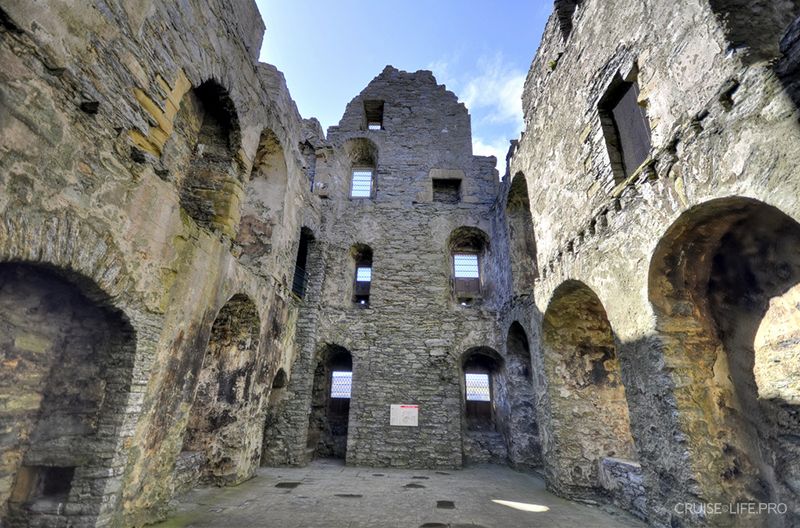
Scalloway Castle was built in 1599 by Patrick Stewart, 2nd Earl of Orkney, to strengthen his position in the Shetland Islands. The castle was not only a formidable fortress, but also a beautiful and elegant palace. Unfortunately, it was taken under the protection of the Scottish Historical Society only relatively recently and has since managed to fall into serious disrepair. Nevertheless, the viewing platforms and one of the castle’s halls are available to visitors today. The stern appearance and the sheer power of the ruins of Scalloway Castle leave an unforgettable impression.

Viewpoint

Viewpoint

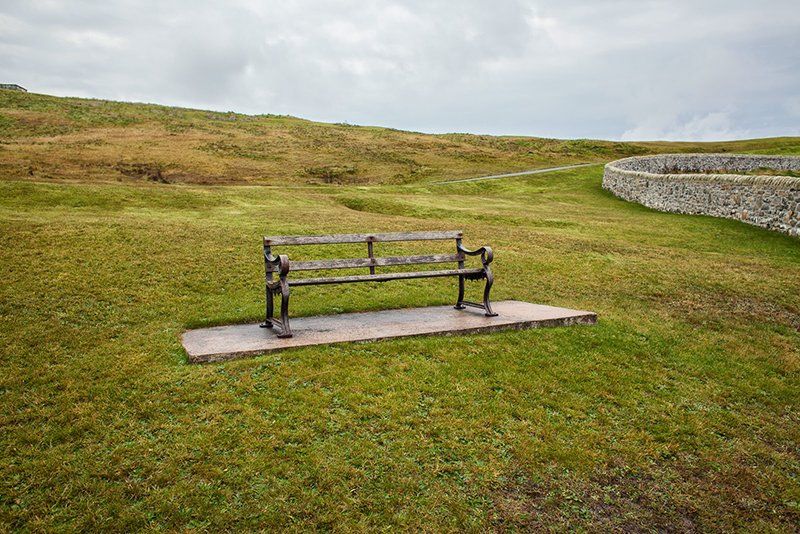
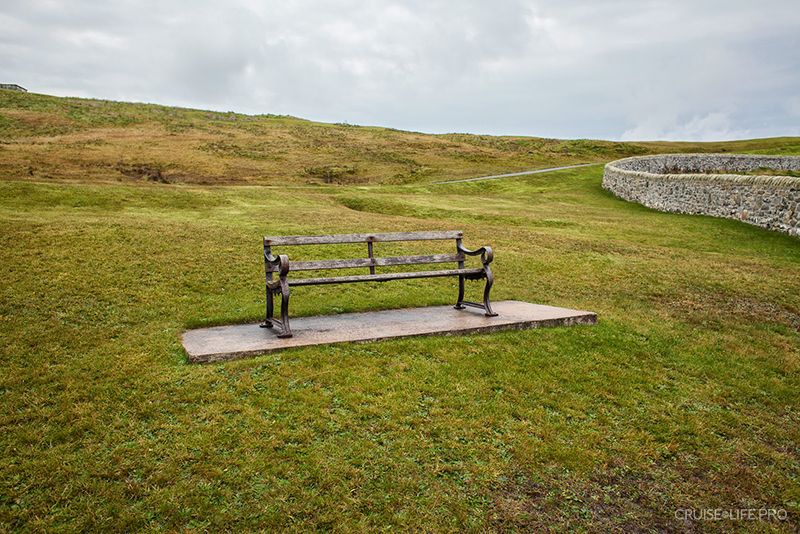
From the The Knab viewpoint on the coastline, you can enjoy an incredibly beautiful view of the island of Bressey. Here you can see colonies of many different bird species, monuments from the Second World War, and take a seat on the small elegant benches-giving your tired feet a rest while delighting your eyes with charming landscapes.

Recommended excursions

Cruise to the National Marine Sanctuary

Cruise to the National Marine Sanctuary

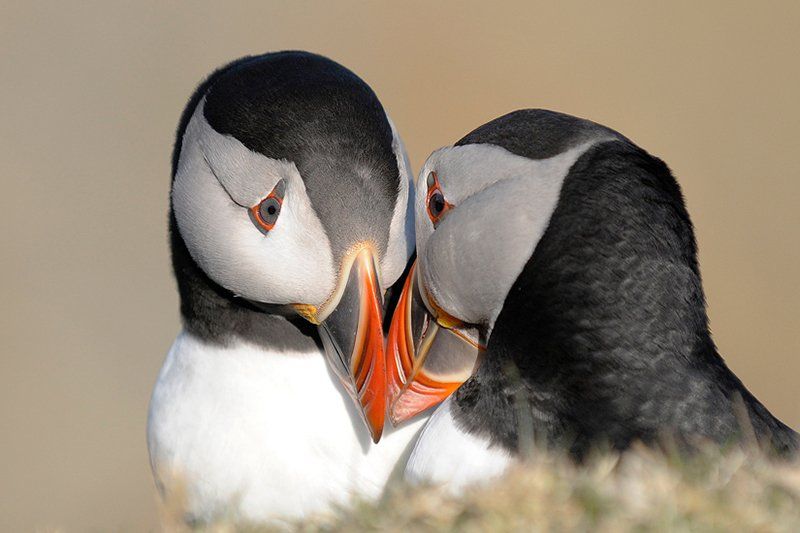
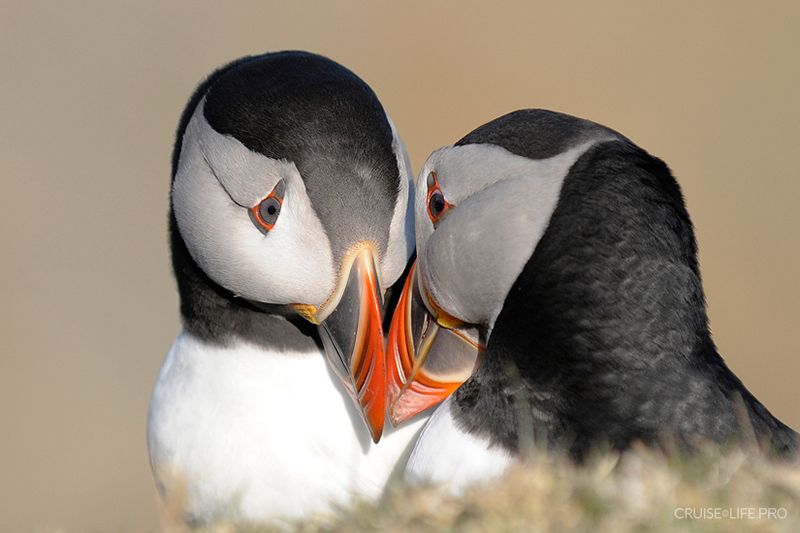
An unforgettable experience awaits on a sea voyage along the National Marine Reserve of the islands of Nos and Bressey. You will surely spot all kinds of seabirds-razorbills, cormorants, puffins, kittiwakes, and skuas-and see seals, porpoises, and whales at the closest possible distance. Excursions are operated on comfortable speedboats and are available even for people with disabilities.

For a more detailed list of excursions and their prices, you can review them after booking your cruise in your “Client Personal Account”.