La Spezia, Italy

Port of call

La Spezia, Italy

Description — La Spezia, Italy

La Spezia is a major commercial and military port on the Ligurian Sea coast, in the most glamorous resort area of Italy, known as the "Gulf of Poets." It is precisely here that such famous writers as Byron, Dante, and George Sand especially loved to spend their holidays. Everything is pleasing to the eye and created for enjoying life. The city has a rich history. Modern La Spezia is a magnificent, lively city. Today, it is the largest military and industrial harbor. Here you’ll find a shipbuilding shipyard and a fleet (Italian Navy). Although La Spezia is located on the coast and has a splendid palm-lined promenade with lawns, there are no beaches: due to ships, yachts, and other water transport, the sea is dirty and there is no equipped shoreline.

During the beach season, tourists stroll around the town, while swimming and sunbathing are done in Monterosso and Forte dei Marmi, where the country’s best beaches are equipped. The entire central street is a continuous gallery of shops and boutiques. Large cruise liners, for the most part, are anchored on a tender not far from the city’s promenade.

The nearest international airport is in Genoa; from there to the administrative center of La Spezia is 75 km. La Spezia is located on the Genoa - Rome rail line and also has excellent connections with Milan (21 euro, 3 hours in transit, 4 trains per day), Turin (24 euro, 3 hours) and Pisa (5 euro, 50 minutes, every hour).

Climate

The climate of La Spezia is typical Mediterranean: hot summers, mild winters, and very rainy autumns and springs. Snow here is rare-about once or twice a year. On winter nights, the sky is mostly clear. In summer, especially on sunny days with a hot southern wind, the temperature can easily exceed 30°C, and sometimes it reaches 35 °C. The feeling of heat in summer and cold in winter is intensified by high humidity.

Location on the map

Sights

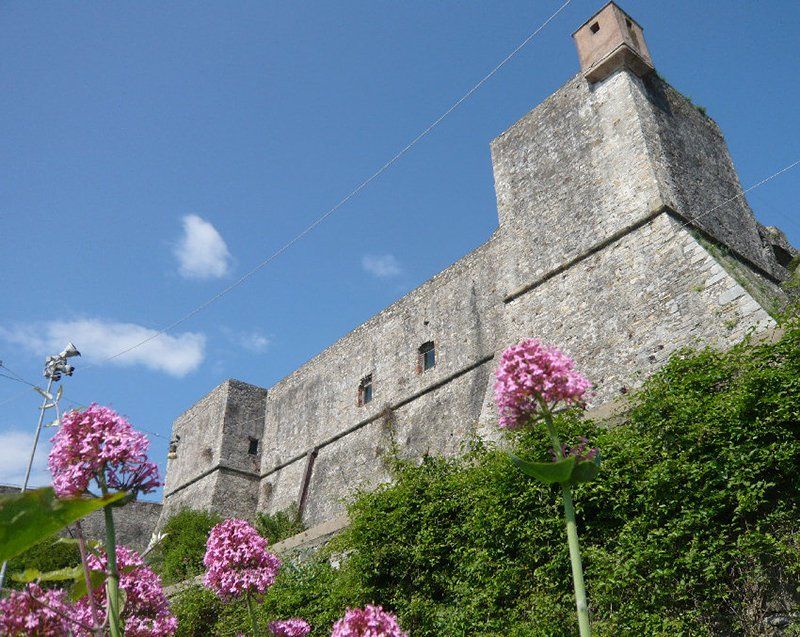
St. George’s Fortress

St. George’s Fortress

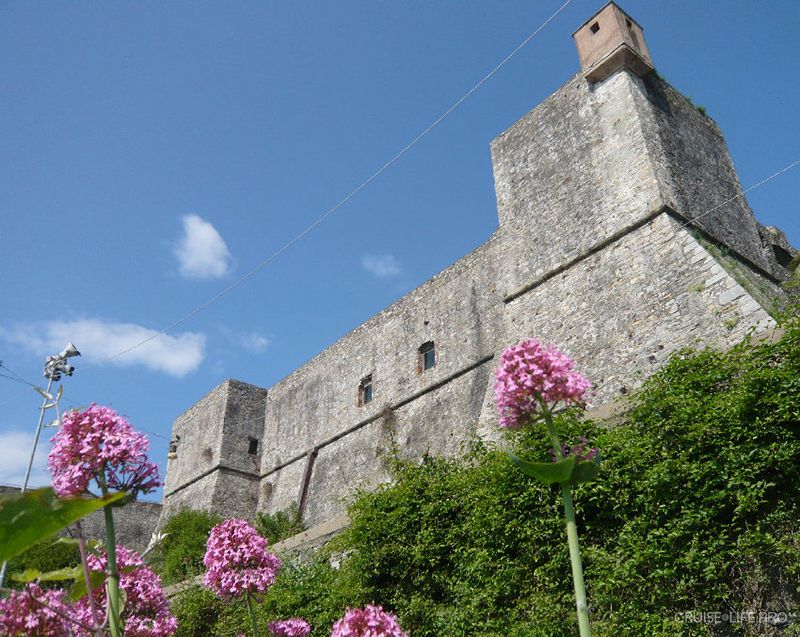
The powerful walls of the St. George Fortress from the 12th century - the city’s main attraction. It was built by the influential Fieschi clan, then repeatedly rebuilt by the Genoese in the 14th and 16th centuries.

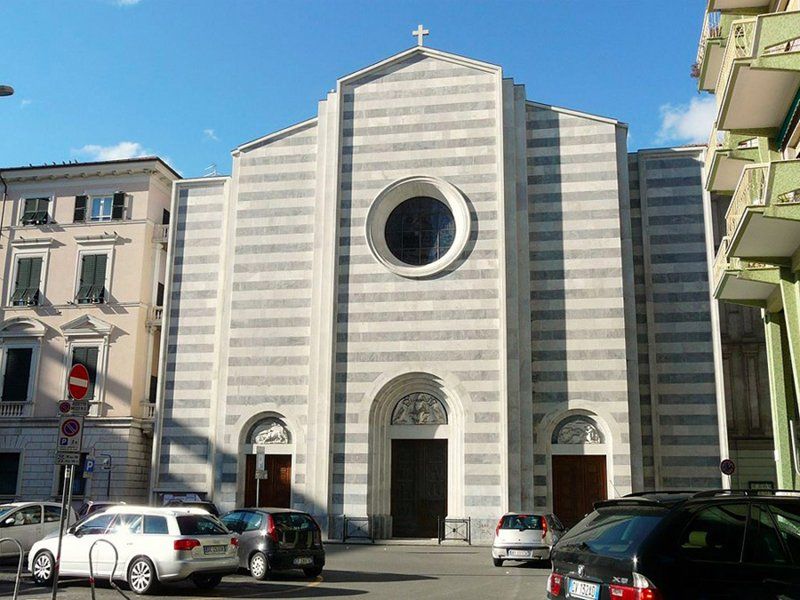
Church of Santa Maria Assunta

Church of Santa Maria Assunta

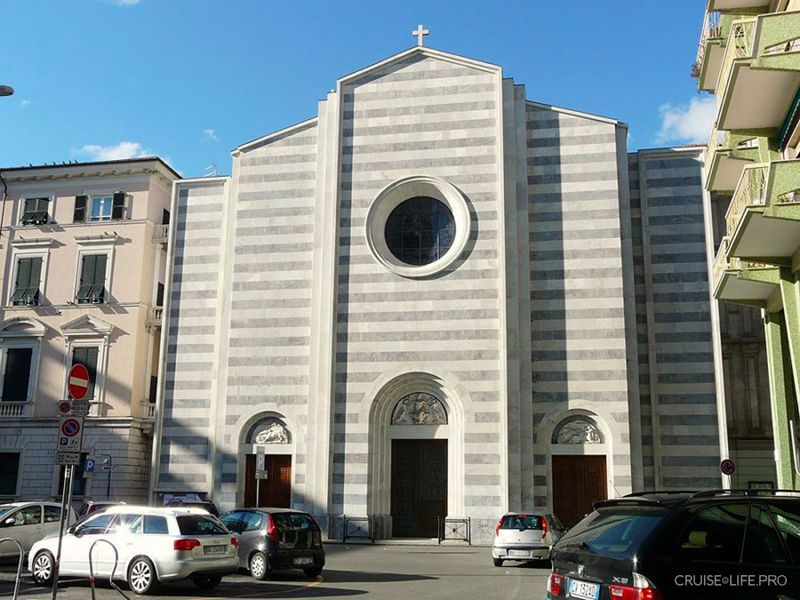
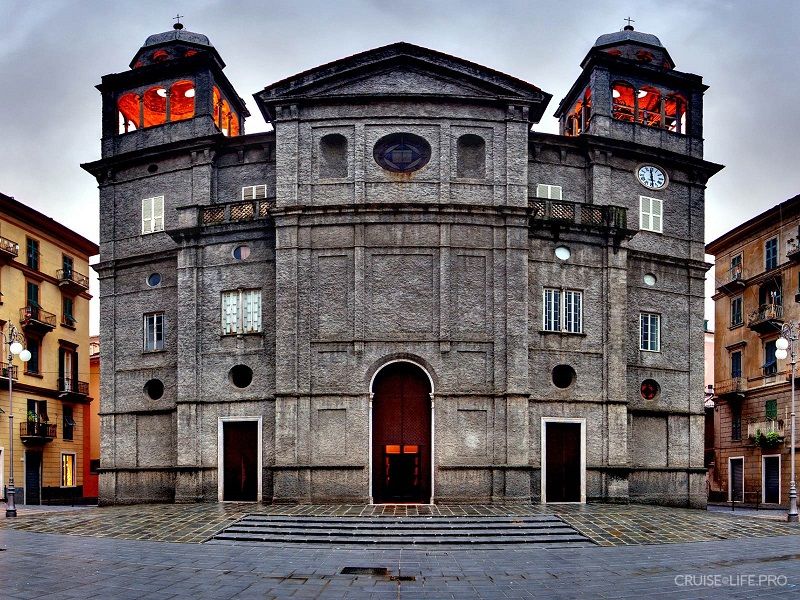
The Church of Santa-Maria Assunta was for centuries considered the city’s cathedral, but in 1975 it gave way to Christo-Re. To console it, it received a magnificent terracotta sculpture by Andrea della Robbia (1435-1525), “The Coronation of the Virgin Mary”.

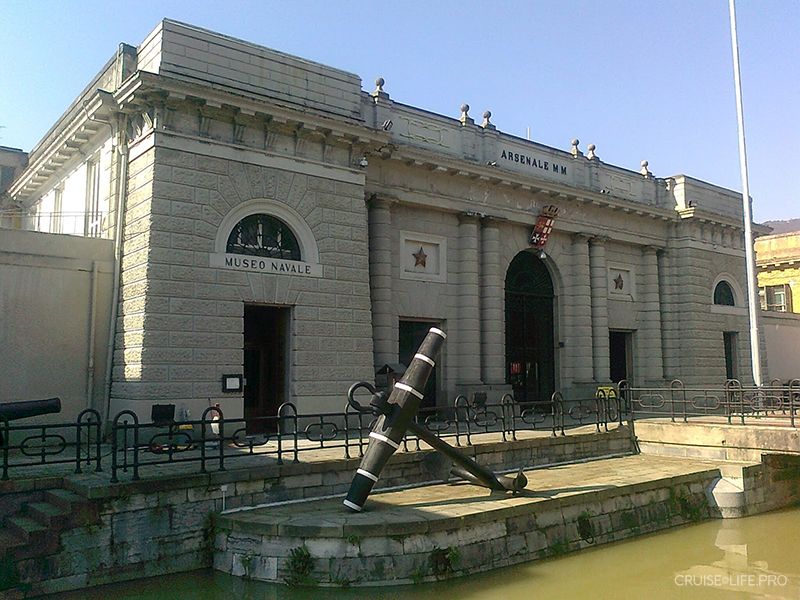
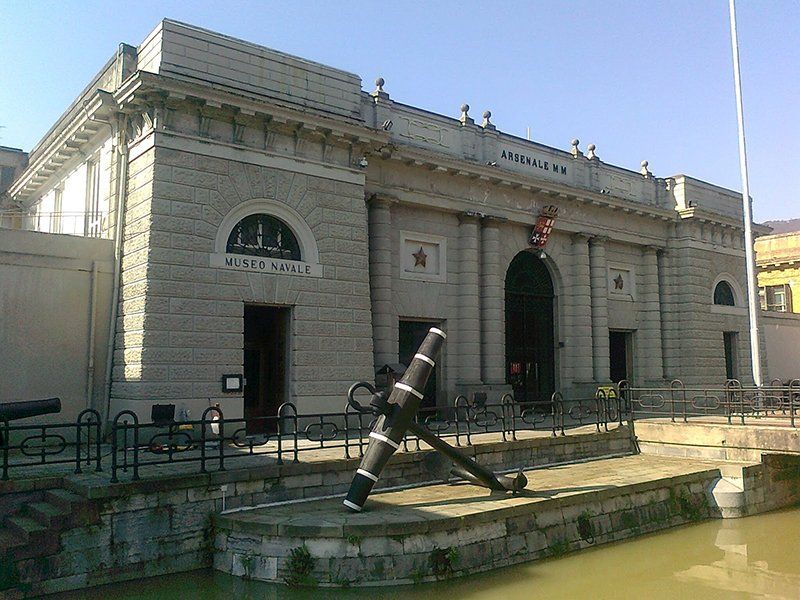
Engineering and Maritime Museum

Engineering and Maritime Museum

Here you can find models of ancient Greek and Roman ships, Columbus’s caravels, sailing ships from the Bourbon era, and a collection of figures that once adorned the ships.

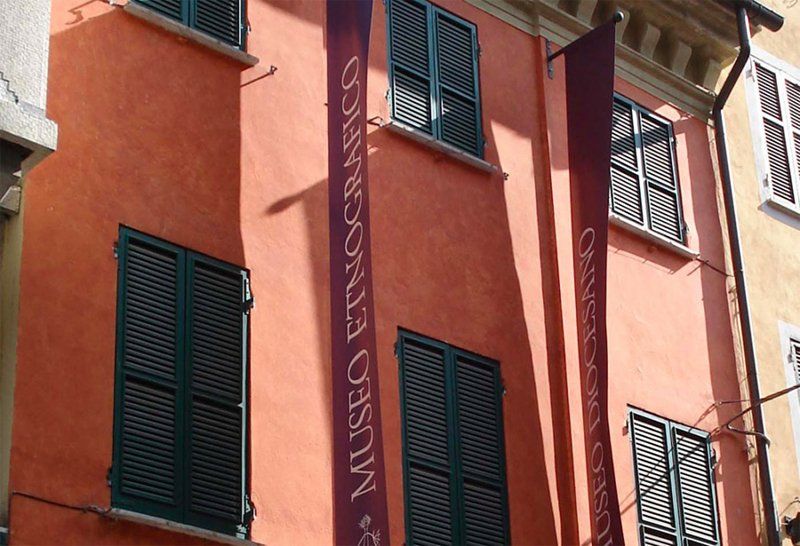
City Museum of Spices

City Museum of Spices

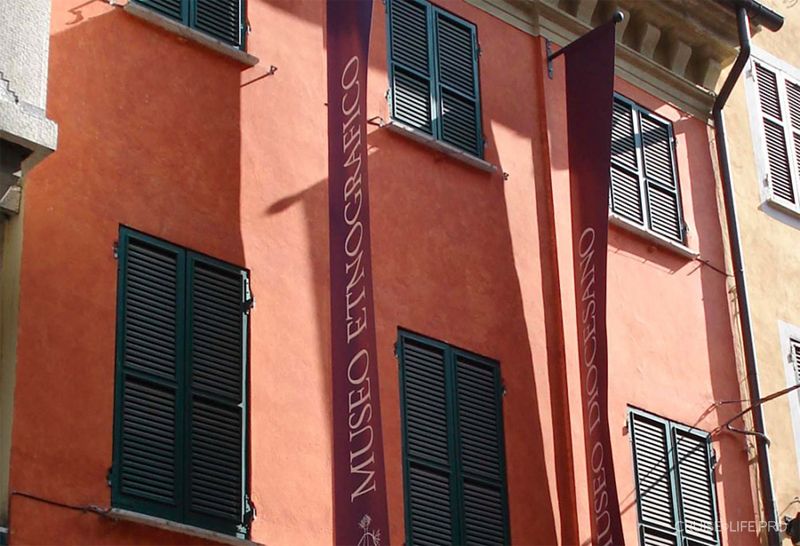
At the City Museum of Spezia, you can see stelae found in Lunigiana - male and female figures from the Bronze and Iron Ages. An excellent collection of mosaic floors is also on display, along with busts (many of which date back to the early Middle Ages), as well as photographs and documents from the life of the city.

What to see

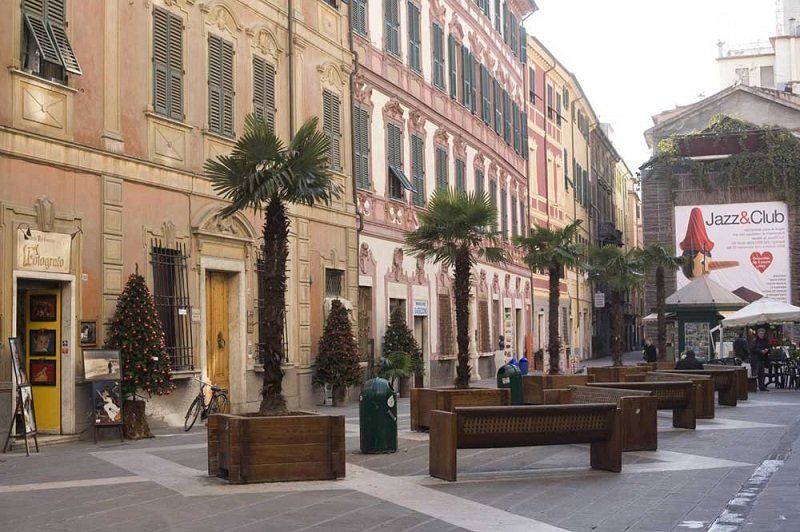
Medieval Quarter

Medieval Quarter

In the center of Spezia there is a medieval quarter - a part of the city intended for walking. Along the street there are shops, boutiques of Italian designers and a wide choice of restaurants. Access by car to the city center is strictly prohibited.

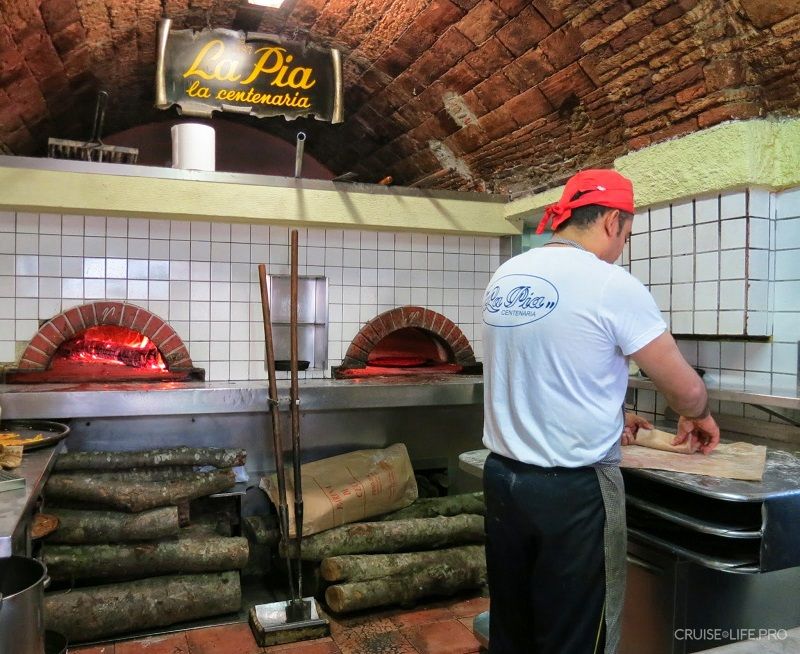
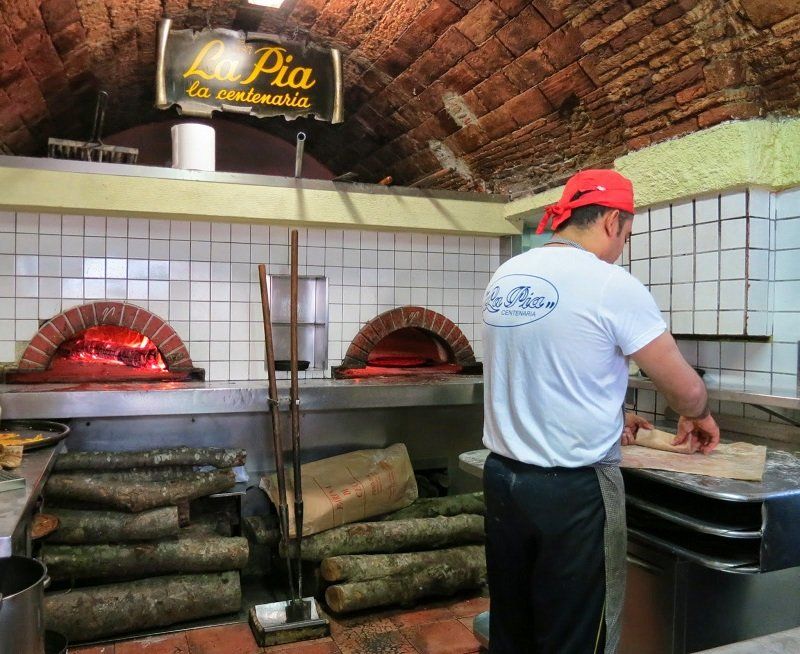
The oldest pizzeria

The oldest pizzeria

Since the 19th century, her ovens have been preparing the famous local delicacy - Farinata pizza, the dough for which is made from chickpea flour. The runny batter is poured onto a huge skillet and cooked at a very high temperature. In 10-15 minutes, the pancake is ready. It should be eaten hot, sprinkled with black pepper. The cost of a serving is 1.5 euros.

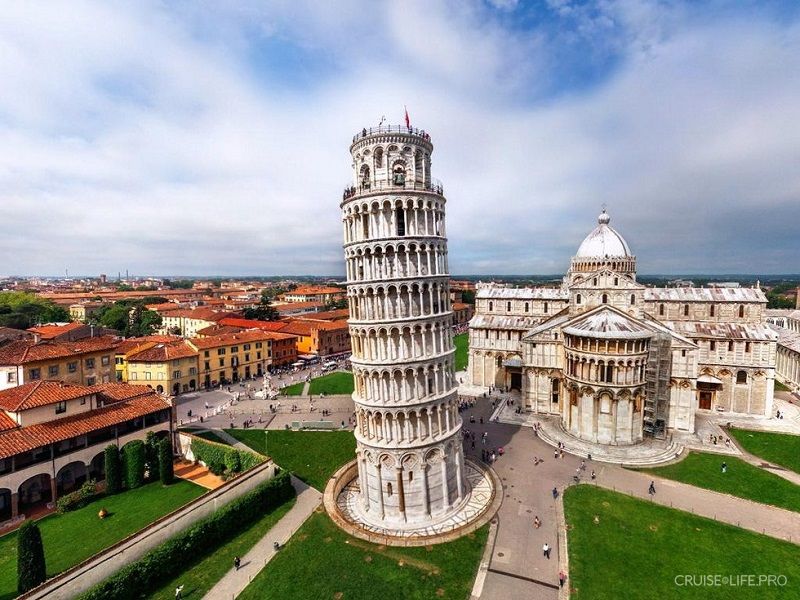
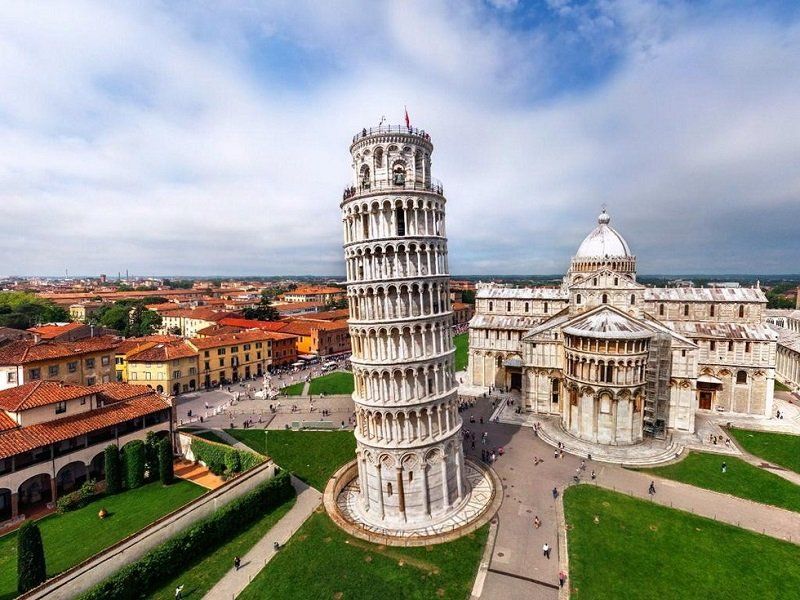
Visit Pisa

Visit Pisa

Visit Pisa and see the famous Leaning Tower. You can get there by train (1 h 10 min - 1 h 30 min travel time).

Cinque Terre National Park

Cinque Terre National Park

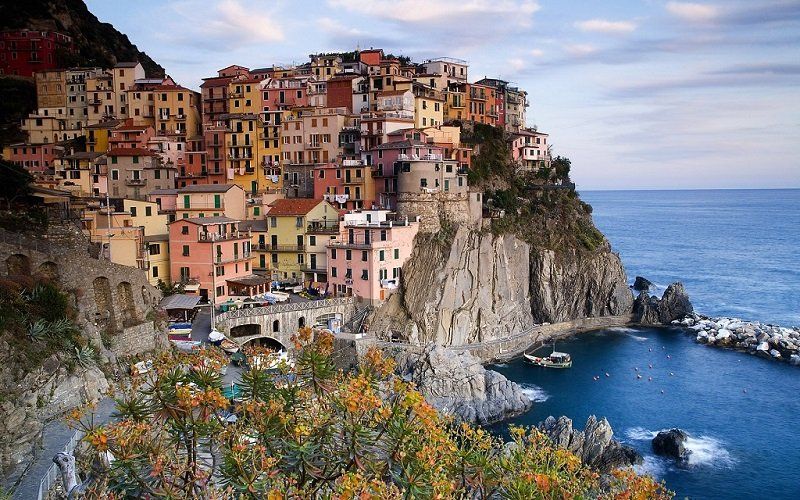
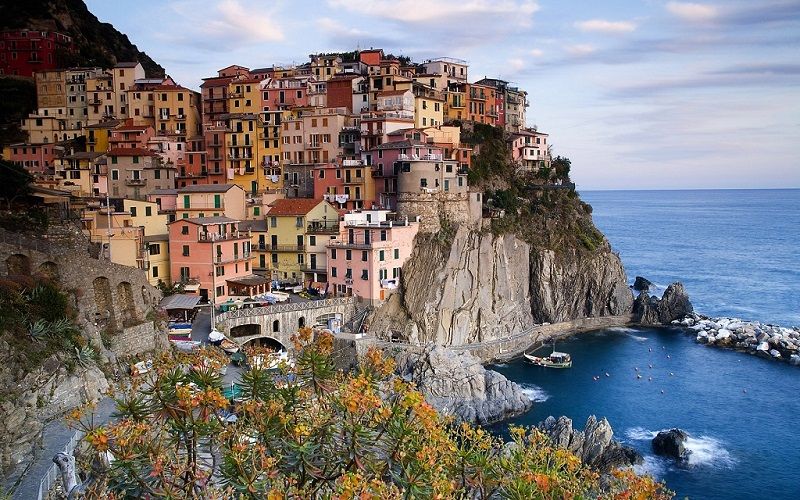
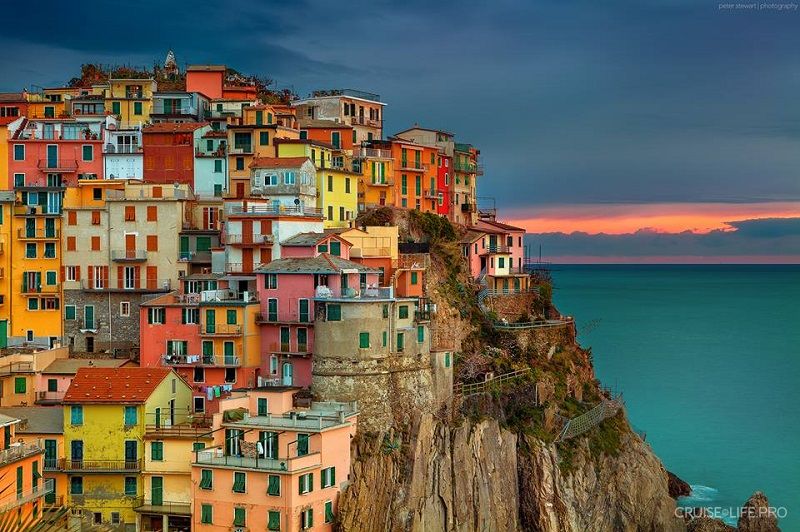
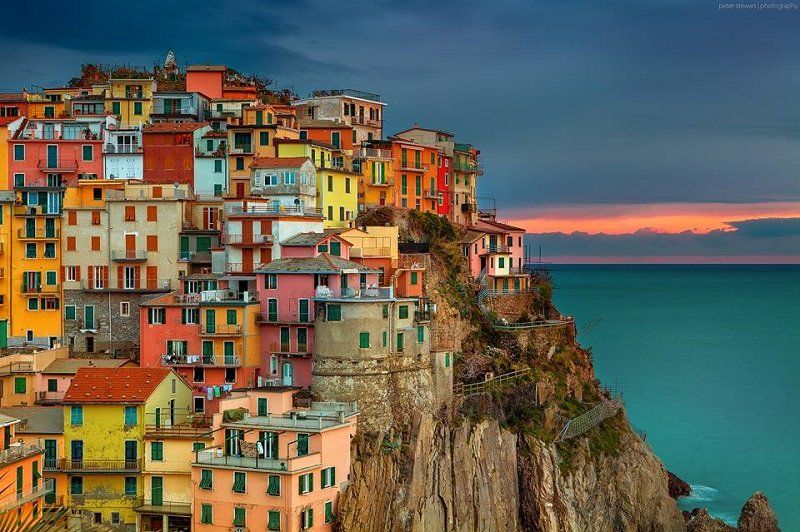
Visit La Spezia’s main highlight-the Cinque Terre National Park-one of the most vibrant and memorable UNESCO World Heritage sites in Italy. The reserve is named after the five villages included in it: Riomaggiore, Manarola, Corniglia, Vernazza, and Monterosso. In Cinque Terre, the coast is rocky and steep, with stone or pebble beaches-except for the sandy beach at Vernazza and Monterosso. The park’s success with tourists is due to its walking routes that connect the churches in the settlements. The path runs along the edge of the cliff on rocky ground. The distance from town to town takes about 30-40 minutes, so it’s important to wear comfortable clothes and shoes. You can also get by boat from the La Spezia port to the neighboring coastal towns (from spring to autumn), or by train (to the first village Riomaggiore-8-10 min.). Trains run regularly, and the ticket price is 8 euro.

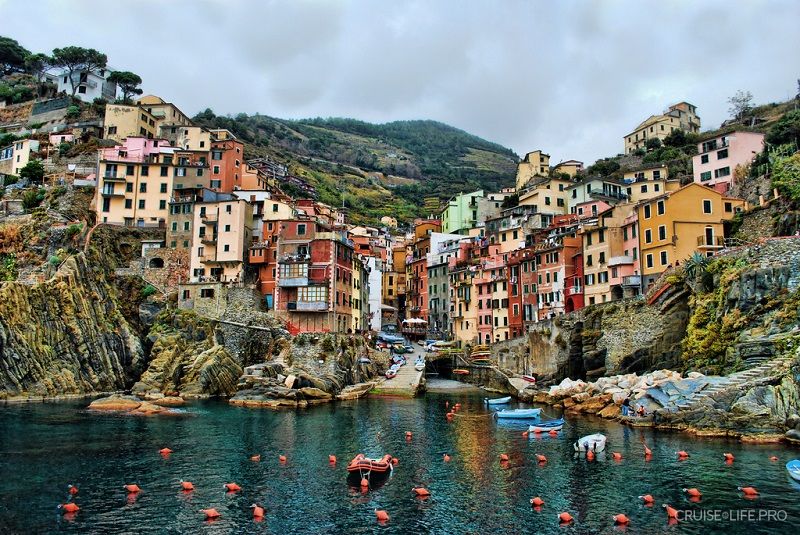
From the village of Riomaggiore, most tourists usually begin their journey through Cinque Terre. The village is tiny; you can walk through it in about 20 minutes, and there’s a small pebble beach. Riomaggiore was, in the past, an inaccessible fortress for pirates. The town was built on a stepped system. The colorful painting of the building facades is not just a local artistic preference: in Riomaggiore there was no lighthouse of its own, so ships at sea navigated by the bright walls and little towers. Riomaggiore-Manarola-20 minutes.

Manarola, which is connected to Riomaggiore by the scenic “Lovers’ Lane” (Via dell’Amore), is especially interesting for its preserved medieval defensive structures against pirates. In the dense lemon groves, you can hide from curious eyes, and the sound of waterfalls adds romance. All the slopes are lush with greenery from the vineyards. Manarola-Corniglia-45 minutes.

Corniglia is the only one of the Cinque Terre villages that has no beach, no marina, and no direct access to the sea. The hillsides around Corniglia are covered with vineyards. Corniglia-Vernazza-1.5 hours.

Vernazza-the only natural boat harbor in Cinque Terre. Narrow, winding lanes lead down to the harbor. In the central square you can find souvenir shops and restaurants. Vernazza is a medieval fairy tale, as locals love to say. Here, a powerful system of defensive structures has been preserved. The castle’s fortress wall protected the town from the Saracens. The Romanesque church of St. Margaret on the rock was built in the early 19th century on the site of a medieval chapel. According to legend, it was founded by Saint Bernardino of Siena, the patron of this land. Vernazza-Monterosso-1.5 hours.

Monterosso is the largest town within the national park. It is known for its wine, a small charming sandy beach, and its marina. It sits on the hill of San Cristoforo, which divides it into two. The first settlement here appeared in the 12th century. The medieval part of the town has been left untouched. Along the descent to the sea there is a modern quarter of villas and residences-only 100 years old. Monterosso beach is the longest along the Cinque Terre coastline.

Entry to the park is free. A separate fee is required only for the walking route along the seaside trail (it runs from Porto Venere to Levanto and passes through all five villages).

Wine-making is one of the areas that made the five fishing settlements famous around the world. Local wines were celebrated by Boccaccio, and Pliny the Elder gave them a gentle description-“moon wines.”


Recommended excursions

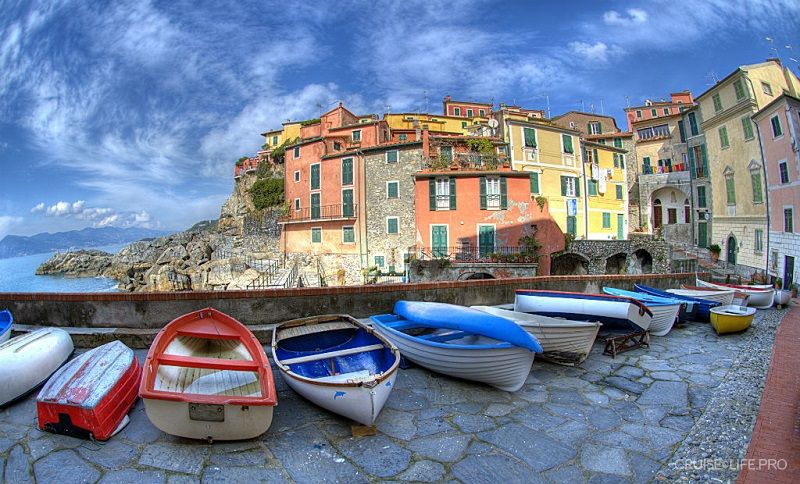
Cinque Terre - five Ligurian medieval villages

Cinque Terre - five Ligurian medieval villages

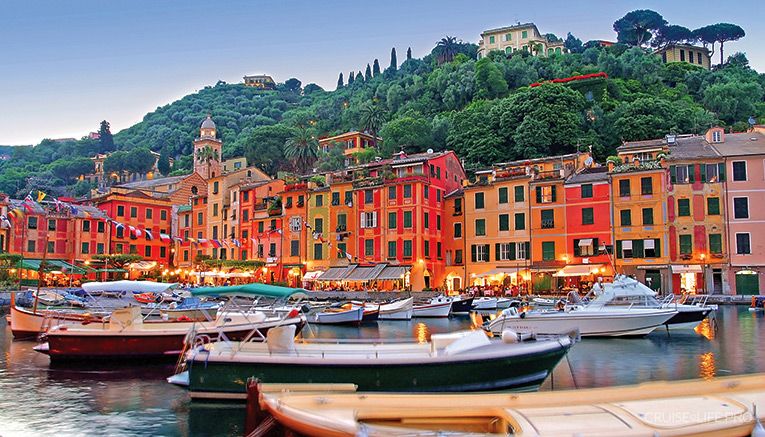
Cinque Terre is one of the most romantic places on the entire peninsula; it is a natural reserve and a UNESCO World Heritage site. The history of these towns, like a colorful mosaic, dates back to the 12th century. In Cinque Terre you can taste and buy high-quality wine and olive oil, and visit small restaurants. These fishermen’s cottages built into the rocks and the crystal-clear coastline will stay with you forever. Group 1 - 4 people - from €280.00.