Kuala Lumpur, Malaysia

Port of call

Kuala Lumpur, Malaysia

Cruises in Asia (Southeast Asia)

Description — Kuala Lumpur, Malaysia

Klang (previously also known as Kelang) is a city in Malaysia, in the state of Selangor. Located in the Klang Valley, 32 km west of Kuala Lumpur and 6 km east of Port Klang. Before the emergence of Kuala Lumpur, the city was the capital of Selangor; today, the state capital is Shah Alam. Port Klang, located in the Klang District, is one of the busiest container and transshipment ports in the world. In Klang you can find the palace of the ruling Sultan of Malaysia.

Tourists arriving in Port Klang typically set off to explore the country’s capital, Kuala Lumpur-one of the largest and most beautiful cities in Southeast Asia. The city is situated in the southwest of the Malay Peninsula, in a lowland valley at the confluence of the Klang and Gombak rivers.

The history of Kuala Lumpur began 140 years ago with tin. At that time, Kuala Lumpur was what its name meant when translated from Malay-“a dirty river estuary.” The metropolis, meanwhile, grew in the 1880s on the site of the camp of the first tin prospectors-the Chinese adventurers known as “Hakka.” It was located where the Klang and Gombak rivers flow into a single stream, colored brown-gray by tin deposits. Gradually, the city developed, and in 1880 it became the capital of the Sultanate of Selangor. By 1931, it already had 110,000 residents, and another 30 years later, despite the decline of tin mining, Kuala Lumpur became the capital of the Federation of Malaysia and one of the most rapidly growing cities in Southeast Asia.

Mosques, skyscrapers, giant towers, a television tower, an enormous number of people from all over the world... Kuala Lumpur is something incredible-what can you not find in this city! Architectural and historical attractions of Kuala Lumpur, green parks, budget shopping, panoramic views from skyscrapers-this is only an incomplete list of local sights. The world-famous “Twin Towers” Petronas Towers loom here over the century-old houses of the Malay Quarter (this is precisely “the place from which Kuala Lumpur began”), while the fragrant bazaars of Chinatown unfold right at the foot of business centers made of glass and concrete. The city’s architecture is impressive in its variety-you can find buildings from practically every era and style here. You can always relax in one of the wonderful Kuala Lumpur parks.

Climate

Kuala Lumpur has an equatorial climate, with a high amount of precipitation (2627 mm on average per year). It is hot and humid all year round. Heavy rains fall almost evenly throughout the year, except for June-August, when they become somewhat less frequent. The temperature in the city never rises above 38.5 °C and never falls below 17.8 °C. Average daily highs are around 30–33 °C, and lows are 23–25 °C.

Location on the map

Sights

Petronas Twin Towers

Petronas Twin Towers

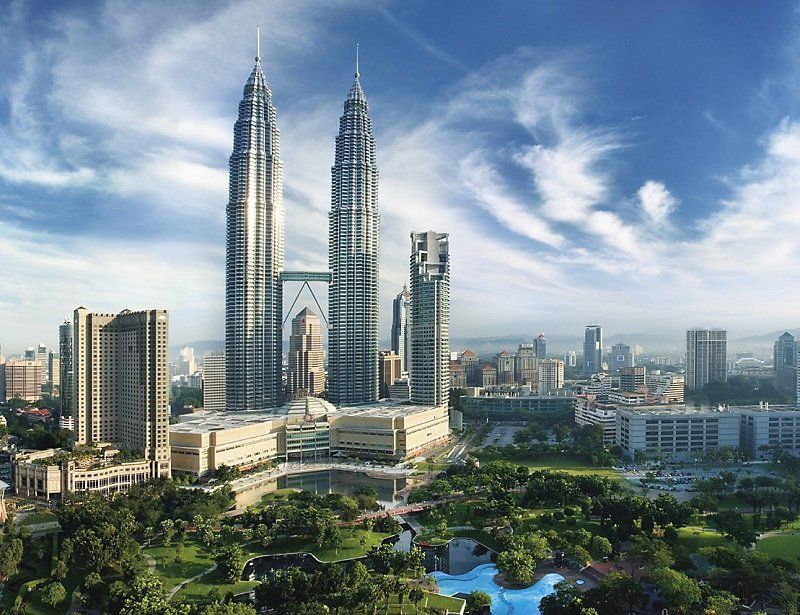
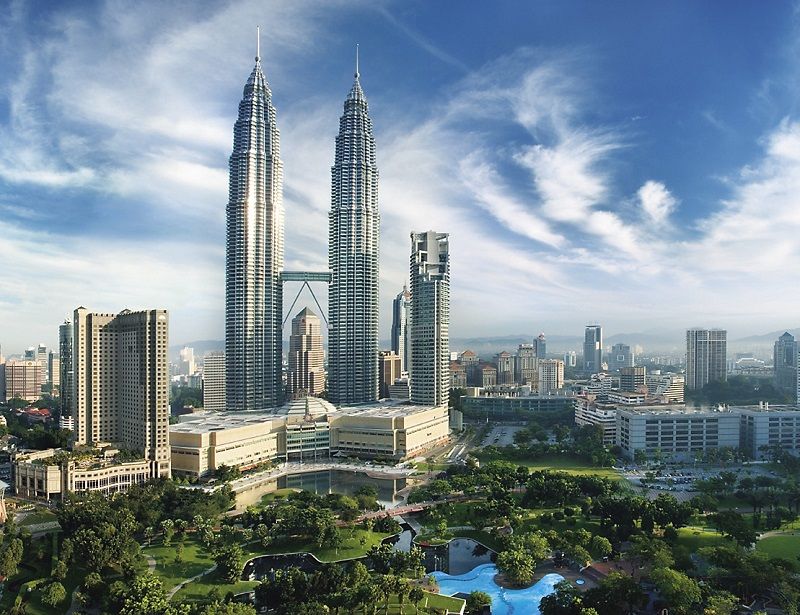
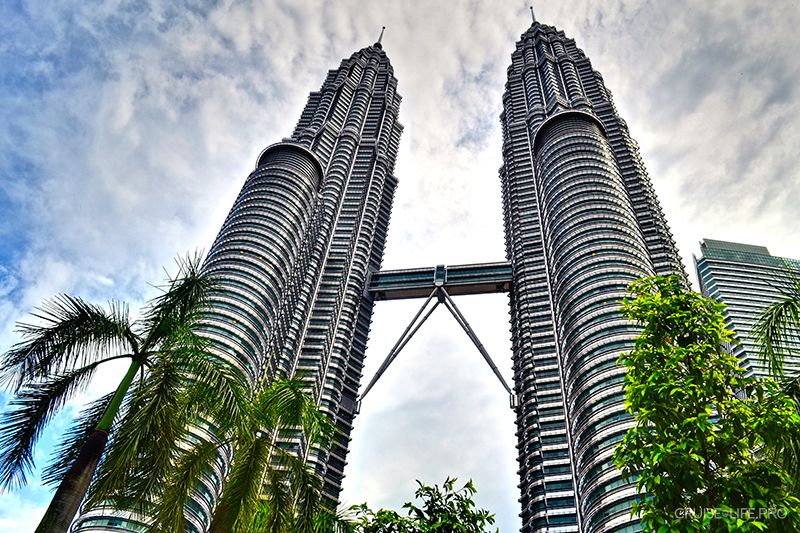
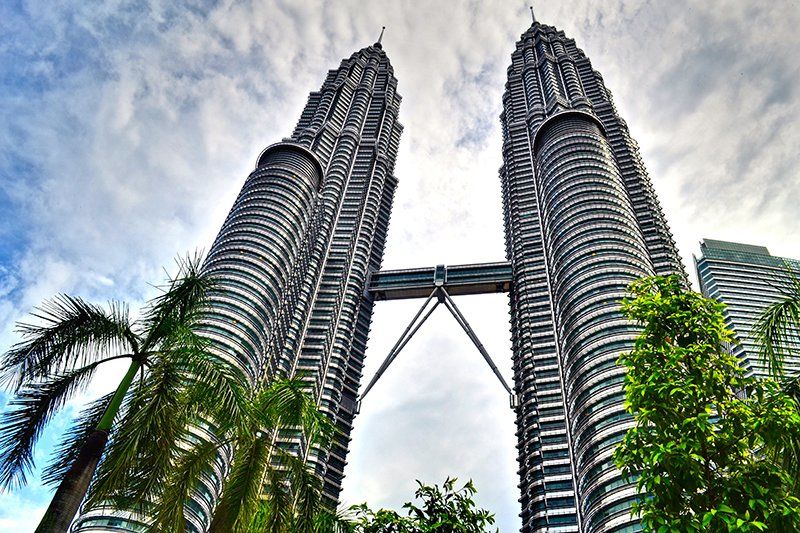
“Calling card” of Kuala Lumpur and all of Malaysia. Built by the oil company Petronas for its headquarters, these skyscrapers were the world’s tallest buildings from 1994 to 2004. The tower height is 451 meters, with 88 floors. On the 41st floor, a Skybridge connects the two towers. To get there, you need to take tickets. The number of tickets is limited, so you should arrive in the morning and be ready for a crowd in the queue. And from the 41st floor to the 83rd, an excursion elevator takes you. For an additional fee, you can go all the way up to the 87th floor, and from there, from a glass viewing platform, look out over the city and its surroundings. Under the towers there is a small park with gazebos and fountains.
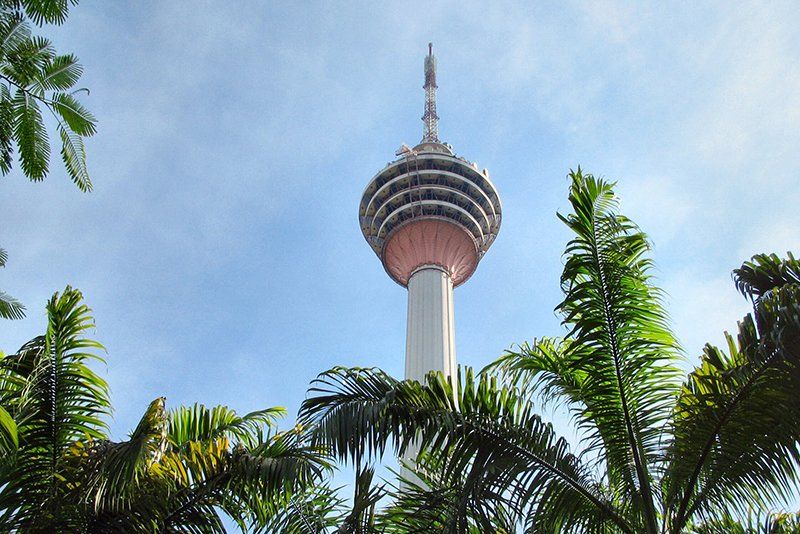
Television Tower Menara

Television Tower Menara

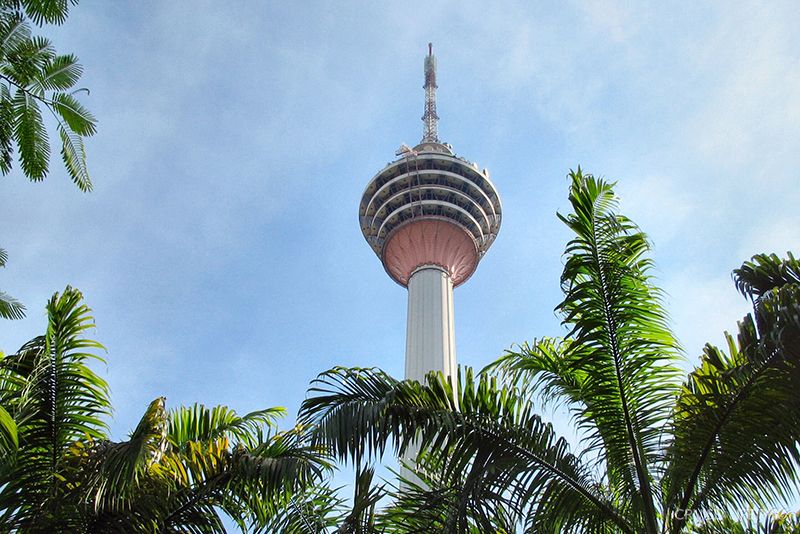
Another high-rise landmark of Kuala Lumpur after the Petronas Twin Towers is the «Menara» TV tower, standing 421 meters tall. You can reach its summit with an observation deck either by one of the 4 elevators or by stairs if you’re able to handle more than 2 thousand steps. Due to its unusual illumination, Menara is called the «Color Garden». And at its base, there really is a garden-more precisely, a tropical rainforest. The reason is that Menara is located on the grounds of one of Malaysia’s oldest nature reserves, the Bukit Nanas Forest Reserve.
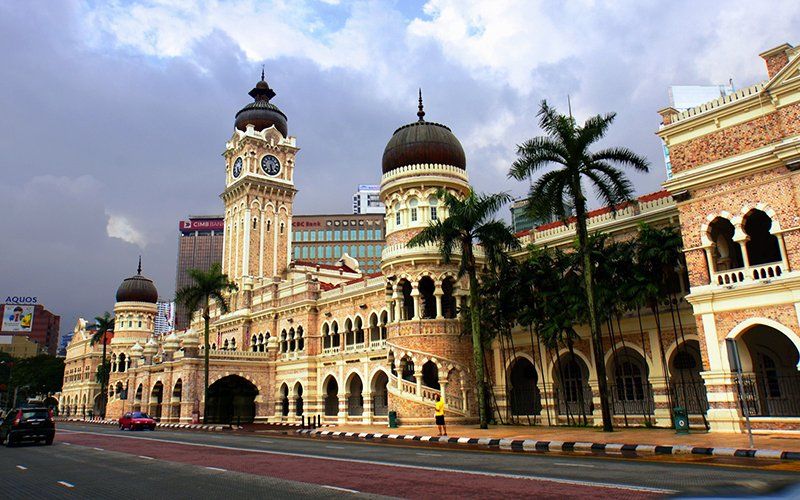
Abdul-Samad Sultan’s Palace

Abdul-Samad Sultan’s Palace

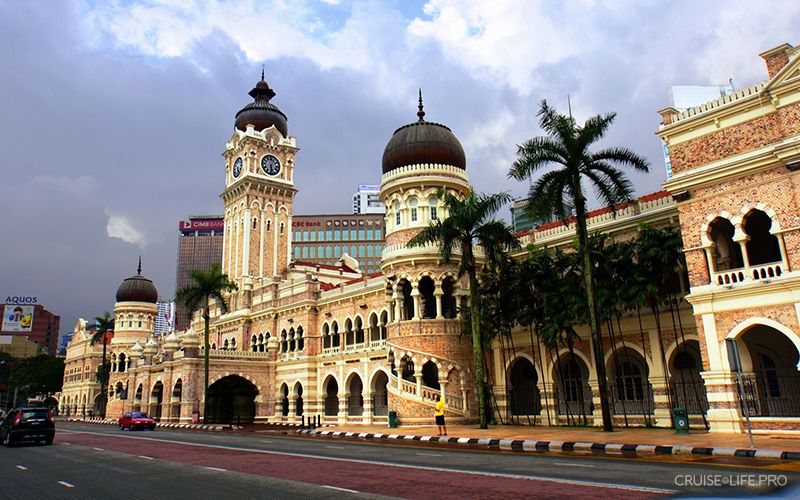
This grand and at the same time elegant building was erected by the British in 1897. Although the palace was named after the local sultan who ruled at the time, immediately after its opening the British administration moved in. After some time, it was replaced by the Supreme Court of Malaysia, and now the Ministry of Culture is based here. The Moorish-style palace with onion-domed domes and a clock tower 43 meters high faces Independence Square and is beautifully illuminated after dark. The light show held in the evening on the surface of the palace is an amazing spectacle-one you shouldn’t miss.
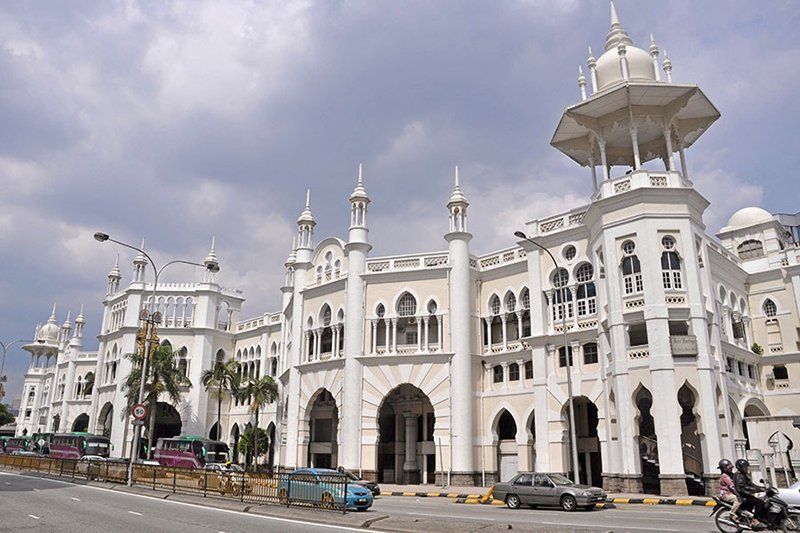
Old railway station

Old railway station

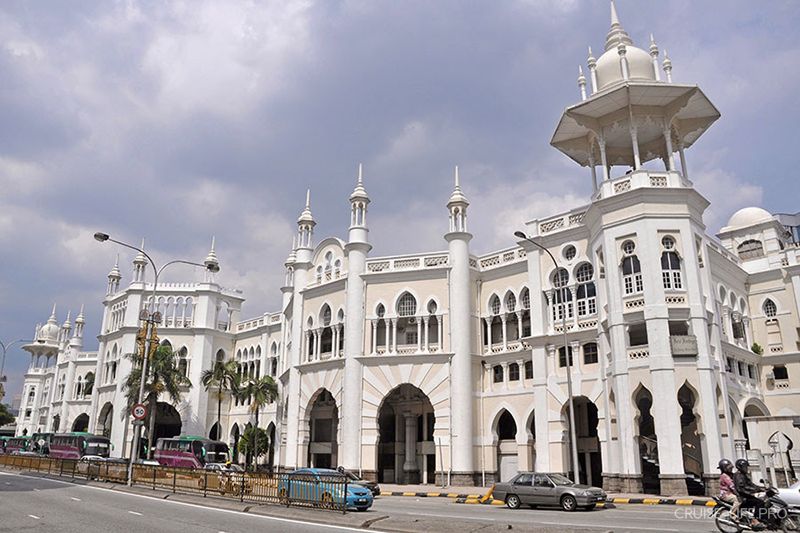
A graceful building of the old railway station, rising in the center of Kuala Lumpur, is one of the most striking monuments of the colonial era in the city. Decorated with intricate arches, elegant spires and fairy-tale towers, it rightfully belongs to the list of the most beautiful historic buildings of Malaysia’s capital and is considered one of its most attractive sights. Despite its size, thanks to its unusual architecture the railway station building almost seems like a toy and, with its lightness, resembles a sponge cake. Looking at this masterpiece, it’s hard to believe that real trains stop at the three platforms hidden inside.
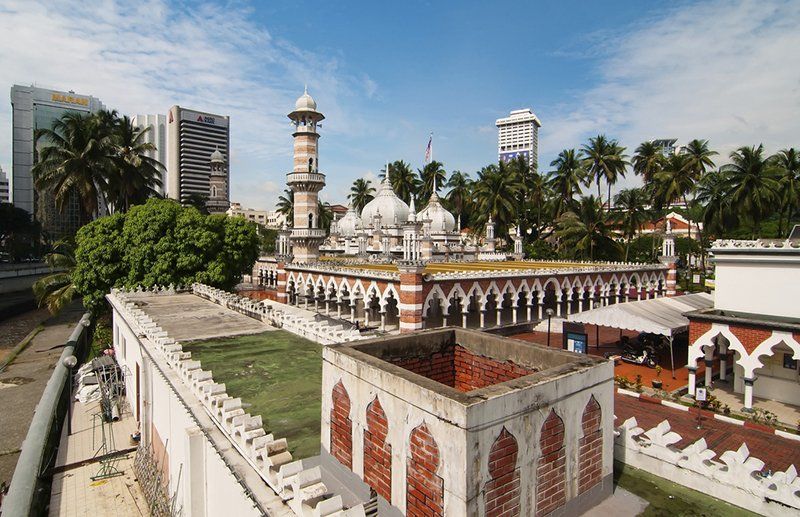
Masjid Jamek Mosque

Masjid Jamek Mosque

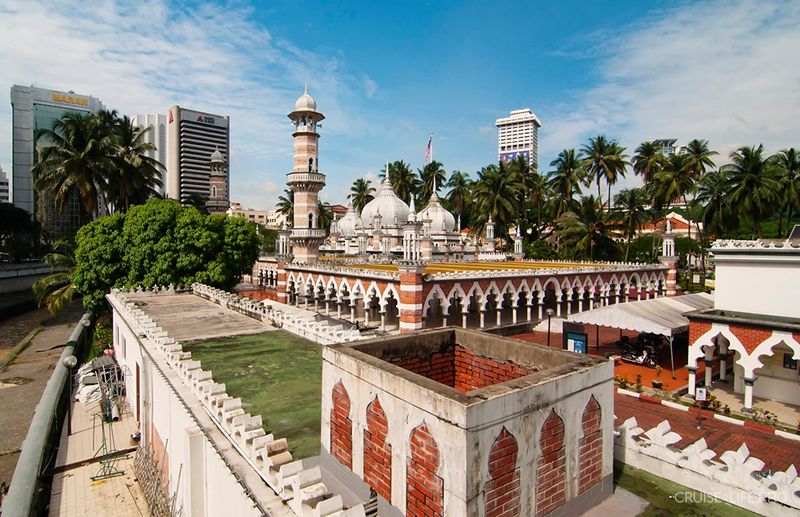
Masjid Jamek Mosque, located not far from Independence Square, is the oldest mosque in Kuala Lumpur. It was opened in 1909, two years after the completion of construction, and until 1965 it held the status of the city’s main Muslim place of worship. The mosque building is among the most beautiful structures in Malaysia’s capital and rightfully is considered one of its most interesting attractions. The Masjid Jamek complex, with its numerous small towers, minarets, built from red and white bricks, three large cream-colored domes, and openwork arcades surrounded by coconut palms, in fact looks more like a magical Oriental palace than a temple.
What to see

Batu Caves

Batu Caves

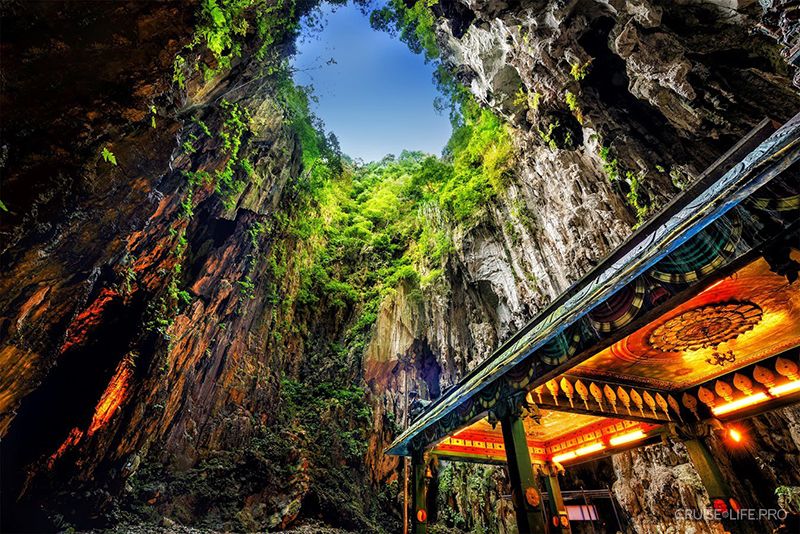
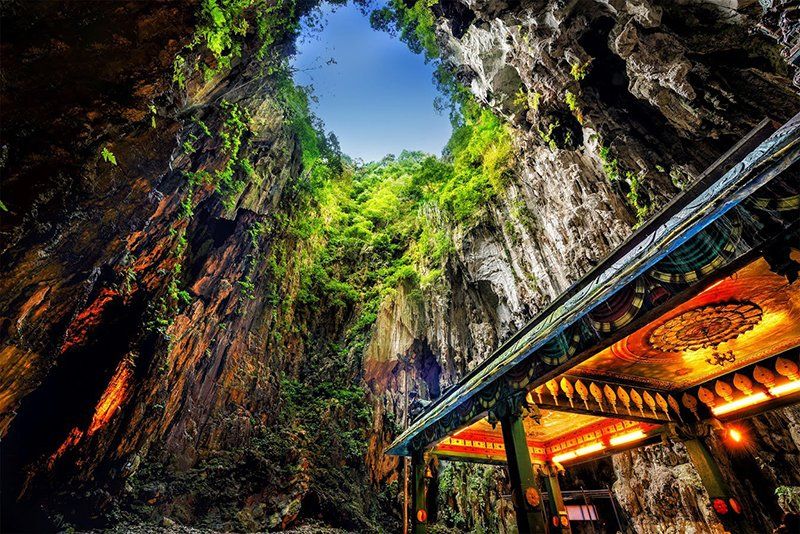
The Batu Caves system is a place of pilgrimage for thousands of Hindus. The complex consists of several cave halls turned into temples. To reach the main Temple Cave, you must climb the famous staircase of 272 steps, which every pilgrim is expected to ascend. Some do it on their knees or even by crawling. A little lower than the Temple Cave is the Dark Cave. It is a network of passages over two kilometers long, with stalactites and stalagmites. The third main cave is an improvised gallery that houses Hindu statues and murals. At the foot of the cave hill stands a 43-meter gilded statue of Murugan - the son of Shiva, who is revered by many Hindus.

Putrajaya

Putrajaya

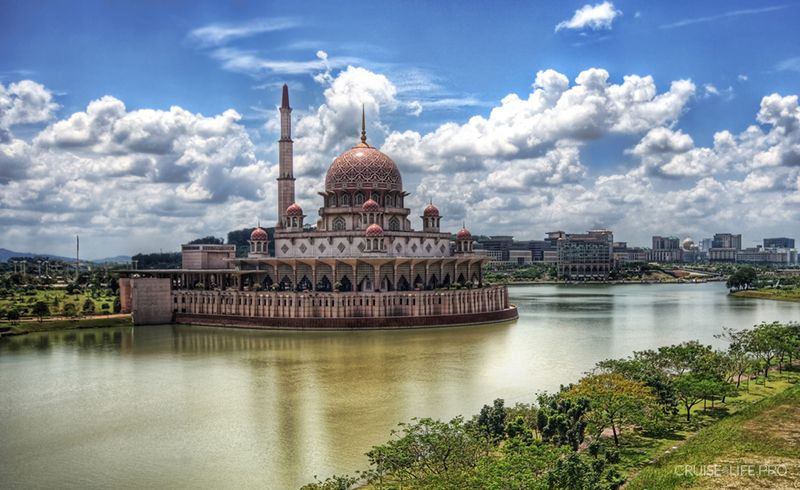
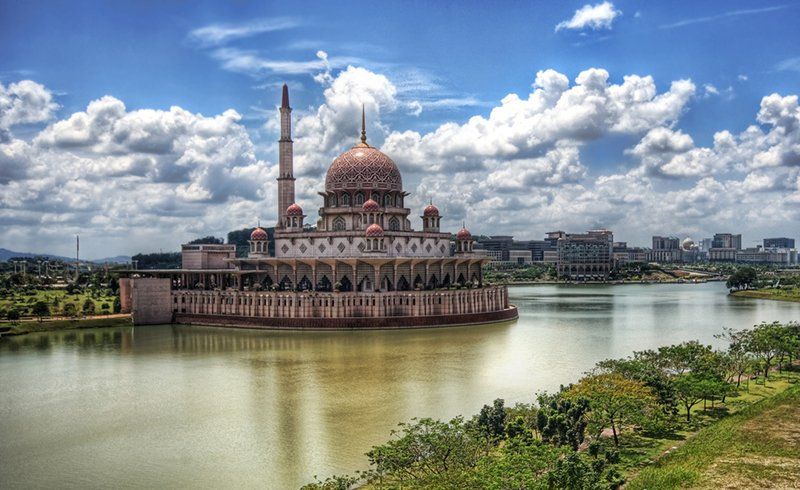
This artificial city was founded very recently-in 1995. It was conceived as a special “reservation” for Malaysian officials, and a few years ago the prime minister and the government of the country relocated here. Putrajaya is located just a few dozen kilometers from Kuala Lumpur, and you can easily slip away for a day from the capital’s concrete jungle. Putrajaya is known for its parks and cool lakes hidden deep within them. Putrajaya doesn’t have any standout attractions to brag about, although it does have a large mosque, a futuristic-looking “Putra” bridge, and a decent botanical garden.

Butterfly Park

Butterfly Park

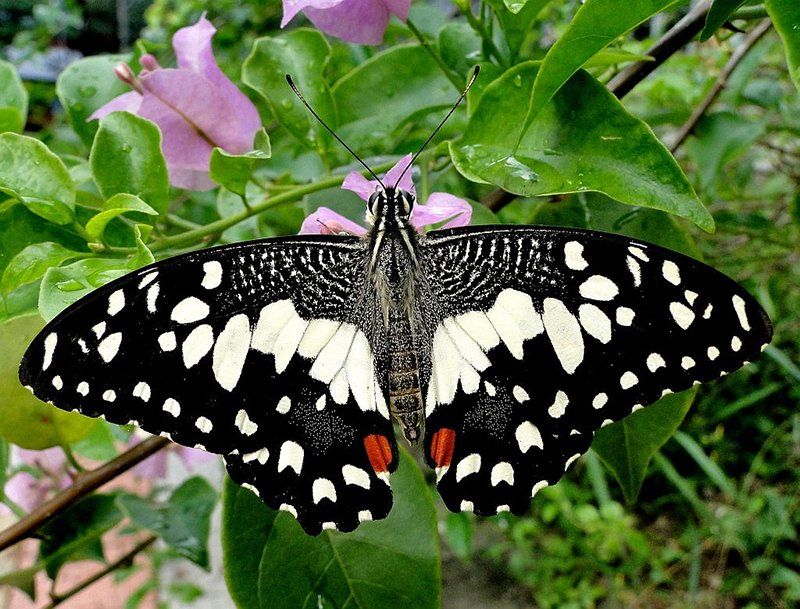
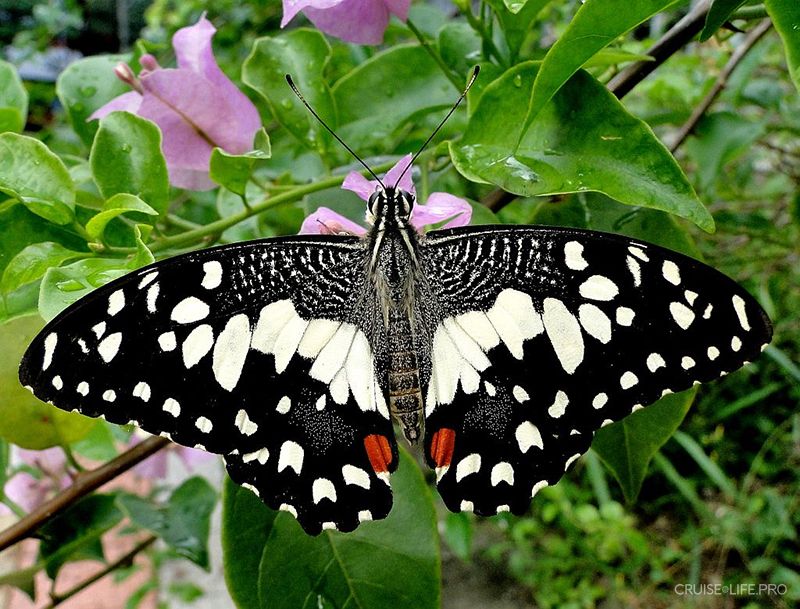
There is lots of greenery and bright flowers, beautiful little ponds and fountains. It is very hot and very humid, like in a sauna. Cameras fog up, clothes get soaked, and everywhere there is a thick, sweet scent of floral pollen. And around you, 6,000 of the most different butterflies are flying about. In addition to fluttering “chameleons,” “chocolate moths,” and “cabbage whites,” there are also buzzing dragonflies with propeller-like wings and tiny bugs crawling over the flower leaves.

Bird Park

Bird Park

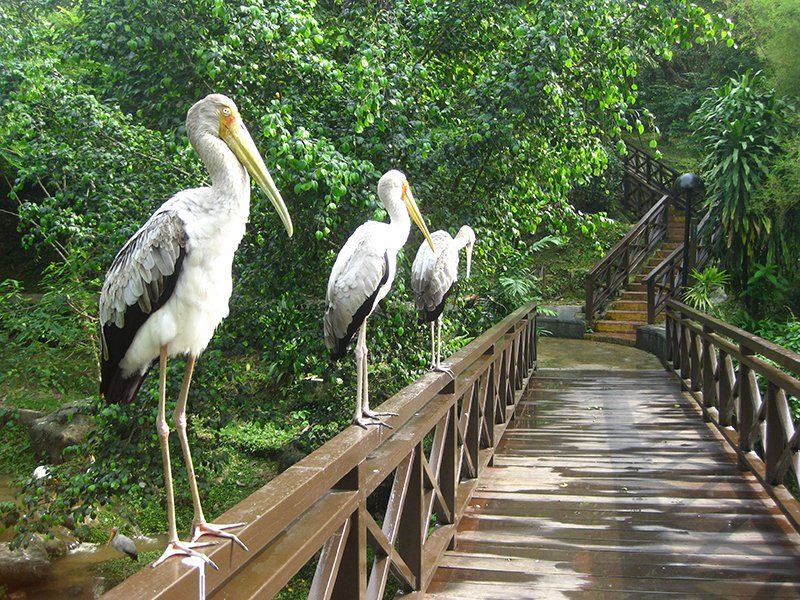
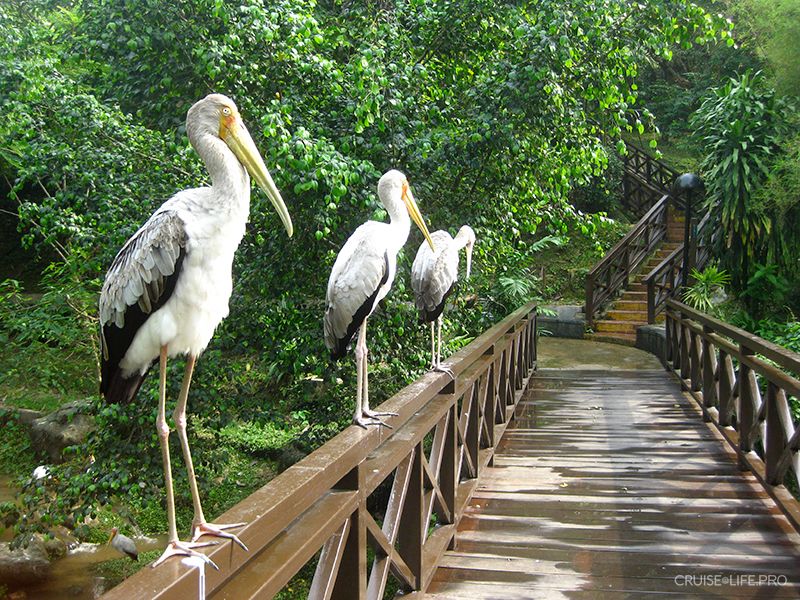
One of the largest wildlife sanctuaries on the planet, with living conditions for birds that are most similar to their natural habitat. Here, the birds’ constant chatter never stops for a second-wings flap, colorful parrots gnaw on corn planted on sticks, and along the pathways you can see handsome peacocks running about. Through the enclosure nets, you can spot keen-eyed ostriches, as well as flamingos that, out of habit, stand on one leg. There are monkeys too, of course, as well as artificial waterfalls-for the sake of making the birds’ home even more believable.

Aquarium

Aquarium

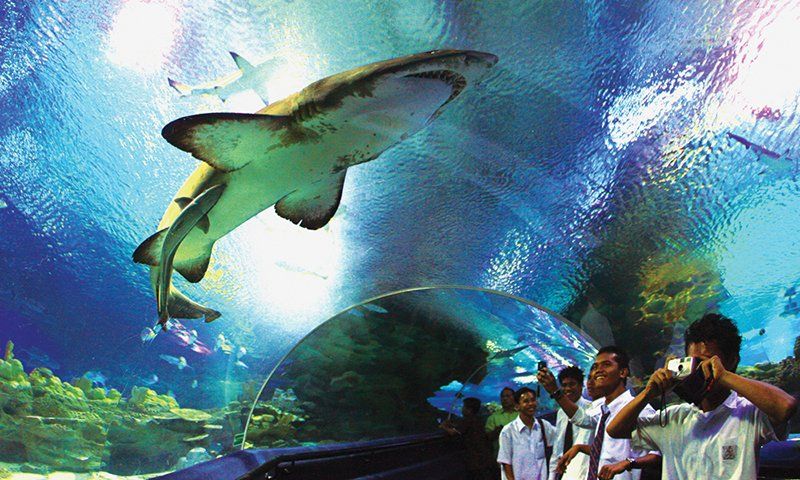
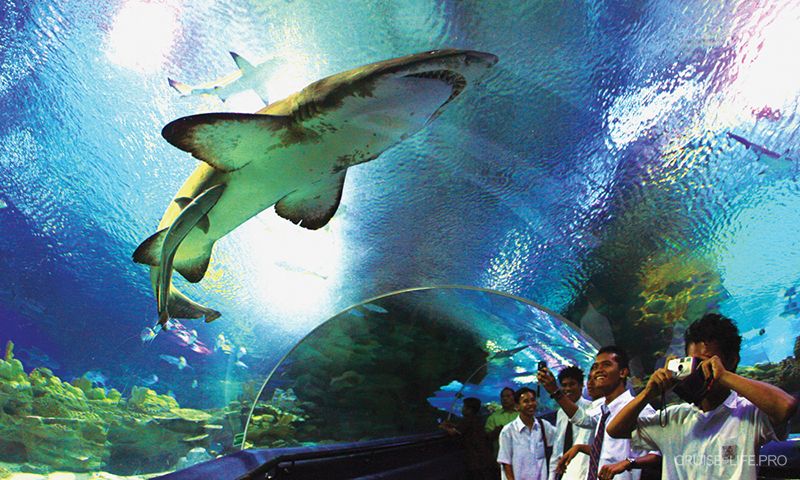
On the lower level of the Suria KLCC shopping mall, directly beneath the Twin Towers, there is one of the largest ocean aquariums in the world. This underwater tunnel is 90 meters long, with glass walls, tiger sharks, and giant-nearly 2 m long-Brazilian arapaima fish, turtles, and other inhabitants of the seas and oceans. At the Oceanarium’s Water Theatre, you can throw food to the piranhas, and also watch fearless divers who jump every day into water teeming with sharks, and- to the delight of the audience-always resurface alive and unharmed.

Recommended excursions

City sightseeing tour

City sightseeing tour

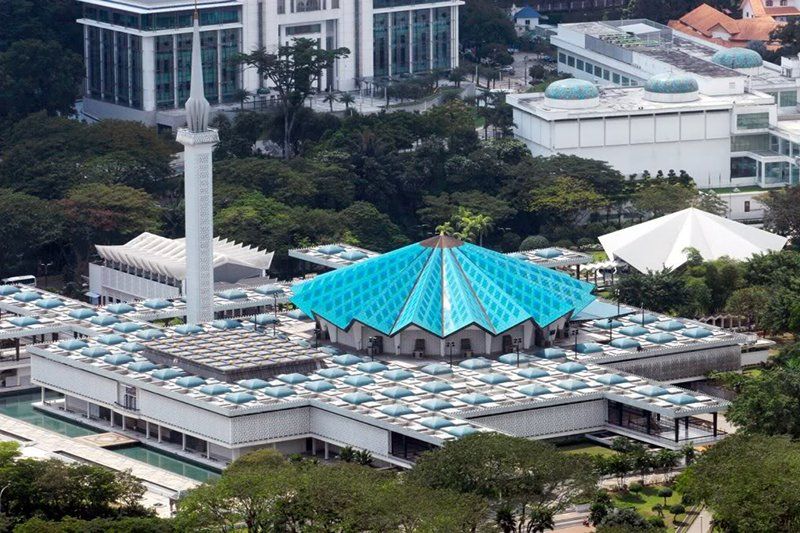
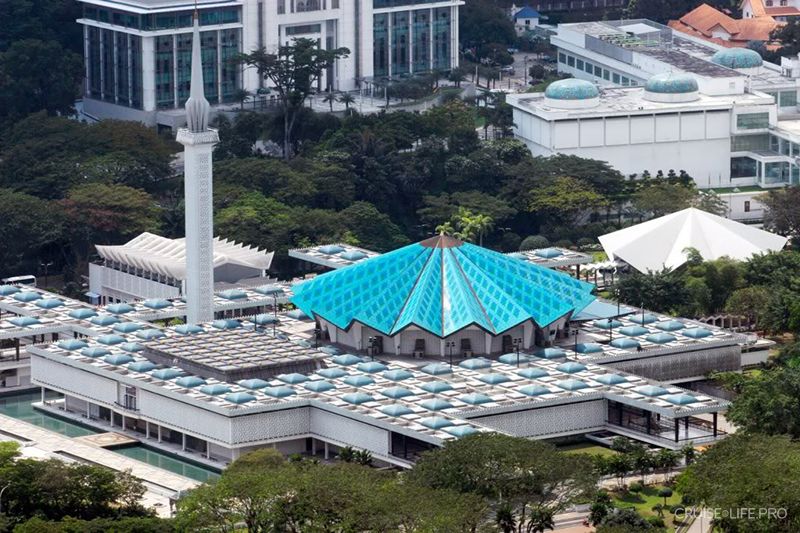
Kuala Lumpur is a modern megacity and business hub of Malaysia. During the excursion, you will see its historic district, hidden behind the skyscrapers of the business centers. You will visit the honor guard at the palace of the King of Malaysia, the Chinese Tian Hou Temple, where you can ask for life advice from Guān Yīn, the most revered Chinese Goddess of Mercy. You will pass through the Brickfields district, or Little India, where the construction of Kuala Lumpur began, and enter the National Mosque of Malaysia, from whose balcony you can enjoy a wonderful view of the old railway station built in the style of the Great Mughals. At the end of the walk, you will stroll along Independence Square and at the very site where the city was founded, learn why Kuala Lumpur has such a name.

Firefly River

Firefly River

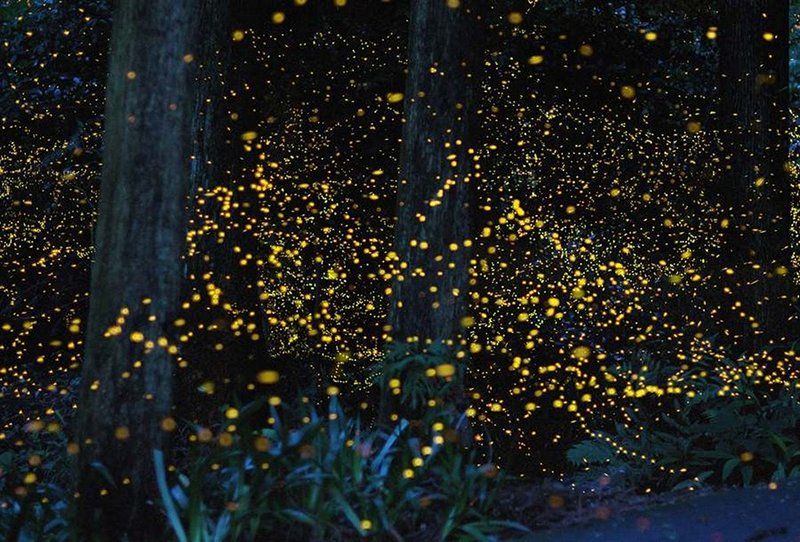
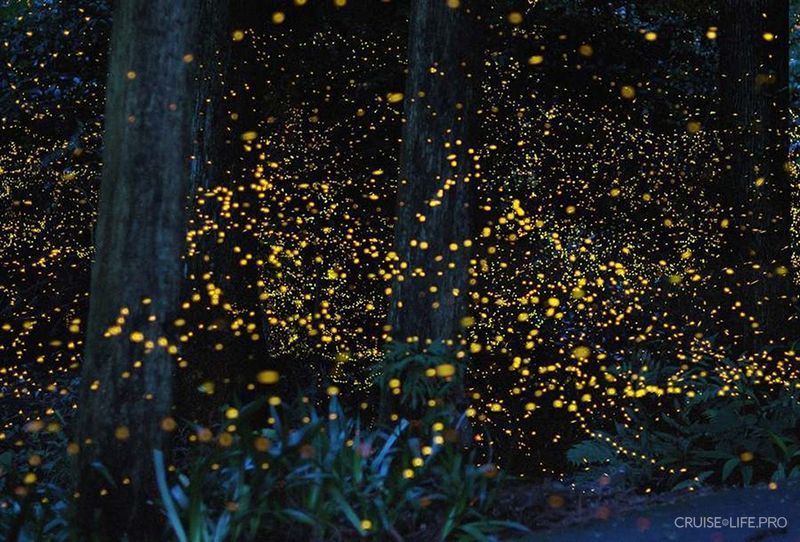
The first stop will be a visit to a Malay-style house, as well as getting acquainted with the way of life of the local residents. You will be able to personally make an incision on a rubber tree and collect its sap, as well as see how oil palms grow. Next, you will climb a hill of monkeys, where you can feed the delightful silver langur monkeys. By 7 o’clock, it’s time to recharge at a Chinese seafood restaurant. And the final highlight will be a wonderful romantic boat ride through pitch-dark waters along a river whose banks are sprinkled, like beads, with thousands of tiny lights-fireflies.

For a more detailed list of excursions and their prices, you can view them after booking the cruise in your “Client Personal Account”.