Old Town
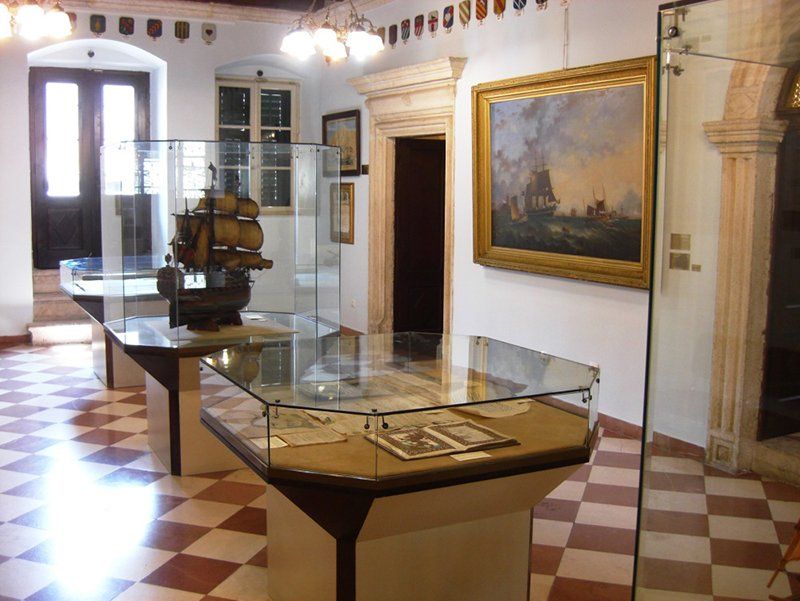
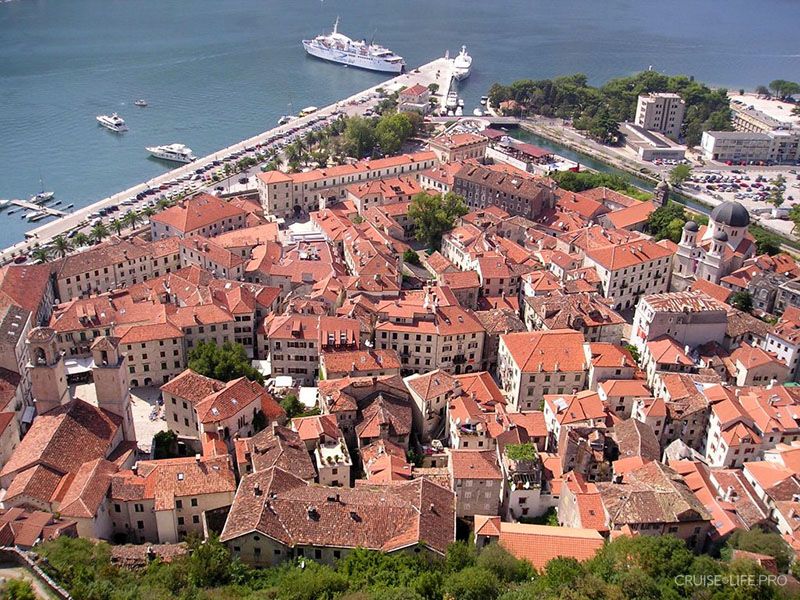
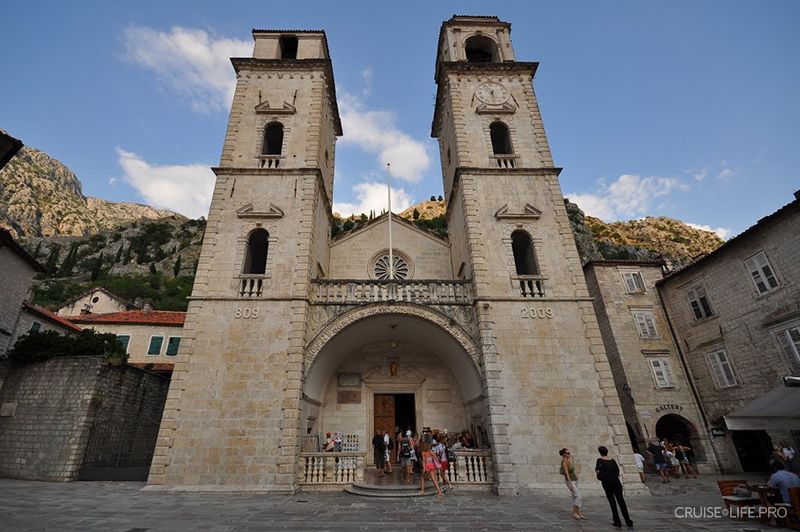
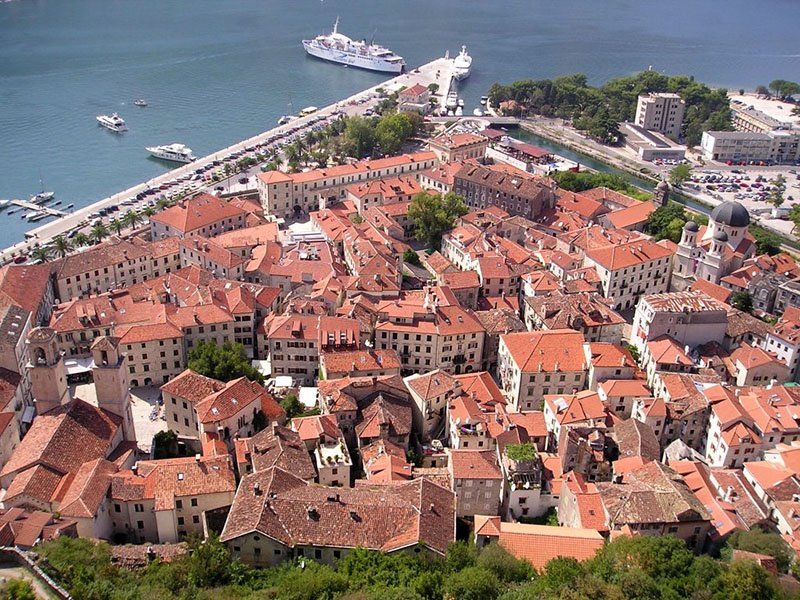
In the Old Town area, a series of narrow streets, churches, cathedrals, and squares is tightly packed into a small space. The city’s main square is crowned by St. Tryphon’s Cathedral, which is an astonishing example of Romanesque architecture; mighty city walls rise to 20 meters. Here, too, wandering through a confusing maze of alleyways, you can find yourself on the narrowest street in the world, which locals affectionately call “Let me pass” - two people can barely pass each other on it. Thanks to its incomparable atmosphere of antiquity, Kotor has become a venue for many vibrant festivals. The best known of these is the Kotor International Summer Carnival in August.
St. Tryphon Cathedral
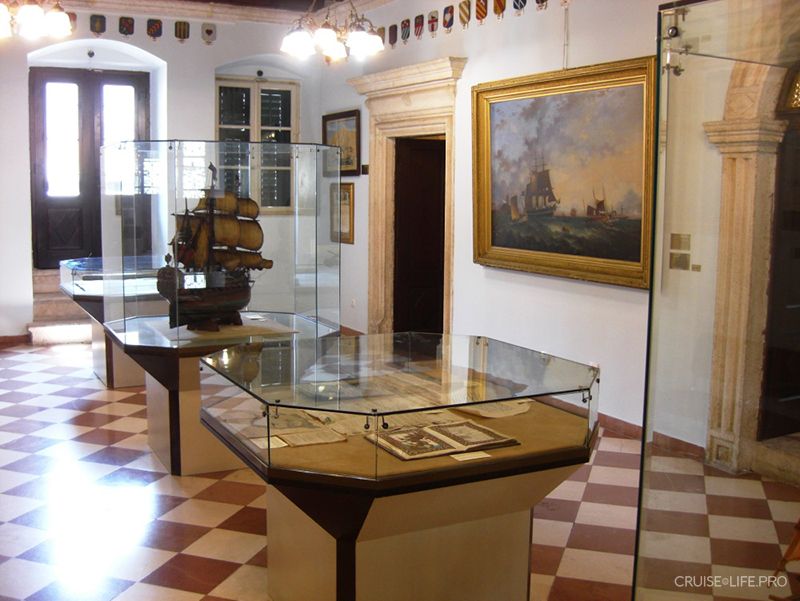
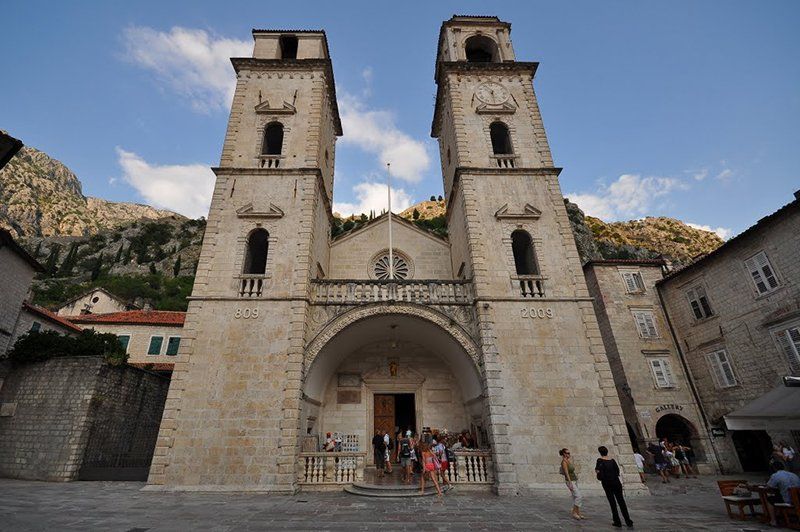
This cathedral is an important architectural landmark with a rich history. Saint Trifon, in whose honor the church was built, was the patron of seafarers of the Bay of Kotor. Legend has it that, while returning from a campaign to Asia Minor in 809, the sailors decided to transport his relics, but a fierce storm prevented them from leaving the bay. Then the townspeople decided to buy the remains of the saint from the sailors. A temple was built specifically to house the relics. Today, the temple belongs to the Catholic community, yet Orthodox Christians are freely allowed to go up to the second floor, where the relics are kept. Inside the temple, an enormous number of antique items have been preserved, guarded by the cathedral’s clergy.
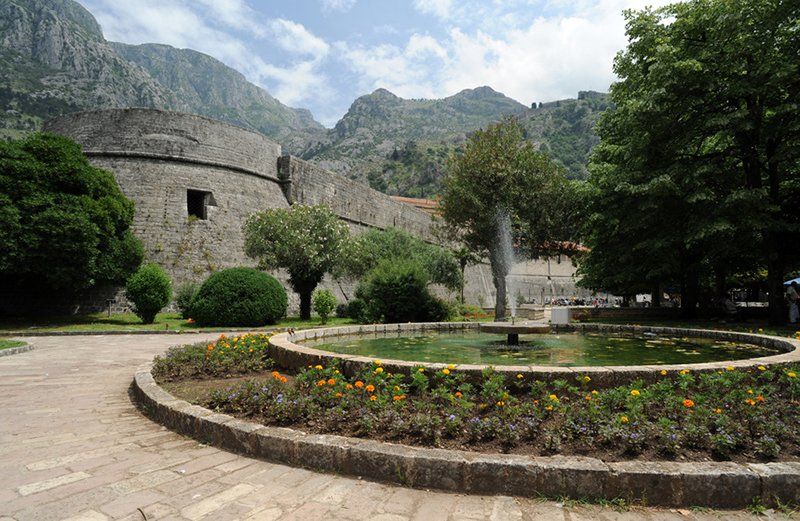
Fortress Walls of the City
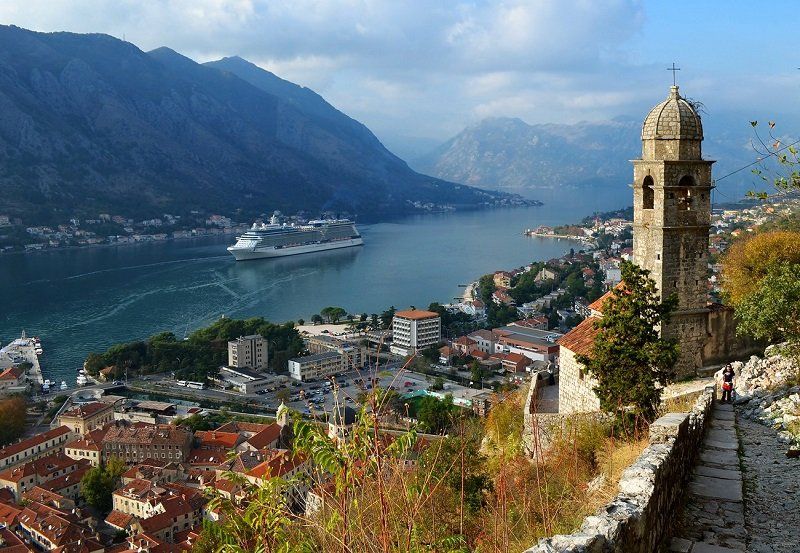
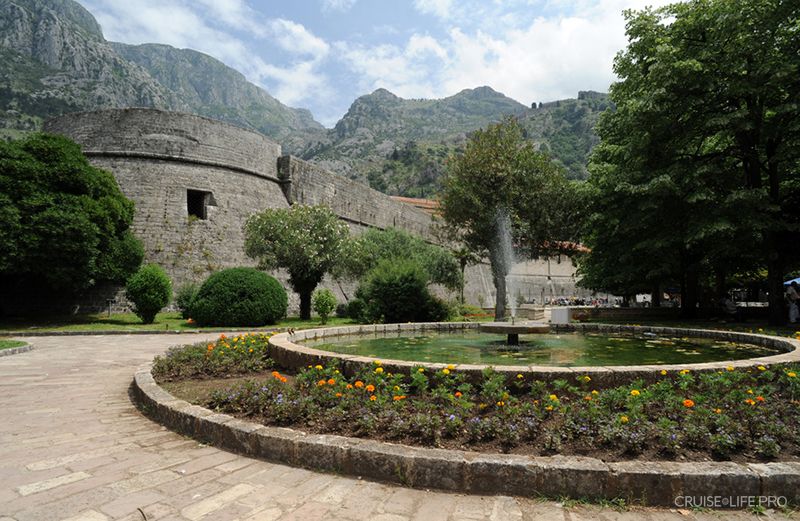
All the old, historic part of the city of Kotor is still surrounded by powerful fortress walls that protected the city from attacks. They have been well preserved to this day and attract tens of thousands of tourists every year. The walls are built from large, dressed stones. Several fortress towers are located at the corners of the city, and the gates lead into the city. The total length of the defensive walls around Kotor is about 4 kilometers, and the height of the walls reaches 20 meters. All buildings located within the fortress walls are part of the world historical heritage and are protected by UNESCO. Visitors can climb onto the ancient walls, take a walk along them, and view ancient Kotor from above.
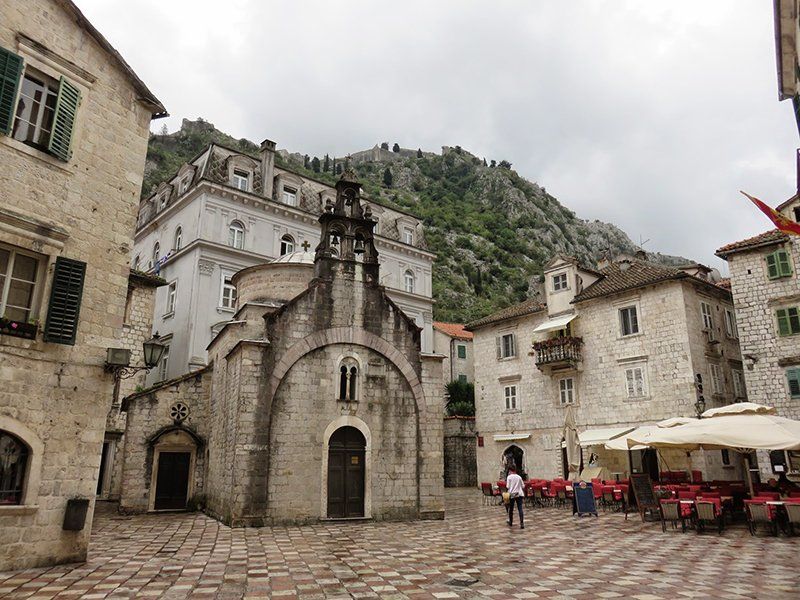
St. Luke’s Church
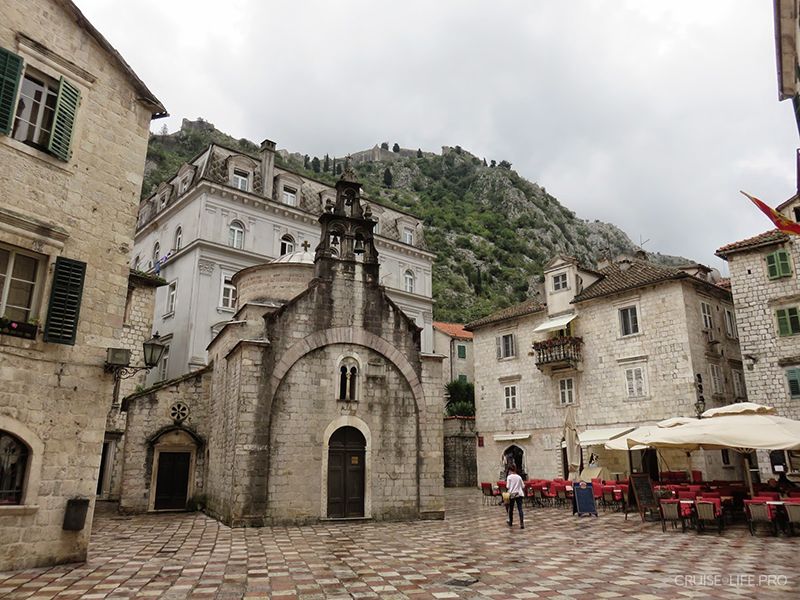
The oldest church in Montenegro is the Church of St. Luke. The church was built in the 12th century; elements of Romanesque and Byzantine architecture predominated in its construction. You can see this amazing church right in the very center of the city of Kotor. The temple came into being thanks to the efforts of Prince Maura Kațefaranghi in 1157; at first, it was purely a Catholic church. But during the Turkish invasion, many Orthodox people took refuge in Kotor, including in the Church of St. Luke. And since then, the church has had two altars-one Orthodox and one Catholic. Today, the church is Orthodox.