Korčula, Croatia

Port of call

Korčula, Croatia

Description — Korčula, Croatia

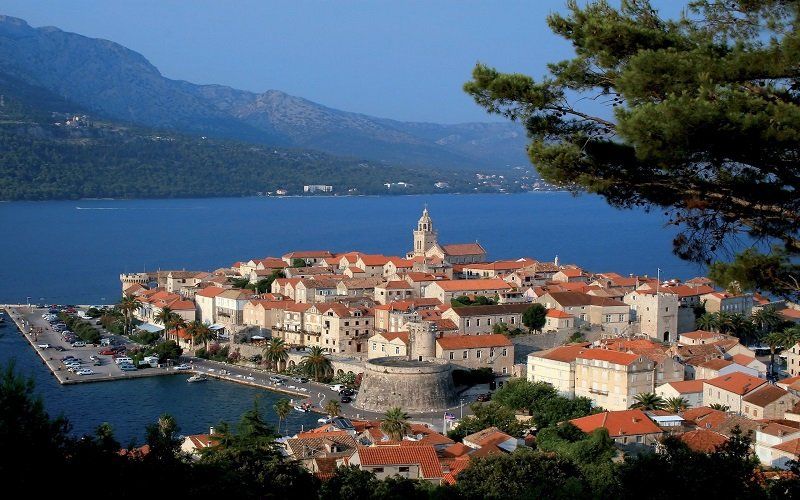
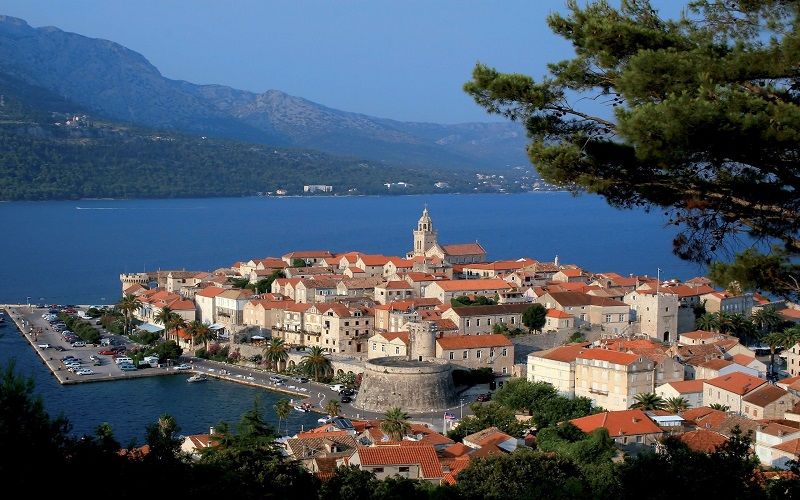
Korčula is the main town and port of the island of the same name in the Adriatic Sea, in the southern part of Croatia, near the Dalmatian coast. The town of Korčula is located in the northeastern part of the island; population - 3,232 people (2001).

The island’s area is 276.03 km², its length is 46.8 km, its width is 7.8 km, and the length of its coastline is 181.7 km. The island’s population is 16,182 people (2001). Korčula is Croatia’s second most-populous island after Krk. The largest settlements also include the towns of Blato and Vela Luka. Korčula belongs to the group of South Dalmatian islands. The Pelješac Peninsula separates the island from Pelješac by the narrow Pelješac Channel. To the east of the island of Korčula is Mljet, to the west - Vis, and to the northwest - Hvar. The island’s highest peaks are Klupca (569 metres) and Kom (510 metres). Most of the island is covered by pine forests typical of the Adriatic.

The island’s history dates back to ancient times. On the island, burial mounds from the Neolithic era have been found, as well as Phoenician settlements and remains of an ancient Greek colony. In the 8th century, Slavic tribes arrived on the island, as they did along the rest of the Dalmatian coast, although the island’s population remained predominantly Romance-speaking up until the late Middle Ages. Throughout the 12th-15th centuries, Korčula repeatedly changed hands. It was governed by local Slavic princes, Venice, and Hungary; it had a brief period of independence; and it belonged to the Republic of Dubrovnik until, in 1420, it finally came under Venetian control.

During the Napoleonic Wars, in 1806 the island was occupied by the French and incorporated into the French Empire, and after the war ended, in 1815, together with the Dalmatian coast, it was ceded to Austria. After World War I, it became part of Yugoslavia. During World War II, the island was occupied again by the Italians. And only after the end of the war did Korčula finally become part of Croatia.

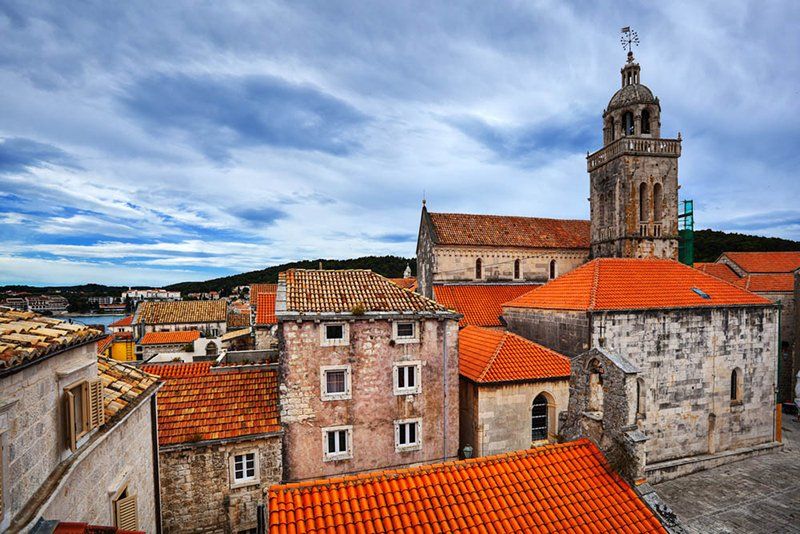
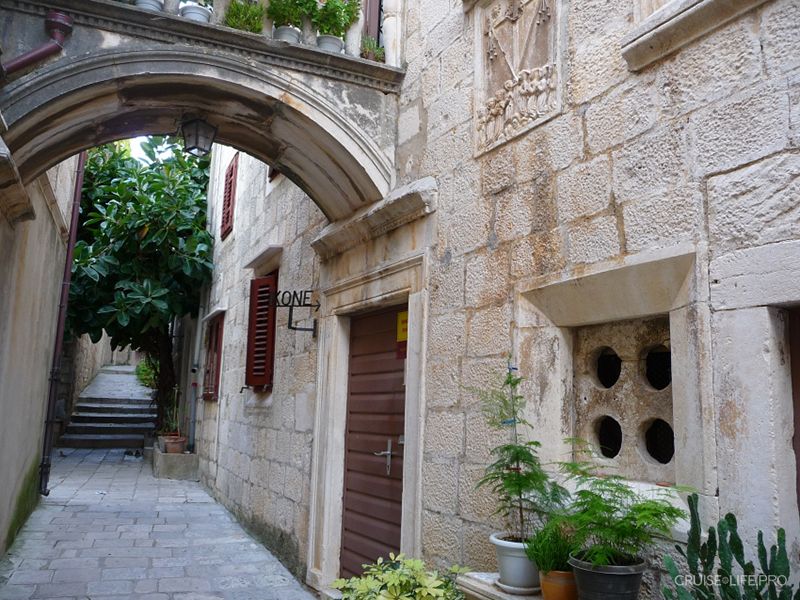
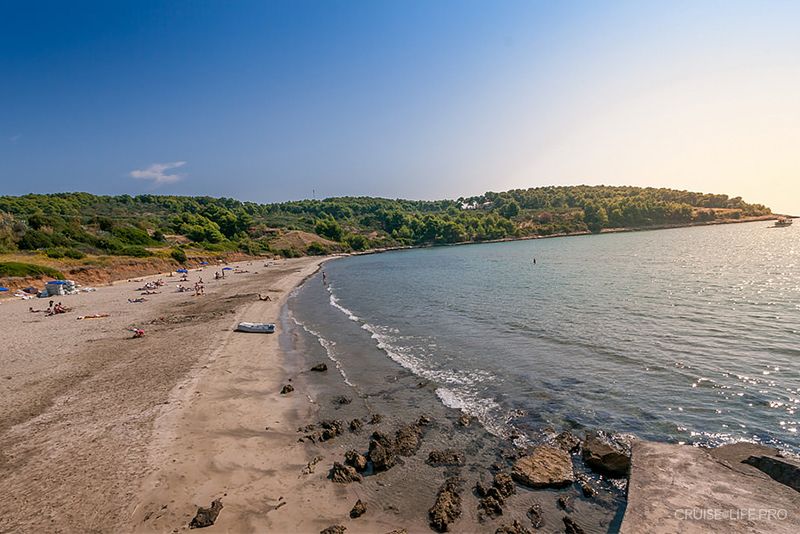
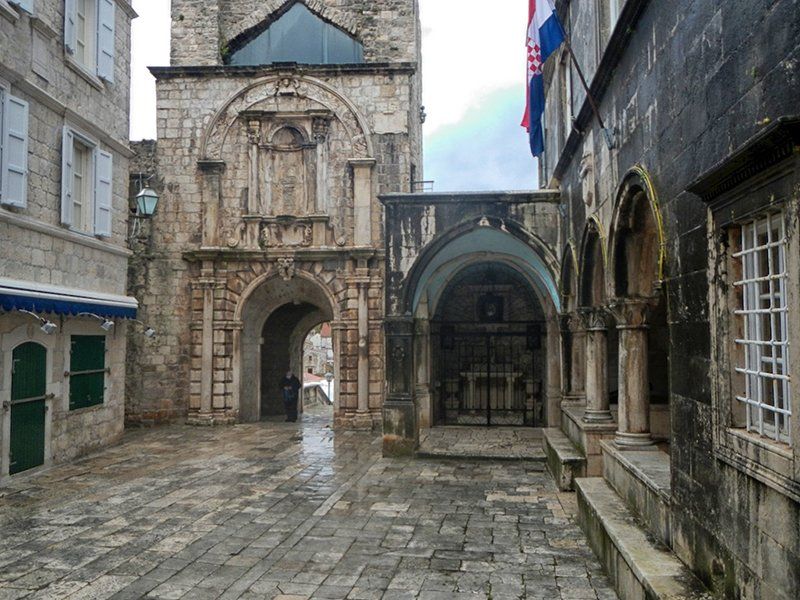
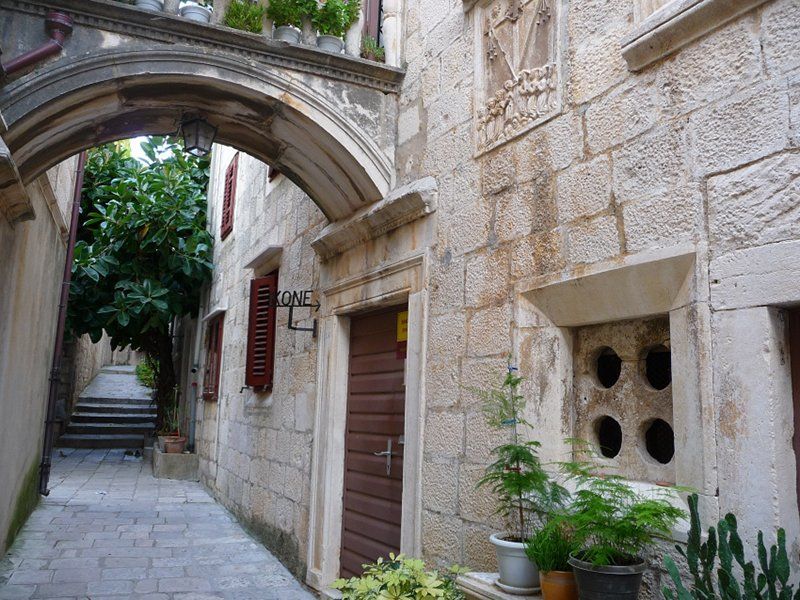
One of the most beautiful islands in Croatia, with centuries-old pine forests and lush Mediterranean vegetation covering the island throughout. The island’s sandy beaches are located in quiet, peaceful coves. The Old Town in Korčula is an excellent example of a well-preserved medieval Dalmatian town, with narrow streets and historic buildings. Built mostly during the Venetian period. The Old Town of Korčula is on the UNESCO World Heritage List in its pre-list stage.

Korčula is the most popular and largest resort in the Adriatic Sea in South Dalmatia. In Korčula, infrastructure is well developed. The town is very picturesque and is ideal for walking. There are many hotels, camping sites, shops, and restaurants.

One of the most beautiful islands in the Adriatic is also famous for its wines. Korčula is one of the oldest world wine-making centers, because here there has always been everything needed to produce good wine: fertile soil, a warm climate, and the right proportions of sun and rain. The taste and aroma of local wines will even impress connoisseurs.

Climate

The climate is mild and Mediterranean. The average temperature in January is +9.8 °C, and in July it is +26.9 °C.

Location on the map

Sights

City Gates

City Gates

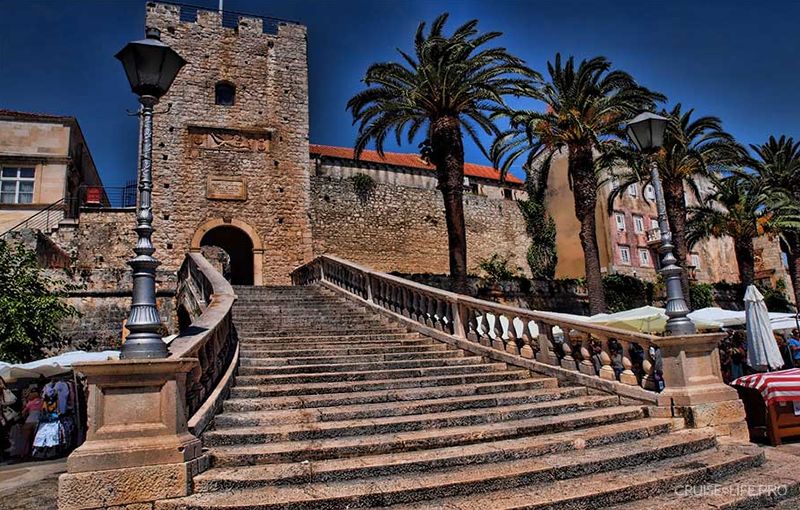
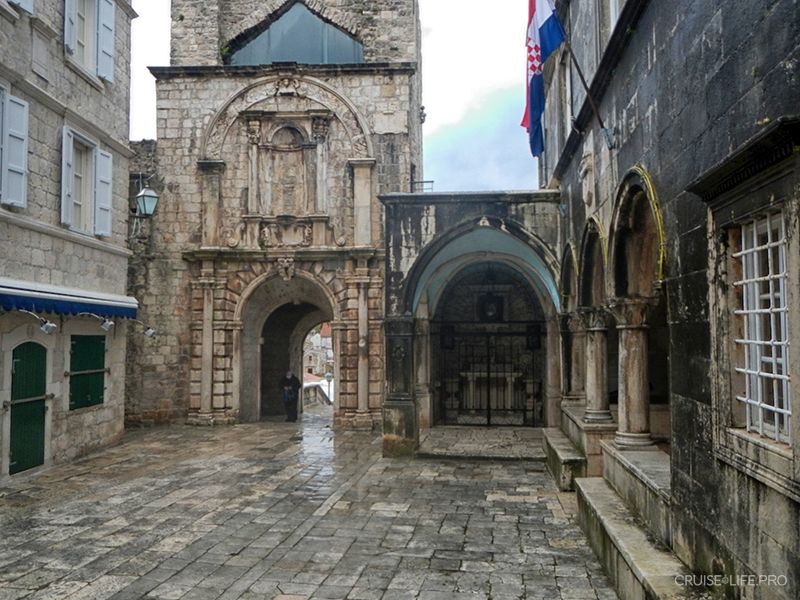
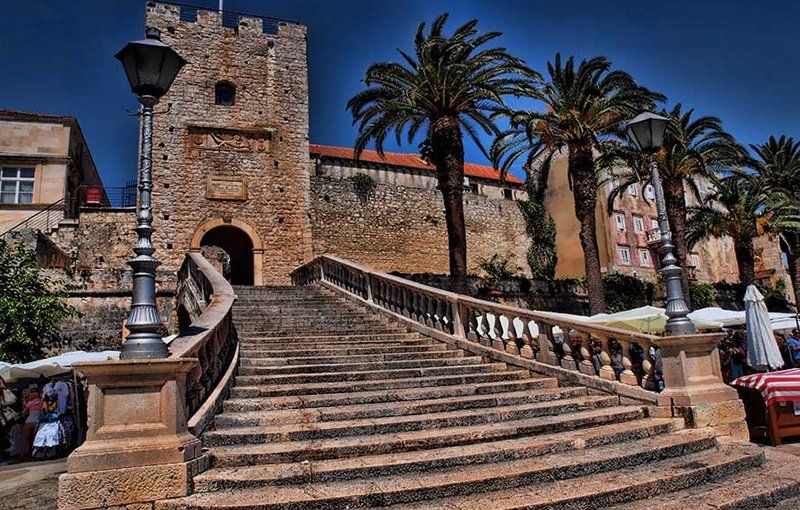
The City (Sea) Gates are part of the architectural and historical complex of the city of Korčula; they are included in the ancient city fortifications. Behind them begins the beautiful Korčulan Street, which leads to the city’s main square. The defensive structures and city fortifications in Korčula are very similar to the corresponding buildings in Dubrovnik, since during the time of their construction the island formed part of the Republic of Dubrovnik. The complex of defensive structures includes the Sea and Southern Gates, the Zakerjan, Bokar, Great Ducal, and All Saints towers. The City Gates are adorned with a triumphal arch, and a beautiful staircase leads to them from the port.
St. Mark’s Cathedral

St. Mark’s Cathedral

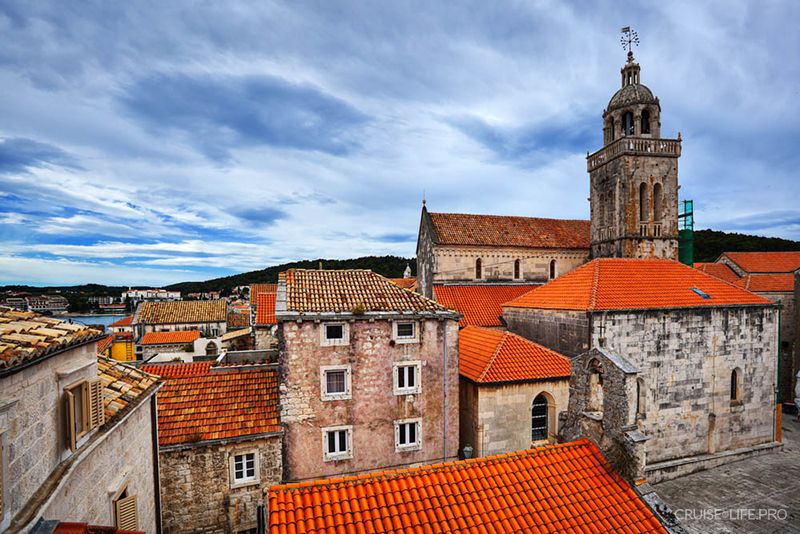
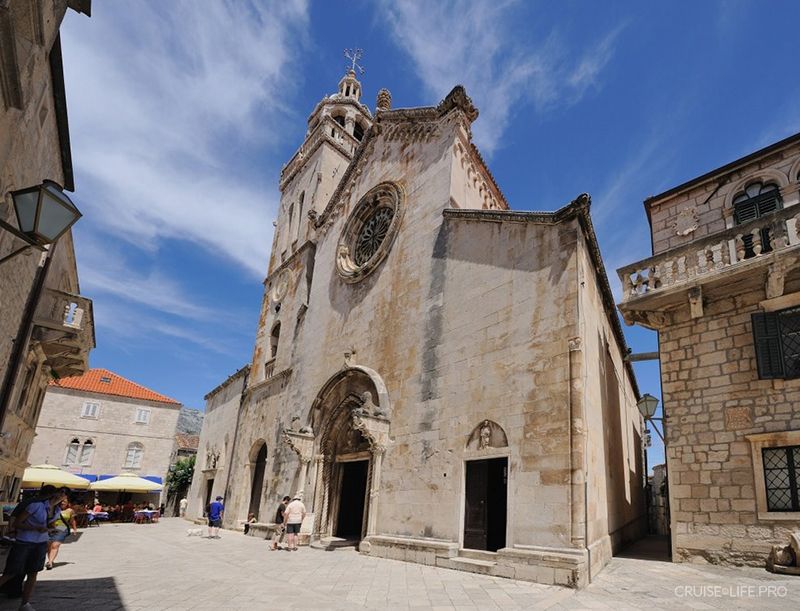
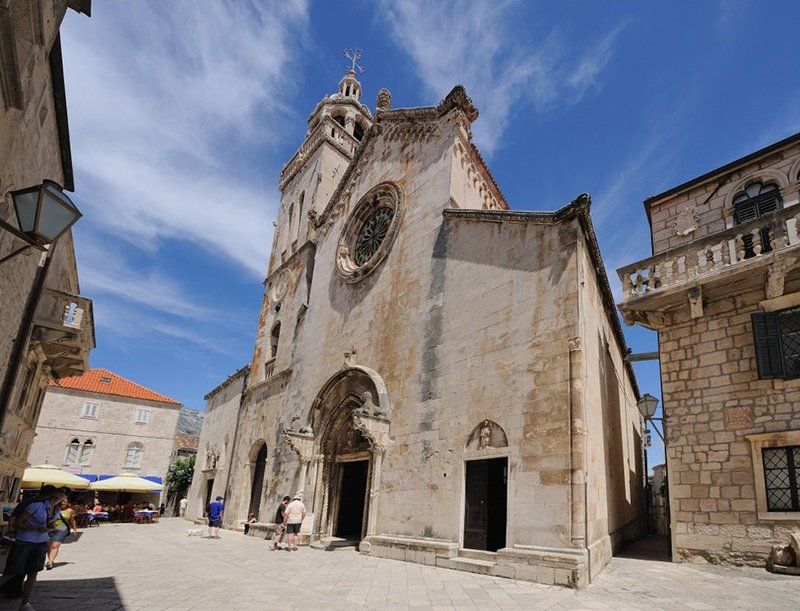
St. Mark’s Cathedral is one of the oldest buildings in the Old Town. In the 13th century, a small church stood on this site, but in the 14th century an episcopal diocese was established, and architectural design and construction began to develop rapidly. Thus, in the 15th century, a Gothic cathedral was built on the site of the former church. Local craftsmen specializing in stone masonry took part in its construction. Their skills were renowned far beyond Korčula. Since the cathedral was built over the course of an entire century, it was erected by generations of masters. The final stage of construction was the building of the towers and domes. Near the cathedral, local residents erected the Chapel of St. Roch as a token of gratitude for being spared from the plague.
St. Michael’s Church

St. Michael’s Church

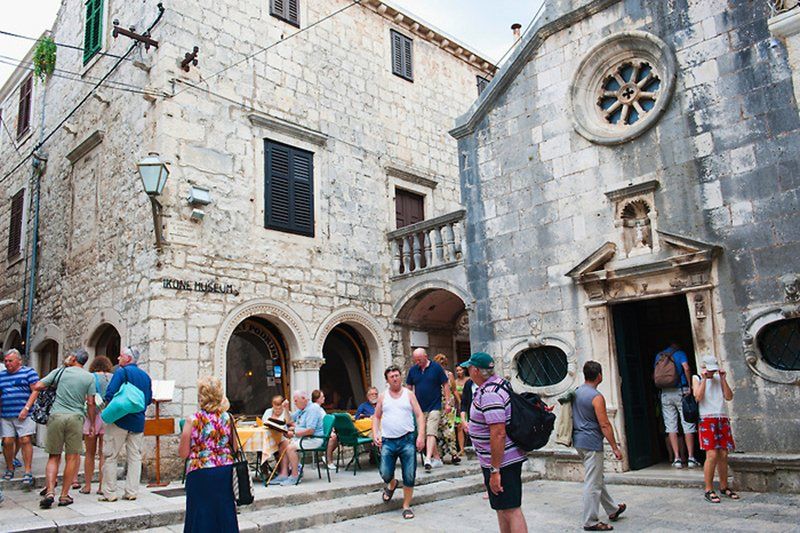
The Church of St. Michael is located in the historic part of the city, near the fortress walls. The first references to it date back to 1408. The building took on its present appearance in the 17th-18th centuries. A notable feature of the church’s Baroque façade is a richly decorated portal, crowned with a small arched niche containing a marble statue of St. Michael. Above it is a rose window adorned with stucco ornaments. The building’s whimsical pediment includes a bell tower with two cast bells. The church interior features original furnishings, antique paintings, and gilded candelabra. The main altar is made of marble and decorated with a painted icon of the Mother of God. Of particular interest is the carved pulpit, created in the Renaissance style.
What to see

Marco Polo House Museum

Marco Polo House Museum

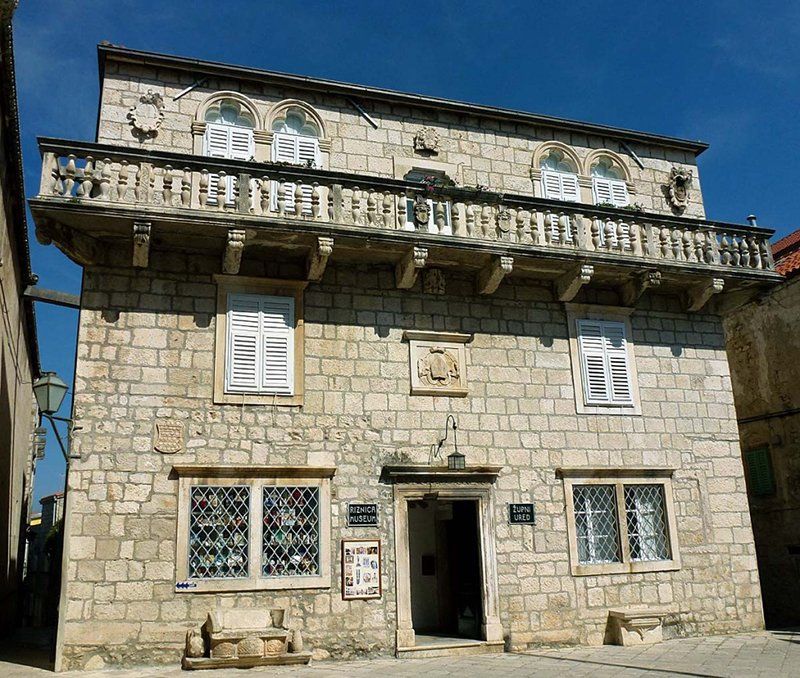
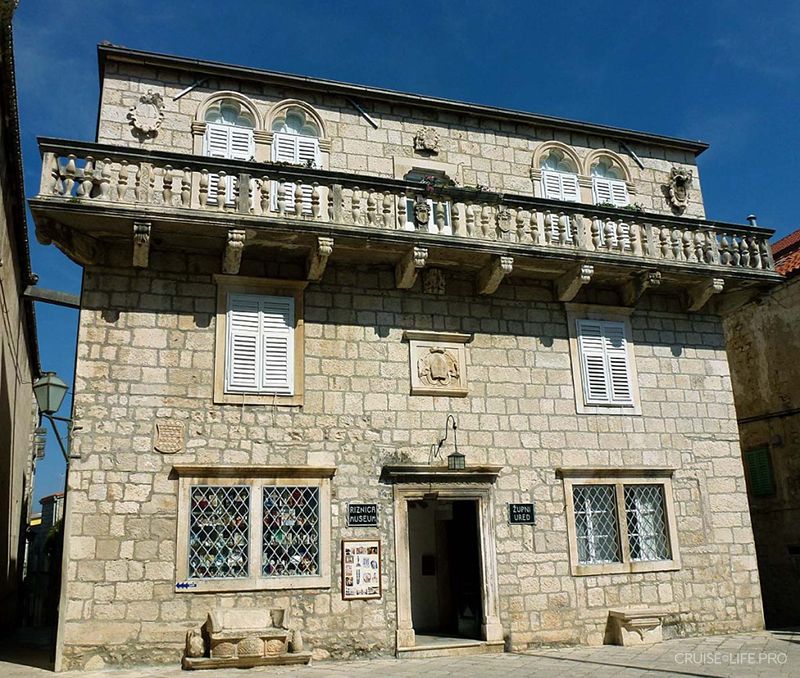
The Marco Polo House Museum in Korčula is a popular tourist attraction. It is located in the historic part of the city, near the Cathedral of Saint Mark. Croatian historians suggest that the famous writer and traveler was born in this very house in 1254. A wide stone staircase leads to a door with a bell, through which you can reach the roof and the loggia-a great viewpoint with picturesque views of the city and the Adriatic Sea. The museum’s exhibits tell interesting facts from Marco Polo’s life. Wax figures in clothing of that time against the backdrop of colorful decorations and banners with quotes from Marco Polo’s books illustrate scenes from the life of the great traveler.

Icon Museum

Icon Museum

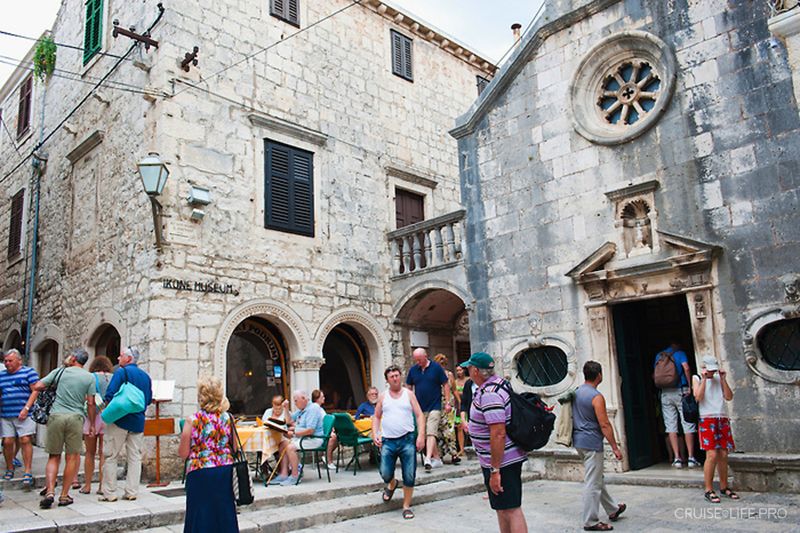
The Icon Museum is one of the popular places on the island. Regular visitors to the museum include not only tourists, but also pilgrims and lovers of religious art. The museum features both authentic icons from different periods and their photographic copies, which were assembled over many years. The collection includes exhibits of the Byzantine school of painting, Russian, Cretan-Venetian, and Ionian iconography, as well as icons from the Greek school of icon painting. In this museum, you can find icons that represent and reflect the development of icon-painting craftsmanship from different times, practically from all corners of the world. Even today, the museum’s icon collection is slowly but steadily growing, mainly thanks to charitable donations from private collectors, as it was in the past.

Abbey Treasure Vault

Abbey Treasure Vault

In the Bishop’s Palace there is the Abbey Treasure, famous for its collection of Dalmatian and Venetian art. The altarpiece from Blesa of Trogir, “Holy Conversation” and Titian’s “Annunciation,” are also kept here, along with two altar icons by Pellegrino from San Daniele, as well as “Portrait of a Man” by Vittore Carpaccio.

Beaches

Beaches

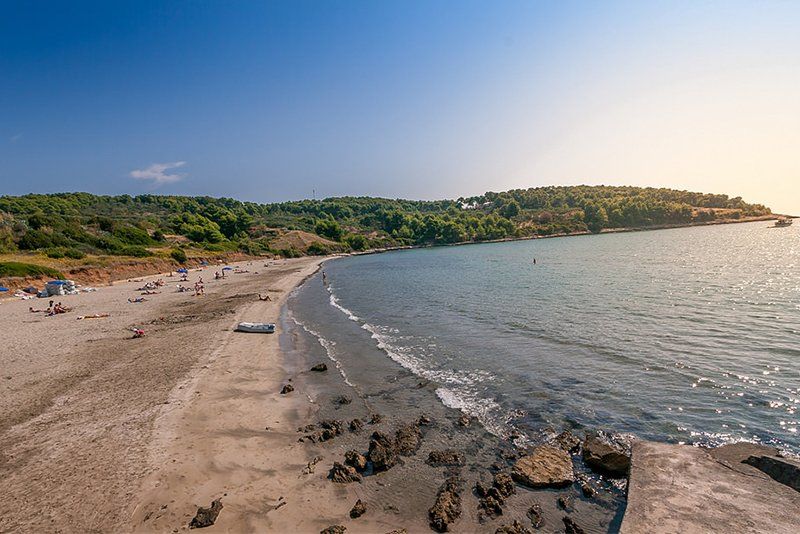
Korčula Island is famous for its beaches, surrounded by lush pine groves. The best sandy beaches of Korčula are located in the bays of Vela Przina and Bilin Zal near the town of Lumbarda and in the Luka Korculanska bay, close to the city of Korčula. You can also vary your stay on Korčula by visiting the picturesque pebbly beach of Proizd, located on a small island in the area of Vela Luka town on the west coast of Korčula Island.

Recommended excursions

City Sightseeing Tour of Korčula

City Sightseeing Tour of Korčula

Korčula is a legendary island, whose main treasure is the eponymous old town, known for its monasteries, cathedral, and numerous museums. A stroll through the town’s historic narrow streets, which have preserved their historical monuments and ancient traditions, visits to the main attractions, and a delicious lunch will make this trip bright and unforgettable.

For a more detailed list of excursions and their prices, you can check after booking your cruise in your “Client Personal Account”.

Cruises calling at this port

Costa Deliziosa
Costa Cruises
Costa Deliziosa
Mediterranean/Europe
18.09.2027 · 14 nights Port of departure: Venice, Italy ALL (NO DRINKS)

Venice, Italy, Venice, Italy, Bari, Italy, Calypso Deep, Calypso Deep, Santorini, Greece, Mykonos, Greece, Argostoli, Greece, 38.6 N 19.8 E, Ionian Sea, 38.6 N 19.8 E, Ionian Sea, Venice, Italy, Venice, Italy, Bari, Italy, Corfu, Greece, Kotor, Montenegro, Korkula (Croatia), Zadar, Croatia, Rijeka (Croatia), Treiste, Italy

from €4,438
I Interior €4,438
O Ocean View €5,238
B Balcony €5,638
S Suite €6,398

Press "Details" button to see an actual price. Price per cabin.

Details
Costa Deliziosa
Costa Cruises
Costa Deliziosa
Mediterranean/Europe
25.09.2027 · 7 nights Port of departure: Venice, Italy ALL (NO DRINKS)

Venice, Italy, Venice, Italy, Bari, Italy, Corfu, Greece, Kotor, Montenegro, Korkula (Croatia), Zadar, Croatia, Rijeka (Croatia), Treiste, Italy

from €2,278
I Interior €2,278
O Ocean View €2,678
B Balcony €2,878
S Suite €3,258

Press "Details" button to see an actual price. Price per cabin.

Details