Claipe da Castle
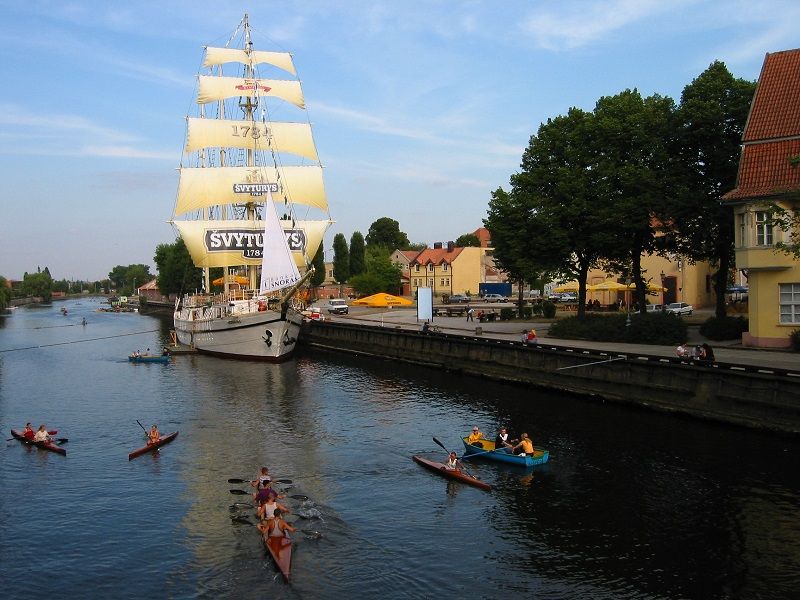
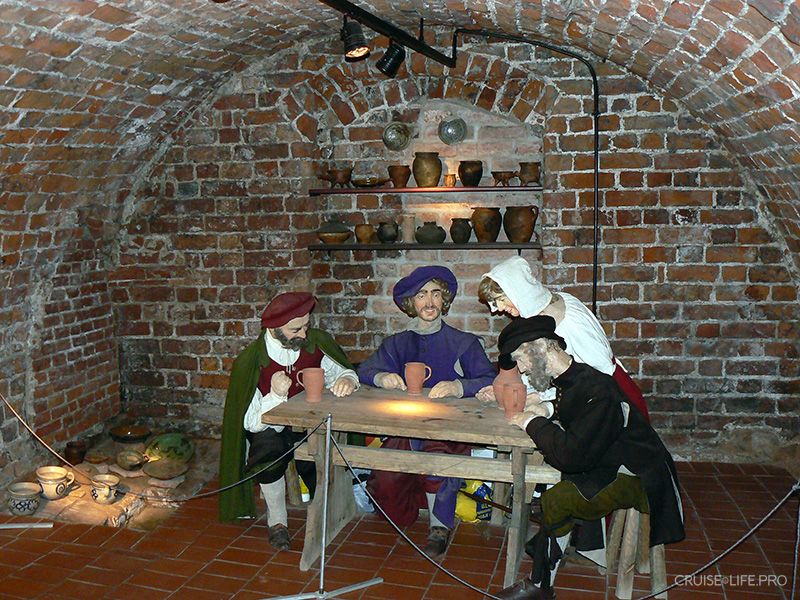
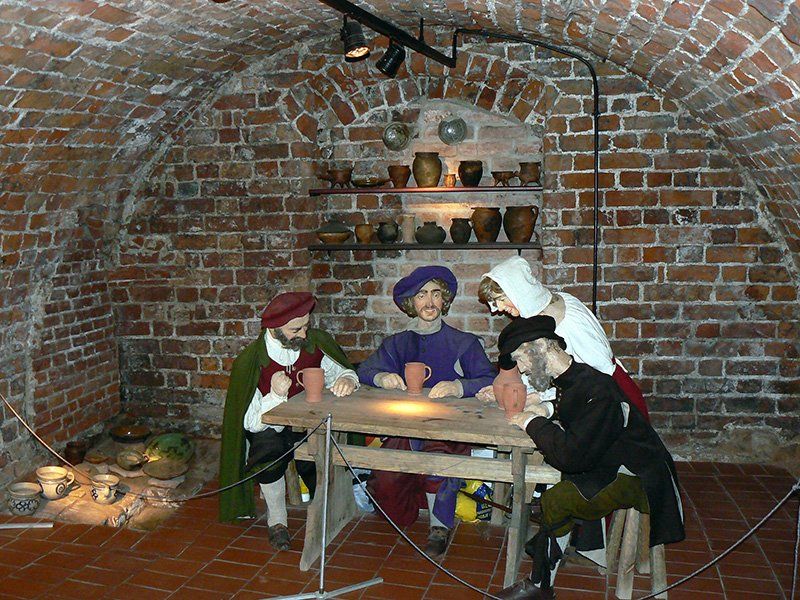
A historic fortress appeared in these places thanks to the Knights of the Teutonic Order as early as the 13th century-first in wood and then in stone. And in 2002-on the occasion of the 750th anniversary of the founding of Klaipėda-an excellent museum opened in the city castle. Here you can see weapons, everyday household items, utensils, and jewelry of ancient tribes that lived in the territory of present-day Klaipėda up to the 11th century, models of the city in the 13th and 17th centuries, a gold signet ring with very rare gemstones, and a highly valuable silver goblet used by the Klaipėda merchants’ guild only on days of special celebrations. In the castle you can also see a huge cannon, a collection of antique tiles, and brewing equipment. And there is also a wonderful panoramic view of Klaipėda from the fortress.
The Sculpture “Wonderful Little Mouse”
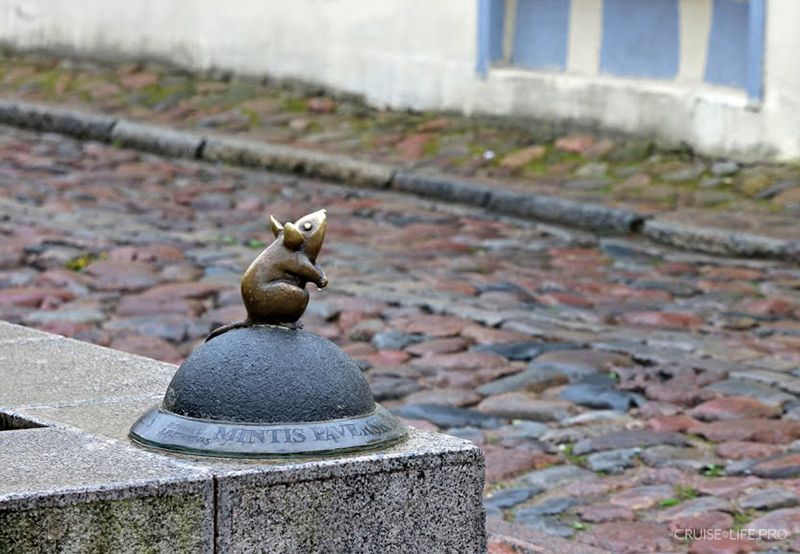
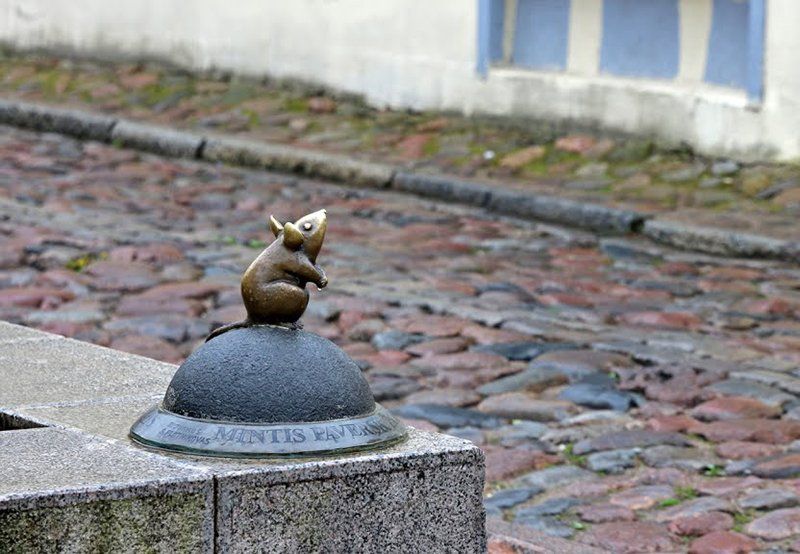
This miniature sculpture is made of bronze and stone. A rather plump little mouse sits on a stone hemisphere. Its paws are folded, and its face is raised upward; a thin, long tail hangs down. The sculpture is only 17 centimeters tall, yet that doesn’t stop it from being considered magical. Although the sculpture has been installed quite recently, it has already gained recognition among the residents and visitors of the city as an granter of cherished wishes. All you have to do is whisper your wish into the mouse’s ear, and your thoughts-transformed into words-will become magic at the whim of the little creature. Of course, you may not believe in magic, but when you stroll through the labyrinths of the narrow streets of the Old Town-it's as if you’re transported a few centuries back. And that, too, is magic: the magic of antiquity.
The Old Town of Klaipėda
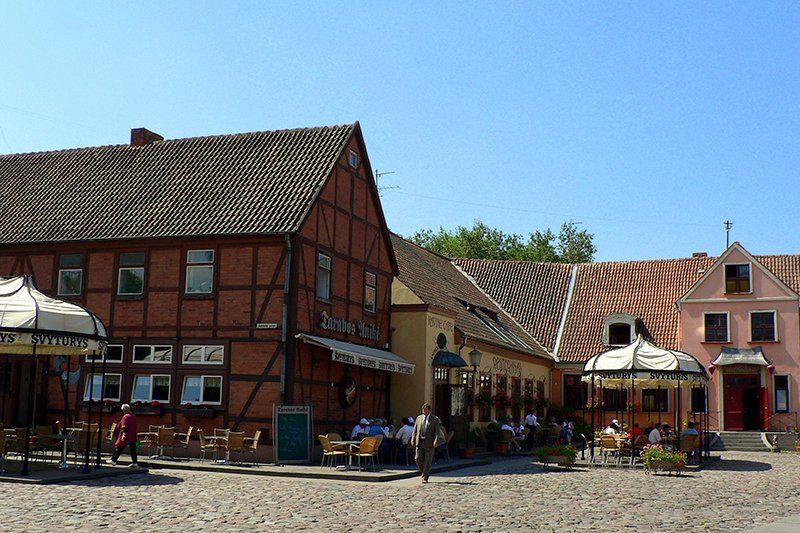
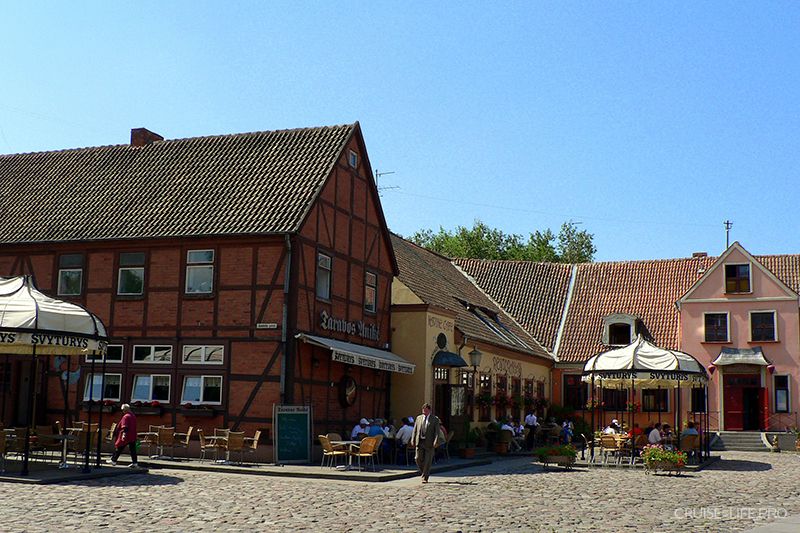
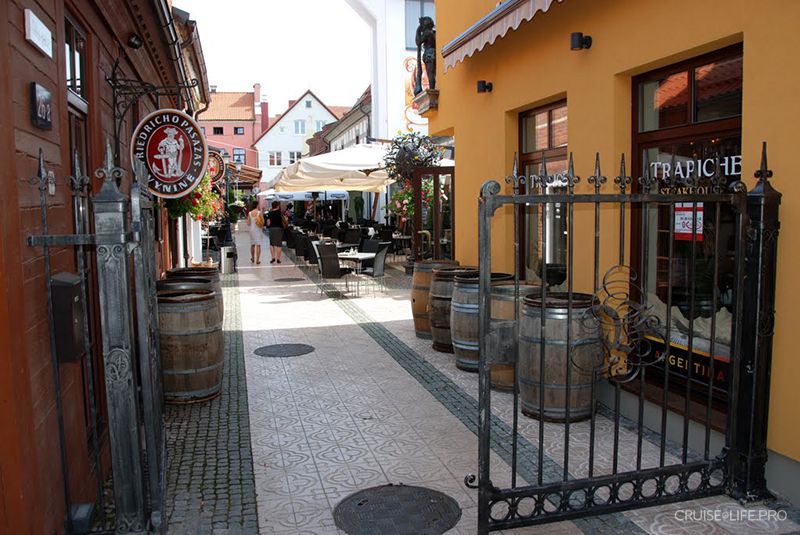
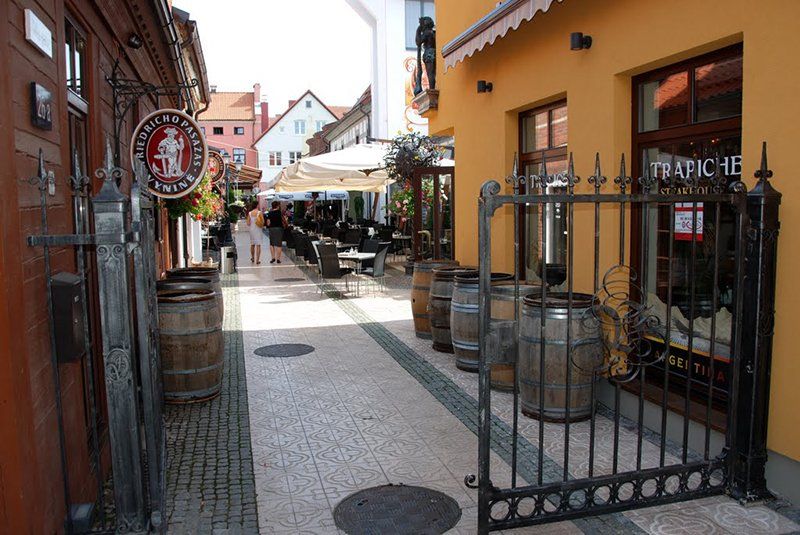
The Old Town of Klaipėda has preserved all the outlines and atmosphere of long-gone times. On its narrow streets, the history of Lithuania lives on, along with houses renovated in a modern style-peacefully coexisting with German half-timbered buildings. After all, ever since its very founding in 1252, the city was called Memel and belonged to the Germans. Wandering along the narrow medieval streets, you can spend hours admiring charming houses of merchants and townspeople, built of stone with a wooden beam framework. And around the corner, you may come across a whimsical little bronze sculpture. An eared mouse, a cat, a doberman peeking out of a house near the old market, a chimney sweep sitting on the roof of a house on Kurpių Street-these can all bring luck to whoever rubs their nose, button, or ear.
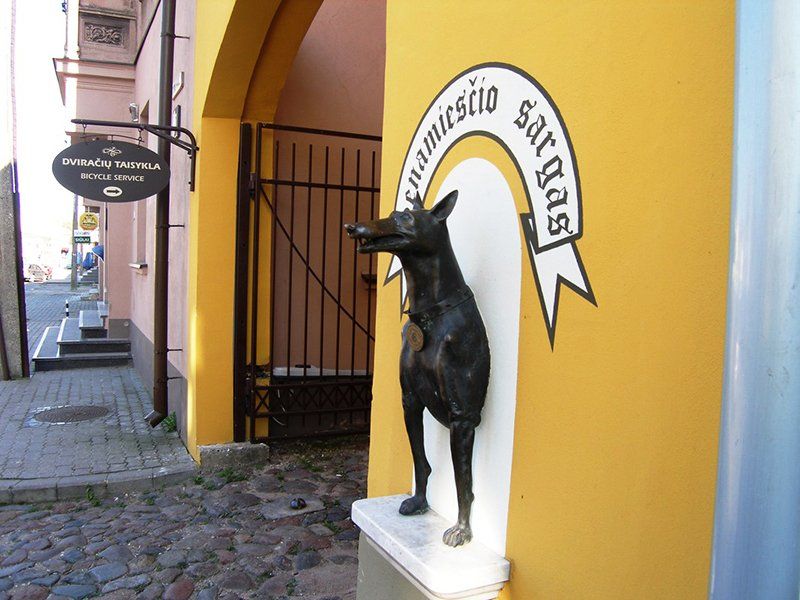
Sculpture of the Guardian of the Old City
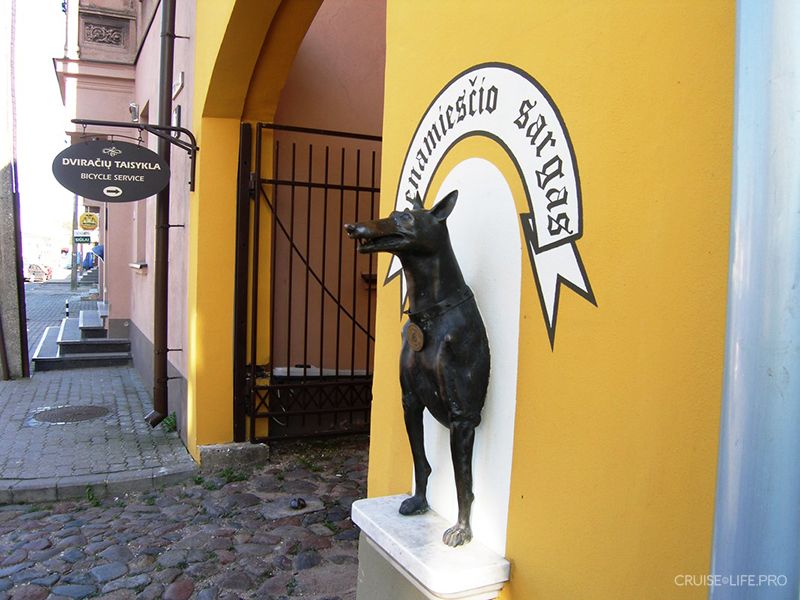
The sculpture “Guardian of the Old Town” is located in the city of Klaipėda, on Turgaus Street, near the Market Square. The sculpture features bronze head, chest and paws of a “Doberman” dog, as if emerging from the wall of a house. Above the figure there is an inscription in Lithuanian: “Guardian of the Old Town.” Although the bronze head of a “Doberman” dog appeared in Klaipėda only recently, the legend of the City Guardian has been known for a long time. They say that as soon as twilight falls on the city streets, an important and majestic dog goes out to keep order. They claim that he protects the residents and guests of Klaipėda from bad people. Word has it that if you touch the bronze nose of the sculpture, nothing bad will happen to you in the city.
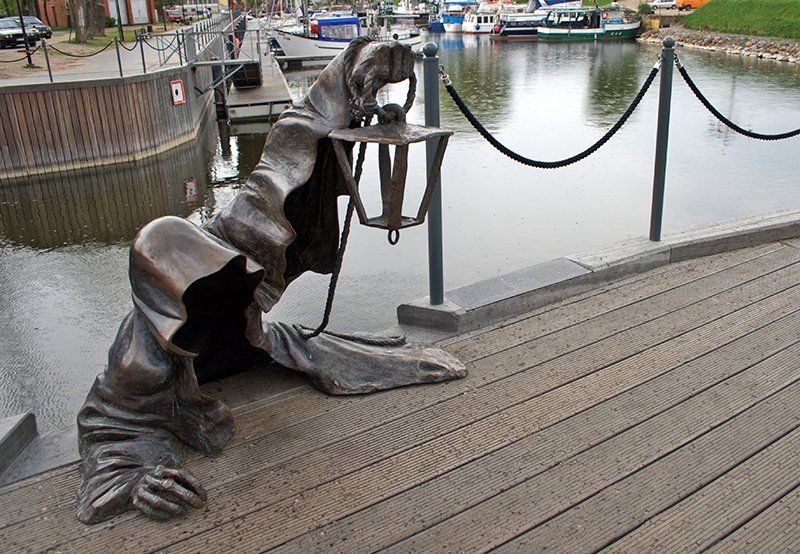
Black Phantom Sculpture
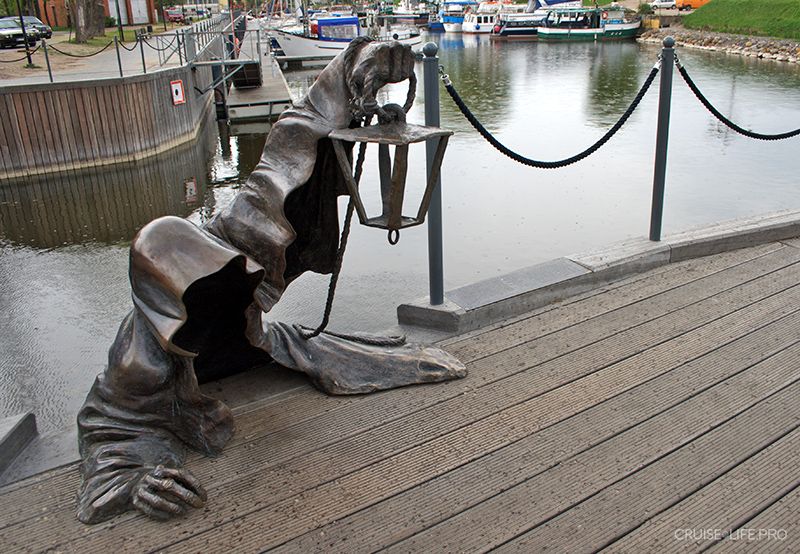
A bronze sculpture has been installed in the place where once stood the famous Klaipėda city castle, right by the drawbridge over the city canal. The black ghost is two and a half meters tall-a huge figure that climbs out of the water onto the bridge. In his left hand, he holds a lantern of an unusual shape, and with his right hand he braces against the roadway. The black ghost is dressed in a cloak of the same color, which is unfastened and tangles around his feet; a hood that conceals his face is draped over his head. At the same time, the ghost greets everyone who comes close. The reason is that the sculpture is equipped with sound equipment, so the black ghost turned out to be quite talkative.