St Magnus Cathedral
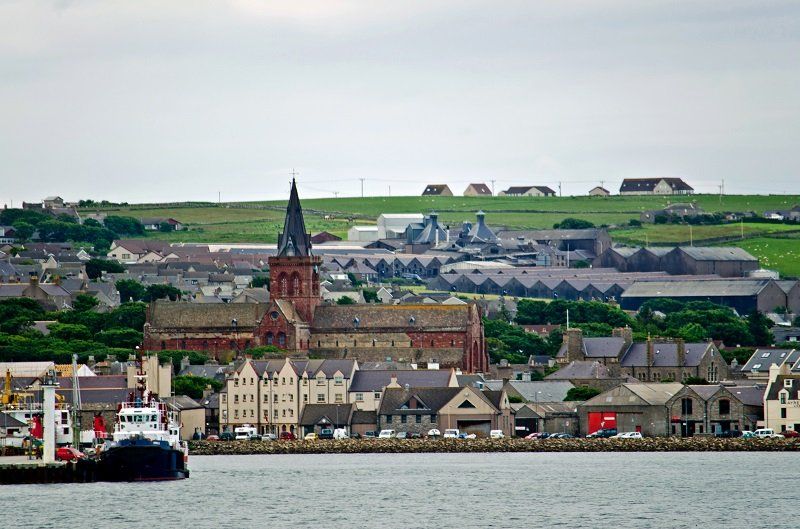
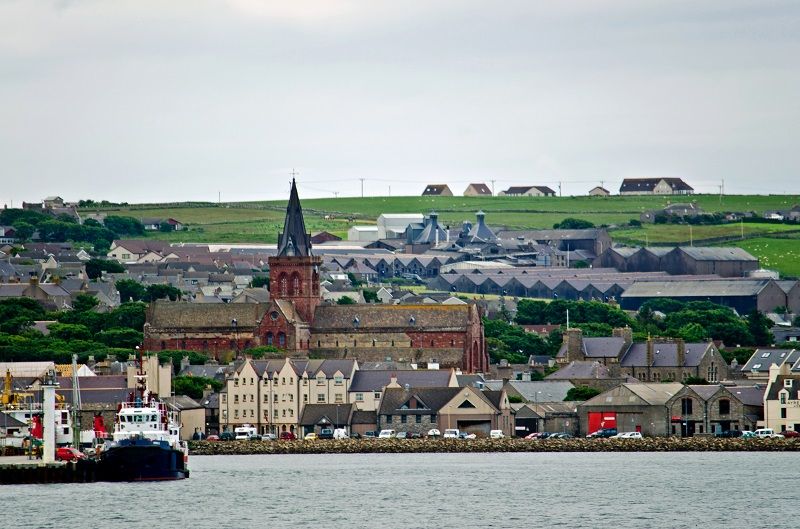
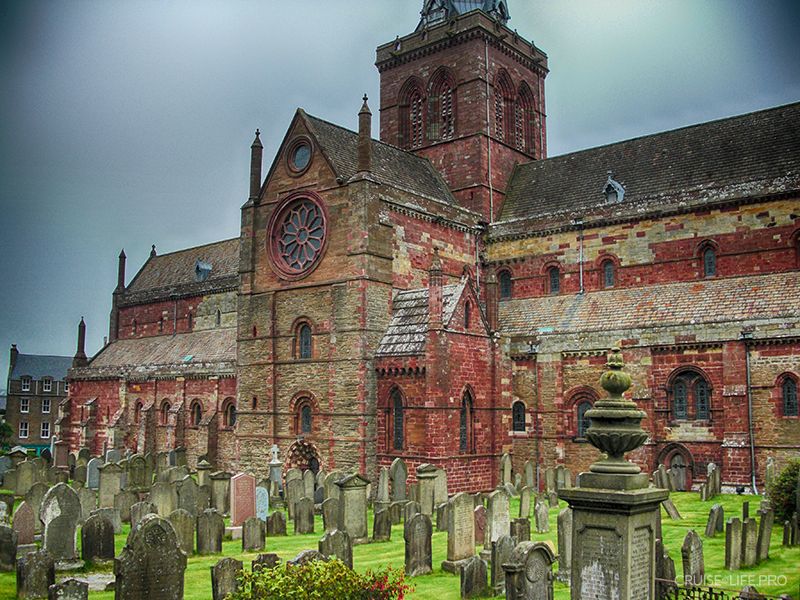
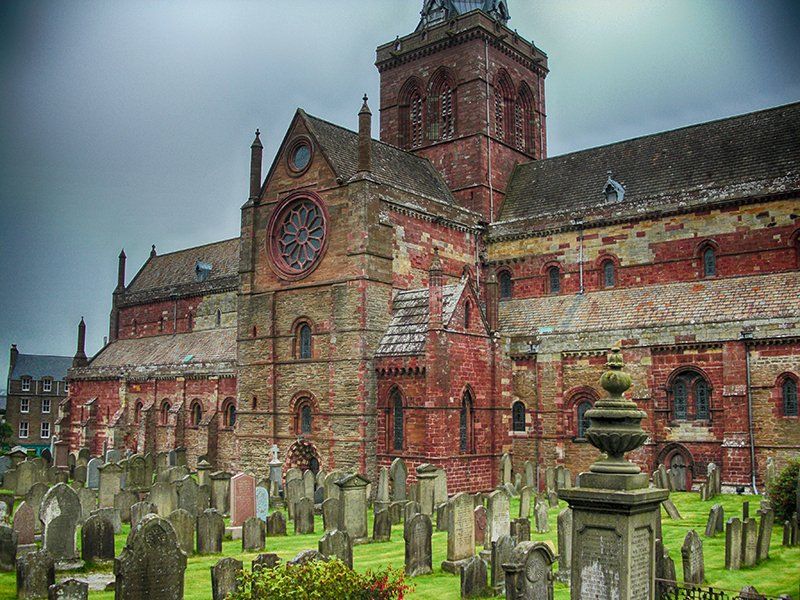
One of the main attractions in the pearl of the Orkney Islands is St Magnus Cathedral, the northernmost cathedral in the UK. The building, which dates back to the 12th century, is considered an example of Romanesque architecture. In the construction of the cathedral, ancient builders used red sandstone quarried on the Mainland island and yellow stone from Eday. The multicolored stones laid in a checkerboard pattern give the structure a special beauty. There are no similar buildings anywhere else in Great Britain. It’s worth noting not only the church’s outward beauty, but also its unique feature. It was the only church in Britain whose undercroft included a prison for those who had offended against the church. A gentle, smooth descent led into the cathedral’s undercroft. Once the prisoners slid down it, they had no hope of rising back up.
The Earl’s Palace
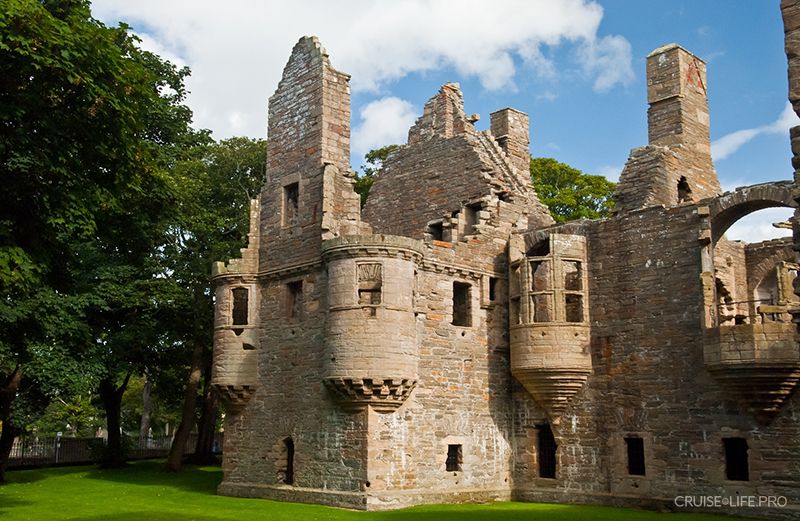
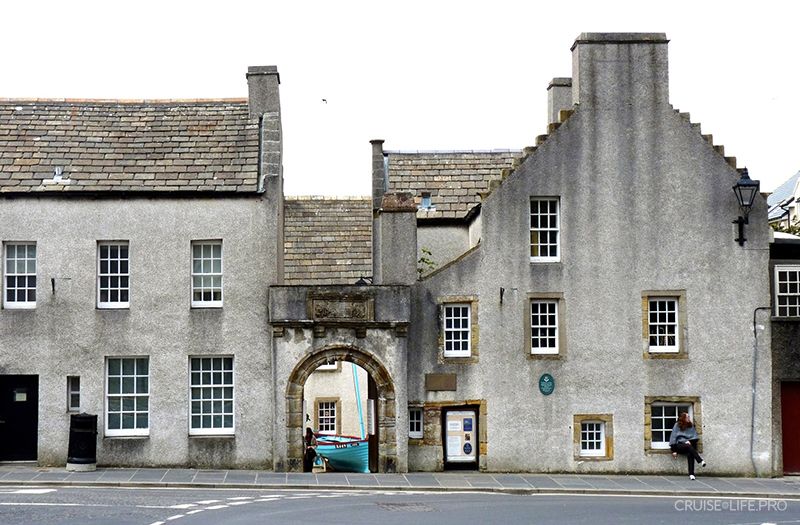
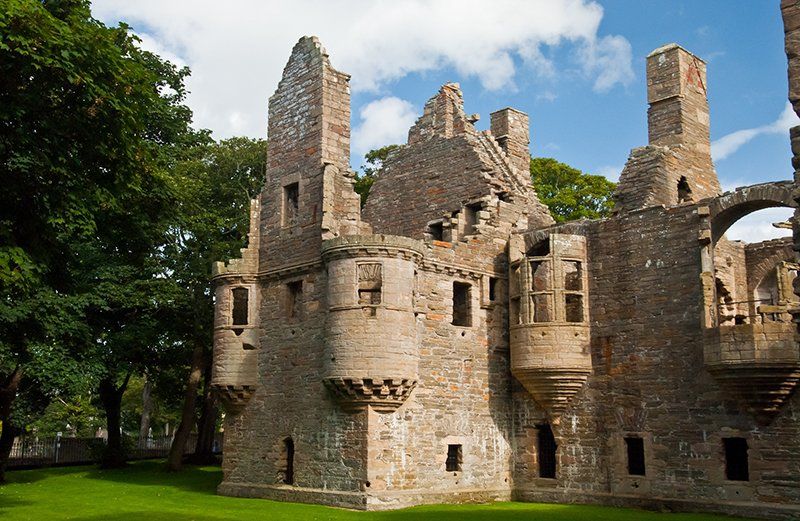
The building was constructed in 1606 by Patrick Stewart, the grandson of King James V. Patrick became the Earl of Orkney and Shetland in 1600 and decided to build a magnificent palace for himself. And in 1608 Bishop James Low took the palace for himself, using his influence and connections. A couple of years later the earl was executed for treason against the crown, and the palace remained an episcopal one. Once, it was incredibly large and striking in its power. Inside the palace walls there was even its own brewery.