Jeju Island, South Korea

Port of call

Jeju Island, South Korea

Description — Jeju Island, South Korea

Jeju City is the capital of the Special Self-Governing Province of Jeju, Republic of Korea, and the largest city on Jeju-do Island. The city is famous for its gambling industry. A major tourist hub. Every year, Jeju is visited by 4 million tourists.

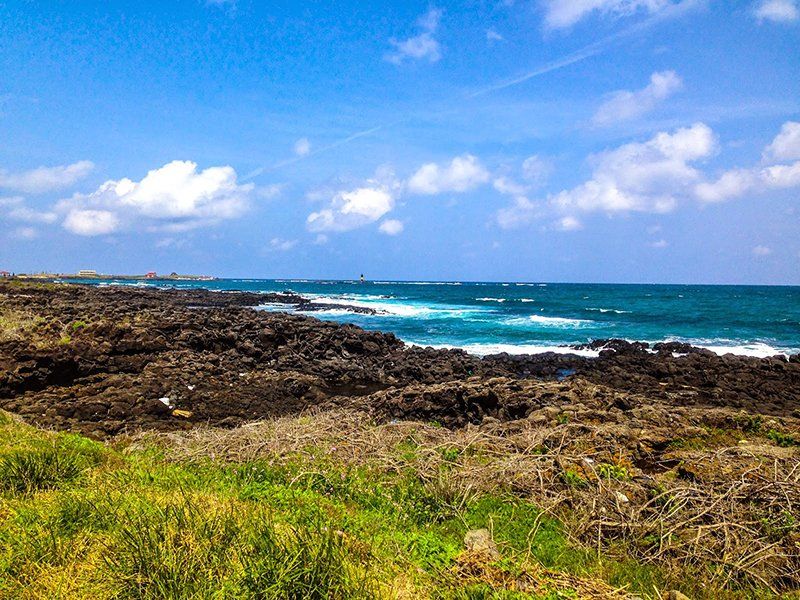
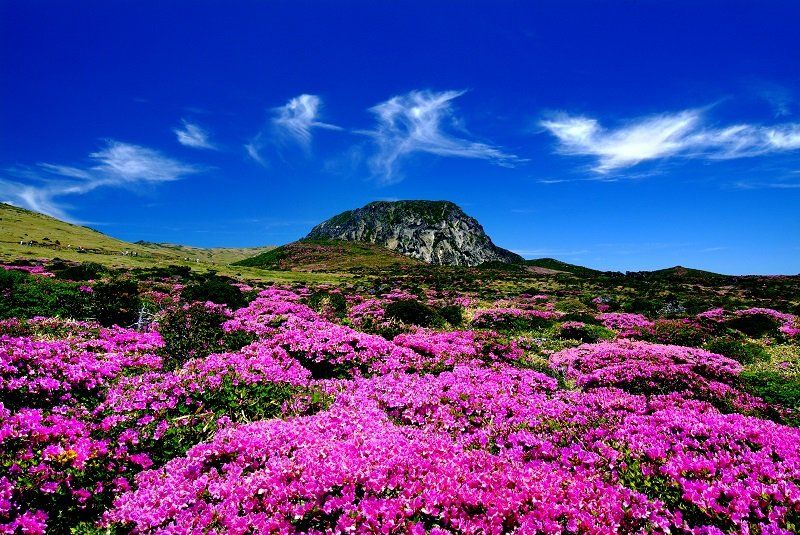
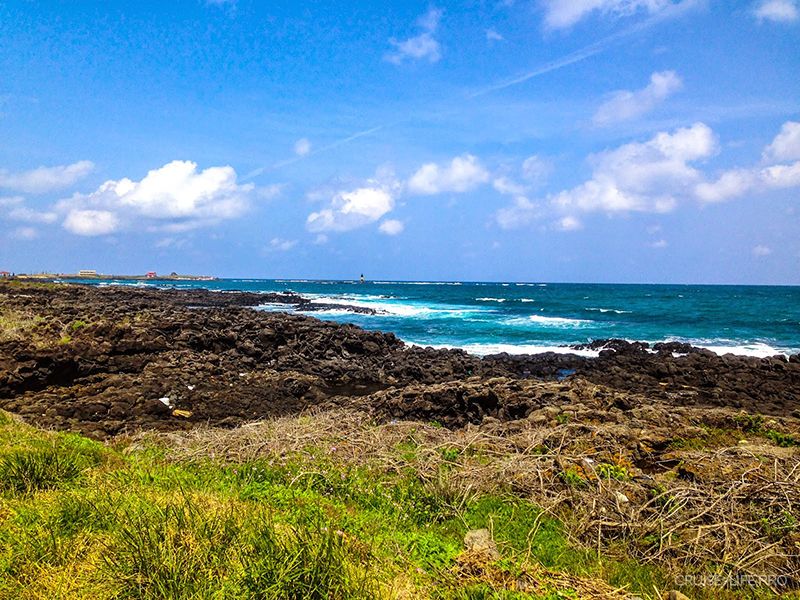
South Korea’s largest island, Jeju-do-formerly known in Europe as Quelpart-is an island of volcanic origin. Here is Hallasan Volcano, the highest mountain in South Korea (1,950 m). The island formed entirely after a volcanic eruption several hundred million years ago, and consists mainly of basalt and lava. Since 2007, the island’s unique nature has been protected by UNESCO as a World Heritage Site, “Jeju Volcanic Island and Lava Tubes.”

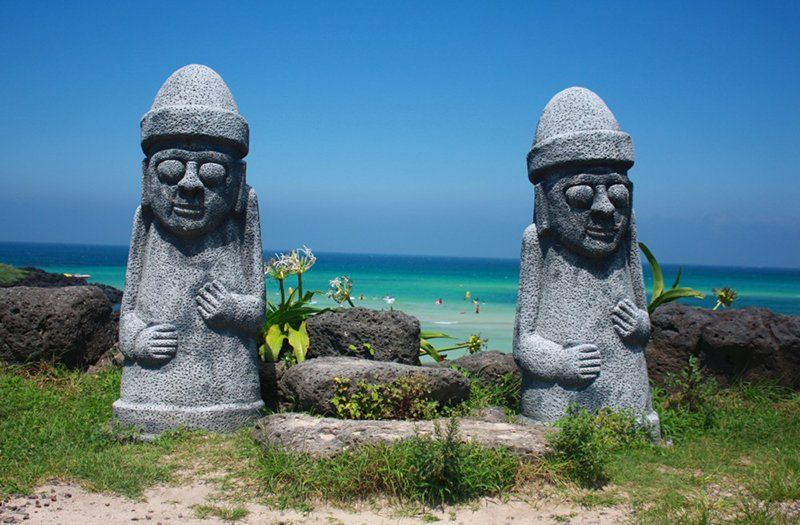
Jeju has long had another interesting name: “the island of three abundances.” On this island, you can always find stones, winds and… women in abundance. Almost all over Jeju, matriarchy has prevailed since ancient times. On an island where culture and customs are practically unconnected to the mainland, a woman is the head of the family on Jeju. A woman on the South Korean island fully supports her family and, most often, has to work under the most difficult conditions. Many of the beautiful half of humanity on Jeju even to this day dive to great depths to harvest shellfish, seaweed and other seafood. Meanwhile, the men handle everyday life and look after the younger generation.

Many tourists call Jeju “the pearl of South Korea.” There is not even a fraction of exaggeration in this grand title: picturesque landscapes, a mild climate, comfortable and spotlessly clean beaches, parks and attractions draw visitors to Jeju not only from Asia, but from all over the world.

Climate

Jeju has a warm subtropical climate, which makes the weather conditions on the island different from those on mainland Korea. In the summer months, from June to August, the average air temperature here is +25..+27 degrees. In September it is already a bit cooler, but not significantly, whereas in October there is a sharp drop in temperatures. Rain falls evenly throughout the year. Winters on the island are cool, but the thermometer very rarely drops below +5 degrees.

Location on the map

Sights

Loveland Erotic Sculpture Park

Loveland Erotic Sculpture Park

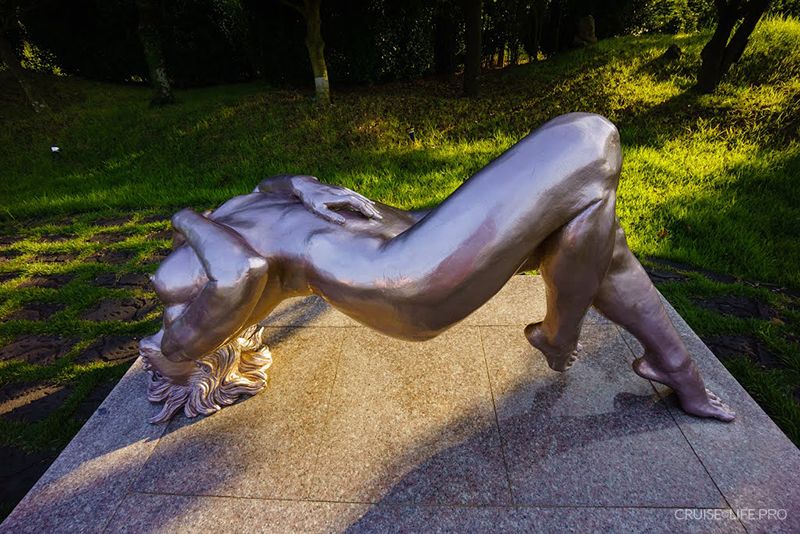
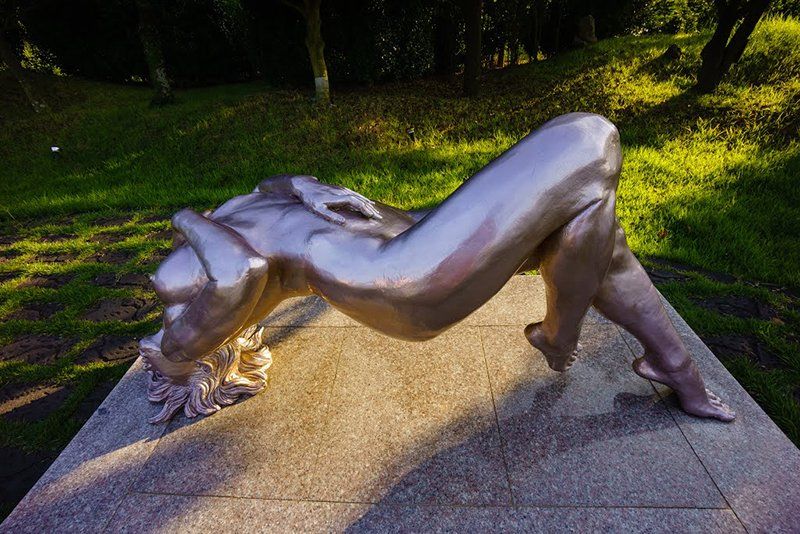
The Loveland Erotic Sculpture Park is a themed park featuring 140 sculptures of people in various erotic poses. It was opened in 2004 with the help of 20 artists and is the first erotic museum in Korea. The location for the park was chosen for a reason. As in Korea marriages are typically arranged with parental consent, newlyweds got to know each other closely only during their honeymoon trips, which were often made to this island. That is why it was decided to create on Jejudo Island a themed park of an erotic nature to promote sexual education for young people. The park is open every day; 100 of its sculptures are outdoors and 40 are located in the gallery.
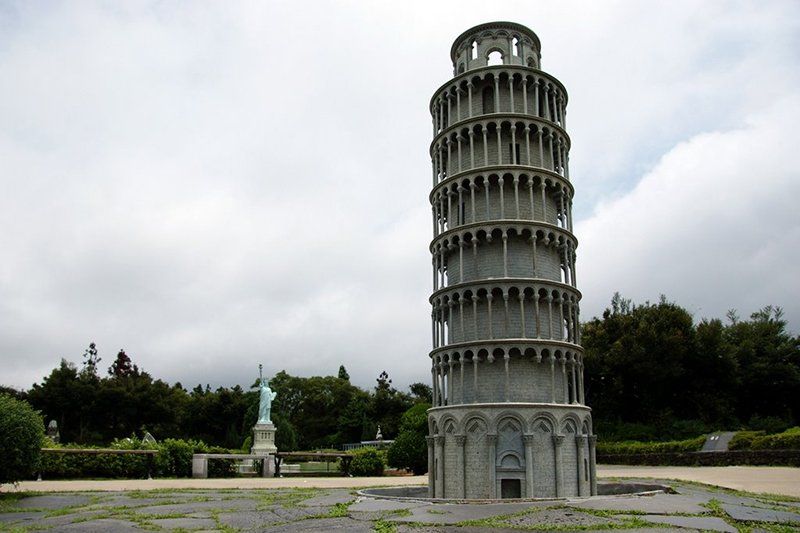
Soin Guk Miniature Park

Soin Guk Miniature Park

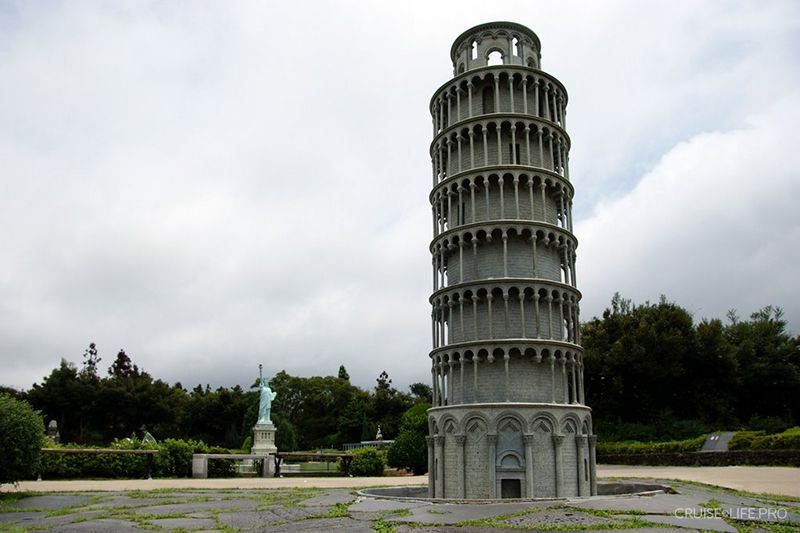
Themed park “Songguk” is one of the most impressive attractions in South Korea. On the vast grounds of the park, centuries, countries, and cultures are brought together in one place: its many exhibits are replicas of famous structures and works of art from different times and peoples. In addition to monuments of Korea’s traditional and modern culture, there are around one hundred masterpieces from 30 countries around the world. Among them are the French Arc de Triomphe and Notre-Dame Cathedral, the American Statue of Liberty and the White House, the Taj Mahal Palace from India, Egyptian statues of the Sphinx and Ramses II, the Greek Parthenon temple, and other architectural wonders. Russia is represented here by replicas of the Main Building of Moscow State University, St. Basil’s Cathedral, and the church in Kizhi.
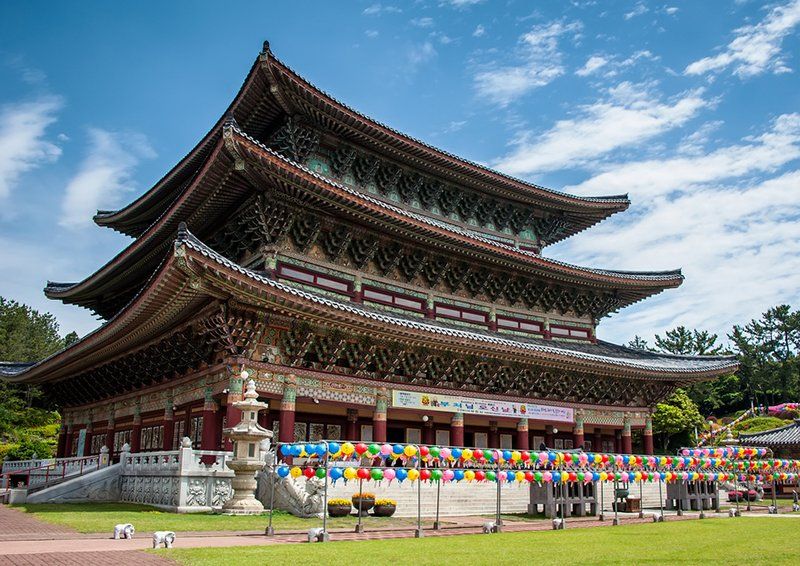
Jakhcheonsa Buddhist Temple

Jakhcheonsa Buddhist Temple

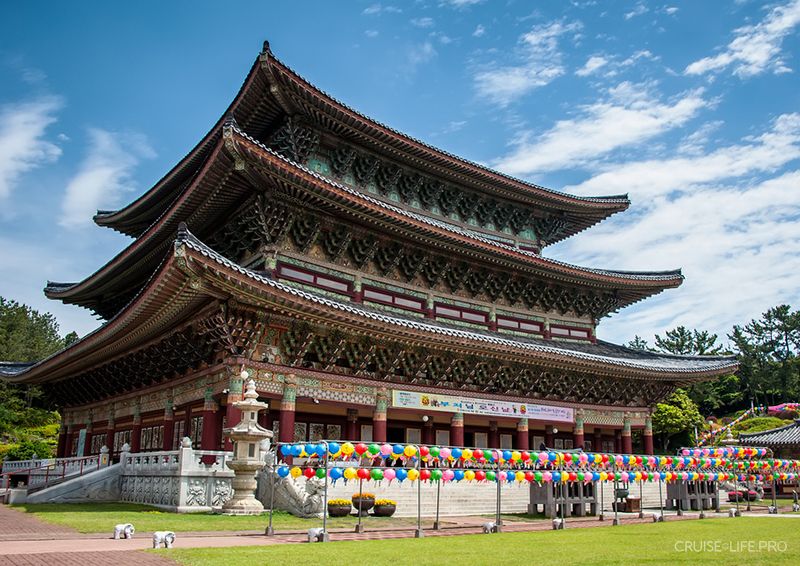
Yakhcheonsa Temple is one of the largest Buddhist temples in Asia, covering an area of over 100,000 sq. m. The temple features rich décor both outside and inside. The temple complex consists of several structures, including two towers-one of which is decorated with a giant drum, and the other with a huge bell. In the main building of the temple, there is a large prayer hall. All four floors of the building are open to visitors today, where you can see various paintings and figures adorning the walls and ceilings. In the back courtyard of the complex, you can find a Buddhist shrine and an artificial cave with Buddhist sculptures inside. There are also several gardens and pools on the temple grounds, as well as a spring, the water from which is believed to be very beneficial for health.
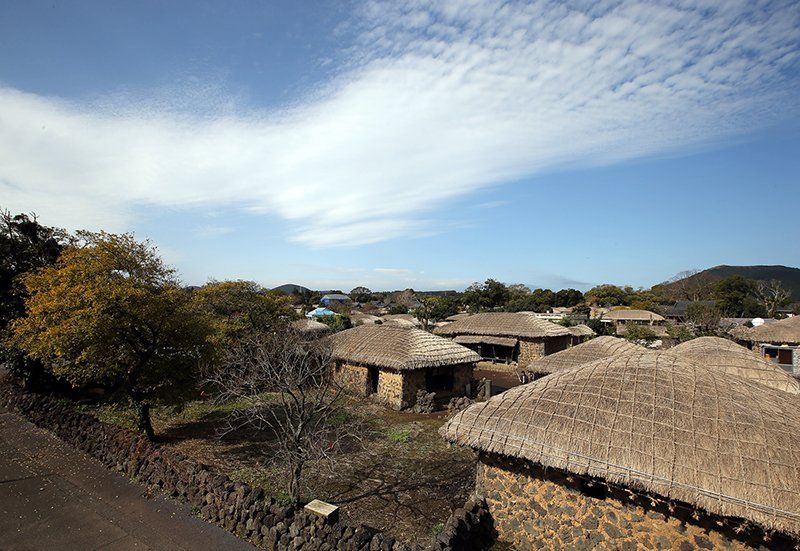
Sonesep Folklore Village

Sonesep Folklore Village

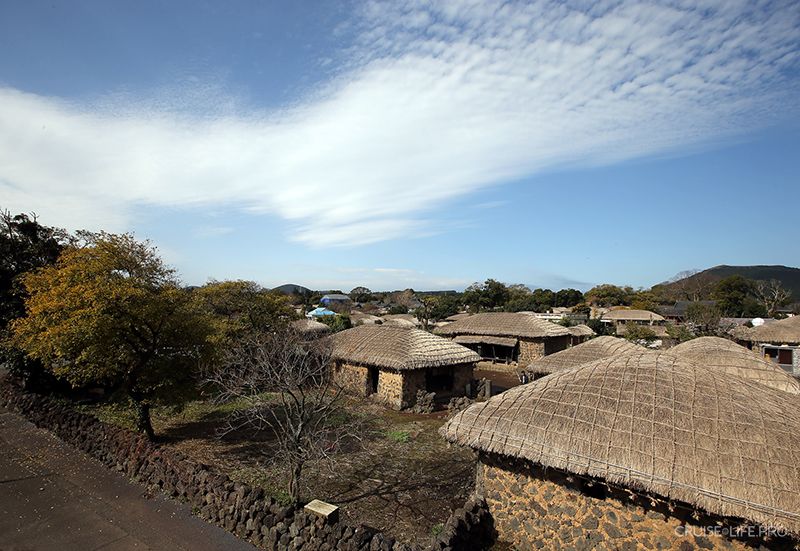
Visitors to the village can get to know the local people’s culture, history, traditions and way of life more closely. Here you can find the widest variety of historical sites and items-some of which are already several centuries old. At the entrance to the village, visitors are greeted by a 1,000-year-old tree. Inside the village, you can see residential houses, temples, schools, and ancient government buildings whose structures feature thatched roofs and stone or clay walls. The ruins of a fortress and stone statues have also been preserved. In addition, visitors to the village can experience intangible values-various cultural ceremonies, traditions, folk songs and games, and the特色 of the local cuisine.
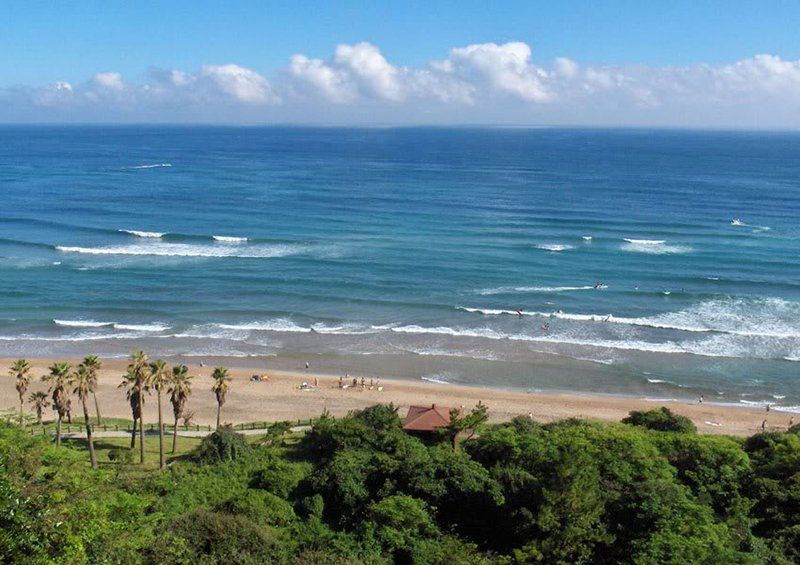
What to see

Chunmun Beach

Chunmun Beach

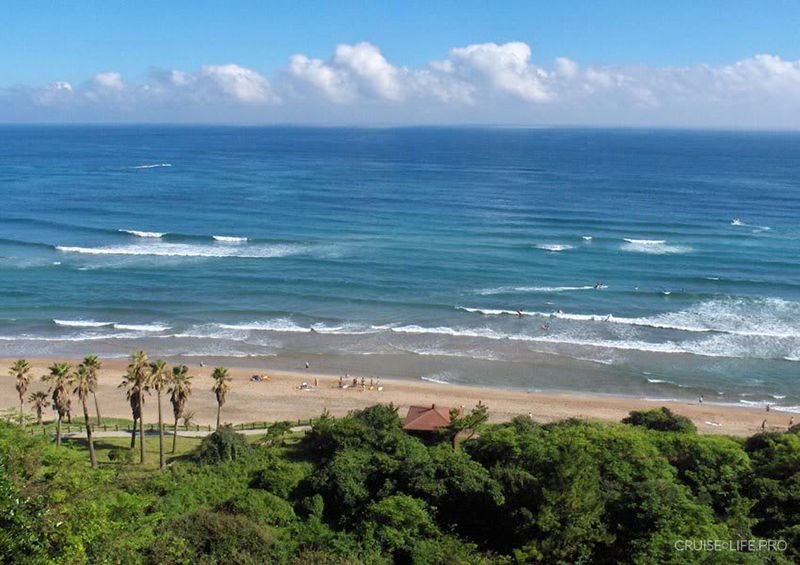
Chunmun Beach is one of the most popular beaches in South Korea, stretching along the southern coast of Jeju Island in the city of Seogwipo, on the grounds of the famous Chunmun resort. Its length reaches 560 meters, and its width is 30 meters. The sand at Chunmun Beach is exceptionally fine and multi-colored due to specks of gray, red, and black sand of volcanic origin. The water depth near the shore is only about 1.2 meters, so it warms up quickly-therefore, it offers ideal conditions for families with children. Everything you need for a day at the beach is available for rent; on-site you’ll find showers, changing rooms, as well as cafés and restaurants.

Yomiji Botanical Garden

Yomiji Botanical Garden

Halim Park

Halim Park

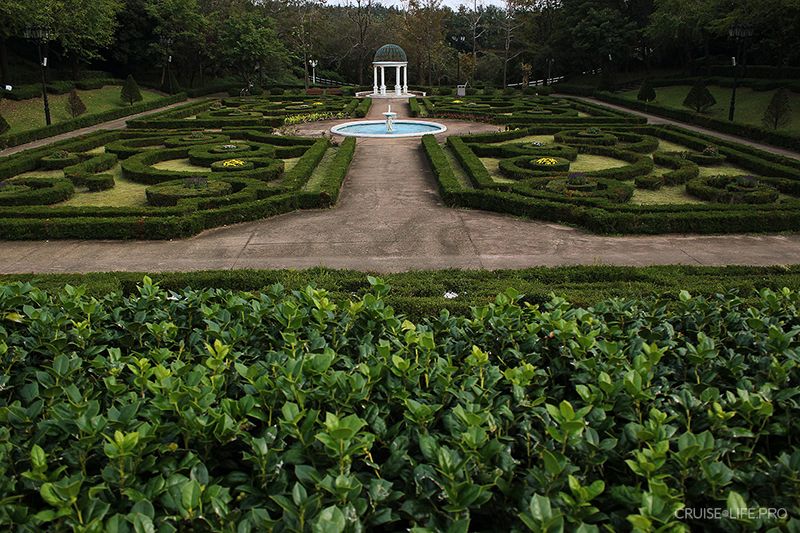
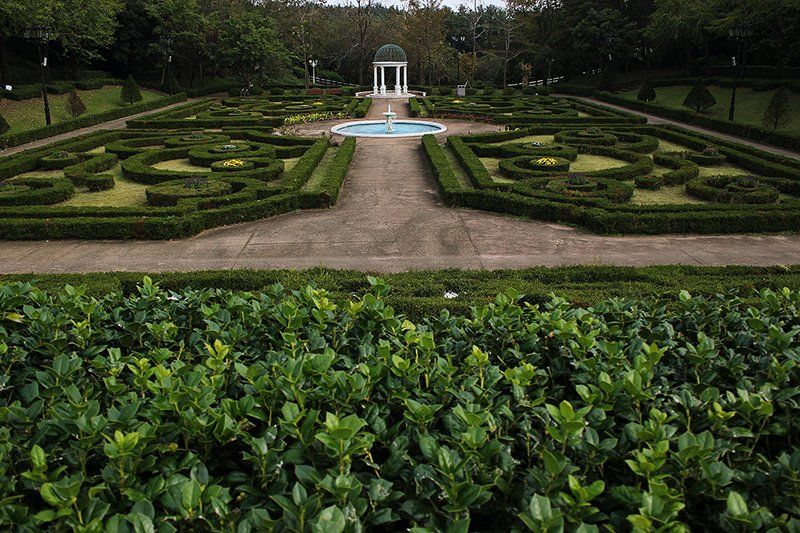
Hallasan National Park was established in 1993 to study and preserve the country’s natural treasures. On the vast territory of the nursery, more than 900 species of trees and subtropical plants grow, including rare and endangered ones. The nursery’s luxurious gardens are breathtaking with lush greenery and a variety of flowers all year round. There are many fountains of bizarre shapes, ponds, and comfortable benches along the paths. In the greenhouse halls, among wonderful plants-there are 208 species here-winged mythical creatures hide. In the dense, pristine forest of the nursery, between the trees, you can see dinosaur figures. Entry to the park is free, and there are no days off.

Peak Sŏnsan Incheolbon

Peak Sŏnsan Incheolbon

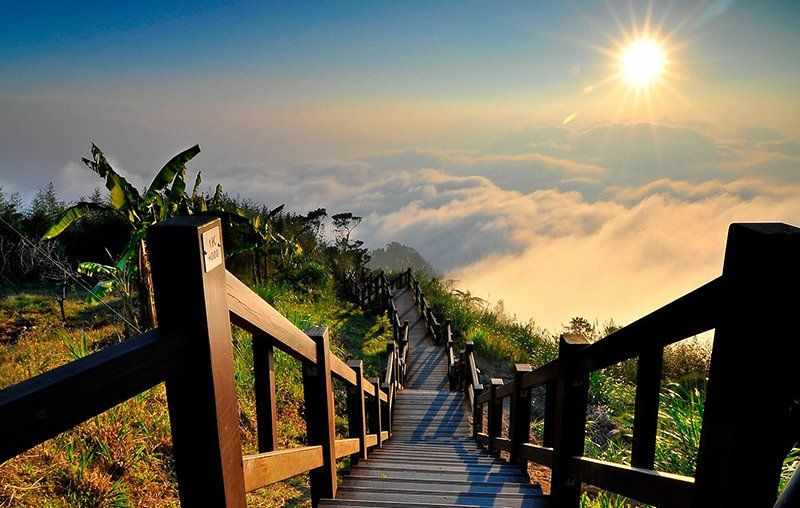
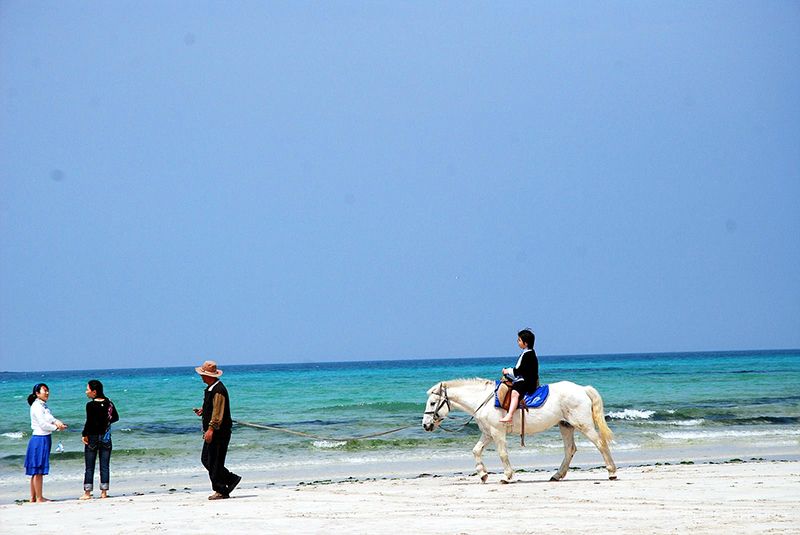
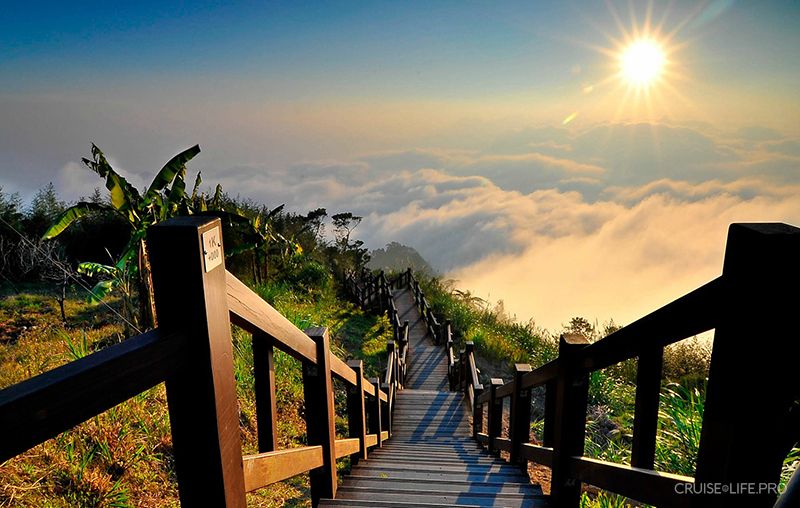
The name of Mount Seongsan Ilchulbong is translated as "Sunrise", as the peak is located in the eastern part of the island. The peak looks like a castle, surrounded by beautiful landscapes, and is a popular spot for tourists. Listed as a UNESCO World Heritage Site. The peak was formed as a result of volcanic eruptions over 100,000 years. Today, it features a vast crater with a diameter of 600 meters and a height of 90 meters. The crater’s rim is surrounded by jagged stones, while the crater itself is covered with grass. The peak and the hill connected to the crater make a wonderful place for strolling and horseback riding. In addition, from the top of the peak there are wonderful views of the surrounding area, especially during sunrise.

Green Tea Museum

Green Tea Museum

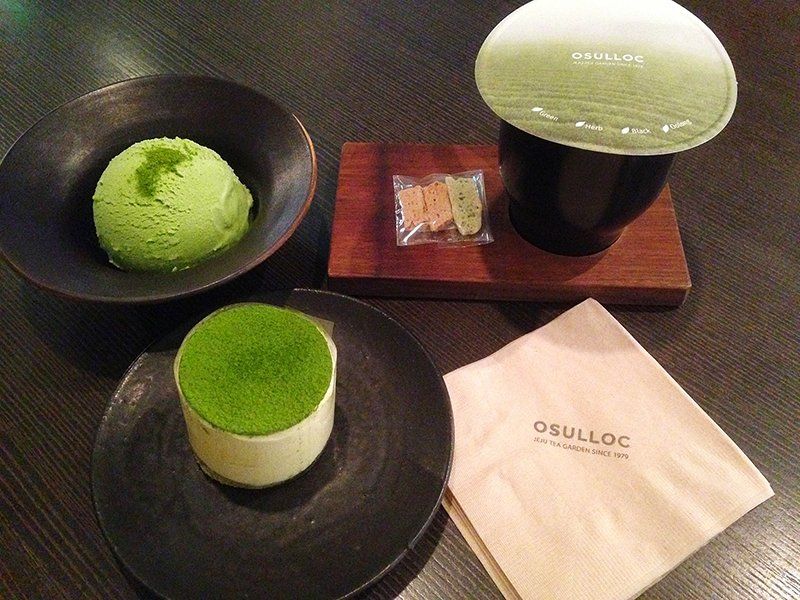
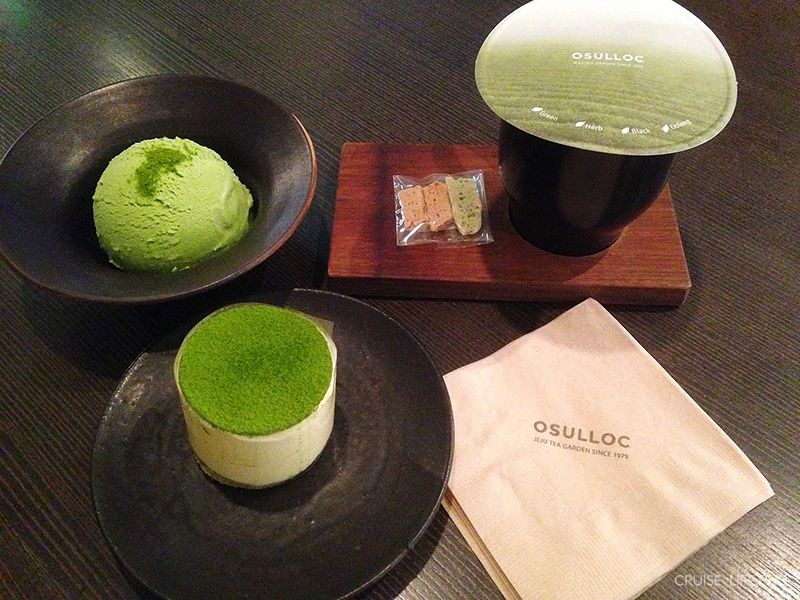
The O'sulloc Tea Museum is located near tea plantations and tells visitors about Korea's tea culture. Here you can learn about the history of tea in the region, everything about the process of growing and brewing tea, and, of course, enjoy the taste of the tea itself. The museum opened in 2001 in a building shaped like a tea cup. Inside, there are several exhibitions, including a tea cup museum, where you can learn about the history of the cup and see various examples of tableware. There is also an exhibition hall dedicated to the arrival of tea in Korea and its health benefits, as well as exhibitions on the culture of drinking and brewing tea. In addition, visitors can relax with a cup of tea by the lotus pond or go up to the observatory and take in the surrounding landscape and tea plantations.

Jejudo Beaches

Jejudo Beaches

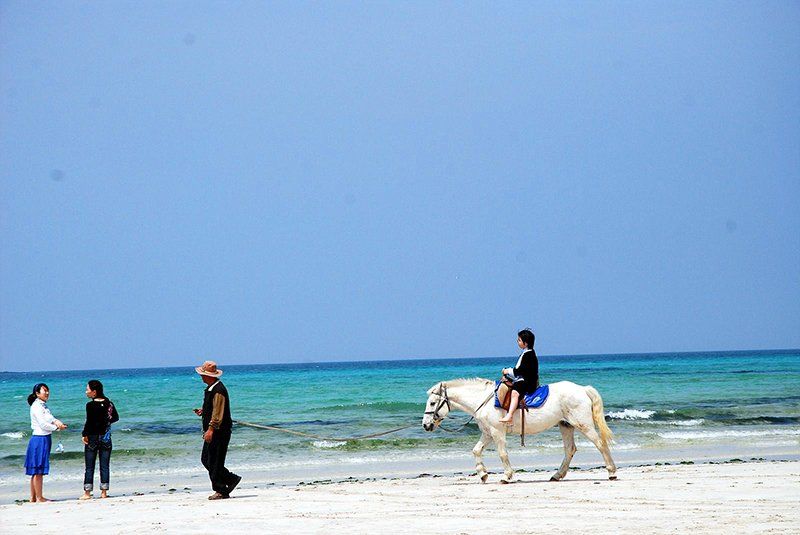
The sandy beaches of Jejudo stretch for 256 km − with the cleanest sea, healthy ecology, and excellent opportunities for diving, parasailing, kayaking, island-hopping, and other water activities. In a very picturesque spot, near the wind-sculpted rocks called “Dragon’s Head,” there is Hwasun Beach. For those who love solitude and admiring the beauty of tropical nature, Hamo Beach is just the place. Hyeopche is also a quiet beach with crystal-clear emerald water and white sand; from here you can enjoy a great view of Biyando Island. Seafood lovers should head to Iho Beach - fish restaurants are located here almost right by the water. A tiny cove with clear water, a wild beach, and the absence of civilization await you on the islet of Hyeongjesom.

Recommended excursions

Island sightseeing tour

Island sightseeing tour

During an excursion to Jejudo Island, you will see the region’s main attractions: Hallim Park, green tea plantations (here you can taste this year’s fresh tea, as well as buy green tea ice cream), the Yakchonsa Buddhist temple with 80000 gilded Buddha figurines, the rock temple of Sanbangulsa, Pacific Land, the Cheonjiyon waterfall, as well as the local shopping center.

Udo Sea Park

Udo Sea Park

Udo, whose name in translation means “cow island,” owes its original shape to its form, reminiscent of a cow lying on the sea surface with its head raised. On the island, which is 17 kilometers in circumference, there are about 700 houses and 1800 residents. Volcanic stone serves as the building material for buildings, roads, fences, and sculptures. Almost all the women of the island, according to an age-old tradition, are divers who collect rapans and other mollusks. Udo Marine Park is a delightful corner of nature untouched by civilization. White coral sand on the island’s beach, abundant underwater fauna, silence, and the chance for seclusion attract many tourists here.

You can find a more detailed list of excursions and their prices after booking your cruise in your “Client Personal Account.”

Cruises calling at this port

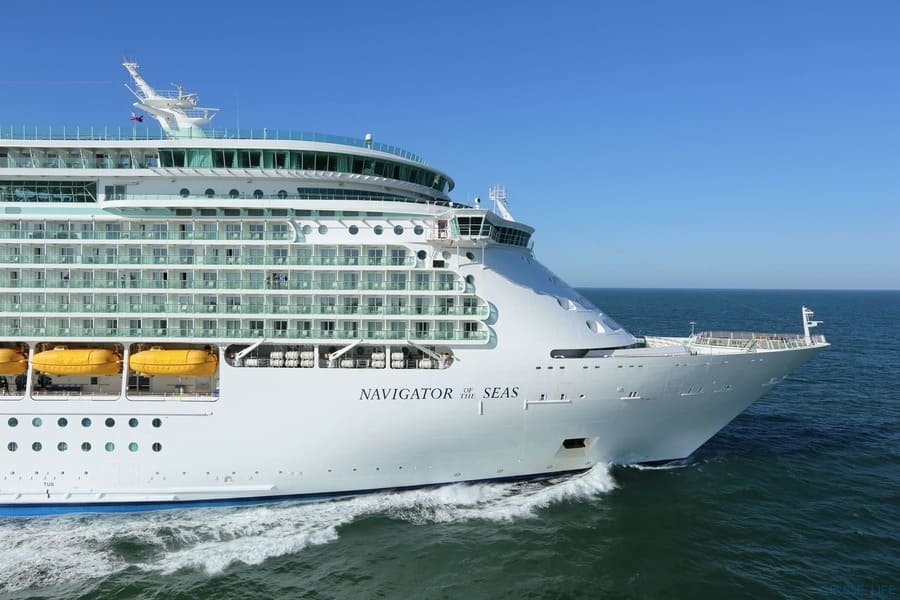
Navigator of the Seas
Royal Caribbean International
Navigator of the Seas
Asia
18.10.2026 · 11 nights Port of departure: Tokyo, Japan ALL (NO DRINKS)

Tokyo, Japan, At Sea, Nagasaki, Jeju Island, South Korea, At Sea, At Sea, Hong Kong, China, At Sea, Hue/Danang (Chan May), Vietnam, At Sea, At Sea, Singapore

from €2,727
B Balcony €5,615
S Suite €11,306

Press "Details" button to see an actual price. Price per cabin.

Details
Spectrum of the Seas
Royal Caribbean International
Spectrum of the Seas
Asia
01.11.2026 · 5 nights Port of departure: Shangai (Baoshan), China ALL (NO DRINKS)

Shangai (Baoshan), China, Jeju Island, South Korea, Busan, South Korea, At Sea, At Sea, Hong Kong, China

from €799
B Balcony €1,227
S Suite €2,023

Press "Details" button to see an actual price. Price per cabin.

Details
Norwegian Jade
Norwegian Cruise Line
Norwegian Jade
Asia
12.11.2026 · 9 nights Port of departure: Tokyo, Japan ALL

Tokyo, Japan, Shimizu, Japan, Nagoya, Kobe, Japan, Kochi, Japan, Hiroshima, Japan, Kagoshima, Japan, Nagasaki, Jeju Island, South Korea, Seoul (Incheon), Korea, Republic of (South)

from €1,805
I Interior €1,805
O Ocean View €2,500
S Suite €8,669

Press "Details" button to see an actual price. Price per cabin.

Details
Norwegian Jade
Norwegian Cruise Line
Norwegian Jade
Asia
21.11.2026 · 9 nights Port of departure: Seoul (Incheon), Korea, Republic of (South) ALL

Seoul (Incheon), Korea, Republic of (South), Jeju Island, South Korea, Nagasaki, Kagoshima, Japan, Hiroshima, Japan, Kochi, Japan, Kyoto (Osaka), Japan, Nagoya, Shimizu, Japan, Tokyo, Japan

from €2,282
I Interior €2,282
O Ocean View €2,529
S Suite €6,719

Press "Details" button to see an actual price. Price per cabin.

Details
MSC Bellissima
MSC Cruises
MSC Bellissima
Far East, Japan
20.01.2027 · 8 nights Port of departure: Shanghai, China ALL (NO DRINKS)

Shanghai, China, At Sea, Naha, Japan, At Sea, Shanghai, China, Jeju Island, South Korea, Busan, South Korea, At Sea, Shanghai, China

from €1,521
I Interior €1,521
O Ocean View €2,190
B Balcony €1,801

Press "Details" button to see an actual price. Price per cabin.

Details
MSC Bellissima
MSC Cruises
MSC Bellissima
Far East, Japan
24.01.2027 · 4 nights Port of departure: Shanghai, China ALL (NO DRINKS)

Shanghai, China, Jeju Island, South Korea, Busan, South Korea, At Sea, Shanghai, China

from €914
I Interior €914
O Ocean View €1,134
B Balcony €1,134

Press "Details" button to see an actual price. Price per cabin.

Details
MSC Bellissima
MSC Cruises
MSC Bellissima
Far East, Japan
28.01.2027 · 5 nights Port of departure: Shanghai, China ALL (NO DRINKS)

Shanghai, China, Jeju Island, South Korea, Busan, South Korea, Fukuoka, Japan, At Sea, Shanghai, China

from €1,148
I Interior €1,148
O Ocean View €1,408
B Balcony €1,408

Press "Details" button to see an actual price. Price per cabin.

Details
MSC Bellissima
MSC Cruises
MSC Bellissima
Far East, Japan
02.02.2027 · 9 nights Port of departure: Shanghai, China ALL (NO DRINKS)

Shanghai, China, Jeju Island, South Korea, Busan, South Korea, At Sea, Shanghai, China, At Sea, Busan, South Korea, Fukuoka, Japan, At Sea, Shanghai, China

from €2,075
I Interior €2,075
O Ocean View €3,504
B Balcony €2,655

Press "Details" button to see an actual price. Price per cabin.

Details