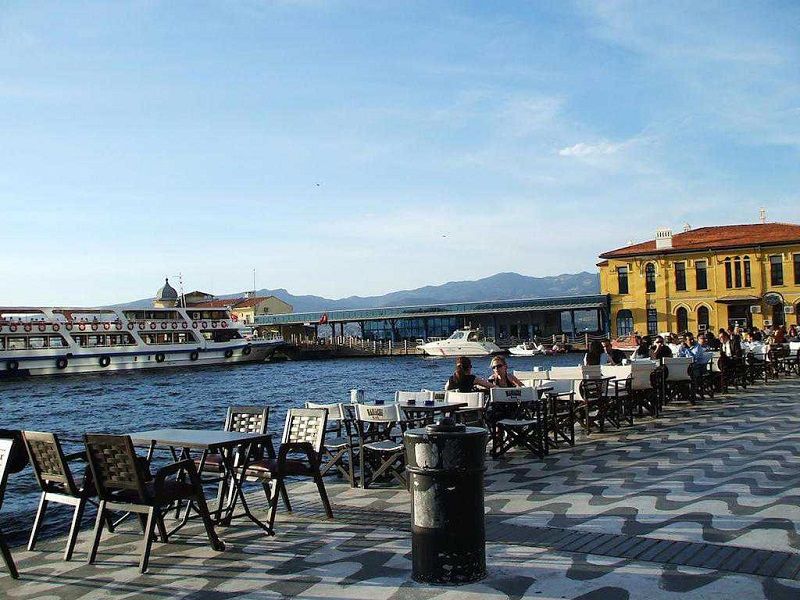
Agora in Izmir
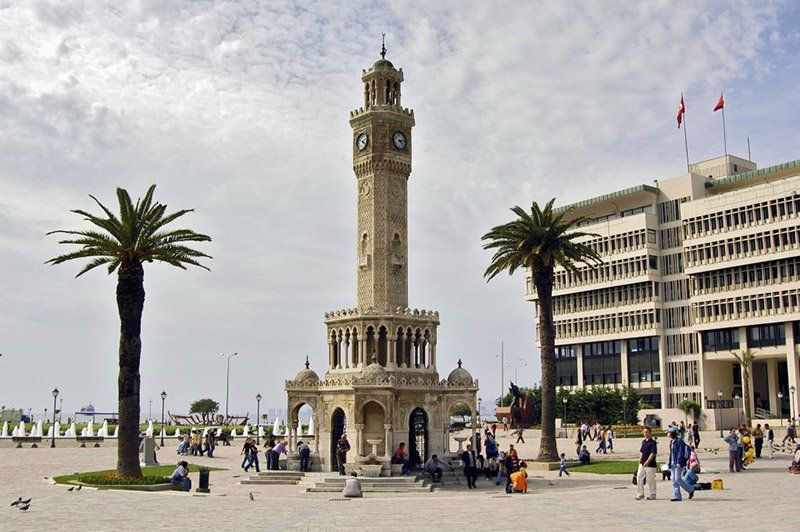
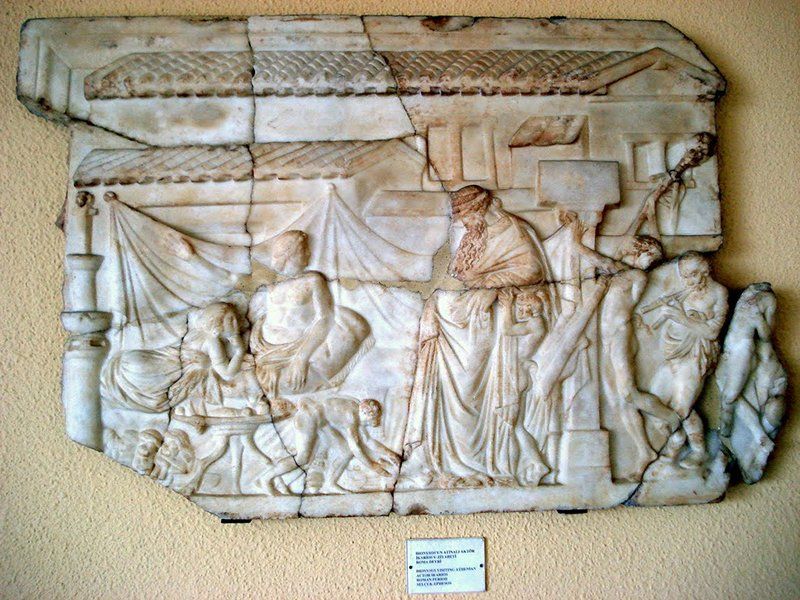
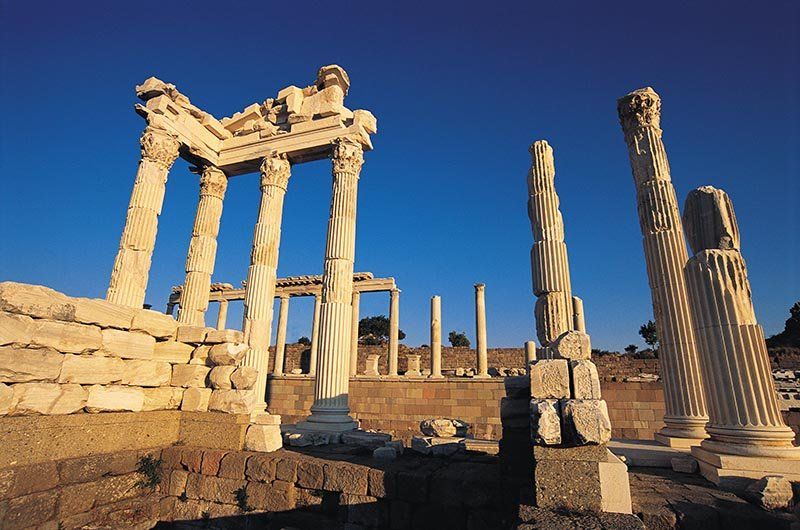
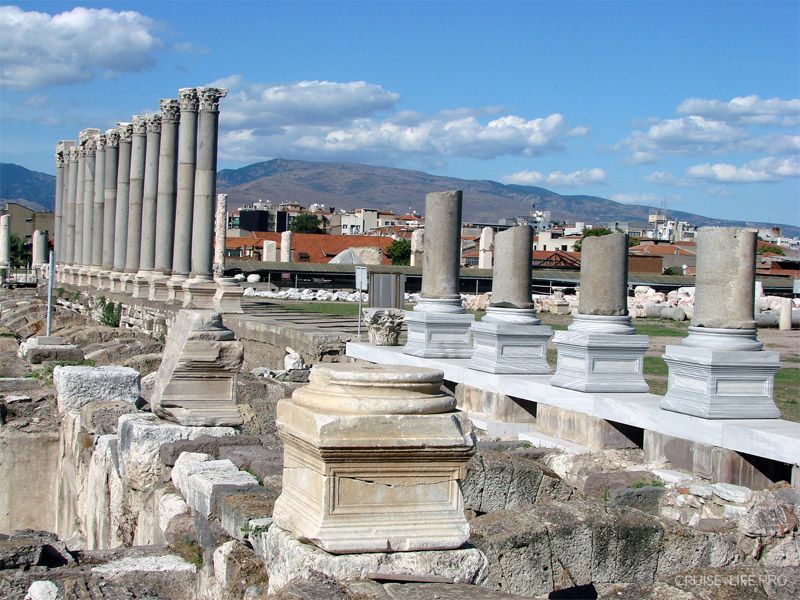
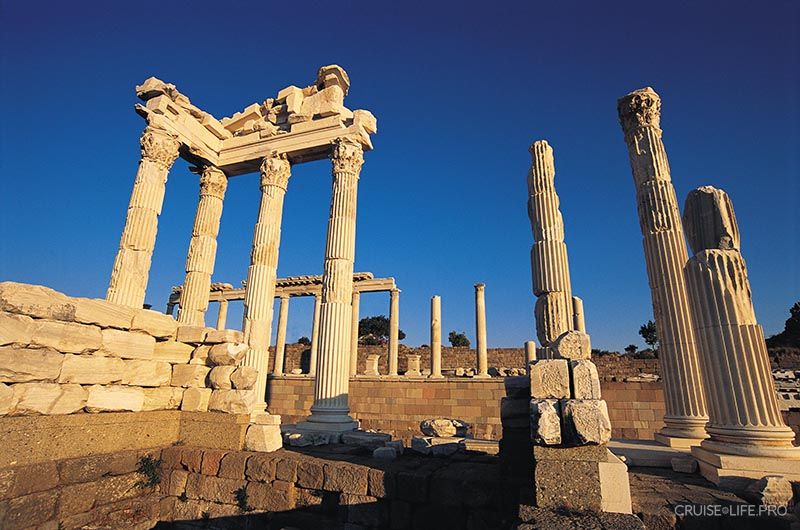
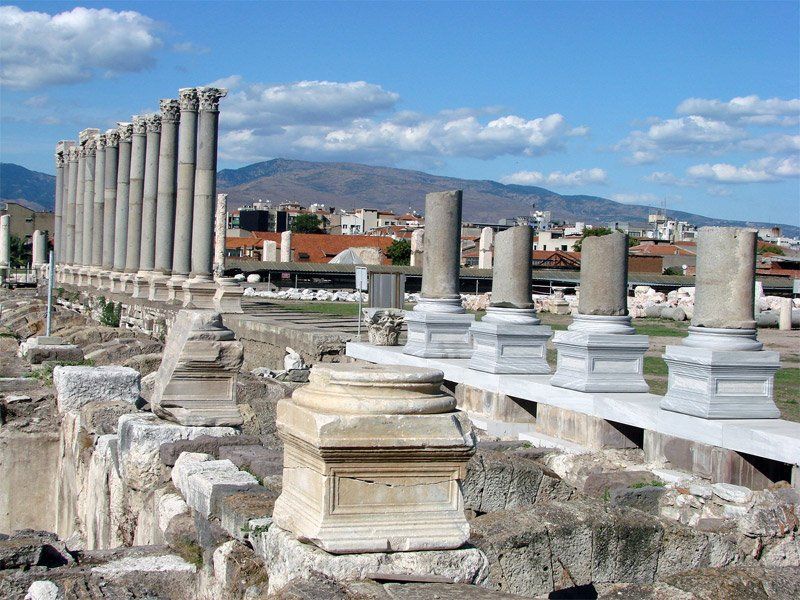
In İzmir, an agora has been preserved, built in Roman times near the city center at the beginning of the 2nd century BC. The main structures date back to the reign of the Roman emperor Marcus Aurelius; they were erected after the earthquake of 178 AD. Agoras in ancient cities were the hub of close social interaction, a kind of separate public institution. The importance of such squares in commercial, religious, and political terms was simply immense. In addition to its primary purpose, the agora was a place where people of art, philosophers and thinkers, and scholars from various fields would meet.
Kadıfekale Castle
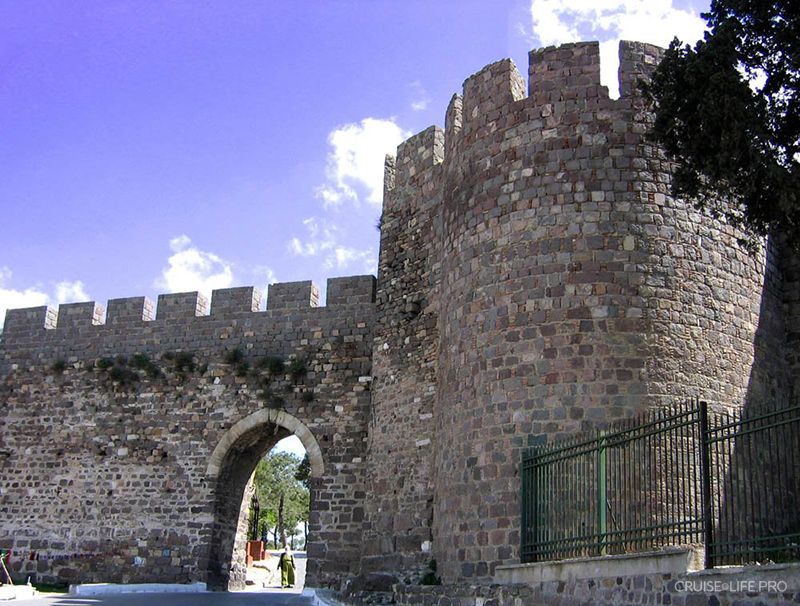
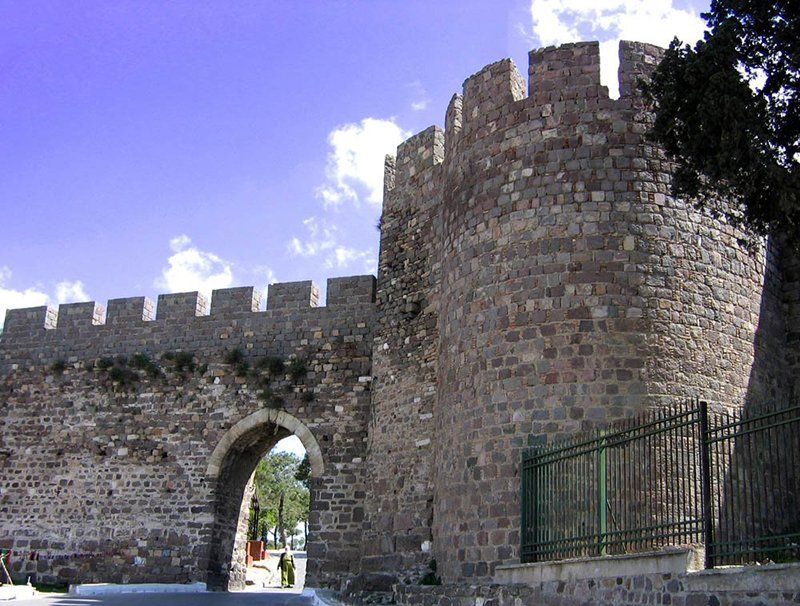
Kadifekale Castle is one of the vivid ancient architectural landmarks. Translated from Turkish, “Kadifekale” means “velvet castle.” Kadifekale was built in the 4th century BC by Lysimachus, a general of Alexander the Great. Today five towers of the fortress and its southern wall have survived. The other structures have been reconstructed. Today, Kadifekale Castle, built back during the reign of Alexander the Great, is ready to welcome everyone who wants to “talk” with history within its ruined walls. Rising over İzmir, it offers an excellent viewing platform, from which you can enjoy a beautiful panorama of the Gulf of İzmir.
Ephesus Theatre (Ephesus)
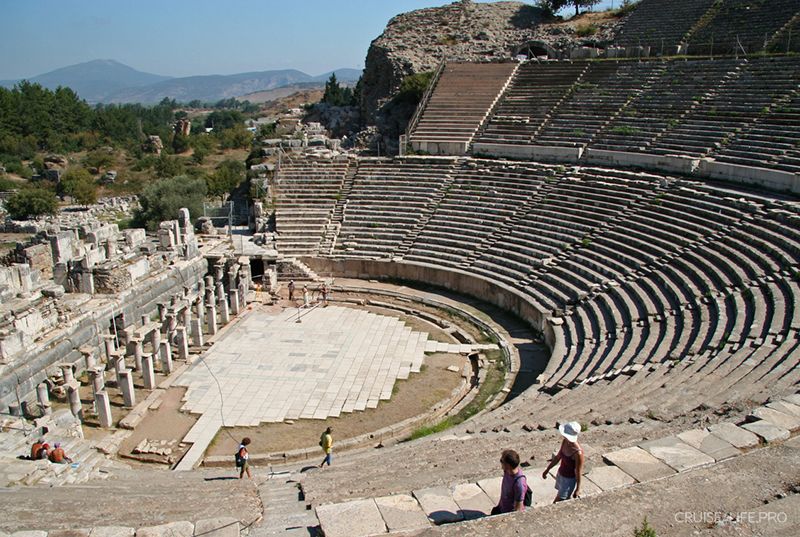
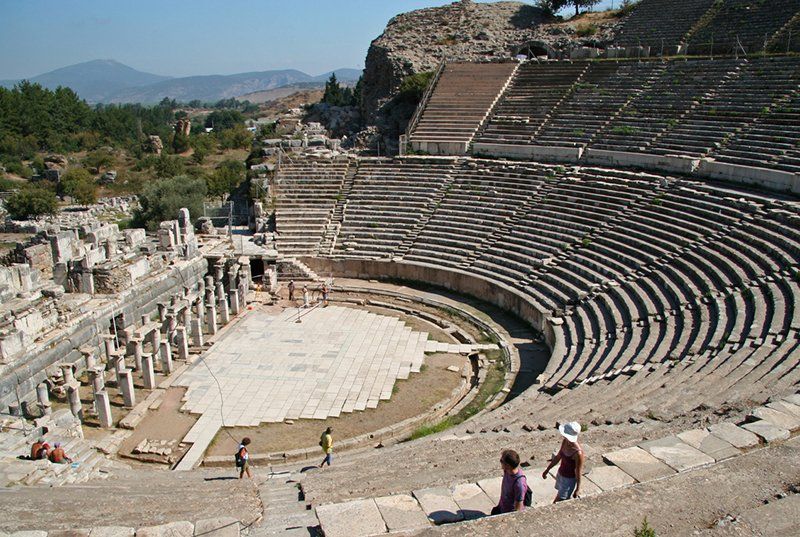
The Ephesus Theatre is considered an architectural monument, the best preserved of its kind to this day in this archaeological site. At the time, all structures were divided into three sections. The theatre was no exception-it consisted of a stage building (including the proscenium), a seating area for visitors, and a circular platform where the choir performed. The building could accommodate up to 24-25 thousand seats. In relation to the stage, the theatre hall rose by about 30 meters and ended with a portico-all of which helped improve the acoustics. The choir’s performances on stage took place in the evening, while during the day gladiators and animals took part in the arena.
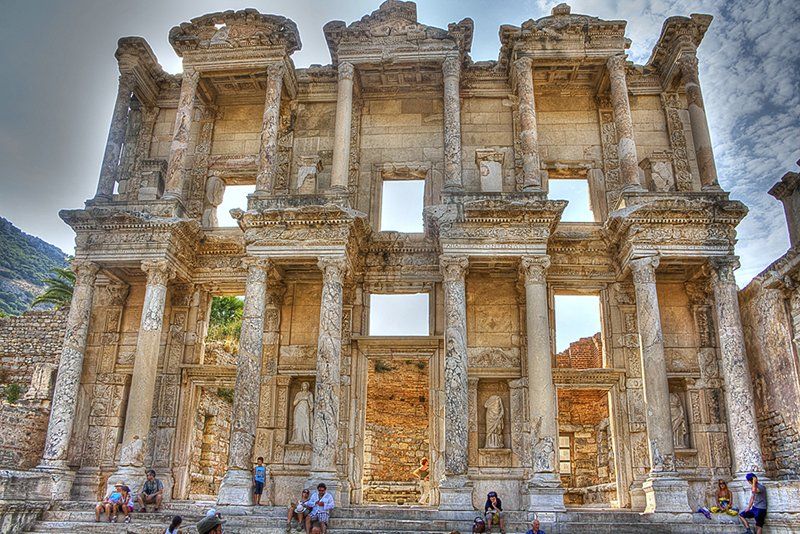
Celsus Library (Ephesus)
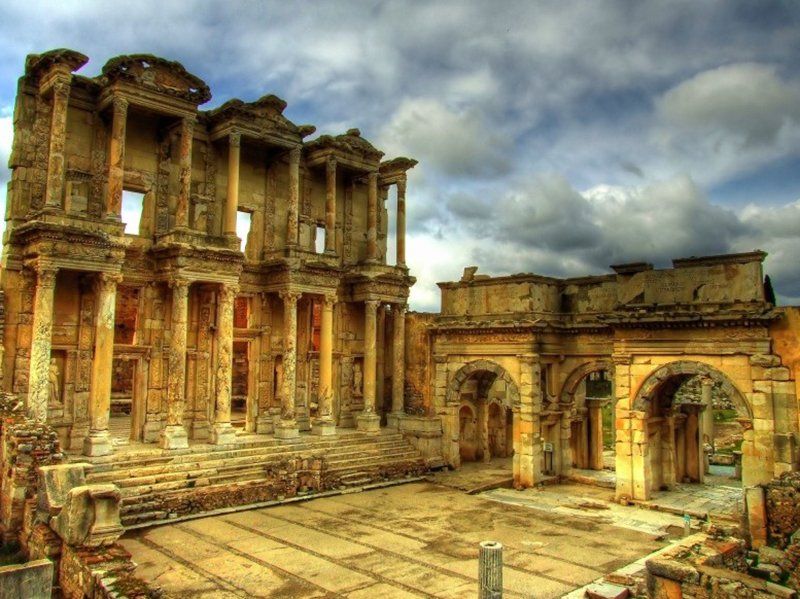
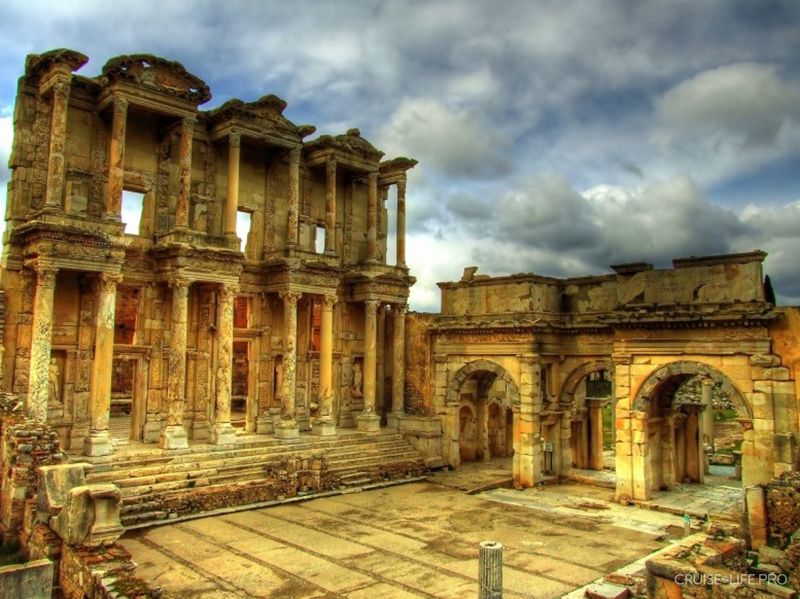
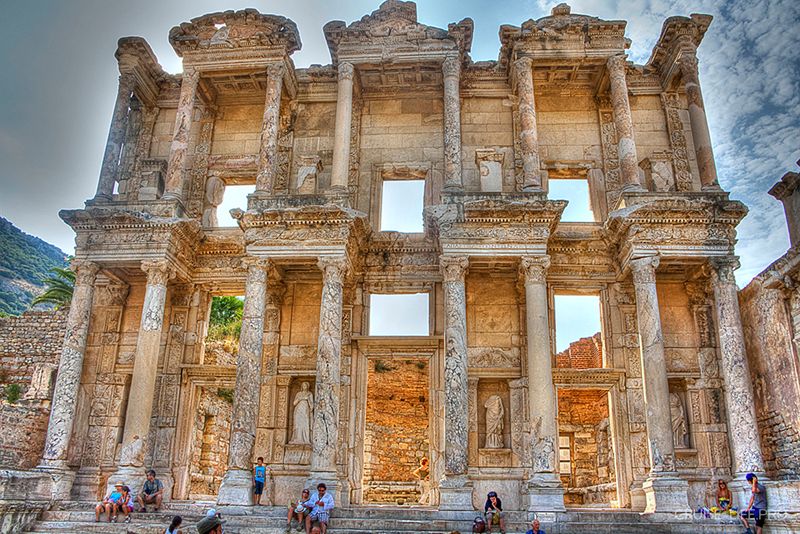
The Library of Celsus was built in the years 114-135 in honor of Tiberius Julius Celsus, a Roman proconsul who was highly educated and had a broad outlook. The Library of Celsus is the second largest after the Library of Alexandria. The library burned down in the 3rd century during an attack by the Goths, having existed for about a hundred years. Only the façade of the building has survived to this day, vaguely reminiscent of theatrical sets. The façade is 21 meters long and 16 meters high. The lower tier of the façade is decorated with sculptures of “Virtue,” “Knowledge,” “Wisdom,” and “Thought.” On the left side of the façade are statues of the slaves of Mazaeus and Mithridates- the architects of this magnificent library-who were granted their freedom by the hand of Emperor Augustus after the library was built.
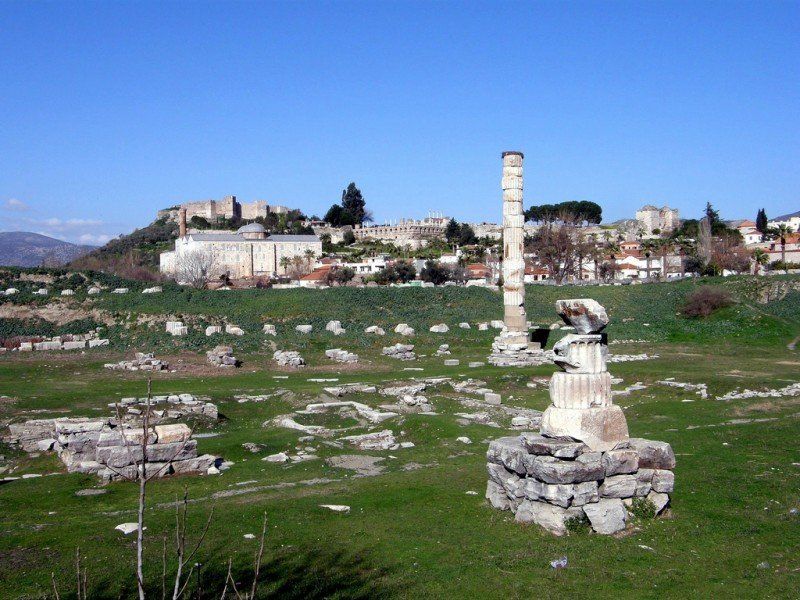
Temple of Artemis (Ephesus)
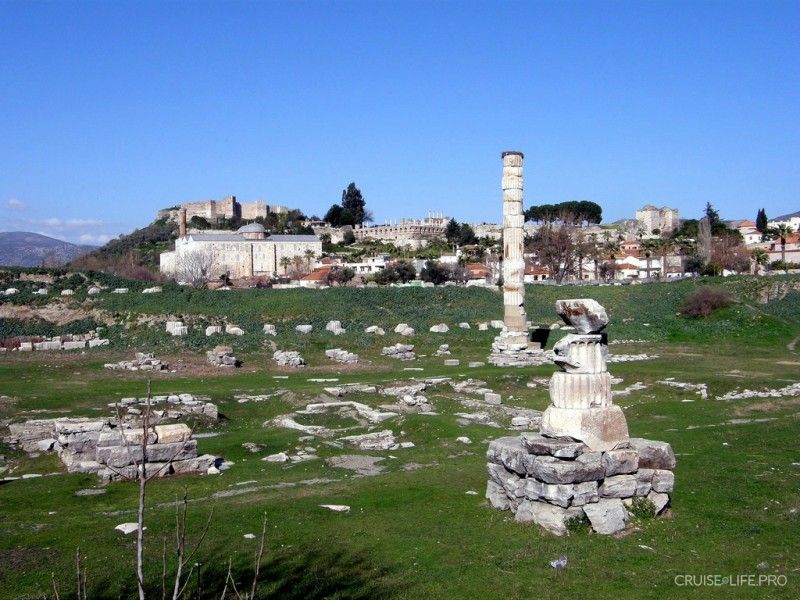
This ancient architectural monument dates back to the 5th century BC. It is a popular destination among tourists-its ruins have survived to this day. The Temple of Artemis, dedicated to Artemis, is included in the list of the 7 Wonders of the World. The construction of the temple was funded by King Croesus of Lydia, while the architects of the building were HersiPhon and his son Metagenes. The temple was a structure 51 meters wide, 105 meters long, and with its columns rising up to 18 meters in height. In total, the temple was adorned with 127 columns. In the new temple, a statue of Artemis made of ivory and gold was installed. There were also many paintings, statues, and reliefs inside the temple. To this day, only one restored column, rebuilt from the fragments, remains of the magnificent temple.
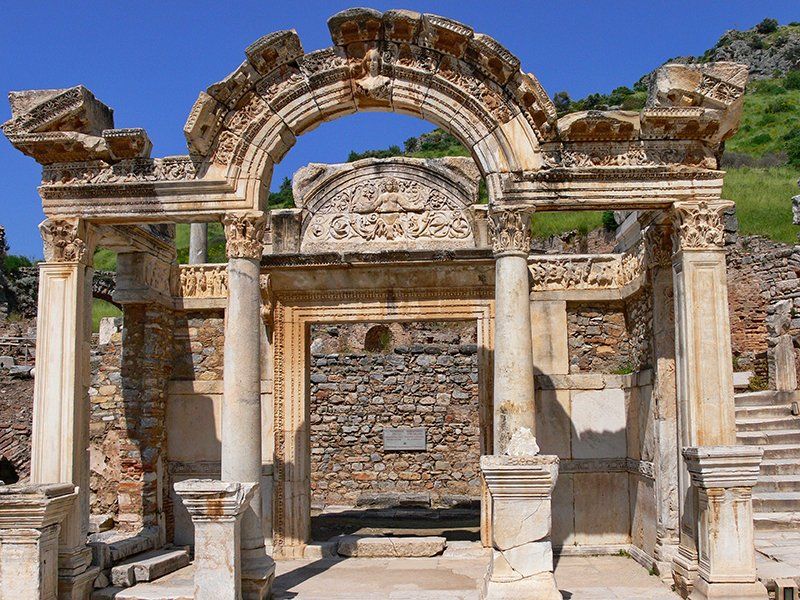
Temple of Hadrian (Ephesus)
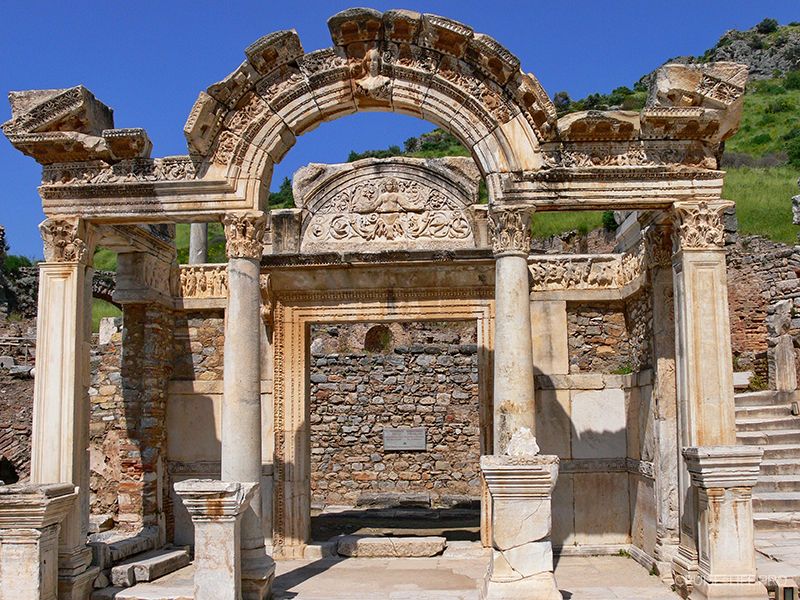
The Temple of Hadrian was built by P. Quintilius in the 130s. Historians came to this conclusion after discovering an inscription engraved on the temple’s architrave. P. Quintilius was not a particularly well-known architect, who devoted his entire life to Emperor Hadrian. Near the monumental gateway there are four pedestals that give an idea of the statues that once stood on them. These were statues of Geterius, Maximilian, Constantius Chlorus, and Diocletian. Two columns in the center support an intricately crafted arch and are the only surviving fragment of the triangular tympanum. The decoration of the portal architraves is especially captivating.