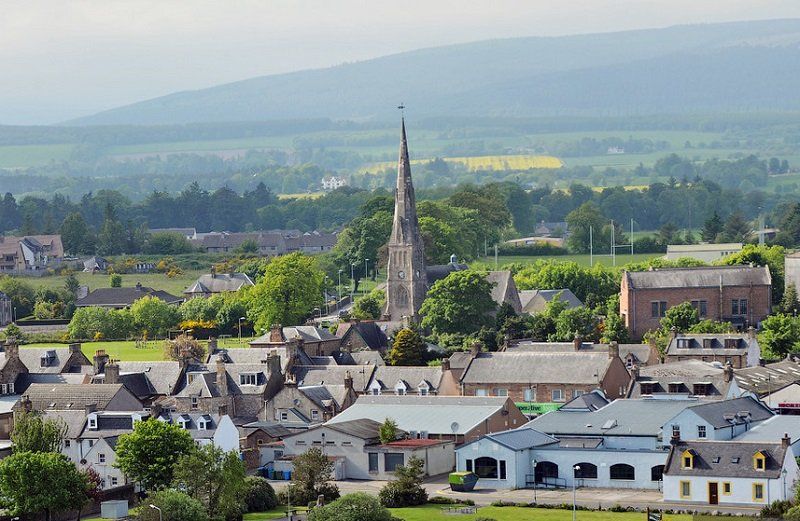
Invergordon is a port city in Scotland in the Highlands region. This little town enchants with neat fields and blue hills. Its main attraction is the grain whisky distillery built in 1959, which, like the town, is called Invergordon. In 1993, the distillery was acquired by Whyte & Mackay and today it is the largest production complex in Europe.
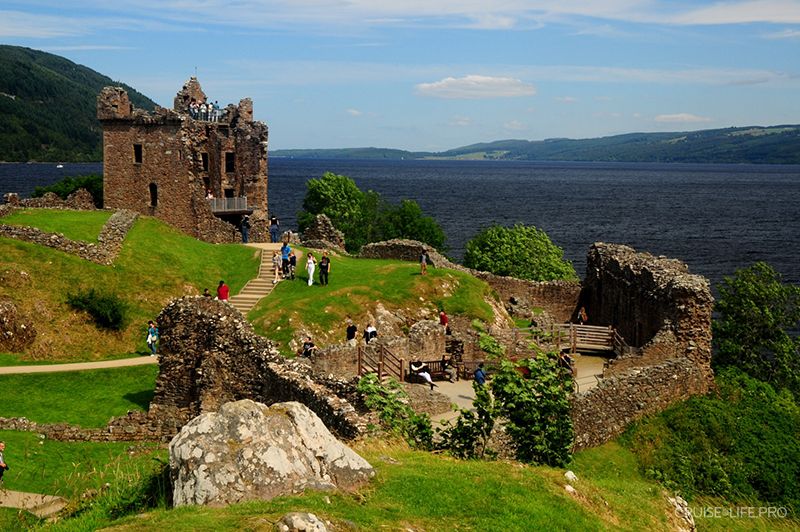
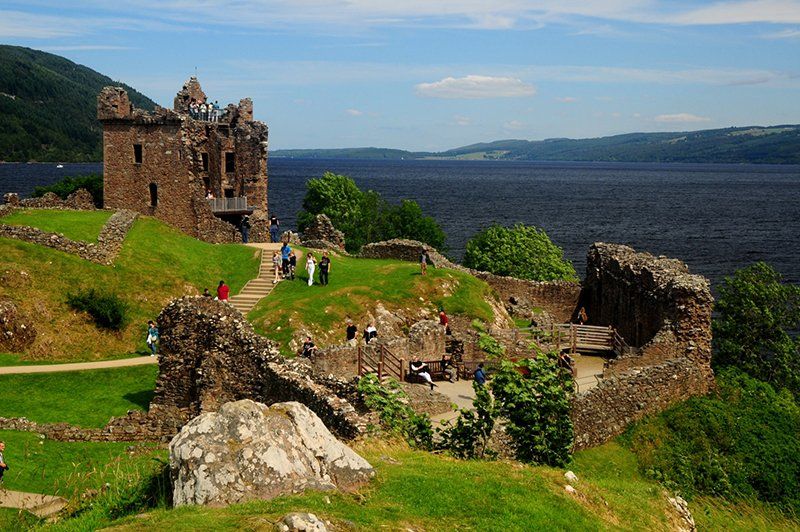
Not far from Invergordon is Loch Ness, on the shore of which lie the ruins of the famous Urquhart Castle.
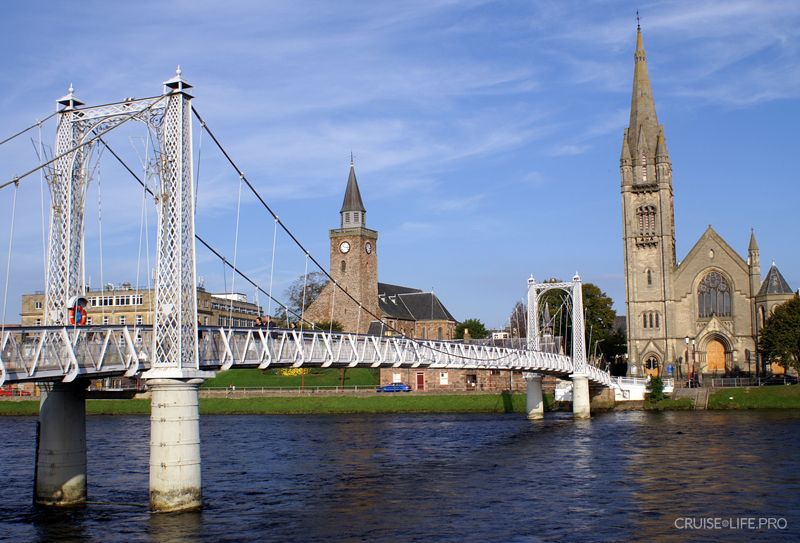
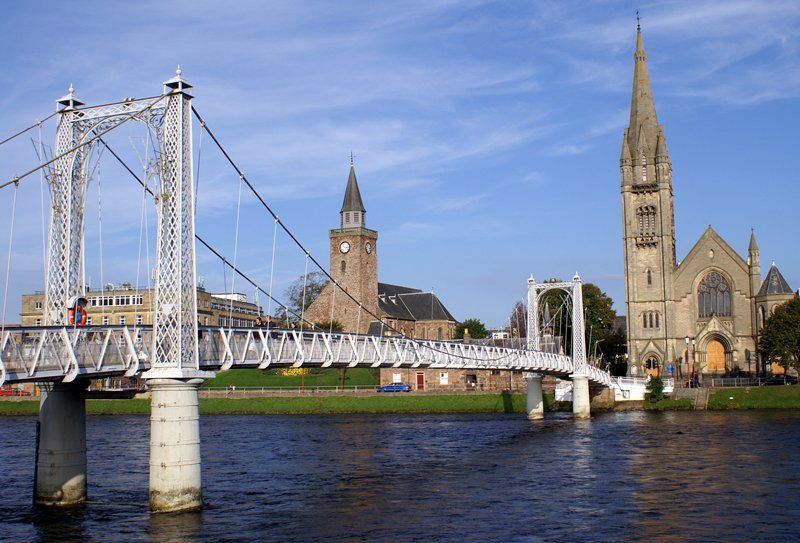
A little farther on is Inverness-the capital of Scotland’s Highlands.
Although life in Invergordon is steady and calm, there were also turbulent times in its history. It was here that, on 15 September 1931, the famous sailors’ uprising took place-sailors serving in the Atlantic Fleet of Britain. The uprising was raised in response to the government’s decision to cut military pay. The sailors took command of four warships and refused to put to sea, and they also carried out the ceremonial sinking in the sea of the red flag of the British naval forces. Two days later, in the evening of 17 September, the country’s government was forced to reconsider its decision regarding sailors’ pay. The beginning of the sailors’ uprising led to another cycle of collapse on the world stock exchanges and, most likely, it was this that contributed to the cancellation of the gold standard regulating the currencies of many countries in the world. This is how the Great Depression’s conclusion began.
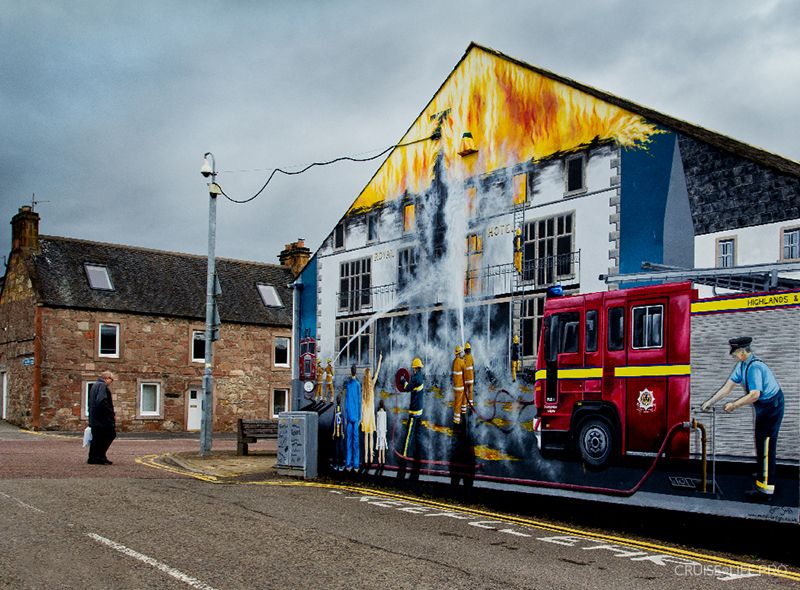
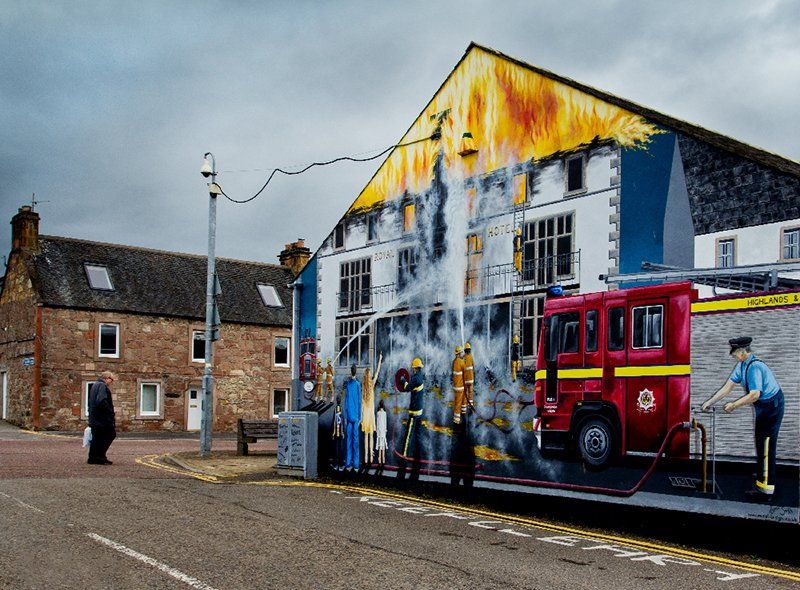
Today Invergordon is very popular with tourists-excursions to the famous Loch Ness lake depart from here. But a walk through Invergordon itself will also provide plenty of pleasant impressions. It is a typical Scottish town with gray yet very beautiful buildings, numerous flowerbeds, and original artistic and decorative elements. For example, one of the city’s main attractions is 17 bright murals painted on the walls of houses.
ClimateThe climate in Invergordon is moderate oceanic. Thanks to the warm Atlantic Gulf Stream, temperatures here are higher than in regions on the same latitude, but lower than in the rest of the UK. Due to uneven terrain, the weather is extremely changeable. In the coldest months of the year-January and February-the average temperature high is 5-7 °C. In the warmest months-July and August-19 °C. The average annual rainfall ranges from 3,000 mm in the north to 800 mm in the south. The region is characterized by southwesterly winds, frequent storms along the coast, and on the islands.