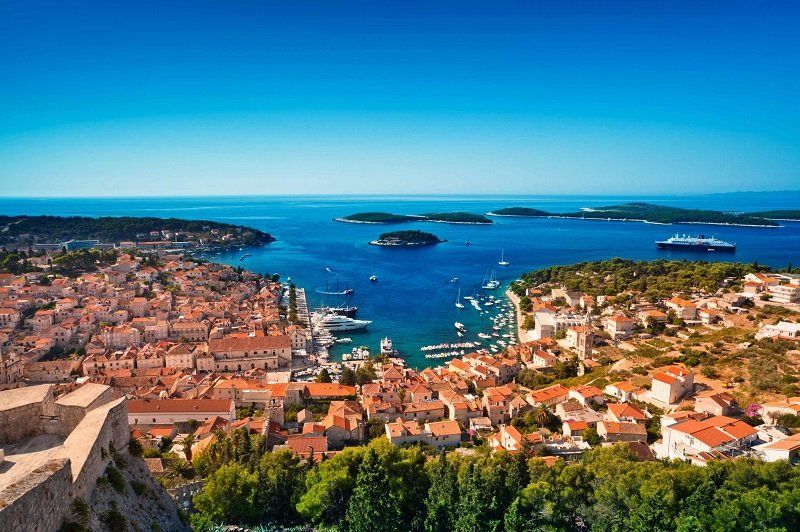
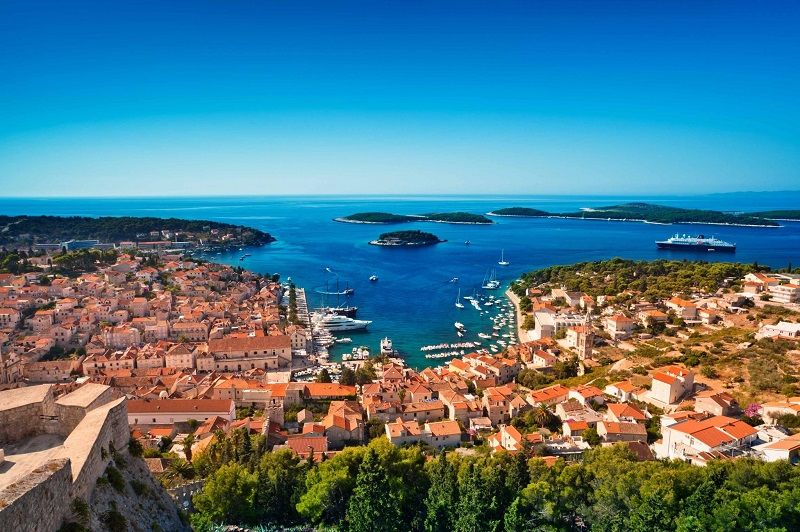
Hvar is a city in Croatia, the largest city on the island of the same name.
Population - 4 138 people (2001). Located in the south-western part of the island,
stretched along a wide bay. Connected by ferry crossings with Split and
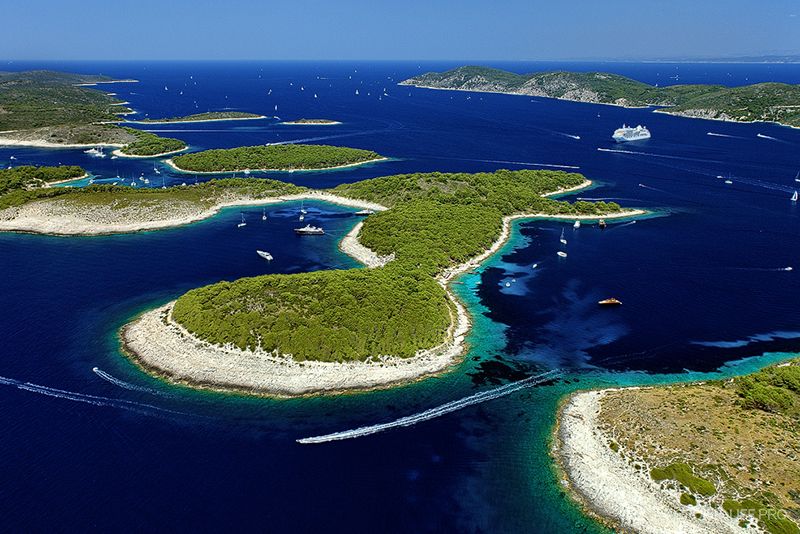
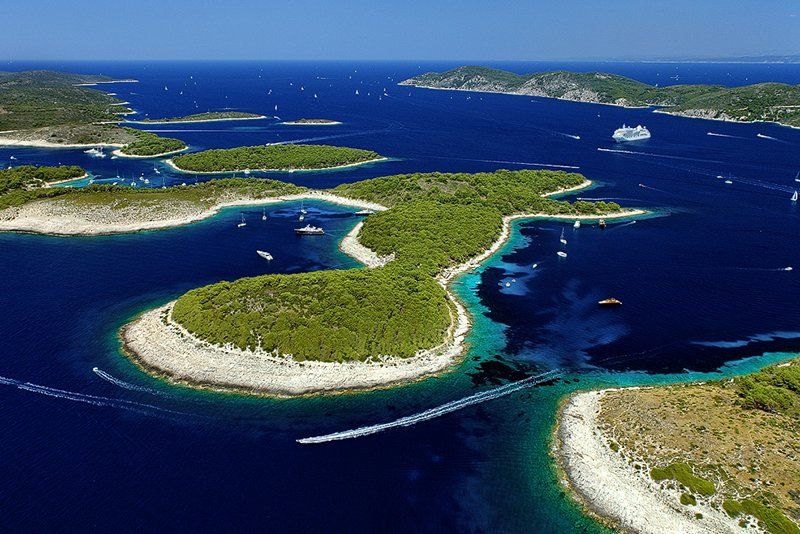
the islands of Vis and Korčula. Near the Hvar Bay there is an archipelago,
consisting of a number of small islands - Pakleni otoci.
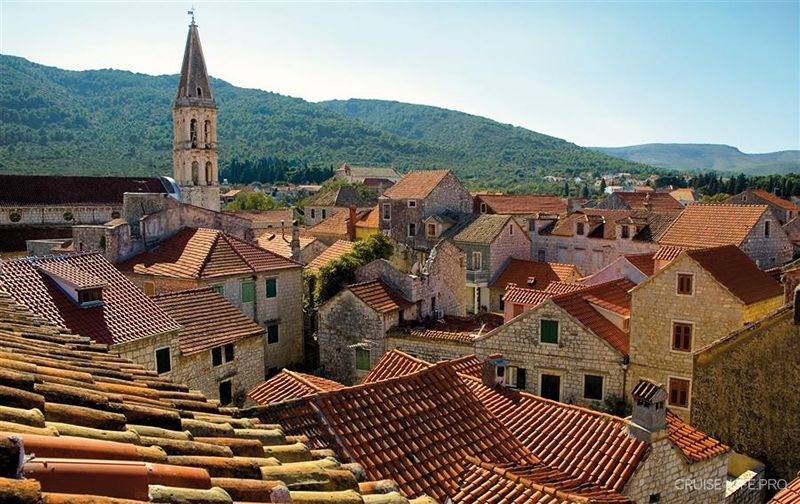
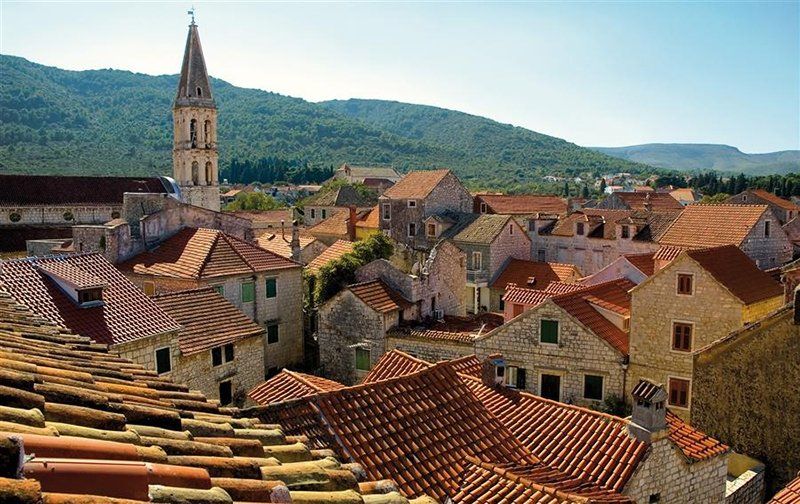
This is a beautiful old town with great importance in European
culture: it has been included by the UN in the list of historical Mediterranean cities.
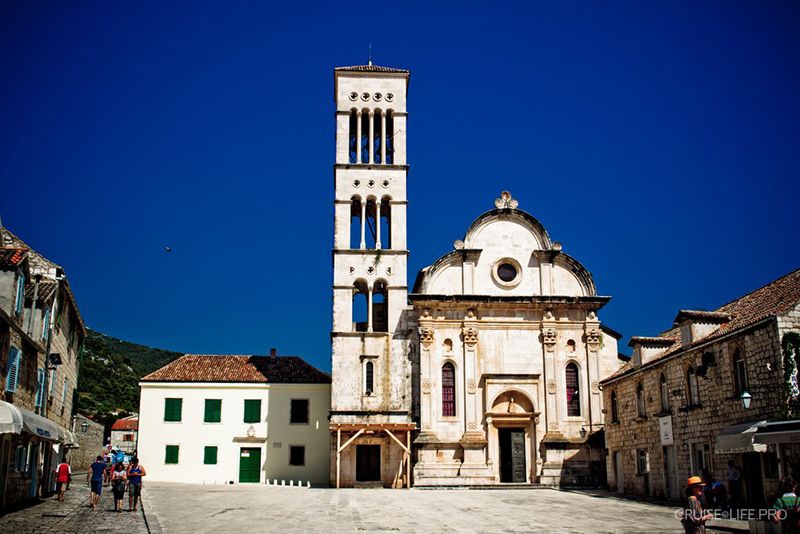
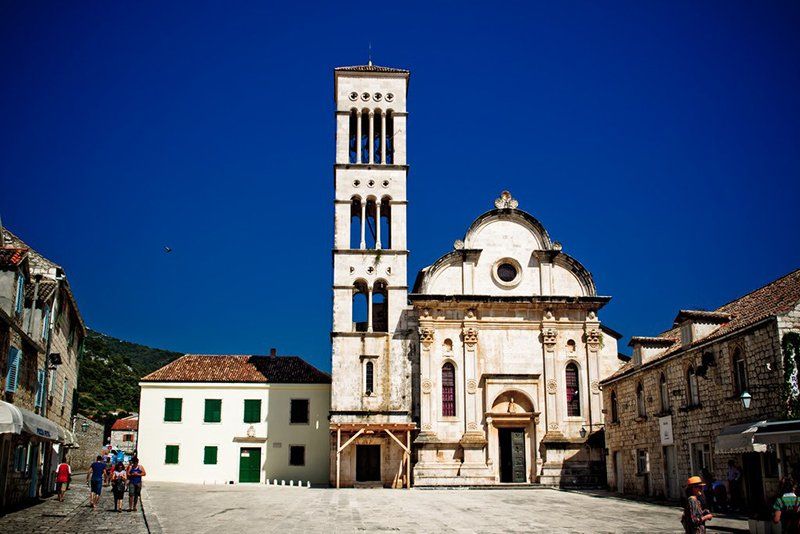
The main attraction and the city’s focal point is the Cathedral
of St. Stephen, built in the 16th century.
The old town of Hvar was founded in 385 BC as the Greek
colony of Pharos. It is situated in the basin of a 6 km long
depression. Here you can see
Greek walls, as well as the palace-fortress of the Renaissance poet Petar Hektorović
with a pond and arches.
The picturesque island of Hvar, stretching 68 km. along the coast of the Central
Dalmatia, the longest island in Croatia and one of the sunniest islands
along the entire Adriatic coast (349 sunny days a year). Its historic towns with unique
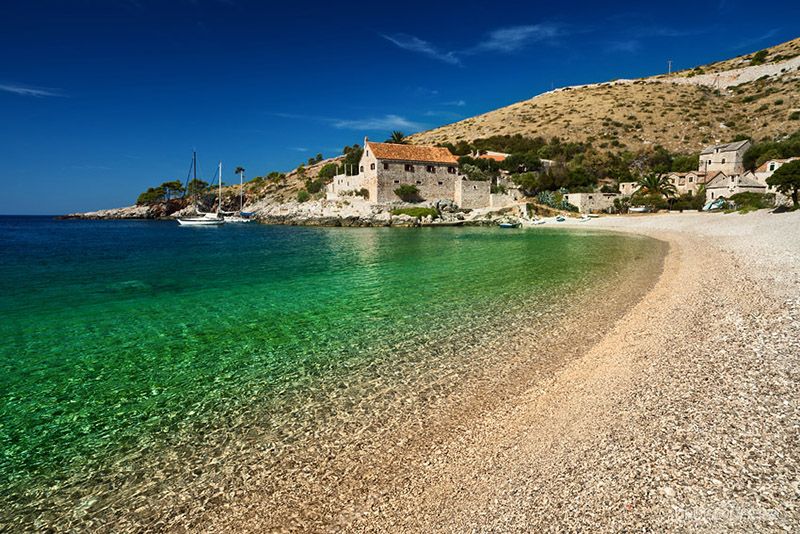
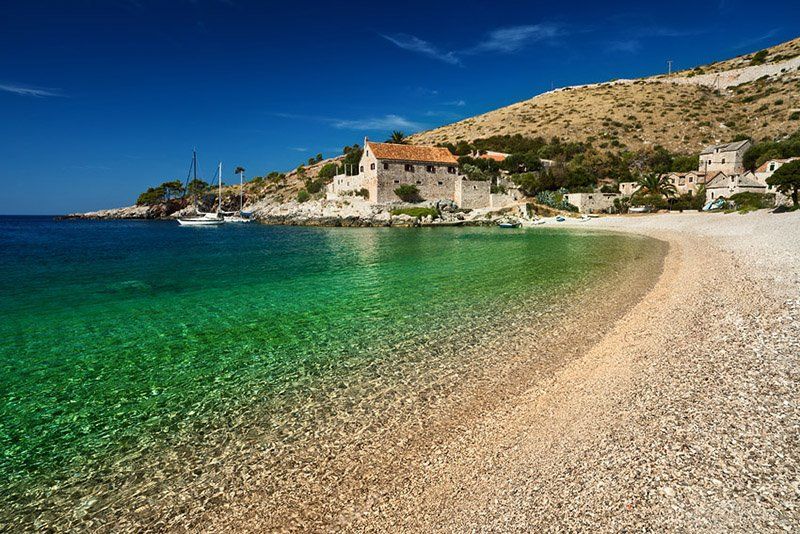
architectural monuments, beautiful sunny beaches,
unforgettable scents of lavender and rosemary that perfume
the entire island make a holiday on the island of Hvar truly relaxing. Not
by chance, for many years it has been a favorite holiday destination for
many world celebrities and
major businessmen.
Many attractions, beautiful nature and a mild climate make
it an appealing resort. The main occupation of the local population -
tourist service, fishing and
viticulture. On Hvar, a large amount of
lavender is grown; it has become a kind of
symbol of the island and the most popular souvenir
among tourists.
ClimateThe island has a Mediterranean climate with temperatures in summer above 30 degrees
Celsius; at night the mercury does not drop below 21 degrees.
The best time for rest and trips to Hvar is the last two months of summer, however
the month of June will delight with
the sight of blooming lavender and oleander; it is also worth noting
the cool water of the Adriatic Sea, which keeps beach tourists away in this month, but
creates conditions for saving on accommodation, since the cost of hotels in June and
September is almost twice as low as in July and
August.