
Holyhead, Wales, United Kingdom

Port of call

Holyhead, Wales, United Kingdom

Cruises to Northern Europe

Description — Holyhead, Wales, United Kingdom

Holyhead is a Welsh town on a small island, Holy Island, in the Irish Sea, lying to the west of the island of Anglesey and separated from it by a narrow strait. As the county’s largest town with a population of 11,237 (2001), it is not the county town. It is known as the departure point for a ferry crossing that connects Great Britain with Irish ports in Dublin and Dún Laoghaire.

Holy Island is stretched from southeast to northwest for about 13 km. Its maximum width is about 5.6 km (3.5 miles), and its area is 39.42 km². According to some descriptions, it is a series of “barren rocks and dreary sands”; according to others, it can “on a clear day rival the most beautiful shores of Italy.” The highest point on Holy Island is a hill called Holyhead Mountain, rising to 220 m above sea level.

On Holyhead Mountain there are remains of an earlier Roman fortification. Presumably, a watchtower. Another Roman fortification on the island is located in the very town of Holyhead. On the slopes of the mountain, stone foundations of ancient huts called “Irish” are visible. In the southern part of the island there is the village of Rhoscolyn, with a church and the remains of medieval walls.

Climate

As on all the British Isles, and indeed in Wales itself, in Holyhead there is a maritime climate with cool summers and mild winters; strong winds are frequent. The average temperature in summer is 17-18 degrees, and in winter it is 10-12.

Location on the map

Sights

Church and Fort St. Kibi

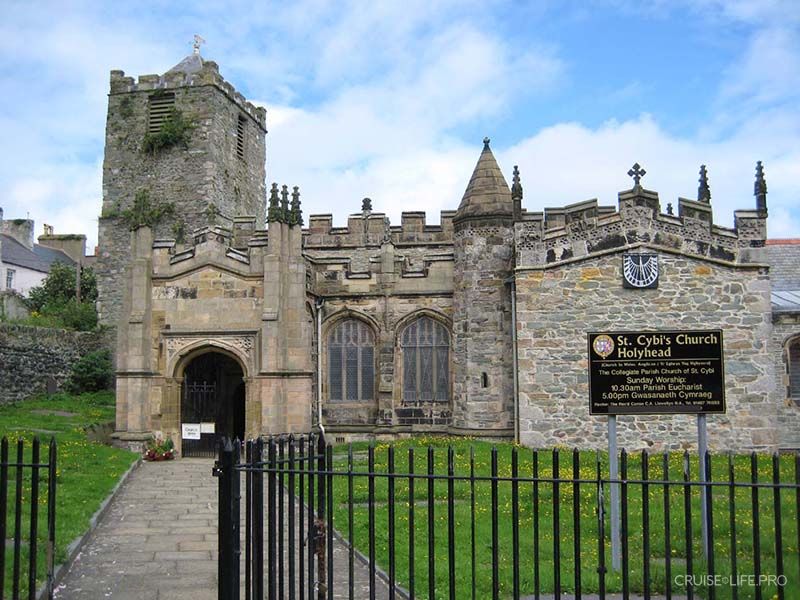
Church and Fort St. Kibi

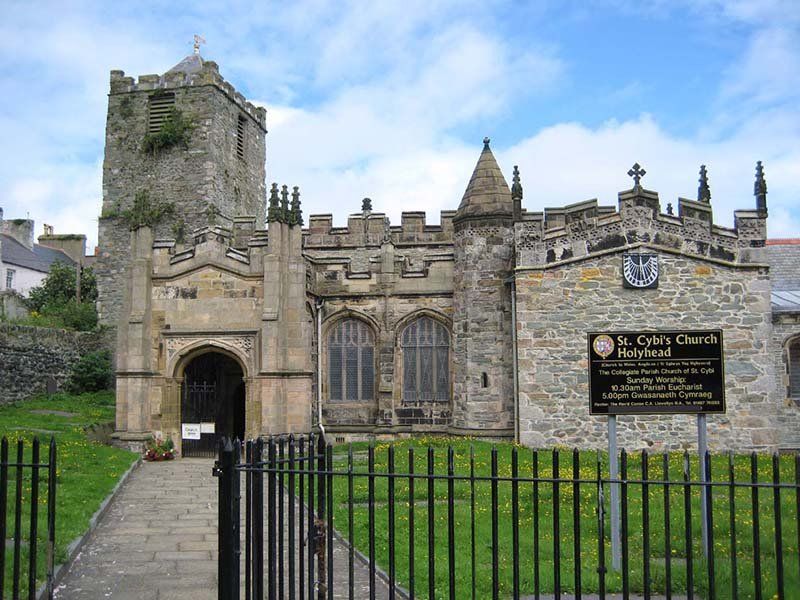
Saint Cybi was the son of a 6th-century ruler of Cornwall. He became a priest and settled in North Wales, where the King of Gwynedd granted him an old Roman military naval fortress to establish a religious community. Over time, the fort became known as Cybi Fort, and the island itself came to be called Cybi Island. The remains of the 4th-century Roman walls can still be seen today. They surround a beautiful Gothic church, which was built much later, in the 13th century. The church captivates visitors with excellent medieval murals and beautiful stained-glass windows.
South Stack Lighthouse

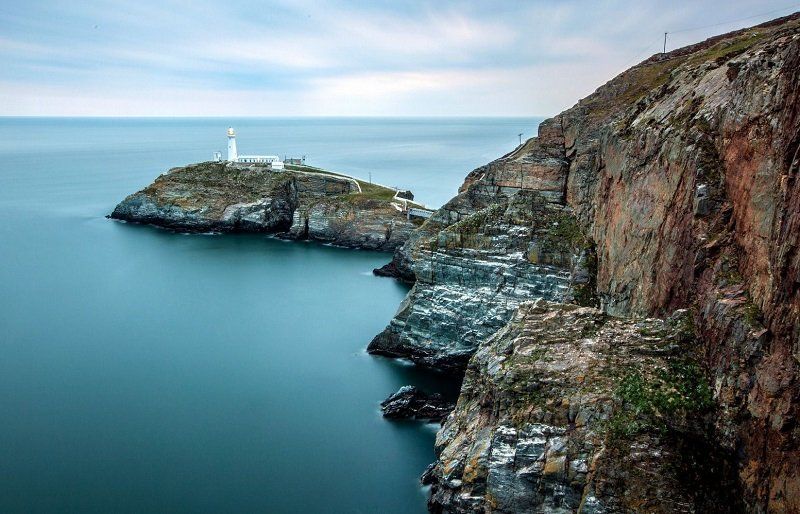
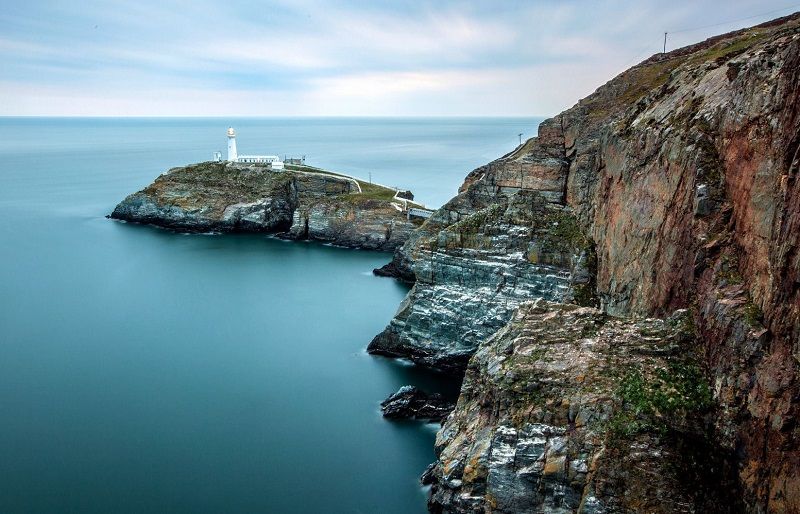
South Stack Lighthouse

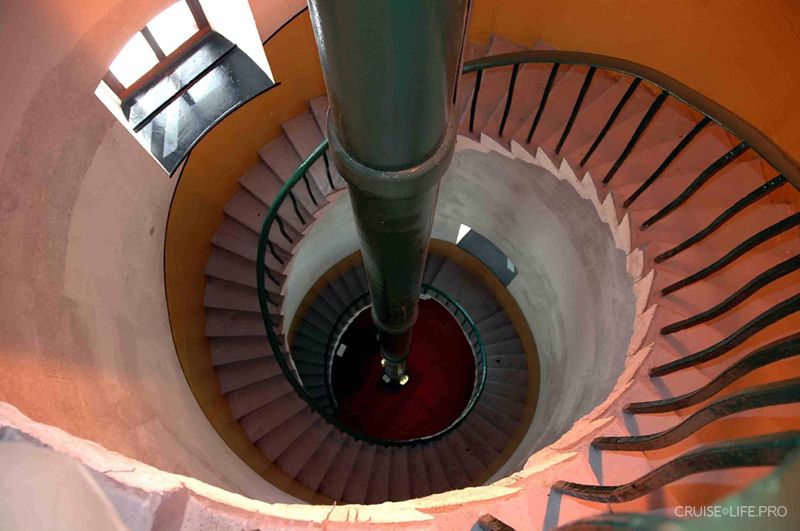
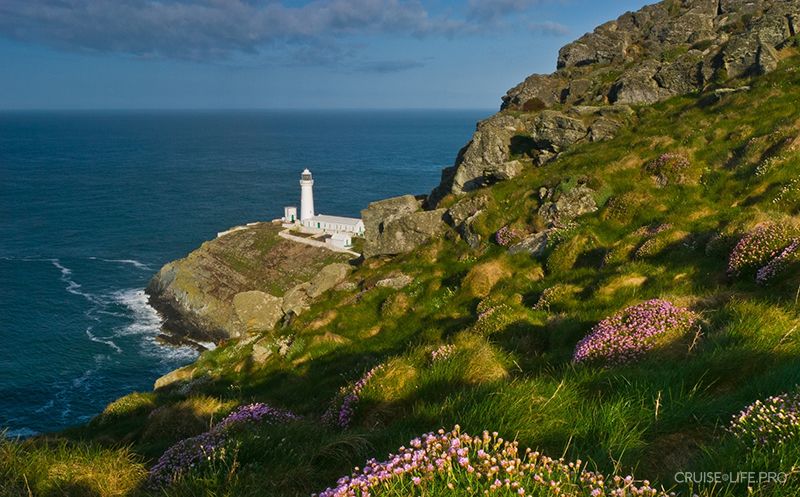
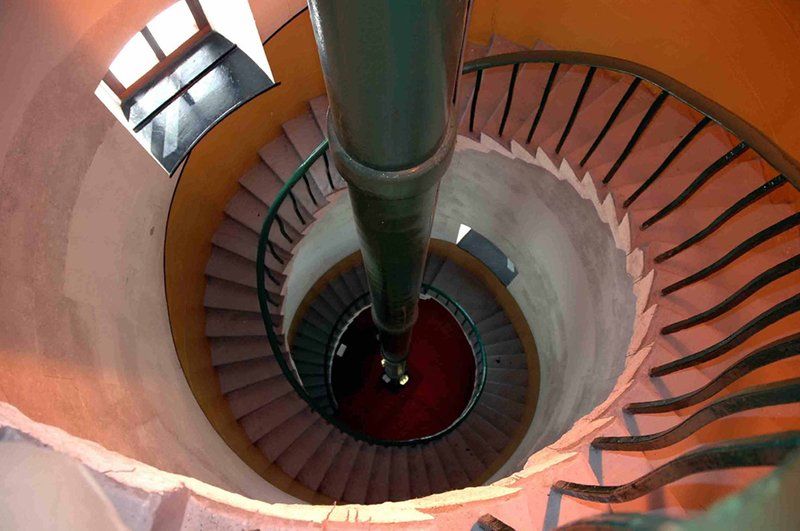
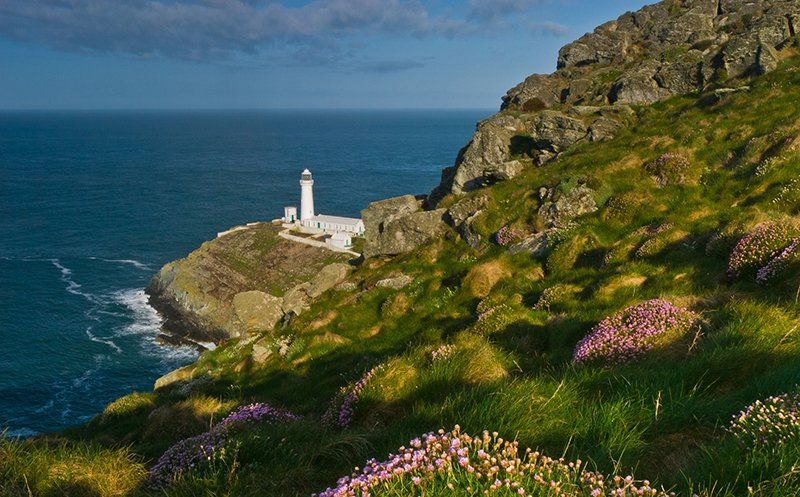
The idea of installing a lighthouse on the South Stack was officially put forward in 1665, when a petition was submitted to Charles II requesting a patent for such construction. The petition was not granted, and the building of the lighthouse was postponed by one and a half centuries. Only in August 1808, after navigation between Wales and Ireland increased - aided by the signing of the Act of Union of Great Britain and Ireland - the British engineer Daniel Alexander began construction work on the island. Within a year the lighthouse was ready and it was opened on 9 February 1809. In 1854 a fog bell was installed on the island, and in 1938 the lighthouse was electrified. In 1984 the station was transferred to automatic operation, and on 12 September the lighthouse keeper was removed from the island.
What to see

Sea Museum

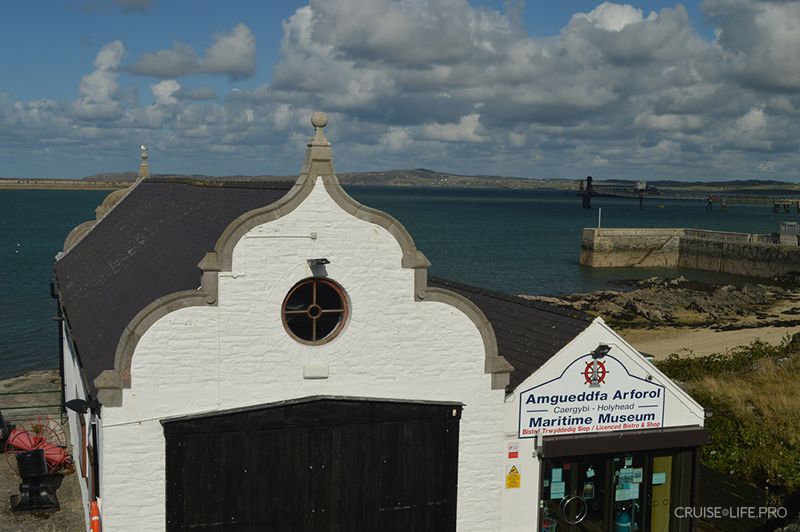
Sea Museum

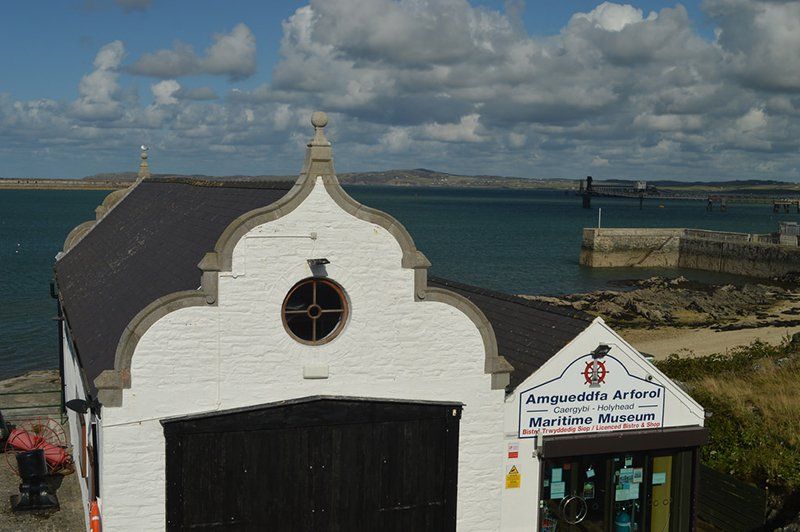
Small, but very informative and interesting, the Maritime Museum of Holyhead is located in one of Wales’ oldest buildings (dating from 1858). You’ll enjoy your time in the museum not only as an adult, but also with children-admiring ship models, looking at photographs, and learning about the history of shipbuilding and seafaring in Wales since the days of Roman settlements.

Recommended excursions

Excursion to the South Glass Reserve

Excursion to the South Glass Reserve

A little more than two kilometers west of Holyhead, on the cliffs of South Stack Island, there is a National Nature Reserve-the home of thousands of birds. A steep, winding staircase leads down to a suspension bridge that takes you to the South Stack Lighthouse and offers impressive views. From here, numerous footpaths lead to Holyhead Mountain, winding through lush fern growth and between Neolithic stone circles. There is also a café and a visitor center where you can get maps and the information you need to visit the reserve. From May to June, around 12,000 razorbills, 1,200 guillemots, and 15 pairs of puffins, along with many other species of birds, gather on these cliffs.

For a more detailed list of excursions and their prices, you can check after booking your cruise in your “Customer Personal Account”.