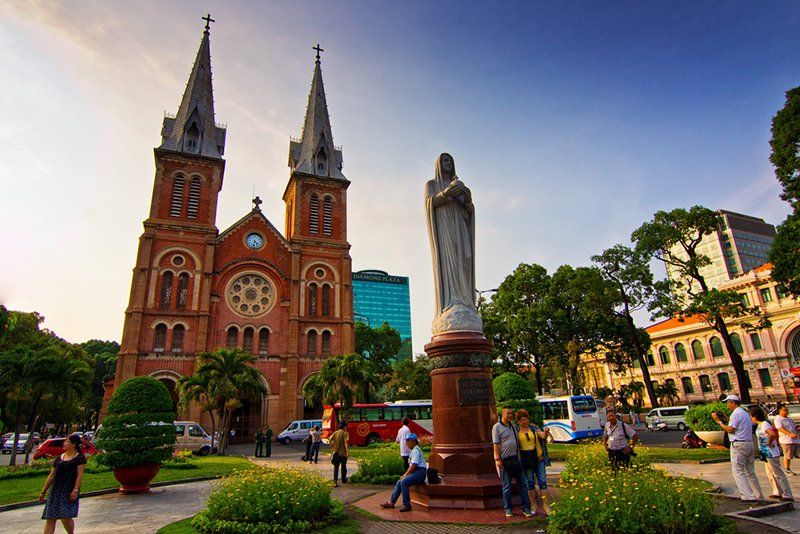
Notre-Dame Cathedral
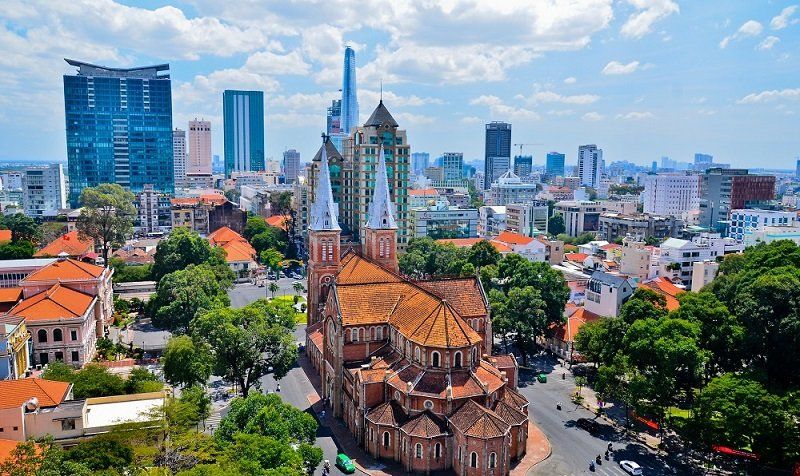
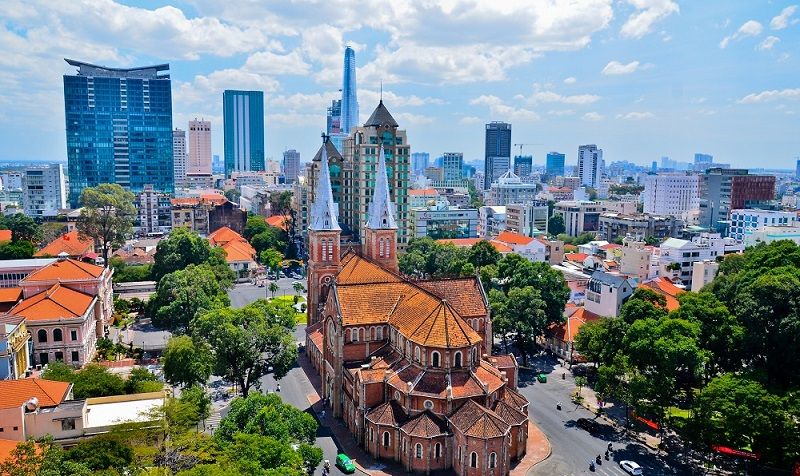
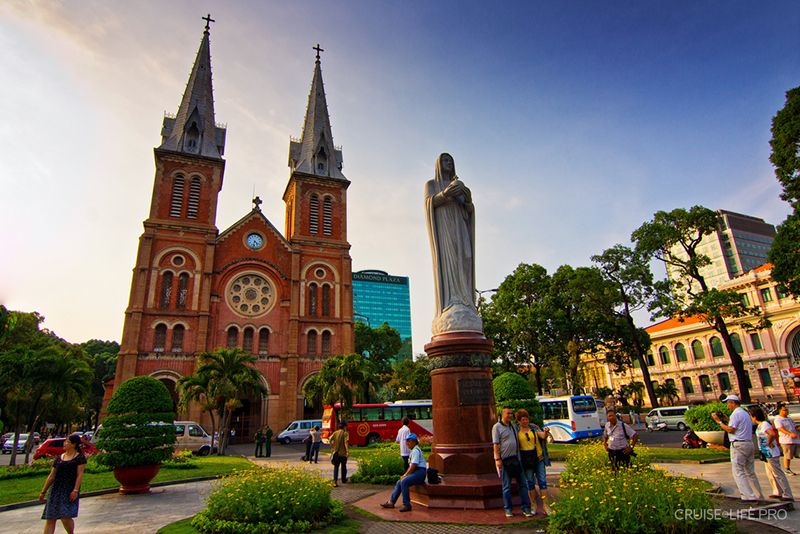
The 60-meter Notre Dame Cathedral is a classic colonial-style structure. As a copy of the famous French cathedral, it blends in quite colorfully with the landscape of the city in south-eastern Vietnam. Construction began during the period of French rule; the project was designed by a French architect. All building materials were brought from France. The decision to build a stone temple was made after termites damaged the original wooden church. The architecture of the building reflects a Romanesque style, complemented by Gothic vaults, while the entire structure is supported by a modern steel frame. Unfortunately, during the war, most of the original stained-glass windows were destroyed. The Vietnamese Notre-Dame is one of the most popular places in Ho Chi Minh City.
Palace of Reunification
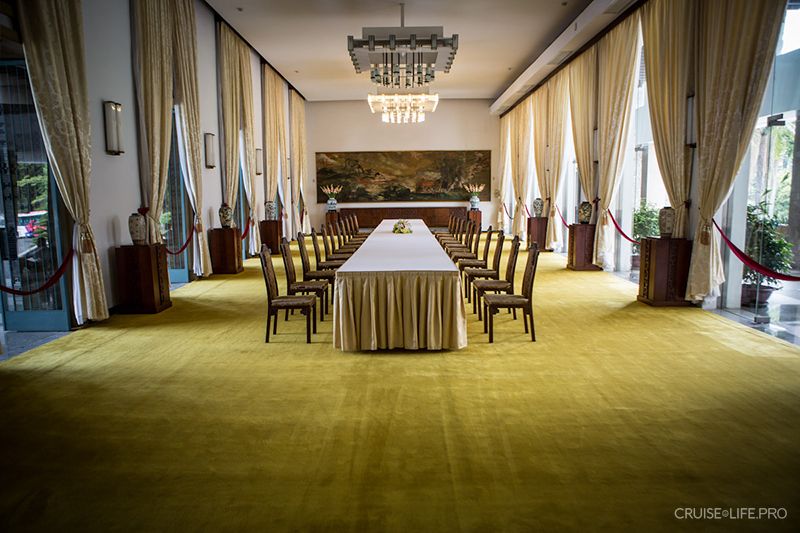
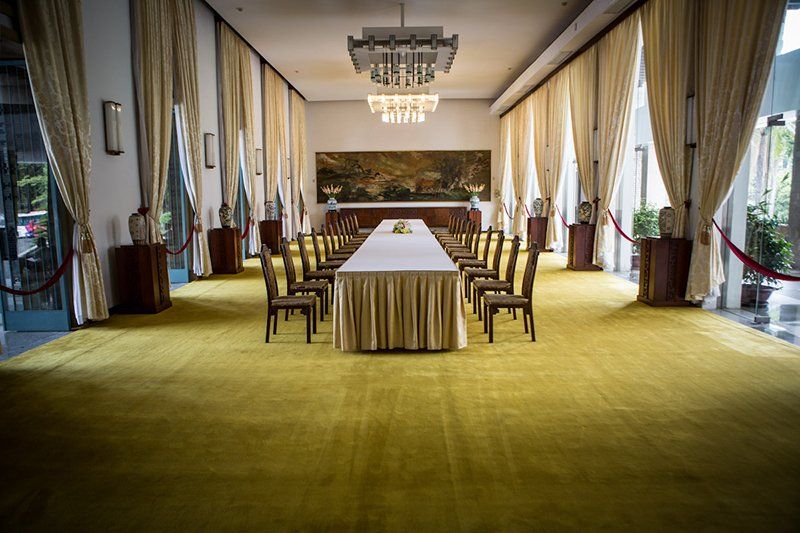
The Reunification Palace, like many places in Vietnam, is not only an architectural structure, but also a reminder of the Vietnam War. On the morning of April 30, 1975, a large Soviet-made tank smashed through the gates of the Independence Palace, symbolizing the end of the long war between North and South Vietnam. Today, the Reunification Palace is mainly used to show tourists around, but official events are sometimes held here. The spirit of the era has been preserved in the Palace-it looks exactly the same as it did in the 1970s: a massive white building with spacious offices furnished with heavy, solid furniture, red carpet runners, and old telephone handsets. On the roof of the building stands an American helicopter-yet another symbol of the Cold War.
Vinh Chan Pagoda
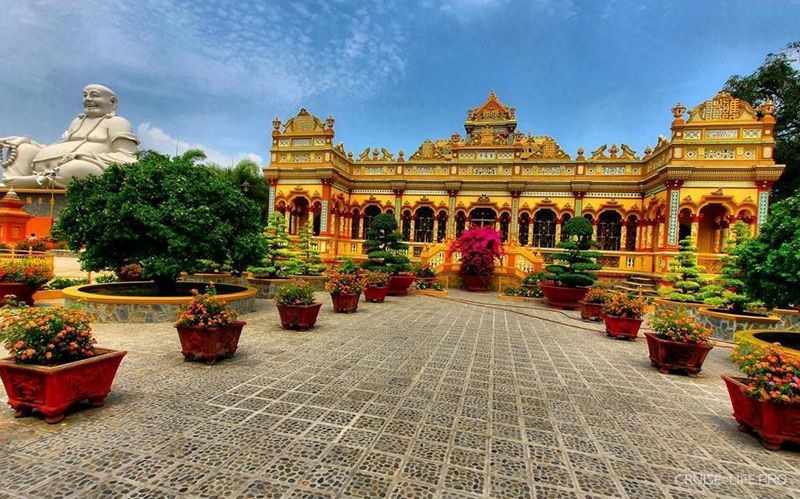
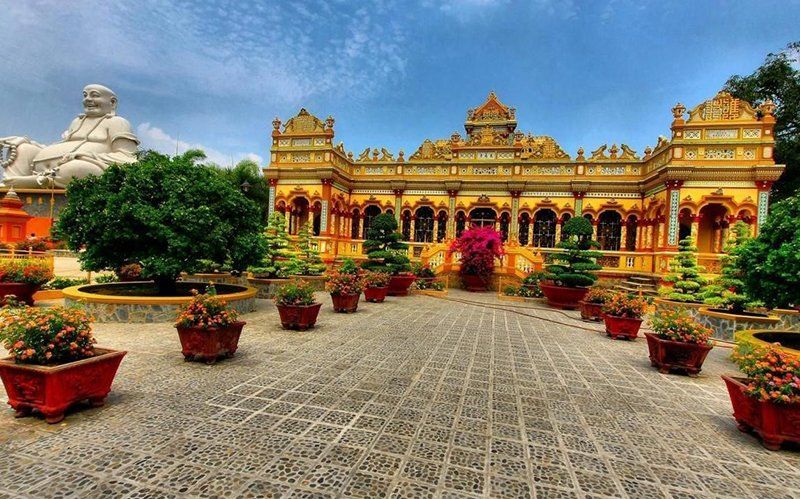
Vinh Trang Pagoda was built in 1849 in the small city of My Tho, near Ho Chi Minh City, on the site of the chief of the province’s house. In 1895, after the arrest of his successor, the pagoda was rebuilt. The building combines features of Vietnamese, Cambodian (Angkorian) and Chinese architectural styles. The entire pagoda complex consists of five buildings, two decorative gardens and 178 columns. The most striking are the pair of triumphal arches, decorated with porcelain mosaic that reproduces various Buddhist legends. Inside the temple there are a large number of statues made of wood, copper and terracotta, as well as a bell made in 1854. The pagoda is surrounded by a picturesque garden, covering an area of 2000 square meters, where century-old bonsai are grown.