Hiroshima, Japan

Port of call

Hiroshima, Japan

Cruises to Japan (Far East)

Description — Hiroshima, Japan

Hiroshima is a city in Japan in the south-west of the island of Honshu. It is the administrative center of Hiroshima Prefecture and the largest city in the Chūgoku region. The city covers an area of 905.41 sq km and has a population of 1 185 097 (2014). Hiroshima is included in the list of Japan’s cities of national significance. Hiroshima is located in the south-western part of Hiroshima Prefecture, in the delta of the Ōta River, on the shores of Hiroshima Bay.

Hiroshima was founded in the late 16th century by the samurai Mori clan. The city developed actively economically during the period 1894–1895. In 1945, it became the first settlement in history to be affected by a nuclear bombing. After the end of the Second World War, on 6 August 1949, the Japanese authorities declared Hiroshima a “City of Peace”, and the city began to be rebuilt actively. In the area of the blast epicenter, a Peace Memorial Park was created with an area of more than 12 hectares. By the beginning of the 1960s, Hiroshima had been almost completely restored. Modern Hiroshima is a city of wide avenues, green parks and nearly one million residents, whose number after the Second World War has more than doubled.

Today, Hiroshima is home to many tourism-relevant attractions, some of which are included in UNESCO’s World Heritage List. Many Buddhist monasteries, aristocratic estates and Shinto shrines built between the 9th and 11th centuries have survived to the present day. The city also has many park areas, museums and other interesting places for rest and entertainment.

Climate

Hiroshima belongs to the humid subtropical climate zone. Winters here are light on snow and relatively mild, while summers are hot and humid, with rains and tropical cyclones. The average summer temperature is +26 °C, and the average winter temperature is +6 °C.

Location on the map

Sights

Gambaku Dome

Gambaku Dome

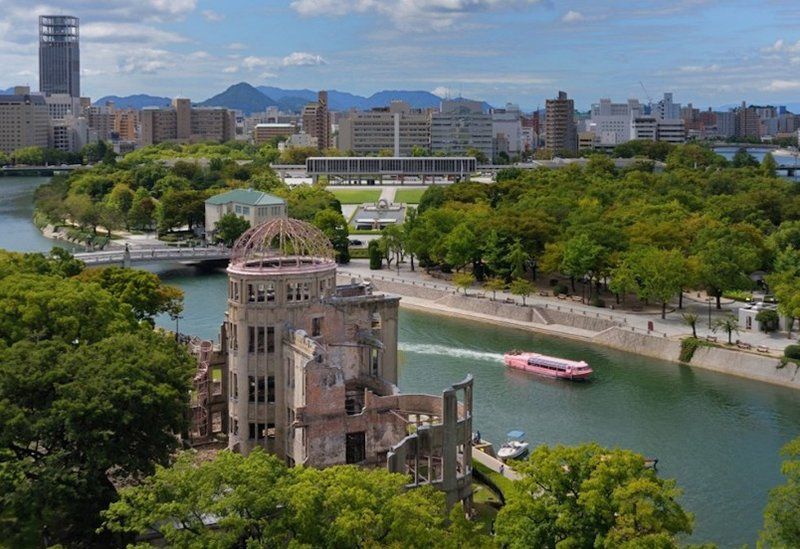
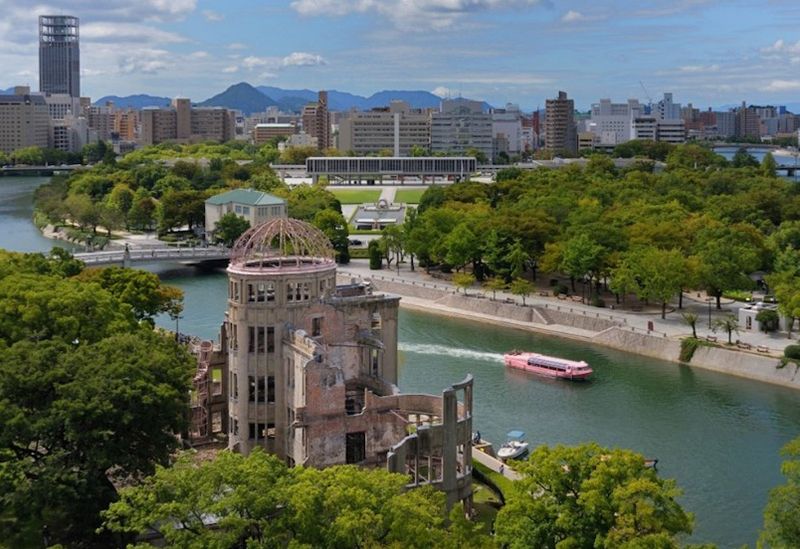
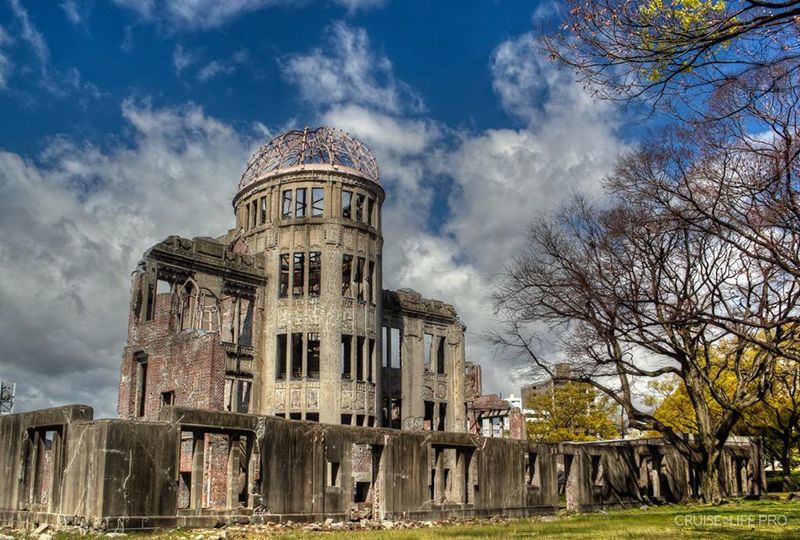
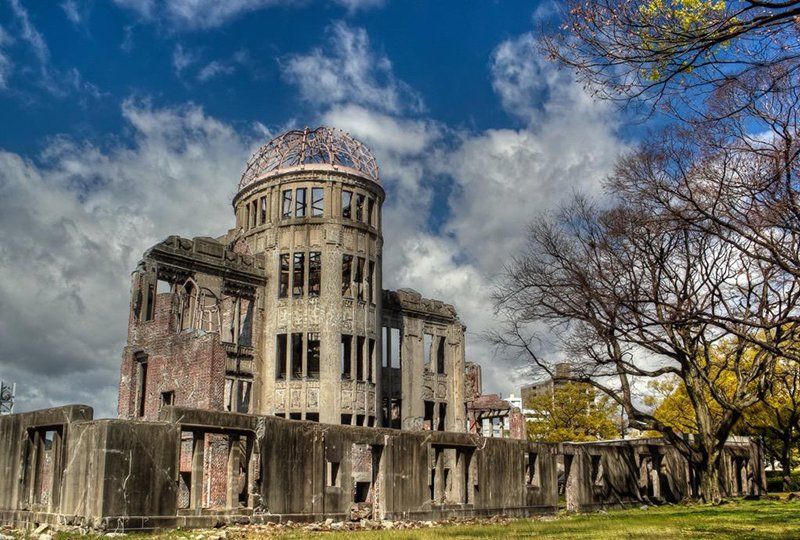
The Dome of Genbaku is also known by the names “Atomic Dome”, “Atomic Cathedral” and “Atomic Bomb Dome”. During the catastrophe, this building, topped with a dome in the shape of a hemisphere and therefore resembling a cathedral, turned out to be 160 meters from the bomb’s epicenter and miraculously survived- the only one of all the houses in the area. The building was constructed in 1915 in what was then a European style, still rare in Japan. During the restoration of Hiroshima, the building was decided to be reinforced to prevent further destruction, and to preserve it as a reminder of the tragic events of August 6, 1945. Near the “Atomic Cathedral” you can always see bottles of drinking water in memory of those who died of thirst in the nuclear hell that followed.
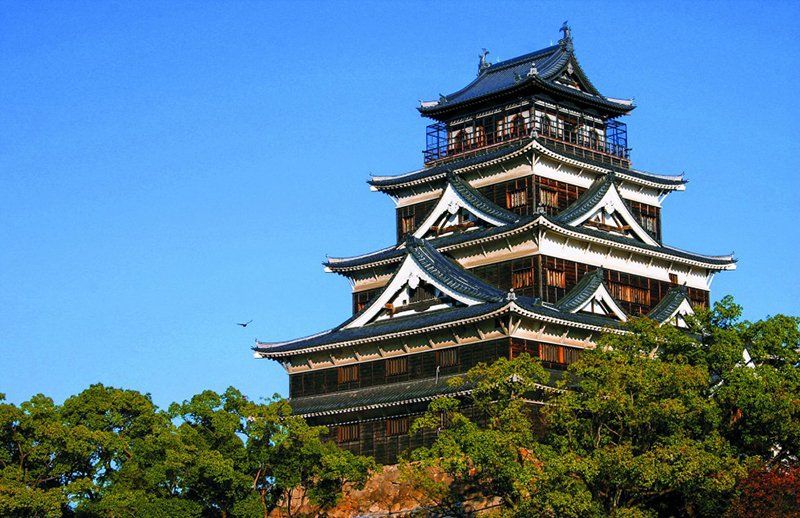
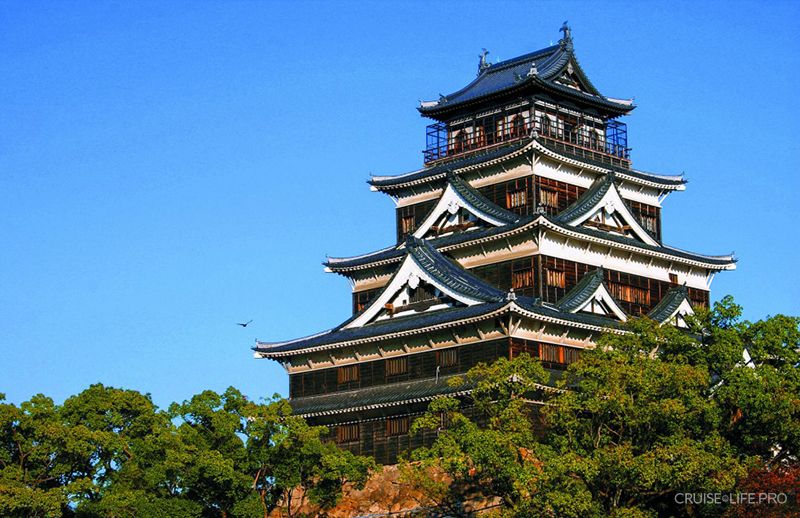
Carp Castle

Carp Castle

Hiroshima Castle, or the “Carp Castle,” as it is known by locals, is included in Japan’s list of national treasures and is considered one of the most beautiful buildings in the entire country. The construction of the castle on the island in the Ota River under the guidance of the outstanding ruler and future owner of the castle, Mori Terumoto, dates back to 1589. At the time of its construction, the castle was considered the largest structure in western Japan. The castle’s second name came from the name of the locality “Carp Bay,” where it was built. Around the castle, there were water-filled moats. Inside the castle there is a museum where visitors can learn about the history of the building and the country, as well as about Japanese culture. On the top floor, there is an observation deck offering a truly magical view of Hiroshima.
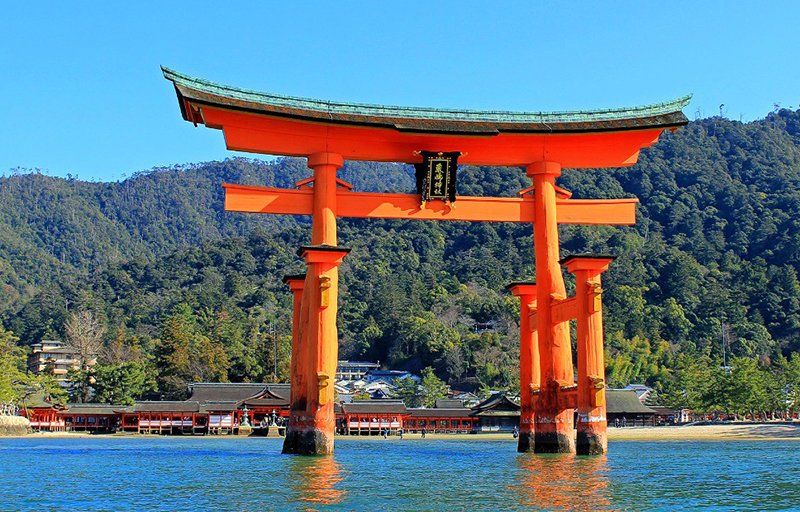
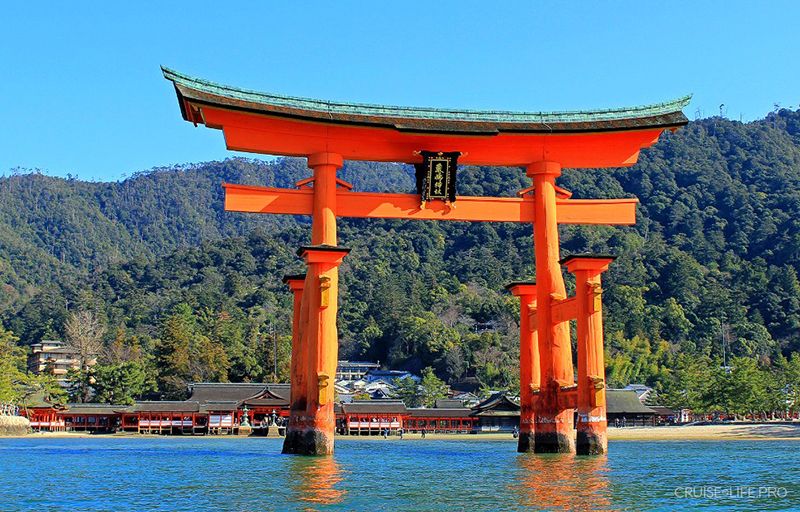
Itsukushima Shrine

Itsukushima Shrine

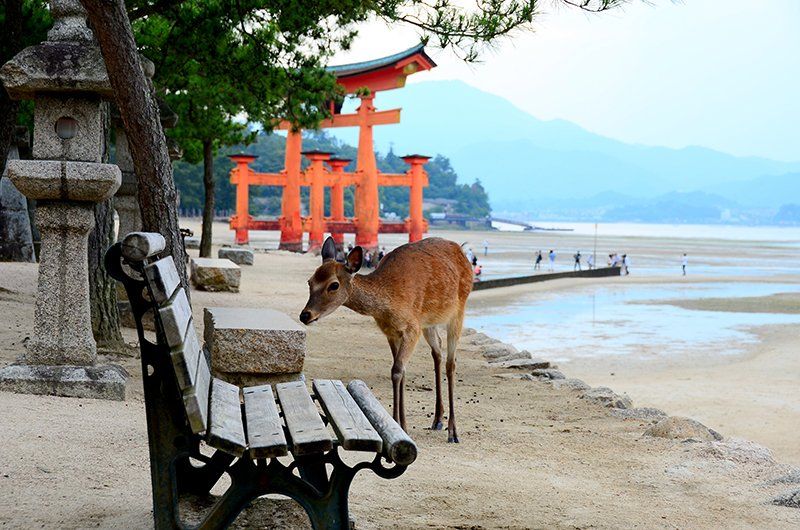
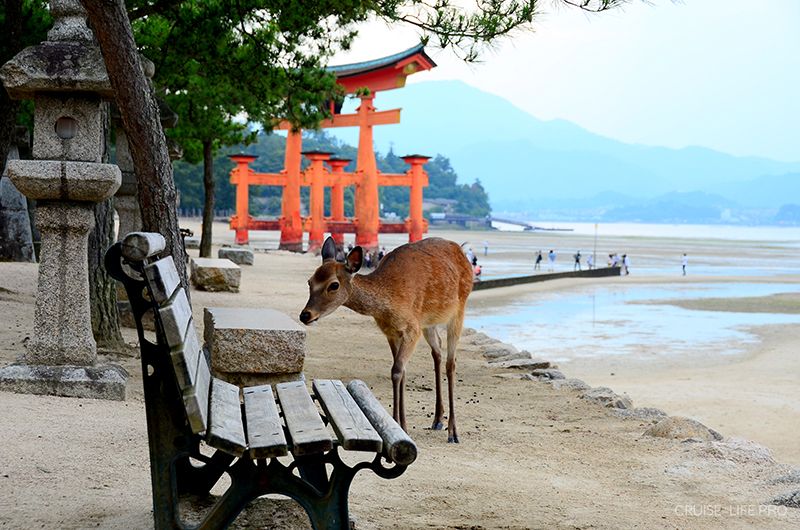
Miyajima is a paradise in the Seto Inland Sea of Japan. Here you’ll find mountains covered in dense “gloomy” forests, monkeys roaming freely around the island, sunshine, and a whole lot of positivity. According to Shinto beliefs, nothing impure was allowed to happen on the island, including childbirth and funerals. To this day, there is no cemetery here, and the deceased are taken off the island. On the island stands Itsukushima-one of the oldest Shinto shrines. The shrine’s vivid vermilion gates-torii-are placed far out into the sea, ahead of the sanctuary entrance. There is a belief: anyone who manages to pass beneath these gates will gain happiness and well-being. As, of course, will all of their wishes come true. By the way, you can pass under the gates only during low tide. Catch the moment and make your wishes.
What to see

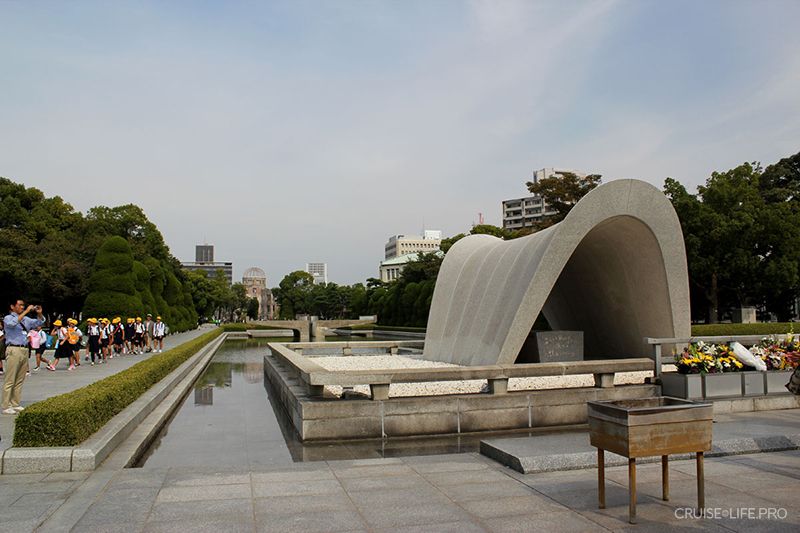
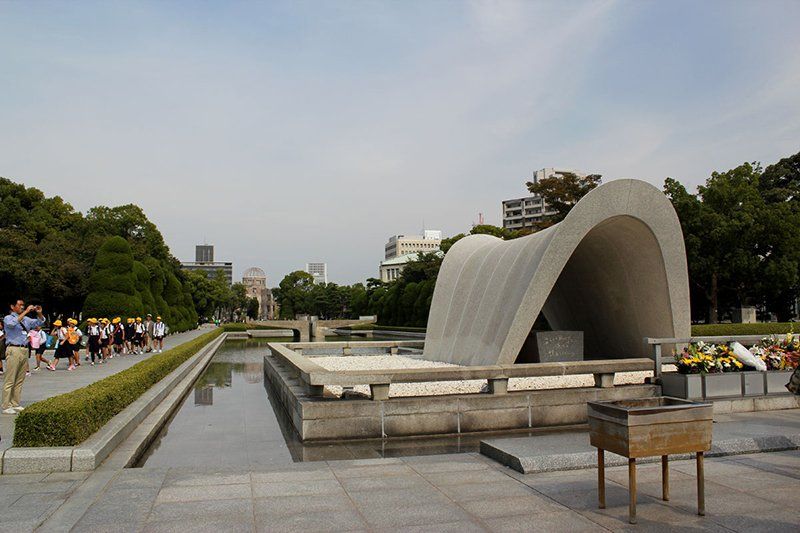
Memorial Park of Peace

Memorial Park of Peace

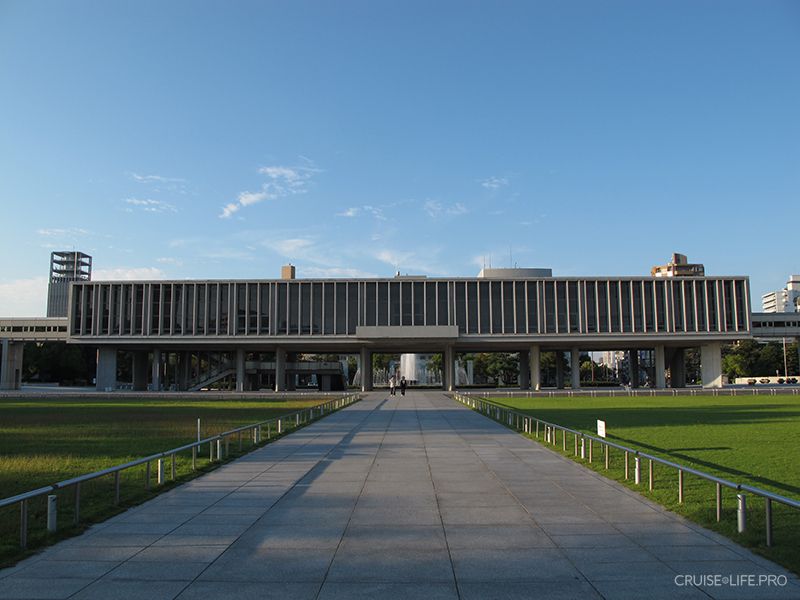
The Hiroshima Peace Memorial Park is located on the site of the former Nakajima Ward, which was completely destroyed as a result of the atomic bombing of Hiroshima in 1945. On its grounds there are the Hiroshima Peace Memorial Museum, various monuments, a ceremonial bell, and a commemorative plaque. In the park there is a monument called the “Flame of Peace,” on which an eternal flame has been burning since August 1, 1964. And it will burn, “until all the world’s nuclear weapons disappear forever.”

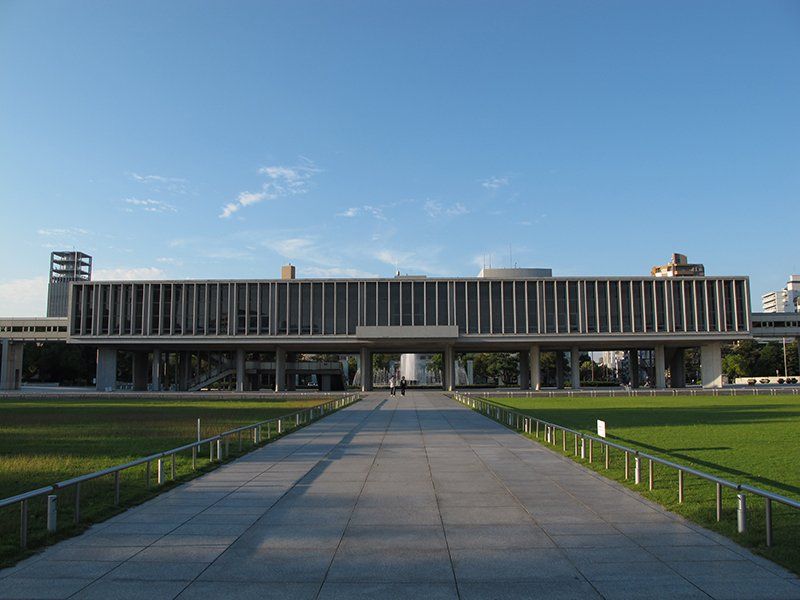
Memorial Museum of the World

Memorial Museum of the World

In the Hiroshima Peace Memorial Museum, two city models are displayed-before and after the nuclear explosion of August 6, 1945. Tenderly simple, the Peace Memorial Museum presents the history of a nightmare through diagrams, models, photographs, film materials, disfigured household items scarred by the terrifying heat, and a large-scale diorama showing the victims of the blast with their horrific burns. One of the most striking exhibits is a photo of a human shadow that was imprinted at the moment of the flash on the steps of the Sumitomo Bank. The museum staff did everything possible to convey the full inhumanity of atomic weapons, nuclear war in general, and lead to the inevitable conclusion that such weapons must never be used again.

Sukkei-en Garden

Sukkei-en Garden

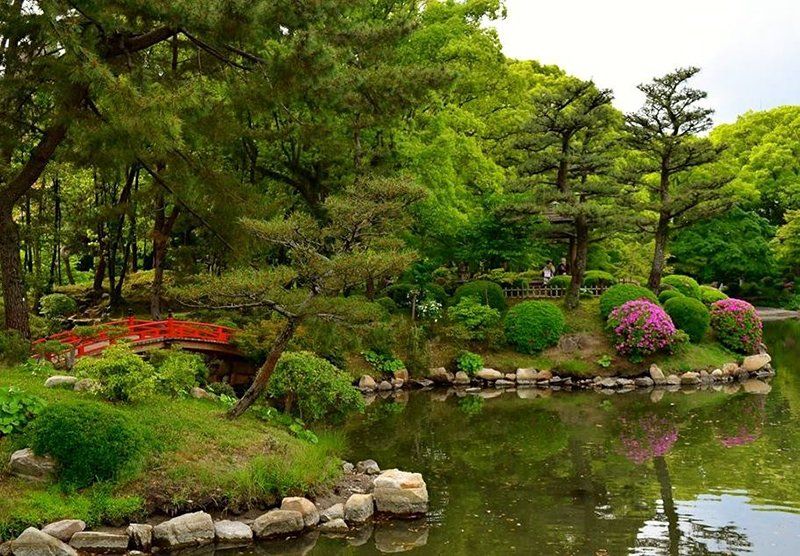
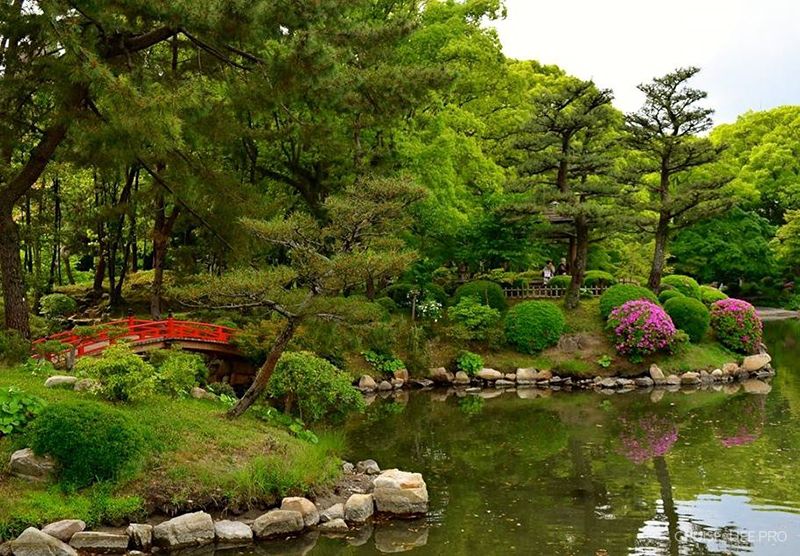
The Sukkei-en Garden was founded in 1620 by a tea ceremony master, Weda Soko; however, like all of Hiroshima, it was erased from the face of the earth during the city’s atomic bombing. That is why its beautiful scenery is available for viewing in the 1951 reconstruction. The garden space was arranged in such a way that, despite its small area, it managed to include many different landscapes and plant a greater number of flowers that bloom at different times of the year. Thanks to this, the garden came to be called Sukkei-en-the “Garden of Miniature Landscapes.” A pond with ten man-made islands was also created in the garden. Like the West Lake (Xihu), the pond was surrounded by mountains; on the pond’s shores, tea ceremony houses, gazebos, and bridges were built.

Asa Zoo

Asa Zoo

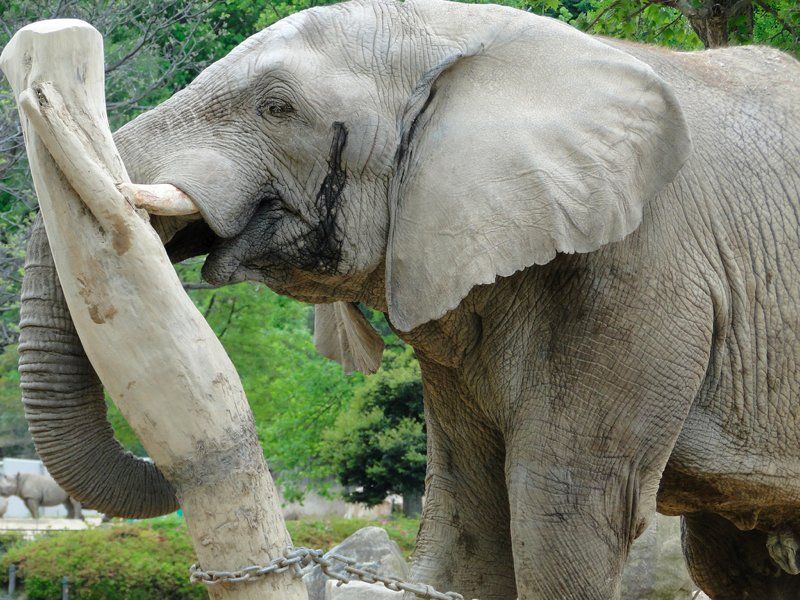
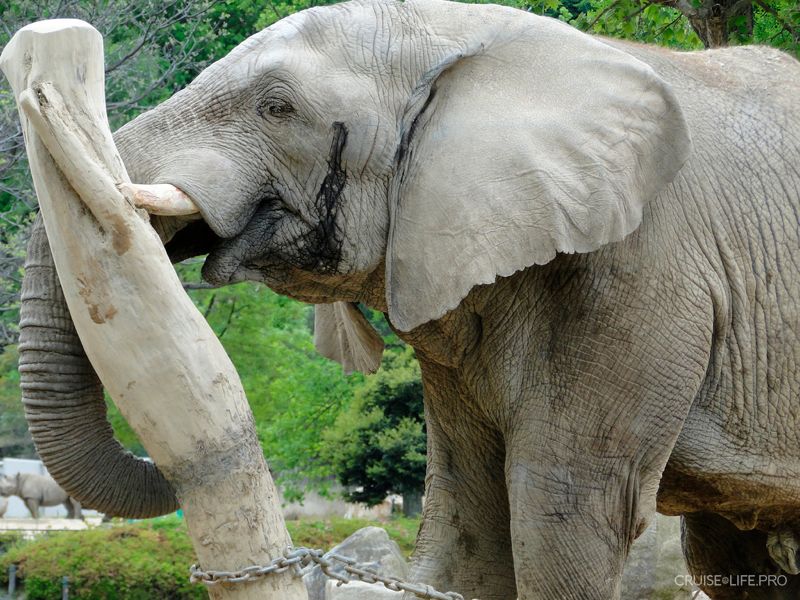
Asa Zoo is one of the largest in the country. Here you can see giant tortoises and black rhinoceroses, Himalayan bears and Amur tigers, mandarin ducks and hawks, various monkeys, elephants, zebras, giraffes, flamingos, as well as a whole galaxy of animals whose names include the word “Japanese” - deer, cranes, and even gigantic Japanese salamanders. Asa Zoo is also a major scientific institution. For example, it was here that the world’s first successful breeding of black rhinoceros offspring in captivity was achieved. In 2011, four Amur tiger cubs were born at the zoo. On the zoo grounds, there is a petting mini-zoo, a playground for children, and a picnic area. Since 2003, night safaris have been held at the zoo during the summer months.

Recommended excursions

Hiroshima and Surroundings Excursion

Hiroshima and Surroundings Excursion

In the city of Hiroshima itself, there is a whole series of memorial sites related to the atomic bombing of the city in August 1945: Peace Park, the Atomic House, the monument to the girl Sadako Sasaki, covered with paper crane figurines, as well as the Memorial Museum of Peace. Miyajima Island, which has held a sacred status since ancient times, does not allow anyone to be born or die here. On the island stands the Shinto shrine Itsukushima, built on stilts, together with the oldest Noh theatre stage in Japan. The view of the Itsukushima temple is officially considered one of the three most beautiful landscapes in Japan. The entire area is part of UNESCO’s World Cultural Heritage.

For a more detailed list of excursions and their prices, you can view it after booking your cruise in your “Customer Personal Account”.

Cruises calling at this port

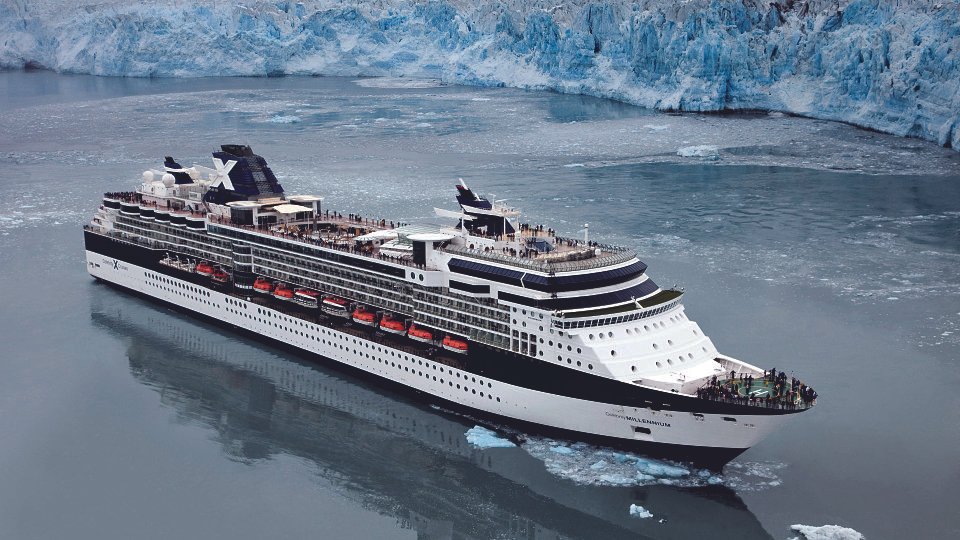
Celebrity Millennium
Celebrity Cruises
Celebrity Millennium
Asia
17.10.2026 · 12 nights Departs in 5 days Port of departure: Tokyo, Japan ALL (NO DRINKS)

Tokyo, Japan, At Sea, Kyoto (Osaka), Japan, Kyoto (Osaka), Japan, Kochi, Japan, Hiroshima, Japan, At Sea, Busan, South Korea, Nagasaki, Kagoshima, Japan, At Sea, Shimizu, Japan, Tokyo, Japan

Press "Details" button to see an actual price. Price per cabin.

Details
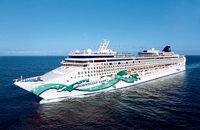
Norwegian Jade
Norwegian Cruise Line
Norwegian Jade
Asia
29.10.2026 · 14 nights Departs in 17 days Port of departure: Tokyo, Japan ALL

Tokyo, Japan, Sendai (Ishinomaki), Japan, Hakodate, Aomori, Japan, Akita, Japan, Sakata, Japan, Kanazawa, Japan, Busan, South Korea, Shimonoseki, Cruise Kanmon Strait, Japan, Hiroshima, Japan, Kochi, Japan, Kyoto (Osaka), Japan, Nagoya, Shimizu, Japan, Tokyo, Japan

from €6,005
B Balcony €6,005
S Suite €8,749

Press "Details" button to see an actual price. Price per cabin.

Details
Norwegian Jade
Norwegian Cruise Line
Norwegian Jade
Asia
12.11.2026 · 9 nights Port of departure: Tokyo, Japan ALL

Tokyo, Japan, Shimizu, Japan, Nagoya, Kobe, Japan, Kochi, Japan, Hiroshima, Japan, Kagoshima, Japan, Nagasaki, Jeju Island, South Korea, Seoul (Incheon), Korea, Republic of (South)

from €1,805
I Interior €1,805
O Ocean View €2,500
S Suite €8,669

Press "Details" button to see an actual price. Price per cabin.

Details
Norwegian Jade
Norwegian Cruise Line
Norwegian Jade
Asia
21.11.2026 · 9 nights Port of departure: Seoul (Incheon), Korea, Republic of (South) ALL

Seoul (Incheon), Korea, Republic of (South), Jeju Island, South Korea, Nagasaki, Kagoshima, Japan, Hiroshima, Japan, Kochi, Japan, Kyoto (Osaka), Japan, Nagoya, Shimizu, Japan, Tokyo, Japan

from €2,282
I Interior €2,282
O Ocean View €2,529
S Suite €6,719

Press "Details" button to see an actual price. Price per cabin.

Details
Norwegian Jade
Norwegian Cruise Line
Norwegian Jade
Asia
30.11.2026 · 9 nights Port of departure: Tokyo, Japan ALL

Tokyo, Japan, Shimizu, Japan, Kyoto (Osaka), Japan, Kochi, Japan, Hiroshima, Japan, At Sea, Miyako-jima Island, Miyakojima, Japan, Taipei (Keelung), Taiwan, China, At Sea, Hong Kong, China

from €1,844
I Interior €1,844
O Ocean View €1,943
S Suite €4,359

Press "Details" button to see an actual price. Price per cabin.

Details
Norwegian Jade
Norwegian Cruise Line
Norwegian Jade
Asia
22.02.2027 · 11 nights Port of departure: Hong Kong, China ALL

Hong Kong, China, Kaohsiung, Taiwan, China, Taipei (Keelung), Taiwan, China, Ishigaki, Japan, At Sea, Nagasaki, Kagoshima, Japan, Hiroshima, Japan, Kochi, Japan, Kobe, Japan, Shimizu, Japan, Tokyo, Japan

from €5,949
I Interior €5,949
O Ocean View €6,689
B Balcony €8,869
S Suite €8,949

Press "Details" button to see an actual price. Price per cabin.

Details
Norwegian Jade
Norwegian Cruise Line
Norwegian Jade
Asia
05.03.2027 · 9 nights Port of departure: Tokyo, Japan ALL

Tokyo, Japan, Shimizu, Japan, Nagoya, Kyoto (Osaka), Japan, Kochi, Japan, Hiroshima, Japan, Kagoshima, Japan, Nagasaki, Jeju Island, South Korea, Seoul (Incheon), Korea, Republic of (South)

from €4,269
I Interior €4,269
O Ocean View €4,909
B Balcony €8,389
S Suite €8,579

Press "Details" button to see an actual price. Price per cabin.

Details
Norwegian Jade
Norwegian Cruise Line
Norwegian Jade
Asia
14.03.2027 · 9 nights Port of departure: Seoul (Incheon), Korea, Republic of (South) ALL

Seoul (Incheon), Korea, Republic of (South), Jeju Island, South Korea, Nagasaki, Shimonoseki, Cruise Kanmon Strait, Japan, Hiroshima, Japan, Beppu, Japan, Kochi, Japan, Nagoya, Shimizu, Japan, Tokyo, Japan

from €4,229
I Interior €4,229
O Ocean View €5,139
B Balcony €8,539
S Suite €8,609

Press "Details" button to see an actual price. Price per cabin.

Details