

Port of call
Hellesylt, Norway
Description — Hellesylt, Norway
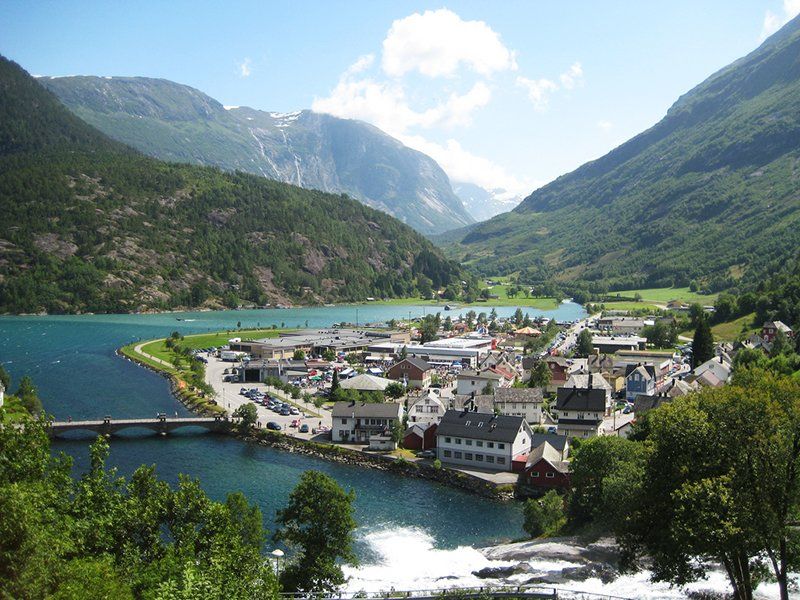
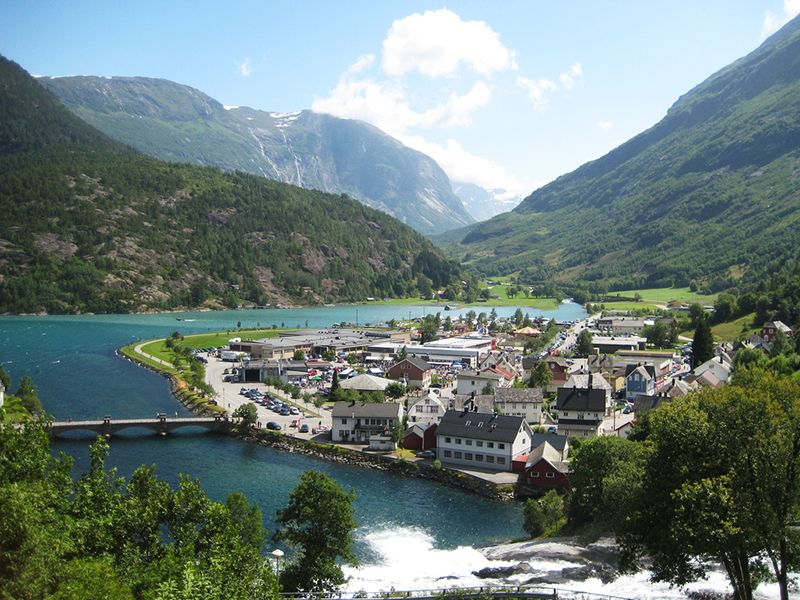
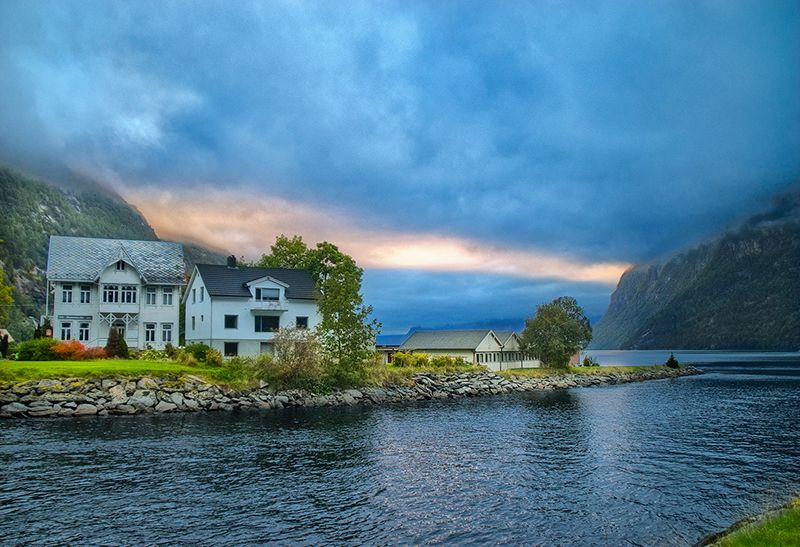
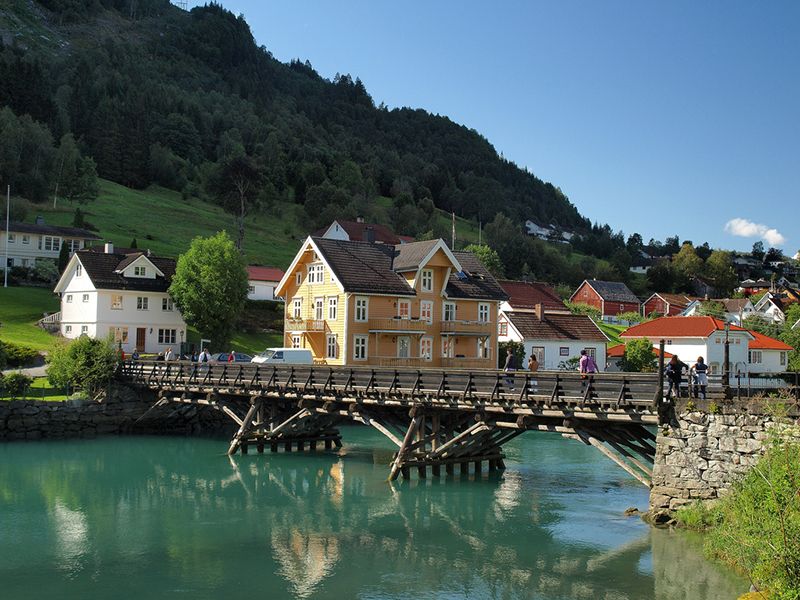
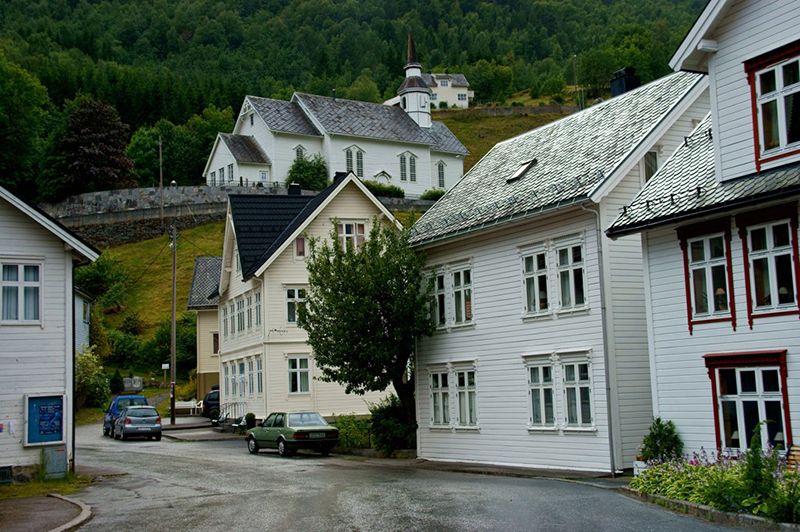
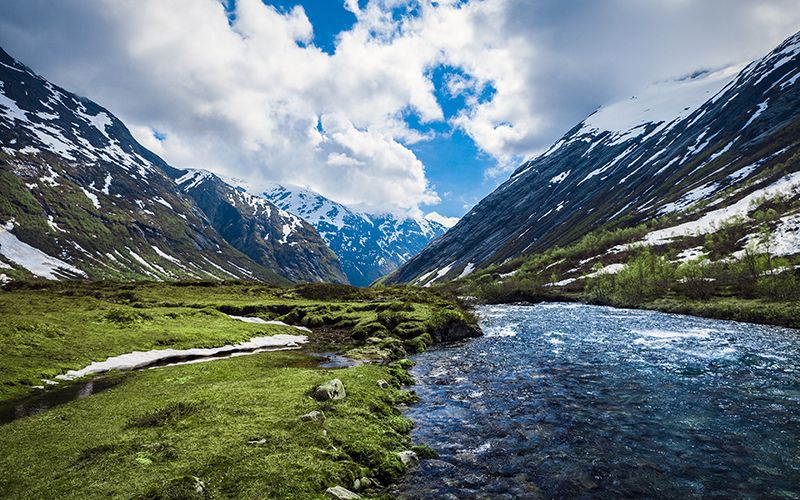
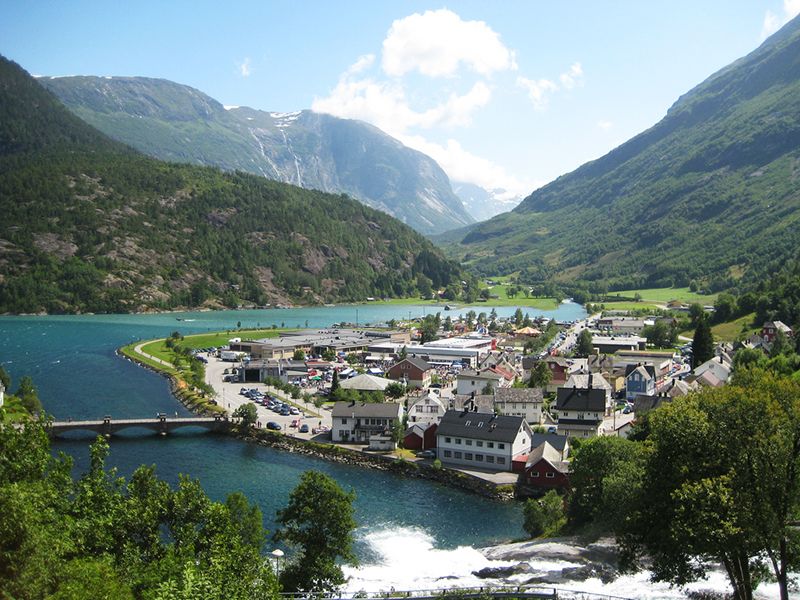
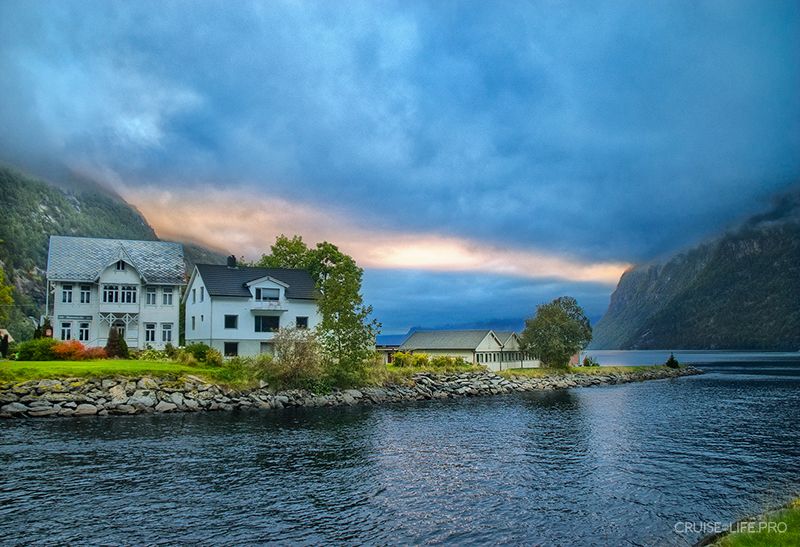
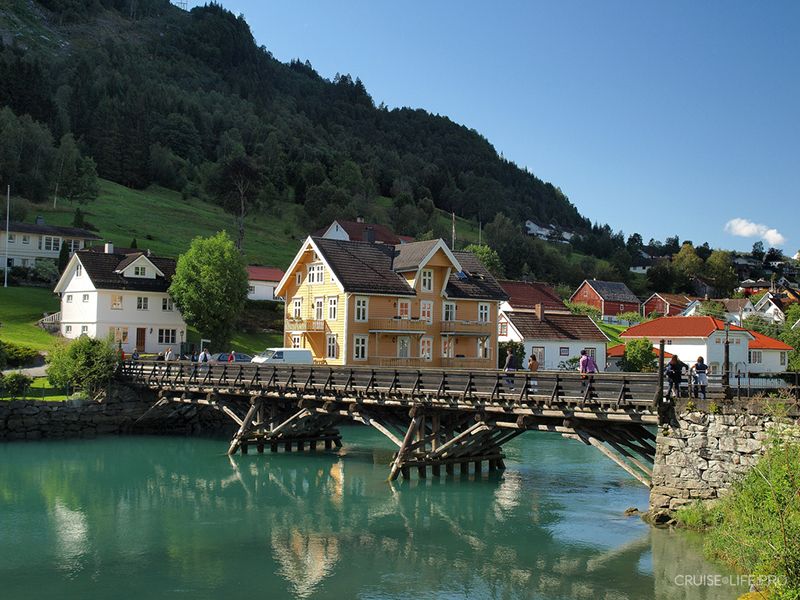
Hellesylt is an old Viking port located in the Stranda municipality in Norway. The town and its surrounding areas are included in the UNESCO World Heritage List. This is a perfectly ordinary, provincial settlement surrounded by mountains and valleys. Only 253 people live in Hellesylt. Mostly, this place is visited by those who arrive by ferry from Geiranger or, on the contrary, head there. The fame and popularity of this little village is also ensured by the fairly well-known Sunnylvsfjord, which runs 20 km between Geiranger and Hellesylt. Throughout its length, the fjord is bordered by high cliffs and mountains with elevations up to 1.5 thousand meters.
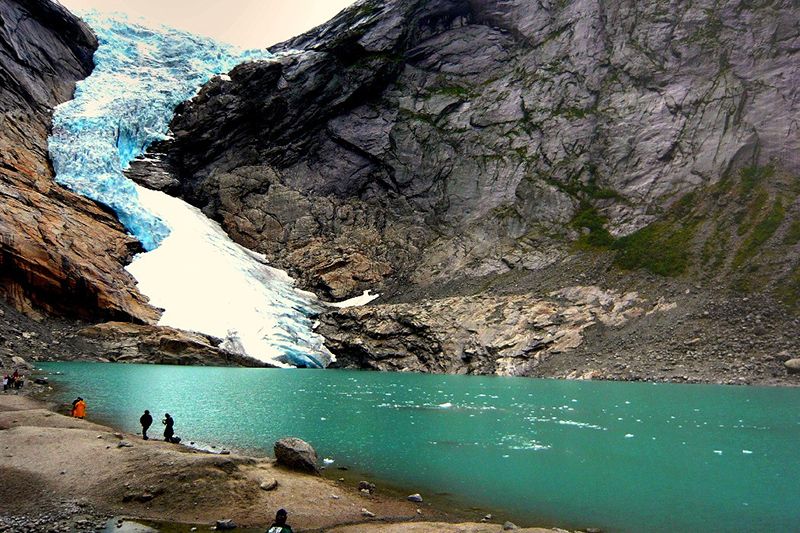
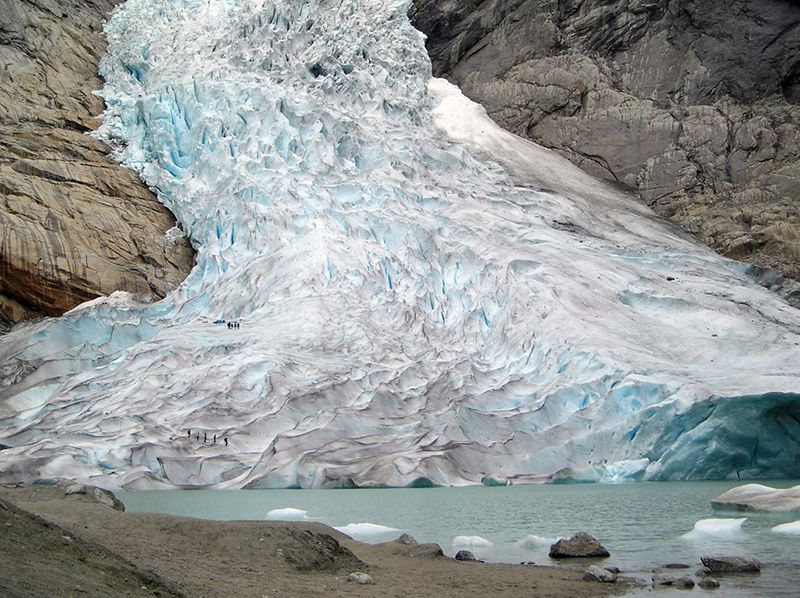
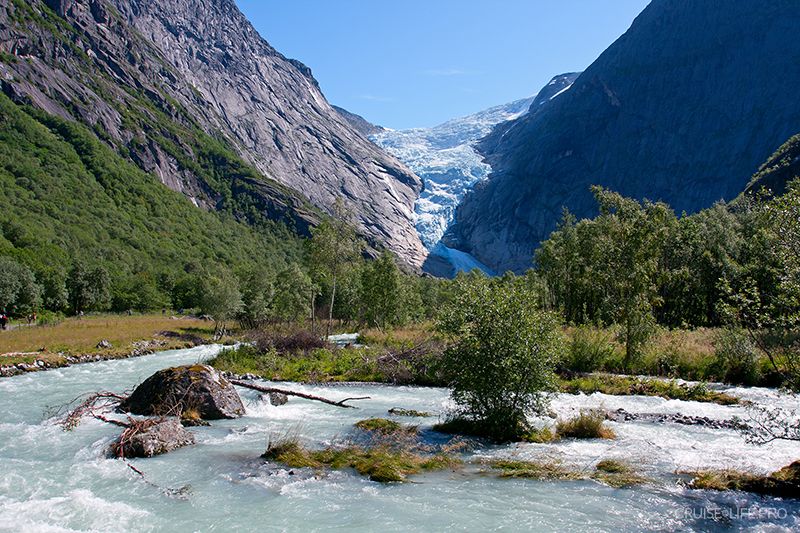
Hellesylt is separated from the Geirangerfjord by the Briksdalsbreen glacier. They are connected by a scenic road that gradually climbs to an elevation of 1500 meters above sea level and then, abruptly down through a serpentine road called the Troll Road, descends to the Geirangerfjord.
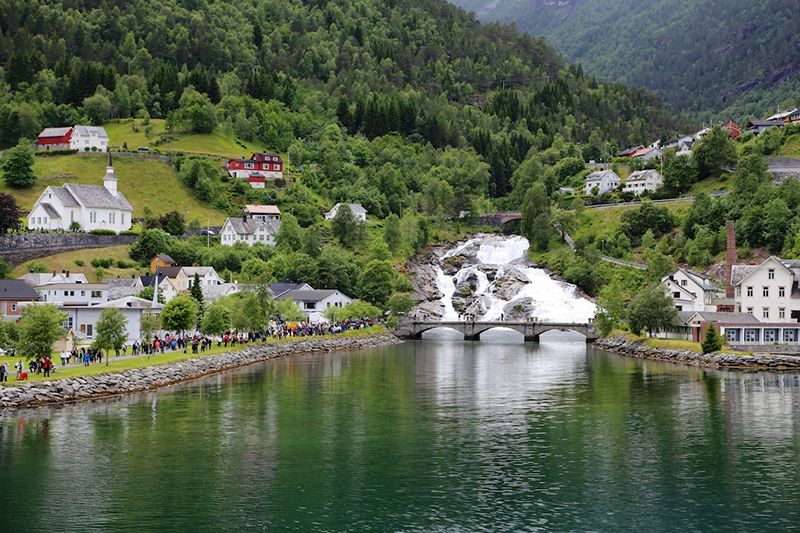
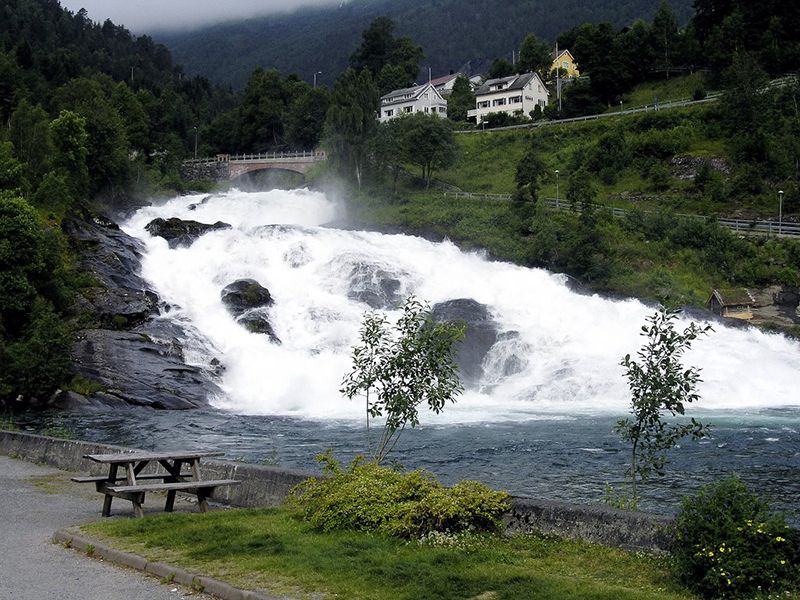
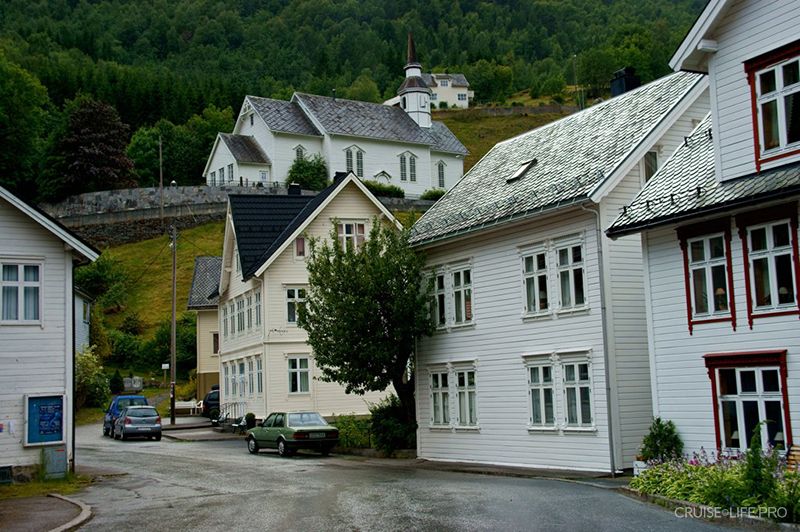
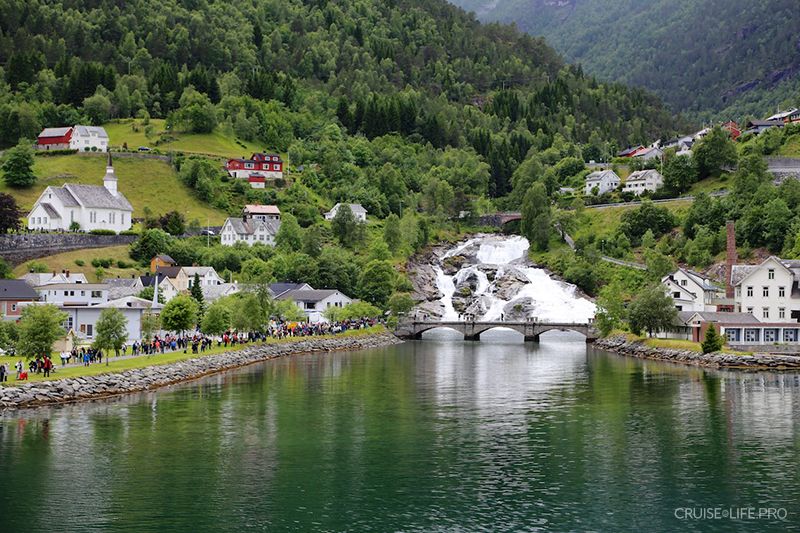
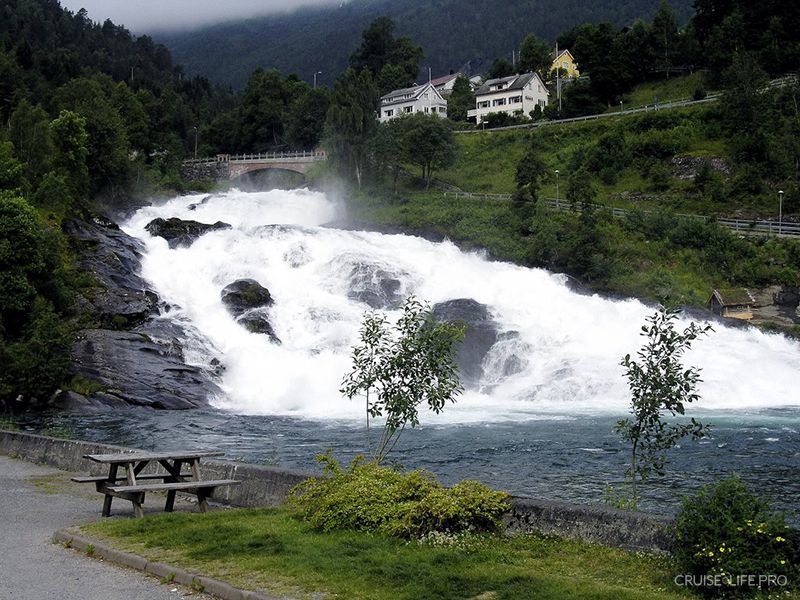
The main attraction in Hellesylt itself is the Hellesyltfossen waterfall, which rushes right in the center of the village. Near the waterfall stands the Sunnlven church. It was built in 1859, and as early as in 1862 the Norwegian playwright Henrik Ibsen visited here, describing the place in the play “Brand”.
From Hellesylt, tourists go on an excursion to the Geirangerfjord or to the Briksdalsbreen glacier.
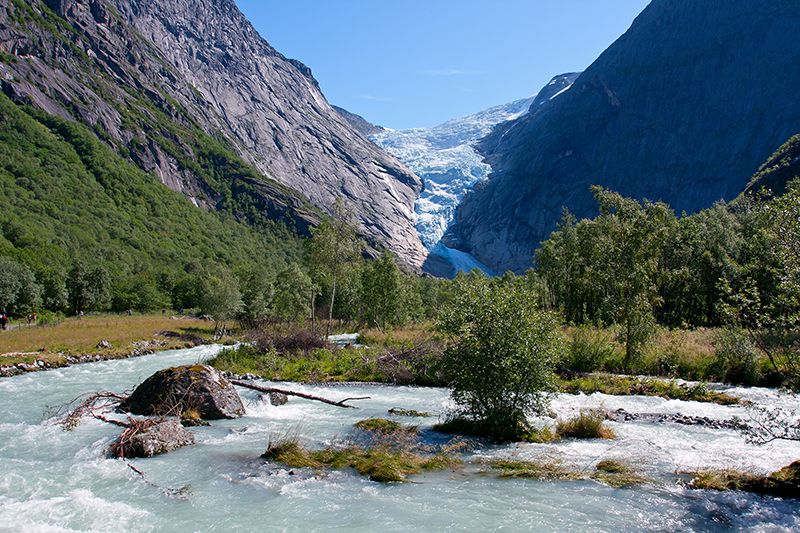
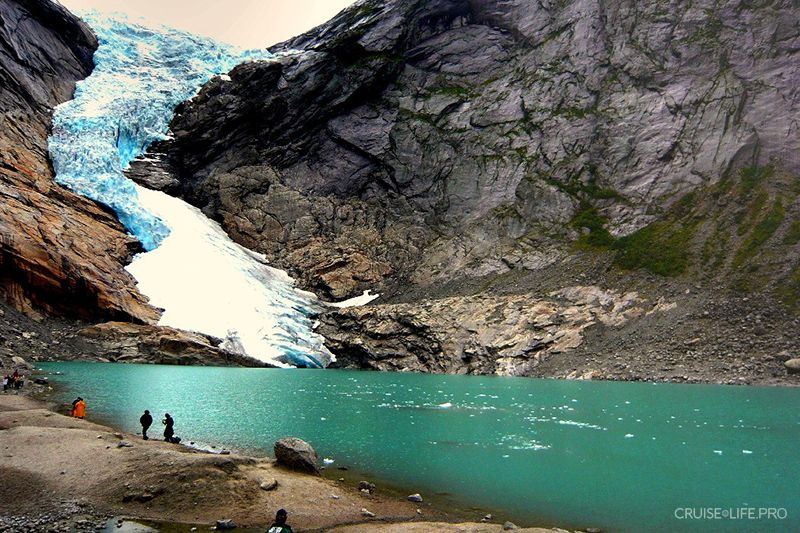
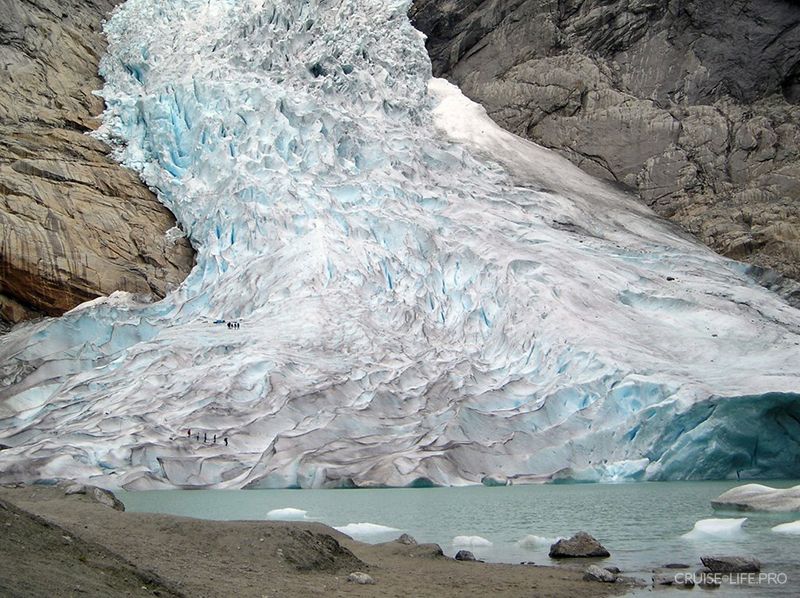
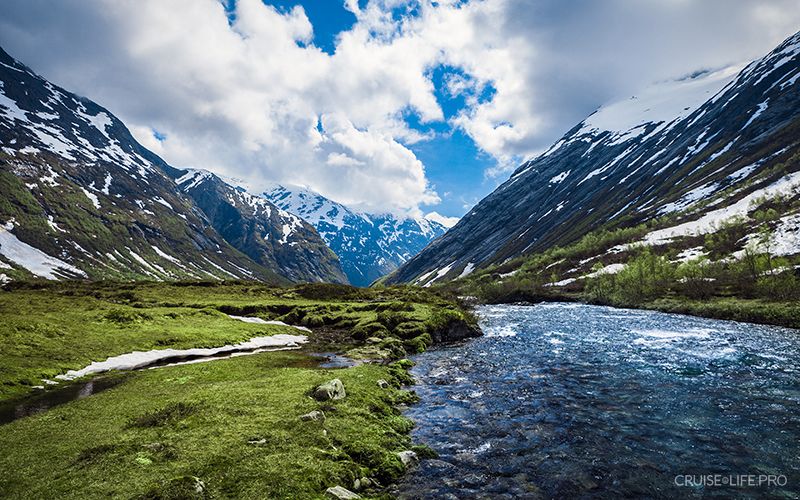
Briksdalsbreen glacier is just one of 50 arms of the large Jostedalsbreen glacier. Briksdalsbreen attracted international attention in the 1990s because during the period 1967-97 it grew by 465 m, while the other European glaciers were shrinking. However, in recent years Briksdalsbreen has also begun to melt actively-each year it retreats by 8-12 m. The glacier is reached via an exceptionally scenic road past waterfalls, and on the glacier itself you can approach the ice directly and even touch it. Briksdalsbreen colors the lake below in an astonishing hue.
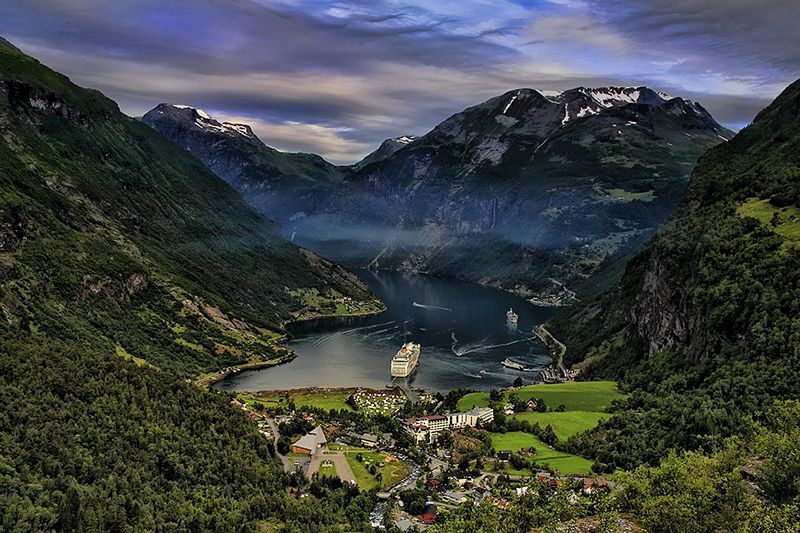
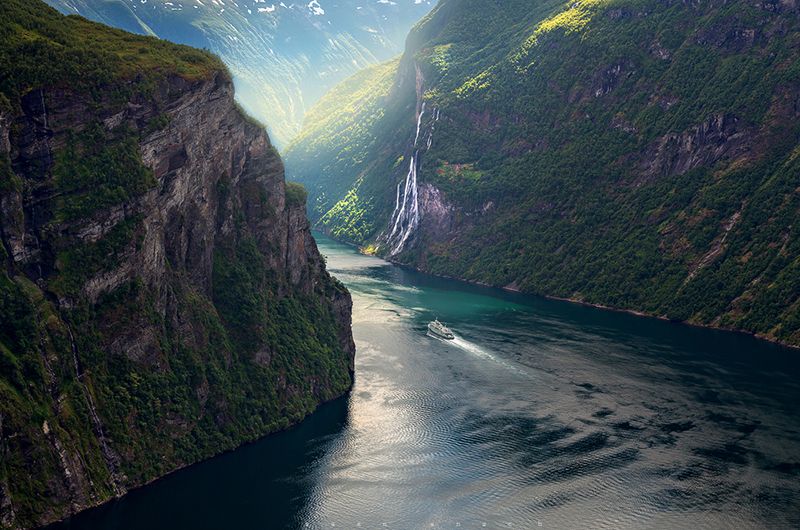
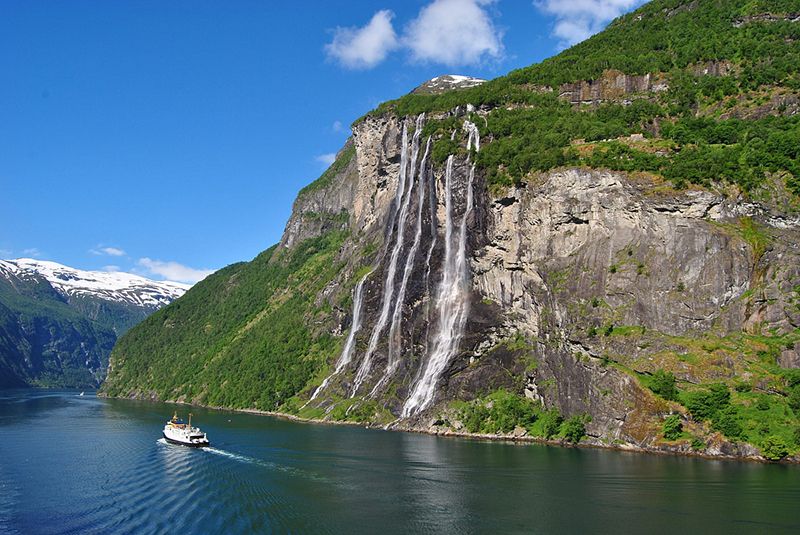
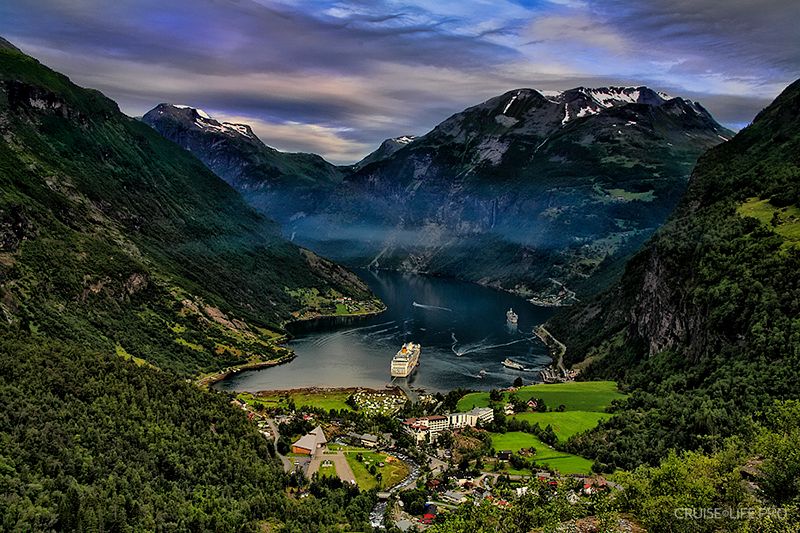
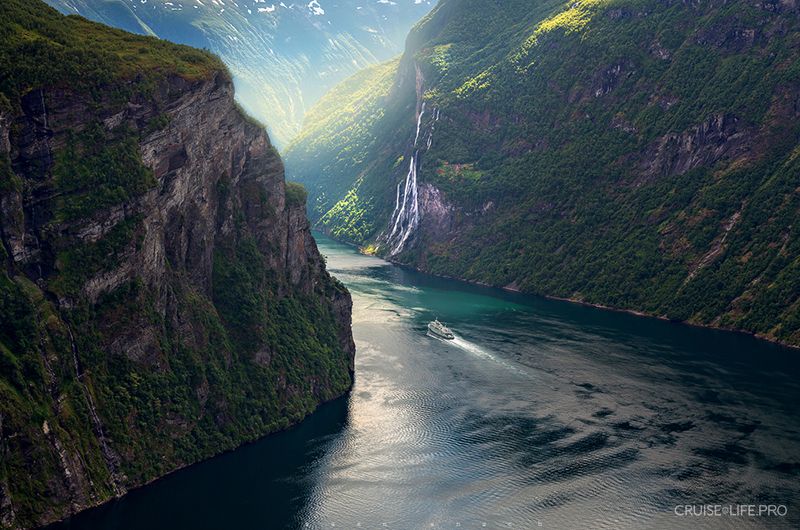
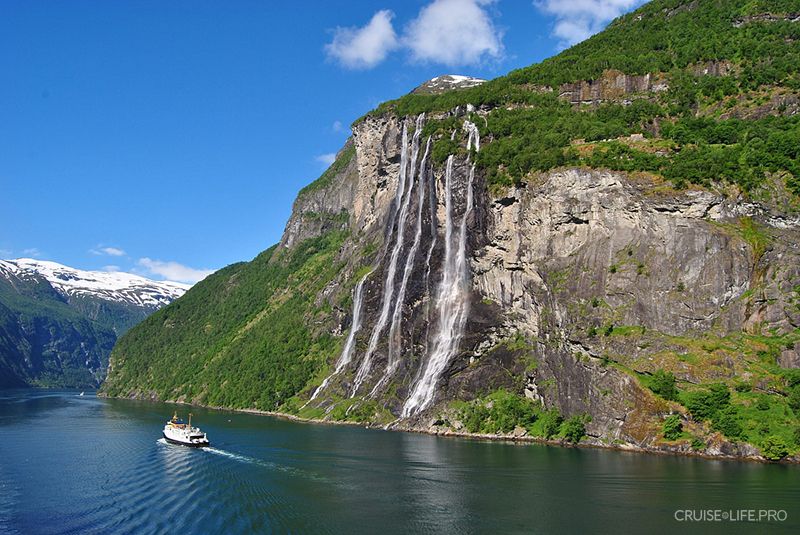
Geirangerfjord is one of the branches of the Storfjord. It is located about 200 kilometers north-east of Bergen and 280 kilometers north-west of Oslo. The fjord stretches 15 kilometers. In July 2005, it was added to the UNESCO World Heritage List. The main attractions of the Geirangerfjord are the many waterfalls you can find here almost every hundred meters. The most popular among them are the “Seven Sisters Waterfall,” the “Bridegroom,” and the “Bridal Veil.” The sheer cliffs along the coastline-rising to heights of more than 1400 meters above sea level-and the glaciers located on their peaks take your breath away.
ClimateA mild maritime climate in the western part of the region gives way to a continental one (in the central areas), while the far north of Norway is under the influence of subarctic weather conditions. Throughout the year, there is a lot of precipitation; the “wettest” seasons are autumn and winter. Overall, Norway’s climate is harsh, but there are periods when conditions for visiting are quite favorable. This is mid-winter (January-February), April-May, and the end of summer (August-September).
January and February are relatively warm only in the West; although small frosts are possible here, the average maximum temperature ranges from 0 to +2° C. Precipitation during this period is from 140 to 180 mm. As for the central areas, frosts begin in October and continue until mid-March. During the day, frosts are not severe-only 5 to 7 degrees-but at night the temperature sometimes drops to -20° C. In other words, winter weather in Norway varies for each region.
Over the three spring months, temperatures rise gradually, and daytime air temperature increases from +6 to +15° C. By the end of May, stable warm weather sets in and precipitation decreases (from 140 mm in April to 80 in May). As for the temperature of the sea and other bodies of water, it rarely rises above +10° C. Interestingly, in spring, Norway’s weather is the driest-especially in the central and western parts of the country. During March, April, and May, the number of days with precipitation can be as low as 11, and precipitation amounts drop to 30-50 mm. The spring months are the best time to visit Norway, when the likelihood that the weather during trips around the country will be warm and sunny is highest.
In our understanding, summer is the time for beach vacations and seaside entertainment. Given the specifics of this northern country, some adjustments should be made to the summer program in Norway. On the warmest days, in the mildest climate zone, daytime air temperature does not exceed +18-20° C. The hottest (by local standards) month is July. At this time, it is warm and sunny across the country; only humidity levels differ. Fairly humid weather in Norway during the summer is characteristic of the north (about 140 mm). An important indicator for the summer period is the night air temperature, which averages +10° C (but not below +6° C) over almost the entire territory of the country. Tour operators advise not to delay your visit until the end of August, when it can suddenly get colder and the rainy season begins.
As for September’s weather, from the beginning of the month humidity and the amount of precipitation increase. September and October are the rainiest and cloudiest months of the year. At this time, the monthly precipitation total reaches 240 mm. Temperature figures for September (+11-15° C) contrast sharply with those for November (just +5-7° C). The number of days with precipitation also rises sharply, reaching twenty or more in November.
-
-
-
-
-
-
-
-
-
-
-
-
-
Location on the map
Cruises calling at this port


Barcelona, Spain, Alicante, Spain, Gibraltar, United Kingdom, Seville (Cadiz), Spain, At Sea, La Coruna, Spain, Bilbao, Spain, La Rochelle, At Sea, At Sea, Kiel, Germany, Copenhagen, Denmark, At Sea, Hellesylt, Norway, Alesund, Norway, Flam, Norway, At Sea, Kiel, Germany, Copenhagen, Denmark
Press "Details" button to see an actual price. Price per cabin.
Details
Kiel, Germany, Copenhagen, Denmark, At Sea, Hellesylt, Norway, Alesund, Norway, Flam, Norway, At Sea, Kiel, Germany
Press "Details" button to see an actual price. Price per cabin.
Details
Copenhagen, Denmark, At Sea, Hellesylt, Norway, Alesund, Norway, Flam, Norway, At Sea, Kiel, Germany, Copenhagen, Denmark
Press "Details" button to see an actual price. Price per cabin.
Details
Kiel, Germany, Copenhagen, Denmark, At Sea, Hellesylt, Norway, Alesund, Norway, Flam, Norway, At Sea, Kiel, Germany
Press "Details" button to see an actual price. Price per cabin.
Details
Copenhagen, Denmark, At Sea, Hellesylt, Norway, Alesund, Norway, Flam, Norway, At Sea, Kiel, Germany, Copenhagen, Denmark
Press "Details" button to see an actual price. Price per cabin.
Details
Kiel, Germany, Copenhagen, Denmark, At Sea, Hellesylt, Norway, Alesund, Norway, Flam, Norway, At Sea, Kiel, Germany
Press "Details" button to see an actual price. Price per cabin.
Details
Copenhagen, Denmark, At Sea, Hellesylt, Norway, Alesund, Norway, Flam, Norway, At Sea, Kiel, Germany, Copenhagen, Denmark
Press "Details" button to see an actual price. Price per cabin.
Details

Kiel, Germany, Copenhagen, Denmark, Gdansk (Gdynia), Poland, Visby, Sweden, Stockholm, Sweden, Kiel, Germany, Copenhagen, Denmark, Hellesylt, Norway, Geiranger Fjord, Гейрангер (Норвегия), Bergen, Norway, Norwegian Sea, Haugesund, Norway, Kiel, Germany
Press "Details" button to see an actual price. Price per cabin.
Details