

 |
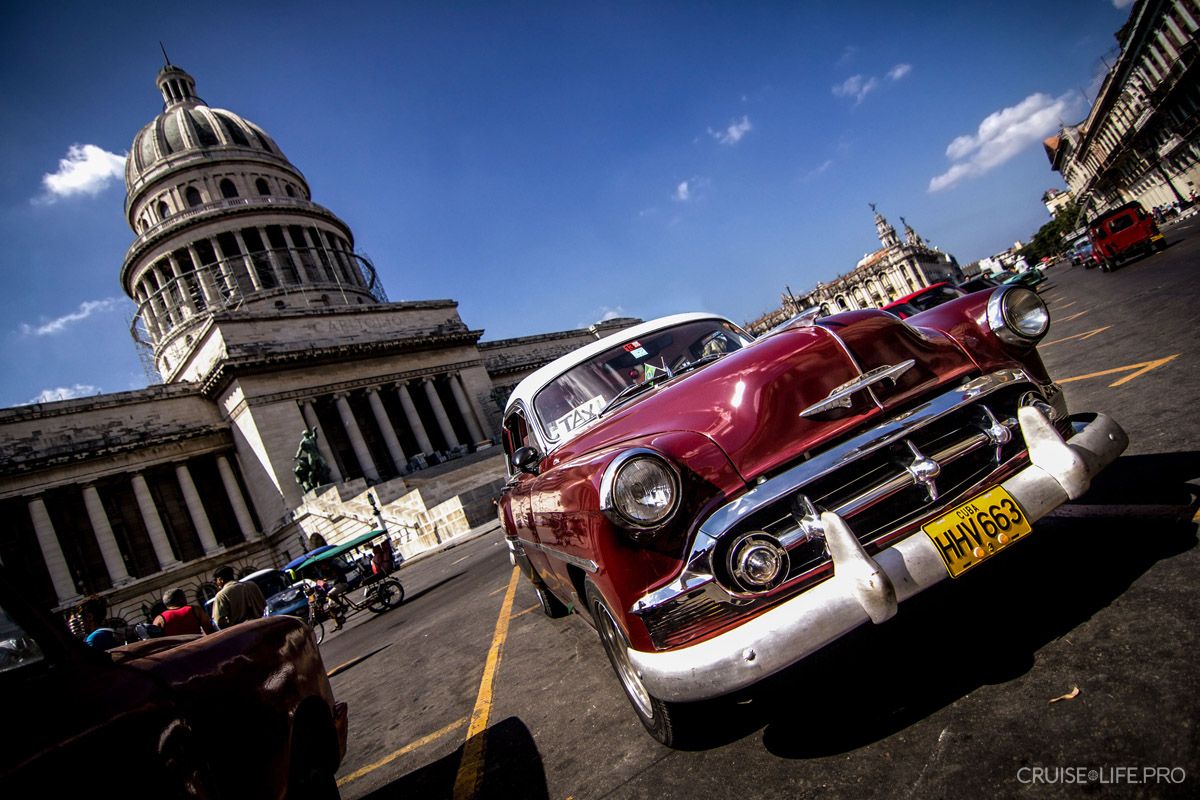
The Capitol in Havana The Havana Capitol is actually very similar to the most famous Capitol in the world in Washington. The Havana Capitol was built in 1929, but the Cuban parliament met here for exactly 30 years-only. After that, this beautiful and imposing building was turned into an open conference center. |
 |
Havana Cathedral St. Christopher’s Cathedral in Old Havana, at Sienaga Square, is a magnificent baroque building in a colonial style, constructed from dressed stone slabs. Like the whole square around it, the cathedral was listed by UNESCO as a World Heritage site. |
 |
La Cabaña The San Carlos de La Cabaña fortress complex was built in the 18th century in Havana Bay for a perfectly understandable purpose. Carlos III, the Spanish monarch, began constructing the fort on the basis of the old El Morro fortification. After the work on building the fortress, it was already controlled by the English administration. |
 |
Old Havana In 1984, the historic city center-Old Havana-was included by UNESCO in the World Heritage List in its entirety, along with its buildings, squares, and historic monuments. The overall list of attractions included nearly 1,000 sites. |
 |
Great Theatre of Havana The Great Theatre of Havana was ceremonially opened in the spring of 1838. Meanwhile, the building that the theatre occupies today was built only in 1915 by the Transylvanian-born Pole Paul Belau. This splendid example of colonial baroque-so richly represented in Cuba’s capital. |
  |
Ernest Hemingway House Museum The Hemingway House Museum in Havana is a small two-story residence that sits comfortably in a large garden surrounded by trees. The house is located in the San Francisco de Paula district, far from the city center, and has its own name-Finca la Vigia, “House with a View.” |
 |
Colón Cemetery Not everyone is willing to visit cemeteries on vacation, but the cemetery named after Christopher Columbus (Colón Cemetery) in Havana is still worth a visit. Located in Vedado, it covers almost 60 hectares and is famous for the fact that well-known politicians are buried here. |
 |
La Fuerza One of the three Havana fortresses interesting to tourists, and the oldest of them, is La Fuerza. It is located just a couple of steps from Plaza de Armas and the capital’s city center. Laid out in 1558, this fortress is considered one of the two oldest fortifications in the city’s harbor. |
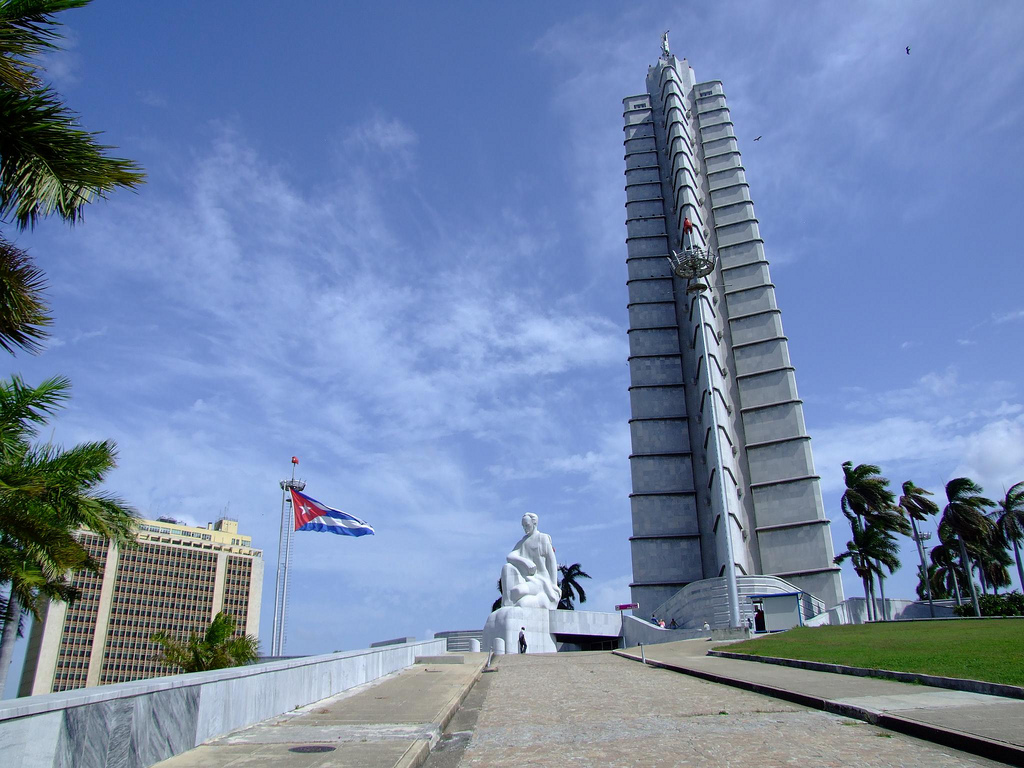 |
José Martí Memorial José Martí was the singer of freedom and the apostle of independence, as well as the forerunner of modernism in Cuban literature. One powerful monument (more precisely, a mausoleum with a ceremonial guard at the cemetery) to this outstanding figure was already erected in Santiago de Cuba in 1951. |
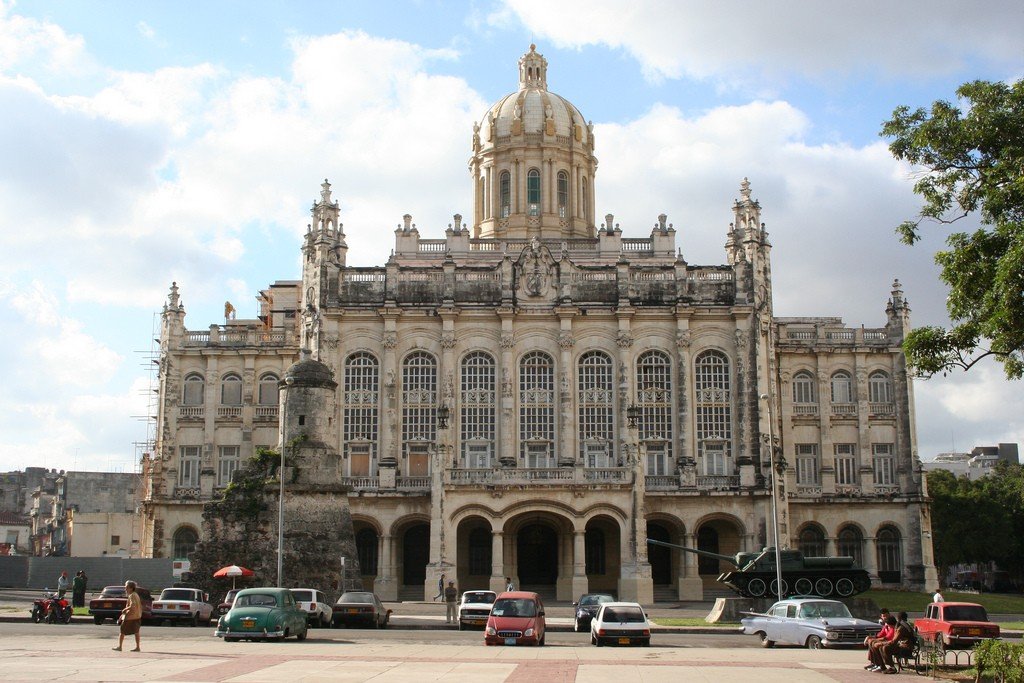 |
The Revolution Museum in Havana is one of the must-see attractions. First of all, because “Cuba” and “revolution” have become almost synonymous in the minds of people around the world. Second, because the building in which the museum is located is itself a historic landmark. |
Description — Havana, Cuba
Havana - one of the most beautiful cities on the planet, the capital of the Republic of Cuba, is located in the northwestern part of the island on the shores of the Gulf of Mexico. It is the country’s main political, economic and cultural center, as well as a place that is extremely attractive to tourists.
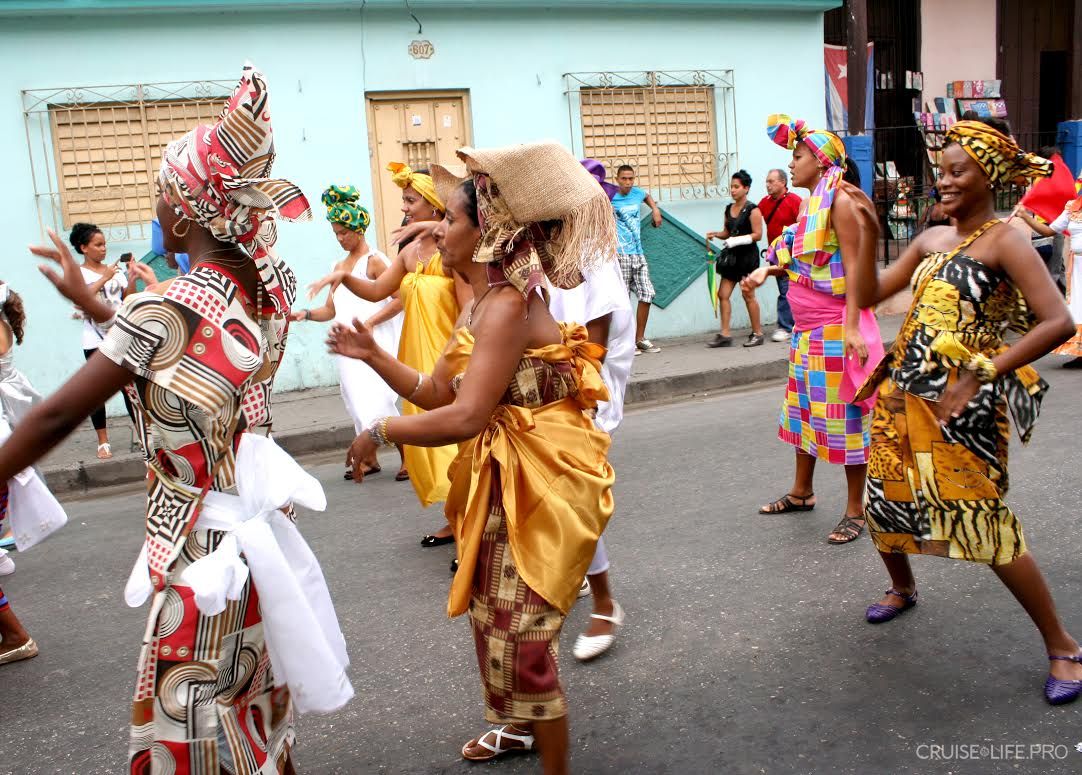
Founded by Spanish conquistadors as early as 1515, over the centuries of its existence the city has acquired a unique and incomparable architectural look and character. Its historic center - Old Havana - was added to the UNESCO World Heritage list in 1982, and the city itself grows more and more popular with tourists every year. In spite of everything, Havana leads an active cultural life - each year it hosts colorful celebrations filled with sea-tinged energy, exciting music, dancing and great spirits. Every night - this night of vibrant discos, Caribbean rhythms and fun. In addition, the city is constantly buzzing with both business and scientific life, and visitors will be delighted not only by the architectural masterpieces of the former colonial capital - after all, nearly 20 kilometers of beaches made for rest, water activities and fishing will also leave no visitor to Havana indifferent.
Location on the map
Sights
What to see
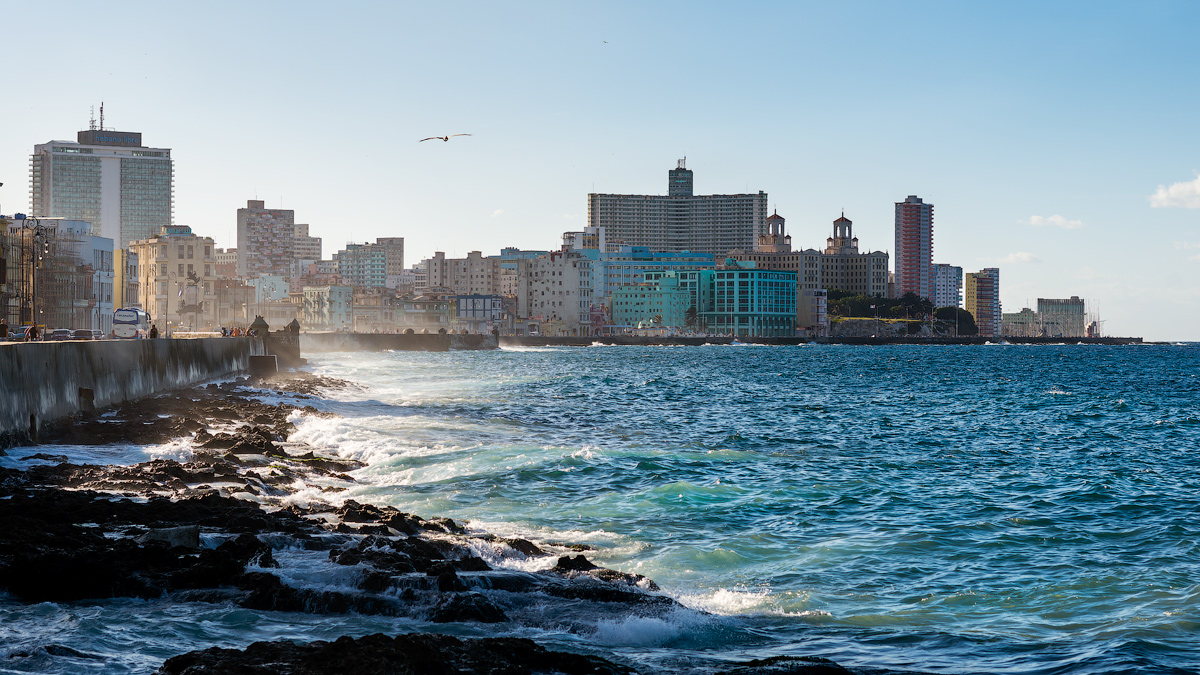 |
Malecon Promenade The Malecon is not just a city promenade-it is an iconic place where the annual February carnival takes place, where several significant monuments are gathered, and where all guests of Havana eventually end up. In addition, it is also a promenade that stretches 7 kilometers to the Castillo de San Salvador fortress. |
 |
Plaza de Armas The oldest square in the city, Plaza de Armas (that is, “Arms Square”) was laid out by the Spanish in 1519 in the eastern part of Havana and was intended for military drills and ceremonial events. Of course, such squares were required by colonizers who relied on the power of weapons in every major city. |
Recommended excursions
 |
Prado Boulevard Prado Boulevard is Havana’s Arbat and Nevsky Prospect- the city’s main avenue that, in a sense, separates “the oldest” Havana from simply “the old one.” On Prado you’ll find the Palacio Matrimonios wedding palace (formerly a casino) and the beautiful hotel “Sevilla,” Havana’s Capitol and the Gran Teatro. |
 |
Just 10 km from the center of Havana is an attraction that no route can do without. It is one of the largest man-made parks in Latin America-the National Botanical Garden-and there really is plenty to see, to be surprised by, and to be amazed at. |