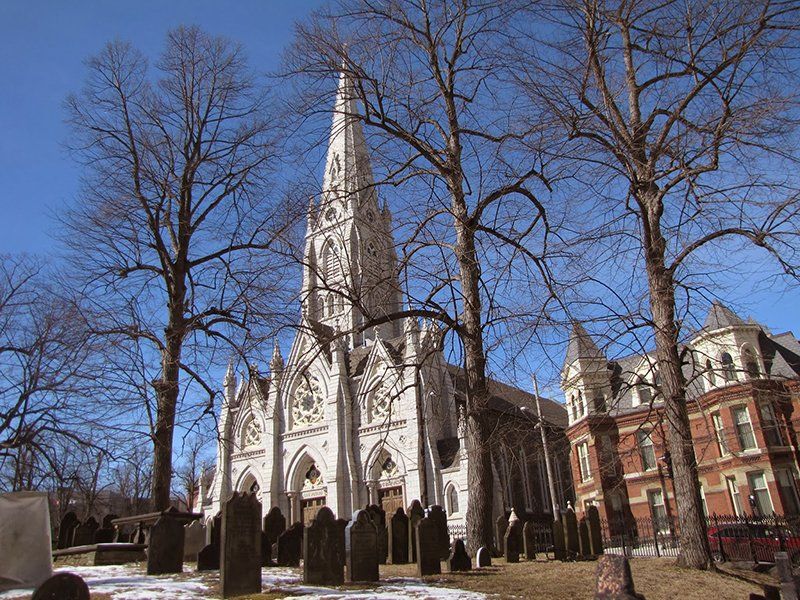
Cathedral of Our Lady of the Holy Mother
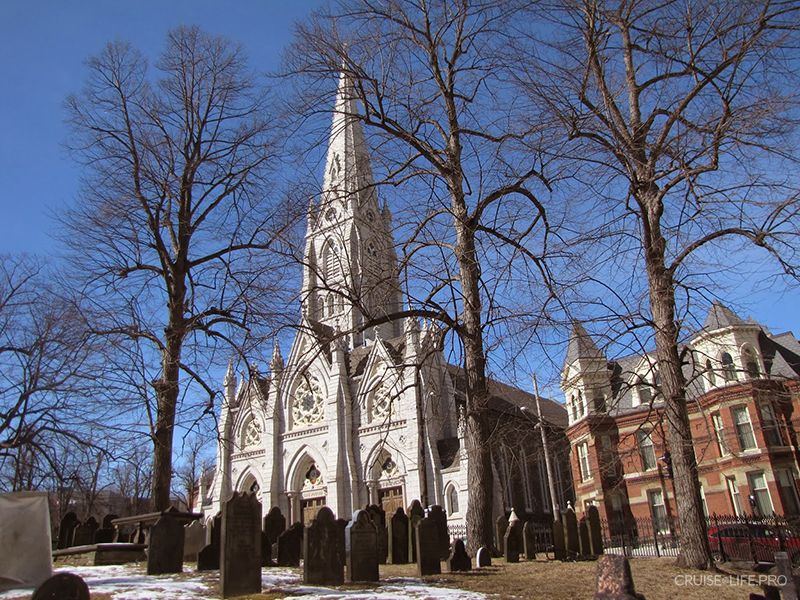
Until 1784, in some areas of Canada there was an official ban on the Catholic faith, which in some cases even involved criminal punishment. And only in the late 18th century was it lifted, allowing the construction of the first Catholic church in Halifax-the Cathedral of the Blessed Virgin Mary. The cathedral was built at the expense of a group of Irish Catholics. In 1829, the first religious service was held, and in 1843 a chapel of the Blessed Virgin Mary was added to the church. By then, the church had been completely rebuilt according to the design of architect Joseph Connolly in the Neo-Gothic style. Today, the cathedral is listed among Canada’s National Historic Landmarks.
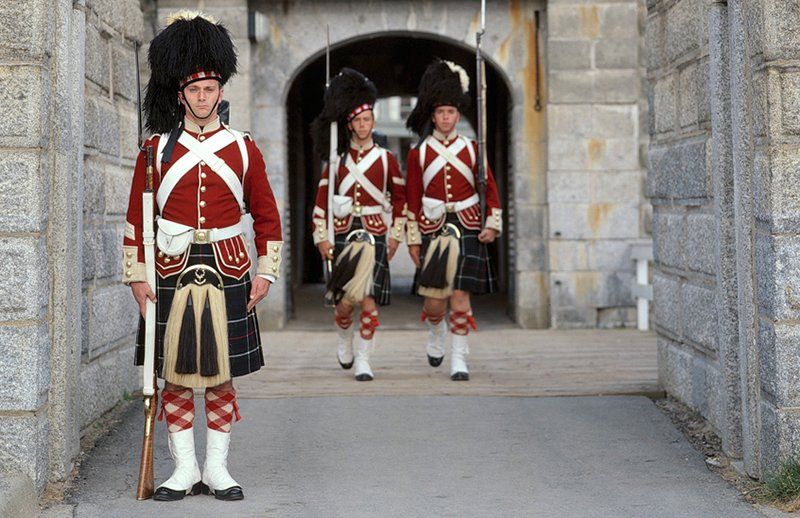
Fort George Fortress
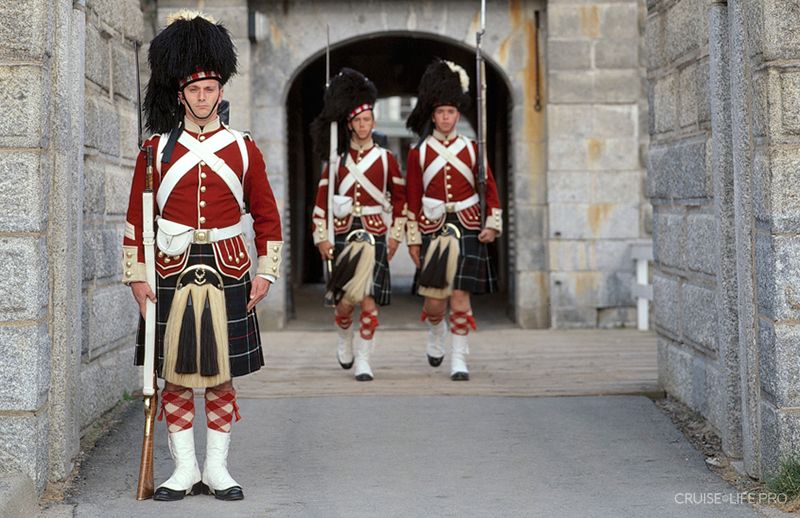
The city fortifications were created to protect the city’s residents from raids by French troops and Indigenous tribes. The fortress that has survived to this day is the fourth one on this site; construction began in 1828 and continued for almost thirty years. The fortress’s daily ceremonial cannon volley at noon became one of Halifax’s important and recognizable symbols. In addition, the fortress’s artillery plays an essential role in the city’s celebrations. On the fortress grounds, soldiers themselves and their families recreate life in the fort as it was in 1869. The fortress hosts exhibitions that tell of its role in the life of the city. There is also an army museum here, whose exhibitions feature a rare collection of weapons, medals, and military uniforms.
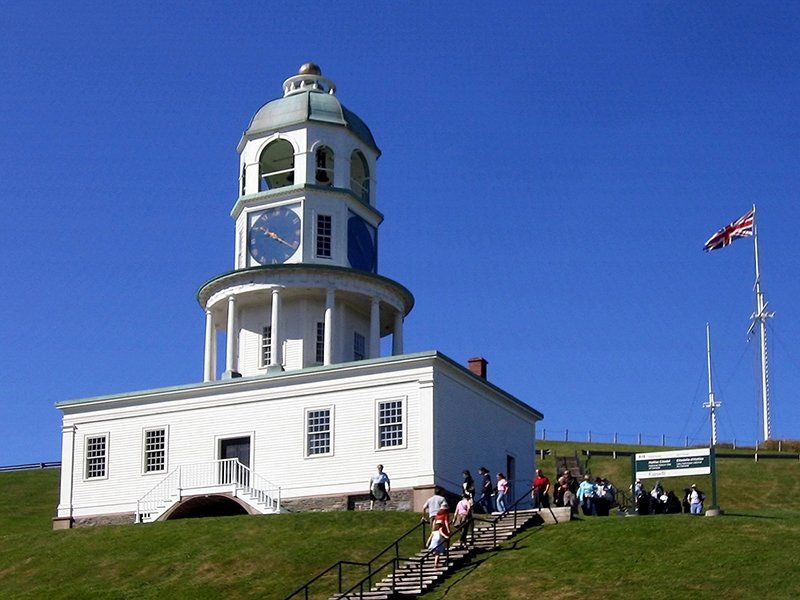
Clock Tower
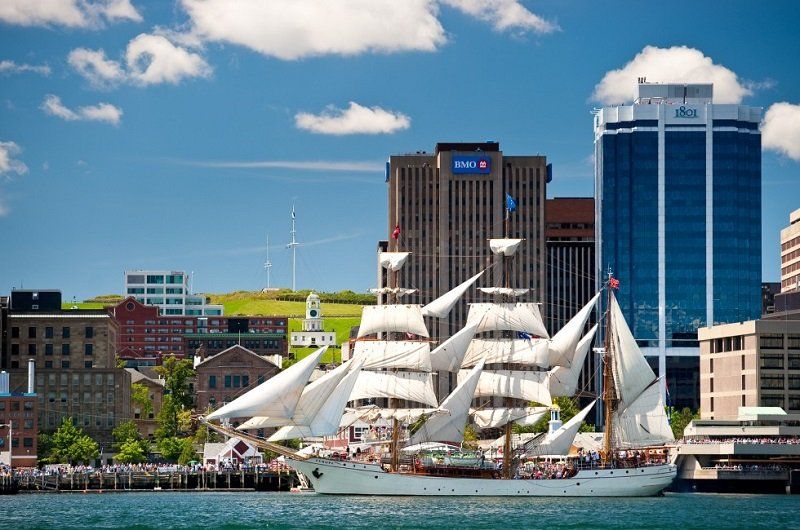
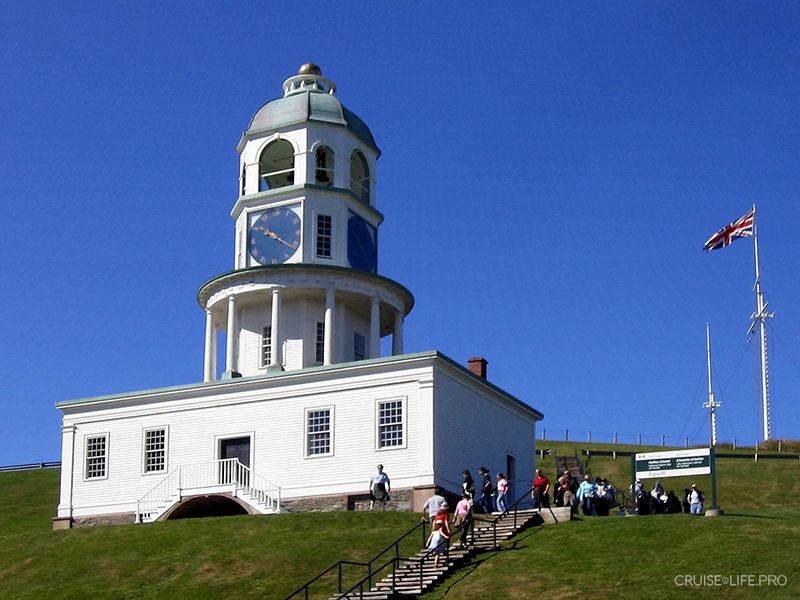
One of the most remarkable urban landmarks is the spotless White Clock Tower. The idea to place it here belonged to the British Prince Edward, Duke of Kent, who wished to leave a tower in the city as he set off back to England in 1800. The tower consists of three tiers, and the upper high section is shaped as an irregular octagon. It is mounted on a rectangular, sturdy first floor. The entire structure stands on the slope of Citadel Hill. The clock dials are marked with Roman numerals, and for aesthetic reasons the number 4 is shown there not as IV, but as IIII. The clockwork, made by famous British craftsmen, began keeping time in 1803, and in 1990 the tower was fully restored.