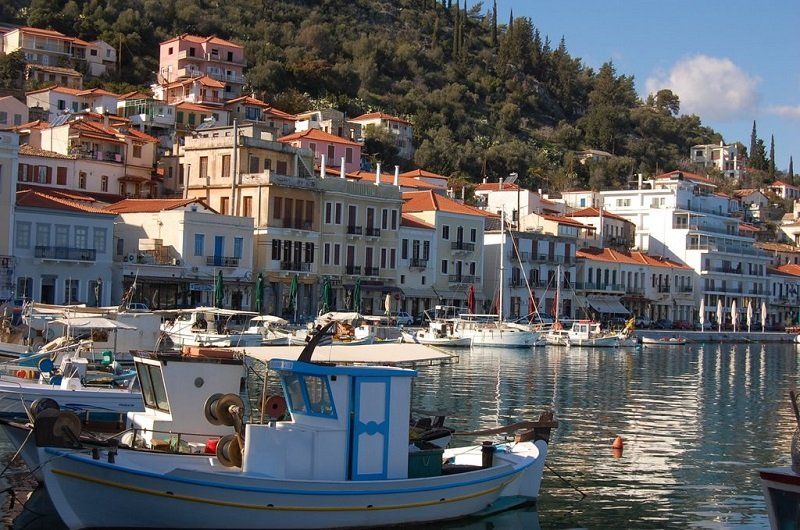
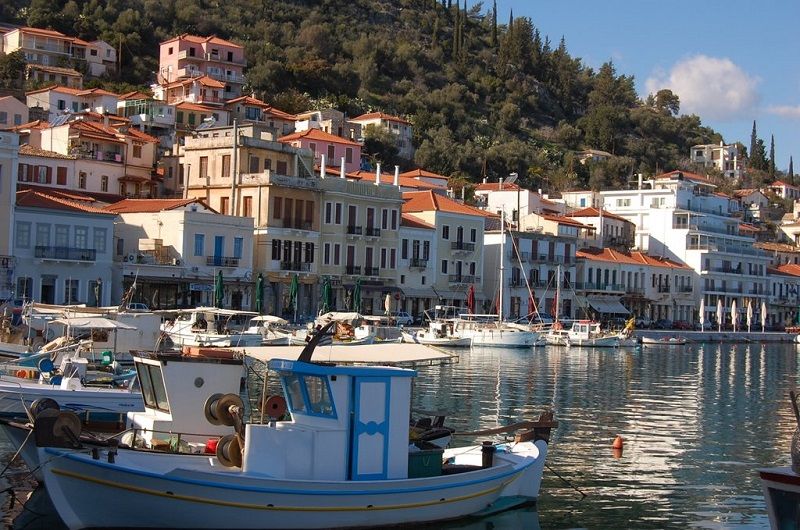
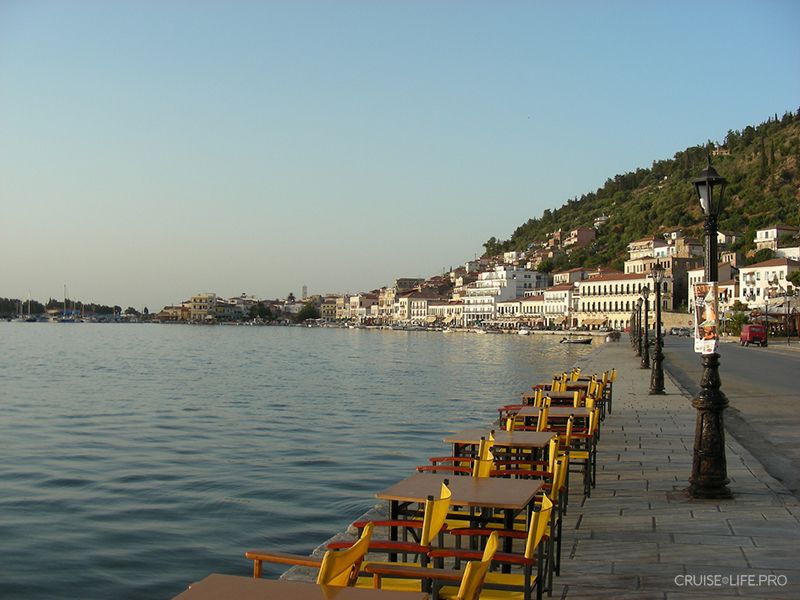
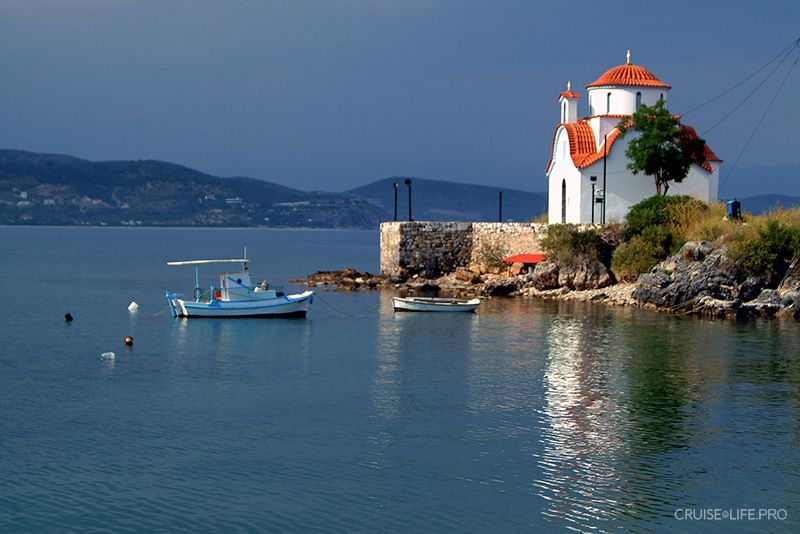
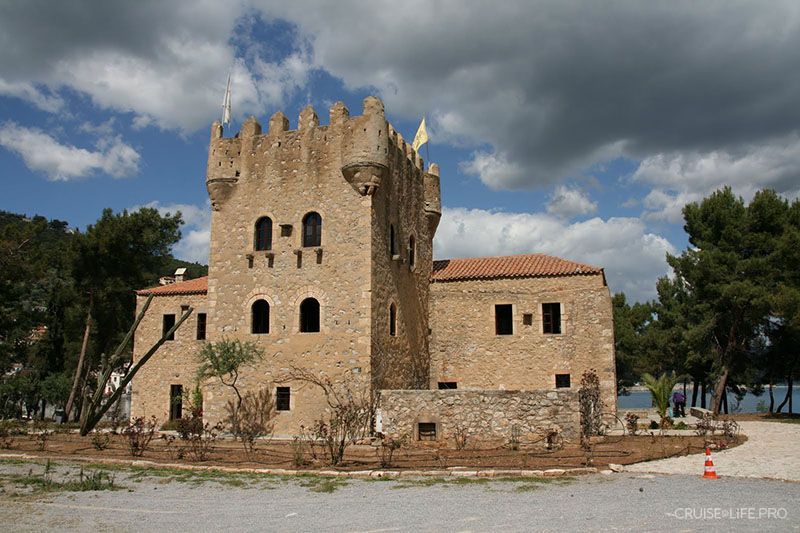
Gythio, Yitiyon - a town and former municipality in Greece in the Peloponnese periphery. After the 2011 administrative reform, it became a municipal unit and the seat of the Municipality of East Mani.
In ancient times, the town was the sea port of Sparta, located 40 km to the north of Gythio, until the 4th century AD, when, presumably, the town was destroyed by a strong earthquake.
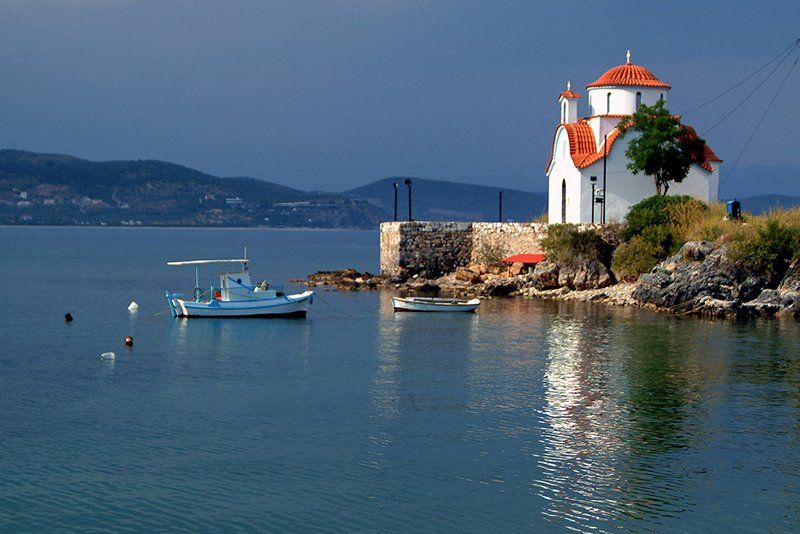
Gythio is located in the north-eastern part of the Mani peninsula and on the north-western coast of the Gulf of Laconikos. The town was built on a hill called Koumaros or Larissos in one of the most fertile areas of the peninsula near the mouth of the Gyphium River, which, as a rule, always dried up, hence the nickname “Xerias,” meaning “dry.” Today, the Hermou Avenue runs along most of the riverbed. Further to the north-east lies the delta of the Evrotas River. Off the coast of Gythio there are several small islands, the largest of which is Kranai, connected to the mainland by a causeway.
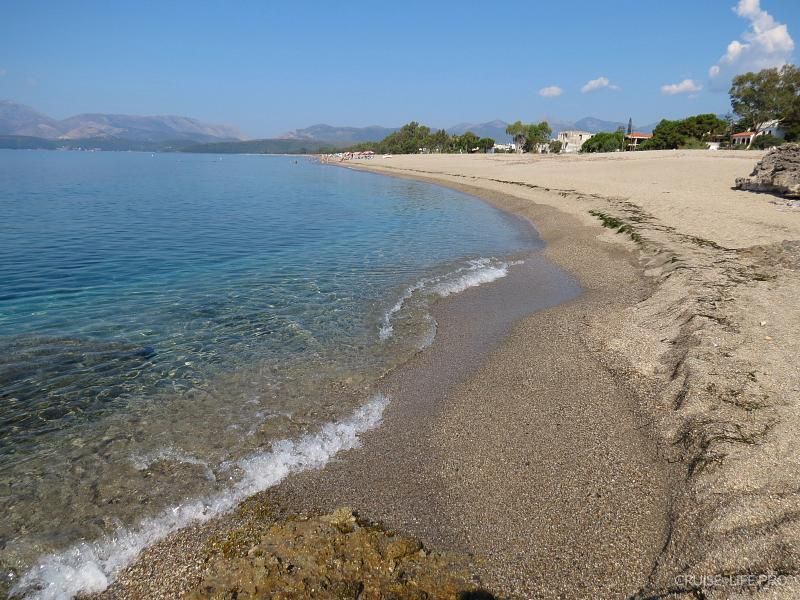
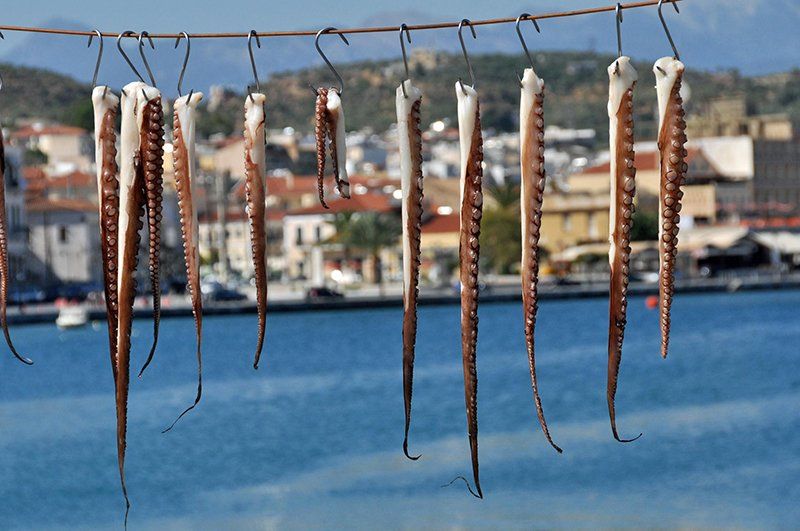
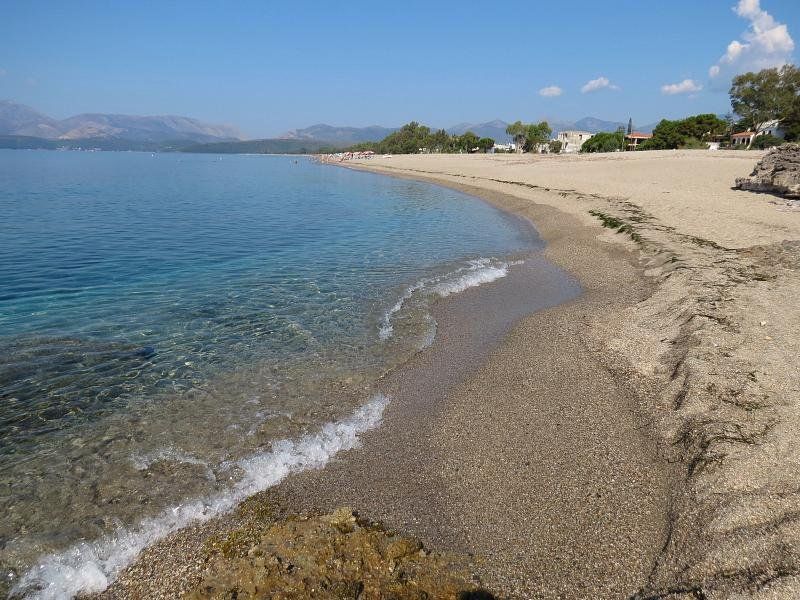
Locals call their little town the Land of the Gods: that is exactly what the name Gythio means. Here there is everything for a vacation to become unforgettable: warm waters of the Gulf of Laconia, the gentlest beach sand, wonderful views. It is one of Greece’s most popular tourist centers, and people come here not only for blissful beach relaxation and the long-awaited privacy. A calm, passive holiday can and should be combined with exploring precious antiquity artifacts, enjoying local wine and food.
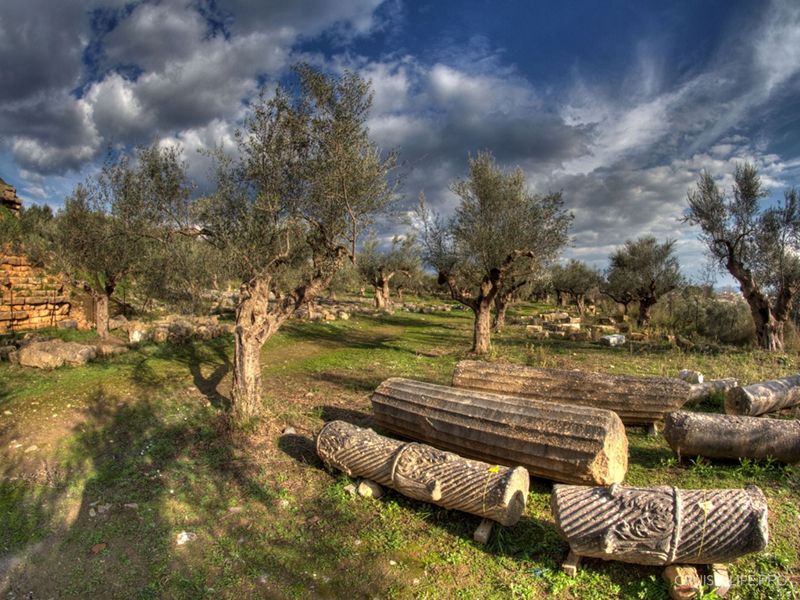
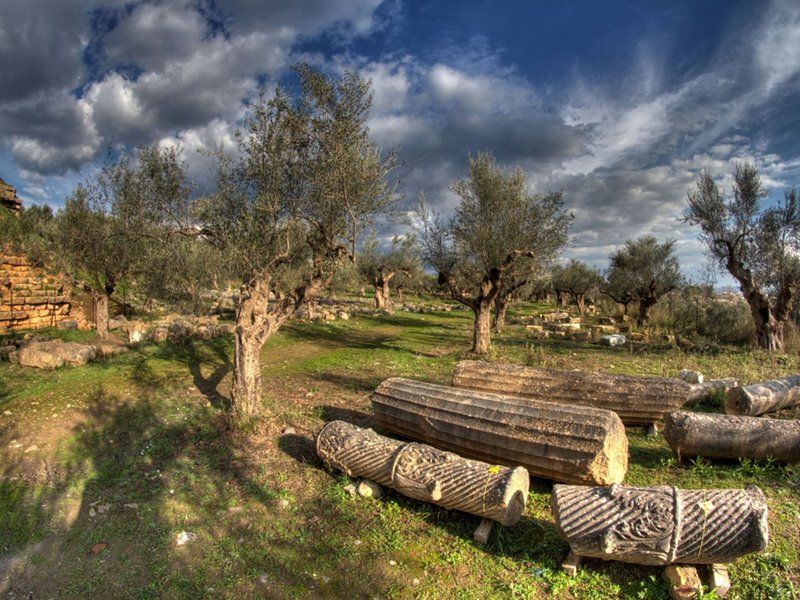
From Gythio, it is very convenient to go on an excursion to Ancient Sparta - the ruins of the ancient city located near modern Sparta. The modern city of Sparta was founded in 1834. It is the administrative center of the Laconia prefecture. Essentially, the local population is engaged in agriculture. Sparta is famous for its olives and the processing of citrus fruits.
Ancient Sparta was the most significant military power in Greece and played an important role in the history of the Peloponnese. Although the ancient Spartans were not particularly interested in philosophy and left us no written works, they entered history forever and earned respect for their valor, courage, and preservation of Greek values. The word “Spartan” has become a household name, synonymous with strict and harsh upbringing to which Spartan boys were subjected during the period when this city was competing with Athens, being one of the main Greek city-states.
ClimateThe climate is subtropical. The Peloponnese is the southernmost point of Greece. Winters are mild, with temperatures of +12…+13 degrees. Summers are pleasant, not too hot, refreshed by the trade winds. In summer, air temperatures are +30…+33 degrees, and sea water is +23…+27 degrees. A distinctive feature of the local climate is the large number of sunny days throughout the year.