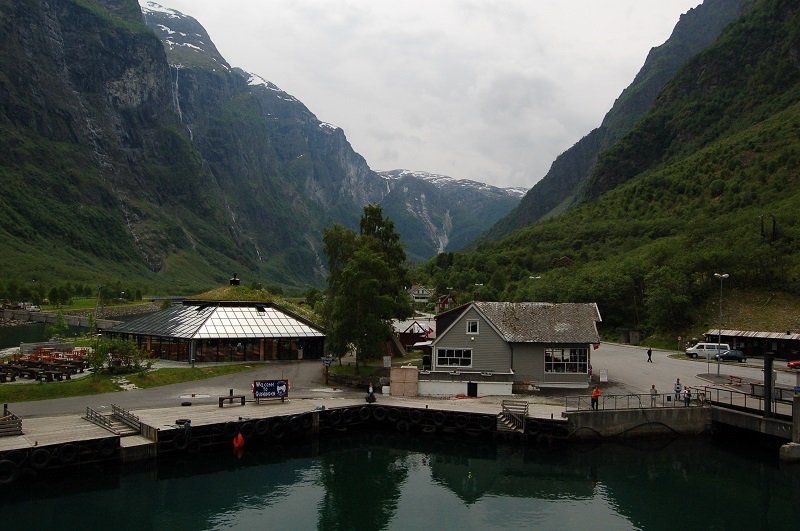
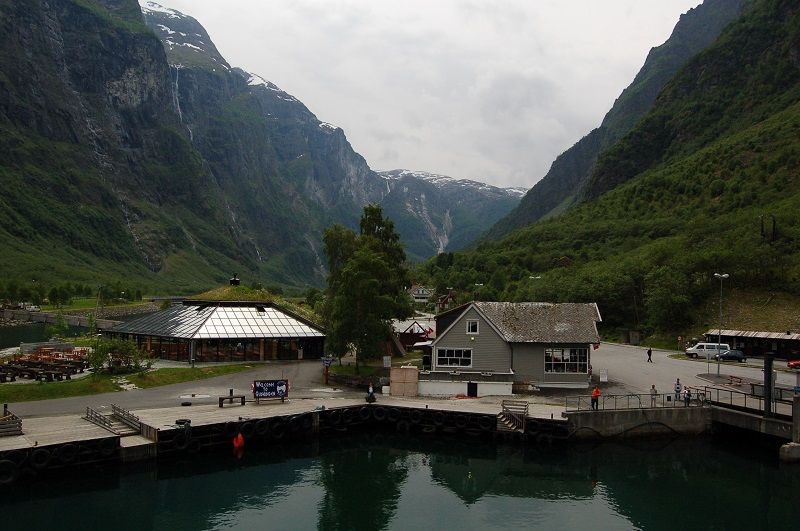
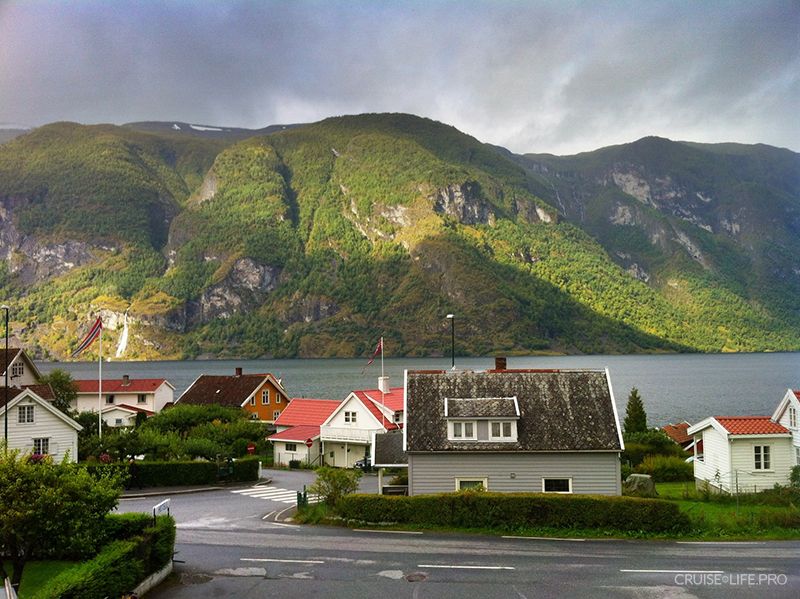
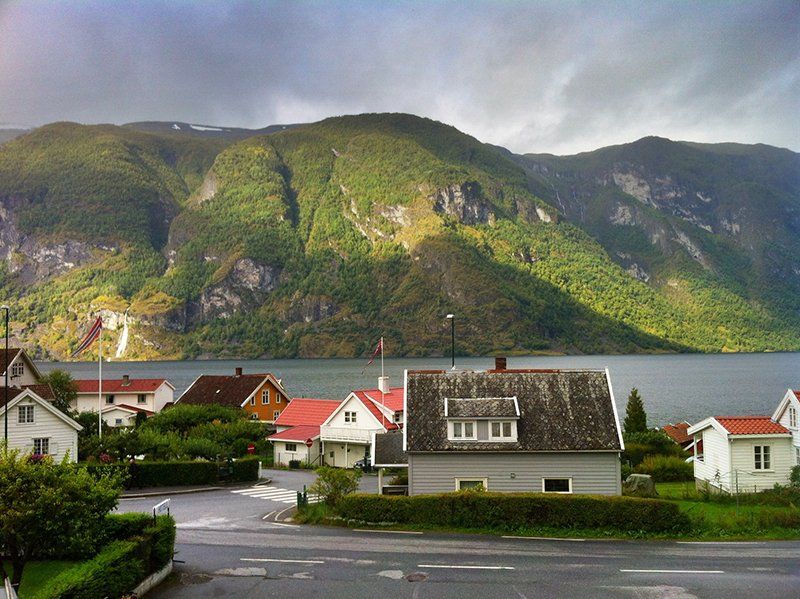
Gudvangen - a village in the municipality of Aurland in the county of Sogn-og-Fjordane,
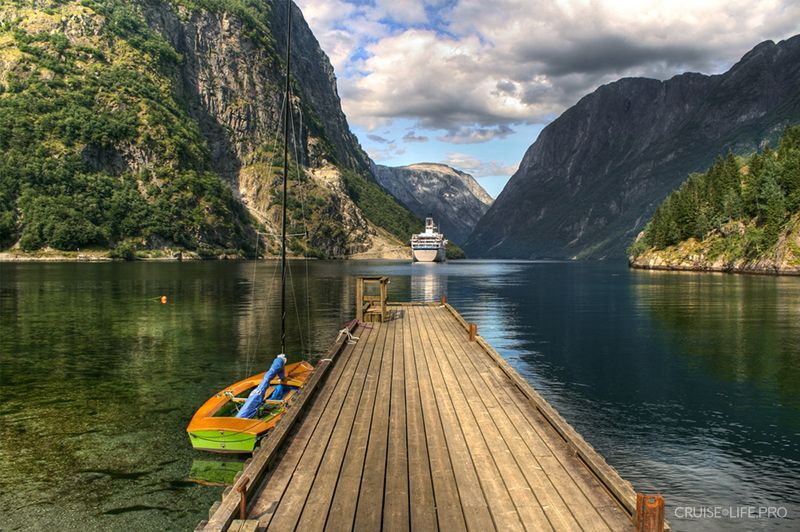
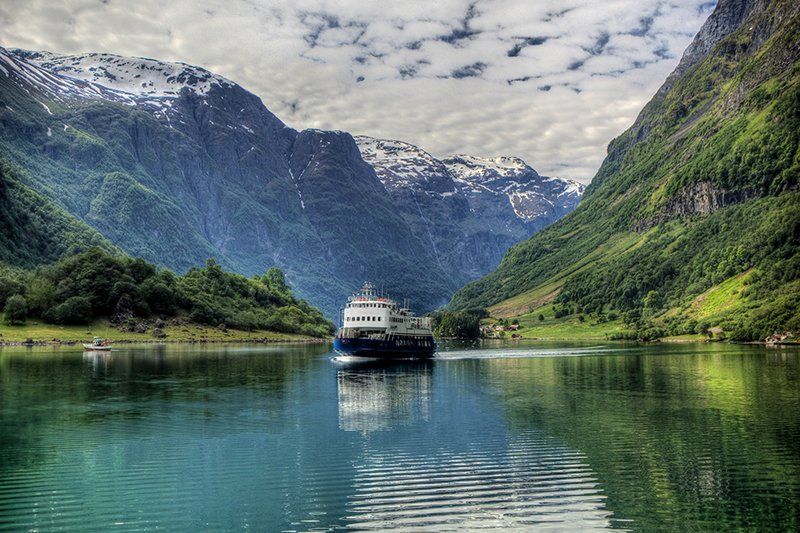
Norway. Gudvangen is located in one of Norway’s inland fjords -
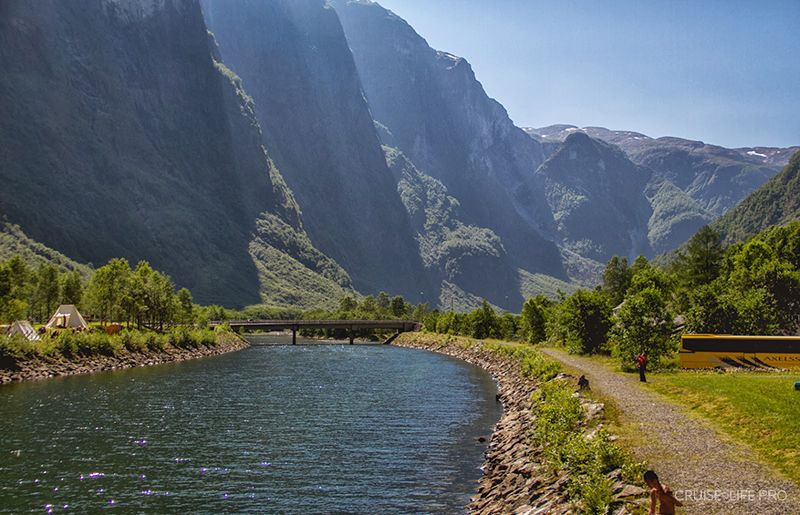
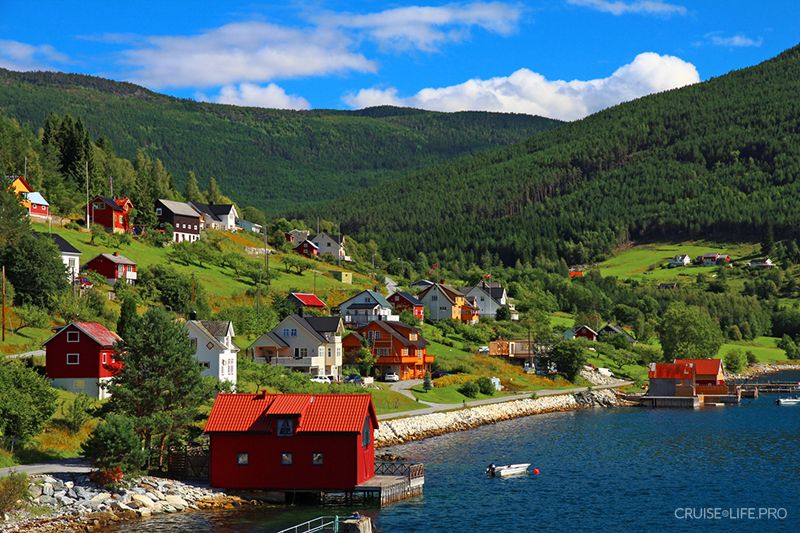
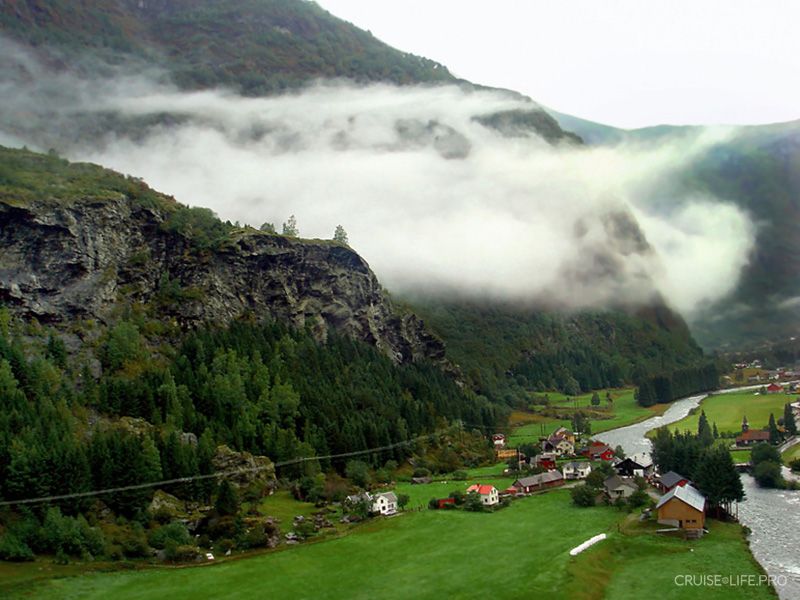
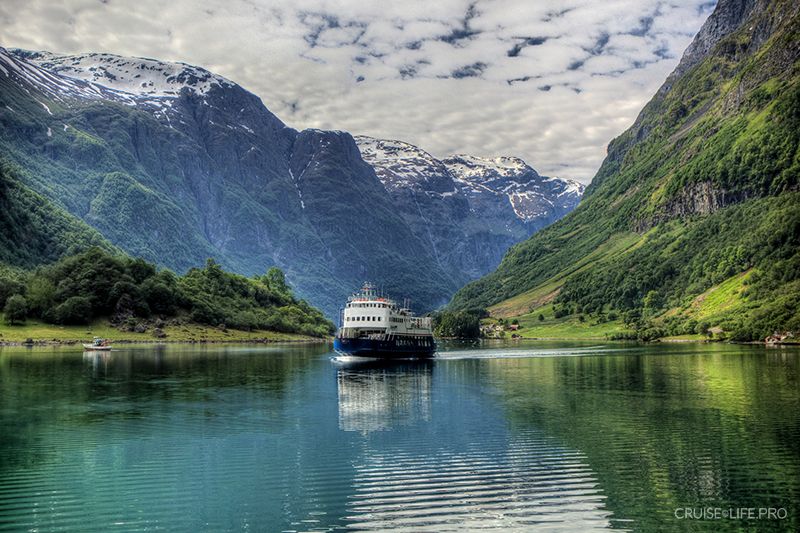
Nærøyfjord and is a popular tourist destination. The village is situated in a
narrow valley and is surrounded by steep, forest-covered cliffs.
The name Gudvangen in Old Norse sounded like Gudvangir. The first root gud means “god,” and the word vang(en) is still used in the sense of
“open space in front of the place of worship” (Aurlandsvangen and
Vossevangen). In Gudvangen, several sacred sites
existed since pre-Christian times.
Gudvangen’s tourist specialty is the Viking Age. In 1865
Gudvangen was connected by steamship service to Bergen, and that marked
the beginning of tourism in the village. In Gudvangen, there is a hotel with rooms
decorated in an old-fashioned style, and a souvenir shop with a wide selection
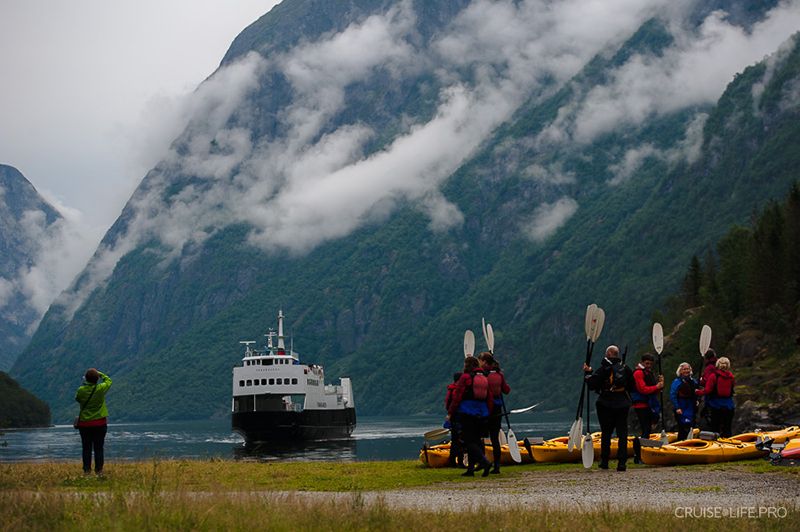
of themed items. In summer, you can reach Gudvangen by
cruise ship.
There is a ferry connection between Gudvangen, Kaupanger, Lærdal and
Flåm. There is Vegtunnelen Gudvanga, a tunnel that connects
Gudvangen with Undredal.
ClimateThe climate along all of Norway’s west coast differs significantly from
the inland areas of the country. The warm current of the Gulf Stream ensures a mild
winter for northern latitudes. Constant dampness is accompanied by wind,
which is especially fierce from September to December. Precipitation falls mainly
as snow in the north and often as rain in the south (Bergen).
Summer (from mid-June to end of August) is the best season for
walking around the fjords and mountains. During this time, the days are
very long, the sky is clear with sunshine, but the daytime warmth always
turns into evening coolness. However, it can still get quite
chilly at night. But winter here is much harsher
than on the coast. There are periods of severe frost, but the positive side is
the absence of winds. Snow lies from December to March. The bane of
Norwegian winter is constant gloom
and an overcast sky.