Glasgow, Greenock, Scotland

Port of call

Glasgow, Greenock, Scotland

Cruises to Northern Europe

Description — Glasgow, Greenock, Scotland

Glasgow is the largest city in Scotland and the fourth most populous in the United Kingdom (after London, Birmingham and Leeds). It is the administrative center of the Glasgow area. Located in the west of central Scotland, on the River Clyde, 32 km from its mouth.

Founded in the mid-6th century, in the Middle Ages Glasgow was considered one of Scotland’s important religious and educational centers. The industrial revolution of the 18th century turned it into one of the UK’s major industrial centers (especially shipbuilding), and in the following century the city’s economic boom reached such levels that, at the time, Glasgow was considered the second city of the Empire (after London). In the late 20th century, after the crisis it experienced in the 1920s-1970s, which led to a sharp decline in population and a drop in living standards, the Glasgow authorities successfully carried out a number of programs aimed at the cultural and economic revival of the city.

The largest city in Scotland is considered a center for the arts and a venue for numerous festivals. Here you can find the Glasgow Art Gallery and Kelvingrove Museum, two of Europe’s richest museums and galleries. The main attractions include St. Mungo’s Cathedral, the Hunterian Museum, as well as the Glasgow Botanic Garden and the zoo. The city has more than 30 art galleries and museums, including the famous “Burrell Collection” - one of the world’s largest private art collections - as well as the Gallery of Contemporary Art.

Climate

Being at the same latitude as Moscow, Glasgow has an oceanic climate with lots of precipitation. Seasonal variations are small, and amount to just over 10 °C. Summers are cold, damp and rainy, while winters are mild, also dominated by cloudy weather. In terms of how mild the winter is, it is roughly comparable to the South Coast of Crimea or the Black Sea coast of the Caucasus, while summer is only slightly warmer than in Murmansk or Norilsk.

Location on the map

Sights

St Mungo’s Cathedral

St Mungo’s Cathedral

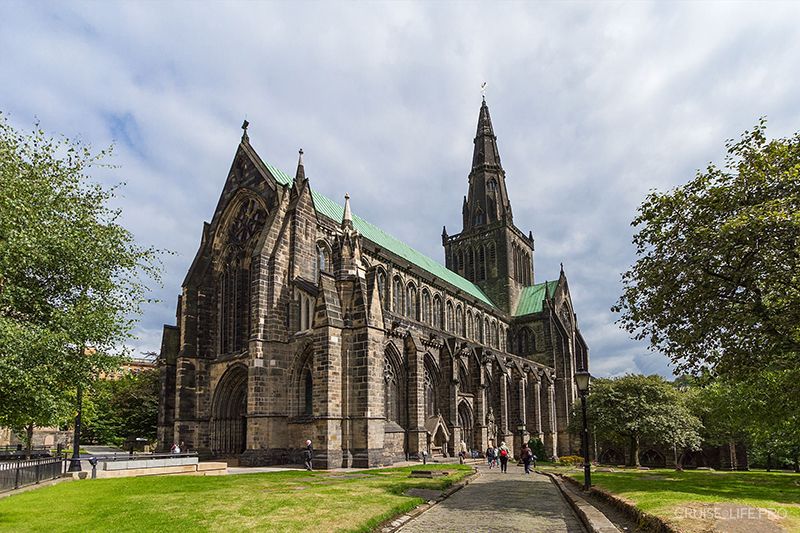
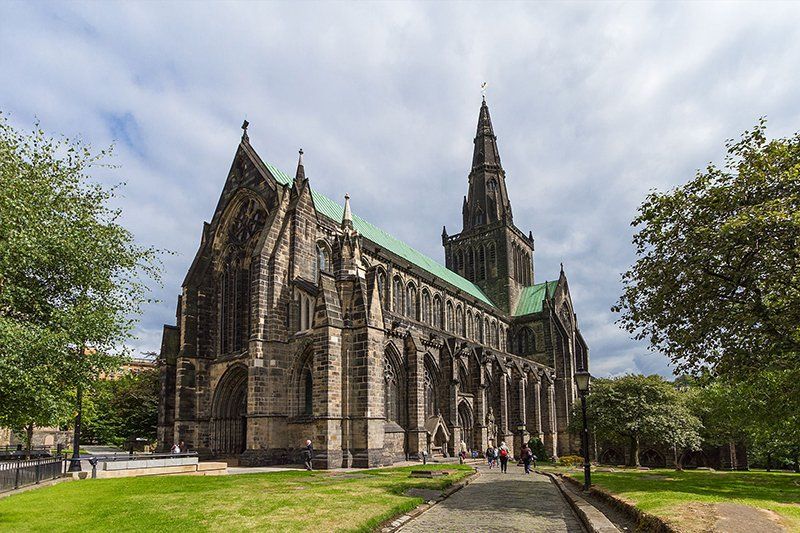
The cathedral has retained its appearance since the 13th century. It houses the residence of the Bishops of Glasgow. The first brick of the cathedral’s foundation was laid in 1136 on the site of the St. Mungo’s Chapel, who was considered the patron saint of the city. As a result, there came to be two churches-the “upper” and the “lower.” The lower church contains the tomb of St. Mungo, while in the upper part-the Necropolis-are buried members of Glasgow’s noble families. Inside St. Mungo’s Cathedral is the University of Glasgow-the oldest school in Scotland. It was founded in 1124 under the name “School of Choristers.” The cathedral is one of the most striking examples of Scottish Gothic architecture. On the ancient wooden roof stand 500-year-old statues depicting the seven deadly sins.
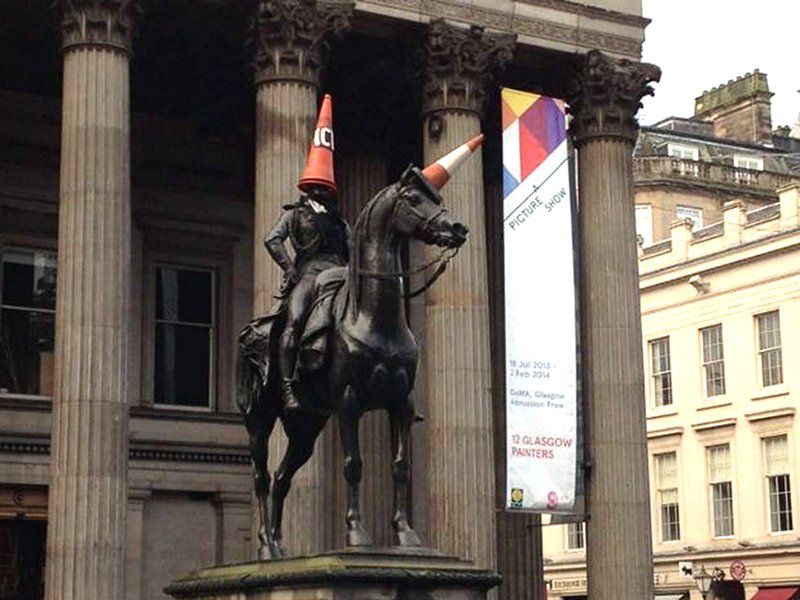
Statue of the Duke of Wellington

Statue of the Duke of Wellington

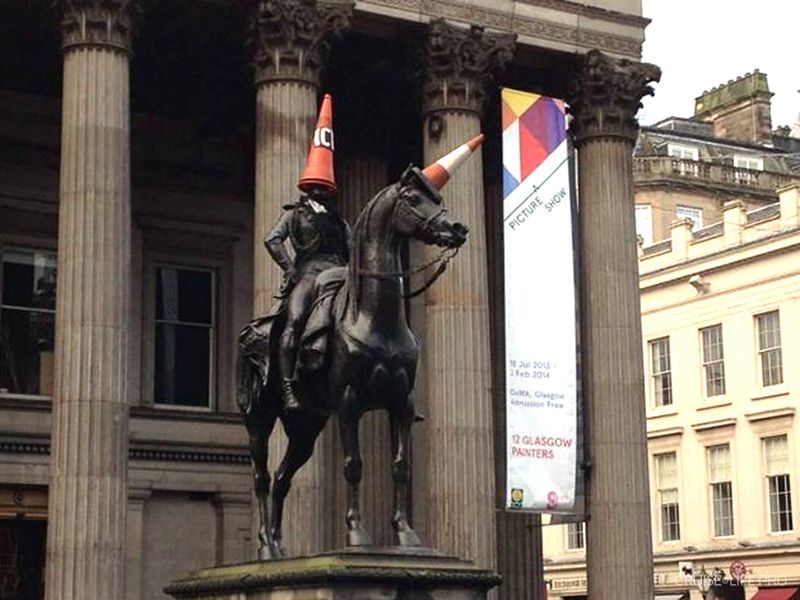
The Duke sits astride a horse in front of the entrance to the Gallery of Modern Art in Glasgow, and he is almost never seen without a traffic cone on his head as an additional piece of headwear. It all began in the 1980s, when local hooligans put a traffic cone on the Duke of Wellington’s head. The authorities removed it, but the cone appeared on the monument’s crown again. The story repeated itself several times, and the authorities had to accept it: now the striped headgear is on the Duke’s head on a permanent basis.
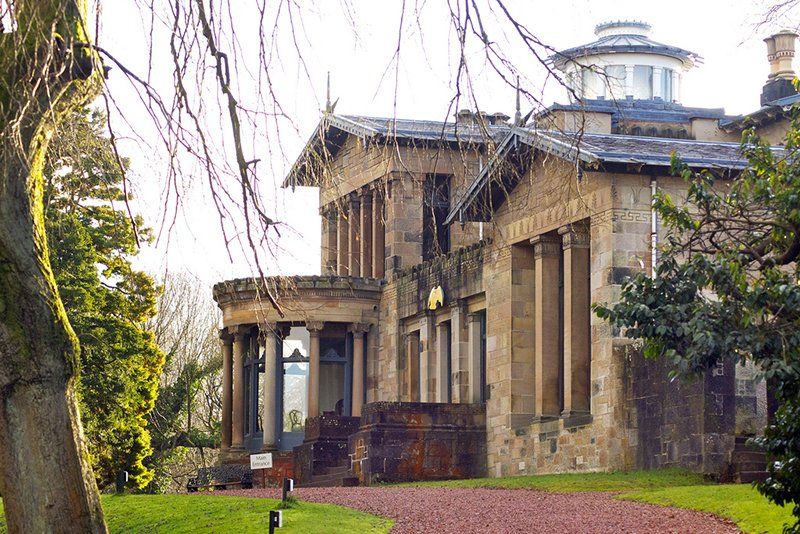
Holmwood House

Holmwood House

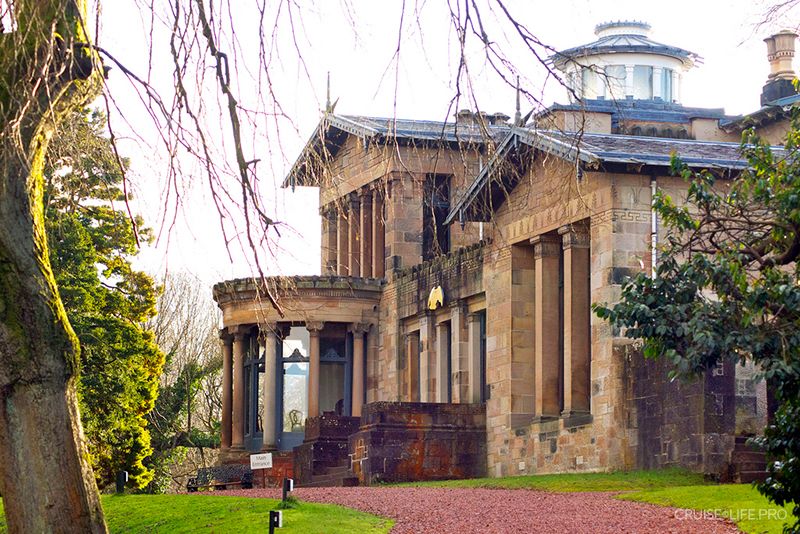
Holmwood House is a residential villa with an unusual architectural design, built in 1857-1858 by the famous Scottish architect Alexander “Greek” Thomson. He also designed the striking polychromatic décor. In the dining room, this decoration is best expressed in the form of frieze panels on the theme of Homer’s Iliad. Between the First and Second World Wars, the mansion changed hands several times and underwent various modifications. But the truly irreparable damage to Holmwood House was done by the nuns from the Mission of Our Lady. They covered almost the entire interior décor of the mansion with a thick layer of paint. In 1990, the building was on the verge of destruction, but it was purchased by the National Trust for Scotland, restored, and is now open to visitors.
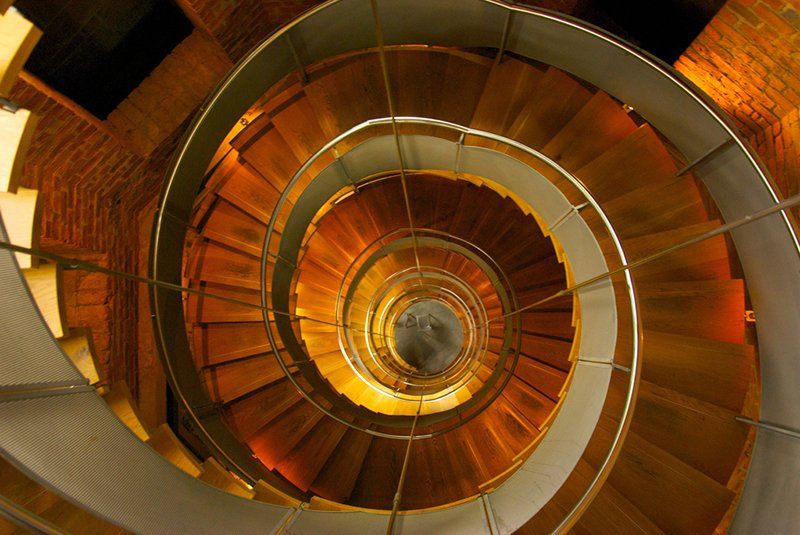
Lighthouse

Lighthouse

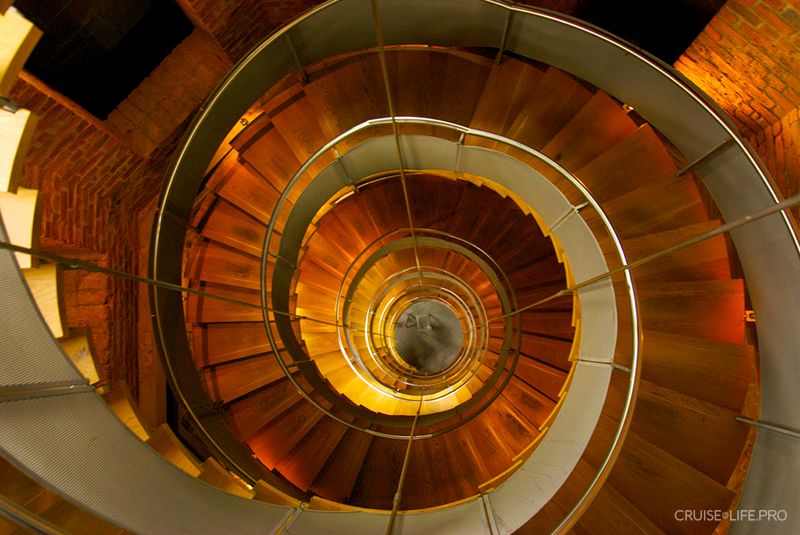
One of Glasgow’s most popular attractions is its Lighthouse-a beautiful Baroque structure built in 1895 to the design of the well-known architect Charles Rennie Mackintosh. Tall, solitary, a little sad, yet incredibly beautiful, it features four luxurious galleries, a small craft center, and a café. Inside the lighthouse there is a spiral staircase leading up to the top, where there is an observation deck. Outside, the building is adorned with stucco details and decorative murals. The warm yellowish shade of the exterior finish gives the structure a special sense of comfort and harmony. Inside, the lighthouse is equipped in a very modern way.
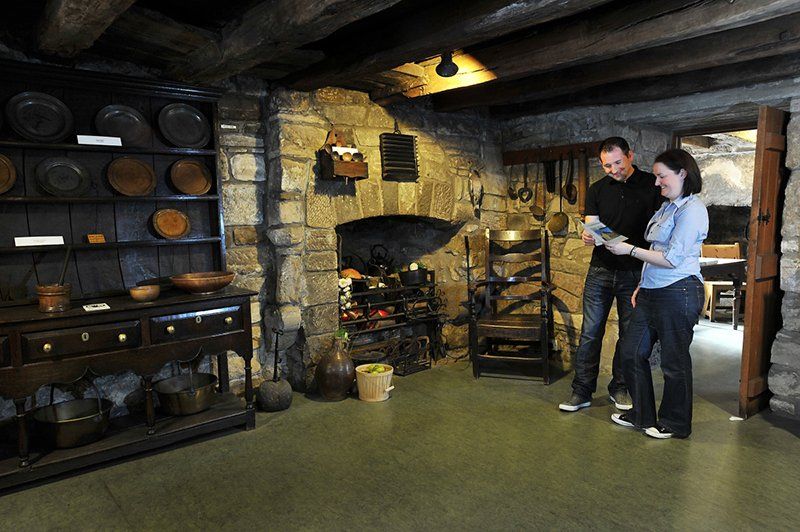
Provan’s Lordship Mansion

Provan’s Lordship Mansion

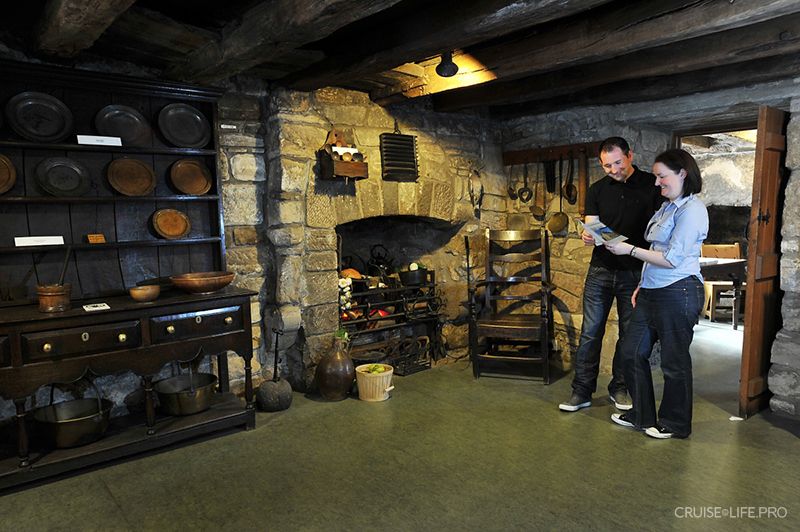
Provand's Lordship is the oldest building in Glasgow, excellently preserved to this day. It was built in 1471. Originally, it housed the residence of the pastor-a clergyman at St Nicholas Hospital. It gained its popularity because, in 1566, Mary, Queen of Scots, stayed here when she came to Glasgow to visit her husband, Lord Darnley, and persuade him to return to Edinburgh. Today, this historic stone house with dark wooden furnishings, low arched ceilings, and, by medieval standards, richly appointed interiors is home to a museum. Its highlight is the well-preserved interior decoration in the Scottish style. Externally, the building resembles a medieval castle, with massive walls and small rectangular windows.
What to see

Science Center and Planetarium

Science Center and Planetarium

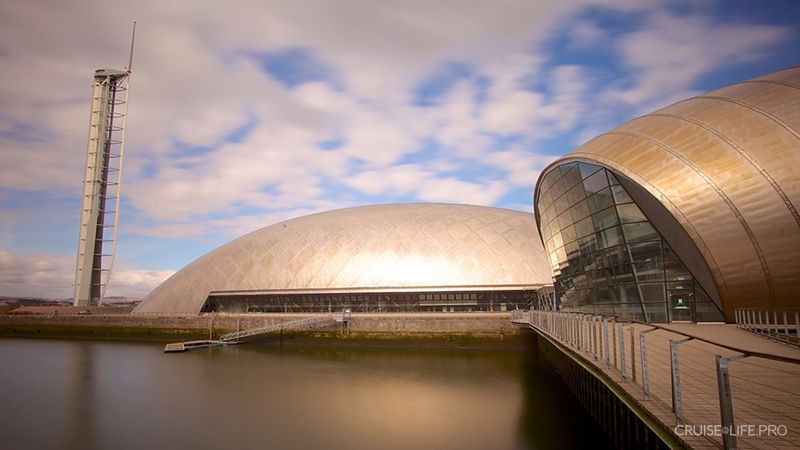
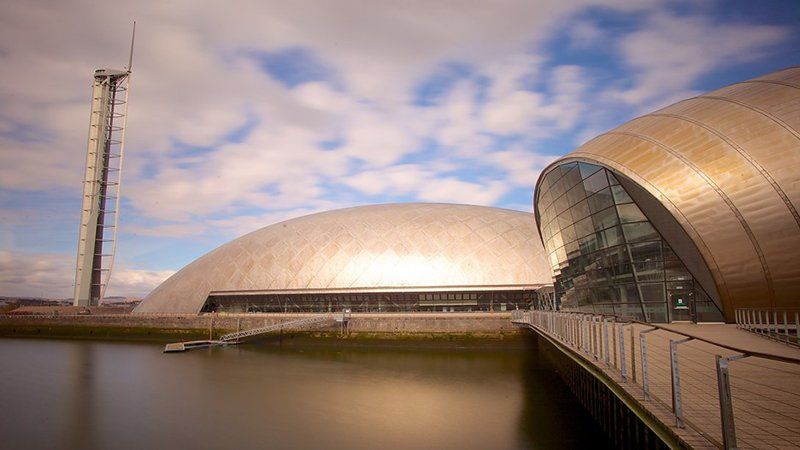
The Science Centre in Glasgow is one of the most technologically equipped in the country. The centre is open to the general public and offers a variety of educational programs for adults and children. Here you can find 250! exhibits, with which you can perform incredible experiments; there is a dedicated laboratory and a multimedia centre with a huge IMAX theatre, where science-popular films about life on our planet are shown. One of the most popular places in the centre is the Planetarium, which is considered the best in all of the United Kingdom. People come here specifically to see the stars as astronauts see them from the windows of the ISS. The Star Theatre dome lets you view 9000 stars. Its projector is one of the best in the world - Carl Zeiss Starmaster ZMP-TD.

Kelvingrove Museum

Kelvingrove Museum

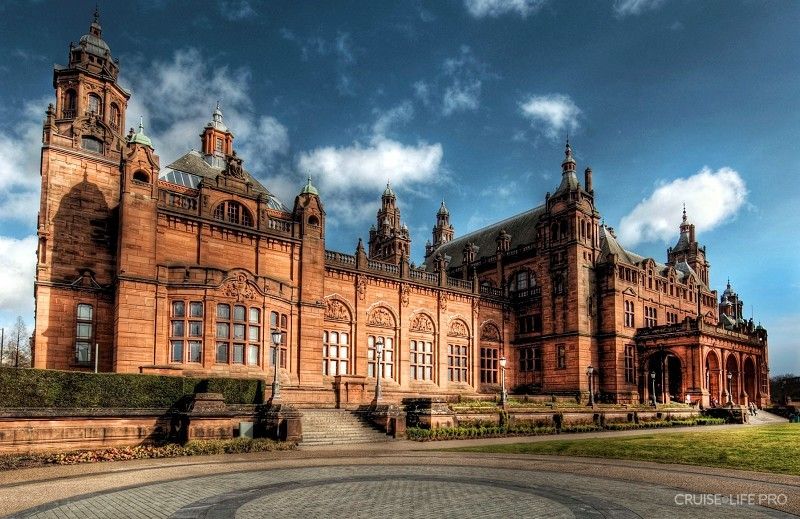
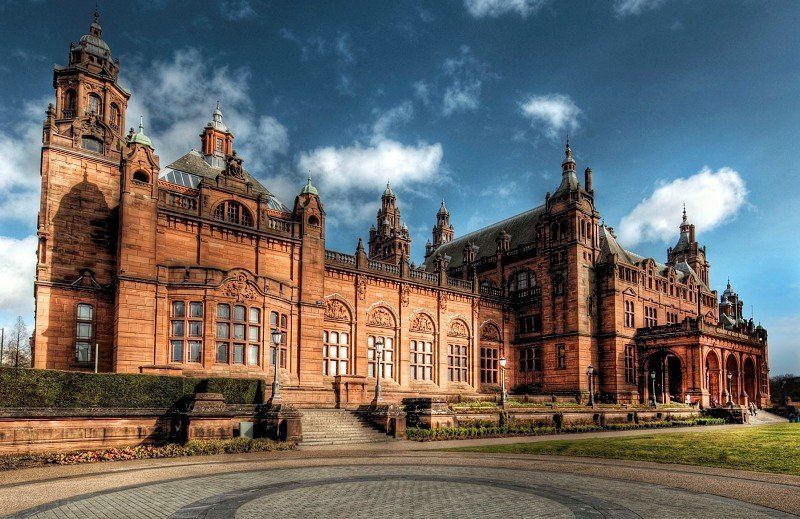
This is the most popular museum in Scotland and one of the most popular museums in the United Kingdom. Here you can see a collection of skeletons of prehistoric animals, a collection of sculptures, furniture, drawings, a collection of Ancient Egyptian art objects, and a collection of armor and weapons. The museum building looks more like a palace and is designed in Spanish Baroque style. The museum also features works by Rubens, Rembrandt, Botticelli, Jacob van Ruisdael, Degas, Giovanni Bellini, Titian, Picasso, Van Gogh, Dalí, Monet, Rossetti, Pissarro, as well as paintings by Scottish artists. Today, the museum is equipped with many interactive exhibits designed for children as well. There is a café in the museum building.

Merchant City area

Merchant City area

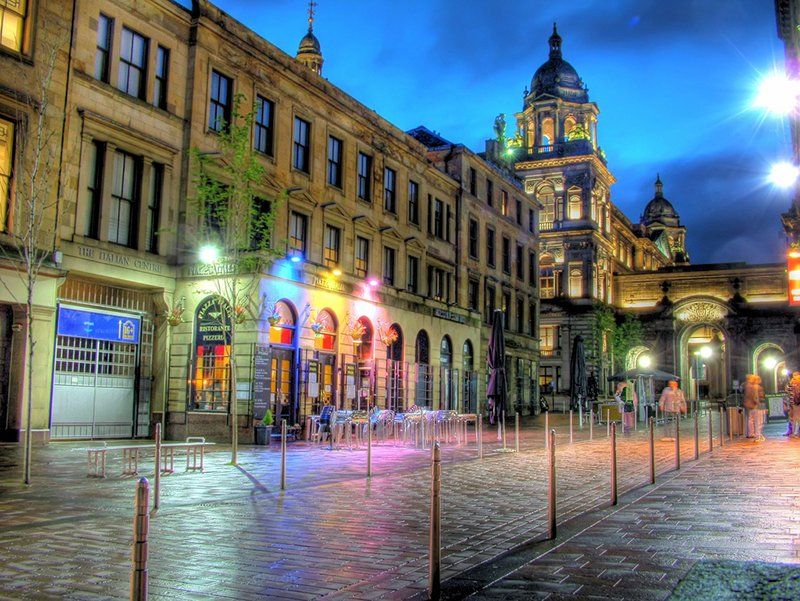
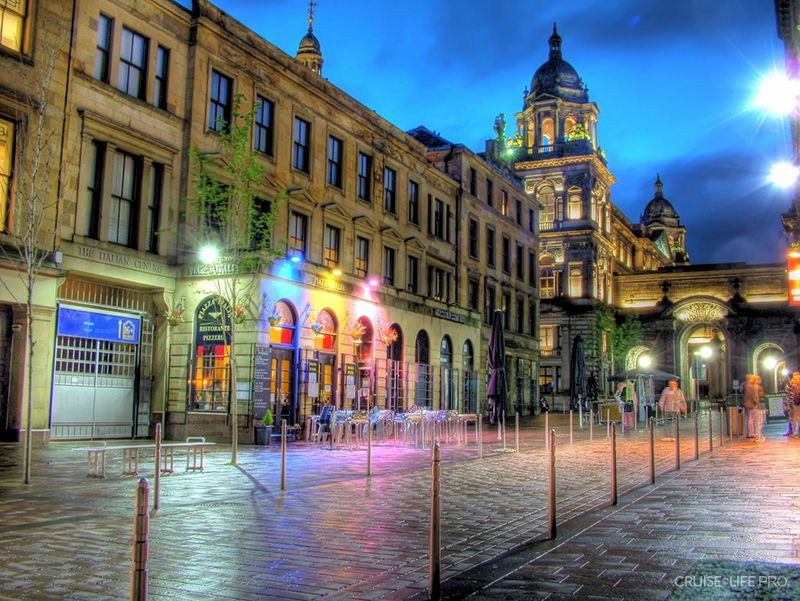
Merchant City is located in the east of Glasgow and is widely known for its historic attractions, including the Glasgow Cross-a meeting point of five main streets in the district. In the 18th-19th centuries, many wealthy merchants settled in Merchant City, having amassed fortunes through the trade in sugar, tobacco, and other products. The economic crisis ruined many buildings, which began to be restored only in 1980. Today, large trading warehouses and beautiful neoclassical mansions once owned by merchants house boutiques, cafes, and restaurants. The district’s main attraction is the Glasgow Cross, at the center of which stands the only surviving remnant of the Old Town-the Tolbooth Tower.

Buchanan Street

Buchanan Street

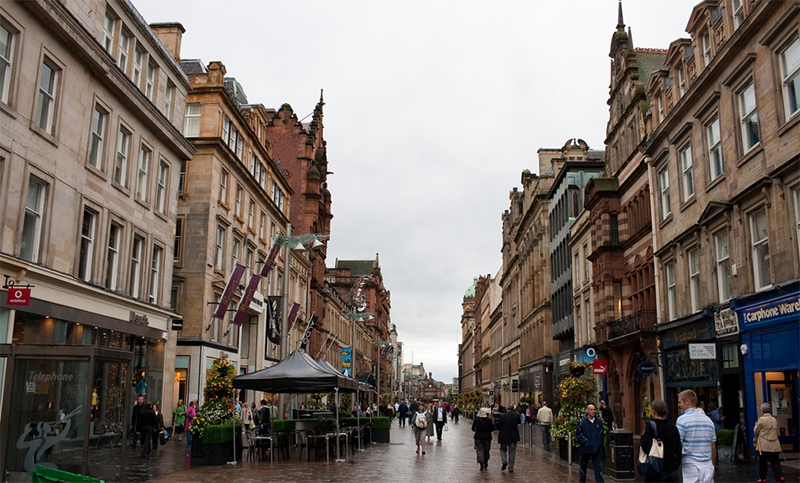
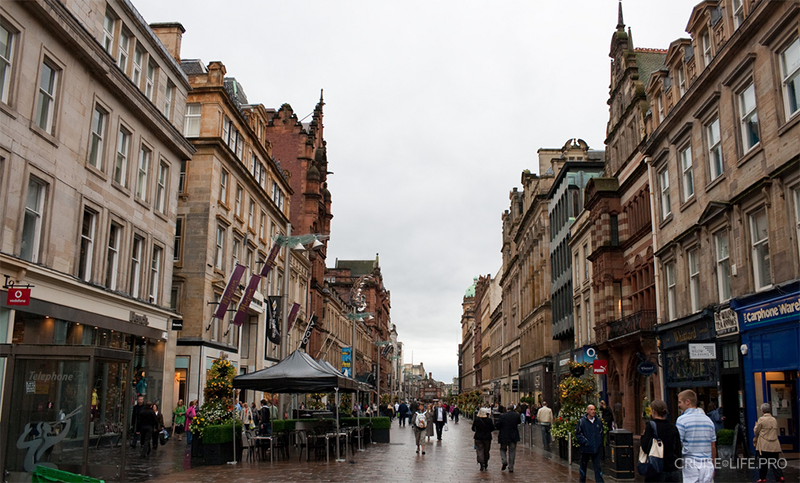
Buchanan Street is one of Glasgow’s main shopping streets. Along it, there are many shops offering well-known brands. The street was created in early 1777 on land belonging to the wealthy “Tobacco Lord” Andrew Buchanan, after whom it was named. It should be noted that Buchanan Street is known for its Victorian-era architecture. Nearby are the Stock Exchange Building and the Royal Palace, where the Contemporary Art Gallery is located today. In the northern part of the street there is the Buchanan Gallery. Rent on Buchanan Street can reach 250 pounds sterling per square foot, making it the sixth most expensive street in the United Kingdom.

Waxy O'Connors Pub

Waxy O'Connors Pub

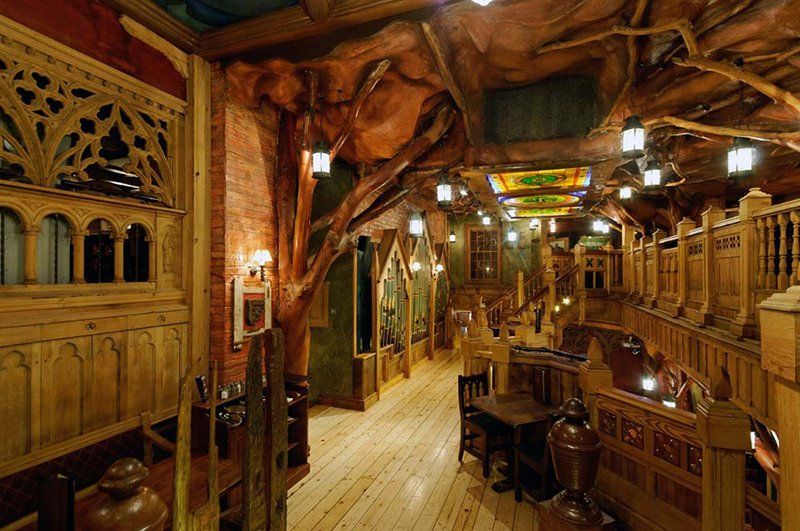
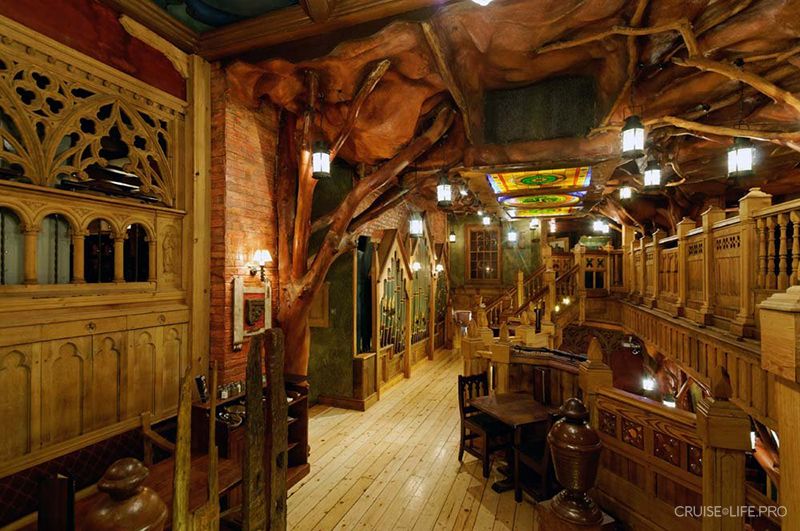
Waxy O'Connors Pub in Glasgow is an old Irish pub and bar, opened in 1788. It is located in a historic 18th-century building shrouded in mysteries and legends. The structure of Waxy O'Connors is somewhat different from other pubs: it includes several separate bars. The warm interior is filled with carved wooden furniture. A glass ceiling featuring bright stained-glass compositions reflects a medieval atmosphere. The pub’s menu includes 20 varieties of cold beer and traditional Irish dishes. Plasma screens are installed in the halls for watching popular sporting events. Waxy O'Connors Pub is a lively and fun place, ideal for hosting family and corporate celebrations.

Botanical Gardens of Glasgow

Botanical Gardens of Glasgow

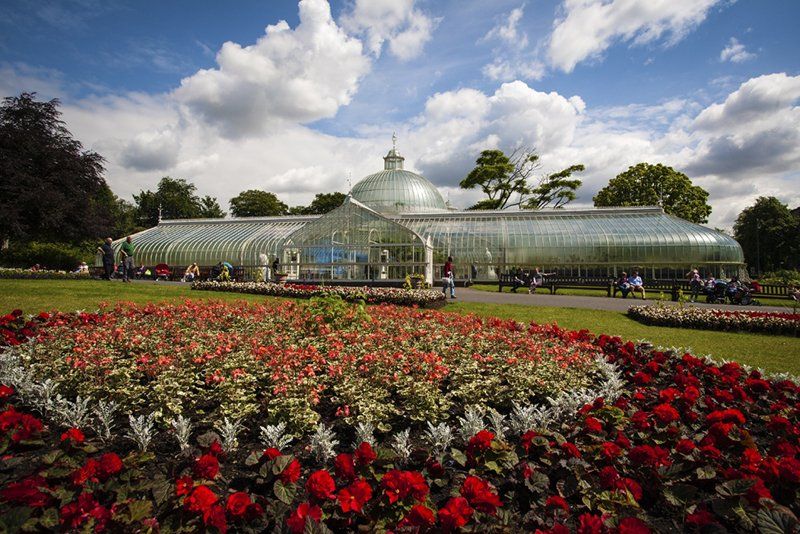
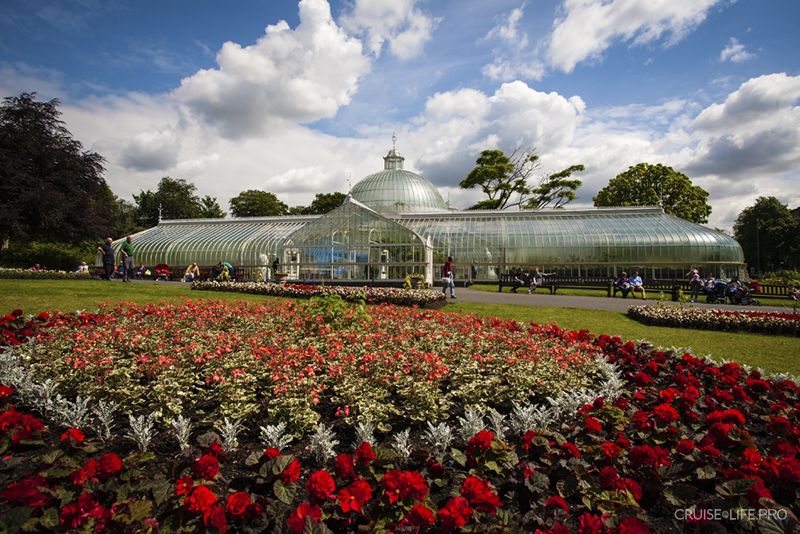
Glasgow Botanical Gardens are renowned worldwide for their impressive glasshouses and an extensive collection of plants from around the globe. Founded in 1817, they include an arboretum and a public park with an amazing landscaped design. The glasshouses are home to Australian ferns, tropical orchids, begonias, and other exotic plants. The entire garden is filled with the fragrance of countless flowers. Here, you can wander through the garden, admiring old, majestic trees. During an exciting river walk along the River Kelvin, visitors can enjoy the picturesque scenery of the surrounding natural landscape. The Botanical Gardens are a popular tourist attraction and provide the perfect backdrop for photos.

Recommended excursions

Glasgow Sightseeing Tour

Glasgow Sightseeing Tour

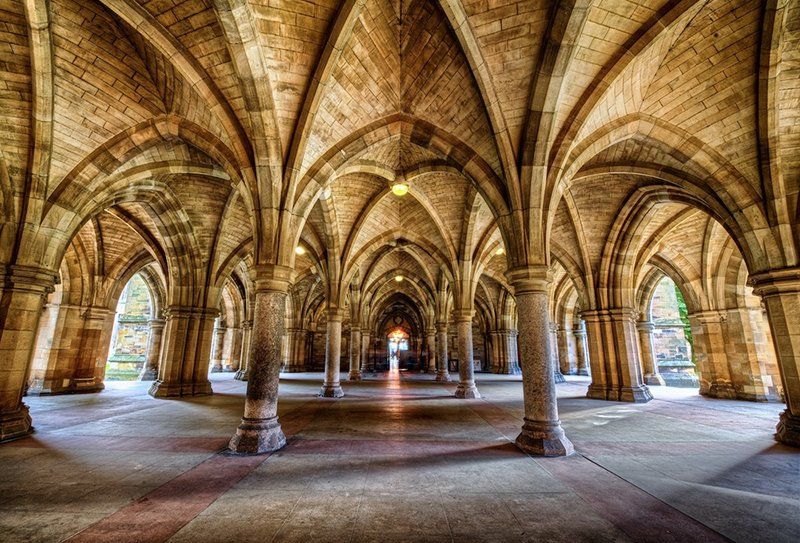
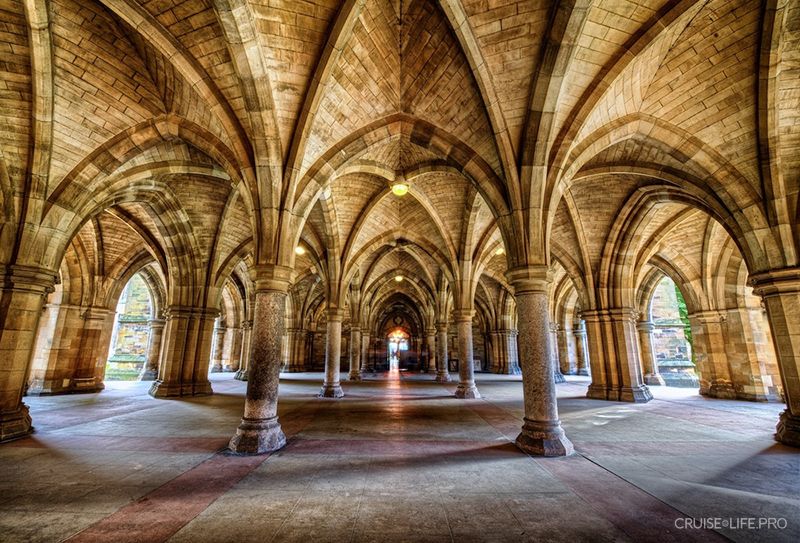
The excursion starts at the central square of Glasgow, King George Square, a very beautiful and romantic place. After that, tourists visit the picturesque part of the city, the New Town, where they can see the buildings by Scottish architect Charles Rennie Mackintosh, as well as the luxurious University of Glasgow, built in the 1870s. If you wish, it is possible to visit the Kelvingrove gallery and museum, parks and port districts with modern buildings, and the Transport Museum with its famous collection by William Burrell.

You can view a more detailed list of excursions and their prices after booking your cruise in your «Client Personal Account».