St. Lawrence Cathedral
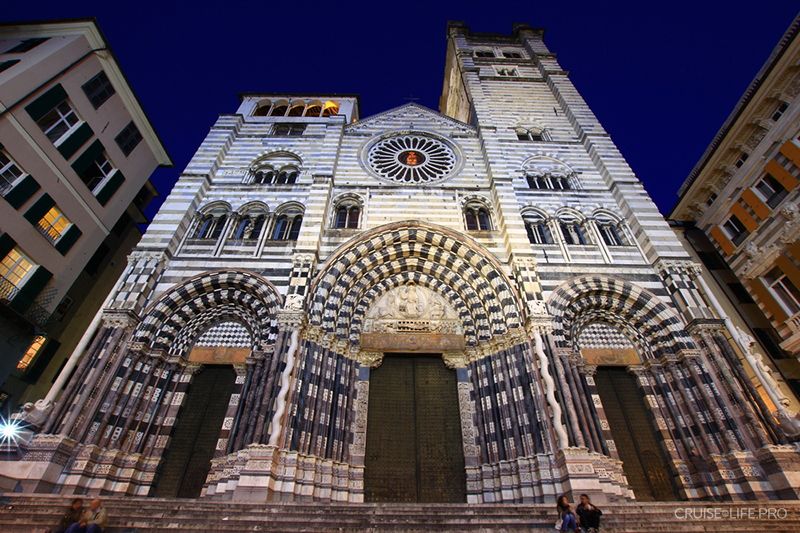
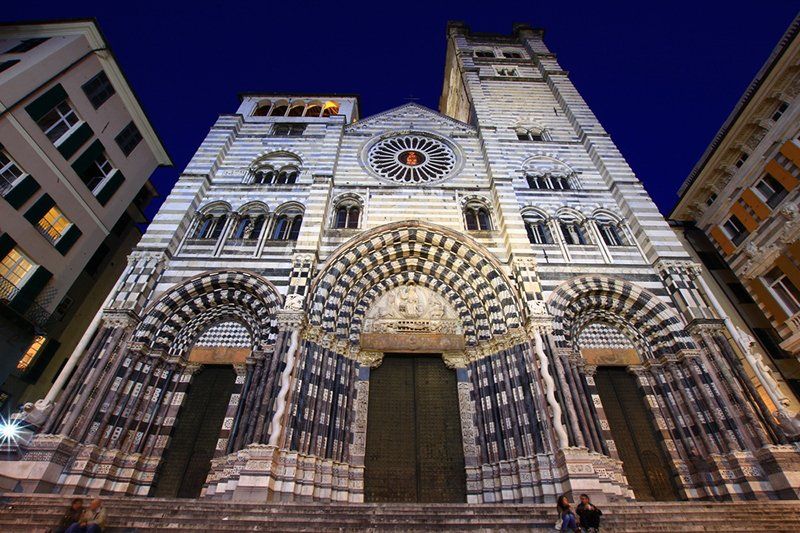
This majestic building seems like a remarkable optical illusion thanks to the black-and-white striped façade, made of marble-an impressive sight even by Italian standards. The ancient Gothic cathedral was consecrated in the early 12th century, while its two bell towers and domes were added only in the 16th century. Inside the cathedral, above the main entrance, there is a lunette featuring scenes of the Last Judgment-a work by an unknown Byzantine artist from the early 14th century. In 1941, it miraculously survived when a British bomb hit the building but failed to detonate. San Lorenzo Cathedral is located on the Old Town’s namesake square. It is open daily from 9:00 to 12:30 and from 15:30 to 19:00.
Ferrari Square
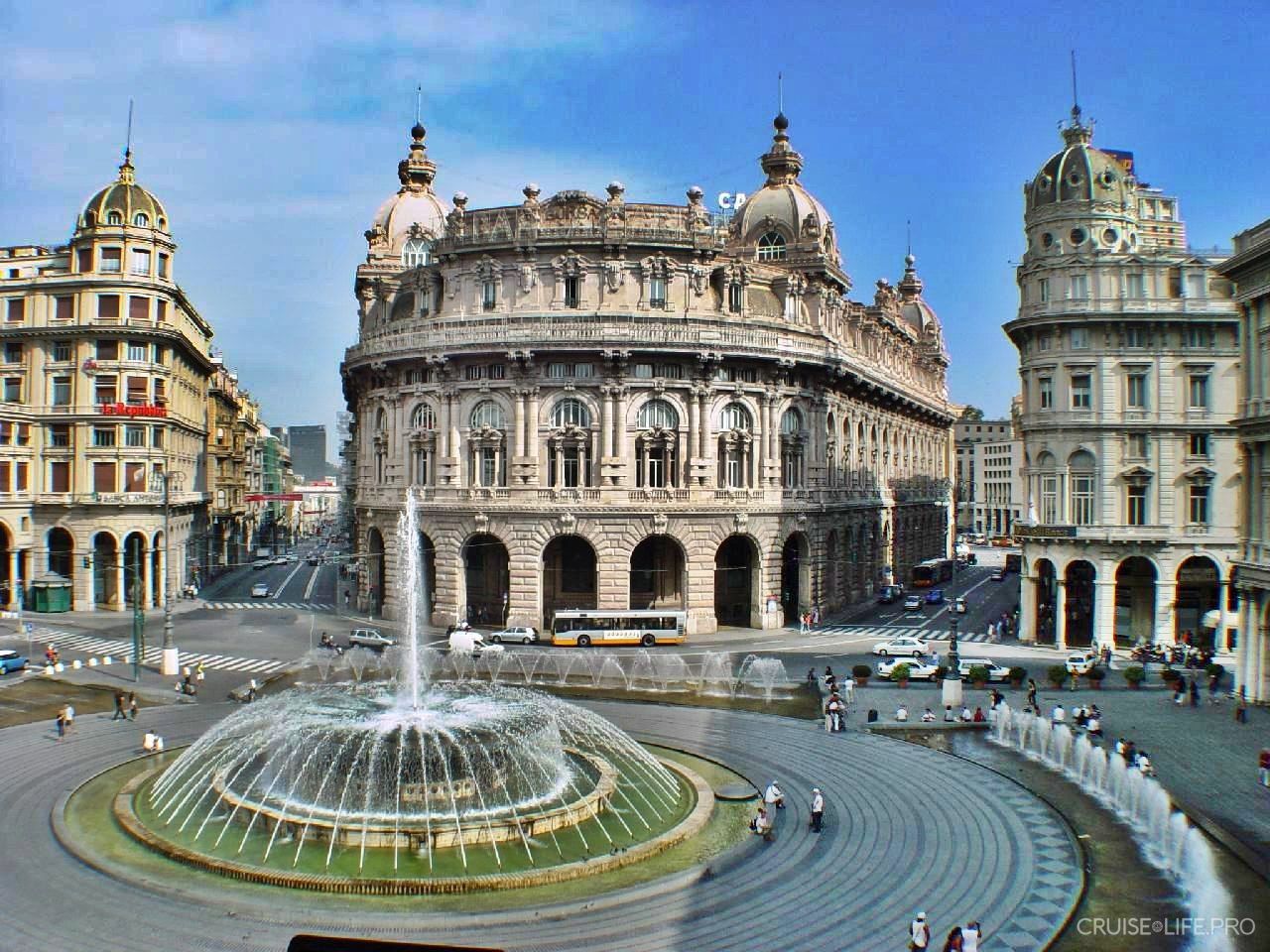
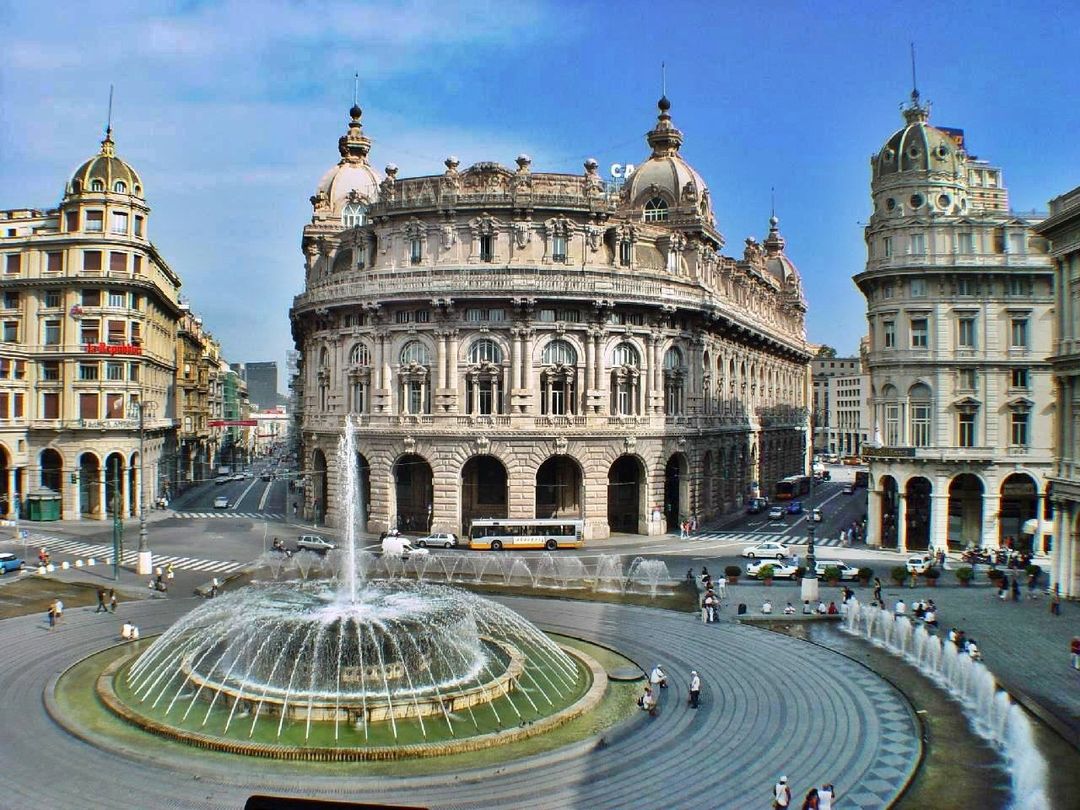
This is the city’s central square and, of course, the most beautiful and popular in Genoa. It is surrounded by numerous historic buildings and monuments: the Doge’s Palace, the Ligurian Academy of Fine Arts, the neoclassical theater of Carlo Felice, the monument to Giuseppe Garibaldi, the Palazzo of the Duke of Galliera, and the Palazzo della Borsa, which is closed to visitors, built in the Art Nouveau style and once the stock exchange for the whole country. From Piazza Ferrari, the city’s main shopping street begins-the XX Settembre Street.
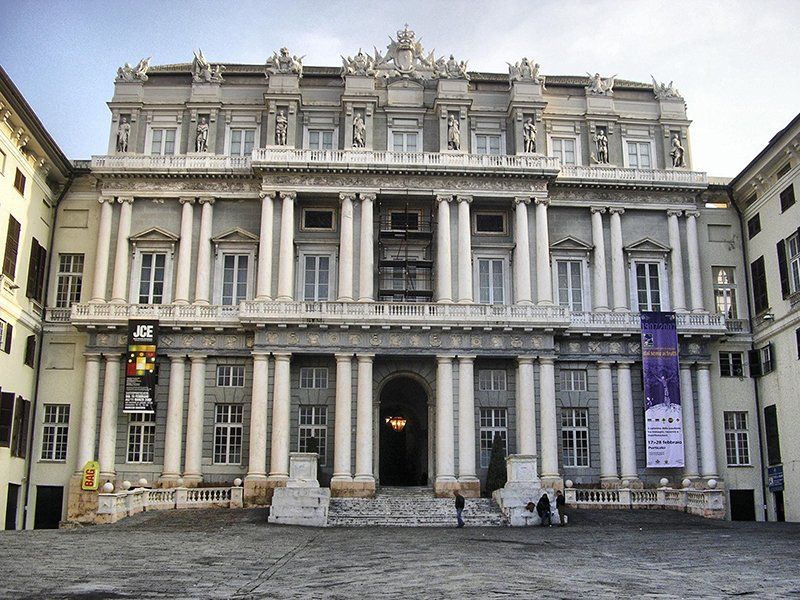
Doge’s Palace
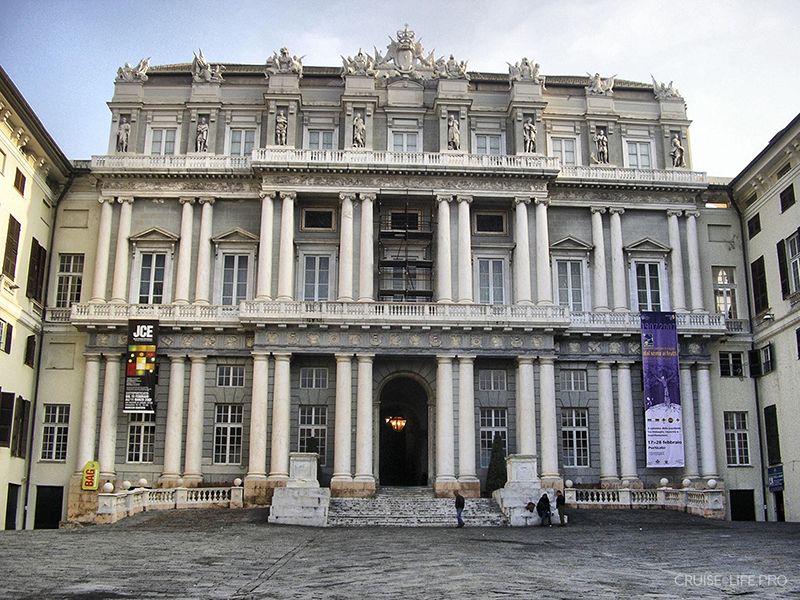
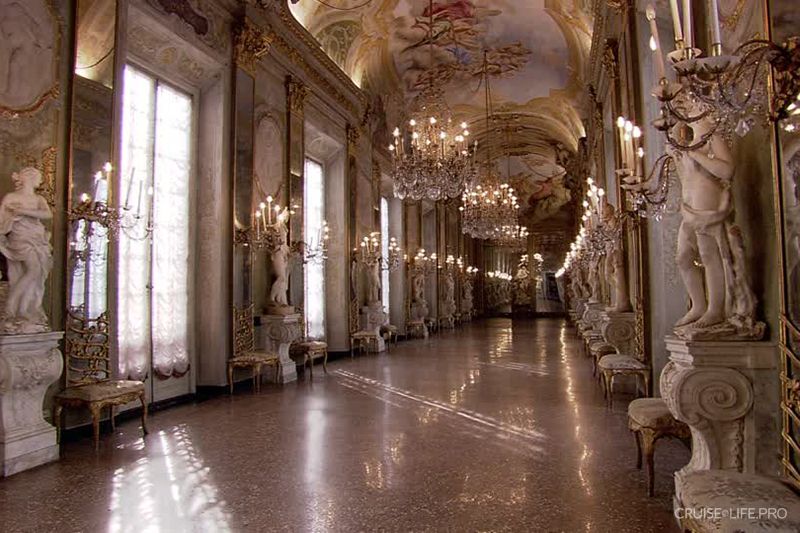
The construction of a suitable building for the city council began in 1298, when Genoa, having achieved a decisive victory over its main rival at sea-Venice-felt especially strong. Also here, in 1339, the city’s first Doge, Simone de Boccanegra, took up residence. That is how the palace came to be called the Doge’s Palace. The palace burned, was rebuilt, and expanded until it took on its present appearance. Today, this vast palace is more like a town estate than a typical Italian palazzo. The Doges lived here until 1797, succeeding one another until Napoleon arrived and abolished the office. Today, the palace’s spacious rooms are usually given over to exhibitions.
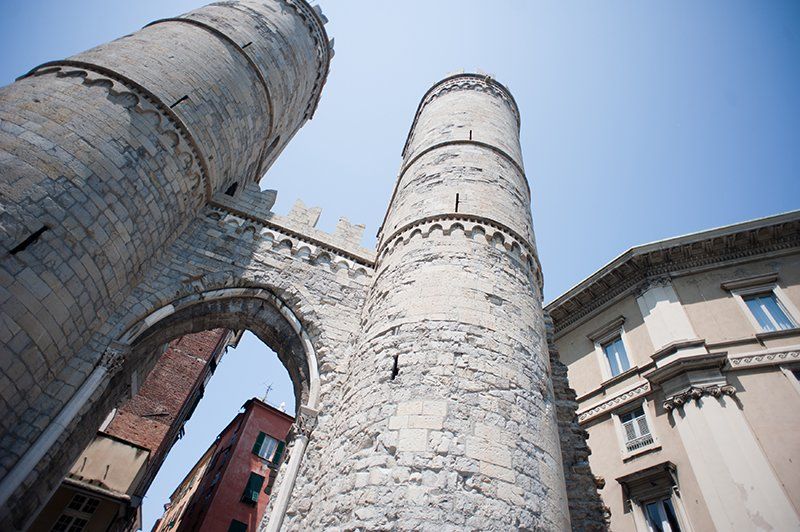
Gates of Port of Soprana
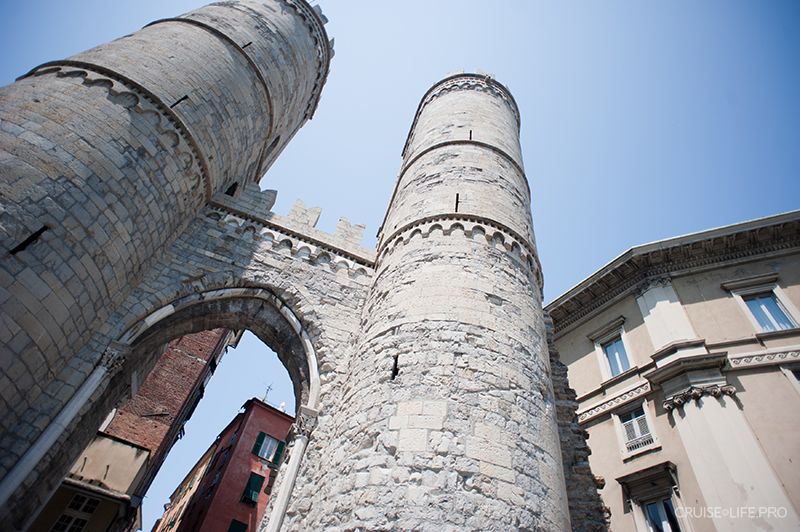
Once, these gates served as the main entrance to medieval Genoa. Since then, the city has grown considerably, and the Porta Soprana Gates, built in the 12th century, are now practically right in the middle of it all. In the 19th century, so that the gate towers would not stand idle, they were adapted as a prison. Of course, only for a short time, because this such ancient structure needed large-scale restoration and rebuilding. Today, Porta Soprana is one of the city’s focal points. On warm evenings, locals and visitors gather here to listen to the sound of the brass band. You can also climb up onto the gate towers completely free of charge. The view of the city from them, by the way, is wonderful.
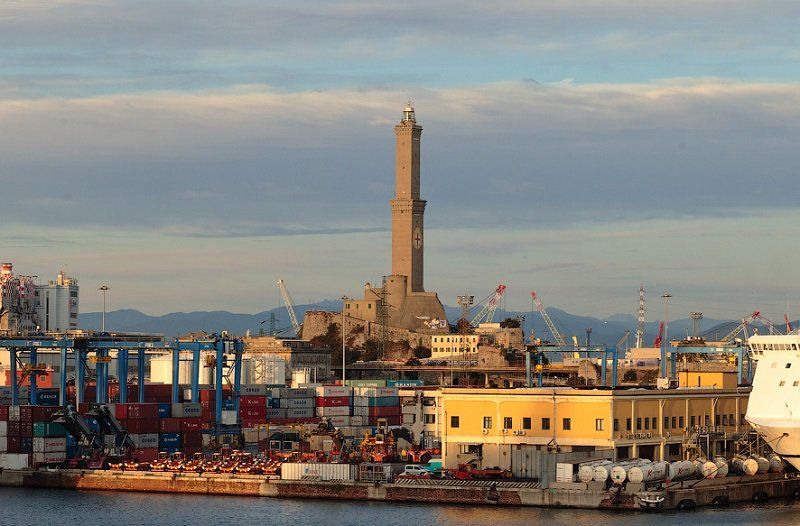
Lanterna Lighthouse
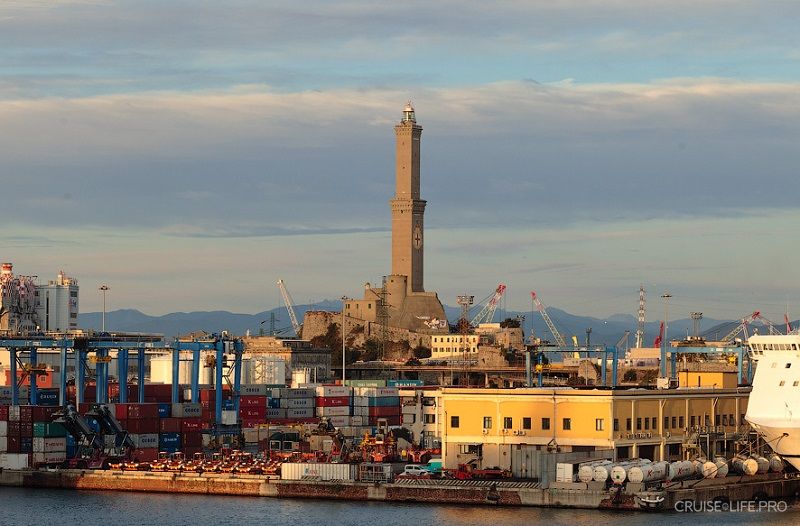
Lighthouse La Lanterna (from the Italian lanterna - lantern) is an important maritime landmark and one of the main symbols of Genoa. It was built in 1128, rebuilt many times and destroyed, and its current appearance was established (and has been successfully preserved to this day) in 1543. Originally, it was erected on a peninsula jutting out into the sea. Over time, the sea receded, and today the lighthouse stands on “full-fledged” land. The height of La Lanterna is 117 meters. If you climb it, you’ll enjoy a wonderful view of the Genoese harbor. However, to admire it, you will have to climb 375 steps. Inside La Lanterna there is also a museum telling the story of Genoa’s glorious maritime history and its world-famous lighthouse.