Port of call
Geiranger, Norway
Description — Geiranger, Norway
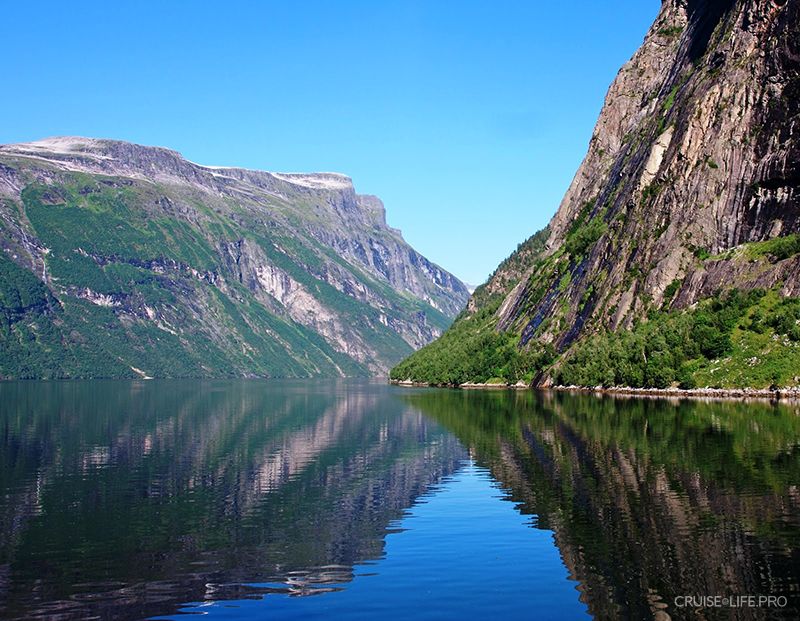
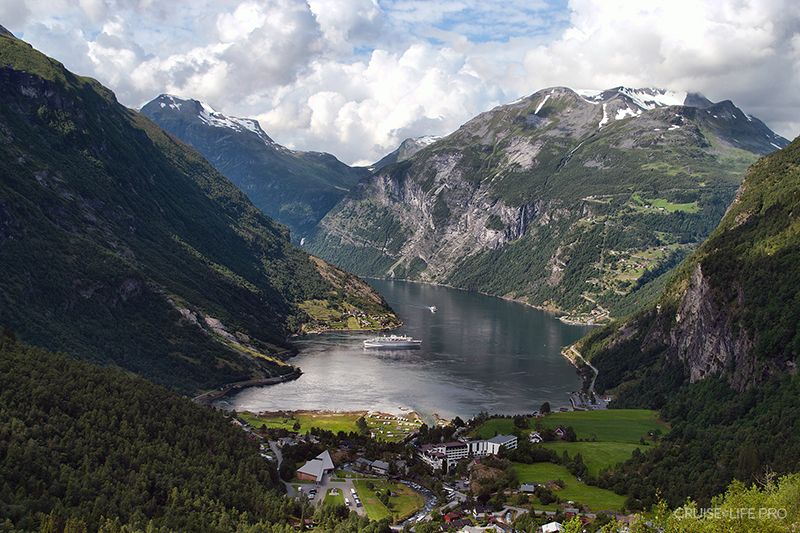
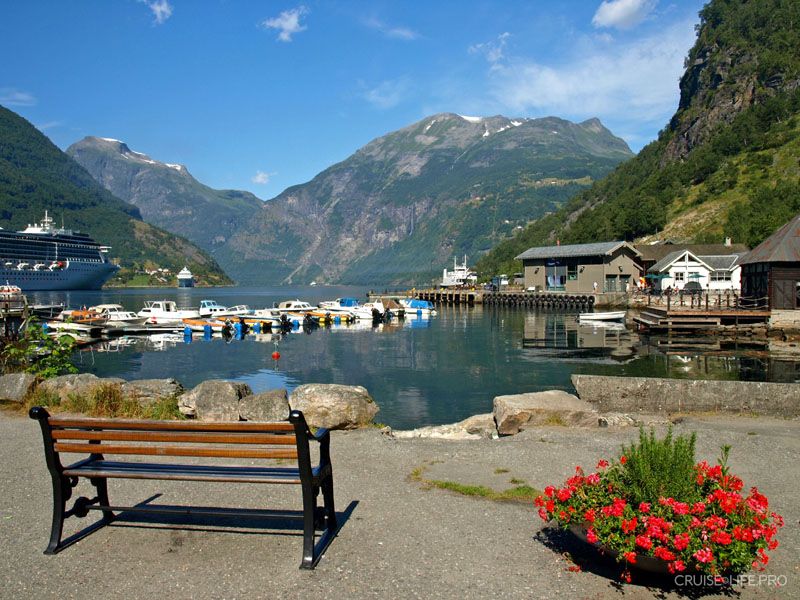
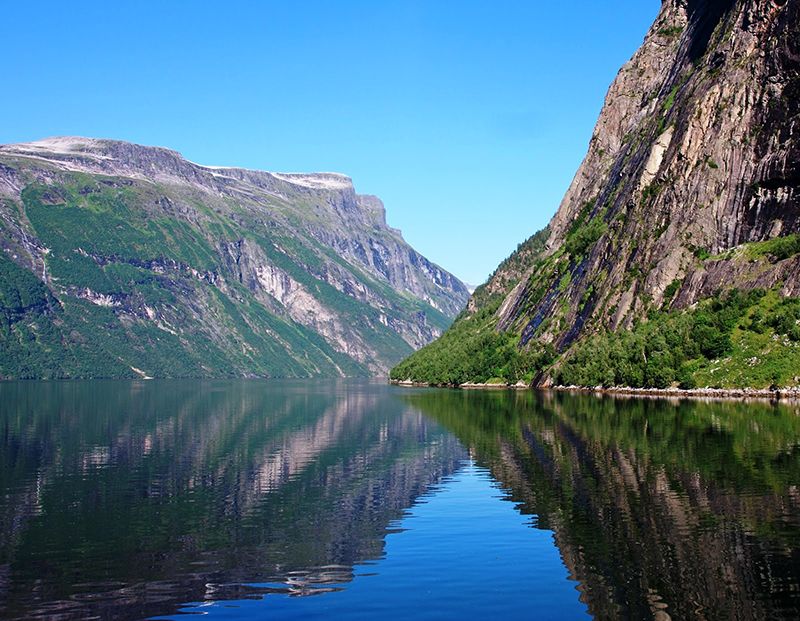
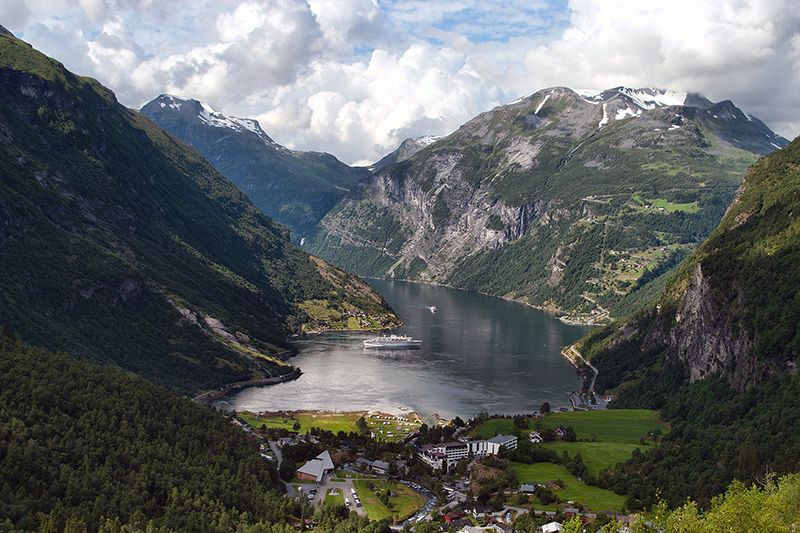
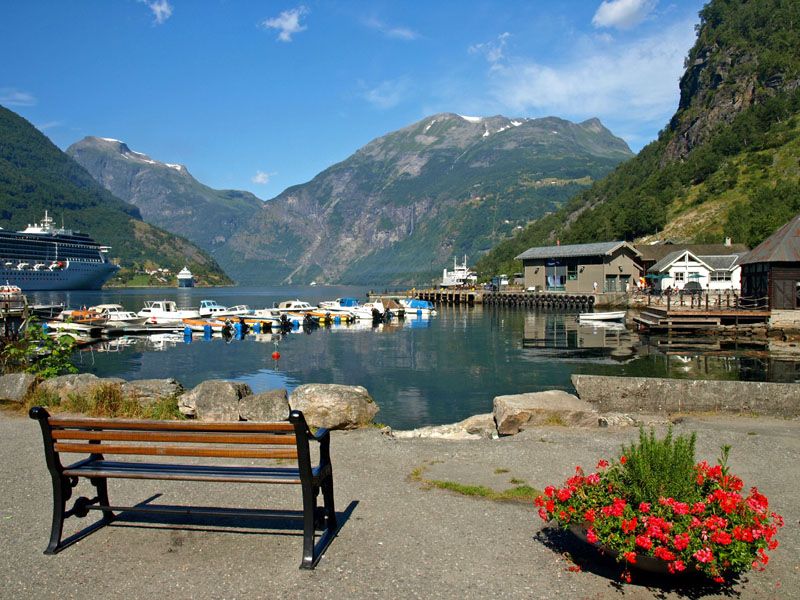
Geiranger Fjord is a fjord in the Sunnmøre region, located in the southernmost part of the county of Møre og Romsdal in Norway. One of the branches of the Storfjord. It lies about 200 kilometers northeast of Bergen and 280 kilometers northwest of Oslo. The fjord stretches for 15 kilometers and is a branch of the Storfjord. In July 2005, it was added to the UNESCO World Heritage List.
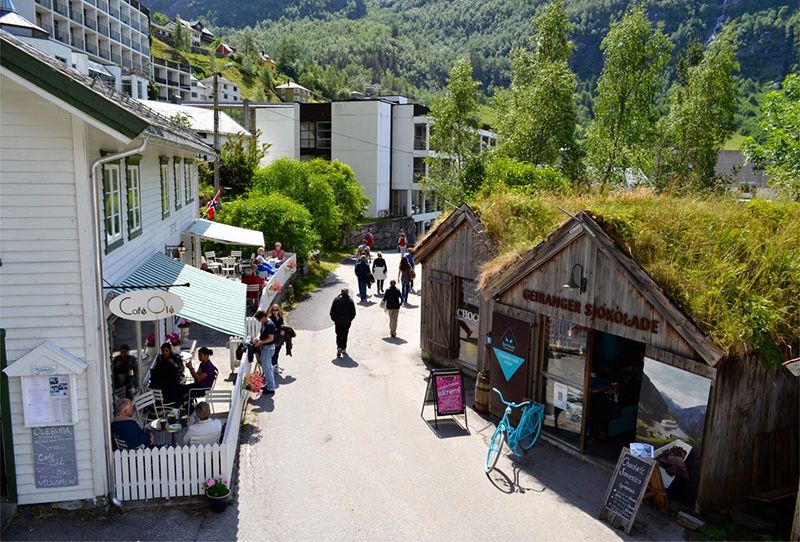
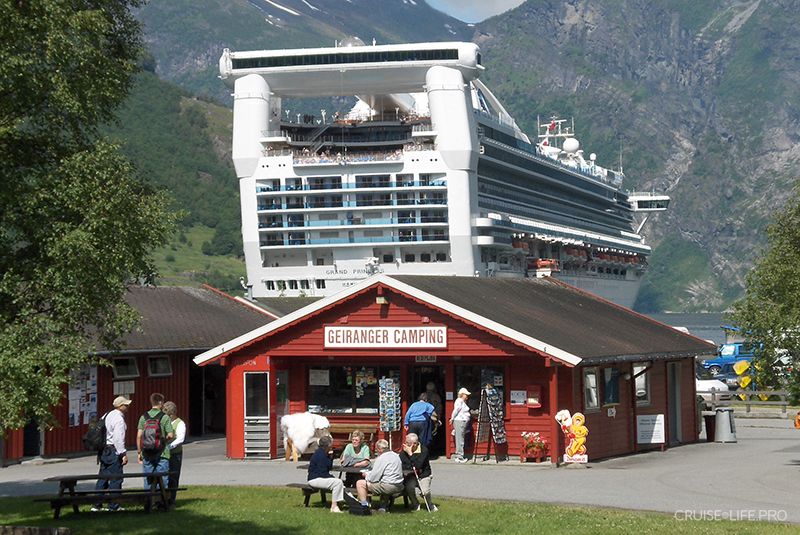
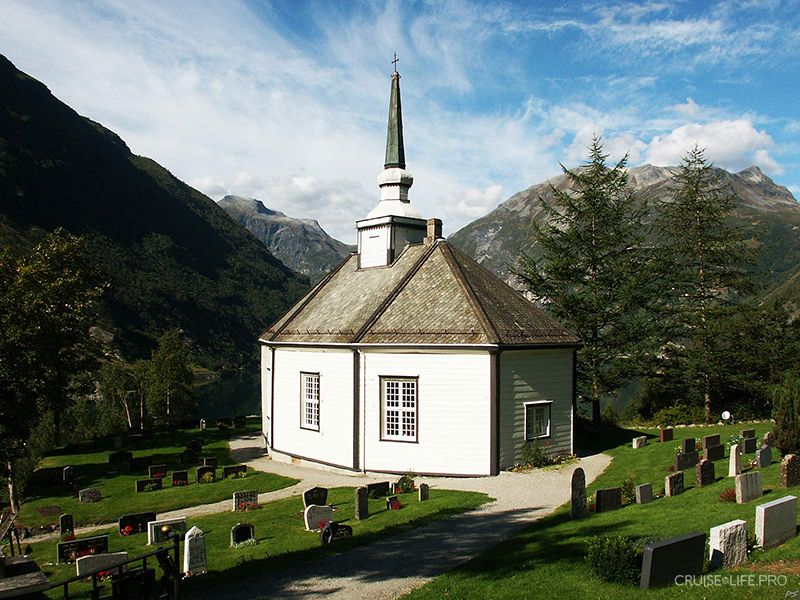
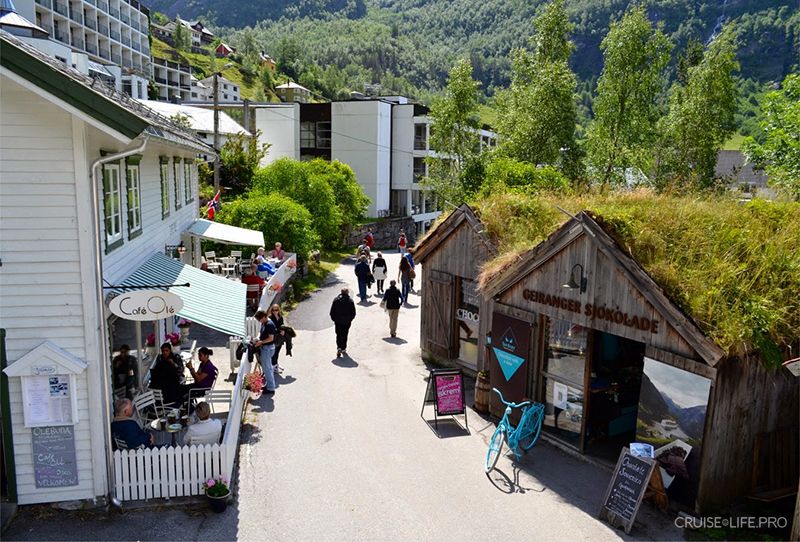
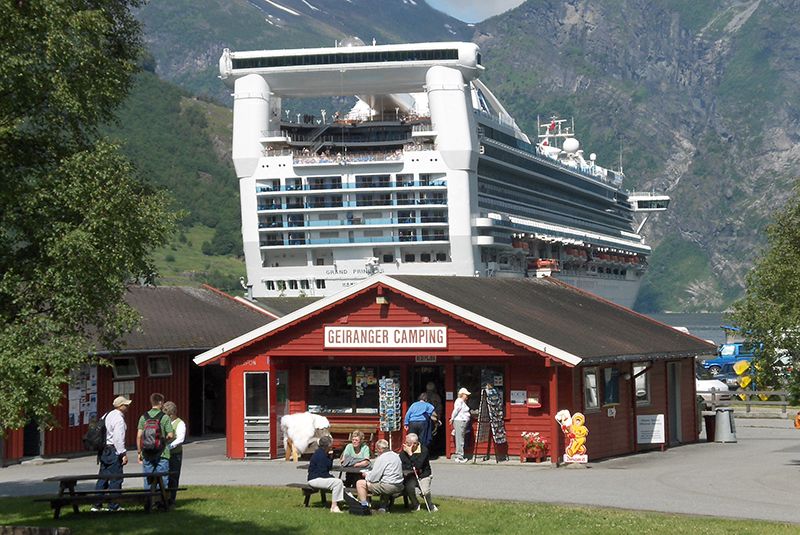
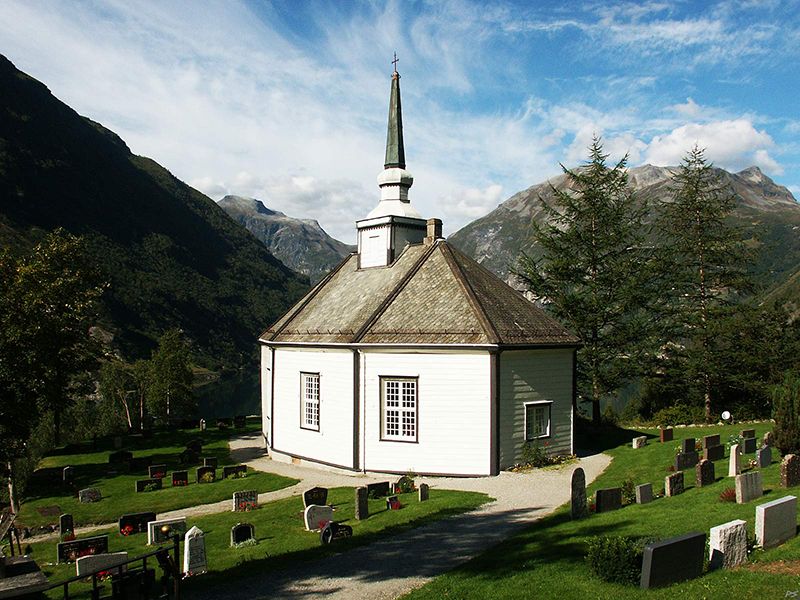
At the Geiranger Fjord there is a settlement bearing the fjord’s name-Geiranger. It is home to the Fjord Museum, which tells about the natural history of this region of Norway. The small fjord (just 20 km long) features an enchanting landscape. Local activities include fishing, kayaking, rafting, horseback riding, and summer skiing in Stryn. Gudvangen and Geiranger-two villages in the central part of the fjords-are among the most popular cruise ship ports in Scandinavia.
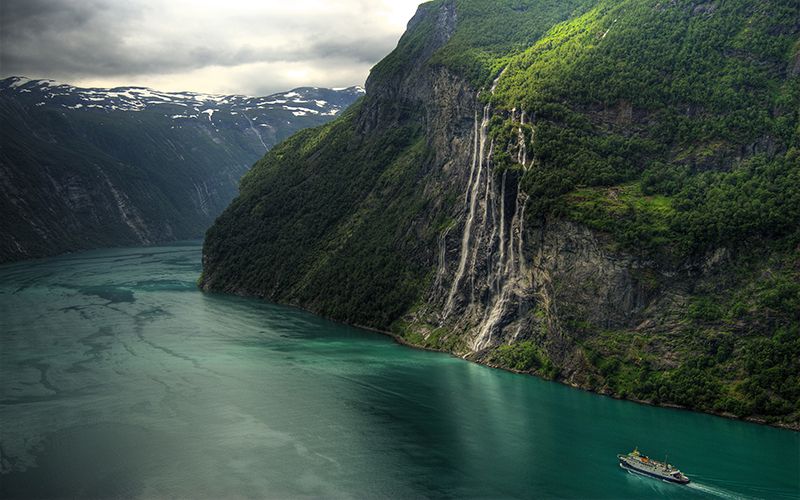
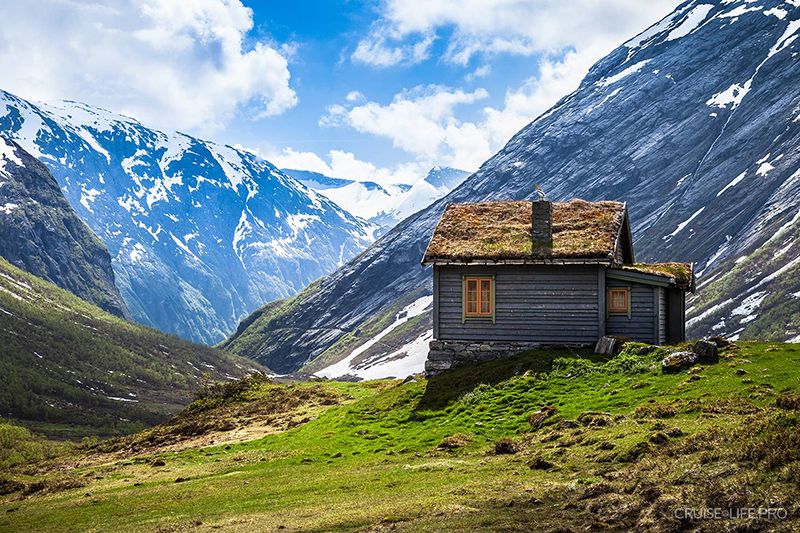
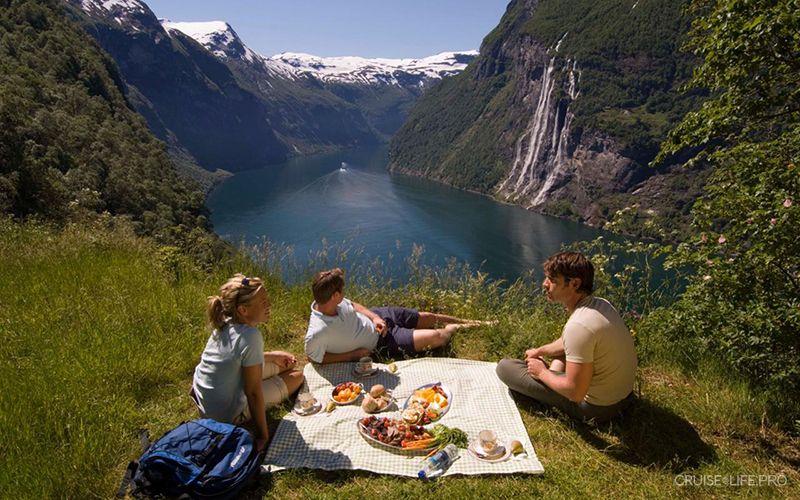
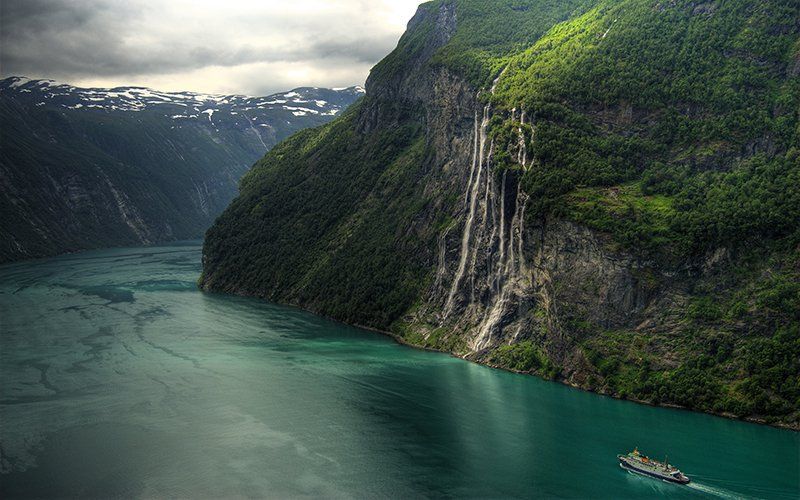
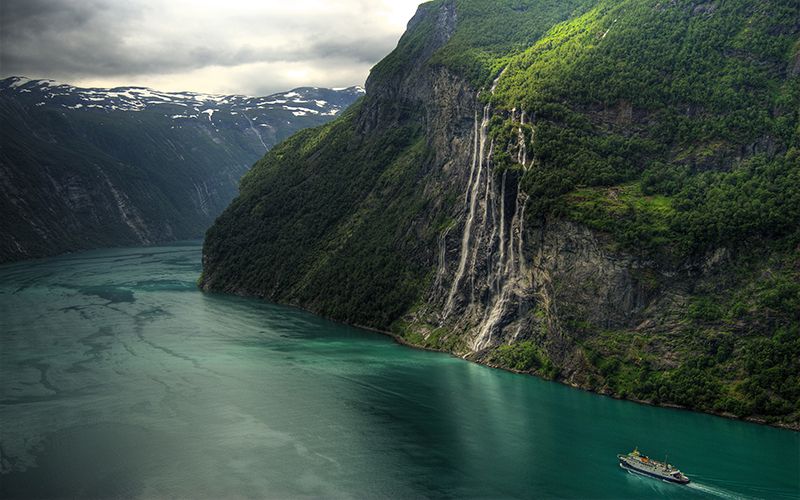
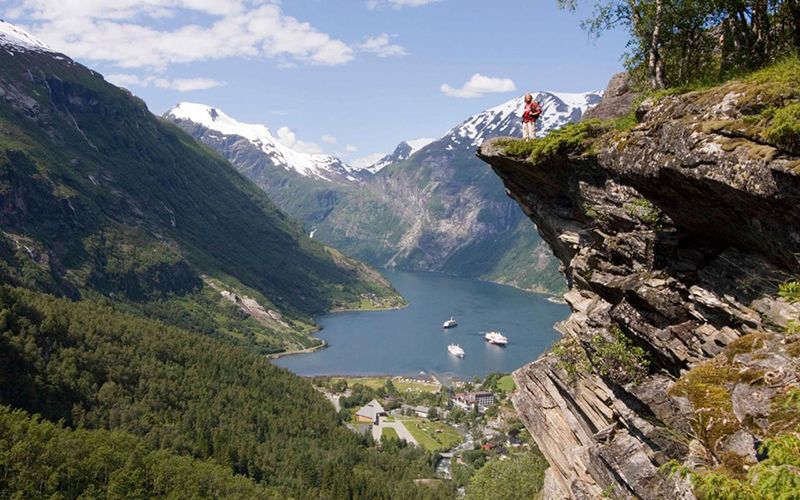
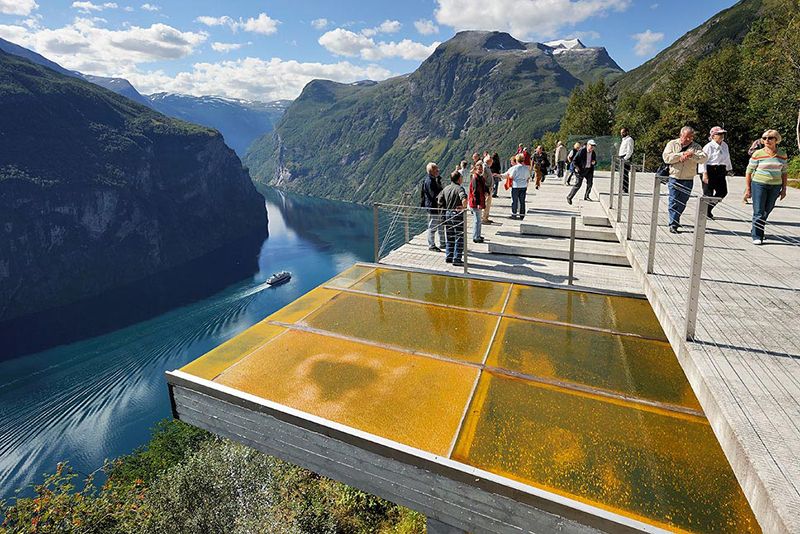
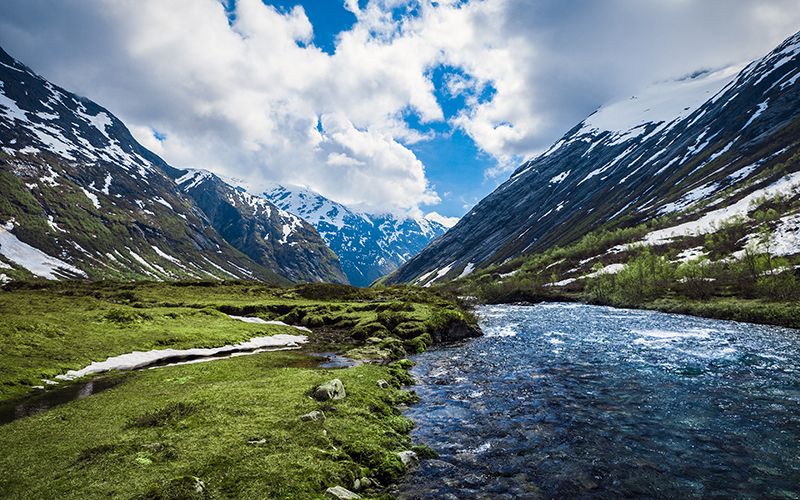
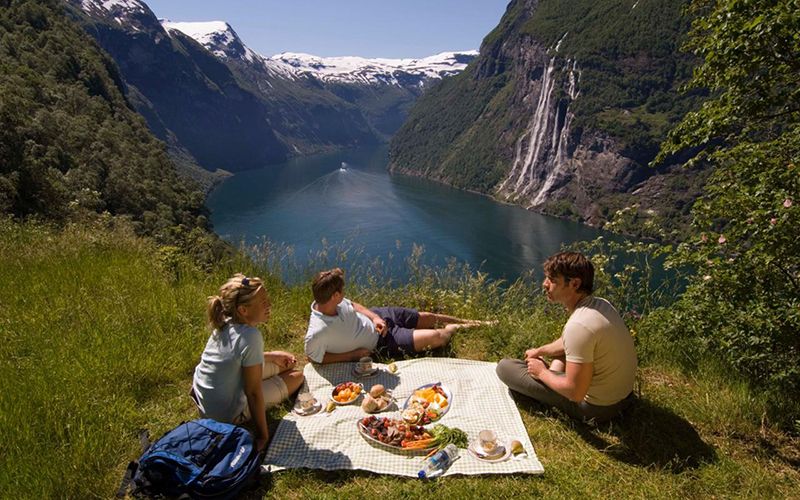
The main attractions of the Geiranger Fjord are the many waterfalls you can find here at almost every hundred meters. The most popular are “Seven Sisters Waterfall,” “The Suitor,” and “The Bridal Veil.” The sight is breathtaking: sheer cliffs along the coastline rise to more than 1,400 meters above sea level, topped with glaciers. Abandoned farms can also be found along the coast. Some of these farms are located on mountain ledges, so reaching them is possible only by special ladders attached to the rock or rope ladders.
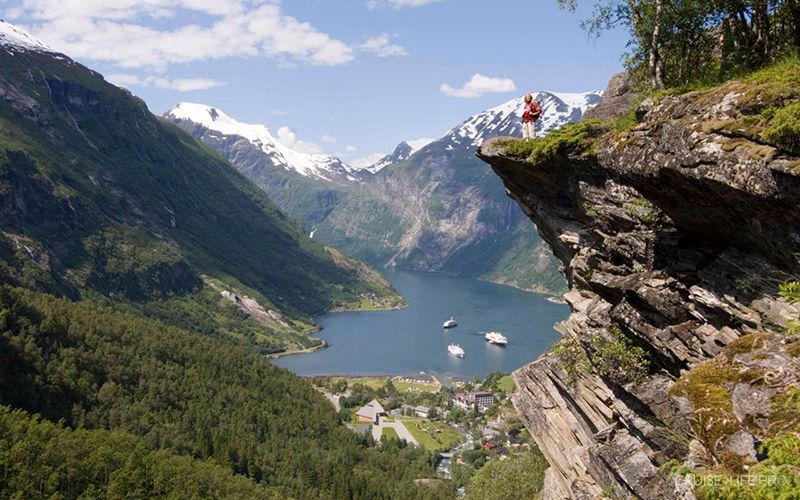
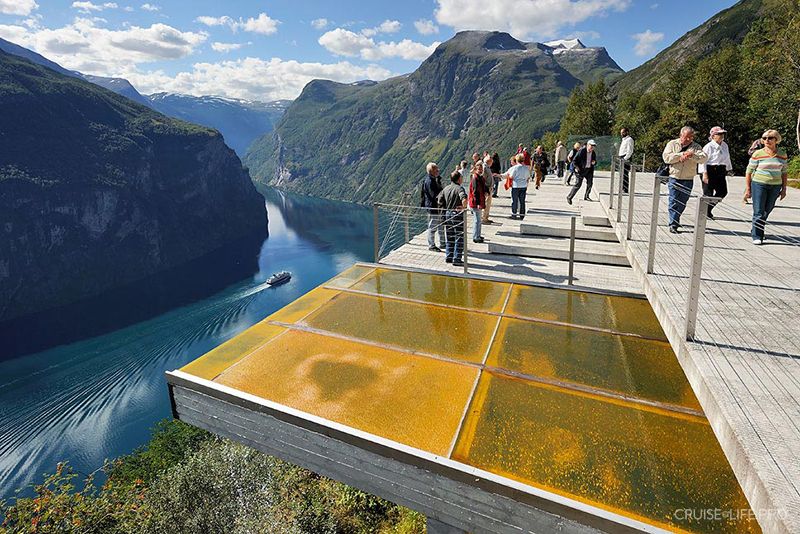
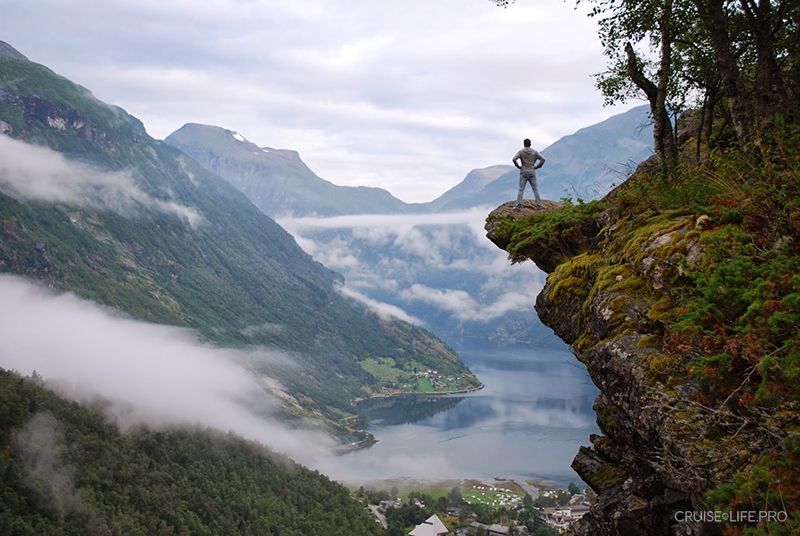
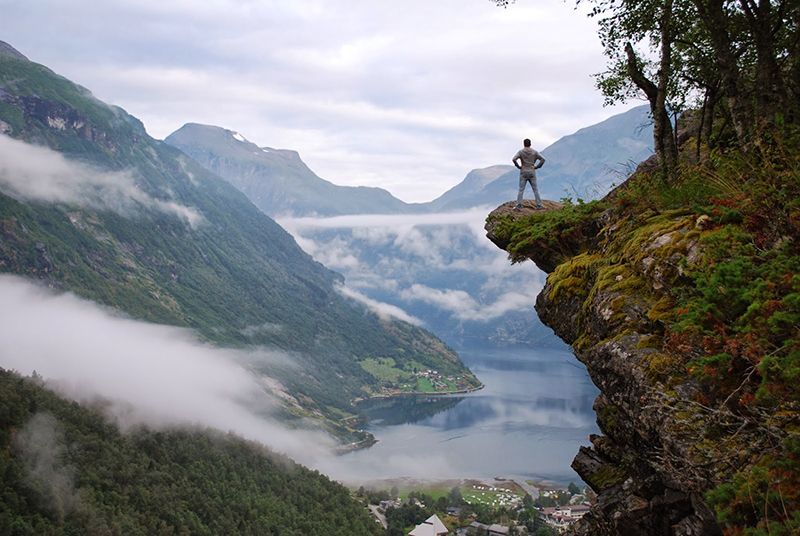
Be sure to visit the Geiranger Fjord Museum, where numerous artifacts are displayed that tell the history of the region. From the viewpoint of Dǝupvasshytta, you can cycle down to the shore on a wonderful road-the reward will be 17 kilometers of mind-blowing views. The most delightful view of the fjord opens from the Flødalshjuvet cliff, which seems to float in the air-practically “at the doorstep to the heavens.”
ClimateA mild maritime climate in the western part of the region is replaced by a continental one (in the central areas), while the far north of Norway is under the influence of subarctic weather conditions. Throughout the calendar year, there is plenty of precipitation; the “wettest” seasons are autumn and winter. Overall, Norway’s climate is harsh, but there are periods when conditions for visiting are quite favorable. These are midwinter (January-February), April-May, and the end of summer (August-September).
January and February are relatively warm only in the West, and although light frosts are possible there, the average daily maximum temperature ranges from 0 to +2° C. Precipitation during this period is from 140 to 180 mm. As for central areas, frosts begin in October and continue until mid-March. During the day, the frosts are not severe-only 5 to 7 degrees-while at night the temperature sometimes drops to -20° C. In other words, winter weather in Norway varies by region.
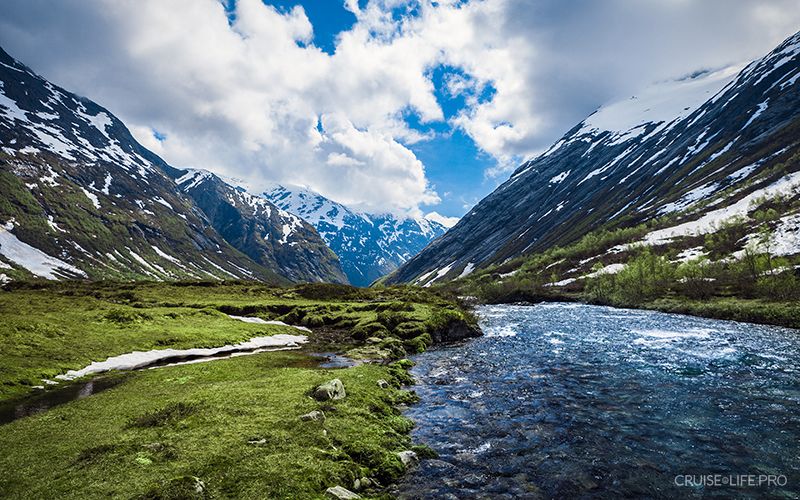
Over the three spring months, temperatures rise gradually, and daytime temperatures increase from +6 to +15° C. By the end of May, stable warm weather sets in, and precipitation decreases (from 140 mm in April to 80 mm in May). As for the temperature of the sea and other bodies of water, it rarely rises above +10° C. Interestingly, spring weather in Norway is the driest-especially in the central and western parts of the country. During March, April, and May, the number of days with precipitation can be as low as 11, and precipitation can drop to 30-50 mm. Spring months are the best time to visit Norway, when there is a high chance that the weather during trips around the country will be warm and sunny.
In our understanding, summer is the time for beach vacations and sea entertainment. Considering the specifics of the northern country, adjustments should be made to the summer program in Norway. On the warmest days in the mildest climate zone, the daytime air temperature does not exceed +18-20° C. The hottest month by local standards is July. At this time, it is warm and sunny across the country, with the only differences being humidity levels. In summer, fairly humid weather in Norway is characteristic of the north (about 140 mm). An important indicator for the summer period is night air temperature, which averages +10° C (but not lower than +6° C) almost across the entire country. Tour operators advise not to delay the visit until the end of August, when it may suddenly get colder and the rainy season begins.
As for September weather, from the beginning of the month, humidity levels and precipitation increase. September and October are the rainiest and cloudiest months of the year. At this time, the monthly amount of precipitation reaches 240 mm. September temperatures (+11-15° C) sharply contrast with November’s (+5-7° C). The number of days with precipitation also rises sharply, and in November it reaches twenty or more. Although autumn weather in Norway leaves much to be desired, that does not mean you shouldn’t come here at this time, because you can always find heart-felt entertainment regardless of the weather conditions.
-
-
-
-
-
-
-
-
-
-
-
-
-