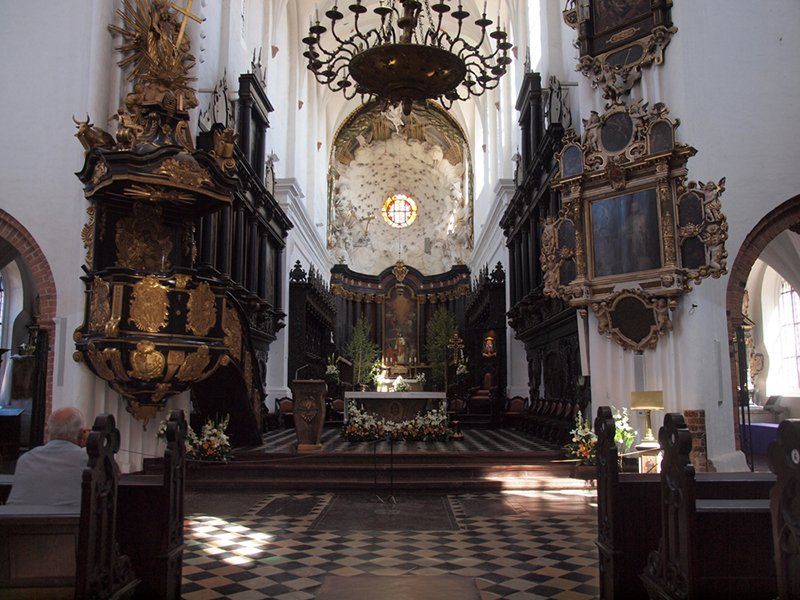
Olive Cathedral
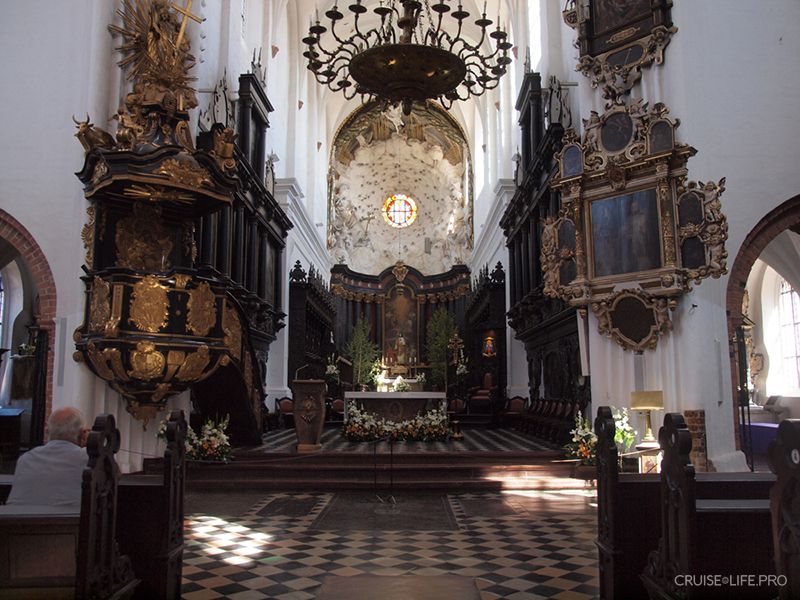
The Olivský Cathedral is a 12th-century Catholic church that once belonged to the Cistercian monastic order. The cathedral is located in the historic district of Oliva, after which it was named. The first building of the Oliva Cathedral was erected as early as 1186, however the Cistercian monastery often suffered from raids by the Prussians, during which the church was repeatedly destroyed and set on fire. As a result, in 1350 the building was rebuilt from stone. The cathedral is 107 meters long-one of the longest Catholic churches in the world. The interior of the Oliva Cathedral is also very beautiful: inside the building there are 23 antique marble altars in the Rococo style, representing immense historical and cultural value. The cathedral’s main feature is an 18th-century organ.
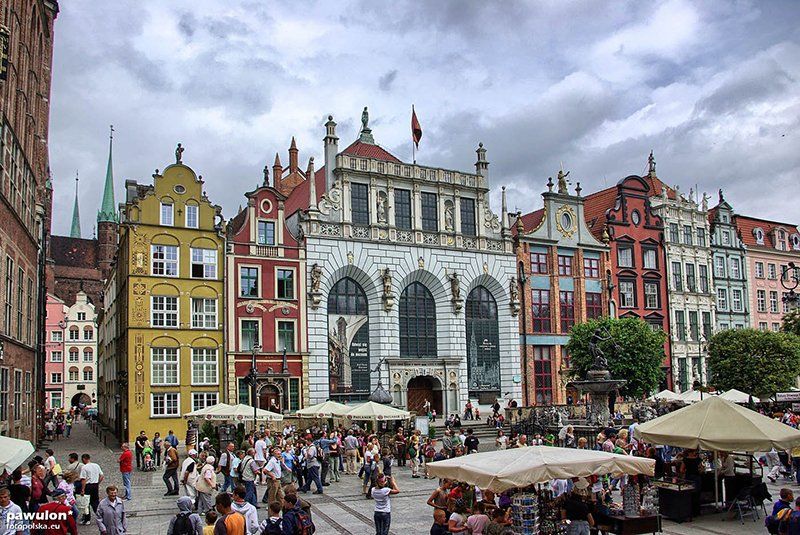
Gothic Courtyard of Arthur
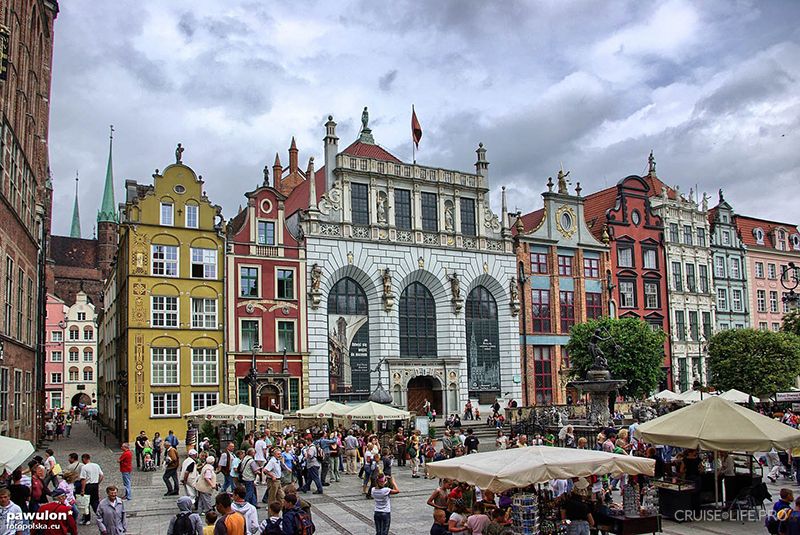
The complex consists of connected buildings known as the “Old Bench House,” the “Artus Court,” and the “New Bench House.” The symbol of brotherhood and equality embodied by King Arthur’s Round Table inspired Baltic burgher guilds to build the Artus Courts. “Curia regis Artus” (the King Arthur Court) was built in 1348-1350. Over time, the Court came to serve as an official merchants’ house. When knightly customs passed into history, the Artus Court became an important hub of social and commercial life in historic Gdańsk. The entrance to the Court was guarded by magnificent lions holding the city’s coat of arms. The interior of the Court impresses with its richness: numerous paintings, models of ships, as well as the world’s largest Renaissance furnace, decorated with painted tilework.
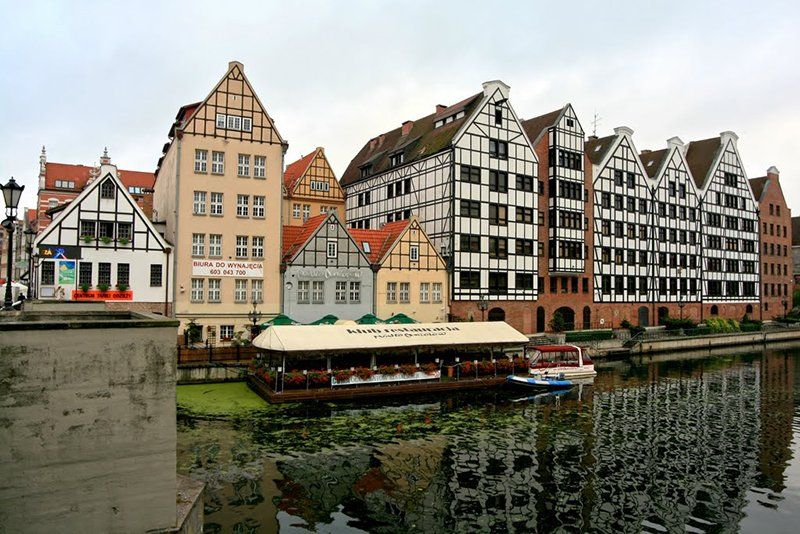
Old grain silos
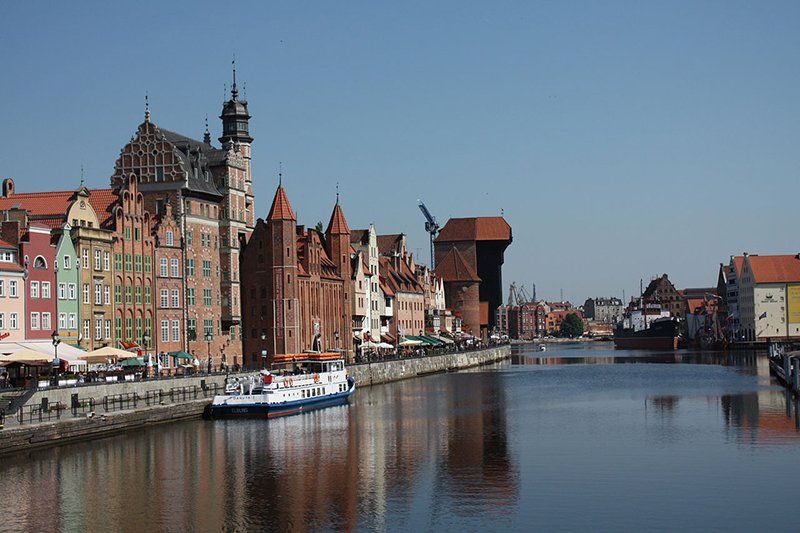
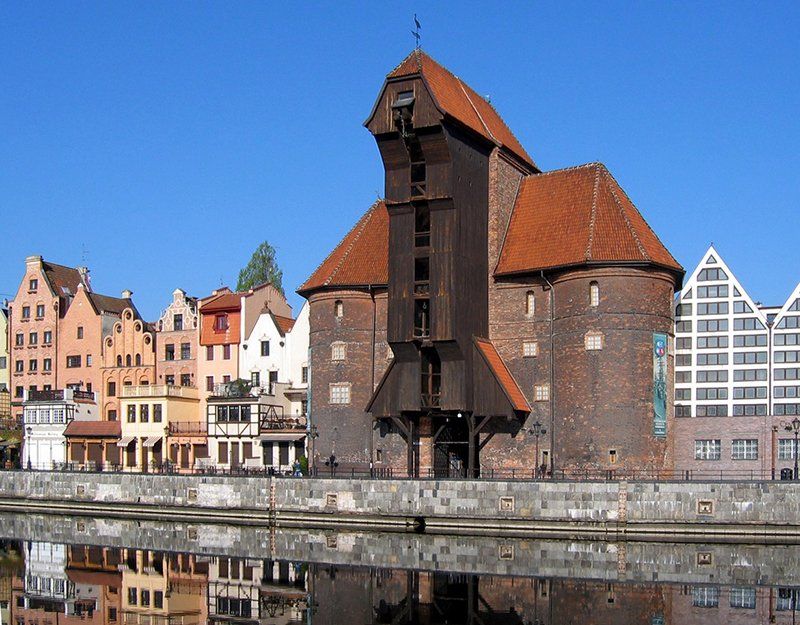
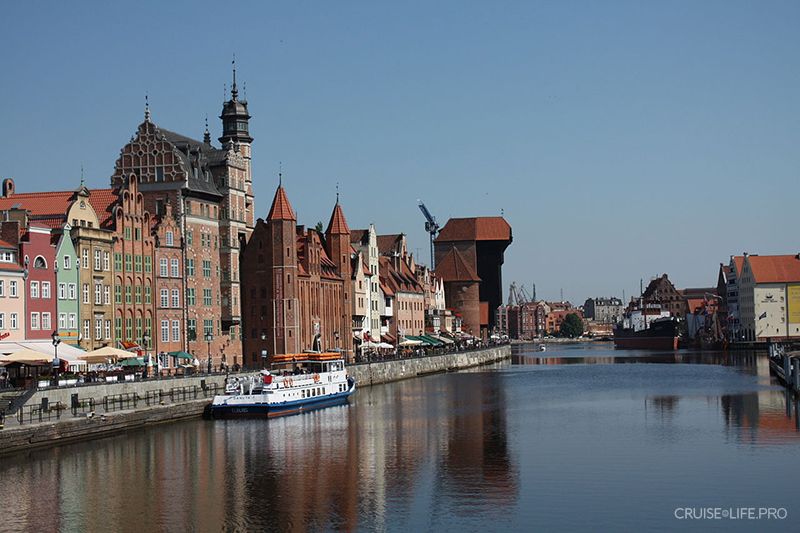
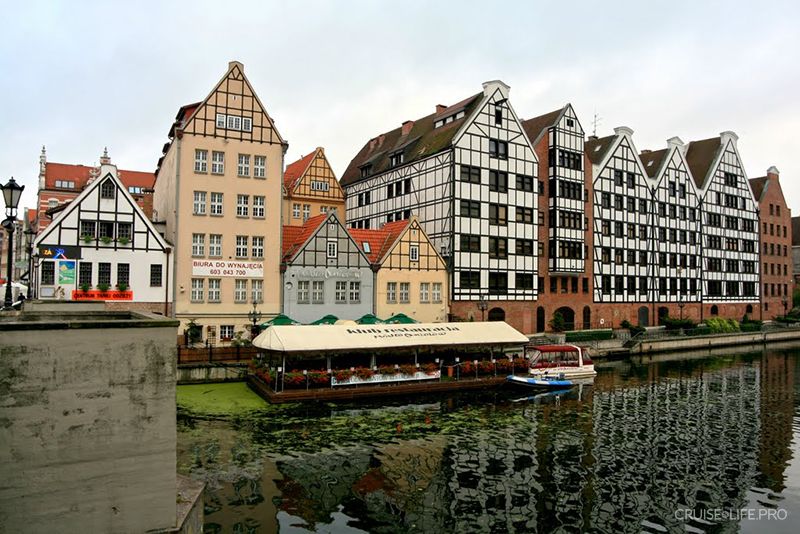
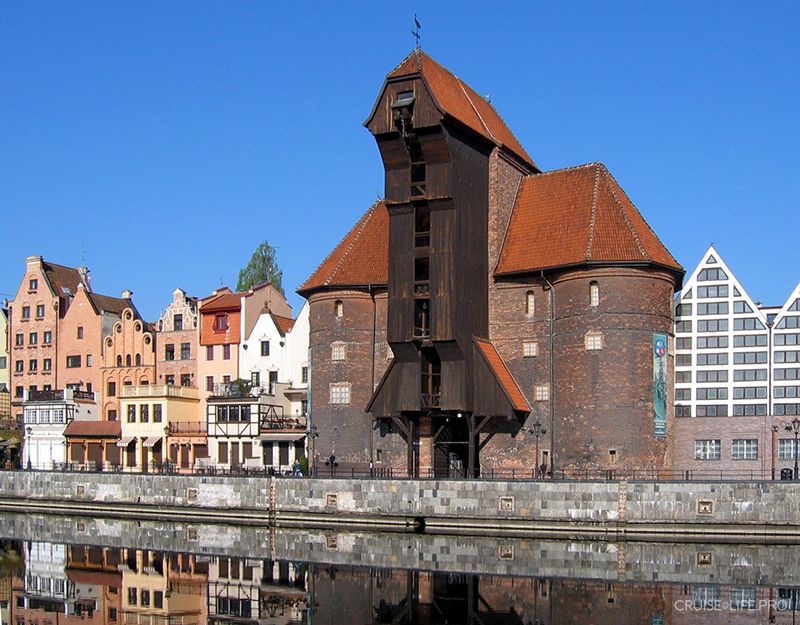
The old grain warehouses are located on an island in the center of the city, on the Motława River. The first buildings of the grain warehouses here date back to the 13th century. The need to build warehouses was explained by the fact that Gdańsk is a port city where trade water routes from Eastern Europe to the West intersected. In 1945, the buildings on the island sustained significant damage as a result of bombings. Today, the surviving architectural landmarks of the island are open to tourists. Today, three port buildings of the grain warehouses, named “Miedź” (Copper), “Panna” (The Lady), and “Oliwki” (Olives), belong to the Central Maritime Museum. Here, exhibits include historical artifacts related to local shipyards and the coastal guard, ship equipment details, and antique navigation instruments.
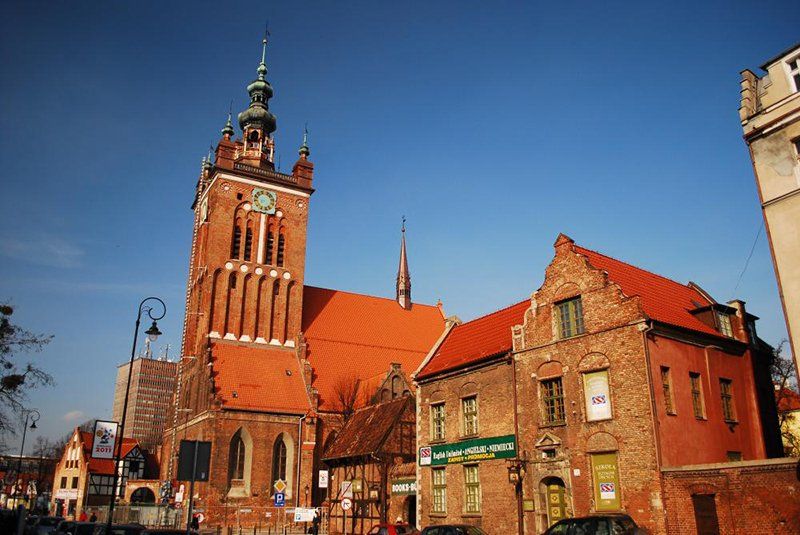
St. Catherine’s Church
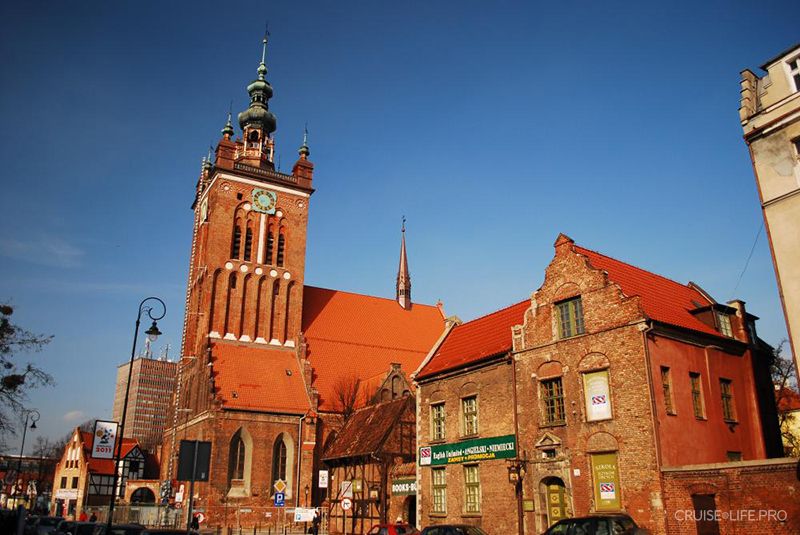
This is one of the oldest churches in Gdańsk, founded in 1227. In the 14th century, it was expanded and rebuilt, and even then it left an unforgettable impression with its interior decor in the Gothic, Mannerist and Baroque styles. Inside the church are paintings by Anton Möller and Isaac van den Block, as well as the tombstone of astronomer Jan Heweliusz, the first compiler of a detailed map of the Moon. In 1905, the church tower was damaged by a lightning strike, and in 1945, during the fighting for the city, a fire destroyed the roof, the dome on the tower, and part of the vaults. The restoration took several decades, and today the St. Catherine’s Church houses a branch of the Gdańsk Historical Museum; however, the church’s roof reconstruction is still ongoing after the fire in 2006.
St. Mary’s Cathedral
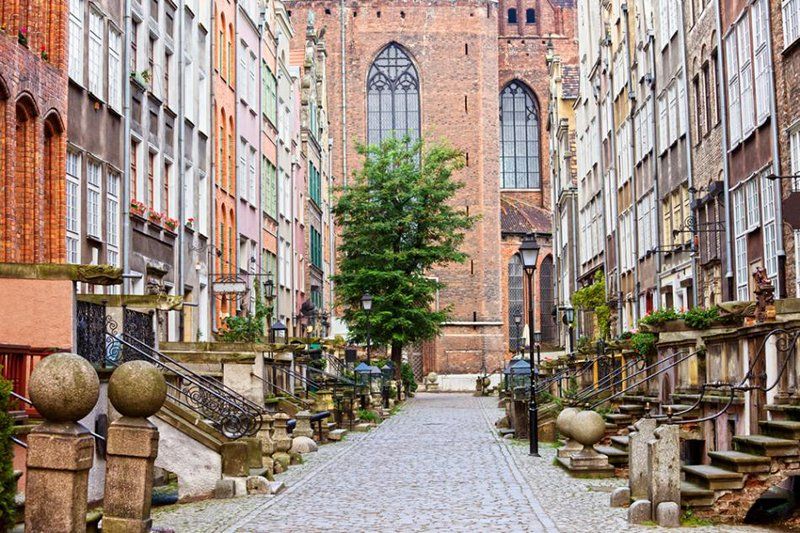
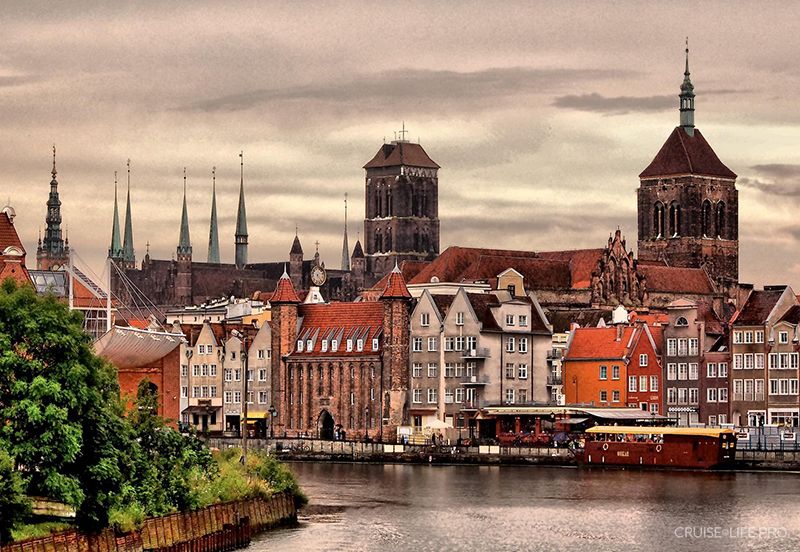
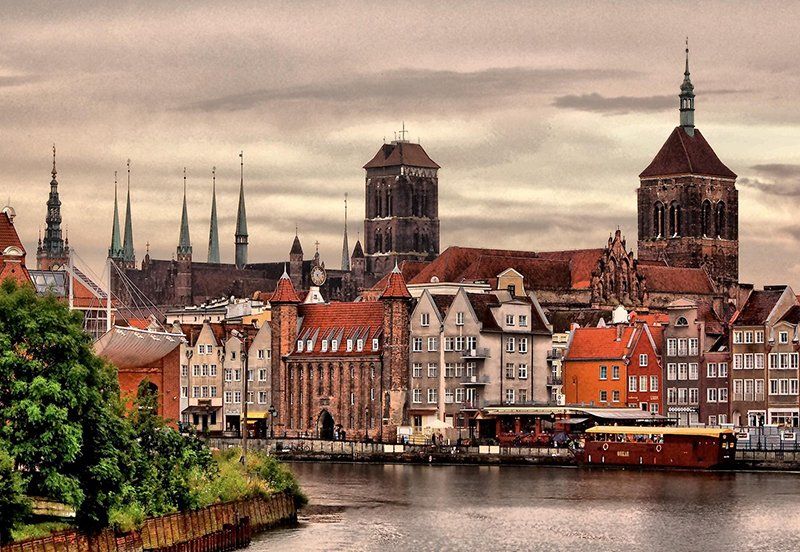
The Church of the Blessed Virgin Mary in Gdansk is known by no other name than the “crown of the city” - the largest brick shrine in Europe. It was built from 1343 to 1502. The grandeur of the church literally leaves visitors speechless: the building is 105 meters long, and the height of the vault over the floor reaches 29 meters. On the massive bell tower, 77.6 meters high, there is an observation point from which you can enjoy a panoramic view of the city. Inside the church, you’ll find many magnificent works of art from the Middle Ages and Baroque periods, including a stone Pietà from about 1410, a copy of The Last Judgment painted by Hans Memling in 1472, astronomical clock made between 1464 and 1470 by Hans Düringer, as well as the main altar, built between 1510 and 1517.
Town Hall
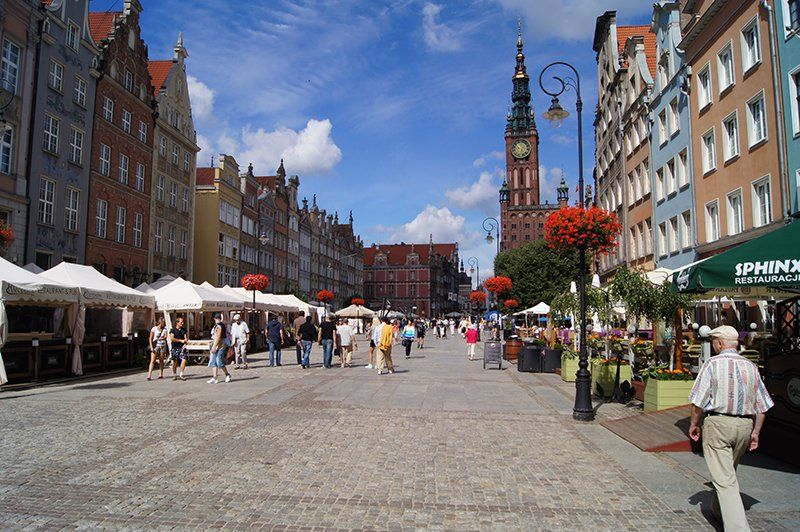
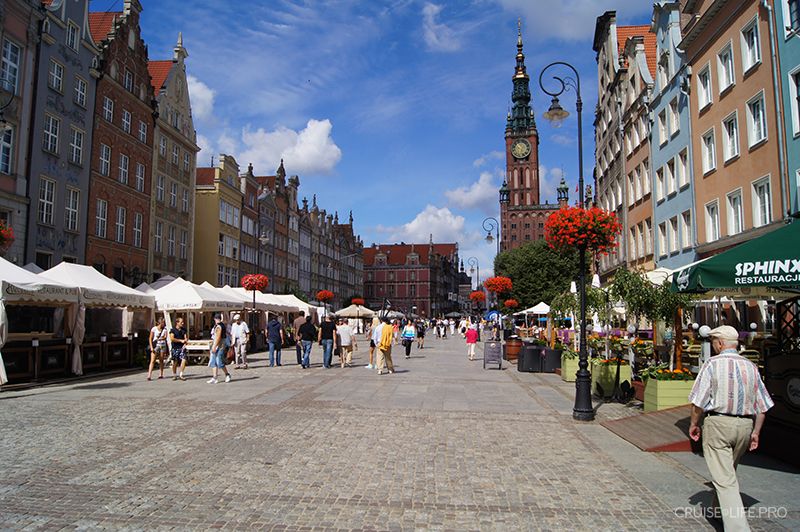
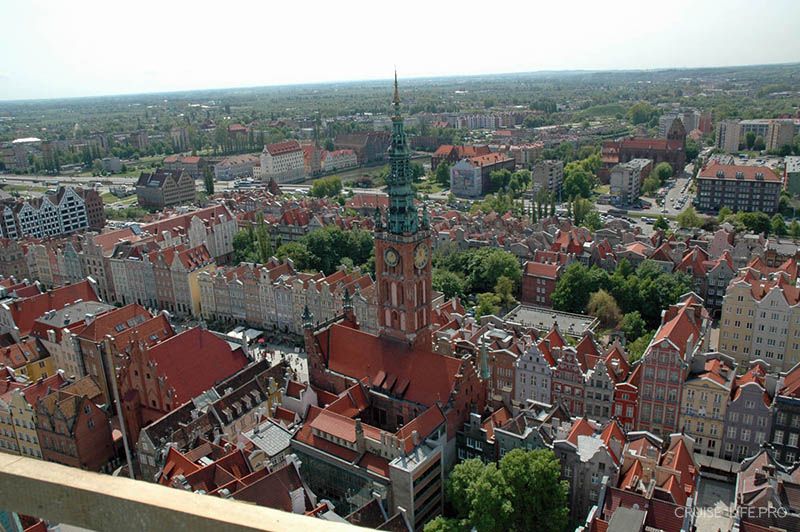
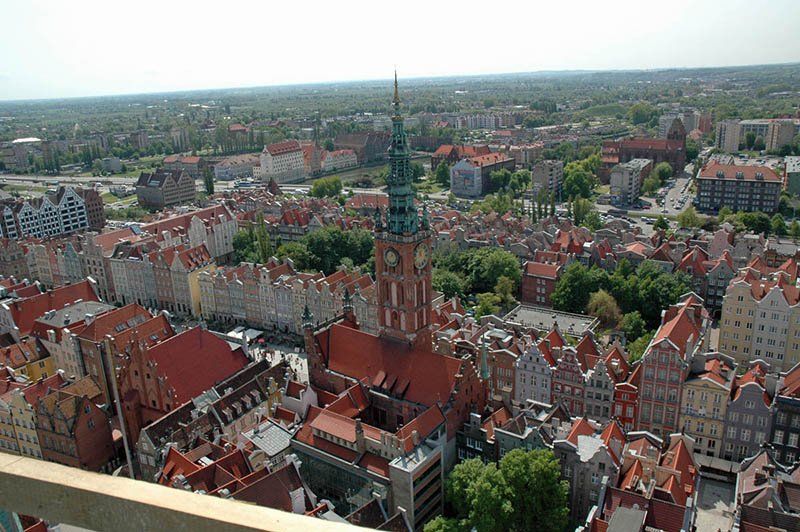
The Town Hall was built between 1379 and 1492 based on a design by architect Antonio Van Obberghen. The site on which it was built is the most important district in the city. In 1556 a fire broke out in the Town Hall, and its repair took several years. During the reconstruction, some Renaissance elements were added to its originally Gothic style. The Town Hall survived a second fire during World War II: the walls literally fell from the impact of the blows, and it was even planned to be demolished. The building was managed to be preserved and restored, and on 2 April 1970 the city hall presented the Town Hall as a gift to the Gdańsk History Museum. In summer, a viewing platform opens in the tower, offering a breathtaking panoramic view of the city and its surroundings from a height of 80 meters.