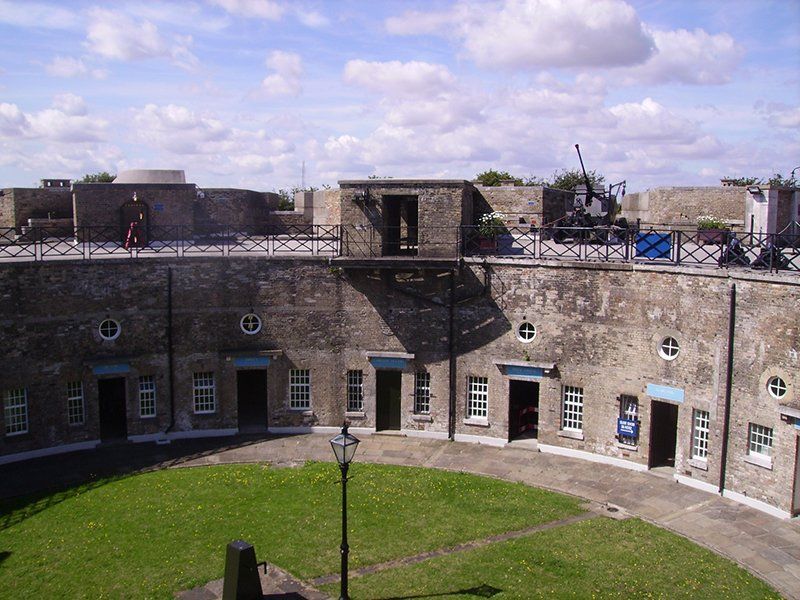
Fort Redoubt
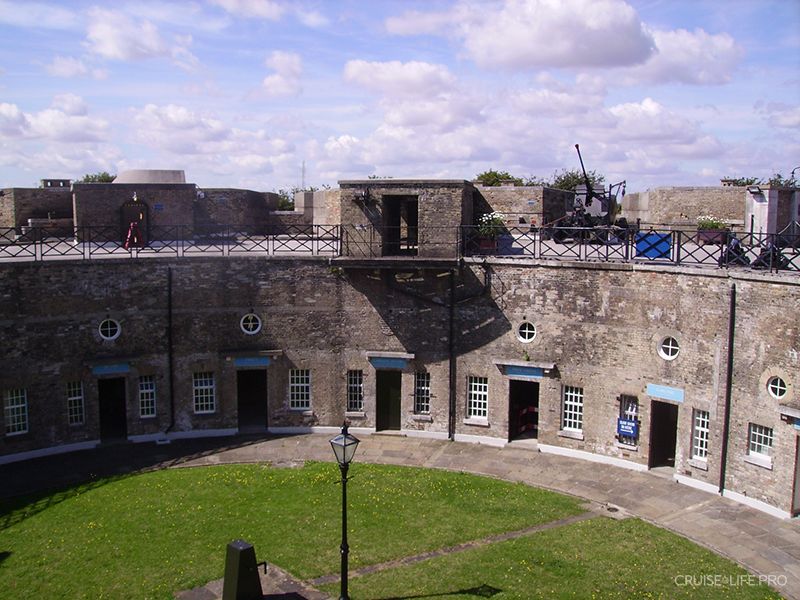
Fort Redoubt was built in 1808 to protect the port of Harwich from a Napoleonic invasion. The powerful round structure could support a circular defense, and special lift hoists were used to deliver shells to the cannons. Initially equipped with ten 24-pound guns, in 1861-62 the fort was converted to accommodate heavier artillery; firing positions were also reinforced. The fort was strengthened in the same way two more times. After the 1920s, the fort fell into disrepair, but during World War II it was used to house prisoners of war. Graffiti left by prisoners can still be seen on the walls. Today, there is a museum in the fort, and in the summer months battlefield re-enactments are held.
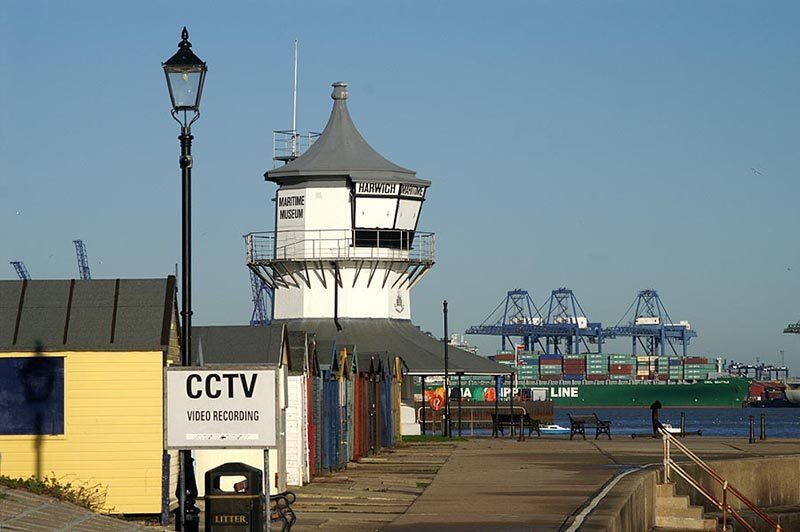
Ancient Lighthouse
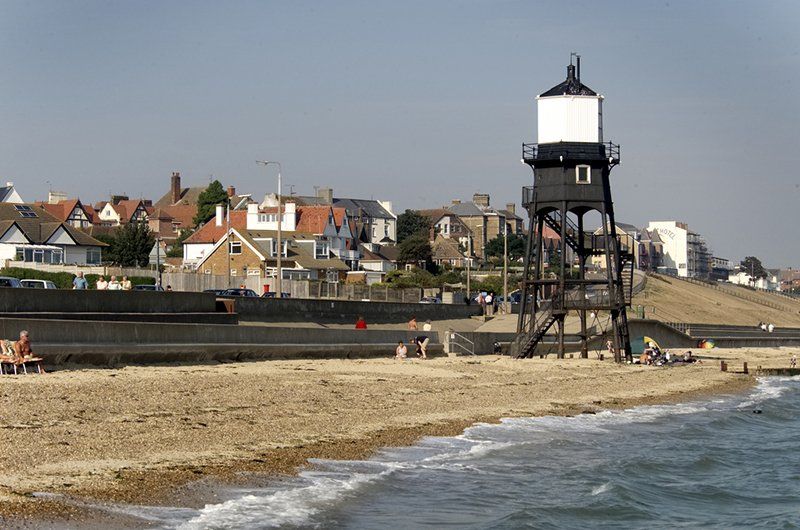
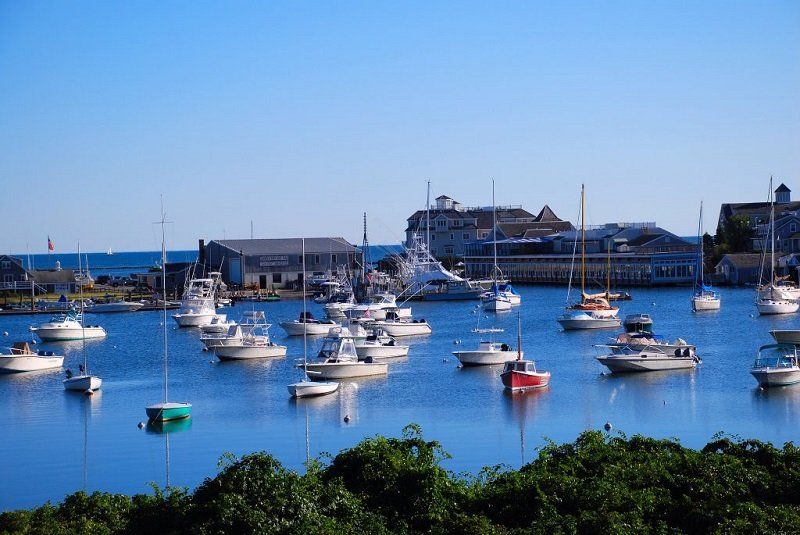
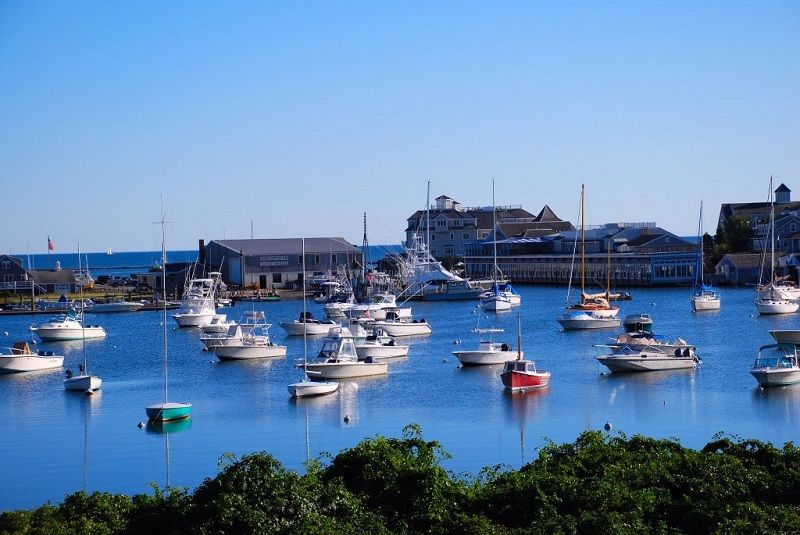
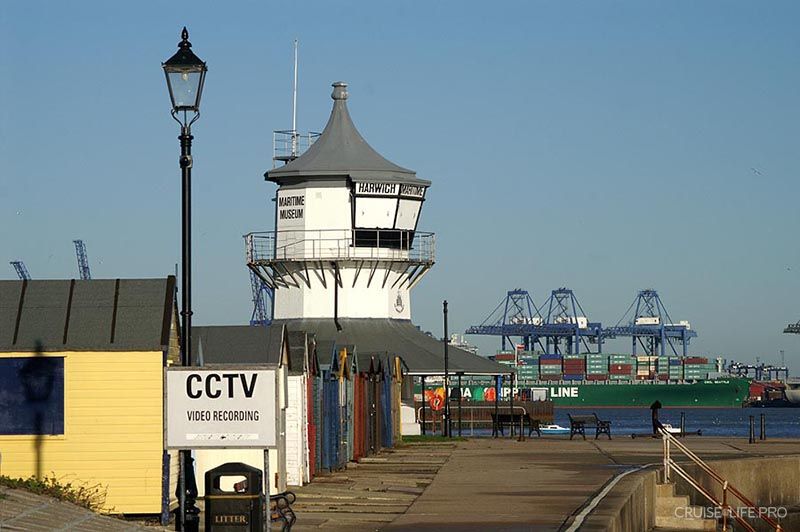
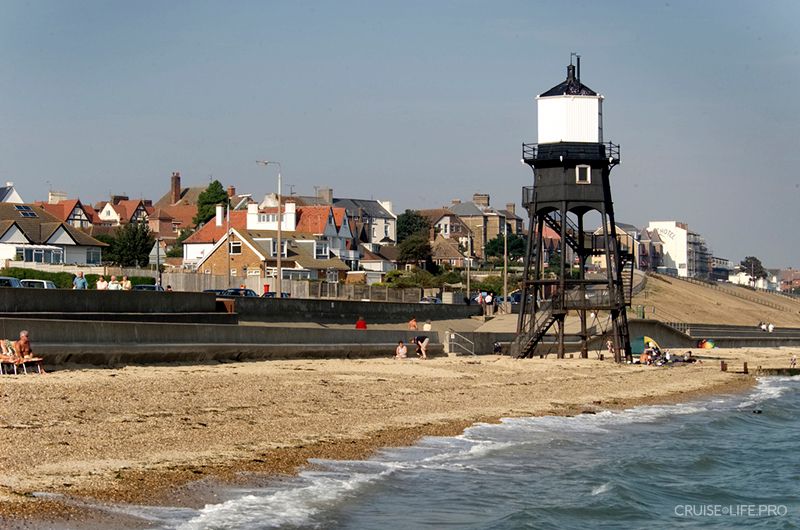
Right by the pier stands an old lighthouse with a Marine Museum inside. The lighthouse was built as far back as 1818 and is still used today as a navigational landmark.
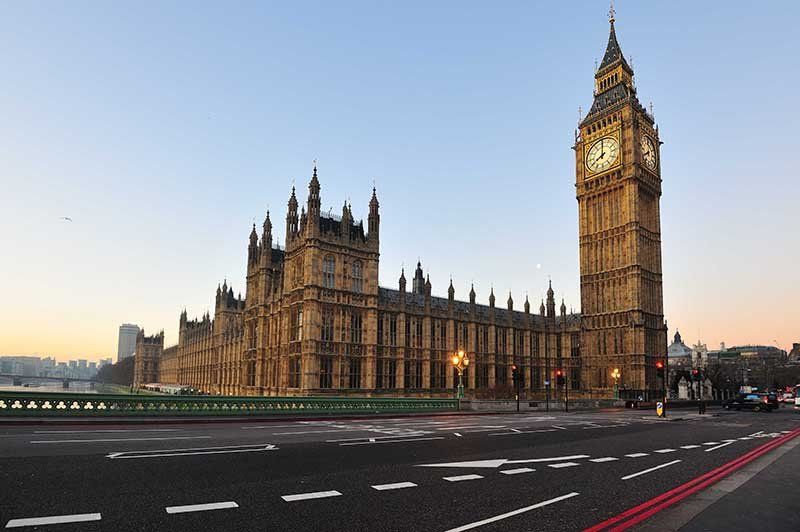
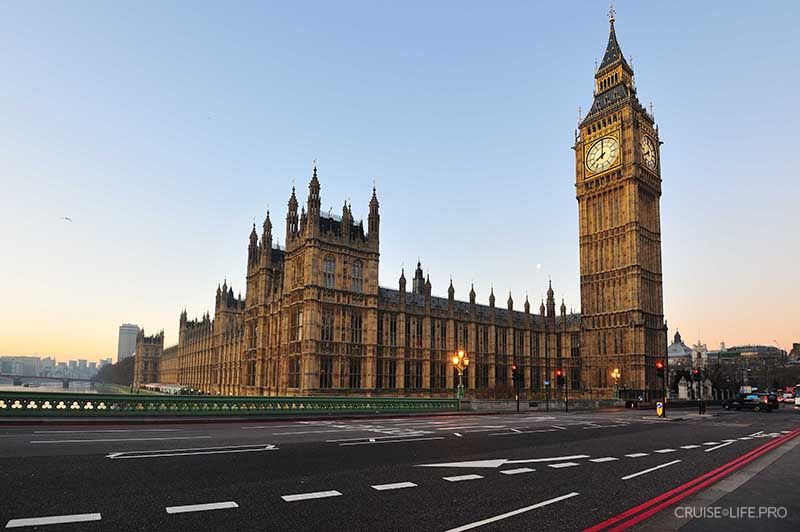
Big Ben (London)
The most recognizable symbol of London and the UK-the famous clock tower at the Palace of Westminster. The clocks show the exact time to locals and guests of the British capital since 31 May 1859. The chimes of the carillon can be heard all over the city even during rush hours.
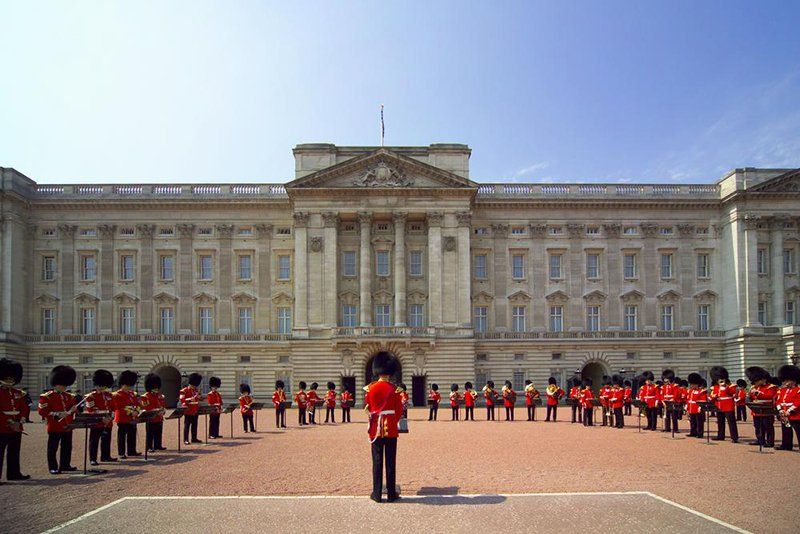
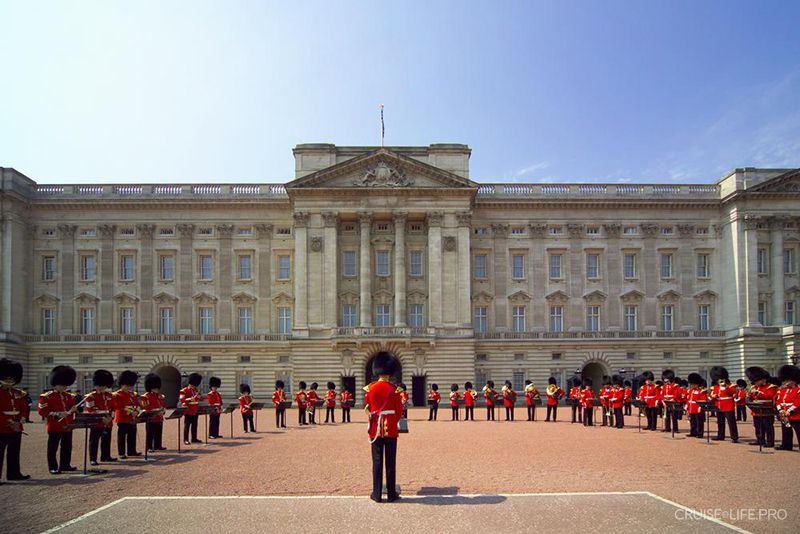
Buckingham Palace (London)
The official residence of the Queen of the United Kingdom has been located at Buckingham Palace since 1837, when Queen Victoria ascended the throne. Originally, however, the palace was built for the Duke of Buckingham. Tourists are allowed into the house where the queen lives, but entry is only possible in August and September, when the queen leaves for her traditional vacation in Scotland. For viewing during this time, 19 rooms are open. Their walls are decorated with treasures from the royal collection-paintings by Rembrandt, Rubens, and Canaletto. The queen is guarded by the Foot Guards and the Royal Horse Guards. Every day at 11:30 during the warm months of the year (April-August), a guard change takes place outside the palace. In the other months, the guard change ceremony is held every other day.
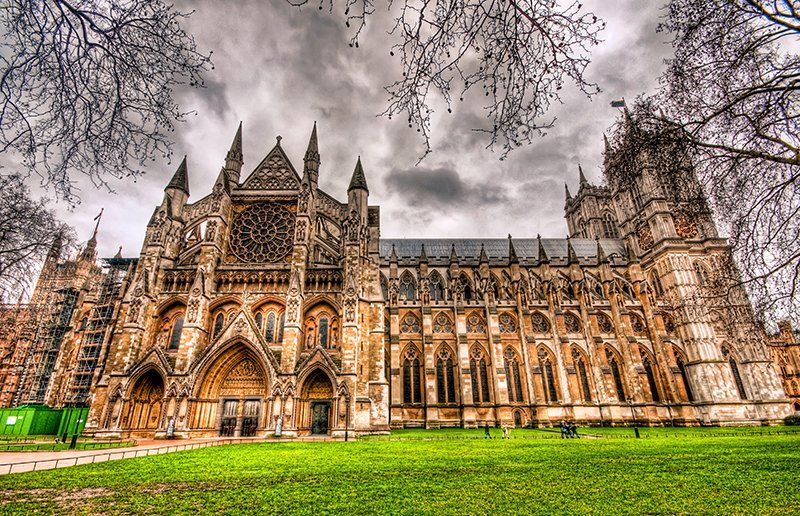
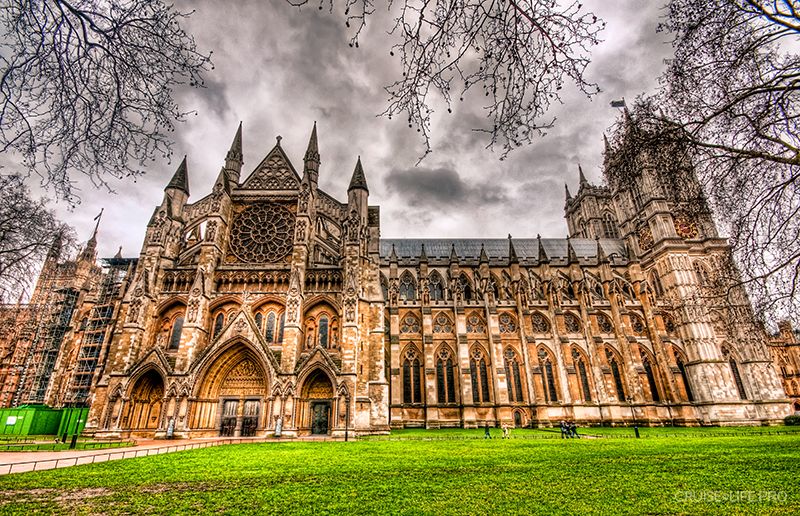
Westminster Abbey (London)
This is not only a very beautiful architectural landmark, striking in its size and the luxury of its interiors-it is practically the history of the country. Within the walls of Westminster Abbey, more precisely, in its Gothic cathedral church of St Peter, all the kings of Britain were crowned, beginning with William the Conqueror. And here, members of the royal family were also laid to rest, alongside great poets, high-ranking officials, and members of the clergy: William Shakespeare, Charles Dickens, Winston Churchill, and many others lie here. The Abbey was founded by the monk Edward the Confessor in 1040, and Westminster was completed, rebuilt, and refurbished over more than 300 years by the most diverse architects-at the whims of successive kings.
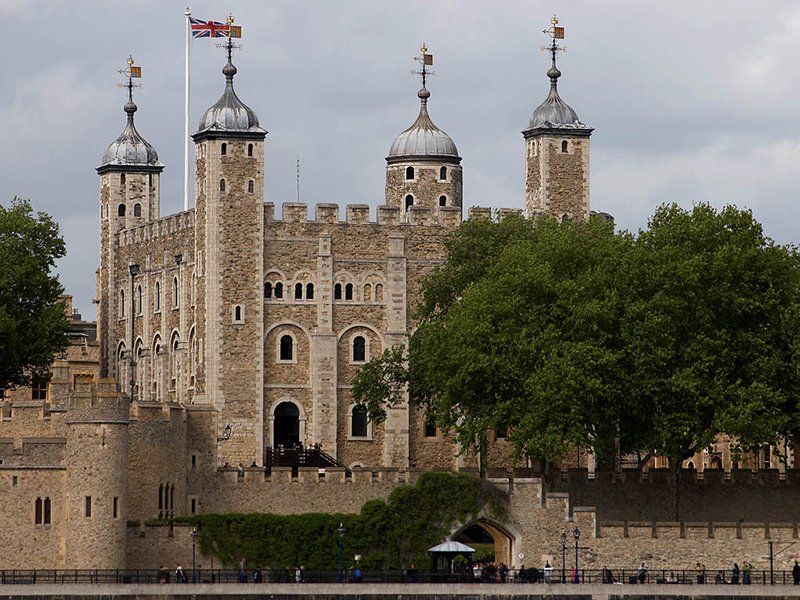
Tower (London)
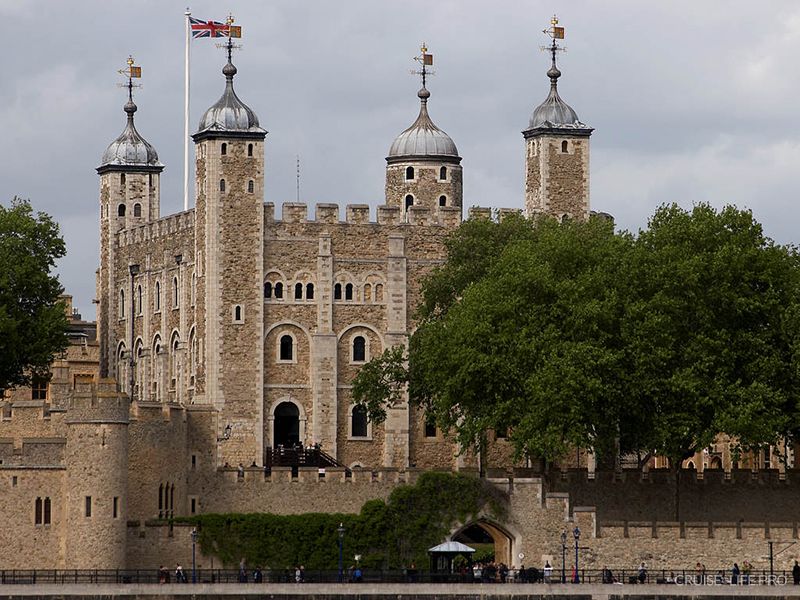
This fortress is one of the city’s main symbols and a popular tourist attraction, although this is hardly a cheerful place, since the Tower of London is nothing more than a prison. How many people died in the name of faith within the walls of this castle, and how many of them were executed for political reasons and unlawfully sentenced while serving their punishment in this terrible and ominous place, is something no one knows for sure. The Tower’s bloody history came to an end only at the beginning of the Second World War. Today there is no prison here-there is, however, an armory with the treasures of the British crown, a library, and a museum.