Labradores Market
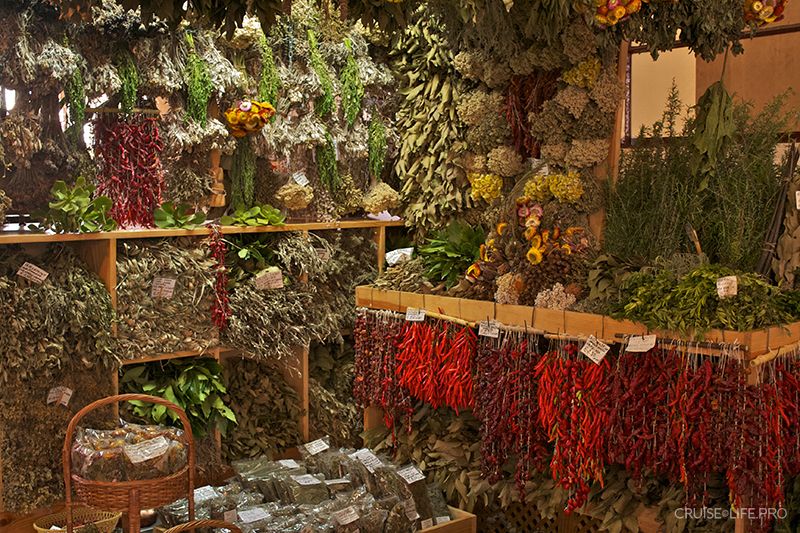
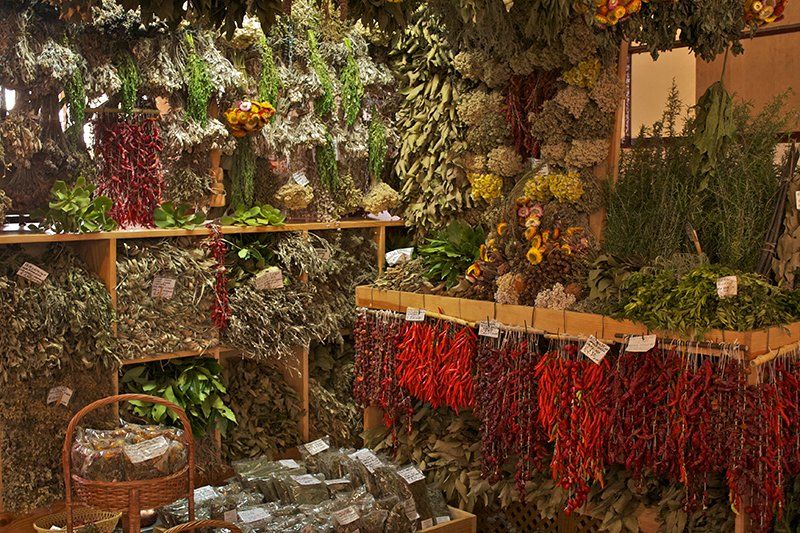
The “Lavradore(s)” market is one of the most remarkable places in Funchal. It was opened in 1940. The two-story building, featuring elements of architectural styles including modernism and Art Deco, with picturesque panels made of ceramic tiles produced at the porcelain factory in Sacavém, was built according to a design by architect Edmundo Tavares. At the “Lavradore(s)” market, with an area of nearly 10,000 square meters, you can buy products from local farmers, gardeners, and fishermen-exotic fruits, bulbs and seedlings of unusual plants, fish and shellfish, as well as handcrafted goods and decorations. On weekends, the market is crowded, as producers bring their products closer to the end of the week.
Cathedral of the Cathedral
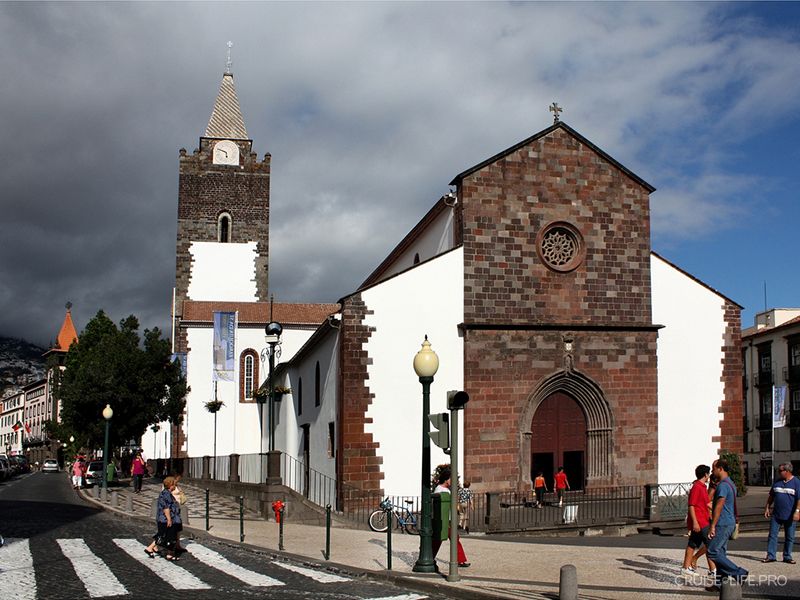
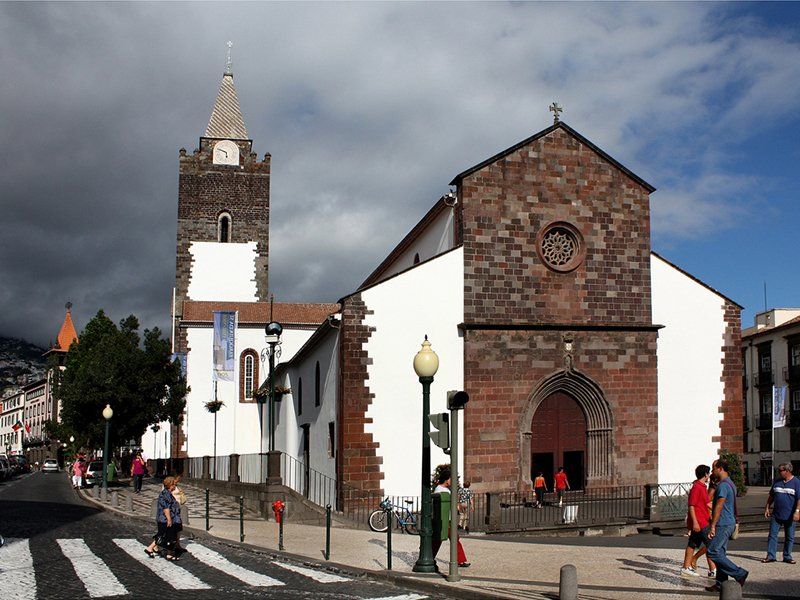
The Cathedral of Funchal is a Catholic church, one of the few buildings in the city that have been preserved in their original form since the time of colonization. Built in the Gothic style, it features wooden ceilings, a Flemish choir, and the bishop’s throne. The interior of gilded wood is typical of the Manueline style. The displayed saints, prophets, and apostles are dressed in 16th-century costumes. The altar, one of the few 17th-century altars that has not been damaged, presents an elegant openwork canopy made of thin boards, painted with scenes from the Old and New Testament. Inside the cathedral there is a notable cross used for religious rites, gifted by Manuel I. This symbol of devotion, made of silver, is rightfully considered one of the masterpieces of jewelry art.
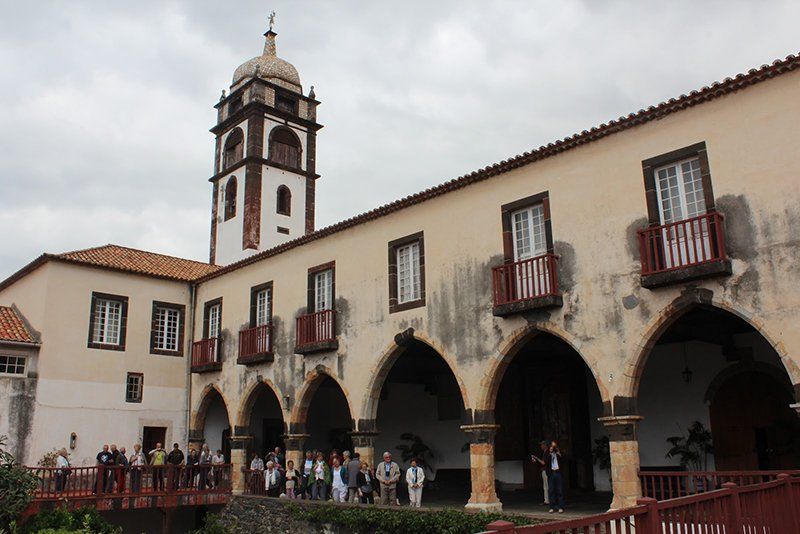
Monastery of Saint Clare
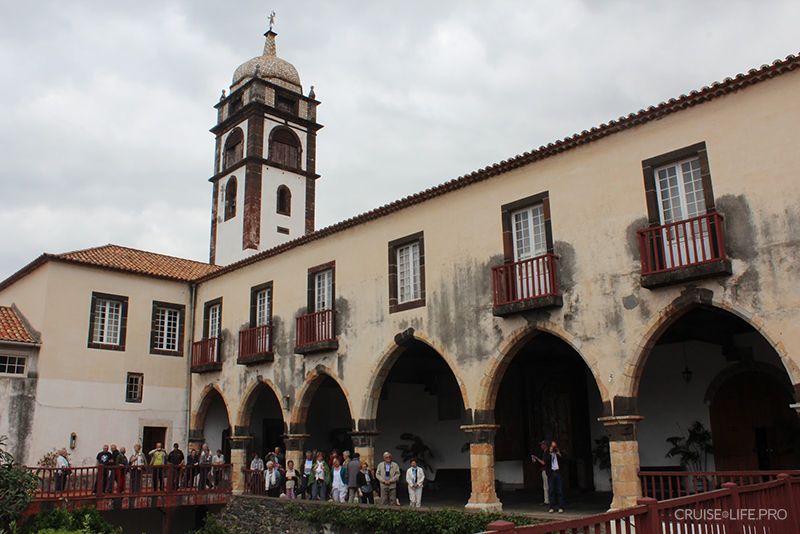
St. Clare Monastery in the city of Funchal is an impressive architectural landmark of the 15th century. It was founded by João Gonçalves de Câmara for the Franciscan monks. Despite numerous reconstructions, most of the buildings in the complex have retained their original features. Along the perimeter of the picturesque inner courtyard, there are tall arcades adorned with raised relief images of flowers and fruits. The main focus is the church with a Gothic portal and an old bell tower. Its walls are decorated with exquisite 17th-century azulejo tiles, and the wooden arched vaults are covered with Spanish-Arabic ceramics. The cozy church interior is filled with original furniture, paintings, statues, and valuable religious relics.
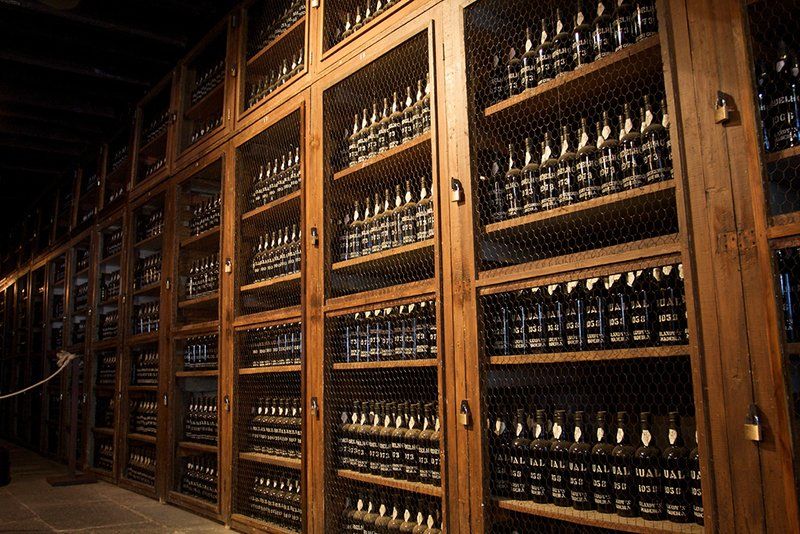
Madera Wine Production Plant
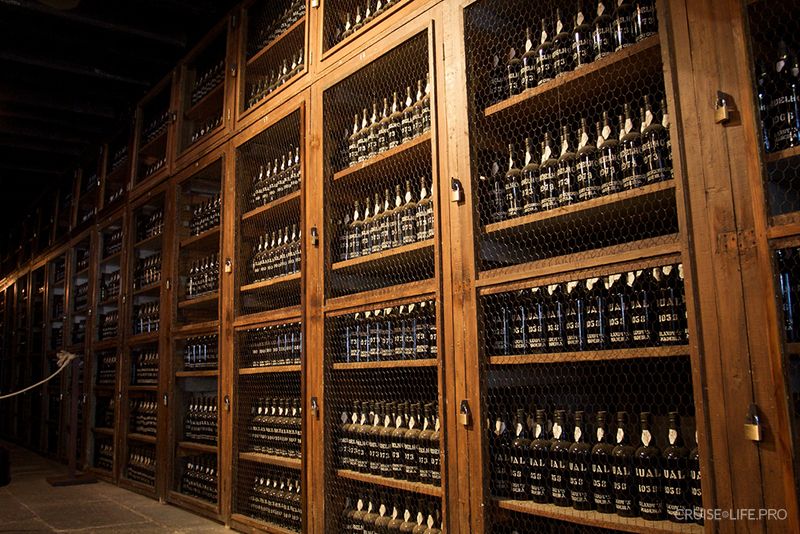
The Madeira wine production plant is located in Funchal. It is one of the oldest factories on the island, built as far back as the 18th century. During the tour, you can see the entire production process and also taste different types of wine in the tasting room. Madeira is a distinctive calling card of the island, named in its honor, as it was here that Madeira was first produced. Today, Madeira produces wine from four grape varieties: verdelho, boal, malvasia, and sercial. The island’s vineyards are not very large and often belong to different owners. The mountainous landscape of the island does not allow the use of machinery, so grape harvesting is carried out exclusively by hand. In September, the Wine Festival is held here.
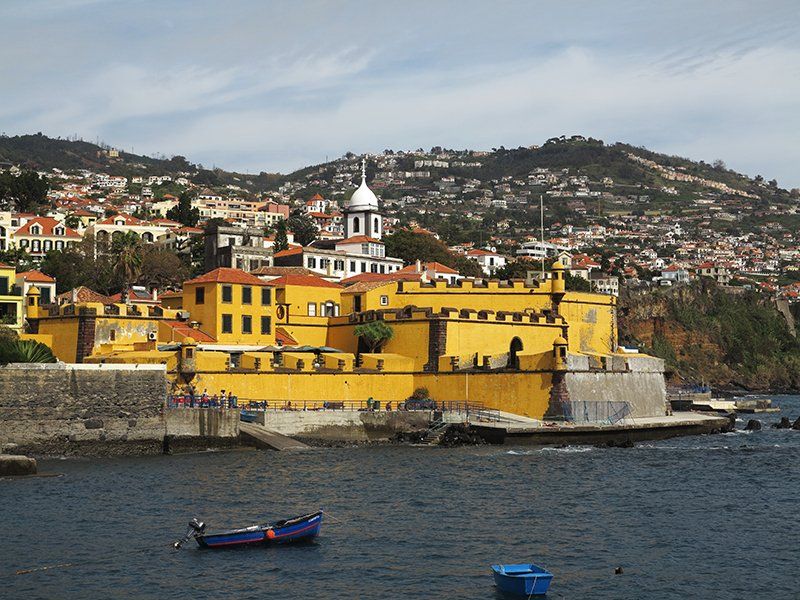
Fort Santiago
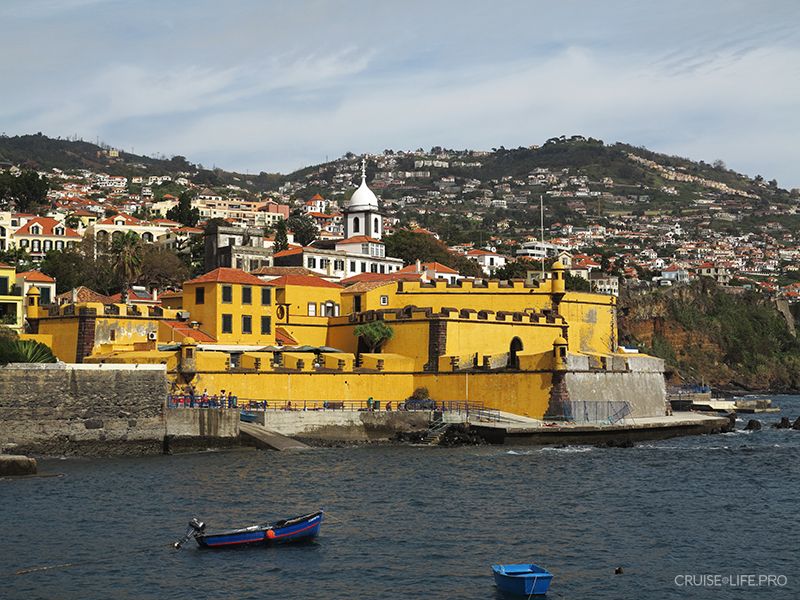
Fort Santiago in the central harbor of Funchal is an important monument of military architecture. It was built in 1614 to protect the city from pirates. As a defensive structure, the fortress served until 1992. The fort was named after Funchal’s patron saint, the Apostle James the Less, who, according to legend, saved the city from the plague. To this day, the massive crenellated walls with watchtowers and the interior buildings have been remarkably well preserved. The restored fort houses the Museum of Contemporary Art. In addition, there is a luxurious restaurant with a terrace. From the grounds of this historic fort, you can enjoy a splendid panorama of the Atlantic and cosmopolitan Funchal, nestled in lush greenery.