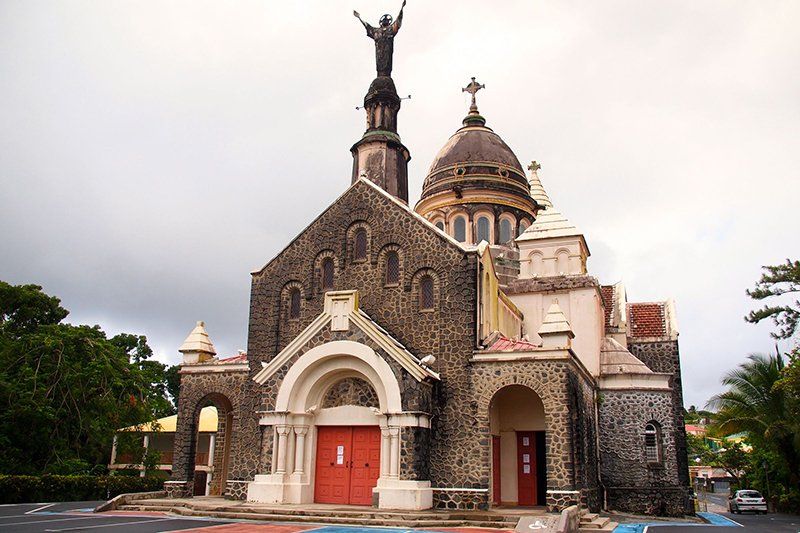
Balata Church
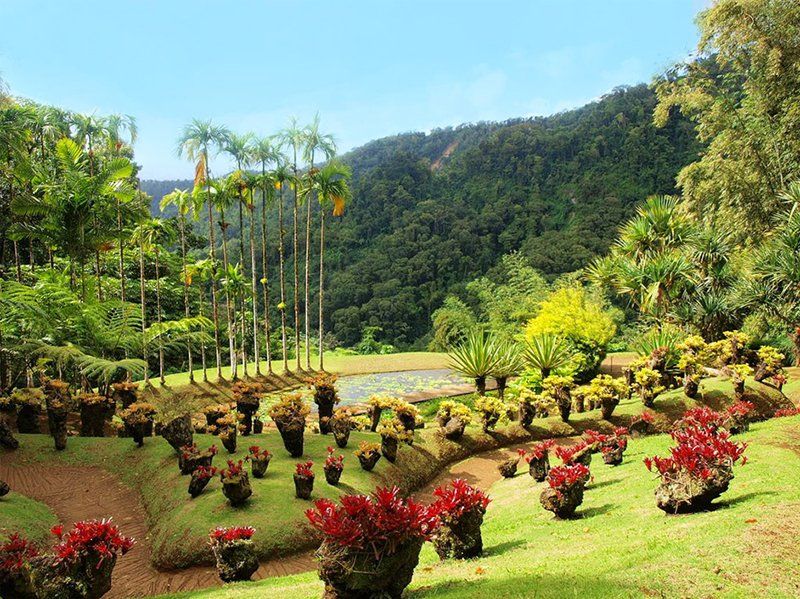
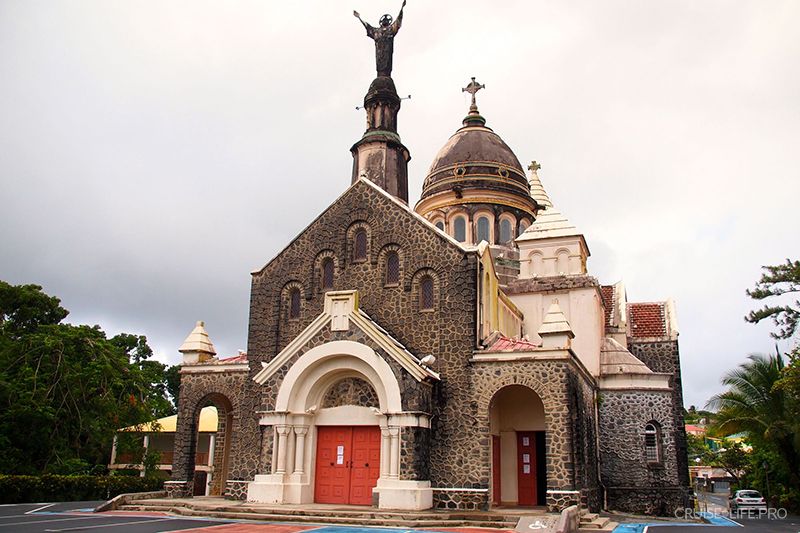
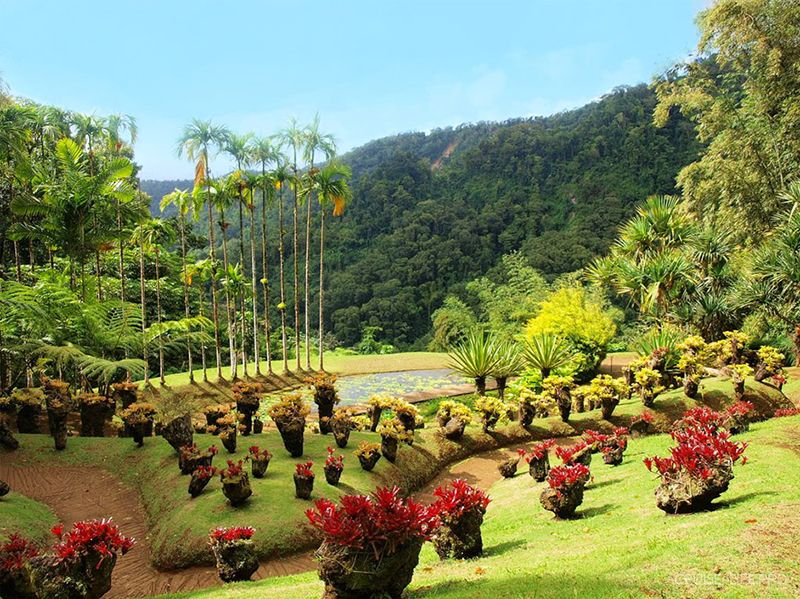
The Balata Church was built in 1928. It is located among beautiful artificial ponds with water lilies and lilies in the Jardin-Balata Botanical Garden, 10 kilometers from Fort-de-France. The church is a copy of the French basilica Sacré-Cœur. This wonderful building has a rectangular shape with an odd number of naves. The church’s dome is shaped like a silhouette of the basilica. The church is a bright representative of the Romanesque-Byzantine style. The church façade is adorned with sculpture. Inside, the sanctuary features mosaics and original stained-glass windows with biblical themes. The pulpit is decorated with a panel depicting scenes of worship of the Sacred Heart of Christ.
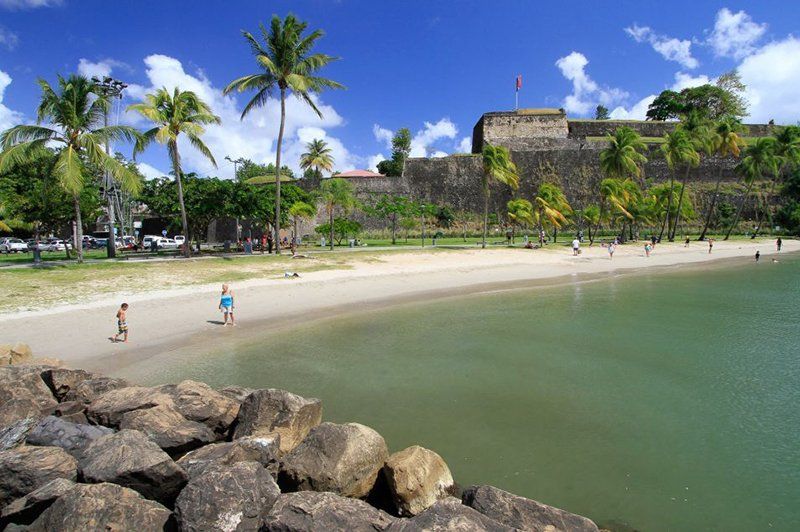
Fort St. Louis
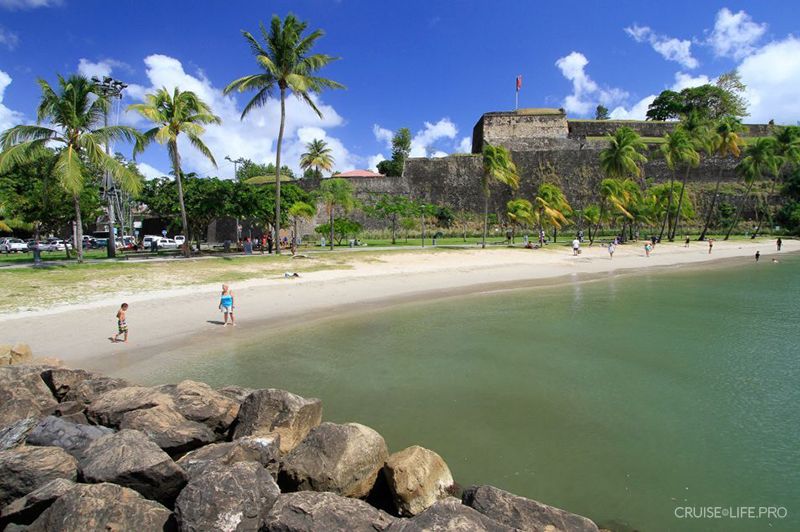
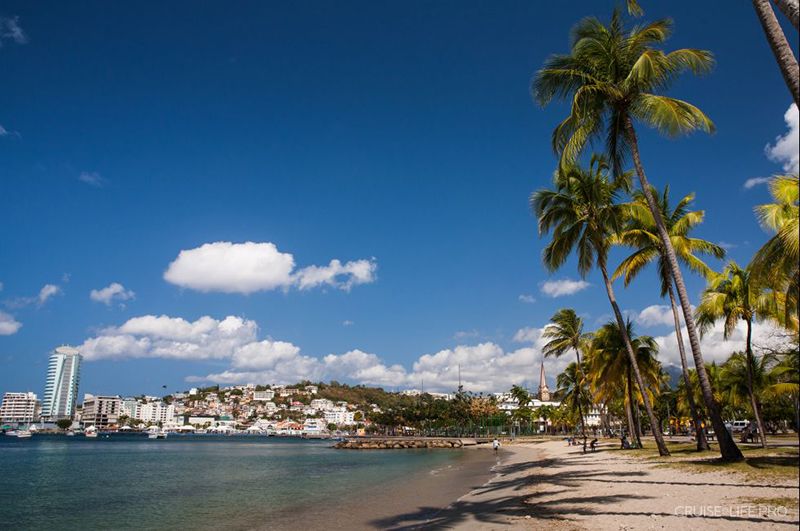
Fort Saint-Louis was built between 1638 and 1672 at the end of Fort-de-France Bay, on a rocky peninsula, to protect ships. The fort’s former names-Fort-Royal and Fort-de-la-Republic-reflect the fact that for a long time it served as an impregnable fortress on the route of the English. Fort Saint-Louis is included in the cultural heritage list of France. Today, Fort Saint-Louis is under the authority of the navies and air forces of the Caribbean countries; nevertheless, regular guided tours are held across its grounds, introducing visitors to the centuries-old history of the fort and the island. On the fort’s premises, you can see unusual residents-a whole colony of green iguanas.
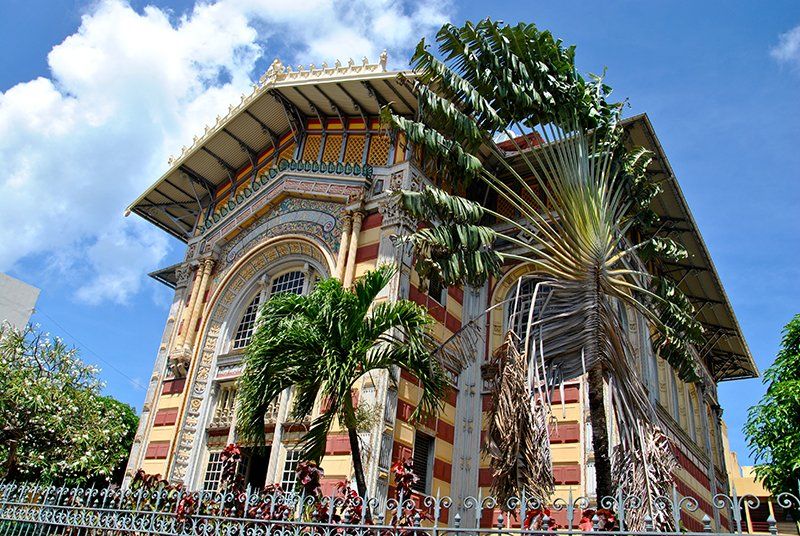
The Sholshers Library
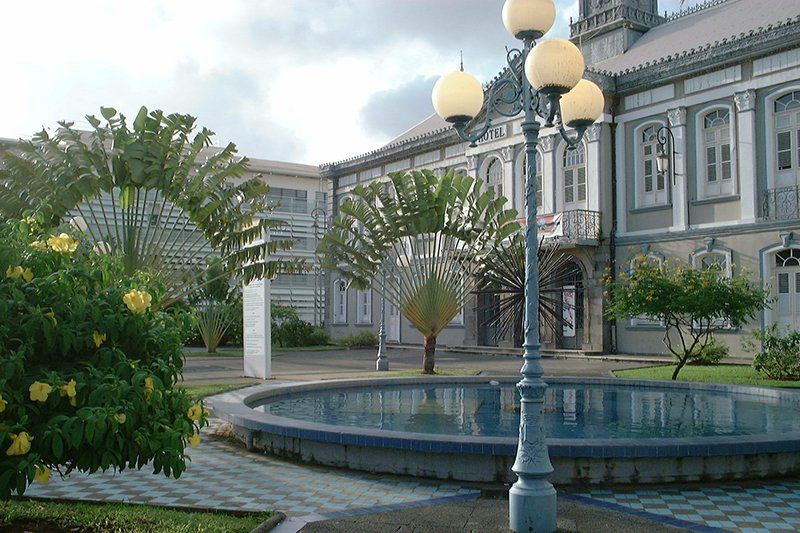
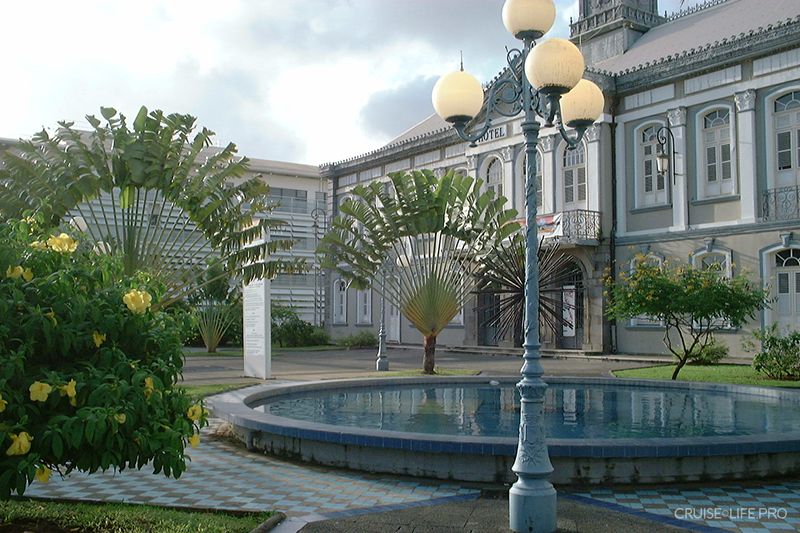
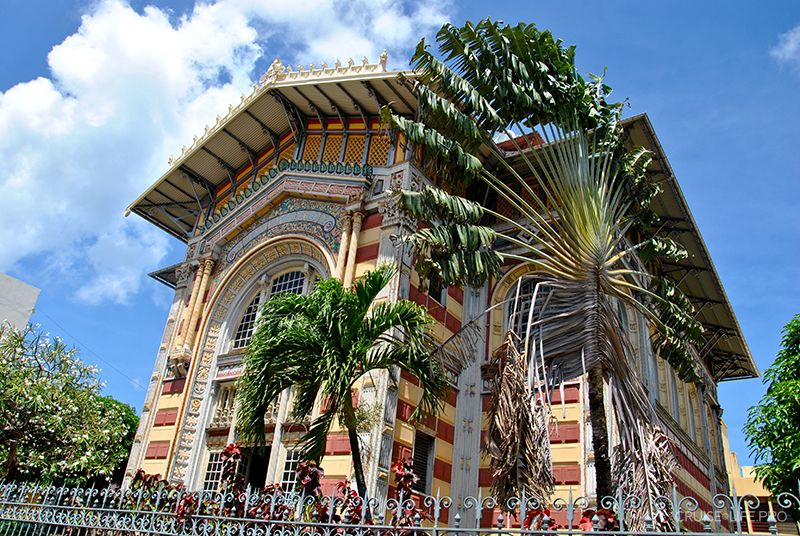
The beautiful library of Victor Schœlcher with a Byzantine-style dome, founded in 1887, houses a collection of 130,000 books, including those published in the Caribbean basin. The original building was erected at the World’s Fair in Paris in 1889. After that, the structure was dismantled and transported to Martinique, to the city of Fort-de-France. The library is named in honor of the famous abolitionist Victor Schœlcher. Among the books is Schœlcher’s entire personal library, which he bequeathed to the island’s residents after his death.
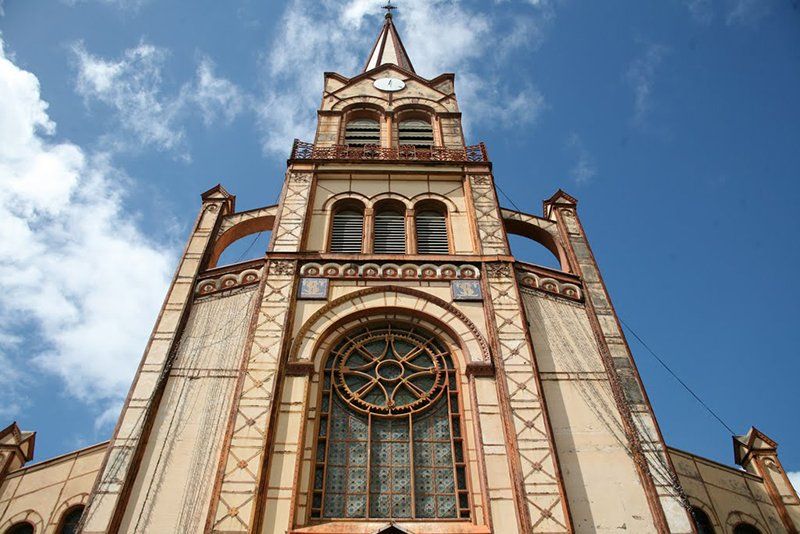
St. Louis Cathedral
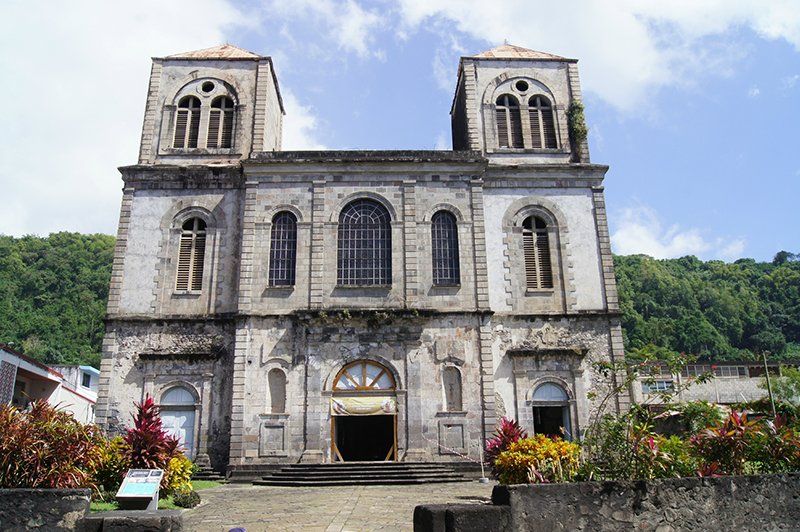
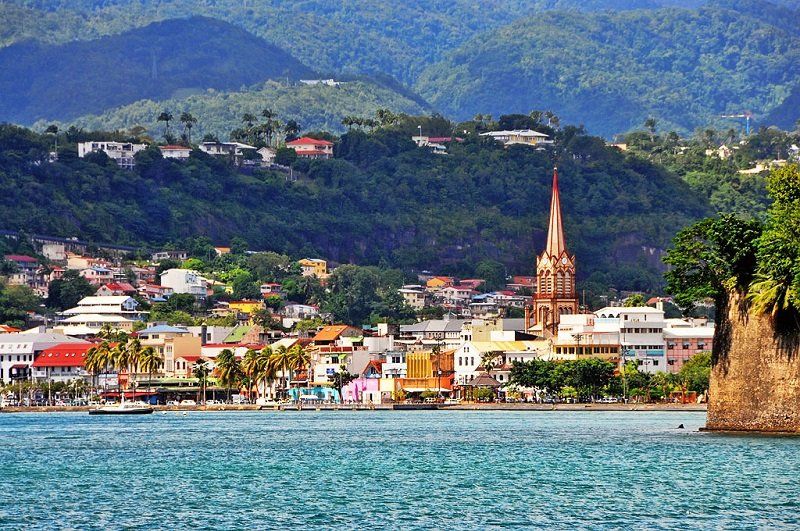
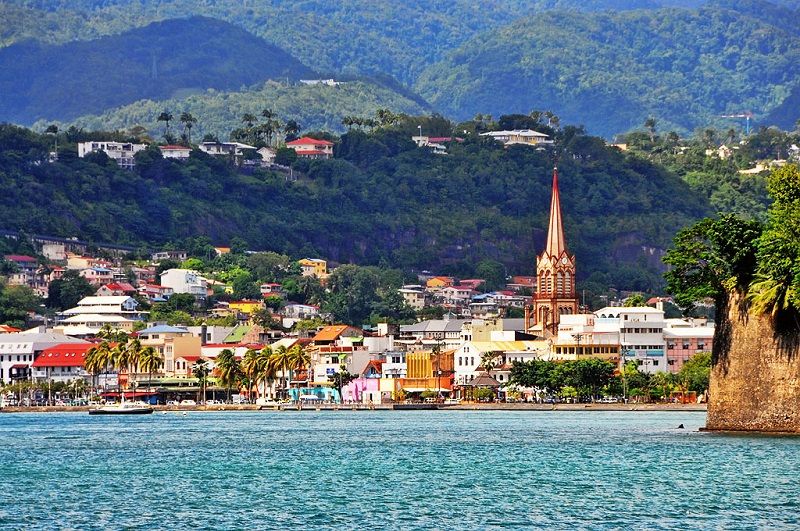
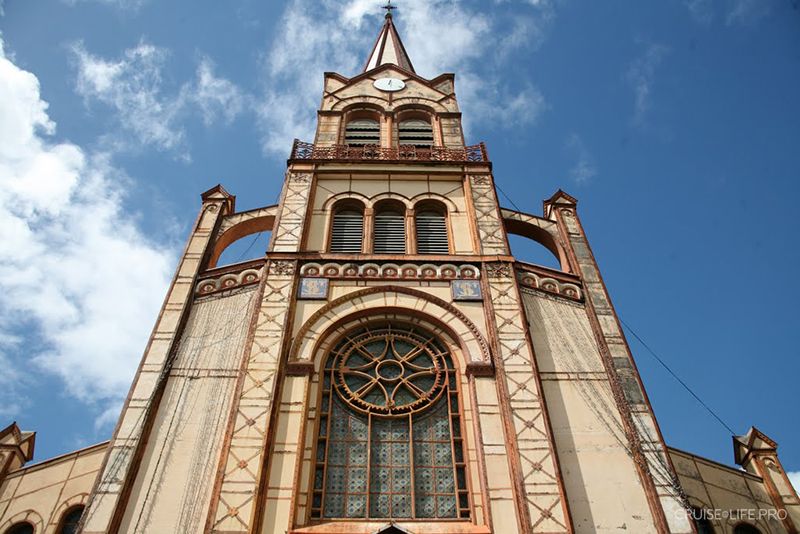
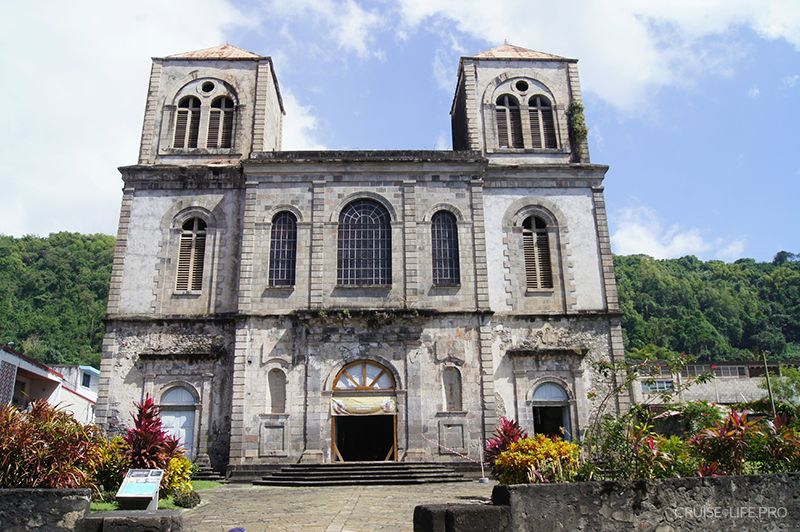
The cathedral was built in 1895 and was rebuilt seven times because tsunamis often struck Martinique and earthquakes occurred. However, the latest version of the building’s structure successfully passed the strength test when a severe tsunami hit the island in 2007 and almost all buildings were destroyed. The cathedral withstood the elements and was left standing with almost complete integrity. The foundation of the cathedral is made of metal. The monastery building is steep-roofed with certain elements of Gothic architecture; it is located next to exotic plants and palm trees. The view of this beauty is simply delightful. Inside the cathedral, there is a large organ, so organ music can be heard there quite often.